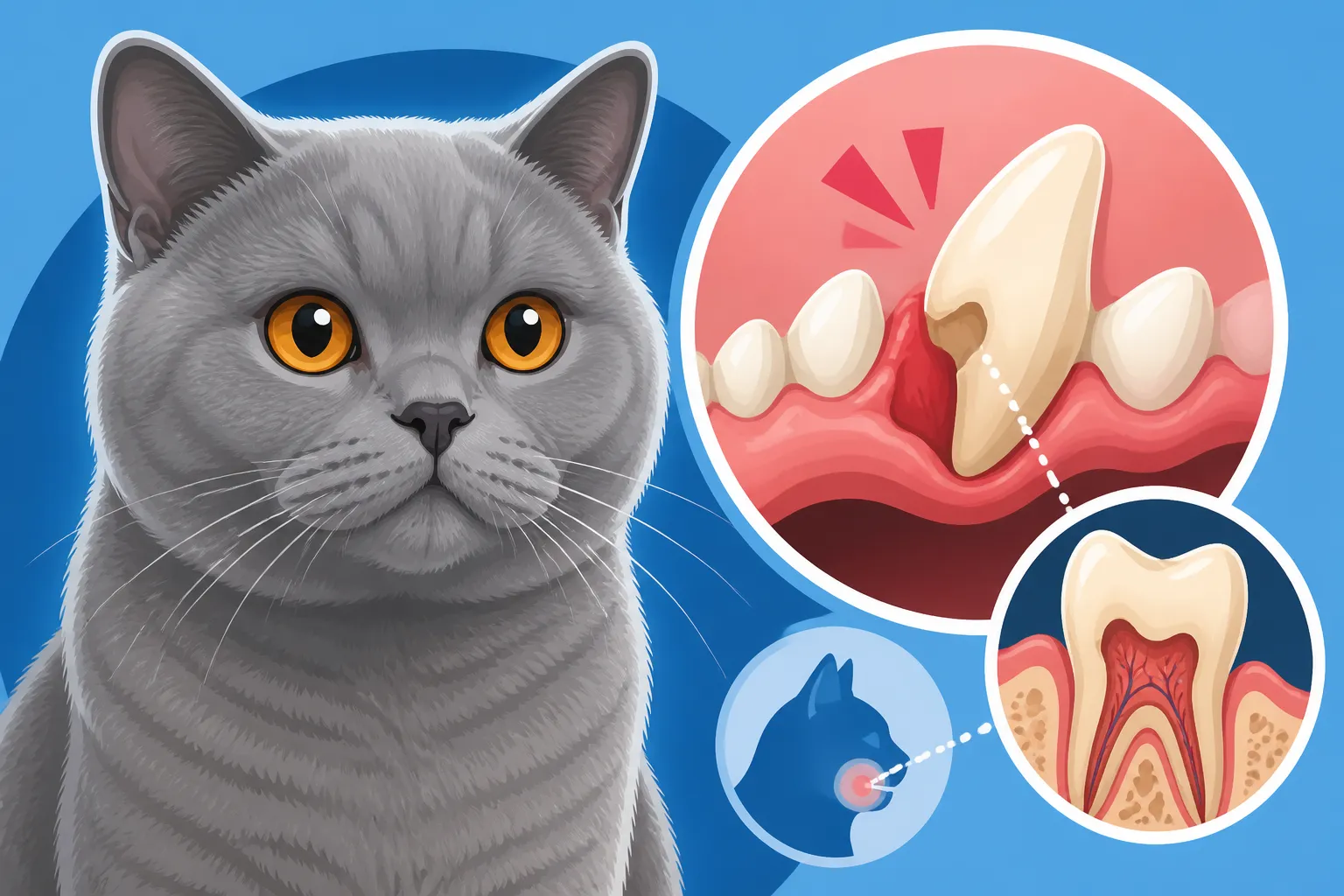
Tooth Resorption in a British Shorthair
It’s a heart-wrenching reality for many British Shorthair owners: you adore your chunky, affectionate companion, but they're masters at hiding discomfort. One of the most insidious and painful conditions they can suffer from, often in complete silence, is tooth resorption. This guide will walk you through understanding this often-overlooked dental disease, how to spot the subtle clues your stoic British Shorthair might be in pain, and what steps you can take to ensure their continued comfort and health.
What Exactly Is Tooth Resorption in British Shorthairs?
When you think of dental problems in cats, you probably imagine tartar buildup or gingivitis, maybe even a broken tooth. But tooth resorption is a different beast entirely, and it's far more common and destructive than many owners realize. Imagine a part of your cat’s tooth slowly but surely being eaten away from the inside out, or from just under the gum line. That’s essentially what tooth resorption is: a progressive erosion of the tooth structure by cells called odontoclasts. It’s like a tiny, relentless saboteur gradually dissolving the tooth, creating painful lesions that expose sensitive nerves. This isn't just a cavity; it's a structural breakdown of the tooth itself, leading to significant pain and potential infection.
The frustrating part is that these lesions often start below the gum line, completely invisible to the naked eye during a casual peek into your cat's mouth. By the time you might see something like a pink gum overgrowth or a visible hole in the tooth, the damage is already extensive, and your British Shorthair has likely been enduring pain for quite some time. Their naturally stoic nature, a hallmark of the breed, means they rarely cry out or dramatically signal their discomfort, making it even harder for us loving owners to know something is terribly wrong.
The Mechanisms Behind Tooth Resorption
While scientists are still unraveling the complete mystery of why tooth resorption occurs, we do understand a fair bit about how it happens. It involves specialized cells, called odontoclasts, that are normally responsible for resorbing the roots of baby teeth before they fall out. For reasons unknown, these cells become hyperactive and start attacking adult teeth. The process typically begins on the root surface, beneath the gum line, slowly destroying the cementum and then the dentin – the layers that make up most of the tooth.
There are generally two types of tooth resorption that vets commonly refer to. Type 1 involves inflammatory processes, where the tooth structure is resorbed while the root itself remains relatively normal in appearance on an X-ray. These often respond well to extraction. Type 2 resorption is characterized by a replacement of the tooth structure with bone-like material, leading to a fused appearance between the tooth root and the jawbone, making extraction more challenging. Sometimes a tooth can even show features of both, which is termed Type 3. Regardless of the type, the end result is a structurally compromised tooth that causes intense discomfort as the lesions deepen and reach the pulp cavity, where the nerves and blood vessels reside. It’s no wonder these cats often suffer in silence – the pain can be excruciating.
Why British Shorthairs Seem Prone to This Condition
It’s a tough pill to swallow, but some breeds do appear to have a higher predisposition to certain health issues, and British Shorthairs, along with other popular breeds like Persians and Abyssinians, are unfortunately noted for a higher incidence of dental problems, including tooth resorption. While the exact genetic link for tooth resorption in British Shorthairs isn't as clear-cut as, say, a DNA test for their blood type or some other conditions, anecdotal evidence from veterinary dentists and studies do suggest they are overrepresented in cases.
Part of this might be due to a combination of factors. Their brachycephalic (flatter-faced) tendencies, though less extreme than a Persian, can sometimes lead to dental crowding or misalignment, which might contribute to areas where plaque and inflammation can proliferate, potentially triggering resorption. Additionally, British Shorthairs are often known for being a bit more sedentary, which can sometimes lead to a diet that isn’t as rich in varied textures that might naturally aid in some dental abrasion. While no diet can prevent tooth resorption entirely, a lifetime of certain foods or habits might play a minor role. It's a frustrating situation because, as dedicated owners, we strive to give them the best, but sometimes breed predispositions are just part of the package. It’s a good reminder that prevention and early detection are absolutely critical for these wonderful, round-faced companions.
Recognizing the Subtle Signs of Tooth Resorption
Since our British Shorthairs are so good at hiding pain, recognizing tooth resorption becomes a game of subtle detective work. You won't often see them clutching their jaw or crying out, even when they're experiencing significant discomfort. Their natural instinct is to mask any weakness, a trait inherited from their wild ancestors. This means that as owners, we have to be exceptionally vigilant and observant, looking for tiny shifts in their normal behavior that might signal a problem.
Many times, by the time an owner notices something, the condition is already quite advanced. It's not uncommon for tooth resorption to be discovered during a routine wellness exam or, sadly, when the cat has reached a point where the pain is too severe to ignore any longer. This highlights why regular veterinary check-ups are so important, even when your British Shorthair seems perfectly content on the surface. Understanding How a British Shorthair Hides Pain is crucial for any owner of this breed, as it applies to many health issues, not just dental ones.
Behavioral Changes That Signal Pain
The clues to dental pain in a British Shorthair are almost always behavioral. They won't point to the sore tooth, but they will show you through their actions that something is amiss. Keep an eye out for any of these subtle, yet significant, changes:
- Changes in Eating Habits: This is perhaps the most common sign. Your cat might suddenly become pickier with their food, especially hard kibble. They might chew only on one side of their mouth, drop food, or refuse to eat at all. You might see them approach the food bowl, sniff, and then walk away, even if it's their favorite meal. Sometimes, they'll show a preference for wet food over dry, not because they're being finicky, but because it's simply less painful to eat.
- Drooling or Pawing at the Mouth: While less common for early-stage resorption, as the lesions become more severe and painful, your cat might start to drool excessively or use a paw to bat at their mouth, trying to relieve the discomfort. This can also manifest as rubbing their face against furniture more frequently.
- Bad Breath (Halitosis): While bad breath can be a symptom of many dental issues, if it's unusually foul, it can sometimes indicate an infection or significant inflammation associated with advanced tooth resorption. It’s a sign that warrants a vet visit regardless. You might also notice a foul smell coming from their breath if they have gingivitis, which sometimes accompanies tooth resorption. Why a British Shorthair Gets Gingivitis is another common concern that shares similar symptoms.
- Reluctance to Play or Groom: If your British Shorthair suddenly loses interest in playing with their favorite toys, especially those they used to bite or carry, it could be a sign of mouth pain. You might also notice a decline in their grooming habits, particularly if grooming causes pain around their face or if they stop grooming areas of their body because stretching their jaw or neck is uncomfortable.
- Increased Reclusiveness or Irritability: Cats in pain often seek solitude. If your normally sociable British Shorthair starts hiding more, avoids interaction, or becomes uncharacteristically irritable when touched near their head or mouth, pain is a likely culprit. Even a normally calm British Shorthair can become snippy if they are in discomfort. These subtle behavioral shifts are often the first, and sometimes only, indication that something is wrong. Always pay attention to Signs a British Shorthair Is Unwell as they are often understated.
What a Vet Looks for During an Exam
When you bring your British Shorthair to the vet with concerns about dental pain, a visual examination of the mouth is always the first step. However, it's crucial to understand that a visual exam alone is almost never enough to definitively diagnose tooth resorption. Most of these lesions, especially in their early and most painful stages, are hidden below the gum line.
During a routine check-up, your vet will look for signs like inflamed gums, tartar buildup, or visible lesions on the crown of the tooth. They might gently probe the teeth or gums, but a cat in pain will often resist, making a thorough awake exam difficult and stressful for them. This is where the critical difference lies: a definitive diagnosis of tooth resorption almost always requires dental X-rays performed under general anesthesia.
Under anesthesia, your vet or a veterinary dental specialist can conduct a comprehensive oral exam. This involves:
- Thorough Visual Inspection: Lifting lips, checking all surfaces of every tooth, probing gum pockets. They might spot a specific "gum line lesion" or a tiny pinkish proliferation of gum tissue over an affected area, often called a "resorptive lesion."
- Dental Probing: Using a small instrument to check for pockets or defects along the gum line where lesions might be present.
- Full Mouth Dental Radiographs (X-rays): This is the gold standard. X-rays allow the vet to see the entire tooth, including the roots and the bone surrounding them. This is where tooth resorption truly reveals itself, showing the characteristic erosion of the root structure or the bone replacement. Without these X-rays, many painful lesions simply go undiagnosed, leaving your cat to suffer in silence. It's the only way to truly understand the extent of the damage. For a comprehensive health assessment, asking Whether an Owner Should Test an Adult British Shorthair for various conditions, including dental, is a smart move.
Diagnosis and Management of Tooth Resorption
Discovering that your beloved British Shorthair is suffering from tooth resorption can be disheartening, especially knowing they’ve been in pain. But the good news is that once diagnosed, this condition is manageable. The key, as we've discussed, lies in thorough diagnosis, which then paves the way for effective treatment. It’s a process that requires a dedicated veterinary team and a clear understanding from you, the owner.
The Crucial Role of Dental X-rays
I cannot stress this enough: dental X-rays are absolutely essential for diagnosing tooth resorption in British Shorthairs. Think about it this way – two-thirds of a cat’s tooth structure is hidden beneath the gum line. Imagine trying to diagnose a broken bone just by looking at the skin! It’s simply not possible. Without X-rays, your vet is literally flying blind, able to address only the visible tip of the iceberg while potentially painful, unseen problems fester.
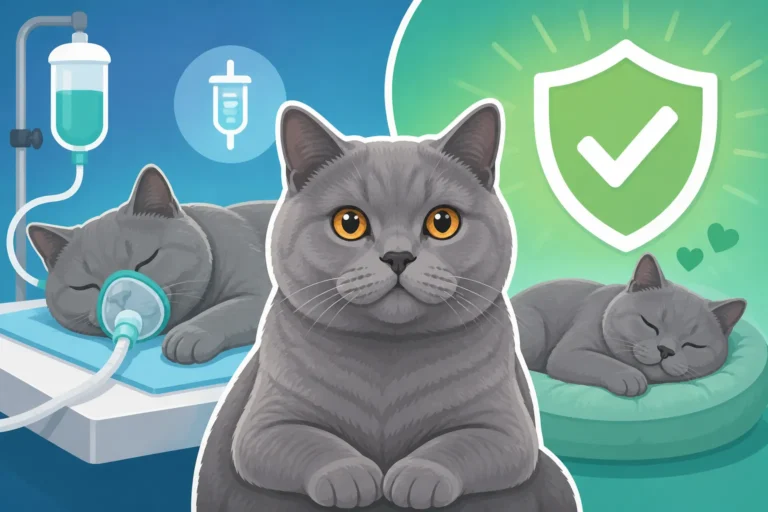
When your British Shorthair undergoes a dental procedure, they will be under general anesthesia. This isn't just for comfort; it's for safety and thoroughness. Anesthesia allows the veterinary team to take a full set of intra-oral X-rays, similar to what you'd get at your own dentist. These images reveal everything: the integrity of the tooth roots, the presence of bone loss, and, most importantly, any hidden resorptive lesions. These X-rays are critical not only for diagnosing existing problems but also for identifying teeth that might look fine on the surface but are compromised below, preventing future pain.
Many owners worry about the risks of anesthesia for their cats, especially older British Shorthairs or those with other health concerns. It's a valid concern! However, modern veterinary anesthesia protocols are incredibly safe. Your vet will perform pre-anesthetic blood work, and often an ECG, to assess your cat's overall health. During the procedure, your cat will be monitored closely by trained staff, using advanced equipment to track heart rate, blood pressure, oxygen levels, and temperature. The benefits of alleviating chronic pain from tooth resorption far outweigh the minimal risks associated with a carefully managed anesthetic event. While it can be an unexpected cost, a good pet insurance like Healthy Paws can significantly help cover these diagnostic and treatment expenses, ensuring your British Shorthair gets the care they need without you having to choose between their health and your wallet.
Treatment Options: Why Extraction is Often the Best Way Forward
Once tooth resorption is definitively diagnosed via dental X-rays, the primary and most effective treatment is almost always extraction of the affected tooth or teeth. This might sound drastic to some owners, but it's important to understand why:
- Resorption is Progressive: Unlike a simple cavity that can be filled, tooth resorption is a degenerative process. Once it starts, it almost always continues to worsen. Trying to "fill" a resorptive lesion is typically futile because the tooth continues to erode around the filling.
- Pain Relief: The goal is to eliminate the source of pain. A tooth undergoing resorption is inherently painful, and removing it provides immediate and lasting relief. Cats are incredibly adaptable and cope remarkably well without several teeth, even all of them, if necessary. They can still eat, groom, and live a happy, pain-free life.
- Preventing Further Complications: Leaving a resorbing tooth in place not only perpetuates pain but also creates a gateway for infection. Bacteria can enter the exposed pulp, leading to abscesses and systemic health issues.
The extraction process itself is performed carefully under anesthesia. The vet will use specialized instruments to remove the tooth, ensuring all root fragments are gone – again, verified with post-extraction X-rays. After the extraction, the gum is sutured closed, promoting healing. Your British Shorthair will be sent home with pain medication and possibly antibiotics, and you'll typically be given instructions for soft food for a few days. Recovery is usually swift, and many owners report their cats are happier, more active, and have a better appetite once the chronic pain is gone. Don't worry about the cost too much, as we discuss in What a British Shorthair's First Dental Costs, the benefits far outweigh it.
Prevention and Ongoing Dental Care for Your British Shorthair
While complete prevention of tooth resorption isn't always possible, especially with a breed predisposition like that of the British Shorthair, what we can do as owners is crucial. Proactive dental care, both at home and with your veterinarian, can significantly mitigate the risk of other dental diseases and help catch issues like resorption early, before they become agonizing for your cat. Think of it as building a strong defense, even if you can't control every variable.
Routine Home Dental Care Practices
This is where you, the owner, play the most hands-on role. Establishing a dental routine, even a simple one, from a young age can make a world of difference for your British Shorthair.
- Brushing Your Cat's Teeth: Yes, it sounds daunting, especially with a cat that might not be thrilled about it! But even a few seconds a day or every other day can reduce plaque buildup significantly. Start slowly, introducing a feline-specific toothbrush (or a finger brush) and enzymatic toothpaste (never human toothpaste). Focus on the outside surfaces of the upper teeth, as these tend to accumulate the most plaque. Be patient and make it a positive experience with treats and praise. Given their generally calm nature, some British Shorthairs can adapt to this better than other, more feisty breeds.
- Dental Treats and Diets: There are many products on the market designed to help with dental health. Look for treats and diets that have the Veterinary Oral Health Council (VOHC) seal of approval. This means they have been scientifically proven to reduce plaque and/or tartar. While they won't cure existing problems or prevent tooth resorption entirely, they can contribute to overall oral hygiene. Remember, treats should always be given in moderation, especially considering that Why a British Shorthair Gains Weight So Easily.
- Water Additives: Some vets recommend water additives that contain ingredients designed to reduce bacteria in the mouth or inhibit plaque formation. These are often tasteless and easy to use, simply by adding them to your cat's drinking water. Again, these are complementary measures, not standalone solutions.
- Regular Mouth Checks: Get into the habit of gently lifting your British Shorthair’s lips once a week to look inside. Look for redness, swelling, unusual growths, or any changes in tooth color. While you might not spot sub-gingival resorption, you can certainly detect other issues like gingivitis early on. It's also a good way to get your cat used to having their mouth handled, which makes vet visits easier.
Regular Veterinary Check-ups and Professional Cleanings
Even with the best home care, professional veterinary attention is indispensable for your British Shorthair's dental health.
- Yearly Wellness Exams: These are your primary line of defense. During your British Shorthair's annual check-up, your vet will perform a thorough oral examination. They can spot early signs of gingivitis, tartar buildup, and other issues that might warrant further investigation. It’s also an opportunity to discuss any behavioral changes you've noticed or ask questions about home care. For an older British Shorthair, two wellness exams a year are often recommended, as dental health can decline more rapidly in senior cats. Caring for a British Shorthair Past Ten often involves increased vigilance regarding dental issues.
- Professional Dental Cleanings Under Anesthesia: This is absolutely critical. While home care helps, it cannot remove hardened tartar below the gum line or properly assess the tooth roots. Your vet will recommend professional dental cleanings under anesthesia based on your cat's individual needs. For some British Shorthairs, this might be every 1-2 years, while others might need it more frequently. During these cleanings, the vet will scale and polish the teeth, much like your own dental hygienist, and crucially, take those essential full-mouth dental X-rays to check for hidden problems like tooth resorption. How Often a British Shorthair Needs a Dental really depends on their individual dental health.
- Pet Insurance for Dental Care: The reality is that comprehensive dental care, especially when extractions are needed, can be expensive. Investing in pet insurance like Healthy Paws can be a lifesaver. Many plans cover accidental dental injuries, but some also offer coverage for routine dental cleanings and unexpected dental diseases like tooth resorption, significantly reducing your out-of-pocket costs and ensuring you can provide the best care without financial strain. It's definitely something to consider if you want to ensure your British Shorthair gets top-notch dental care throughout their potentially long life.
Regular professional dental care is not just about fresh breath; it's about preventing chronic pain, infections, and improving your British Shorthair's overall quality of life and potentially even their How Long a British Shorthair Lives on Average. A healthy mouth contributes to a healthy body, and for our beloved British Shorthairs, that means more happy, purring years by our side.
| Signs of Dental Pain (Possible Tooth Resorption) | Normal/Healthy Cat Behavior |
|---|---|
| Dropping food or chewing on one side | Eats normally, uses both sides of mouth |
| Bad breath (unusually foul) | Relatively neutral breath |
| Pawing at mouth or rubbing face | No excessive pawing or rubbing |
| Reluctance to play with chew toys | Engages with toys, especially those involving biting |
| Reduced appetite or preference for soft food | Eats dry and wet food equally well, good appetite |
| Increased reclusiveness or irritability | Sociable, seeks interaction, calm demeanor |
| Visible red gums, swelling, or missing teeth | Pink, healthy gums; all teeth present and intact |
| Weight loss (in severe, chronic cases) | Maintains a healthy weight |
Disclaimer
The information provided in this article is for general educational purposes only and should not be considered as professional veterinary medical advice. Always consult with a qualified veterinarian for any health concerns or before making any decisions related to your British Shorthair's care, diagnosis, or treatment. Each cat is an individual, and only a veterinarian can provide tailored advice based on a thorough examination and diagnostic testing.