Whether a Type AB British Shorthair Exists
Many British Shorthair owners and even prospective breeders often find themselves puzzled by feline blood types. You might have heard about Type A and Type B, but what about Type AB? It's a common question, especially when trying to understand the full genetic picture of your beloved chunky companion, and the simple truth about whether a Type AB British Shorthair exists isn't as straightforward as it is for humans, leading to a lot of confusion and concern about their health and future litters. This guide is here to unravel the complexities of British Shorthair blood types, clarify the existence of Type AB, and explain why this knowledge is crucial for every owner and breeder.
Understanding Feline Blood Types: A, B, and the Elusive AB
When we talk about blood types in cats, it's a bit different from the human ABO system we're all familiar with. In felines, the primary blood groups are A and B, with a very rare third type often referred to as AB. However, this feline AB type isn't analogous to the human AB, which combines both A and B antigens. This distinction is crucial for understanding why it's so rare and often misunderstood in breeds like the British Shorthair.
The Genetic Basis of Feline Blood Types
The genetics behind a cat's blood type are determined by a specific gene with two main alleles: A and b. The 'A' allele is dominant and results in Type A blood, while the 'b' allele is recessive and results in Type B blood. What this means for your British Shorthair is that if they inherit even one 'A' allele, their blood type will be A, unless they inherit two 'b' alleles, in which case they'll be Type B. It's a classic Mendelian inheritance pattern that breeders spend a lot of time wrapping their heads around, especially when planning pairings to avoid heartbreaking issues like Neonatal Isoerythrolysis.
There's also a third allele, 'a', which is actually a variant of the dominant A allele, often leading to a weaker expression of the A antigen. This particular allele can make blood typing a bit more nuanced, as some cats might test as Type A but have a very low level of A antigens. However, for most practical purposes, particularly with British Shorthairs, we're primarily concerned with the strong A and B expressions. The intricate dance of these alleles determines everything from transfusion safety to kitten survival rates.
Prevalence in British Shorthairs and Other Breeds
British Shorthairs, like many purebred cats, have a significant prevalence of Type B blood. While Type A is generally the most common blood type across the global cat population, certain breeds have a much higher incidence of Type B. For British Shorthairs, it's estimated that a substantial percentage are Type B, far more than in a typical mixed-breed cat. This makes knowing your British Shorthair's blood type absolutely critical, especially if you're a breeder. You can learn more about this in our detailed guide on Why Type B Is So Common in British Shorthairs. Other breeds known for a higher Type B prevalence include Devon Rex, Cornish Rex, British Longhair, and Turkish Angora.
On the other hand, breeds like Siamese, Burmese, and Russian Blues are almost exclusively Type A. This breed-specific distribution is why comprehensive health testing and understanding blood lines are so important for responsible breeders aiming to protect the health of their kittens. Ignoring this crucial aspect can lead to devastating consequences, proving that a little genetic knowledge and proactive testing goes a long way in ensuring the longevity and health of this wonderful breed.
The Feline AB Blood Type: A Rare and Distinct Phenomenon
The idea of a "Type AB" cat often brings to mind the human AB blood type, where a person has both A and B antigens. However, in cats, the feline AB blood type is fundamentally different and much rarer. It doesn't mean the cat possesses both A and B antigens in the same way. Instead, it's a unique expression that needs careful understanding, particularly because it's so seldom encountered.
The Nuance of the AB Allele
Unlike the human ABO system, where A and B are codominant, the feline AB type is thought to be an entirely separate allele, often designated 'ab', which is recessive to A but dominant over b. So, the order of dominance is A > ab > b. This means a cat would only express the AB phenotype if it inherited the 'ab' allele from at least one parent and didn't inherit a dominant 'A' allele. For example, an A/ab cat would be Type A, while an ab/b cat would be Type AB. This genetic pathway is quite specific, explaining its extreme rarity. When looking at Which Blood Types a British Shorthair Can Have, you'll find that AB is almost a mythical beast in the context of common feline genetics.
The 'ab' allele itself is not widely distributed among cat breeds, making its appearance even less likely in breeds already characterized by a high prevalence of A or B. This distinct genetic mechanism means that a feline Type AB is not merely a combination of A and B antigens, but a unique antigenic profile altogether. It's truly a genetic outlier in the world of cat blood types, and its detection often requires specialized testing beyond routine screening.
Why Feline AB Isn't Like Human AB
The biggest point of confusion is drawing parallels to human blood types. In humans, Type AB individuals express both A and B antigens on their red blood cells and are considered "universal recipients" for transfusions because they don't produce antibodies against A or B. For cats, the situation is different. Feline Type AB blood has a unique antigenic structure that doesn't fully resemble either Type A or Type B. Critically, these cats can sometimes have weak anti-B antibodies, which means they are not simply a blend or "universal recipient" in the human sense without careful consideration.
Furthermore, the prevalence is vastly different. While human AB blood is common, feline AB blood is incredibly rare. Some studies suggest it makes up less than 1% of the total cat population, and in specific breeds like the British Shorthair, its existence is often debated due to lack of confirmed cases within typical breeding lines. This extreme rarity is why many breeders and even some vets primarily focus on Type A and Type B, as these are the types that most directly impact breeding decisions and transfusion risks. The complexities of feline blood groups underscore the need for veterinary expertise.
Critical Implications for British Shorthair Breeding and Health
Understanding blood types isn't just an academic exercise; it has very real, sometimes life-or-death, implications for British Shorthair breeding and emergency veterinary care. The rarity of Type AB means most of our focus remains on the A and B types, particularly concerning a devastating condition called Neonatal Isoerythrolysis.
Avoiding Neonatal Isoerythrolysis (NI) in Kittens
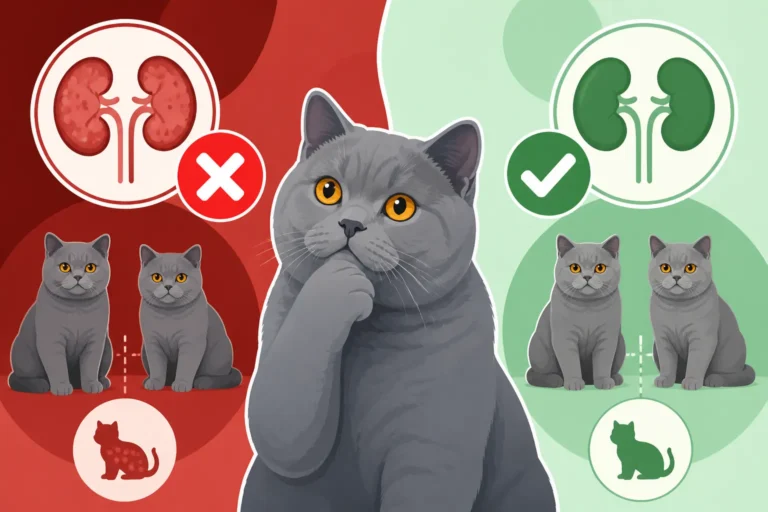
This is arguably the most critical reason for blood typing. Neonatal Isoerythrolysis (NI) occurs when a Type B queen (mother cat) is bred to a Type A tom (father cat). If the kittens inherit the dominant A allele from the father, they will be Type A. When these Type A kittens nurse from their Type B mother, they ingest her colostrum, which contains strong anti-A antibodies. These antibodies then attack and destroy the kittens' Type A red blood cells, leading to severe anemia, jaundice, and often, death within the first few days of life. It’s a truly heartbreaking scenario, as discussed in our article on What Neonatal Isoerythrolysis Does to a British Shorthair Kitten.
This is precisely why responsible British Shorthair breeders rigorously test their breeding cats for blood type. If a queen is Type B, she absolutely must only be bred to a Type B tom to prevent NI. Even if a breeder suspects a Type AB cat, the same precautions apply due to the potential presence of anti-B antibodies or the subtle genetic interactions that could still lead to problems. Ignoring this crucial step is a gamble no ethical breeder would take. Pet insurance providers like Healthy Paws often highlight the importance of preventative care and genetic screening, recognizing that issues like NI can lead to costly emergency interventions, if the kittens even survive. You can also explore Which British Shorthair Pairing Causes Neonatal Isoerythrolysis for more details.
Ensuring Safe Blood Transfusions
Beyond breeding, blood typing is vital for any British Shorthair needing a blood transfusion. Cats, particularly Type B cats, have naturally occurring antibodies against other blood types. A Type B cat has strong anti-A antibodies, and a Type A cat has weaker, naturally occurring anti-B antibodies. Giving an incompatible blood transfusion can lead to a severe, life-threatening reaction. For instance, a Type B cat receiving Type A blood could suffer a rapid and fatal hemolytic crisis, where the transfused red blood cells are swiftly destroyed by the recipient's immune system.
The situation with a Type AB cat, while rare, would also necessitate careful cross-matching. If a British Shorthair were confirmed Type AB, it would likely be considered a universal recipient, similar to human AB, but with the caveat that weak anti-B antibodies might still exist. Therefore, even if an AB donor or recipient were identified, a complete cross-match would always be performed to ensure compatibility. This is crucial knowledge for emergency veterinarians and highlights why knowing your cat's blood type can be a lifesaver. Our guide on Why Blood Type Matters for a British Shorthair Transfusion delves deeper into this.
Breeder Testing Protocols and What to Ask For
Responsible British Shorthair breeders take blood typing very seriously. They should be able to provide documentation of their breeding cats' blood types, often through a simple and inexpensive card test or a more definitive DNA test. For Type B queens, they should only be breeding to Type B males. If you're acquiring a British Shorthair kitten, especially if you ever intend to breed or if you're concerned about potential emergencies, ask the breeder for their blood typing records for both parents. This transparency is a hallmark of a reputable cattery.
Knowing Whether a Breeder Should Show a British Shorthair's Blood Type is a question every prospective owner should ask. Many reputable breeders will openly share these results, showing their commitment to the health and well-being of their line. If a breeder is vague or dismissive about blood typing, or about the potential for conditions like NI, it's a major red flag that warrants further investigation or considering a different breeder altogether. The health of your future companion depends on these crucial preventative steps.
Here's a quick overview of feline blood types and their importance:
| Feline Blood Type | Genetic Alleles | Antigens Present | Antibodies Present | Breeding Concern (Queen) | Transfusion Concern (Recipient) | British Shorthair Prevalence |
|---|---|---|---|---|---|---|
| Type A | A/A, A/b, A/ab | A | Weak anti-B | Can be bred to A or B* | Generally safe with Type A | Most common |
| Type B | b/b | B | Strong anti-A | ONLY bred to Type B | ONLY safe with Type B | Significant |
| Type AB | ab/ab, ab/b | AB (unique) | Weak/none anti-B | Rare; Treat as B for safety | Cross-match recommended (universal recipient theory applies cautiously) | Extremely rare (debated existence) |
Note: Type A queen bred to Type B tom means Type B kittens can ingest weak anti-B antibodies, but NI is rarely severe. The critical pairing is Type B queen to Type A tom.
Blood Typing Your British Shorthair: Practical Steps and Costs
For most pet owners, the existence of Type AB blood in British Shorthairs is a curious footnote. However, knowing your individual cat's blood type (Type A or Type B) is always a good idea, especially if you're considering breeding, or simply want to be fully prepared for any health emergencies. This proactive step can offer invaluable peace of mind.
How British Shorthairs Are Blood Typed
There are a couple of common ways to determine your British Shorthair's blood type. The most accessible method is often a quick-reference card test that your veterinarian can perform. This involves taking a small blood sample and mixing it with reagents on a special card that will agglutinate (clump) if certain antigens are present. It's relatively fast and can often be done during a regular vet visit, yielding results within minutes. You can find out more about this in our article How a British Shorthair Is Blood Typed.
For breeders, or when absolute certainty is needed, a DNA test can be performed. This test identifies the specific alleles (A, b, and sometimes ab) present in the cat's genetic makeup, giving a genotypic result rather than just a phenotypic one. This can reveal if a Type A cat is homozygous (A/A) or heterozygous (A/b), which is crucial for predicting kitten blood types accurately. Labs like UC Davis Veterinary Genetics Laboratory offer these DNA tests, providing a detailed genetic blueprint. While a DNA test for Whether a British Shorthair Blood Type Test Uses DNA or a Card might cost a bit more and take longer for results, it provides comprehensive information, particularly for sophisticated breeding programs.
When Your British Shorthair Needs Blood Typing
For the average pet owner with a neutered British Shorthair, blood typing might not seem like an urgent priority. After all, if they're not breeding, why bother? However, it's prudent to consider blood typing your cat for several key reasons, contributing to their overall health plan:
- Emergency Transfusions: In an emergency, if your cat needs a blood transfusion, knowing their blood type beforehand can save precious time. While cross-matching (testing donor and recipient blood for compatibility) will always be done, having the type on file means a quicker search for compatible blood, especially for the rarer Type B cats. Every second counts in a crisis.
- Unknown History: If you've adopted your British Shorthair from a rescue or shelter, their breeding history and genetic background might be unknown. In these cases, blood typing provides a vital piece of their health puzzle. A good insurance plan from providers like Healthy Paws can certainly help cover the costs of emergency care, but knowing the blood type beforehand reduces potential complications during such stressful times. You might be interested in Whether a Neutered British Shorthair Needs Typing.
- Future Breeding Considerations: If you ever consider breeding your British Shorthair (which should only be done responsibly with extensive health screening and genetic understanding), blood typing is a non-negotiable first step to prevent inherited issues.
The cost of a blood type test can vary, but typically ranges from $50 to $150, depending on whether it's a card test at your vet or a DNA test through a specialized lab. Compared to the potential costs and heartache of a transfusion reaction or Neonatal Isoerythrolysis, it's a small investment in your cat's safety and well-being. It's also worth noting that pet insurance, like Healthy Paws, generally focuses on unexpected illness or injury, so routine screening costs are usually out-of-pocket. However, proactive measures like blood typing can potentially prevent more serious, costly conditions down the line. Check out What a British Shorthair Blood Type Test Costs for more specific pricing information.
What to Do If You Suspect Your British Shorthair is Type AB (or simply need to know their type)
Given the extreme rarity of true feline Type AB, it’s far more likely that your British Shorthair is either Type A or Type B. However, the world of genetics always holds surprises, and being prepared for any eventuality is part of being a responsible pet parent. If you have any concerns or simply want to be proactive, the path forward is clear.
Consulting Your Veterinarian
The first and most important step is to discuss your concerns with your veterinarian. They can provide the most accurate and up-to-date information regarding feline blood typing and its relevance to your British Shorthair's individual health. If you've encountered information online or from other breeders that suggests a Type AB possibility, your vet can help clarify if such a situation is even plausible given your cat's specific breed lines and any previous testing. They can also explain the nuances of the test results, as sometimes a "weak A" cat might show a confusing reaction on a rapid test that needs further investigation.
Your vet is also the best resource for performing the actual blood typing test. They can draw the necessary sample and send it to a reputable veterinary laboratory, or perform an in-house rapid test. Be sure to ask about the specific methodology used and what the results will tell you, especially if you have questions about the possibility of a rare allele like 'ab'. Remember, comprehensive care means working closely with your vet to ensure all aspects of your British Shorthair's health are covered.
Understanding Test Results and Next Steps
When your British Shorthair's blood type results come back, your vet will explain what they mean. If your cat is Type A or Type B, the implications are straightforward regarding breeding (if applicable) and transfusion compatibility. You’ll have a clear understanding of What Blood Type B Means in a British Shorthair and how it impacts breeding choices if your queen is Type B, ensuring you can make informed decisions to protect her future litters.
If, by some extremely rare chance, the test indicates an unusual result that might point towards an AB type, your vet will likely recommend further, more specialized testing. This might involve sending samples to a university research lab that specializes in feline immunogenetics for advanced analysis. It's important to understand that a "Type AB" result from a standard rapid card test needs careful interpretation and often confirmation, as these tests are primarily designed to differentiate between A and B, and might occasionally show an atypical reaction for other reasons. Should extensive testing be required, having pet insurance from a reliable provider like Healthy Paws could offer financial assistance, although coverage details for highly specialized genetic anomaly investigations would need to be thoroughly reviewed with your specific policy in hand. For pet owners, understanding the general blood type is typically sufficient. For breeders, especially those working with lines where a rare allele might be present, pursuing DNA testing that identifies specific genetic markers for A, b, and ab alleles offers the most comprehensive picture. This meticulous approach ensures that breeders can make informed decisions to safeguard the health of their future litters and contribute positively to the breed's genetic diversity. In any case, proactive blood typing is a sign of responsible pet ownership, setting you up for the best possible outcomes in any situation.
Disclaimer
As a lifestyle blogger and British Shorthair enthusiast, the information provided in this article is based on general knowledge, research, and expert opinions available. It is intended for educational and informational purposes only and is not a substitute for professional veterinary advice, diagnosis, or treatment. Always seek the advice of your veterinarian or other qualified animal health provider with any questions you may have regarding a medical condition or health of your pet.