Which British Shorthair Pairing Causes Neonatal Isoerythrolysis
One of the most heartbreaking experiences for any British Shorthair breeder or enthusiast is losing a newborn kitten, especially when the cause could have been entirely preventable. Many don't realize that certain genetic pairings, specifically concerning blood types, can lead to a devastating condition called Neonatal Isoerythrolysis, where a mother's own antibodies attack her kittens. This guide will meticulously break down exactly which pairings cause this fatal problem and how to prevent it, ensuring the health and survival of these precious little ones.
The Critical Link Between Feline Blood Types and Kitten Health
It might sound overly medical, but understanding feline blood types is absolutely foundational to preventing a serious and often fatal condition in British Shorthair kittens. This isn't just about transfusions in an emergency; it's about the very first moments of a kitten's life and the inherent dangers lurking within incompatible parental pairings. Ignoring this vital piece of information can lead to immense sadness for both breeders and new owners.
Decoding the ABCs of Cat Blood Types
Unlike humans with their numerous blood groups, domestic cats generally have a simpler system, primarily revolving around three types: Type A, Type B, and the rare Type AB. Type A is the most common, found in a vast majority of cat breeds worldwide. Type B, while less common overall, is significantly more prevalent in certain pedigreed breeds, including our beloved British Shorthairs. Type AB is exceedingly rare and usually behaves like a universal recipient, meaning it can often receive blood from both A and B types without severe reactions.
The crucial difference lies in the antibodies these blood types naturally carry. Cats with Type A blood typically have weak anti-B antibodies. Cats with Type B blood, however, possess strong naturally occurring anti-A antibodies. This is the critical factor. These strong anti-A antibodies are always present in the bloodstream of a Type B cat, even if they've never been exposed to Type A blood before. Type AB cats, on the other hand, usually have no significant anti-A or anti-B antibodies. This inherent difference in antibody presence is what sets the stage for potential conflict in a breeding scenario, particularly with Type B queens.
Why Blood Type B is a Game-Changer for British Shorthairs
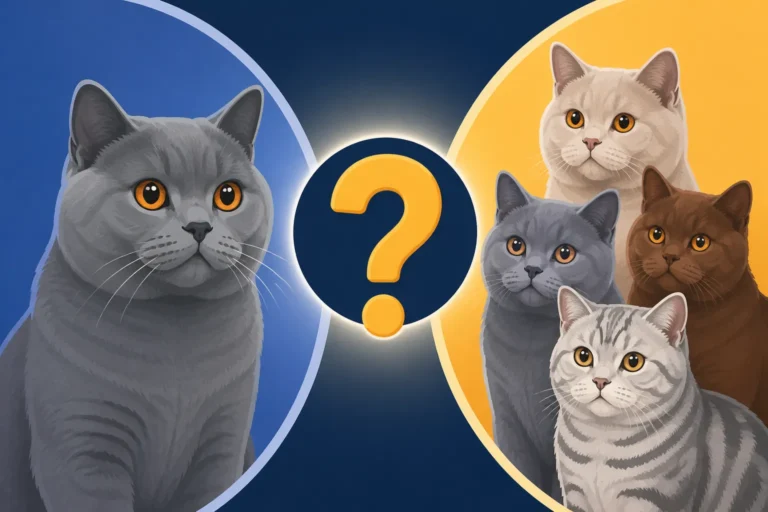
For British Shorthair enthusiasts, the prevalence of Type B blood is a stark reality. While globally Type A predominates, the British Shorthair breed has a notable percentage of individuals carrying or expressing Type B blood. This isn't just a minor detail; it's a significant genetic predisposition that demands careful attention from breeders. Knowing "How Many British Shorthairs Are Blood Type B" is vital for anyone involved in the breed. This higher incidence makes blood typing not just a recommendation, but an absolute necessity for all breeding stock, both queens (females) and toms (males).
The presence of Type B blood in a British Shorthair queen introduces a dangerous variable into breeding plans. If this queen, with her strong anti-A antibodies, is bred to a tom that produces Type A kittens, those kittens are immediately at risk. The queen's body is inherently equipped to reject Type A blood, and this defense mechanism tragically extends to her offspring in a specific way that we'll delve into shortly. This genetic reality means that what might be a minor concern in other breeds becomes a paramount health consideration when dealing with British Shorthairs, making informed breeding practices non-negotiable for responsible custodians of the breed.
Understanding Neonatal Isoerythrolysis: The Silent Threat
Neonatal Isoerythrolysis, often abbreviated as NI, is a devastating condition that can strike seemingly healthy British Shorthair kittens within their first few days of life. It’s a silent killer because the kittens appear perfectly normal at birth, full of vigor and ready to nurse. However, an invisible danger begins to take hold the moment they consume their mother’s colostrum. This tragic irony — the very first meal intended to protect them becoming their undoing — highlights the insidious nature of this blood incompatibility. Many owners are left wondering "What Neonatal Isoerythrolysis Does to a British Shorthair Kitten" and are often completely blindsided by its rapid, fatal progression.
What Exactly Happens in Neonatal Isoerythrolysis
At its core, Neonatal Isoerythrolysis is an immune-mediated hemolytic anemia. This means the mother's immune system, specifically her strong anti-A antibodies, attacks and destroys the red blood cells of her Type A kittens. This attack happens because the kittens inherit Type A blood from their father, which is incompatible with the mother's Type B blood. When the kittens nurse and ingest the colostrum, these potent maternal antibodies cross into their bloodstream. Once inside, they bind to the Type A red blood cells of the kittens, marking them for destruction.
The breakdown of these red blood cells leads to severe anemia, jaundice, and organ damage. The kittens' bodies simply can't cope with the rapid destruction of their oxygen-carrying cells. It's a cruel twist of nature where the protective mechanism of the mother's immune system turns against her offspring. The severity of the condition and the speed of onset can vary, but sadly, without intervention, the outcome is almost always fatal, leaving little time for affected kittens.
The Role of Colostrum in Isoerythrolysis Development
The critical window for Neonatal Isoerythrolysis is immediately after birth, specifically when the kittens consume their mother’s colostrum. Colostrum, often called "first milk," is incredibly rich in antibodies and provides essential passive immunity to newborns. It's designed to protect them from pathogens in their environment during their most vulnerable stage. However, in the case of a Type B queen bred to a Type A-producing tom, this life-giving substance becomes a poison. This is "Why the First Day of Colostrum Matters to a British Shorthair".
The strong anti-A antibodies present in the Type B queen's colostrum are absorbed intact through the kittens' intestinal lining. For the first 24-48 hours of life, a newborn kitten's gut is permeable, allowing these large antibody molecules to pass directly into their bloodstream. After this period, the gut "closes," and intact antibodies can no longer be absorbed. This means that if a Type A kitten from an incompatible pairing consumes colostrum from a Type B mother, the destructive process begins almost immediately. Even a small amount of colostrum can be enough to trigger the condition, making rapid identification of at-risk kittens and swift intervention absolutely paramount.
The Dangerous Pairing: Identifying the Risk
Understanding the fundamental concepts of feline blood types and Neonatal Isoerythrolysis leads us to the most crucial aspect: identifying the specific breeding combination that poses this deadly risk. It’s not just any pairing; it’s a very particular mismatch that creates the perfect storm for tragedy. For British Shorthair breeders, knowing this combination is non-negotiable for ethical and successful breeding.
The Queen's Blood Type: The Primary Culprit
When it comes to Neonatal Isoerythrolysis, the mother's blood type is the absolute linchpin. The danger arises exclusively when the queen is Type B. Her strong, pre-formed anti-A antibodies are the weapons. These aren't antibodies she develops after exposure; they are naturally present in her system from birth. This means that if a Type B British Shorthair queen is bred, any Type A kittens she produces will be at risk the moment they ingest her colostrum.
It cannot be stressed enough: a Type A queen, even if bred to a Type B tom, will not cause Neonatal Isoerythrolysis. While a Type A queen may have weak anti-B antibodies, these are generally not strong enough to cause a severe reaction in Type B kittens. The danger is almost entirely one-sided, stemming from the potent anti-A antibodies in a Type B queen. Therefore, the very first step in assessing risk is always to know the blood type of your queen. This critical piece of information should be obtained long before any breeding decisions are made, perhaps through a reliable veterinary service or even an at-home blood typing card. Many owners get pet insurance like Healthy Paws, which can help cover unexpected vet bills, but preventative testing like blood typing is a separate, upfront investment that protects future litters.
The Tom's Blood Type: The Trigger for Disaster
While the Type B queen is the source of the dangerous antibodies, the tom's blood type determines whether those antibodies will have anything to attack. The risk materializes when a Type B queen is bred to a tom that carries or expresses the Type A blood allele. In simple terms, if the tom is Type A or Type AB, he can potentially sire Type A kittens. This is the "trigger" that activates the queen's pre-existing anti-A antibodies.
If a Type B queen is bred to a Type B tom, all kittens will be Type B, and there is no risk of NI because there are no Type A red blood cells for the queen's antibodies to attack. The problem only occurs when the tom provides the genetic material for Type A blood in the kittens. This means that a seemingly healthy Type A tom, or even a rare Type AB tom, becomes a problematic partner for a Type B queen, purely because of the genetic inheritance of the kittens. Understanding "Which Tom a Type B British Shorthair Should Be Bred To" is crucial for preventing this devastating condition.
How the Incompatible Mating Creates a Deadly Cocktail
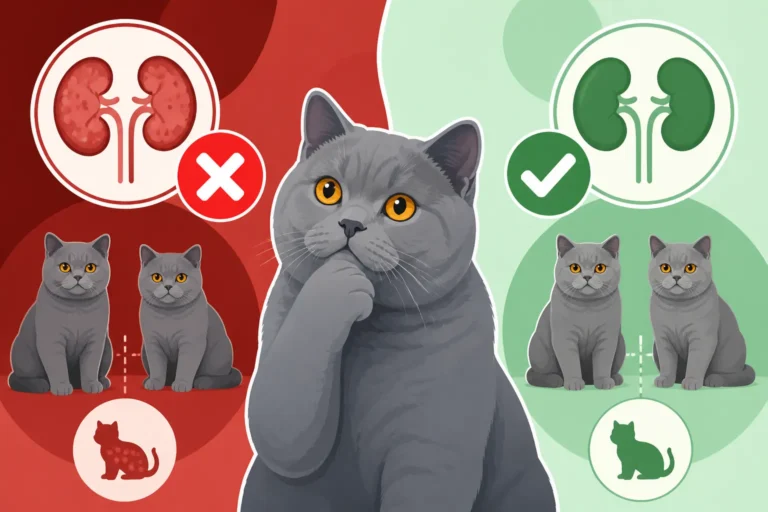
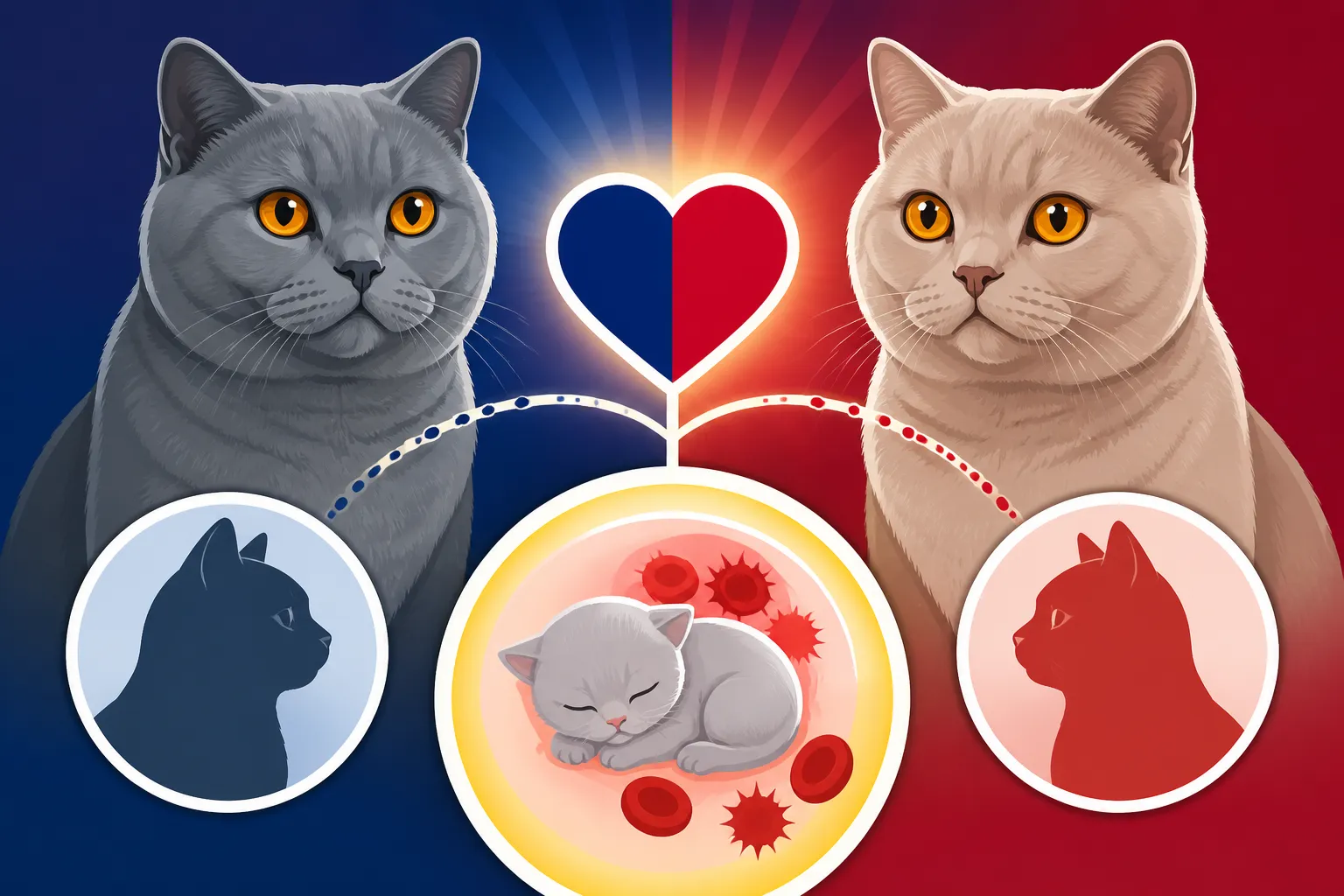
Putting it all together, the exact pairing that causes Neonatal Isoerythrolysis in British Shorthair kittens is a Type B Queen bred to a Type A (or Type AB) Tom. This combination results in a litter where some or all of the kittens will inherit Type A blood from the tom, despite being carried by a Type B mother.
Here’s the breakdown:
- Queen (Mother): Must be Blood Type B. She carries strong anti-A antibodies.
- Tom (Father): Must be Blood Type A or Type AB. He carries the gene for Type A blood, which he can pass to his kittens.
When a Type B queen conceives kittens with a Type A or AB tom, some of those kittens will inherit the Type A allele and thus have Type A blood. At birth, these Type A kittens appear perfectly healthy. However, the moment they nurse from their Type B mother, they ingest her colostrum, which is laden with her strong anti-A antibodies. These antibodies are then absorbed into the kittens' bloodstream, where they immediately target and destroy the kittens' Type A red blood cells, leading to NI. This is "Why a Type B British Shorthair Queen Kills Type A Kittens".
This table summarizes the potential outcomes based on breeding pair blood types:
| Queen's Blood Type | Tom's Blood Type | Kitten Blood Type(s) Possible | Risk of Neonatal Isoerythrolysis (NI) |
|---|---|---|---|
| Type B | Type A | Type A, Type B | HIGH RISK (Type A kittens) |
| Type B | Type AB | Type A, Type B, Type AB | HIGH RISK (Type A kittens) |
| Type B | Type B | Type B | No Risk |
| Type A | Type A | Type A | No Risk |
| Type A | Type B | Type A, Type B | No Risk (Type B kittens safe) |
| Type A | Type AB | Type A, Type AB | No Risk |
| Type AB | Type A | Type A, Type AB | No Risk |
| Type AB | Type B | Type A, Type B, Type AB | No Risk |
| Type AB | Type AB | Type A, Type B, Type AB | No Risk |
As you can see, the specific combination of a Type B queen and a Type A or Type AB tom is the only scenario that creates this life-threatening risk. This clear understanding empowers breeders to make informed choices and prevent this devastating condition entirely through careful planning.
Recognizing and Reacting to Neonatal Isoerythrolysis
Even with the best preventative measures, sometimes a high-risk pairing might happen, perhaps due to an overlooked detail, an unexpected blood type, or a rescue situation. In such cases, knowing how to recognize the signs of Neonatal Isoerythrolysis and reacting swiftly can be the only chance a kitten has for survival. Time is absolutely of the essence, as the condition progresses rapidly and can quickly become irreversible.
Subtle Signs That a Kitten is in Danger
The insidious nature of Neonatal Isoerythrolysis lies in its initial subtlety. Kittens might seem robust and healthy at birth, nursing vigorously, which makes the subsequent decline all the more heartbreaking and confusing for new owners or inexperienced breeders. Within a few hours to a day or two after consuming colostrum, however, the signs begin to manifest. It’s crucial to recognize these early, often subtle, "Signs a Newborn British Shorthair Kitten Is Fading".
Look for:
- Failure to thrive: Kittens may stop nursing, become weak, lethargic, and less active than their littermates. They might not gain weight, or even lose it, despite nursing attempts.
- Pale mucous membranes: Check their gums, which might appear pale or even whitish due to anemia from red blood cell destruction.
- Jaundice: A yellowish tint to the skin, gums, or whites of the eyes (sclera) may develop as bilirubin, a byproduct of red blood cell breakdown, builds up in the system. This can be subtle at first, especially in very young kittens.
- Reddish-brown urine: The presence of hemoglobin from destroyed red blood cells in the urine (hemoglobinuria) can make it appear dark.
- Tail tip necrosis: In some cases, the tip of the tail may die and fall off due to circulation issues. This is a later, more severe sign.
The speed at which these symptoms appear can vary, but generally, the sicker kittens will show signs within the first 12-48 hours. Owners sometimes mistakenly believe a kitten that is not thriving just "isn't strong," not realizing the underlying medical crisis unfolding. If you suspect NI, veterinary intervention is needed immediately.
Urgent Steps to Save Affected Kittens
If you suspect Neonatal Isoerythrolysis, immediate action is critical. There is a very narrow window of opportunity to intervene. The primary goal is to prevent further ingestion of the harmful antibodies from the queen's colostrum. This means pulling the at-risk kittens off the mother immediately. This needs to be done within the first 12-24 hours, ideally before they've absorbed too many antibodies. For anyone facing this nightmare, knowing "How to Save a British Shorthair Kitten From Isoerythrolysis" is crucial.
Here are the urgent steps:
- Separate Kittens from Queen: Immediately remove all potentially affected kittens from the mother. Do not allow them to nurse again.
- Substitute Feeding: These kittens will need to be hand-reared with a high-quality kitten milk replacer. They will need round-the-clock feeding, much like any orphaned kitten. Instructions on "How British Shorthair Kittens Are Hand Reared to Survive" are vital at this point.
- Cross-Fostering (with caution): If you have access to a foster queen whose blood type is known to be A or AB, and ideally one who has already birthed a litter and can accept new kittens, this might be an option. However, this carries risks if the foster queen's blood type isn't confirmed or if she rejects the kittens.
- Veterinary Care: Seek immediate veterinary attention. The vet may administer supportive care, such as subcutaneous fluids to combat dehydration, or in severe cases, even consider a blood transfusion. A cross-match to find a suitable Type B donor for a Type A kitten might be necessary, but this is a complex and often last-ditch effort.
- Monitor Closely: Even with intervention, the prognosis for severely affected kittens can be guarded. Continue to monitor their health closely, looking for improvements or worsening of symptoms. Kittens generally need to stay off the Type B queen for at least 24-48 hours to ensure their gut has closed and they can no longer absorb antibodies from her milk. "How Long British Shorthair Kittens Stay Off a Type B Queen" details this critical timing.
While aggressive intervention can save some kittens, prevention through pre-breeding blood typing is always the safest and most ethical approach.
Proactive Prevention: Ensuring Safe British Shorthair Litters
The heartbreak of Neonatal Isoerythrolysis is entirely avoidable through responsible breeding practices. For British Shorthair breeders, who often deal with a higher prevalence of Type B blood, prevention is not just a best practice—it's a moral imperative. By taking proactive steps, you can ensure that every litter has the best possible start in life, free from the silent threat of blood incompatibility.
Essential Blood Typing for All Breeding Cats
The single most effective preventative measure against Neonatal Isoerythrolysis is accurately blood typing every single breeding British Shorthair, both queens and toms, before any mating occurs. This critical step provides the information needed to make informed breeding decisions and avoid dangerous pairings. This isn't just for new additions to a cattery; it should be a standard protocol for every cat in a breeding program.
Blood typing is a relatively simple and inexpensive procedure. It can be done at a veterinary clinic with a blood sample or even using commercially available blood typing cards. Knowing "What a British Shorthair Blood Type Test Costs" can help breeders budget for this essential screening. Once a cat is blood typed, this information should be recorded and used for all future breeding considerations. It eliminates the guesswork and allows breeders to make educated choices about which cats to pair, ensuring that no Type A kittens are born to a Type B queen. Insurance providers like Healthy Paws often cover unexpected illnesses and accidents, but preventative testing like blood typing usually isn't covered, emphasizing its importance as an upfront investment in your cattery's health.
Strategic Breeding to Avoid Incompatible Pairings
Once you know the blood types of your British Shorthair breeding cats, you can implement strategic breeding plans to completely bypass the risk of Neonatal Isoerythrolysis. The goal is simple: never breed a Type B queen to a Type A or Type AB tom.
Here are the safest breeding strategies:
- Type A Queen x Type A Tom: All kittens will be Type A, no NI risk.
- Type A Queen x Type B Tom: Kittens can be Type A or Type B. No NI risk, as the queen's anti-B antibodies are too weak to cause significant harm.
- Type B Queen x Type B Tom: All kittens will be Type B. No NI risk, as there are no Type A red blood cells for the queen's antibodies to attack. This is the only safe pairing for a Type B queen.
If you have a Type B queen, your only safe breeding option is a Type B tom. This ensures that all kittens will be Type B, preventing any conflict with the mother's anti-A antibodies. This responsible approach is paramount to protecting British Shorthair litters and is a cornerstone of "What a British Shorthair Breeder Should Have Tested" before pairing cats. While it might seem limiting to some, the peace of mind and the health of the kittens are well worth the planning.
Managing an Unexpected High-Risk Litter
Despite careful planning, sometimes an unexpected high-risk litter can occur. Perhaps a new cat's blood type was unknown, or there was a miscommunication. In such rare but possible scenarios, immediate and decisive action is required to save the kittens. The primary strategy for a Type B queen bred to a Type A tom (meaning potentially Type A kittens) is to prevent those kittens from ever consuming their biological mother's colostrum.
This involves:
- Manual Strip-Feeding: As soon as kittens are born, they must be removed from the mother. The queen can be gently milked, and her initial colostrum discarded (or used to safely feed Type B kittens from the same litter, if blood typed immediately after birth and found to be Type B). This is a difficult and laborious process.
- Hand-Rearing: All potentially Type A kittens from a Type B mother must be hand-reared with a high-quality kitten milk replacer for at least the first 24-48 hours. After this critical period, their gut walls will have "closed," meaning they can no longer absorb intact antibodies from the mother's milk. At this point, if they are strong and healthy, they may be able to return to the mother for nursing regular milk, as the dangerous colostrum phase has passed.
- Cross-Fostering: If available, placing the kittens with a foster queen known to be Type A or AB, and who has recently given birth, can be a viable option. This provides them with natural cat milk and maternal care without the risk of NI. However, finding such a foster mother can be challenging.
These emergency measures are intensive and require significant dedication and veterinary support, but they offer a chance for survival to kittens who would otherwise perish. Responsible breeders, supported by tools like pet insurance from Healthy Paws for unforeseen veterinary emergencies, are always prepared for such unlikely events, though prevention remains the gold standard.
Disclaimer
The information provided in this article is intended for general informational purposes only and does not constitute veterinary advice. Always consult with a qualified veterinarian for any health concerns or before making any decisions related to your pet's health or breeding practices.