Why an Overweight British Shorthair Gets Skin Problems
It's heartbreaking to see your beloved British Shorthair struggling, especially when it comes to something as fundamental as keeping themselves clean. Many owners don't realize that an overweight British Shorthair isn't just a bit chunky; their extra pounds can lead to a host of uncomfortable skin problems because they simply can't reach all the spots they need to groom. This guide will deep dive into why this happens and what you can do to help your cherished furball feel better and stay healthy.
The Physical Challenge: Why Grooming Becomes Difficult
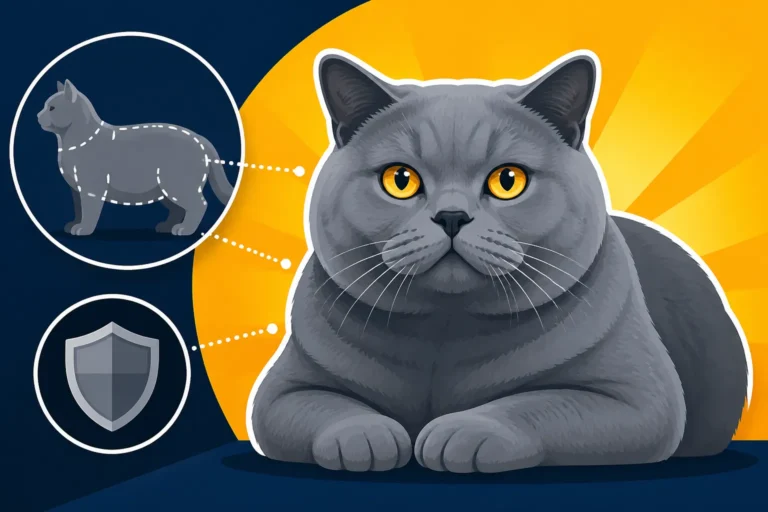
When a British Shorthair carries too much weight, their naturally broad, cobby build, which makes them so endearing, becomes a significant disadvantage. Their round, compact bodies and relatively short legs, combined with that wonderfully dense, plush coat, mean that reaching certain areas for grooming becomes an impossible mission. It’s not laziness; it’s a physical limitation imposed by their excess weight.
Impaired Flexibility and Reach
Think about it: imagine trying to touch your toes if you had a significant tummy. It's a similar, albeit more extreme, situation for an overweight cat. Their spine and joints, already supporting more weight than they're designed for, become less flexible. The deep curl or twist required to reach the base of their tail, their hind legs, or their lower back simply isn't possible. This is particularly true for that vast expanse of their back, where fat accumulates, effectively creating a barrier they cannot bend around.
This limited mobility isn't just about weight; it can also exacerbate underlying issues. For instance, if your British Shorthair is starting to experience "Arthritis in an Older British Shorthair", a common ailment as they age, the added strain of obesity makes any bending or stretching painful. Even a young, otherwise healthy cat will struggle when extra fat layers impede their natural range of motion. It’s not just an inconvenience; it’s a constant, silent struggle for them to maintain basic hygiene, leading to frustration and often, a gradual decline in their grooming habits.
The Dense Coat's Role
The British Shorthair's signature coat is famously dense, standing away from their body like a plush teddy bear. While this is beautiful, it also means there's a lot of fur to maintain. A healthy British Shorthair spends a good portion of their day meticulously grooming, spreading natural oils, removing loose fur, and keeping their skin aerated. When they can't reach those areas, loose undercoat gets trapped, dead skin cells accumulate, and the natural oils that usually keep the coat healthy build up.
This isn't just an aesthetic problem. Trapped fur and matted areas become a breeding ground for bacteria and yeast, creating an environment ripe for infection. You might notice their coat losing its crisp, clean feel, becoming greasy or even clumpy in neglected spots. These neglected patches often signify the start of a skin issue. Owners sometimes mistake a really fluffy cat for a healthy one, but it’s crucial to know "How to Tell a Chunky British Shorthair From a Fat One" by feeling their ribs and checking their body condition score, which can be difficult through all that glorious fur!
Specific Skin Conditions Arising from Obesity
When a British Shorthair can't properly groom, their skin's natural defenses are compromised, paving the way for a range of uncomfortable and sometimes painful dermatological issues. These aren't just cosmetic; they can seriously impact your cat's quality of life.
Matting and Hot Spots
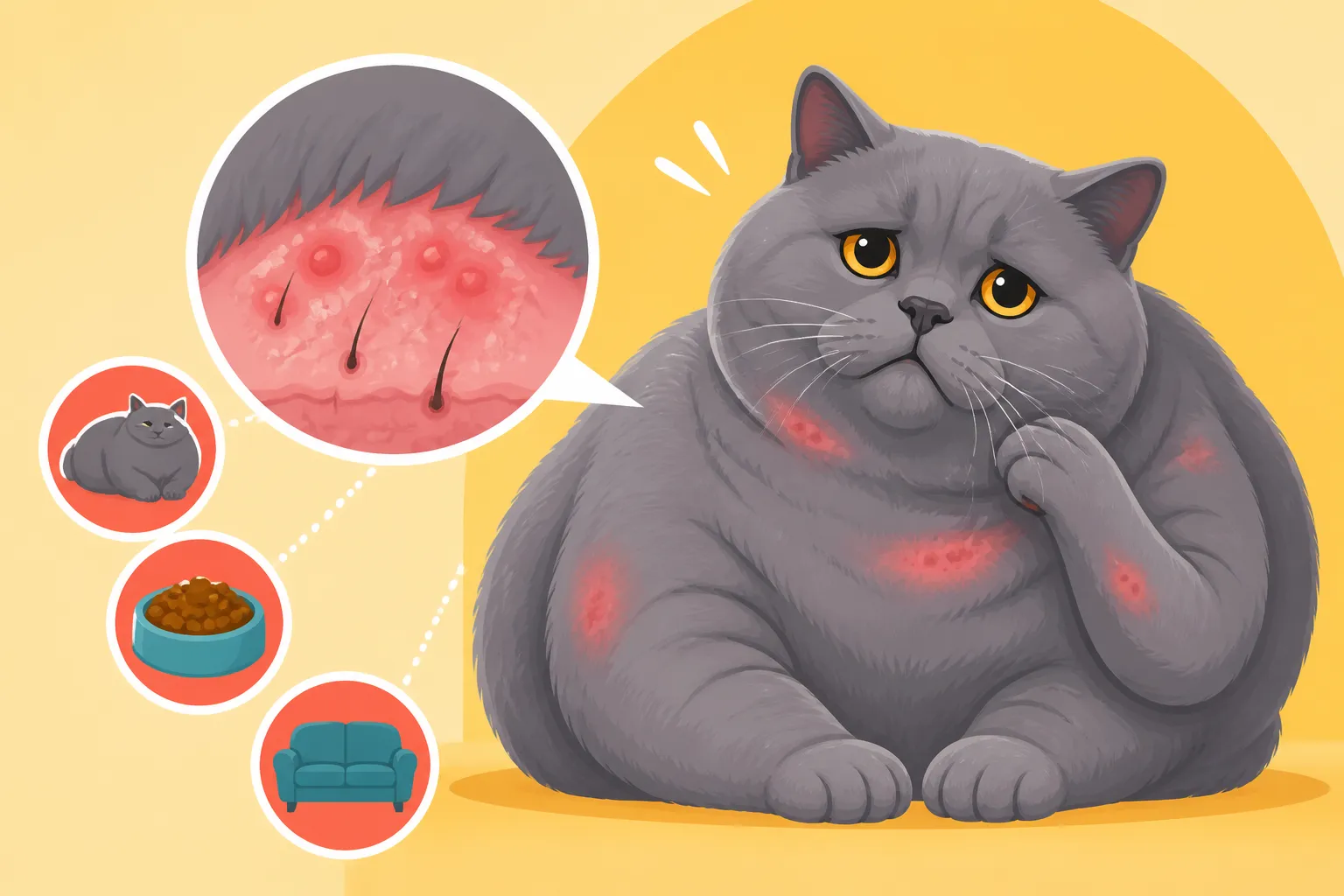
One of the most immediate and visible consequences of poor grooming is matting. Those dense areas of fur, particularly around the lower back, hindquarters, and belly, become tangled and matted. These mats pull on the skin, causing pain and irritation. Underneath these tight mats, the skin can't breathe. It becomes warm, moist, and a perfect environment for bacterial growth, leading to what veterinarians often call "hot spots" or focal areas of infection.
Imagine having a tight knot of hair constantly pulling on your skin, then add warmth and moisture. It’s incredibly uncomfortable. These hot spots can quickly escalate from a small red patch to an oozing, painful lesion that your cat will constantly lick and scratch, only making it worse. It's a vicious cycle where discomfort leads to more self-trauma, and the problem spirals. Early intervention is key, but prevention through proper weight management and assistance with grooming is even better. This is a common issue that shows "Why an Overweight British Shorthair Cannot Groom Its Back" effectively.
Seborrhea and Dermatitis
Seborrhea is a condition where the skin produces too much or too little sebum (skin oil), leading to greasy, flaky, or scaly skin. In overweight British Shorthairs, impaired grooming means the natural oils aren't distributed or removed properly, causing them to build up in neglected areas. This often results in a greasy, dull coat and flaky skin, particularly on the lower back and tail base, sometimes referred to as "stud tail" even in spayed females or neutered males if hygiene is poor.
This buildup of oils and dead skin cells creates an irritating environment that can lead to dermatitis, or inflammation of the skin. The skin might become red, itchy, and irritated. Cats, being stoic creatures, often hide their discomfort, but you might notice excessive scratching, licking, or even nipping at these areas. The skin can become thickened and discolored over time due to chronic inflammation. Addressing the underlying obesity and assisting with grooming are crucial to breaking this cycle of seborrhea and dermatitis. Regular, gentle combing, especially during periods like "The Two Weeks a British Shorthair Drops Its Undercoat", can significantly help manage this.
Yeast and Bacterial Infections
The warm, moist environment created by matted fur and poor air circulation in skin folds is an open invitation for opportunistic pathogens like yeast (Malassezia) and bacteria (e.g., Staphylococcus). These organisms are normally present on a cat's skin in small numbers, but when conditions are favorable, they can multiply rapidly and cause infections.
A yeast infection often presents with a sweet, musty odor and greasy, brownish discharge, while bacterial infections can cause redness, pustules, scabs, and sometimes a foul smell. These infections are incredibly itchy and uncomfortable, prompting your British Shorthair to scratch and lick relentlessly, which only further damages the skin and spreads the infection. If you notice persistent scratching, changes in coat texture, or an unusual odor, a vet visit is essential. Your veterinarian can diagnose the specific infection and prescribe appropriate antifungal or antibiotic treatments, often alongside topical therapies. Sometimes, persistent issues might even require more in-depth diagnostics, and pet insurance providers like Healthy Paws can be a real help in managing these unexpected health costs.
Beyond Grooming: Other Factors Contributing to Skin Issues
While impaired grooming is a major player, the systemic effects of obesity itself can also directly and indirectly contribute to skin problems in British Shorthairs. It's not just about what they can't do, but also what the excess weight does to their body internally.
Increased Inflammation
Obesity isn't just about carrying extra weight; it's a state of chronic low-grade inflammation throughout the body. Fat tissue (adipose tissue) isn't just inert storage; it's metabolically active, releasing inflammatory mediators (cytokines) into the bloodstream. This systemic inflammation can affect every organ system, including the skin.
This heightened inflammatory state makes the skin more susceptible to irritation and slower to heal. It can also worsen existing skin conditions or make them more likely to develop. For instance, if your cat has a mild allergy, the underlying inflammation from obesity could amplify their reaction, leading to more severe itching and skin lesions. Understanding this systemic impact underscores why addressing obesity isn't just about aesthetics, but about overall health. It also ties into other serious conditions like "What Obesity Does to a British Shorthair's Joints", where inflammation plays a huge role.
Metabolic Changes and Diabetes Risk
Obesity is a primary risk factor for "Diabetes in a British Shorthair", a metabolic disorder where the body either doesn't produce enough insulin or can't effectively use the insulin it does produce. High blood sugar levels associated with diabetes can have profound effects on skin health.
Diabetic cats are often more prone to skin infections (bacterial, fungal, and yeast) because elevated glucose levels in tissues create a more favorable environment for pathogens to thrive. Furthermore, diabetes can lead to poor circulation and nerve damage, which impairs the skin's ability to heal and maintain its integrity. You might notice slower wound healing or more persistent infections in a diabetic, overweight cat. While less common, some diabetic cats can also develop a condition called feline diabetic dermopathy, which involves skin lesions or crusting.
Compromised Immune Function
Chronic obesity can also put a strain on the immune system. While the exact mechanisms are complex, research suggests that obese individuals, including animals, can have altered immune responses. This means their body might be less effective at fighting off infections or resolving inflammation, leaving them more vulnerable to skin problems.
A weakened immune response can make them more susceptible to demodectic mange (a mite infestation) or ringworm (a fungal infection), which a healthy immune system might otherwise keep at bay. Furthermore, if they do develop a skin infection, a compromised immune system might make it harder for them to clear it, leading to chronic or recurrent issues. This is why a holistic approach to their health, not just targeting the visible skin problem, is absolutely vital. This makes the comprehensive care outlined in "Caring for an Old British Shorthair" even more pertinent, as older cats often battle both obesity and declining immunity.
| Skin Condition | Primary Cause in Overweight BSH | Key Symptoms | Related Grooming/Obesity Factor |
|---|---|---|---|
| Matting | Impaired self-grooming | Tangles, clumps of fur, painful skin pulling | Inability to reach back, hindquarters; dense coat |
| Hot Spots | Bacteria/yeast under mats | Red, moist, oozing lesions; painful, itchy, strong odor | Trapped moisture, lack of air circulation under mats |
| Seborrhea | Improper oil distribution | Greasy coat, flaky skin, dull fur, often on lower back/tail | Buildup of sebum due to neglected grooming |
| Dermatitis | Inflammation from irritation | Redness, itching, skin thickening, hair loss in affected areas | Chronic irritation from trapped debris, bacterial overgrowth, systemic inflammation |
| Yeast Infections | Overgrowth of Malassezia | Musty odor, brownish discharge, greasy skin, itching | Warm, moist environment under mats/skin folds, compromised immunity |
| Bacterial Infections | Overgrowth of Staphylococcus | Pustules, scabs, redness, hair loss, foul odor, itching | Broken skin barrier from scratching, favorable environment under mats, compromised immunity |
Preventing and Managing Skin Issues
The good news is that most skin issues stemming from obesity are preventable and manageable with the right approach. It takes dedication and patience, but seeing your British Shorthair comfortable and clean again is incredibly rewarding.
The Cornerstone: Weight Management
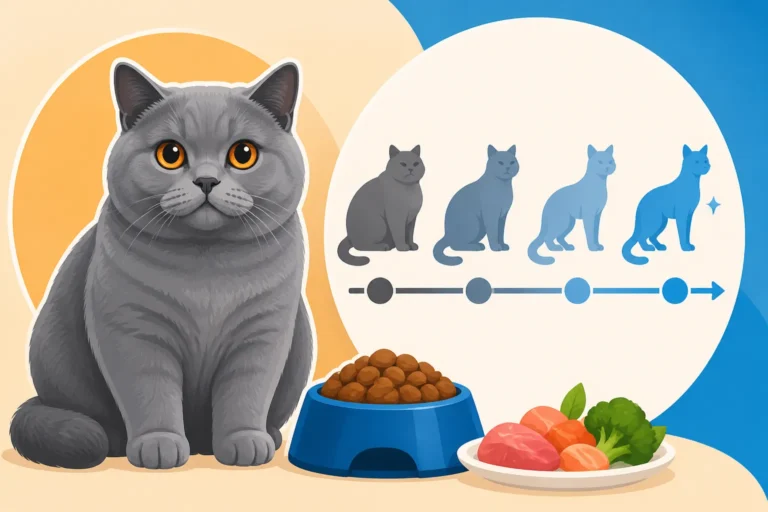
The most effective way to prevent and resolve obesity-related skin problems is to help your British Shorthair achieve and maintain a healthy weight. This is easier said than done, as British Shorthairs are notorious for gaining weight easily and often seem to resist exercise. Understanding "Why a British Shorthair Gains Weight So Easily" is the first step.
A strict diet and portion control are absolutely paramount. Free feeding is a no-go for these cats. You'll need to accurately measure out their food, potentially splitting their daily allowance into multiple small meals. Your vet can help you determine "How Many Calories a British Shorthair Needs" for healthy weight loss. Opting for a high-quality, protein-rich wet food can be beneficial, as it helps with satiety and provides more moisture, which is good for overall health. Learn more about "Whether a British Shorthair Needs Wet Food". Introduce diet changes gradually to avoid digestive upset. It's not a sprint; a slow and steady weight loss of about 1-2% of their body weight per week is ideal.
Increasing activity, even for a naturally sedate British Shorthair, is also crucial. Engaging them in short, interactive play sessions with wand toys or puzzle feeders can make a difference. Every little bit of movement helps them burn calories and improve overall mobility.
Regular Grooming Assistance
While your British Shorthair is on their weight loss journey, and even once they reach a healthy weight, regular grooming assistance from you is non-negotiable. Their dense coat requires attention, especially in those hard-to-reach areas.
Invest in a good quality steel comb – not a slicker brush, which can be too harsh for their delicate undercoat. Start with short, gentle sessions, focusing on their back, hindquarters, and belly. If mats are already present, do not try to cut them out with scissors yourself, as you risk injuring your cat's thin skin. Instead, take them to a professional groomer experienced with cats or your vet, who can safely shave them out. If your cat resists, try to make grooming a positive experience with treats and praise. Daily combing not only removes loose fur and prevents matting but also helps distribute natural oils, keeping their skin and coat healthy. Regular grooming also gives you an opportunity to inspect their skin for any early signs of irritation or infection.
Veterinary Care and Treatment
If your British Shorthair is already experiencing skin problems, a trip to the vet is essential. They can accurately diagnose the specific condition, rule out other causes, and prescribe the appropriate treatment. This might include:
- Medicated Shampoos: For seborrhea, yeast infections, or bacterial dermatitis, your vet might recommend a medicated shampoo. These often contain antifungal, antibacterial, or degreasing agents to help cleanse the skin and treat the infection.
- Topical Treatments: Creams, ointments, or sprays containing antibiotics, antifungals, or anti-inflammatory agents can be applied directly to localized lesions.
- Oral Medications: For more widespread or severe infections, your vet might prescribe oral antibiotics or antifungals. In cases of intense itching and inflammation, a short course of oral steroids might be considered.
- Pain Management: If your cat is in pain from mats or inflamed skin, your vet can provide pain relief.
- Allergy Management: If an underlying allergy is suspected to be contributing to the skin issues, your vet might discuss allergy testing or dietary changes.
Remember, treating the symptoms without addressing the root cause (obesity) will likely lead to recurrent problems. It’s a team effort between you and your vet to get your British Shorthair back to optimal health. Having pet insurance, like a policy from Healthy Paws, can certainly alleviate some of the financial stress associated with chronic conditions or unexpected treatments, allowing you to prioritize your cat's well-being without undue concern about the cost. For overall preventative care, be sure to keep up with routine check-ups and follow the advice in articles like "How Often a British Shorthair Needs a Wellness Exam".
Environmental Adjustments
Sometimes, a few environmental tweaks can also help, especially during the weight loss journey. Ensure your British Shorthair has easily accessible, low-sided litter boxes, as an overweight cat might struggle to climb into high-sided ones. This can prevent accidents that further soil their fur in hard-to-reach areas. Consider a larger bed or more comfortable sleeping spots, as excess weight can put pressure on joints and cause discomfort. Providing ramps or steps to their favorite elevated spots can also make life easier, reducing strain on their body.
Disclaimer
The information provided in this article is for general informational purposes only and is not a substitute for professional veterinary advice. Always consult with a qualified veterinarian for any health concerns or before making any decisions related to your pet's health or treatment.