Why the First Day of Colostrum Matters to a British Shorthair
Bringing a litter of British Shorthair kittens into the world is an incredible, heartwarming experience, but it also comes with immense responsibility and a surprising amount of anxiety. One of the most common, yet often overlooked, concerns for new kitten owners and even some experienced breeders is the critical role of the queen's first milk, known as colostrum. Many assume all milk is equal, but missing out on this vital initial feeding can have devastating, irreversible consequences for these tiny, vulnerable fluffballs. This guide will meticulously unpack exactly why the first day of colostrum is absolutely paramount for a British Shorthair kitten's survival, robust health, and long-term well-being, and what can happen if they don't get this irreplaceable start.
Understanding Colostrum: Nature's First Vaccine
When we talk about a kitten's first meal, we're not just talking about sustenance. We're talking about a biological imperative, a perfectly designed nutritional and immunological cocktail that is available for only a very short time. Colostrum isn't just "milk"; it's a liquid gold that provides an immediate, essential foundation for life.
What Exactly Is Colostrum?
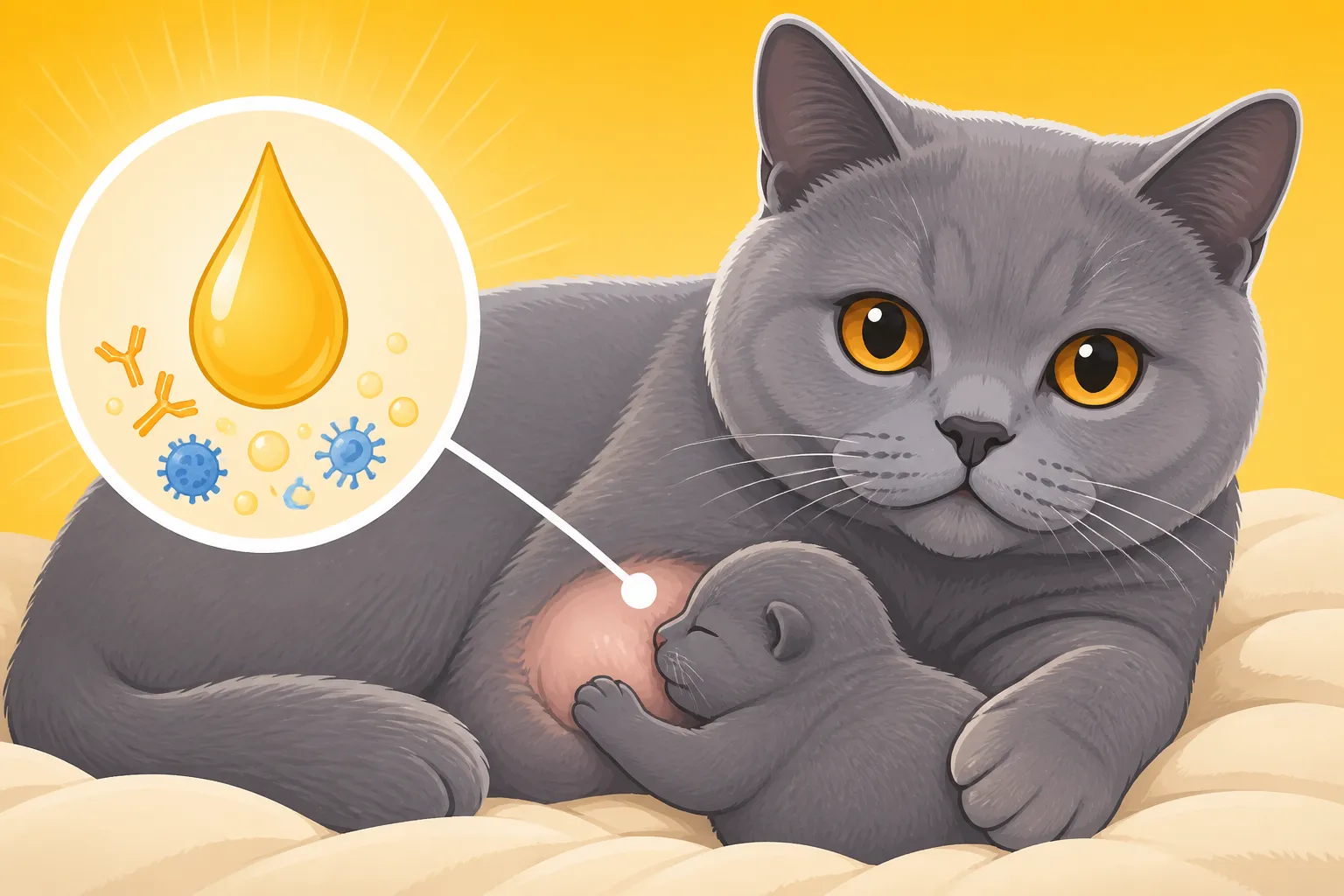
Colostrum is the very first milk produced by the queen, typically within the first 24 to 72 hours after giving birth. It's distinctly different from the mature milk that follows. If you've ever seen it, you'll notice it's often thicker, sometimes yellowish or clear, and it’s packed with nutrients and protective elements that aren't found in later milk. Think of it as nature's perfectly calibrated survival kit for newborns.
This initial secretion is an incredibly complex fluid, uniquely tailored to the needs of a newborn. It's rich in proteins, fats, and vitamins, but its true power lies in its high concentration of immunoglobulins—these are antibodies, essentially ready-made defenses against a host of diseases the queen herself has encountered. Beyond antibodies, colostrum also contains growth factors, white blood cells, and other bioactive molecules that help kickstart the kitten's immature systems. Without this, their chances of thriving diminish significantly.
The production of colostrum is a fleeting phenomenon. The queen's body transitions from colostrum to mature milk fairly quickly, typically within a few days. This means there's a very narrow window of opportunity for the kittens to receive these specific, life-saving components. Once the mature milk comes in, while still nutritious, it lacks the concentrated immune factors that colostrum provides. This temporary availability underscores the urgency and critical nature of that first day of nursing.
The "Window of Opportunity" for Absorption
Here's the scientific marvel that makes colostrum so indispensable: newborn kittens are born with a unique ability to absorb large protein molecules, specifically antibodies, directly into their bloodstream through their intestinal lining. This process, known as passive transfer of immunity, is their primary defense mechanism against the world until their own immune system can develop.
However, this ability is incredibly time-sensitive. A kitten's gut, in its first 24 to 36 hours of life, is "open" to these large protein molecules. After this critical period, a process called "gut closure" occurs. The cells lining the intestine change, becoming less permeable, and larger molecules like antibodies can no longer pass through intact. Instead, they are digested, losing their protective properties. This is why getting colostrum as soon as possible after birth is not just beneficial, but absolutely non-negotiable for a British Shorthair kitten.
Imagine a tiny, fragile British Shorthair kitten, just hours old, with an immune system barely functional. They are entirely dependent on their mother for protection. If they miss that initial window, even if they start nursing on mature milk later, they've missed their chance to absorb the crucial antibodies that will arm them against common pathogens. This race against time is a fundamental aspect of neonatal kitten care that every owner and breeder must understand and prioritize.
The Critical Benefits of Colostrum for British Shorthair Kittens
Colostrum isn't just "nice to have"; it's a foundational element that dictates a kitten's immediate survival and long-term health trajectory. For a British Shorthair, a breed known for its robust appearance and generally calm demeanor, a strong start is crucial for living up to its potential.
Passive Immunity: A Shield Against Disease
The most celebrated benefit of colostrum is the passive transfer of immunity. Kittens are born with virtually no immune defenses of their own. Their immune system is immature and needs time to develop and respond to vaccines. Colostrum acts as a temporary, yet powerful, shield by delivering maternal antibodies directly into their tiny bodies. These antibodies are specific to the diseases the queen has either been vaccinated against or naturally exposed to throughout her life.
This means that a healthy queen, who has received her proper vaccinations and maintained good health, effectively passes on her immunity to her offspring through colostrum. This protective shield guards the vulnerable kittens against a wide range of common feline illnesses, such as Feline Panleukopenia (distemper), Calicivirus, and Herpesvirus. Without this immediate protection, British Shorthair kittens, like all kittens, are alarmingly susceptible to severe, often fatal, infections during their first weeks of life. The proactive steps a breeder takes, like ensuring the queen is fully vaccinated, directly impacts the quality of the colostrum and, by extension, the kittens' initial immunity. This highlights why understanding What a British Shorthair Breeder Should Have Tested is so important.
The absence of this passive immunity can lead to a cascade of health problems, resulting in frequent veterinary visits and potentially high medical bills. While a good pet insurance like Healthy Paws can certainly help mitigate the financial burden of unexpected illnesses, preventing them in the first place through colostrum is always the best approach. Investing in a healthy start for your British Shorthair kitten pays dividends in preventing future health challenges and ensuring a smoother, happier upbringing.
Essential Nutrients and Growth Factors
Beyond immunological defense, colostrum is a powerhouse of essential nutrients, perfectly formulated for a newborn's rapid development. It's incredibly rich in easily digestible proteins and fats, providing the dense caloric energy these tiny kittens desperately need. Newborn kittens have limited fat reserves and struggle to regulate their body temperature, making this energy crucial for maintaining warmth and driving their initial growth.
Colostrum also delivers a concentrated dose of vitamins, minerals, and growth factors that are vital for the development of the kitten's internal organs, particularly the gastrointestinal tract. These growth factors help to mature the gut lining, making it more efficient at absorbing nutrients from subsequent milk feeds. This early nutritional boost sets the stage for healthy weight gain and overall robust development, which is particularly important for a breed like the British Shorthair, known for its sturdy build and eventual substantial size.
Think about it: a British Shorthair kitten needs to grow into that magnificent, cobby body and round face. That rapid initial growth phase relies heavily on superior nutrition from day one. Kittens deprived of colostrum often exhibit slower growth rates, poor muscle development, and a general failure to thrive, struggling to catch up even with diligent hand-feeding later on. It’s an irreplaceable head start that no amount of formula can fully replicate.
Establishing a Healthy Gut Microbiome
Another often-underestimated benefit of colostrum is its role in establishing a healthy gut microbiome. A kitten's digestive tract is essentially sterile at birth. As soon as they start nursing colostrum, they are introduced to a diverse array of beneficial bacteria from the queen. These bacteria colonize the gut, forming the foundation of a healthy microbiome.
A well-established and balanced gut microbiome is crucial for proper digestion, nutrient absorption, and even immune system development. It helps to prevent the proliferation of harmful bacteria, which can cause severe digestive upset, diarrhea, and other gastrointestinal issues in vulnerable newborns. For a British Shorthair, setting up a healthy gut from the start contributes to their overall vitality and helps prevent common issues later in life, such as sensitivity to certain foods.
Without this initial inoculation of beneficial bacteria, kittens are more susceptible to digestive disturbances, which can further weaken them and make them more prone to infections. This early gut health also plays a role in their ability to efficiently process food, potentially helping to manage their tendency towards weight gain later in life, making it a contributing factor in preventing Obesity Is the British Shorthair's Real Disease.
What Happens When a British Shorthair Kitten Misses Out?
The consequences of a British Shorthair kitten not receiving colostrum are severe, often manifesting rapidly and sometimes with tragic outcomes. It's not merely a matter of being a little weaker; it’s about lacking the fundamental building blocks for early survival.
Increased Vulnerability to Infections and Fading Kitten Syndrome
When a British Shorthair kitten misses its colostrum, its immune system remains essentially defenseless. This lack of passive immunity means they have no immediate protection against the bacteria and viruses present in their environment, even a seemingly clean cattery. They become incredibly vulnerable to opportunistic infections that a colostrum-fed kitten could easily shrug off.
This profound vulnerability often leads to what is tragically known as "Fading Kitten Syndrome." Kittens suffering from this condition may appear healthy at birth but rapidly decline within days or weeks. Symptoms include lethargy, poor suckling reflex, constant crying, low body temperature, and a failure to gain weight. They may develop respiratory infections, severe diarrhea, or other systemic infections that quickly overwhelm their tiny bodies. Sadly, the prognosis for kittens experiencing Fading Kitten Syndrome due to colostrum deficiency is often very poor, with many succumbing despite intensive veterinary care. This is a terrifying reality for many breeders and owners, and knowing the Signs a Newborn British Shorthair Kitten Is Fading is critical for any chance of intervention.
The cost, both emotional and financial, of trying to save a fading kitten can be immense. Emergency vet visits, specialized care, medications, and round-the-clock nursing can quickly add up. While pet insurance providers like Healthy Paws can offer a lifeline for unexpected medical emergencies, the best strategy is always prevention by ensuring adequate colostrum intake.
Developmental Setbacks and Long-Term Health Issues
Even if a British Shorthair kitten survives the immediate perils of colostrum deficiency, they often face significant developmental setbacks and potential long-term health issues. These kittens typically experience stunted growth, failing to reach the expected milestones for their age. They may remain smaller and weaker than their littermates, often referred to as "runts," and struggle with consistent weight gain. Their overall development, including muscle mass and skeletal structure, can be compromised, potentially affecting the breed's characteristic sturdy build.
The impact extends beyond physical growth. A compromised start due to inadequate immunity can lead to a lifetime of challenges. These cats may have a weaker immune system overall, making them more prone to recurring infections, allergies, or chronic inflammatory conditions throughout their lives. They might be more susceptible to issues like Diabetes in a British Shorthair later on, as their systems were not optimally established from the beginning. This can translate into a higher frequency of veterinary visits and ongoing management of health problems, creating a significant burden for their owners.
It's a stark reminder that the first few hours of life lay the groundwork for an entire lifespan. A British Shorthair whose early development is hindered might never fully achieve its genetic potential, impacting not just its physical health but also its overall quality of life and potentially even its temperament, which is so often linked to general well-being.
Recognizing and Addressing Colostrum Deficiency
Identifying a British Shorthair kitten with colostrum deficiency requires diligent observation. Look for kittens that are noticeably weaker, less active, or have a poor suckling reflex compared to their littermates. They might seem cold to the touch, cry excessively, or fail to gain weight steadily. In a larger litter, weaker kittens might be pushed away from the queen's teats, missing out on crucial feeding opportunities.
If you suspect a kitten is not getting enough colostrum, immediate action is vital. First, gently guide the kitten to a teat, ensuring it latches on and suckles effectively. Sometimes, simply rotating kittens to ensure everyone gets a turn can make a difference. If the queen isn't producing adequate colostrum or if a kitten simply isn't strong enough to nurse, prompt veterinary attention is crucial. Your vet might suggest using a commercial colostrum replacer. While these products can offer some benefit, it's critical to understand that they are never as effective as natural maternal colostrum because they lack the specific antibodies tailored to the queen's environment and the intricate balance of growth factors.
In severe cases, or if a kitten is failing to thrive, hand-rearing with kitten milk replacer may be necessary, but this still doesn't replace the lost colostrum. Sometimes, finding a foster queen who has just given birth and is producing colostrum can be a lifesaver, as she might accept the orphaned kitten and provide that vital first milk. However, this is a race against the clock because of the closing "window of opportunity" for antibody absorption.
| Feature | Colostrum | Mature Milk |
|---|---|---|
| Appearance | Thicker, yellowish, or clear | White, thinner |
| Timing | First 24-72 hours post-birth | After colostrum phase, for lactation period |
| Immunoglobulins | Very High (rich in maternal antibodies) | Low (antibodies mostly digested if consumed) |
| Growth Factors | High (aids organ/gut development) | Lower |
| Nutrient Density | Very High (concentrated energy, protein) | High, but balanced for sustained growth |
| Primary Role | Passive immunity, gut seeding, initial boost | Sustained growth, hydration, general nutrition |
| Absorption | Antibodies absorbed whole into bloodstream | Antibodies largely digested, nutrients absorbed |
Ensuring Your British Shorthair Kitten Gets Its Vital Start
Knowing how important colostrum is, the next step is to ensure that every British Shorthair kitten gets this crucial beginning. It takes vigilance, understanding, and sometimes, a little intervention.
Monitoring the Queen and Kittens Immediately After Birth
The moments and hours following birth are incredibly important. As soon as the queen finishes delivering her litter, it's vital to observe her and her kittens closely. Ensure that all the kittens are moving, warm, and, most importantly, attempting to suckle. Healthy queens naturally encourage their kittens to nurse by licking them and positioning themselves. You want to see them actively latching onto a teat and suckling with vigor.
It’s not uncommon for some kittens, especially in larger litters, to be weaker or less assertive. This is where your careful observation comes in. Gently guide any struggling kittens to an available teat. You might need to help them position themselves and ensure they're actually swallowing, not just mouthing. A warm, quiet, and secure nesting area is also paramount. Stress, cold, or distractions can prevent the queen from relaxing and allowing the kittens to nurse properly, potentially limiting their access to that precious first milk. Ensure the environment is calm enough for the queen to focus on her maternal duties without feeling anxious.
Some queens may have abundant colostrum but limited teats, or they might be too exhausted to manage all their offspring effectively. In such cases, carefully monitoring who is nursing and for how long is important. You might need to rotate kittens every hour or so, ensuring that each one gets adequate time on a teat, especially the smaller or weaker ones.
Intervening When Necessary: Breeder and Vet Roles
Despite best efforts, there are times when intervention becomes necessary. If a British Shorthair kitten isn't suckling at all, seems weak, or if the queen isn't producing colostrum (which is rare but can happen, particularly with first-time mothers or if she is unwell), then swift action is required. This is where a responsible breeder's knowledge and a veterinarian's expertise become invaluable.
If you have concerns about a kitten's colostrum intake, don't hesitate to contact your vet immediately. They can assess the kitten's condition, check for underlying issues, and advise on the best course of action. This might include trying a commercial feline colostrum replacer, though, as mentioned, it's a suboptimal substitute for the real thing. Reputable brands like Royal Canin or Pet-Ag offer kitten milk replacers, but dedicated colostrum products are more specific to this initial need. In some dire situations, a vet might even consider a plasma transfusion from a healthy, vaccinated adult cat to provide some antibodies, though this is an extreme measure. Breeders play a critical role here, ensuring their queens are healthy and well-nourished, and being prepared with emergency supplies and veterinary contacts. Understanding How to Save a British Shorthair Kitten From Isoerythrolysis is another critical piece of knowledge for breeders, as isoerythrolysis also affects newborns rapidly, often exacerbated by a lack of proper colostrum or a blood type mismatch. The specific blood type, like How Many British Shorthairs Are Blood Type B, also plays into these early kitten survival scenarios.
The takeaway here is that waiting is not an option. The "window of opportunity" closes quickly, and the longer a kitten goes without colostrum, the higher the risk of severe health complications. Prompt, informed intervention can be the difference between life and death for these tiny British Shorthair kittens. If you are dealing with a Type B queen and Type A kittens, managing How Long British Shorthair Kittens Stay Off a Type B Queen for neonatal isoerythrolysis is another example where swift intervention and understanding maternal contributions are key.
The Lasting Impact on a British Shorthair's Life
The importance of the first day of colostrum cannot be overstated. It's not just about surviving those first few critical hours or days; it's about setting the stage for a lifetime of health and vitality for your British Shorthair. A kitten that receives adequate colostrum has a stronger immune system from the outset, better gut health, and a more robust start to growth and development.
This early foundation contributes significantly to their overall health, resilience, and even their ability to thrive as adults. A healthy start can mean fewer trips to the vet for preventable illnesses, a stronger constitution to ward off chronic conditions, and a better chance of reaching their full potential. This crucial initial care is a major factor in determining The Twelve to Seventeen Years a British Shorthair Gets, ensuring they live a long, healthy, and happy life. It establishes the baseline for a sturdy, healthy cat, less prone to the ailments that can be exacerbated by a weak immune system or compromised digestive function, like recurring infections or even metabolic issues as they age.
Ultimately, understanding and prioritizing colostrum intake in British Shorthair kittens is one of the most fundamental aspects of responsible cat ownership and breeding. It’s an investment in their future health, translating into a more joyful and less stressful experience for both the cat and their human family.
Disclaimer
Please remember that the information provided in this guide is for educational and informational purposes only and should not be considered a substitute for professional veterinary advice. Always consult with a qualified veterinarian for any health concerns or before making any decisions related to your pet's care.