How a British Shorthair With Kidney Disease Is Managed
Watching your beloved British Shorthair slow down or show subtle signs of discomfort can be incredibly distressing, especially when you suspect something as serious as kidney disease. It’s a silent, progressive illness that often creeps up without much fanfare until it's already advanced, leaving many owners feeling helpless and overwhelmed. This comprehensive guide is here to walk you through exactly how kidney disease in a British Shorthair is managed, offering practical, empathetic advice to help you navigate this challenging journey and ensure your cherished companion enjoys the best possible quality of life.
Understanding British Shorthair Kidney Disease
Kidney disease in cats, particularly in breeds like the British Shorthair, is a deeply concerning issue. The kidneys are vital organs, responsible for filtering waste products from the blood, regulating blood pressure, producing hormones, and maintaining electrolyte balance. When these hardworking organs start to fail, the entire system can go awry, and the slow, insidious nature of the disease often means it's well underway before obvious symptoms emerge.
The Insidious Nature of Feline Kidney Disease
One of the biggest heartbreaks of kidney disease in cats is how masterfully they hide their discomfort. Cats are instinctual masters of disguise, programmed by their wild ancestors to conceal weakness, making early detection incredibly difficult for even the most observant owner. This means that by the time you notice overt signs like increased thirst or weight loss, a significant portion of kidney function—sometimes as much as two-thirds—might already be lost. It’s not uncommon for a cat to seem perfectly fine one day and then suddenly display a cluster of worrying symptoms that point to advanced kidney failure. This makes regular veterinary check-ups, especially for older British Shorthairs, absolutely critical, even if they seem completely healthy. These routine visits, including bloodwork and urine analysis, can catch subtle changes before they become emergencies.
Polycystic Kidney Disease's Role in British Shorthairs
While any cat can develop chronic kidney disease (CKD), British Shorthairs have a specific predisposition to a genetic form known as Polycystic Kidney Disease (PKD). This inherited disorder causes numerous fluid-filled cysts to form in the kidneys, gradually growing larger over time and eventually replacing healthy kidney tissue, leading to irreversible kidney failure. It’s a condition that can cast a long shadow over the breed, and it's why responsible breeders are so diligent about screening. If you're wondering What Polycystic Kidney Disease Does to a British Shorthair, it's essentially a slow but relentless destruction of renal function. The cysts themselves start out microscopic, often present from birth, but they expand over the years. Understanding How PKD Cysts Damage a British Shorthair's Kidney helps explain the progressive nature of the disease. While the disease might be present early in life, the functional decline and visible symptoms typically don't appear until middle to later age. You might ask, The Age PKD Shows in a British Shorthair, and the answer varies, but it's often between three and ten years old when symptoms become noticeable. Thankfully, a DNA test is available for PKD1, the most common form affecting British Shorthairs, which can definitively tell you if your cat carries the gene. This is a crucial tool for breeders and owners alike. You can investigate Whether the PKD1 DNA Test Covers British Shorthairs to ensure your cat is tested.
Recognizing the Signs and Getting a Diagnosis
Early detection is paramount in managing kidney disease effectively. Since cats are so good at hiding illness, knowing what to look for, even the most subtle changes, can make a world of difference in your British Shorthair's prognosis and quality of life.
Subtle Early Warning Signs to Watch For
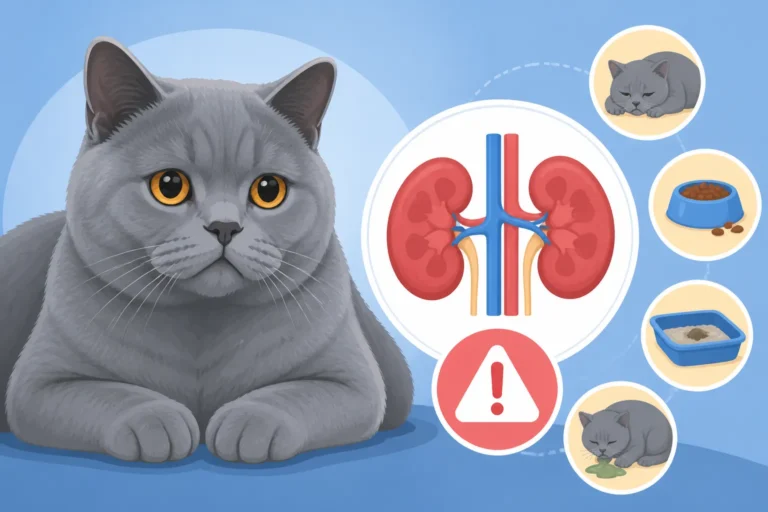
The earliest signs of kidney disease are usually so subtle that they're easily missed or attributed to other things. You might notice your British Shorthair making more trips to the water bowl than usual, or perhaps the litter box needs scooping more frequently due to increased urination. This is because the failing kidneys struggle to concentrate urine, leading to the body trying to compensate by drinking more. Other signs can include a gradual loss of appetite, which over time leads to weight loss – often a red flag if you're concerned about Why Weight Loss in an Old British Shorthair Is a Warning. They might also seem a bit more lethargic, less interested in playing, or simply "off." Their once pristine coat might become duller or less well-groomed as they start to feel unwell and lose the energy for meticulous self-care. It's important to remember that these signs are rarely dramatic at first; they are typically slow, incremental shifts in behavior and habits. Being observant, especially with a breed known for its calm and often stoic demeanor, is your best defense.
Diagnostic Tools and Their Importance
If you suspect something is amiss, a trip to the vet is in order. Your veterinarian will likely start with a thorough physical exam and then recommend a series of diagnostic tests. These usually include bloodwork and urinalysis. Blood tests measure creatinine and blood urea nitrogen (BUN) levels, which are waste products that build up in the blood when the kidneys aren't filtering properly. They also check phosphorus and potassium levels, as these can become imbalanced in kidney disease. A newer, more sensitive blood test called SDMA (Symmetric Dimethylarginine) can detect kidney disease much earlier than BUN and creatinine, sometimes when as little as 25% of kidney function is lost, compared to the 60-70% needed for older markers. This early detection is incredibly valuable.
Urinalysis assesses urine concentration, checks for protein, and identifies any signs of infection. Low urine specific gravity (dilute urine) is a classic indicator of kidney issues. Beyond blood and urine, imaging like an ultrasound is often recommended, especially for British Shorthairs, to check for PKD cysts. Whether a British Shorthair Needs a Kidney Ultrasound is a common question, and for British Shorthairs, due to the breed's predisposition to PKD, it's a highly recommended diagnostic step if kidney disease is suspected. An ultrasound can visualize the kidneys, identify cysts, and assess their size and number. It's also useful for detecting other kidney issues like stones or tumors. These tests together provide a comprehensive picture, allowing your vet to stage the kidney disease and tailor a specific management plan. Regular monitoring of these parameters is crucial for Caring for a British Shorthair Past Ten, as kidney issues often emerge in senior cats.
Here's a quick overview of key diagnostic indicators:
| Indicator | What it Measures | What it Suggests in Kidney Disease |
|---|---|---|
| SDMA | Symmetric Dimethylarginine (early kidney marker) | Elevated levels indicate early kidney function loss |
| Creatinine | Muscle waste product | Elevated when kidneys can't filter waste effectively |
| BUN | Blood Urea Nitrogen (protein waste product) | Elevated when kidneys can't filter waste effectively |
| Phosphorus | Mineral balance | Elevated levels can lead to secondary issues |
| Potassium | Electrolyte balance | Can be high or low, both problematic |
| Urine Specific Gravity | Urine concentration | Low (dilute) indicates poor kidney concentrating ability |
| Protein in Urine | Presence of protein | Can indicate kidney damage and leakage |
| Kidney Ultrasound | Visualizes kidney structure | Reveals cysts, stones, size changes, and overall architecture |
Day-to-Day Management Strategies for Kidney Disease
Managing kidney disease is a marathon, not a sprint, and it requires dedication and consistency from you. The good news is that with the right approach, many cats with kidney disease can maintain a good quality of life for an extended period.
Dietary Management: The Cornerstone of Care
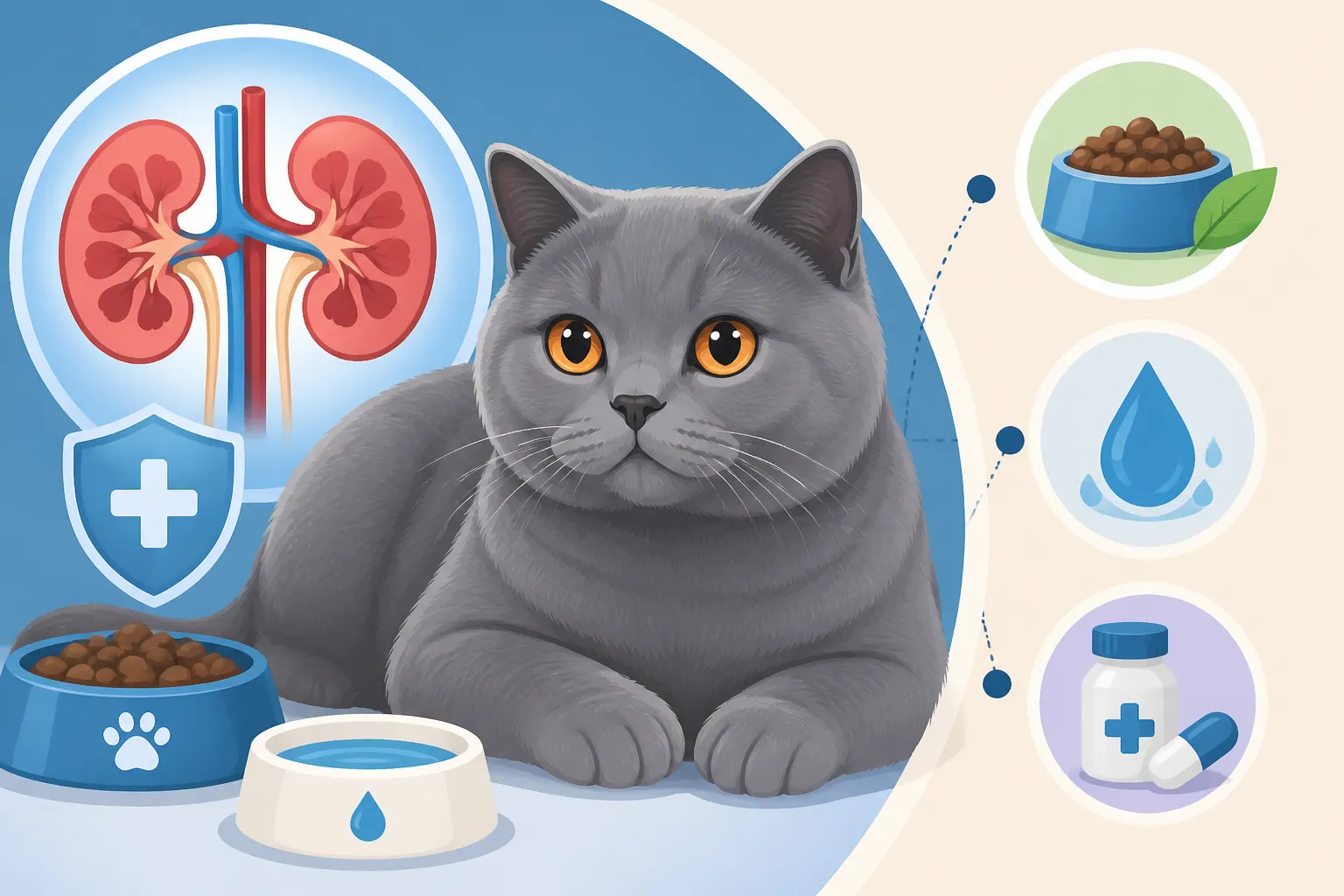
Dietary changes are arguably the most impactful part of managing feline kidney disease. The goal of a kidney-friendly diet is primarily to reduce the workload on the kidneys and minimize the buildup of harmful waste products. This means feeding a diet that is specifically formulated to be:
- Low in Phosphorus: This is incredibly important. High phosphorus levels contribute to the progression of kidney disease and can lead to secondary problems like metabolic bone disease. Commercial prescription kidney diets, such as those from Royal Canin or Hill's Prescription Diet, are carefully balanced to have restricted phosphorus.
- Controlled Protein Levels: While protein isn't the enemy, excessive protein can increase the production of nitrogenous waste products, which the compromised kidneys struggle to filter. Kidney diets provide high-quality protein in controlled amounts to meet the cat's needs without overloading the kidneys.
- Supplemented with Omega-3 Fatty Acids: These healthy fats can help reduce inflammation in the kidneys.
- Rich in B Vitamins: Cats with kidney disease tend to lose B vitamins through increased urination, so supplementation is often included.
Transitioning your British Shorthair to a new diet, especially a prescription one, can be tricky. Cats are notoriously finicky eaters, and a sudden change can lead to food refusal, which is dangerous for cats, especially those with underlying health issues. Start by mixing a small amount of the new food with their old food, gradually increasing the proportion over several days or even weeks. If your cat is particularly resistant, try warming the food slightly to enhance its aroma, or offering different brands or textures (wet vs. dry) of kidney-friendly diets. Remember, some calories are better than no calories, so don't let your cat starve trying to force a diet. Your vet can offer strategies or appetite stimulants if necessary. Sometimes, if a cat absolutely refuses prescription food, simply ensuring they get Whether an Aging British Shorthair Needs Softer Food can help with palatability and hydration, even if it's not a full kidney diet.
Hydration is Key
Maintaining excellent hydration is absolutely critical for British Shorthairs with kidney disease. As their kidneys lose the ability to concentrate urine, they excrete more water, putting them at risk of dehydration. This dehydration then further strains the kidneys, creating a vicious cycle.
- Switch to Wet Food: If your cat isn't already on wet food, transitioning to an all-wet or mostly-wet diet is highly recommended. Wet food contains significantly more moisture than dry kibble, providing a passive source of hydration with every meal.
- Encourage Water Intake: Make water readily available and appealing. This means multiple water bowls placed in different locations around the house, ensuring they are clean and fresh daily. Some cats prefer ceramic or glass bowls over plastic.
- Consider a Water Fountain: Many cats are fascinated by running water and will drink more from a pet water fountain. The movement and aeration can entice them to drink.
- Add Water or Broth to Food: If your cat eats dry food, you can try adding a bit of water or low-sodium chicken/beef broth (ensure it's onion and garlic-free) to it to increase moisture content.
- Subcutaneous Fluids: In more advanced stages, or if your cat is consistently dehydrated despite efforts, your veterinarian might teach you how to administer subcutaneous (under the skin) fluids at home. This can make a dramatic difference in their energy levels and overall well-being. It sounds daunting at first, but many owners become quite adept at it, and it's a huge benefit to their cat's quality of life.
Medication and Supplementation
Beyond diet and hydration, your veterinarian may prescribe various medications and supplements to manage specific symptoms and slow disease progression. These might include:
- Phosphorus Binders: If dietary phosphorus restriction isn't enough, binders like aluminum hydroxide can be given with meals to prevent phosphorus from being absorbed from the gut.
- Potassium Supplements: Some cats with kidney disease develop low potassium levels, which can worsen kidney function and muscle weakness. A potassium supplement (often a gel or powder) can correct this.
- Blood Pressure Medication: High blood pressure is common in cats with kidney disease and can further damage the kidneys, eyes, and heart. Medications like amlodipine are often prescribed to manage this.
- Anti-Nausea Medication and Appetite Stimulants: Cats with kidney disease can experience nausea and a reduced appetite due to the buildup of toxins. Medications like maropitant (Cerenia) can help with nausea, while mirtazapine (an appetite stimulant) can encourage them to eat.
- Anemia Management: Kidney disease can lead to anemia because the kidneys produce a hormone called erythropoietin, which stimulates red blood cell production. If anemia is severe, iron supplements or even erythropoietin injections might be necessary.
- Supplements: Certain supplements like B vitamins, probiotics specific for kidney support, and omega-3 fatty acids can be beneficial. Always discuss any supplements with your vet first to ensure they are safe and appropriate for your cat's specific condition.
Managing multiple medications can feel like a full-time job. It’s important to have a clear schedule and even a medication chart to keep track. If you have pet insurance like Healthy Paws, it can be a huge relief, covering a significant portion of the costs for these ongoing medications and vet visits, allowing you to focus on your cat's care without constant financial worry.
Advanced Treatments and Quality of Life Considerations
As kidney disease progresses, the management plan often needs to evolve. What worked initially might need adjustment, and more intensive interventions could become necessary. This stage is particularly challenging, both emotionally and financially.
Beyond the Basics: Specialized Vet Care
For British Shorthairs with more advanced kidney disease, or those whose condition isn't responding adequately to initial management, specialized veterinary care becomes vital. This might involve consultations with a veterinary internal medicine specialist or nephrologist. These specialists have deeper expertise in complex kidney cases and can offer more advanced diagnostic and treatment options.
- Fluid Therapy Adjustments: While subcutaneous fluids are common, in severe cases or during acute crises, intravenous (IV) fluid therapy in a veterinary hospital might be required to rapidly rehydrate the cat and flush out toxins.
- Nutritional Support: If a cat is severely anorexic or losing too much weight, a feeding tube (either an esophagostomy tube or a gastrostomy tube) might be recommended to ensure adequate caloric and nutritional intake. This allows you to bypass their reluctance to eat and deliver essential nutrients and medications directly. It sounds invasive, but for many cats, it dramatically improves their quality of life by preventing starvation and providing the energy needed to fight the illness.
- Dialysis: In very rare and specific cases, dialysis (either hemodialysis or peritoneal dialysis) might be considered. This is a highly specialized and expensive treatment typically only available at large university veterinary hospitals. It acts as an artificial kidney, filtering the blood when the cat's own kidneys can no longer do so. It's not a cure, but it can buy more time for some cats.
- Kidney Transplant: Even rarer, kidney transplantation is an option at a very limited number of veterinary centers. It's extremely costly, involves strict selection criteria for both recipient and donor, and comes with significant risks and lifelong commitment to immunosuppressive drugs. It’s certainly not a common or easy path, but it exists for a select few.
Navigating these more advanced options highlights the importance of open communication with your veterinary team and having a financial plan. This is where pet insurance, such as Healthy Paws, can genuinely be a lifesaver, covering a substantial portion of these often exorbitant specialist consultations, advanced therapies, and hospital stays, ensuring you can make decisions based on your cat’s needs, not just your budget.
Monitoring and Adjusting Care Over Time
Kidney disease is dynamic; it changes and progresses. Therefore, ongoing monitoring and frequent adjustments to the management plan are absolutely essential. This isn't a "set it and forget it" situation.
- Regular Vet Check-ups: Expect more frequent vet visits, especially in the initial stages of diagnosis and as the disease progresses. These visits will typically involve repeat bloodwork and urinalysis to track kidney values (SDMA, BUN, creatinine, phosphorus), blood pressure checks, and weight monitoring. Understanding What a British Shorthair's Yearly Bloodwork Should Cover becomes critical, as kidney indicators are paramount.
- At-Home Monitoring: You’ll become an expert in observing your cat. Keep an eye on their appetite, water intake, urination frequency and volume, and overall demeanor. Any changes should be noted and reported to your vet. Learning Signs a British Shorthair's Kidneys Are Failing is crucial for proactive care. Weighing your British Shorthair at home weekly can help catch subtle weight loss early.
- Adjusting Medications and Diet: Based on monitoring results, your vet will adjust medication dosages or introduce new ones. The type of kidney diet might also need to be re-evaluated. The goal is always to keep your cat as comfortable as possible, manage symptoms, and slow the disease progression.
- Pain Management and Comfort: As kidney disease advances, some cats may experience discomfort, particularly from nausea, dehydration, or potential arthritis if they're an older British Shorthair. Ensuring their environment is comfortable, providing soft beds, and discussing pain management options with your vet can greatly enhance their quality of life. Cats are notoriously stoic, and it can be hard to tell How a British Shorthair Hides Pain, so rely on your vet for guidance.
- Quality of Life Assessment: This is perhaps the hardest part. As the disease progresses, there comes a point where treatment might no longer be providing a good quality of life. You and your vet will need to have honest conversations about when it's time to consider palliative care or making the difficult decision for humane euthanasia. Tools like quality of life scales can help objectively assess your cat's comfort, happiness, and overall well-being. This ensures that even in the face of a terminal illness, your British Shorthair's dignity and comfort remain the absolute priority.
Managing kidney disease in your British Shorthair is an ongoing commitment, but with diligence, veterinary support, and plenty of love, you can help your cherished companion live comfortably for as long as possible.
Disclaimer
The information provided in this article is for general informational purposes only and is not intended as a substitute for professional veterinary advice, diagnosis, or treatment. Always seek the advice of your veterinarian or other qualified pet health provider with any questions you may have regarding a medical condition. Never disregard professional veterinary advice or delay in seeking it because of something you have read in this article.