The Age PKD Shows in a British Shorthair
It’s truly disheartening to think about our beloved British Shorthairs facing health challenges, especially those that can be inherited and quietly progress for years. Many of us worry about serious conditions like Polycystic Kidney Disease (PKD) and wonder, often anxiously, when or if it might show up in our cherished felines. This guide is designed to ease some of that worry by clearly explaining when PKD typically manifests in British Shorthairs and what you, as a loving owner, need to know to protect your furry family member.
Understanding Polycystic Kidney Disease in British Shorthairs
Polycystic Kidney Disease, or PKD, is one of those silent threats that can loom large in the minds of British Shorthair owners and breeders alike. It's a hereditary condition, meaning it's passed down through generations, and it's particularly relevant to this breed due to its history. Knowing what it is and how it works is the first step in being prepared.
What Exactly is PKD and How Does it Affect British Shorthairs?
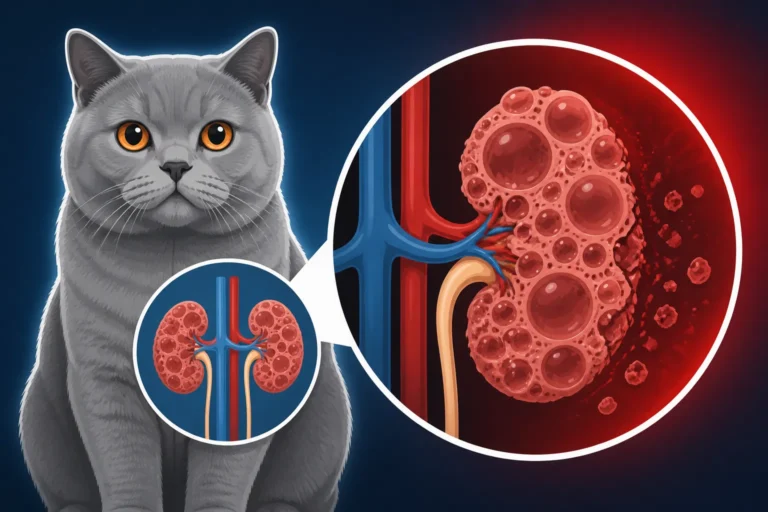
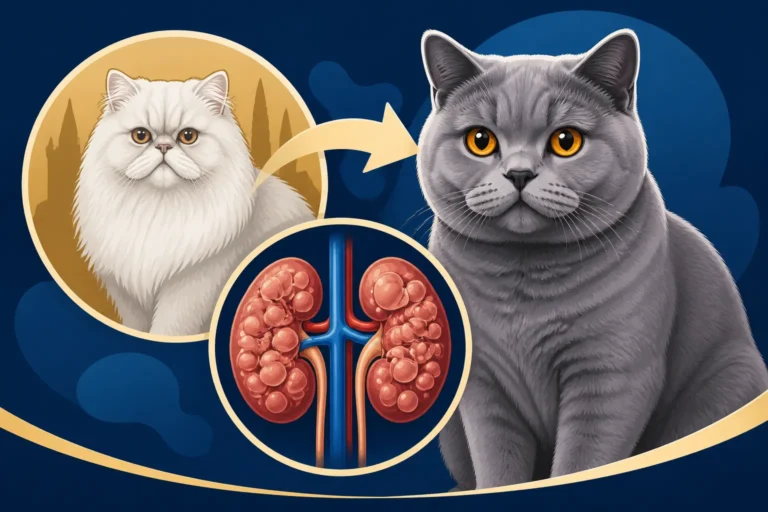
At its core, PKD is characterized by the development of multiple fluid-filled cysts within the kidneys. Think of these as tiny, benign sacs that form on or within the kidney tissue. The problem isn't usually with a single large cyst, but rather the cumulative effect of many small ones, which can vary greatly in size. These cysts are present from birth, but they start off incredibly small, often microscopic, causing no noticeable issues in a kitten or young cat.
Over time, these cysts slowly grow larger, expanding and multiplying. As they grow, they begin to displace the normal, healthy kidney tissue, essentially crowding it out. The kidneys' primary job is to filter waste products from the blood and maintain fluid balance. When a significant portion of the kidney tissue is replaced by non-functional cysts, the kidneys become less and less efficient at their vital tasks. This progressive loss of healthy tissue eventually leads to impaired kidney function, and ultimately, chronic kidney disease. This is a slow, insidious process that can take years to become clinically apparent. You can learn more about how these cysts damage a cat's kidneys by reading about How PKD Cysts Damage a British Shorthair's Kidney.
The Inherited Component: Why British Shorthairs Are Prone
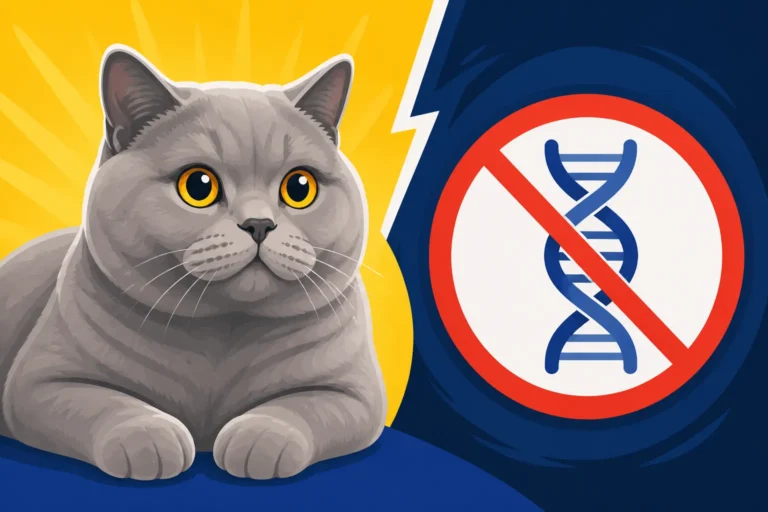
The reason PKD is such a concern for British Shorthair owners is that it's an inherited condition, specifically an autosomal dominant trait. This means that a cat only needs to inherit one copy of the faulty gene from either parent to develop PKD. If a British Shorthair inherits even one copy, it will develop cysts. The severity and rate of progression can vary, but the presence of the disease is a genetic certainty once the gene is inherited.
The link to British Shorthairs comes from their historical outcrossing with Persian cats, particularly after the World Wars when the breed suffered a significant decline in numbers. Persians were extensively used to rebuild the British Shorthair population, and unfortunately, PKD was prevalent in the Persian gene pool. While responsible breeders have worked tirelessly to eradicate it, the legacy of this historical cross means that the possibility of PKD still exists within some lines. This is why thorough health screening is absolutely paramount for any British Shorthair breeder worth their salt, and why it's so important for prospective owners to ask about parental health testing. If you're curious about this history, you can read more about How PKD Reached the British Shorthair.
When PKD Symptoms Typically Emerge
One of the most frustrating aspects of PKD is its sneaky nature. It’s not something that usually announces itself loudly in kittenhood, which often leaves owners wondering if their cat is truly in the clear. Understanding the typical timeline of symptom manifestation can help owners and vets stay vigilant.
The Silent Years: Why Early Onset is Often Missed
For many British Shorthairs with PKD, their early years are completely normal, at least from an outward appearance. The cysts, while present from birth, are initially tiny and don't significantly impede kidney function. This means that kittens and young adult cats often show no clinical signs of the disease whatsoever. They'll eat, play (in their characteristically calm British Shorthair way), and use the litter box without any indication that a slow, progressive issue is brewing internally.
This "silent phase" can make it incredibly challenging for owners to detect the problem without specific testing. A cat might appear perfectly healthy, robust, and full of life, giving no hint of the underlying cystic development. It's not uncommon for a cat to live several years, sometimes even into middle age, before any symptoms become evident. This prolonged asymptomatic period is precisely why responsible screening is so crucial for breeding animals, as an affected cat can pass the gene on for many generations before its own health is compromised.
Average Age of Diagnosis and Clinical Signs
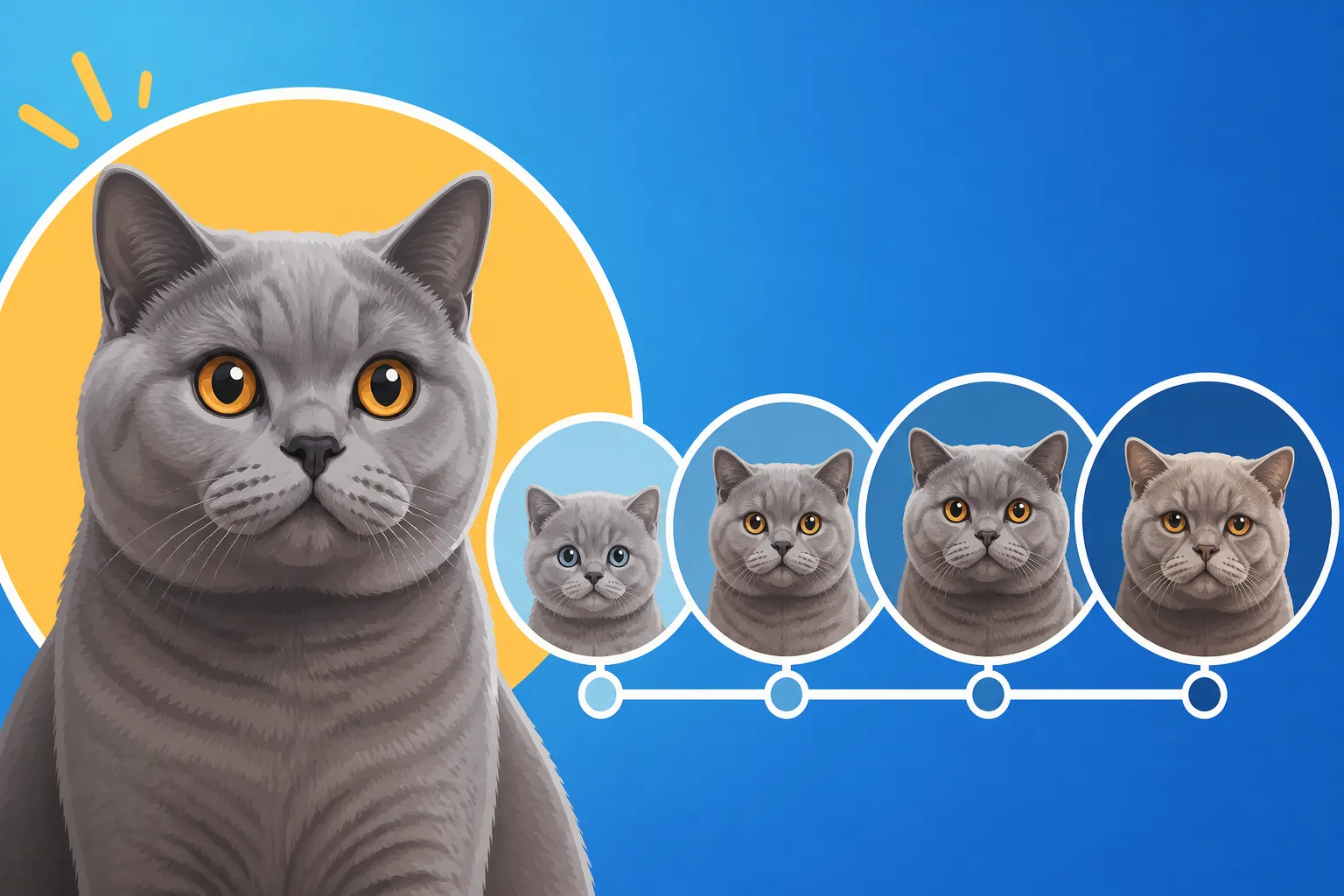
While the cysts are present from birth, the average age at which clinical signs of PKD typically become noticeable in British Shorthairs, leading to a diagnosis, is usually between three and ten years old. However, it's really important to remember that this is just an average. Some cats might develop more rapidly progressing disease and show signs earlier, perhaps around two to three years of age, while others might live a long life with minimal impact, only exhibiting mild signs in their senior years, if at all. The severity and number of cysts dictate this progression.
When symptoms do start to emerge, they are generally indicative of kidney insufficiency, as the healthy kidney tissue can no longer compensate for the damaged areas. Common indicators include:
- Increased Thirst (Polydipsia): Your cat might be constantly seeking out water, drinking more frequently, or even trying to drink from unusual sources like dripping faucets.
- Increased Urination (Polyuria): This goes hand-in-hand with increased thirst. You might notice more frequent trips to the litter box, or larger clumps of urine in the litter.
- Weight Loss: Despite eating normally, or even having an increased appetite initially, cats with kidney disease often lose weight.
- Poor Coat Condition: A dull, unkempt coat can be a subtle sign of underlying illness, as the cat may not be grooming itself as effectively or its body isn't absorbing nutrients as well.
- Lethargy and Weakness: Affected cats may become less active, sleep more, and generally seem to lack their usual energy.
- Vomiting and Loss of Appetite: As toxins build up in the blood, cats can feel nauseous, leading to a decreased interest in food and occasional vomiting.
It’s crucial to understand that these symptoms are not unique to PKD; they can be signs of many different health issues. However, if you notice a combination of these in your British Shorthair, especially as they approach middle age, it's vital to consult your veterinarian immediately.
Factors Influencing Onset and Progression
While genetics are the primary determinant of whether a British Shorthair develops PKD, several factors can influence the rate at which the disease progresses and when clinical signs become apparent. These aren't causes of PKD, but rather modifiers of its expression.
Firstly, the sheer number and size of the cysts can vary significantly between individuals. A cat with many large cysts will likely experience kidney compromise earlier and more severely than a cat with only a few small ones. This is purely a genetic lottery within affected individuals, as even cats from the same litter carrying the PKD gene can have different presentations.
Hydration and diet play a supportive role in kidney health. Cats that are consistently well-hydrated, ideally through a diet rich in wet food, may put less strain on their kidneys. Conversely, chronic dehydration or a diet high in certain minerals could theoretically exacerbate the workload on already compromised kidneys, though this is more about overall kidney health management rather than PKD progression itself.
Finally, the presence of other health issues can accelerate the onset of symptoms. Conditions like urinary tract infections, high blood pressure, or diabetes can all put additional stress on the kidneys. If a cat with underlying PKD develops one of these concomitant illnesses, its kidneys might tip into failure more quickly than if it were otherwise healthy. This underscores the importance of regular veterinary check-ups to catch and manage any health concerns promptly.
Diagnosing PKD and Managing the Disease
The thought of your cherished British Shorthair having a progressive disease like PKD is daunting, but the good news is that we have effective tools for diagnosis and management. Early detection and proactive care can significantly improve your cat's quality of life.
The Role of Ultrasound and Genetic Testing
When it comes to diagnosing PKD, there are two main approaches, each with its own benefits, especially for British Shorthairs.
The gold standard for diagnosing PKD in an individual cat, particularly after a few months of age, is a renal ultrasound. This non-invasive imaging technique allows a veterinarian, or ideally a veterinary radiologist, to visualize the kidneys and identify the presence, size, and number of cysts. For screening purposes in breeding animals, a veterinary specialist generally performs the ultrasound to ensure accurate results and interpretation. While cysts can be seen on ultrasound as early as 6-12 months of age in some cases, they are typically more reliably identifiable by one to two years of age. A clear ultrasound at one year is usually a good indicator that a cat is unaffected, though some breeders may repeat it later. If you are concerned about your British Shorthair, a discussion with your vet about Whether a British Shorthair Needs a Kidney Ultrasound is a great starting point.
However, the most definitive and earliest method for identifying whether a British Shorthair carries the PKD gene is DNA testing. This is a simple cheek swab or blood test that can be done at any age, even on tiny kittens, and it identifies the specific genetic mutation responsible for PKD. The test specifically looks for the PKD1 mutation. For British Shorthairs, this DNA test is highly accurate because the PKD mutation in this breed is well-characterized. This means a breeder can test their cats before breeding them, ensuring that no affected animals are used in their breeding program, thereby preventing the disease from being passed on. This is a game-changer for breeders looking to eradicate PKD from their lines. You can learn more about Whether the PKD1 DNA Test Covers British Shorthairs to understand its applicability.
Living with PKD: Managing Symptoms and Supporting Kidney Function
If your British Shorthair receives a PKD diagnosis, it’s not the end of the world, but it does mean a commitment to careful management to ensure the best possible quality of life. The focus of treatment is largely supportive, aiming to slow the progression of kidney disease and manage any clinical signs that arise.
One of the most critical aspects of managing PKD is dietary modification. Your veterinarian will likely recommend a prescription renal diet. These diets are specifically formulated to have reduced protein (but still high-quality, easily digestible protein), controlled phosphorus, and often higher levels of omega-3 fatty acids. This helps to lessen the workload on the kidneys, reduce the accumulation of waste products, and potentially slow down further kidney damage. Encouraging water intake through wet food or a water fountain is also vital.
Beyond diet, your vet might suggest other treatments depending on the specific symptoms your cat is experiencing. This could include medications to control nausea and vomiting, appetite stimulants to encourage eating, blood pressure medications if hypertension develops (which is common in kidney disease), or phosphate binders to prevent mineral imbalances. Regular monitoring of kidney values through blood work and urine tests will become a routine part of your cat's care, allowing your vet to adjust treatments as needed. It's a journey that requires vigilance and partnership with your veterinary team. While the costs can accumulate, having pet insurance like Healthy Paws can make a significant difference in affording these ongoing treatments, allowing you to focus on your cat's health rather than the financial strain. For more detailed information, see How a British Shorthair With Kidney Disease Is Managed.
Breeding Responsibly to Eradicate PKD
For ethical and responsible British Shorthair breeders, eradicating PKD from their lines is a top priority. Given that the PKD1 gene test is available and highly accurate for the breed, there's truly no excuse for breeding a cat without knowing its PKD status.
A responsible breeder will genetically test all their breeding cats for PKD1. If a cat tests positive, it should be removed from the breeding program, regardless of whether it shows symptoms itself. This is because, as an autosomal dominant trait, even a cat with mild disease can pass the gene on to 50% of its offspring. If a breeder accidentally breeds two PKD-positive cats, their offspring have a 25% chance of inheriting two copies of the gene, which could lead to very severe, early-onset disease.
By consistently testing and only breeding PKD-negative cats, breeders can ensure that the next generation of British Shorthairs is born free of this debilitating disease. Prospective owners should always ask to see the genetic test results for both parents of a kitten. This transparency is a hallmark of a reputable cattery and the best guarantee you can get for a PKD-free kitten. It is imperative that breeders understand Whether a PKD Positive British Shorthair Should Be Bred and act accordingly to protect the future of the breed.
Proactive Care and Long-Term Outlook
While PKD can be a concerning diagnosis, understanding its progression and knowing how to offer the best care can make a significant difference in your British Shorthair's life. Proactive measures are always the best defense.
Regular Vet Visits and Monitoring for Early Detection
Even if your British Shorthair comes from a PKD-negative lineage, or has tested clear itself, regular veterinary check-ups remain incredibly important. These routine visits, ideally annually for younger cats and every six months for seniors, are crucial for overall health monitoring. During these exams, your veterinarian can perform a thorough physical, check your cat's weight, assess their hydration status, and listen for any abnormalities.
For cats with a known PKD diagnosis or those whose status is unknown but have a higher risk (e.g., if parental status is unclear), these visits become even more critical. Your vet might recommend regular blood work, including a biochemistry panel to check kidney values (BUN, creatinine, phosphorus) and a complete blood count. They might also suggest urinalysis to assess urine concentration and look for protein or infection. Catching changes in these values early, even before clinical signs are obvious, allows for prompt intervention and dietary adjustments, which can help slow disease progression. For owners of cats with PKD, working closely with your vet and considering a pet insurance plan like Healthy Paws can help cover the costs of these frequent checks and necessary medications, providing peace of mind.
What to Expect in the Advanced Stages of PKD
As PKD progresses and kidney function continues to decline, cats will eventually enter the advanced stages of chronic kidney disease. This is when the quality of life can diminish significantly, and your focus shifts towards comfort and palliative care.
In the late stages, cats may experience more pronounced symptoms, including severe weight loss, muscle wasting, persistent vomiting, loss of appetite, and a general decline in their energy levels. They might develop anemia due to the kidneys' inability to produce erythropoietin, a hormone essential for red blood cell production. Oral ulcers and a strong, unpleasant breath odor (uremic breath) can also occur as toxins build up. Managing these symptoms becomes increasingly challenging.
At this point, you'll be working very closely with your veterinarian to make difficult decisions about your cat's comfort and quality of life. This may involve increasing supportive care, such as fluid therapy (given subcutaneously at home), strong anti-nausea medications, and pain management if needed. Ultimately, the goal is to prevent suffering. While it's a heartbreaking decision, understanding when your cat's quality of life has deteriorated beyond reasonable comfort is a compassionate act, and your vet will guide you through this difficult process. The lifespan of a British Shorthair after an HCM diagnosis and after a PKD diagnosis can vary, but generally, early detection and management are key to extending comfortable life.
| Age Group | Typical PKD Manifestation | Key Actions for Owners |
|---|---|---|
| Kittens (0-1 year) | Cysts present but microscopic; no symptoms. | If considering a kitten, ensure breeders provide both parents' PKD genetic test results (PKD1 DNA test). |
| Young Adults (1-3 years) | Cysts slowly grow; still usually asymptomatic. Some rapid-onset cases might show early signs. | If buying from a breeder, ask for ultrasound results if DNA test is not available for parents, or for a British Shorthair, the DNA test is preferred. Monitor for subtle changes in thirst/urination. Consider the Whether an Owner Should Test an Adult British Shorthair if parental status is unknown. |
| Middle Age (3-7 years) | Clinical signs most commonly begin to appear (increased thirst/urination, weight loss, lethargy). | Regular vet check-ups (annual minimum). Blood work and urinalysis if symptoms appear or suspicion exists. If diagnosis is made, begin dietary and medical management. Pet insurance like Healthy Paws can be invaluable. |
| Mature Adults (7-10 years) | Symptoms often more pronounced; active management required. | Consistent veterinary monitoring, adherence to renal diet, medication management. Focus on maintaining quality of life. |
| Seniors (10+ years) | Advanced stages of kidney disease possible. Decline in kidney function can become severe. | Frequent vet visits (every 6 months). Focus on palliative care, comfort, and managing secondary issues. |
Disclaimer
The information provided in this article is for educational purposes only and should not be considered a substitute for professional veterinary advice. Always consult with a qualified veterinarian for any health concerns or before making any decisions related to your pet's health and treatment.