Signs a British Shorthair’s Kidneys Are Failing
One of the most heart-wrenching realities of sharing your life with a British Shorthair is the eventual confrontation with age-related health issues, and kidney disease often silently creeps in. It can be incredibly frustrating and frightening when your usually stoic feline companion starts showing subtle changes that are hard to pinpoint, especially when those changes might signal something as serious as kidney failure. This guide aims to equip you with the knowledge to recognize the early and advanced signs that your beloved British Shorthair's kidneys might be struggling, helping you act swiftly and give them the best chance at a longer, more comfortable life.
Understanding Kidney Disease in British Shorthairs
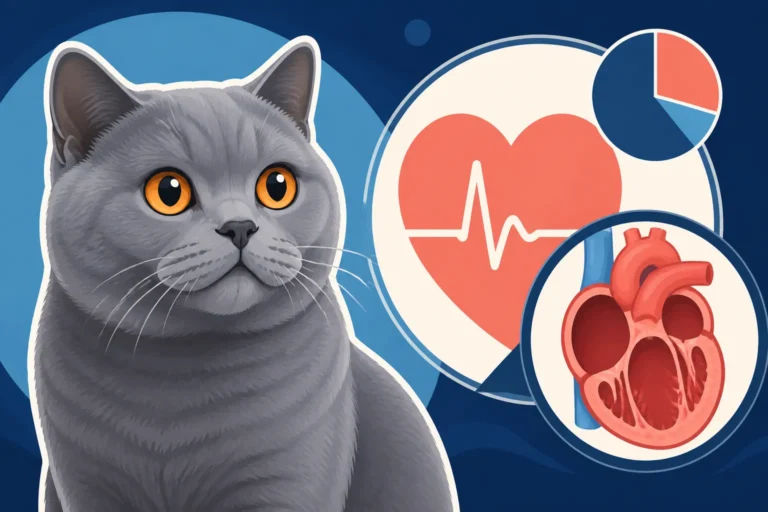
Kidney disease, specifically chronic kidney disease (CKD), is a progressive and irreversible condition that many older cats face. It means their kidneys are no longer able to effectively filter waste products from their blood, maintain hydration, or regulate important minerals. For British Shorthair owners, understanding this isn't just about knowing a medical definition; it's about being prepared for a common health challenge in the breed. While they are generally a healthy breed with a good lifespan, kidney issues can significantly impact their golden years.
The Silent Threat: Why Kidney Disease is Hard to Spot Early
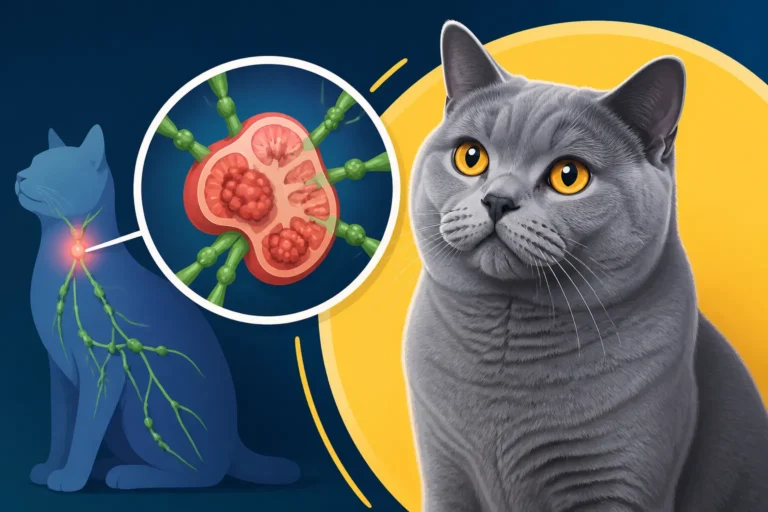
One of the most infuriating aspects of feline kidney disease is just how incredibly good cats are at hiding their discomfort. It's a survival instinct, really, designed to conceal weakness from potential predators in the wild. This means that by the time you notice overt signs, your British Shorthair's kidneys might already have lost a significant portion of their function – sometimes as much as 75% or more. This silent progression makes regular veterinary check-ups, especially as your British Shorthair enters its senior years, absolutely critical. What might seem like just "getting old" could actually be the early whispers of kidney trouble.
Their calm and somewhat aloof nature can also contribute to this problem. A British Shorthair that suddenly becomes a bit more withdrawn or sleeps even more might not immediately raise alarm bells, as they are naturally quite laid-back anyway. Owners often lament that they wish they had known sooner, feeling guilty that they didn't catch it earlier. Rest assured, this isn't your fault; it's simply the nature of the disease and how cats mask illness. The key is to be extra vigilant and aware of even the slightest deviations from their normal behavior, no matter how subtle.
Common Causes and Risk Factors
While kidney disease can strike any cat, there are a few factors that can make British Shorthairs more susceptible or that are commonly associated with the condition. Age is undeniably the biggest one; as cats get older, their kidneys naturally start to wear down. You might be interested in knowing more about What Most British Shorthairs Die Of, and kidney failure is certainly a common culprit in older felines.
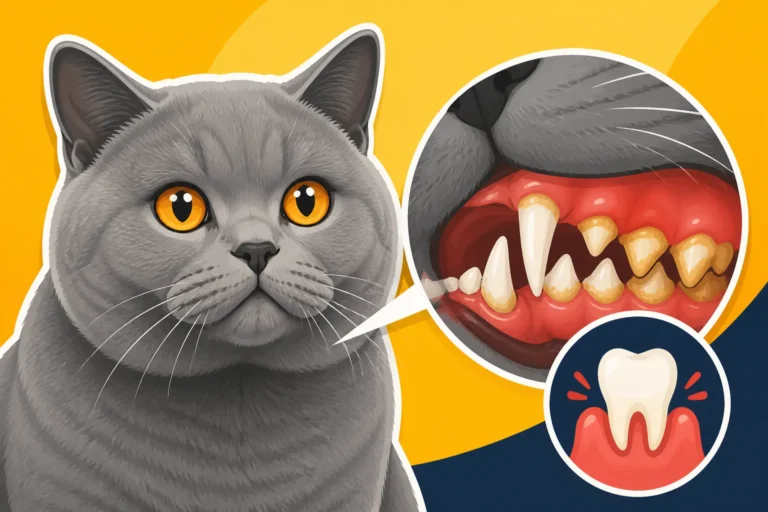
Genetics also play a role, and for British Shorthairs, Polycystic Kidney Disease (PKD) is a well-known inherited condition that can lead to kidney failure. While this is less common now due to responsible breeding practices and testing, it’s still a crucial consideration. If you adopted your British Shorthair from a reputable breeder, they should have screened for PKD. If you're wondering, Polycystic Kidney Disease Came Into the British Shorthair With the Persians, so it's a legacy from those early outcrosses. Understanding How PKD Cysts Damage a British Shorthair's Kidney can really highlight the slow, destructive nature of the disease, even if it's not present in your cat. Other potential factors include chronic urinary tract infections, high blood pressure, and certain dental diseases that can allow bacteria to travel through the bloodstream to the kidneys.
Early Warning Signs of Kidney Trouble
Recognizing the very first indications of kidney problems in your British Shorthair can be challenging, but it’s paramount. These signs are often vague and can easily be attributed to other minor ailments or just getting older. However, paying close attention to these subtle changes can make a world of difference in your cat's prognosis and quality of life. Think of yourself as a detective, piecing together clues.
Changes in Thirst and Urination Habits
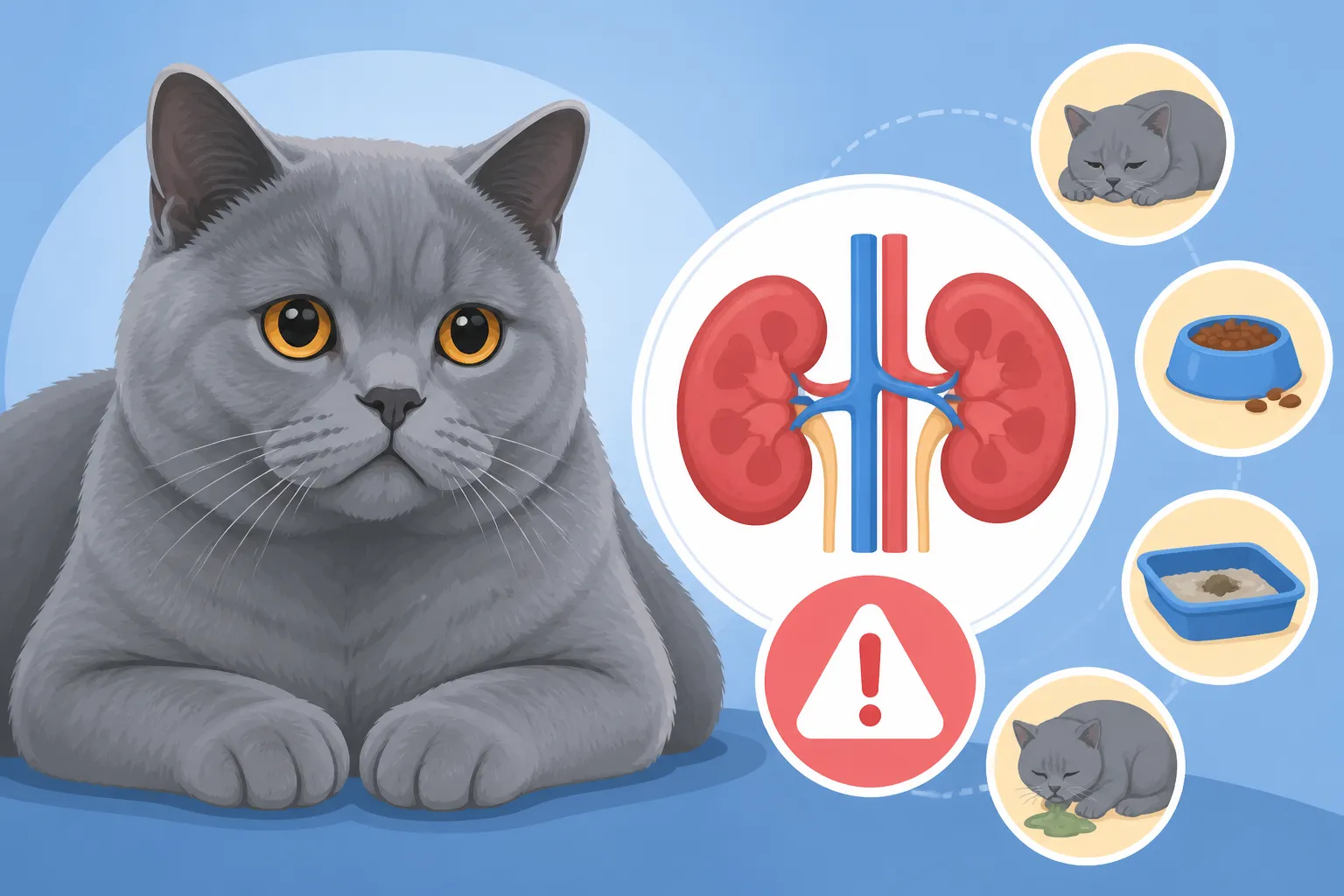
One of the earliest and most consistent signs of kidney disease is a noticeable change in your British Shorthair's water intake and litter box habits. You might find yourself refilling their water bowl more frequently than before, or perhaps notice them spending more time drinking from unusual places, like a dripping faucet. This increased thirst, medically known as polydipsia, is the body's attempt to flush out toxins that the failing kidneys can no longer properly filter.
Hand-in-hand with increased thirst comes increased urination, or polyuria. You might observe larger clumps in the litter box, or your cat may even start having "accidents" outside the box, something entirely uncharacteristic for this usually fastidious breed. The urine itself might appear less concentrated, almost watery, because the kidneys are losing their ability to retain water. Don't dismiss these changes as simple quirks; they are critical indicators that warrant immediate veterinary attention. An awareness of Urinary Problems in a British Shorthair can help you differentiate between a bladder infection and potential kidney issues, though only a vet can truly diagnose.
Appetite and Weight Fluctuations
Another common early indicator is a shift in your British Shorthair's appetite. They might become pickier with their food, showing less enthusiasm for their favorite meals, or even turning their nose up at food entirely. This decrease in appetite (anorexia) can lead to gradual weight loss, which is particularly concerning for a breed known for its robust build. You might not notice it at first because their dense coat can mask a lot, but if you're regularly weighing your cat at home or paying attention during cuddles, you might feel them becoming a bit bonier.
Weight loss in an older British Shorthair is always a red flag, no matter how subtle. We often link weight gain with British Shorthairs, given their predisposition to obesity, so a sudden loss is especially worrying. As mentioned in Why Weight Loss in an Old British Shorthair Is a Warning, it's never just "part of getting old." The accumulation of toxins in the blood can make them feel nauseous and generally unwell, which naturally dampens their desire to eat. This creates a vicious cycle where poor appetite leads to further weakness and health decline.
Behavioral Shifts and General Malaise
Beyond the physical, pay close attention to subtle behavioral changes in your British Shorthair. While they are known for being calm and somewhat independent, any significant deviation from their usual demeanor could be a sign. They might become more lethargic, sleeping even more than their usual impressive hours, or show less interest in playtime, even with their favorite feather wand. You might also notice a decrease in grooming, leading to a duller, unkempt coat.
They might also seek out unusual hiding spots or become less interactive, perhaps choosing to spend more time alone rather than lounging near you. This general sense of malaise and withdrawal can be heartbreaking to witness. Remember, British Shorthairs are masters of stoicism. A cat that is feeling unwell will often try to hide it, so these seemingly minor behavioral shifts are actually quite significant. Keep a mental note of these changes; they provide valuable clues for your veterinarian.
| Symptom Category | Early Signs | Advanced Signs |
|---|---|---|
| Thirst & Urination | Increased thirst (polydipsia), increased urination (polyuria), dilute urine | Accidents outside litter box, complete lack of urination (anuria), severe dehydration |
| Appetite & Weight | Decreased appetite, picky eating, gradual weight loss | Complete loss of appetite, significant muscle wasting, severe weight loss |
| Behavioral | Increased lethargy, less active, reduced grooming, hiding more | Extreme weakness, disorientation, seizures, coma |
| Oral/Digestive | Mild bad breath, occasional nausea | Severe bad breath (uremic halitosis), frequent vomiting, mouth ulcers, diarrhea |
| Coat & Skin | Dull coat, mild dehydration | Severely unkempt coat, dry/flaky skin, severe dehydration (skin tenting) |
Advanced Symptoms and When to Seek Urgent Vet Care
If the early, subtle signs are missed, or if kidney disease progresses rapidly, your British Shorthair will start to exhibit more pronounced and alarming symptoms. These are signals that the toxin buildup in their system has reached critical levels, and urgent veterinary intervention is absolutely necessary. It's during this stage that the disease truly begins to compromise their quality of life.
Vomiting, Diarrhea, and Halitosis
As the kidneys fail to remove waste products like urea and creatinine, these toxins build up in the bloodstream, leading to a condition called uremia. This uremia can severely irritate the gastrointestinal tract, causing persistent vomiting and diarrhea. Your cat might vomit frequently, sometimes with bile, and stool might be loose or even bloody in severe cases. These symptoms are not just uncomfortable; they lead to further dehydration and electrolyte imbalances, accelerating the decline.
Another tell-tale sign of advanced kidney failure is a distinct, unpleasant odor from your cat's breath, often described as ammonia-like or metallic. This is known as uremic halitosis and occurs because the body is attempting to excrete waste products through the breath. It's a very specific smell that once you recognize it, you won't forget. If you notice your cat suddenly has very bad breath that isn't related to a dental issue, especially combined with other symptoms, it's a major warning sign.
Weakness, Lethargy, and Collapse
With severe toxin buildup and dehydration, your British Shorthair will become increasingly weak and lethargic. They might struggle to walk, appear disoriented, or even stumble. What started as just "sleeping more" can progress to profound weakness where they can barely lift their head. In very severe cases, they might collapse or have seizures due to the neurological effects of uremia. This is a terrifying sight for any pet owner and demands immediate emergency veterinary care.
The impact of kidney failure on their overall energy levels is significant. Imagine feeling constantly nauseated, dehydrated, and poisoned – it saps all strength. You might notice them spending all their time in one spot, unwilling to move even for food or attention. This extreme lethargy is a clear indication that their body systems are shutting down and they are in severe distress. This is the stage where their quiet nature becomes a huge disadvantage, as they might just retreat further into themselves.
Anemia and Oral Ulcers
Chronic kidney disease can also lead to anemia, a reduction in red blood cells. The kidneys produce a hormone called erythropoietin, which stimulates red blood cell production in the bone marrow. When kidney function declines, erythropoietin production drops, resulting in anemia. Signs of anemia include pale gums, which you can check by gently lifting their lip, and further increased weakness and lethargy.
Uremia can also cause painful ulcers to form on the mucous membranes inside the mouth, particularly on the tongue and gums. These uremic ulcers are extremely painful and contribute to their refusal to eat. You might notice drooling, difficulty eating, or even pawing at their mouth. The combination of mouth pain, nausea, and general malaise makes eating almost impossible, further worsening their condition. These advanced signs are clear indications of a crisis.
What to Do If You Suspect Kidney Failure
Discovering that your beloved British Shorthair might be suffering from kidney failure is an incredibly stressful experience. Your immediate next steps are crucial, not just for diagnosis but for providing supportive care and understanding the path forward. Early detection and intervention, even when the disease is advanced, can significantly improve their comfort and potentially extend their life.
The Importance of Veterinary Diagnosis
If you observe any of the symptoms discussed, whether subtle or overt, the very first thing you need to do is schedule an urgent appointment with your veterinarian. Don't delay. A thorough veterinary examination will involve a physical check-up, blood tests, and a urine analysis. The blood tests will look at kidney markers like creatinine and BUN (blood urea nitrogen), as well as phosphorus and calcium levels. These tests can reveal how well the kidneys are filtering waste and indicate the stage of kidney disease. Your vet will also likely check your cat's blood pressure, as hypertension is often associated with kidney disease.
They might also recommend an abdominal ultrasound, especially if PKD is suspected, to visualize the kidneys and check for cysts or other abnormalities. A timely diagnosis is invaluable, as it allows for the development of a tailored treatment plan to slow progression and manage symptoms. It can be costly to run all these tests, but resources like Healthy Paws pet insurance can be a real lifesaver when facing unexpected veterinary bills for chronic conditions like kidney disease. Understanding What a British Shorthair's Yearly Bloodwork Should Cover is a great way to be proactive, as early bloodwork can sometimes catch subtle changes before clinical signs appear.
Managing Kidney Disease and Improving Quality of Life
While kidney disease is irreversible, it is absolutely manageable, and many British Shorthairs can live comfortably for a significant time after diagnosis with proper care. The treatment plan will typically focus on managing symptoms, slowing progression, and improving quality of life. This often includes dietary changes, specifically a prescription renal diet that is lower in protein, phosphorus, and sodium. This specialized food helps reduce the workload on the kidneys and minimizes toxin buildup. Your vet might suggest brands like Hill's Prescription Diet k/d or Royal Canin Renal, which are widely available.
Beyond diet, your vet may prescribe medications to manage specific symptoms. These can include phosphorus binders to control phosphorus levels, anti-nausea medications to encourage appetite, appetite stimulants, and medications to manage high blood pressure. Fluid therapy, either administered intravenously at the clinic or subcutaneously at home by you, is often crucial to combat dehydration and flush out toxins. This might sound daunting, but your vet team will guide you through it. Being aware of What a British Shorthair With Kidney Disease Is Managed can give you a clearer picture of the ongoing care commitment, which your pet insurance, like Healthy Paws, can help with financially. Consistent veterinary follow-ups, usually every few months, are essential to monitor your British Shorthair's condition and adjust treatment as needed. It's a team effort, and your commitment to their care will make all the difference.
Disclaimer
The information provided in this article is for educational purposes only and is not intended to be a substitute for professional veterinary advice, diagnosis, or treatment. Always seek the advice of your veterinarian or other qualified animal health provider with any questions you may have regarding a medical condition.