What Most British Shorthairs Die Of
It’s a thought that no cat parent wants to dwell on, but understanding the common health challenges our beloved British Shorthairs face can actually empower us. Knowing what most British Shorthairs die of isn't about fostering anxiety; it's about being prepared, recognizing early warning signs, and taking proactive steps to give our chunky, charming companions the longest, happiest life possible. This guide will delve into the leading causes of mortality in British Shorthairs, offering insights into preventative measures and treatment options.
Understanding the Inherent Health Challenges of British Shorthairs
British Shorthairs are generally known for their robust health and long lifespans, often living into their teens. However, like all purebred cats, they do have certain genetic predispositions and breed-specific traits that can influence their health trajectory. It’s a sad reality that even with the best care, certain conditions can cut short their time with us. The good news is that awareness is a powerful tool, allowing us to work closely with our veterinarians and make informed choices for our cherished felines.
Genetic Predispositions and Their Impact
While British Shorthairs are typically considered a healthy breed, they are not entirely immune to inherited conditions. The most significant and heartbreaking of these is Hypertrophic Cardiomyopathy, or HCM, which is a common cause of death. This condition causes the heart muscle to thicken, making it harder for the heart to pump blood effectively. It’s a cruel irony that such a strong, sturdy-looking cat can have such a vulnerable heart. Other, less common, genetic issues can include Polycystic Kidney Disease (PKD), although dedicated breeders have worked tirelessly to screen this out. The truth is, even with vigilant breeding practices, some predispositions can linger or emerge unexpectedly, making regular veterinary screenings paramount.
The Role of Lifestyle in British Shorthair Health
Beyond genetics, a British Shorthair's lifestyle plays a colossal role in their overall health and longevity. These cats are known for their calm, somewhat sedentary nature, and their love of food. While their relaxed demeanor makes them wonderful companions, it also makes them particularly prone to obesity. A sedentary lifestyle combined with an unregulated diet can lead to a cascade of health issues, including diabetes, arthritis, and liver problems, all of which can significantly shorten their lives. Ensuring they get enough gentle exercise, even if it's just a few minutes of play each day, and maintaining a strict portion-controlled diet are some of the most impactful things we can do as owners.
The Silent Killer: Hypertrophic Cardiomyopathy (HCM)
When we talk about what most British Shorthairs die of, the conversation almost invariably turns to Hypertrophic Cardiomyopathy (HCM). It’s a pervasive heart disease that affects many cat breeds, and unfortunately, British Shorthairs are among those genetically predisposed. This isn't just a mild heart murmur; it's a progressive and often devastating condition that can strike without much warning, leaving owners feeling helpless and blindsided.
How HCM Progresses in British Shorthairs
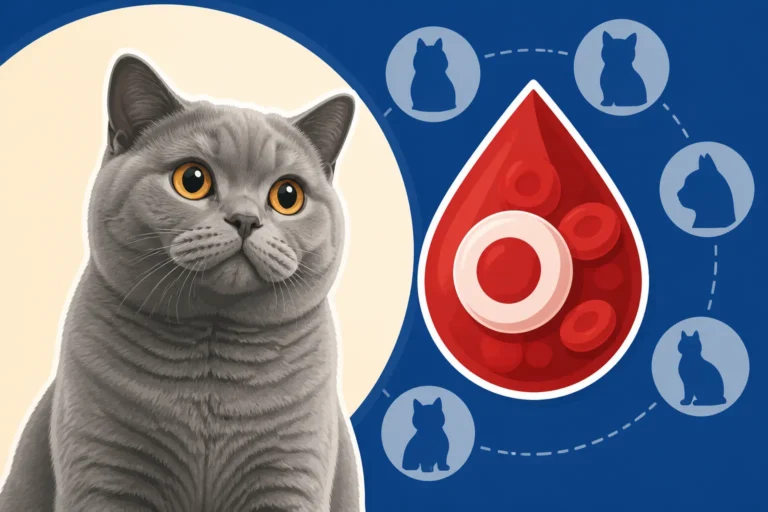
HCM involves the thickening of the muscular walls of the heart, particularly the left ventricle. As these walls get thicker, the heart becomes less efficient at pumping blood. Imagine a strong, muscular bicep that can flex but struggles to relax fully – that’s a bit like what happens to an HCM-affected heart. The thickened muscle reduces the chamber's volume and impedes its ability to fill with blood properly. This decreased efficiency can lead to several serious complications, including congestive heart failure, where fluid builds up in or around the lungs, making breathing difficult. Tragically, another acute and often fatal complication is arterial thromboembolism, commonly known as "saddle thrombus," where a blood clot forms in the heart and travels to block blood flow to the hind legs, causing sudden paralysis and extreme pain. Understanding What HCM Does to a British Shorthair's Heart is crucial for any owner.
The progression of HCM can be frustratingly variable. Some cats might live for years with a mild form of the disease, while others can experience rapid deterioration. The age of onset also varies; while it's often seen in middle-aged or older cats, cases can appear in younger British Shorthairs too. This variability is why regular screening is so vital, even if your cat seems perfectly healthy. Early detection can't cure HCM, but it can allow for interventions that might slow its progression and improve quality of life.
Recognizing the Subtle Signs of Heart Disease
One of the most challenging aspects of HCM is its insidious nature. Cats are masters at hiding illness, and British Shorthairs, with their stoic and calm demeanor, are particularly adept at it. Often, by the time noticeable symptoms appear, the disease is already quite advanced. Therefore, knowing what to look for, even the most subtle changes, is incredibly important. Early signs might be as vague as a slight decrease in energy, sleeping more than usual, or a reduced appetite. You might dismiss these as normal aging or a temporary mood, but they can be indicators.
More overt signs, unfortunately, often point to congestive heart failure. These include rapid or labored breathing, open-mouth breathing (which is a significant emergency in cats!), coughing (though less common in cats than dogs with heart failure), or a reduced tolerance for even mild exercise. If your British Shorthair starts to show Signs a British Shorthair Has Heart Disease, such as shortness of breath after a short play session, or you notice them breathing with more effort while at rest, contact your vet immediately. Even a slightly increased respiratory rate can be a critical clue.
Managing HCM and Extending Lifespan
While there is currently no cure for HCM, proactive management can significantly impact a British Shorthair's quality of life and potentially extend their lifespan. The cornerstone of management typically involves medication prescribed by a veterinary cardiologist. These medications aim to improve heart function, reduce fluid buildup, and prevent blood clot formation. Common medications include beta-blockers to slow heart rate, ACE inhibitors to reduce blood pressure, diuretics to alleviate fluid accumulation, and anti-clotting agents like clopidogrel.
Regular follow-up appointments and echocardiograms are essential to monitor the disease's progression and adjust medication as needed. It's a journey that requires dedication, but seeing your cat respond to treatment and regain some vitality is incredibly rewarding. For detailed information on How a British Shorthair With HCM Is Treated, your vet will provide a tailored plan. It’s also wise to consider pet insurance from providers like Healthy Paws, which can offer a lifeline when facing the significant costs associated with diagnosing and managing chronic conditions like HCM. Having that financial support can mean the difference between getting necessary, life-extending treatment and having to make difficult choices.
The Ubiquitous Threat: Obesity and Related Complications
It's no secret that British Shorthairs are wonderfully round and plush. Their cobby build and dense coat make them look naturally substantial. However, this charming aesthetic can often mask a very real problem: obesity. And make no mistake, obesity isn't just about looking a little chunky; it’s a serious health hazard that can significantly shorten a British Shorthair's life and diminish their quality of living, often leading to a painful decline. For many British Shorthairs, the issues stemming from being overweight are sadly what contributes to their demise.
Why British Shorthairs Are Prone to Weight Gain
British Shorthairs are practically built for comfort and food consumption, not for marathons! Their inherently calm and somewhat lazy disposition means they often prefer napping in a sunny spot to chasing a toy. Combine this low activity level with a healthy appetite – and let's be honest, many of us find it hard to resist those pleading, round eyes – and you have a recipe for weight gain. They simply don't burn as many calories as more active breeds. Moreover, neutering often leads to a metabolic slowdown, making weight management even more challenging. If you want to dive deeper into this, you can read Why a British Shorthair Gains Weight So Easily.
Their dense fur also makes it hard to visually assess their true body condition. What looks like a healthy, full-bodied cat could easily be an overweight one, hiding rolls of fat beneath that luxurious coat. Many owners mistake their cat's natural bulk for healthy weight, unaware of the extra pounds accumulating. This breed's relaxed nature means they don't often "work off" extra calories, turning every indulgence into stored fat.
The Cascade of Health Problems from Obesity
The consequences of obesity in British Shorthairs are far-reaching and debilitating. It's not just an aesthetic issue; it's a systemic problem that affects nearly every organ. Overweight cats are at a significantly higher risk for developing Type 2 diabetes, a condition that requires daily insulin injections and careful dietary management. The extra strain on their joints, especially their hips and knees, leads to early-onset arthritis, making movement painful and further reducing their willingness to exercise. This creates a vicious cycle where pain leads to less movement, which leads to more weight gain. For more on this specific issue, check out What Obesity Does to a British Shorthair's Joints.
Obesity also increases the risk of hepatic lipidosis (fatty liver disease), which can be life-threatening, particularly if an overweight cat suddenly stops eating. Furthermore, it complicates anesthesia during surgeries, impacts respiratory function, and makes grooming difficult, leading to skin issues and matting, especially on their backs. These secondary conditions contribute significantly to a shortened lifespan and a diminished quality of life, making weight management one of the most critical aspects of British Shorthair care.
Practical Strategies for Weight Management
Successfully managing a British Shorthair's weight requires a multi-pronged approach and a commitment from the owner. The first step is accurate assessment: your vet can help you determine your cat's ideal weight and body condition score. From there, dietary changes are paramount. Portion control is absolutely essential, as free-feeding is almost guaranteed to lead to obesity in this breed. Consider using a measuring cup for every meal and sticking to a veterinarian-recommended diet plan, often involving a high-protein, moderate-fat, and lower-carbohydrate food. Sometimes, a prescription weight-loss diet is necessary.
Equally important is encouraging activity. While British Shorthairs aren't typically high-energy, even short, regular play sessions can make a difference. Invest in interactive toys, wand toys, and puzzle feeders that make them "work" for their food. Try to engage them for 10-15 minutes a day, breaking it into a few shorter sessions. Simple things like placing food bowls on different levels or encouraging them to follow you from room to room can increase their daily movement. Remember, small, consistent changes are far more effective and sustainable than drastic, sudden ones.
Kidney Disease: A Common Concern for Aging Felines
Kidney disease, unfortunately, is a pervasive issue across the feline world, and British Shorthairs are no exception. It's a condition that often creeps up silently, making its presence known only when it's quite advanced. For many senior British Shorthairs, kidney failure becomes a primary cause of their passing, a slow and often frustrating decline for both cat and owner.
Polycystic Kidney Disease (PKD) in British Shorthairs
One specific form of kidney disease that has historically been a concern for British Shorthairs is Polycystic Kidney Disease (PKD). This is a genetic condition where cysts filled with fluid form within the kidneys, gradually enlarging and replacing healthy kidney tissue. Over time, these cysts impair kidney function, eventually leading to kidney failure. PKD is inherited in an autosomal dominant manner, meaning a cat only needs one copy of the affected gene to develop the disease. While responsible breeders have largely eradicated this disease from their lines through DNA testing, it's always worth being aware of, especially if you have a cat from unknown lineage or if proper screening wasn't performed. Knowing Whether a British Shorthair Should Be PKD Tested can provide peace of mind.
The good news is that there's a reliable DNA test available to detect the PKD1 gene. Most reputable British Shorthair breeders now screen their breeding cats for PKD, significantly reducing its prevalence in the breed. However, it's still possible for cats from less scrupulous backgrounds to carry the gene. The cysts typically develop slowly, and symptoms might not appear until the cat is middle-aged or older. You can learn more about The Age PKD Shows in a British Shorthair. If your British Shorthair has a family history of PKD, or you have any concerns, discussing screening options with your vet is a proactive step.
Chronic Kidney Disease (CKD) and Its Onset
Separate from PKD, Chronic Kidney Disease (CKD) is a much more common age-related condition affecting all cat breeds, including British Shorthairs. Unlike PKD, which is a genetic structural problem, CKD is a progressive loss of kidney function over time, typically due to wear and tear, inflammation, or other underlying health issues. It's often diagnosed in older cats, usually starting around seven years of age and becoming more prevalent as they enter their senior years. The kidneys are remarkable organs, and they have a huge reserve capacity, meaning symptoms often don't appear until 75% of kidney function has been lost.
Initial signs can be subtle: increased thirst, more frequent urination, decreased appetite, weight loss, and a duller coat. As the disease progresses, cats may experience nausea, vomiting, lethargy, and a general decline in well-being. Regular veterinary check-ups that include blood and urine tests are crucial for early detection. These tests can reveal changes in kidney values long before clinical signs manifest, allowing for earlier intervention. Investing in pet insurance like Healthy Paws early on, before conditions like CKD develop, can provide invaluable support for the ongoing management costs of this chronic illness.
Supporting Kidney Health in Senior Cats
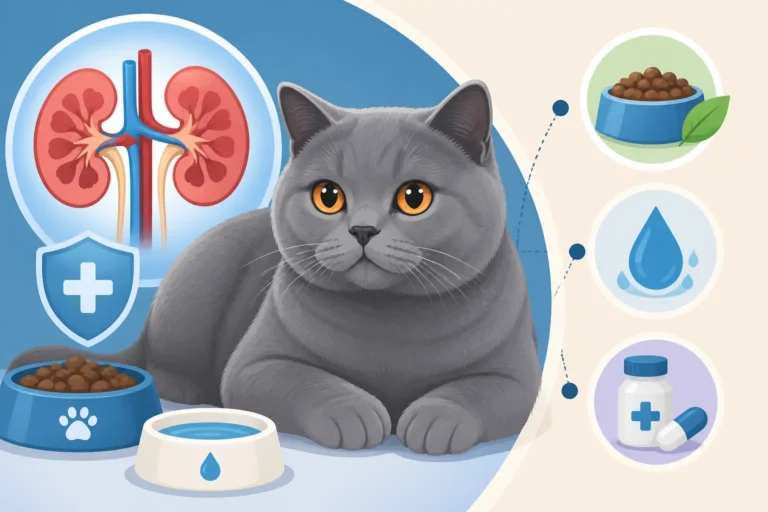
While CKD is not curable, it is manageable, and early intervention can make a significant difference in slowing its progression and improving your cat's quality of life. Management typically involves a special prescription kidney diet, which is usually lower in protein, phosphorus, and sodium, and often supplemented with omega-3 fatty acids. These diets are specifically formulated to reduce the workload on the kidneys and minimize the buildup of waste products. Ensuring adequate hydration is also critical, so encouraging water intake through water fountains, adding water to wet food, or even subcutaneous fluids at home may be recommended.
Your veterinarian may also prescribe medications to control symptoms like nausea, manage blood pressure, or bind phosphorus in the gut. Regular monitoring of kidney values through blood and urine tests is essential to track the disease and adjust treatment as needed. It can be heartbreaking to watch your beloved British Shorthair decline, but with attentive care and a tailored management plan, many cats with CKD can maintain a good quality of life for months or even years.
Cancer and Other Age-Related Ailments
As our British Shorthairs age, they become more susceptible to a range of conditions that, while not always unique to the breed, certainly contribute to the leading causes of death in their later years. Cancer, in particular, is a feared diagnosis, but other age-related issues also significantly impact their quality of life and ultimately their longevity.
Common Cancers Affecting British Shorthairs
Cancer, sadly, is a leading cause of death in older cats of all breeds, and British Shorthairs are no exception. While there isn't one specific cancer overwhelmingly prevalent in the breed, lymphoma is one of the more common types observed in felines. Lymphoma can affect various parts of the body, including the gastrointestinal tract, lymph nodes, and kidneys. Other cancers, such as mammary tumors (especially in unspayed females), squamous cell carcinoma (often found in the mouth or on sun-exposed areas), and various soft tissue sarcomas, can also occur. For more details on this topic, you can consult Which Cancers a British Shorthair Gets.
Detecting cancer in cats can be challenging due to their propensity to hide illness. Subtle changes in appetite, unexplained weight loss, lethargy, new lumps or bumps, vomiting, diarrhea, or difficulty breathing can all be warning signs. Regular veterinary examinations, including a thorough physical exam and perhaps yearly bloodwork for older cats, are key to early detection. If cancer is diagnosed, treatment options such as surgery, chemotherapy, or radiation therapy may be available, depending on the type and stage of cancer, offering hope for remission or extending comfortable life.
Arthritis and Mobility Issues in Older Cats
As our British Shorthairs reach their senior years, typically around the age of 10 or 11, arthritis becomes an increasingly common concern. Their naturally sturdy build and potential for weight gain can exacerbate joint wear and tear, leading to painful inflammation. Arthritis significantly impacts a cat's mobility and overall comfort, making simple actions like jumping onto furniture, climbing stairs, or even using a litter box a painful ordeal. For a deeper understanding of this condition, refer to Arthritis in an Older British Shorthair.
Signs of arthritis are often subtle and can be mistaken for normal aging. You might notice a reluctance to jump, difficulty grooming, changes in litter box habits (due to pain entering or exiting the box), stiffness after resting, or even increased irritability when handled. Management focuses on pain relief, often through NSAIDs (non-steroidal anti-inflammatory drugs) specifically formulated for cats, joint supplements (like glucosamine and chondroitin), and environmental modifications such as providing ramps, softer bedding, and easily accessible litter boxes. Maintaining a healthy weight is paramount to minimizing strain on aging joints.
The Impact of Dental Disease and Hyperthyroidism
Beyond the more severe diseases, seemingly less critical conditions like severe dental disease and hyperthyroidism can also significantly compromise a British Shorthair's health in their later years. Chronic, untreated dental disease leads to pain, infection, and can even seed bacteria into the bloodstream, affecting vital organs like the heart and kidneys. It’s not just about bad breath; it's a systemic health issue. Regular dental check-ups and cleanings, along with home care, are crucial throughout a cat's life. Information on Gingivitis in a British Shorthair can highlight the importance of oral hygiene.
Hyperthyroidism, on the other hand, is a common endocrine disorder in older cats where the thyroid gland produces too much thyroid hormone. This overproduction revs up their metabolism, leading to weight loss despite a ravenous appetite, hyperactivity, increased thirst and urination, and sometimes vomiting or diarrhea. If left untreated, it can lead to severe heart problems (secondary to the metabolic strain) and kidney issues, ultimately shortening a cat's life. Fortunately, hyperthyroidism is treatable with medication, radioactive iodine therapy, or surgery, often allowing affected cats to live many more comfortable years. Further details on Hyperthyroidism in an Older British Shorthair are available for reference.
Preventive Care: Your Best Defense
While discussing the common causes of death is sobering, the most empowering takeaway is how much we can do through proactive, preventive care. The journey with our British Shorthairs is a partnership, and our vigilance is their greatest asset in achieving a full, healthy life. Thinking about How Long a British Shorthair Lives on Average really emphasizes the importance of good care.
The Importance of Regular Veterinary Check-ups
This cannot be stressed enough: regular veterinary check-ups are the bedrock of preventive care. For younger British Shorthairs, annual visits are usually sufficient. As they enter their senior years, typically around 7-8 years old, semi-annual (twice a year) check-ups become crucial. During these visits, your veterinarian can perform a thorough physical examination, looking for subtle changes that you might miss at home. They can assess weight, listen to the heart and lungs, palpate organs, and check dental health. These regular interactions build a baseline for your cat's health, making it easier to spot deviations early.
These routine visits also provide an opportunity to discuss any behavioral changes, dietary concerns, or new lumps and bumps you might have noticed. Your vet is your best resource for guidance on nutrition, parasite prevention, and vaccinations tailored to your cat’s specific needs and lifestyle. Think of these check-ups not as something you do if your cat is sick, but as an essential part of keeping them well and catching potential issues before they become life-threatening emergencies.
Diagnostic Screening and Early Detection
Beyond the physical exam, your vet may recommend routine diagnostic screening, especially for middle-aged and senior British Shorthairs. This typically includes blood work (a complete blood count and chemistry panel) and a urinalysis. These tests can provide invaluable insights into organ function, detecting early signs of kidney disease, liver issues, diabetes, and hyperthyroidism long before your cat shows outward symptoms. Early detection allows for earlier intervention, which can significantly slow disease progression and improve outcomes.
For a breed predisposed to HCM, regular cardiac screenings, specifically echocardiograms, are highly recommended. While there's no DNA test for HCM in British Shorthairs, an annual or biennial echo can detect the thickening heart muscle at an early, asymptomatic stage. This proactive screening allows your vet to start medications that can manage symptoms and potentially delay the onset of heart failure or clot formation. Remember, a stitch in time saves nine, and with feline health, early detection can truly save lives.
| Disease/Condition | Common Symptoms (Late Stage) | Prevention/Early Detection Strategies |
|---|---|---|
| Hypertrophic Cardiomyopathy (HCM) | Labored breathing, open-mouth breathing, lethargy, sudden hind limb paralysis | Annual echocardiograms (from 1-2 years old), regular vet check-ups. |
| Obesity | Difficulty moving/jumping, lethargy, poor grooming, diabetes | Portion control, interactive play, puzzle feeders, vet-recommended diet. |
| Chronic Kidney Disease (CKD) | Increased thirst/urination, weight loss, vomiting, lethargy | Regular vet check-ups with blood/urine tests (especially for seniors), proper hydration. |
| Polycystic Kidney Disease (PKD) | Similar to CKD, but can appear earlier in life. | DNA testing for breeding cats (parents should be clear), kidney ultrasounds. |
| Cancer | Unexplained weight loss, lumps, vomiting, diarrhea, lethargy | Regular vet check-ups, prompt investigation of new lumps/symptoms. |
| Arthritis | Reluctance to jump/move, stiffness, pain when touched, litter box issues | Weight management, joint supplements (vet-approved), ramps for high spots, soft bedding. |
| Hyperthyroidism | Weight loss despite hunger, hyperactivity, increased thirst/urination, vomiting | Regular vet check-ups with blood tests (especially for seniors). |
| Dental Disease | Bad breath, difficulty eating, drooling, pawing at mouth | Regular dental exams, professional cleanings, home dental care. |
The Power of Nutrition and Environmental Enrichment
Never underestimate the power of a high-quality, species-appropriate diet and a stimulating environment. Proper nutrition is fundamental to supporting overall health, a strong immune system, and maintaining an ideal weight. Work with your vet to choose a food that meets your British Shorthair’s specific needs, focusing on high-quality protein and appropriate calorie intake for their activity level. For British Shorthairs, especially, portion control is non-negotiable.
Environmental enrichment, while often overlooked, also plays a critical role. While British Shorthairs are typically mellow, they still need mental and physical stimulation. Provide scratching posts, comfortable beds in various locations, safe window perches for bird-watching, and engage them in regular play sessions. These activities combat boredom, help manage weight, and support mental well-being, all of which contribute to a healthier, happier, and potentially longer life. Remember, a healthy mind and body work together!
Disclaimer
This guide is intended for informational purposes only and should not replace professional veterinary advice. Always consult with a qualified veterinarian for any health concerns or before making any decisions about your British Shorthair's care.