Signs a British Shorthair Has Heart Disease
It’s a heartbreaking reality for many British Shorthair owners: these magnificent, stoic cats often mask their illnesses, especially something as serious as heart disease, until it's reached an advanced stage. The subtle clues can be incredibly easy to miss, leaving you feeling helpless or even guilty when a diagnosis finally comes. This guide aims to empower you by detailing the specific signs of heart disease in British Shorthairs, helping you recognize them early so you can seek timely veterinary care and give your beloved companion the best chance at a longer, more comfortable life.
Understanding Heart Disease in British Shorthairs
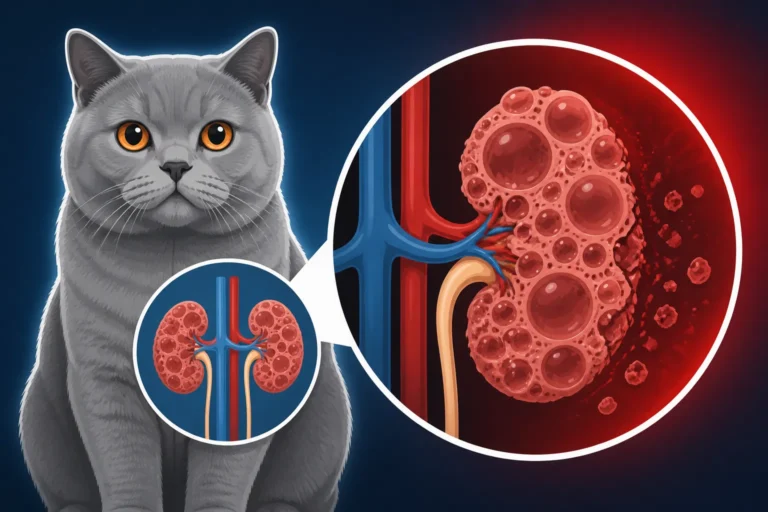
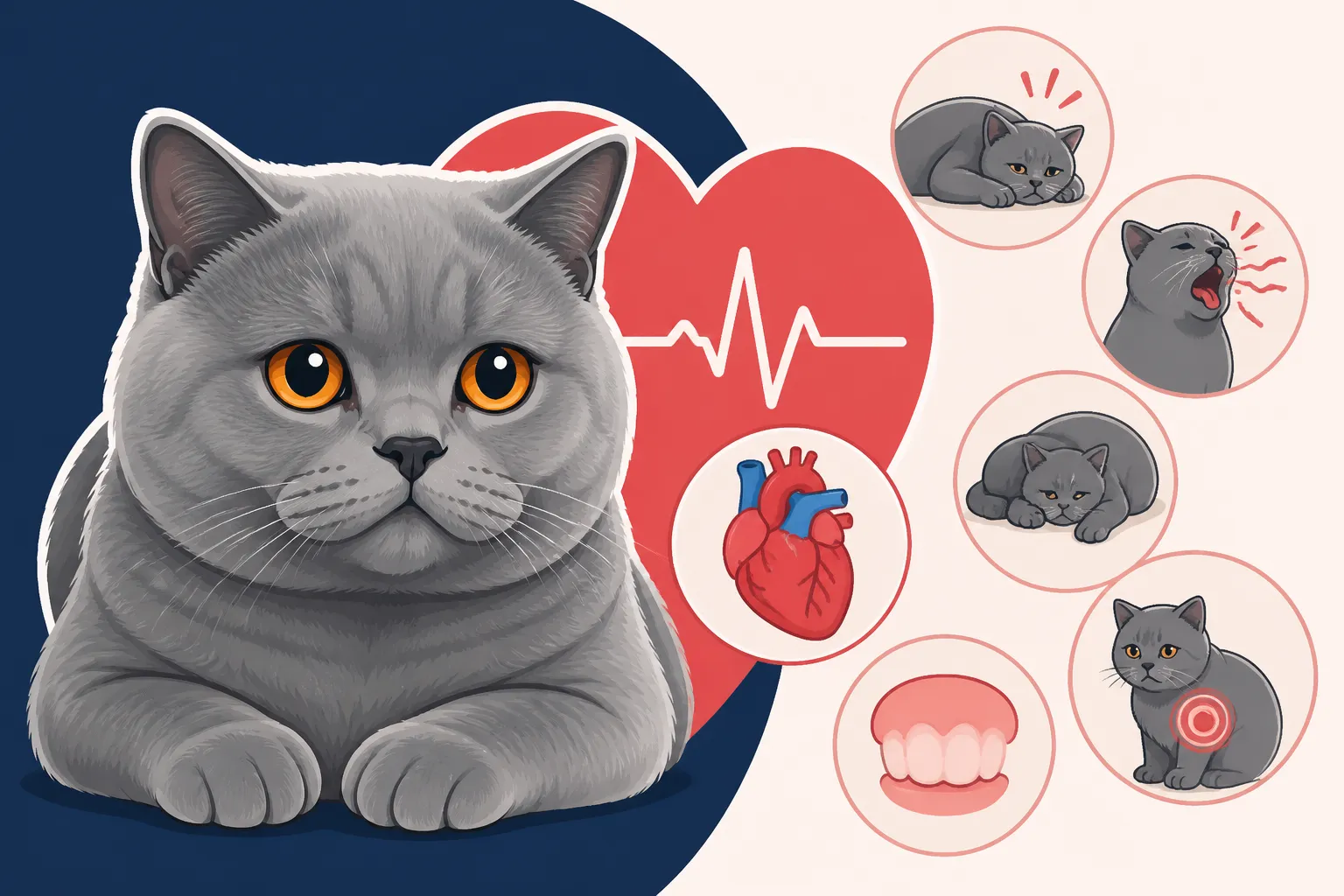
Before we dive into the specific symptoms, it’s crucial to understand what kind of heart disease we’re primarily discussing with British Shorthairs. Unlike some other breeds, the most prevalent cardiac issue in our beloved round-faced companions is Hypertrophic Cardiomyopathy, or HCM. This isn't just a fancy vet term; it’s a serious condition where the muscular walls of the heart, particularly the left ventricle, become abnormally thick. Imagine your cat’s heart trying to pump blood efficiently, but the thickened muscle makes the chamber smaller, restricting the amount of blood it can hold and push out. This leads to reduced cardiac function and, eventually, heart failure.
This thickening also messes with the heart's electrical system, which can lead to arrhythmias – irregular heartbeats – and can even predispose your cat to blood clots, a truly devastating complication. When people ask, "What HCM Does to a British Shorthair's Heart", it's important to understand that it's a progressive disease, meaning it usually gets worse over time, often silently, making early detection incredibly challenging for even the most vigilant owner.
Why British Shorthairs Are Prone to HCM
It’s a sad truth that certain breeds carry genetic predispositions to specific health issues, and for the British Shorthair, HCM is one of them. While a specific DNA test for HCM in British Shorthairs doesn't exist – unlike in some other breeds like Maine Coons – the breed is still considered at a higher risk. This genetic component means that even with the most careful breeding practices, there’s still a chance for HCM to appear. This is why regular screening, particularly echocardiograms, is so vital for British Shorthairs. It’s not just about what a British Shorthair breeder should have tested; it's about ongoing vigilance throughout your cat's life.
The exact genetic markers for British Shorthair HCM are still largely unknown, which is why breeders cannot simply run a DNA test and declare their lines clear. This can be incredibly frustrating for breeders and owners alike, as it means the burden of detection falls on regular, expensive, and specialized cardiac imaging. This inherent risk is something every British Shorthair owner needs to be aware of, as it profoundly influences how we approach their health monitoring.
The Silent Nature of Feline Heart Disease
One of the most challenging aspects of heart disease in cats, especially for a stoic breed like the British Shorthair, is their incredible ability to mask illness. Cats are masters of hiding pain and discomfort, a trait that likely stems from their wild ancestors who needed to appear strong to avoid becoming prey. This instinct is deeply ingrained, meaning that by the time you notice overt symptoms, the disease may have progressed significantly.
You might notice subtle changes in behavior that seem insignificant at first – a little less playful, a bit more sleepy – but these are often the only hints you get before more serious signs emerge. This is precisely why it’s so critical to be tuned into even the slightest deviations from your cat’s normal routine and personality. Many owners report that their British Shorthair's quiet nature already makes it difficult to discern subtle changes, adding another layer of complexity to spotting signs of illness. It's often said, and quite rightly, that a British Shorthair with HCM is likely to show almost no signs at all until the eleventh hour.
Subtle Signs Often Overlooked in British Shorthairs
Because British Shorthairs are so adept at hiding their discomfort, the early signs of heart disease can be incredibly subtle, easily mistaken for normal aging, laziness, or just their typical calm demeanor. It truly takes a keen eye and a deep understanding of your individual cat’s habits to catch these early warnings. Don't beat yourself up if you miss them; it's a common struggle for many devoted pet parents.
Changes in Activity Level and Energy
One of the earliest, yet most frequently missed, indicators of heart issues is a gradual decline in your cat’s usual activity level. Your British Shorthair might just seem a little more sedate, which for an already placid breed, can be hard to differentiate from their normal chill attitude. They might sleep more, play less intensely, or simply be less enthusiastic about their favorite toys.
For instance, if your cat used to enjoy a short but energetic burst with a wand toy every evening, you might notice them ending the session sooner, or simply watching the toy with less interest than before. They might choose to stay curled up on the sofa instead of following you from room to room. This isn't typically a sudden collapse; it's a slow, insidious shift that, when viewed retrospectively, often makes owners say, "Oh, I thought they were just getting older." It's tempting to dismiss this as "Oh, a British Shorthair just does this," but it’s vital to consider if the degree of inactivity is unusual for your cat. You might observe them less willing to climb their cat tree, or simply taking longer to get up from a nap.
Decreased Appetite or Weight Changes
Another subtle sign that often gets attributed to other causes is a change in appetite or weight. A cat with developing heart disease might not eat with the same gusto they once did, or they might leave some food behind. Sometimes, it’s not even a loss of appetite but a subtle shift in their weight. While obesity is the British Shorthair's real disease and usually a concern, a sudden or unexplained weight loss can also be a red flag.
Perhaps your British Shorthair, known for always cleaning their bowl, starts to pick at their meals. Or you might notice them feeling a bit lighter when you pick them up, even if you haven't changed their diet or exercise routine. It’s a good practice to weigh your cat regularly, especially if you have a British Shorthair prone to weight fluctuations. Even a half-pound change, when unexplained, warrants attention. If your cat is usually a robust eater and suddenly becomes finicky, don't just assume it's a passing mood. Remember, any deviation from their normal eating habits and body condition should prompt a closer look.
Changes in Breathing Patterns or Sounds
This is where things can get a bit tricky, because cats are not generally mouth-breathers. However, very subtle changes in breathing can be an early sign. You might notice your cat's breathing being slightly faster than normal when they're at rest, or perhaps a very faint clicking sound that wasn't there before. This isn't panting like a dog, which is a very obvious sign of distress, but a barely perceptible increase in respiratory rate or effort.
Try counting your cat’s breaths per minute while they’re sound asleep. A normal resting respiratory rate for a cat is typically between 15-30 breaths per minute. If you consistently find it higher, or if you notice any subtle abdominal effort with each breath, it’s a sign to call your vet. This can be particularly hard to spot because British Shorthairs are generally quiet, and their dense coats can make it harder to observe subtle chest movements. Don't be surprised if you have to watch them for a few minutes while they're completely relaxed, perhaps even using a flashlight to see the subtle rise and fall of their chest.
More Obvious and Advanced Heart Disease Signs
While our hope is to catch heart disease early, sometimes the subtle signs are missed, and the disease progresses to a point where the symptoms become more overt. When these signs appear, it usually means the heart is struggling significantly, and immediate veterinary attention is paramount. These are the kinds of signs that, unfortunately, often lead to an emergency vet visit.
Difficulty Breathing or Labored Respiration
This is one of the most serious and unmistakable signs of advanced heart disease in a British Shorthair. When the heart can no longer pump blood effectively, fluid can build up in or around the lungs, leading to congestive heart failure. This fluid makes it incredibly difficult for your cat to breathe, a condition known as pulmonary edema or pleural effusion. You might notice them breathing with their mouth open, panting, or exhibiting very obvious abdominal effort with each breath. Their chest and abdomen might heave noticeably.
This isn't just a slightly faster breath; it's a desperate struggle for air. Your cat might stretch their neck out, stand with their elbows away from their body, or appear restless and anxious. The gums or tongue might even take on a bluish tint (cyanosis) due to lack of oxygen, which is an emergency. If you see signs a British Shorthair is breathing hard, do not wait. This is a critical situation requiring immediate veterinary intervention. Every minute counts when a cat is struggling to breathe.
Weakness, Lethargy, or Collapse
As heart disease progresses, the heart’s ability to pump oxygenated blood to the body’s tissues diminishes. This can lead to profound weakness and lethargy. Your British Shorthair might become extremely reluctant to move, spend most of their time sleeping, and generally appear very unwell. In severe cases, they might even collapse. This collapse could be brief, or it could be a more prolonged state of weakness, where they simply cannot get up or move purposefully.
This is distinct from the subtle decrease in activity we discussed earlier; this is a dramatic and concerning change. A cat that previously enjoyed a leisurely stroll around the house now struggles to walk a few steps without resting. They might seem disoriented or weak in their limbs. This indicates that their vital organs aren't receiving enough blood flow, which is a life-threatening situation. If your cat collapses, try to keep them calm and get them to an emergency vet as quickly and safely as possible.
Hind Leg Paralysis or Lameness (Saddle Thrombus)
This is perhaps one of the most sudden, painful, and devastating complications of feline heart disease, particularly HCM. Due to the turbulent blood flow in a thickened heart, blood clots can form. These clots can then dislodge and travel through the bloodstream. If a clot travels down the aorta and gets lodged where the aorta splits to supply blood to the hind legs (the "saddle" area), it causes what's known as a saddle thrombus or Feline Aortic Thromboembolism (FATE).
The symptoms are abrupt and horrifying: sudden paralysis or extreme weakness in one or both hind legs, intense pain (your cat might cry out or howl), cold hind paws, and often a lack of pulse in the affected legs. This is an absolute emergency. The pain is severe, and the prognosis is often poor, although immediate veterinary care is crucial to attempt pain management and, in some cases, attempt to dissolve or manage the clot. This is what saddle thrombus does to a British Shorthair, and it's a terrifying reality that highlights the urgency of early heart disease detection.
Unexplained Coughing
While less common in cats than in dogs, coughing can sometimes be a sign of heart failure, especially if fluid is building up in the lungs. However, it’s important to note that coughing in cats is more frequently associated with respiratory issues like asthma, allergies, or even hairballs. For a British Shorthair, known for its dense coat, hairballs are a common occurrence, making it easy to dismiss a cough.
But if your British Shorthair develops a persistent cough, particularly one that sounds wet or gagging, and especially if it's accompanied by other signs like lethargy or difficulty breathing, it’s worth considering heart disease as a potential cause. A cat coughing due to heart failure might hack as if trying to clear something from their throat. It's not usually the dry, hacking cough you associate with an allergy, but more of a deep, rumbling cough. Always have any new, persistent cough checked by your vet to determine the underlying cause.
Heart Murmur Detection
While a heart murmur isn’t a sign you can detect at home, it’s an important sign that your veterinarian might pick up during a routine physical exam. A heart murmur is an abnormal whooshing sound made by turbulent blood flow within the heart. It can indicate a variety of underlying issues, including thickened heart muscle (HCM), valve abnormalities, or other structural problems. It's important to remember that not all murmurs are clinically significant, and not all cats with HCM have a detectable murmur. Conversely, some healthy cats can have "innocent" murmurs.
However, if your vet detects a new murmur, or if an existing murmur changes in intensity, it’s often the first strong indicator that further cardiac investigation is needed. This usually involves an echocardiogram. For breeds like the British Shorthair, any murmur should be taken seriously as a potential indicator of HCM, even if the cat appears perfectly healthy otherwise. It’s why regular veterinary check-ups are so vital, allowing your vet to catch these subtle clues before they escalate.
Here's a quick reference table to help distinguish between subtle and advanced signs:
| Symptom Category | Subtle Signs (Early Stage) | Advanced Signs (Late Stage/Emergency) |
|---|---|---|
| Activity Level | Increased sleeping, less enthusiastic play, reduced jumping | Profound lethargy, reluctance to move, inability to stand, collapse |
| Appetite & Weight | Picky eating, leaving food, unexplained slight weight loss | Anorexia (not eating), significant and rapid weight loss |
| Breathing | Slightly increased resting respiratory rate (30+ bpm), mild abdominal effort | Open-mouth breathing, panting, severe abdominal effort, bluish gums, coughing |
| Mobility | Slowing down, less graceful movement, reluctance to climb | Sudden hind leg paralysis/weakness, cold paws, pain (saddle thrombus) |
| Behavior | More withdrawn, seeking solitude, less interactive | Extreme anxiety, restlessness (due to breathing difficulty) |
Why British Shorthairs Hide Their Pain
The stoic nature of British Shorthairs is one of their most endearing, yet challenging, traits when it comes to health. These cats are known for their calm, unflappable personalities, which unfortunately extends to their ability to conceal discomfort and illness. This isn't out of spite; it's an evolutionary survival mechanism.
Evolutionary Instincts and Self-Preservation
In the wild, showing weakness is a death sentence. A sick or injured animal quickly becomes a target for predators. Domesticated cats, including our fluffy British Shorthairs, retain many of these primal instincts. They instinctively try to appear strong and healthy, even when they are not. This means they will often endure significant pain or discomfort before showing any outward signs.
This makes you, as their caregiver, essentially a detective. You have to learn your cat’s normal so intimately that any deviation, no matter how small, stands out. A British Shorthair might continue to eat, use the litter box, and even engage in some play, all while their heart is slowly failing. They might even try to find secluded spots to hide if they're feeling particularly unwell, further complicating your ability to monitor them. It’s a harsh reality that why a British Shorthair hides heart failure is rooted in millions of years of survival instinct, making your job as an owner incredibly difficult.
The Challenge of Observing a Calm Breed
British Shorthairs are inherently a calm, easy-going breed. They aren't typically known for their energetic antics or constant demands for attention. This already mellow disposition makes it incredibly difficult to spot subtle changes in energy or activity levels. What might be an obvious sign of lethargy in a highly active breed, could just look like a normal Tuesday for a British Shorthair.
For example, if a more playful cat suddenly stops zooming around the house, it's a huge red flag. For a British Shorthair who only ever had short bursts of play, a reduction in that play might be barely perceptible. This is why paying attention to the quality of their interactions is so important. Are they still responding to their favorite treats? Do they still enjoy a gentle head rub in the same way? Even tiny shifts in their routine or preferences can be the only clues you get. You are looking for a change from their normal, not a comparison to some generic 'cat' activity level.
When to Seek Veterinary Attention
Knowing when to call the vet is crucial, especially with a breed that hides illness so well. It’s always better to be safe than sorry. Trust your gut; if something feels off, it probably is. Don't hesitate to reach out to your veterinarian.
Recognizing Emergency Situations
Certain signs should immediately trigger an emergency vet visit. These include:
- Open-mouth breathing, panting, or severe difficulty breathing: This is a medical emergency. Do not delay.
- Collapse or extreme weakness: If your cat cannot stand or is unresponsive.
- Sudden hind leg paralysis or severe pain: This is a classic sign of a saddle thrombus.
- Bluish gums or tongue: Indicates a severe lack of oxygen.
In these situations, time is of the essence. Call your emergency veterinary clinic on the way to let them know you’re coming, so they can be prepared. Keep your cat as calm as possible during transport. You might want to research a local 24/7 veterinary emergency hospital in your area, such as NorthStar VETS in New Jersey or Animal Medical Center of New York City, so you know exactly where to go in case of an urgent situation.
Routine Check-ups and Early Detection
Even if your British Shorthair seems perfectly healthy, regular veterinary check-ups are non-negotiable for early detection of potential heart problems. Your vet can perform a physical exam, listen to their heart for murmurs or arrhythmias, and generally assess their overall health. This is particularly important because, as we discussed, what a British Shorthair's murmur means can vary, but it's always worth investigating further.
For British Shorthairs, many cardiologists recommend an initial echocardiogram at around 1-2 years of age, and then yearly or every other year, depending on the results. You might also want to discuss what a British Shorthair's yearly bloodwork should cover to rule out other issues. Remember, there's no DNA test for British Shorthair HCM, so echocardiograms are our best tool for monitoring heart health. Some owners opt for pet insurance, like Healthy Paws, which can help cover the costs of these screenings and potential treatments, giving you peace of mind.
The Importance of Echocardiograms
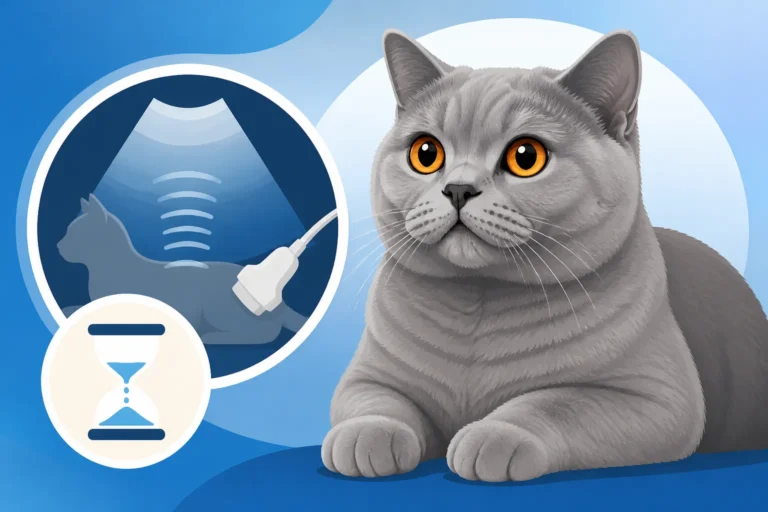
An echocardiogram is essentially an ultrasound of the heart. It allows a veterinary cardiologist to visualize the heart's structure and function in real-time. They can measure the thickness of the heart walls, check the size of the chambers, assess valve function, and look for any abnormalities in blood flow. This is the gold standard for diagnosing HCM in cats.
It’s completely non-invasive and usually doesn’t require sedation, although some very anxious cats might benefit from a mild sedative to ensure clear images. The age a British Shorthair should start screening is usually around one year, but your vet or breeder might recommend a slightly different timeline based on family history. For continued monitoring, knowing how often a British Shorthair needs an echo is crucial, as the disease can develop at any age, though the age HCM usually appears in a British Shorthair is often in middle age. Investing in these screenings is an investment in your cat’s quality of life and longevity.
Living with a British Shorthair with Heart Disease
Receiving a diagnosis of heart disease for your beloved British Shorthair can be incredibly upsetting. It’s natural to feel overwhelmed, scared, and even angry. But it’s important to remember that a diagnosis is not the end; it’s the beginning of a new phase of care focused on managing the condition and maintaining your cat’s quality of life for as long as possible.
Managing a British Shorthair with HCM
If your British Shorthair is diagnosed with HCM, your veterinary cardiologist will work with you to develop a management plan. This usually involves medication aimed at slowing the progression of the disease, improving heart function, and preventing complications like blood clots. Common medications include beta-blockers, ACE inhibitors, diuretics (if fluid is present), and anti-coagulants. Understanding which medication a British Shorthair with HCM takes will be a key part of your routine.
It’s crucial to administer these medications exactly as prescribed and to never alter the dosage without consulting your vet. Regular follow-up appointments, including repeat echocardiograms, will be necessary to monitor the heart's condition and adjust medications as needed. This ongoing care is vital for providing the best possible outcome. For pet parents considering insurance, it's worth noting that a good plan from providers like Healthy Paws could significantly offset the costs of these specialized medications and frequent vet visits.
Prognosis and Quality of Life
The prognosis for a British Shorthair with HCM can vary widely depending on the severity of the disease at diagnosis, how well it responds to medication, and whether complications arise. Some cats can live comfortably for several years with proper management, while others may have a more rapid progression. It's tough to hear, but knowing how long a British Shorthair lives after an HCM diagnosis can be incredibly variable.
The focus should always be on maintaining your cat's quality of life. This means ensuring they are comfortable, pain-free, and enjoying their daily activities. Watch for changes in their behavior, appetite, and breathing, and report them immediately to your vet. With attentive care, many British Shorthairs with heart disease can continue to live fulfilling lives, bringing joy to their families. While the journey might be challenging, the bond you share with your British Shorthair makes every effort worthwhile.
Disclaimer
This article is intended for informational purposes only and does not constitute medical advice. Always consult with a qualified veterinarian for any health concerns or before making any decisions about your pet's health or treatment plan.