How PKD Cysts Damage a British Shorthair’s Kidney
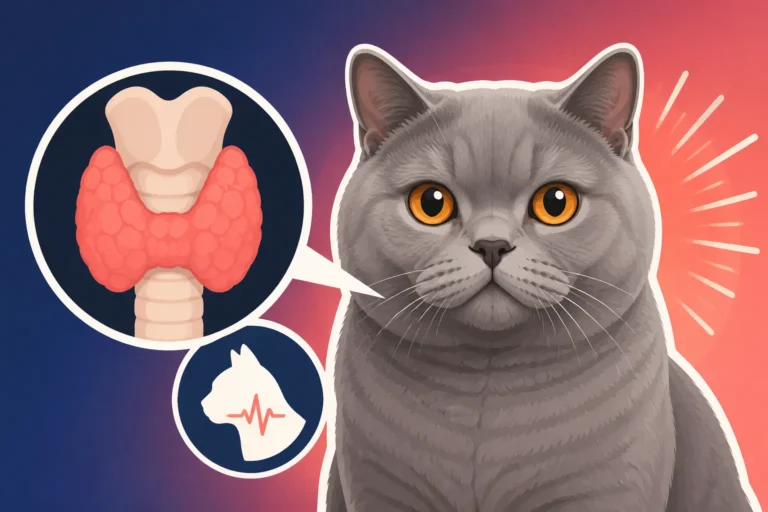
Discovering that your cherished British Shorthair might be suffering from Polycystic Kidney Disease (PKD) can be an incredibly daunting and heartbreaking experience. It's a condition that often hides in plain sight, slowly, silently undermining your cat's health until signs become undeniable, leaving you feeling helpless and confused about what's actually happening inside their little bodies. This guide aims to shed light on exactly how these insidious PKD cysts relentlessly damage a British Shorthair's kidneys, providing you with a deeper understanding of the disease so you can be better equipped to support your beloved companion.
Understanding Polycystic Kidney Disease in British Shorthairs
Polycystic Kidney Disease, or PKD, is a genetic disorder that British Shorthairs are unfortunately predisposed to, primarily due to their historical breeding practices. It's not a sudden illness but a slow, progressive decline that can leave owners feeling bewildered as their cat's health gradually deteriorates.
What is PKD and Why British Shorthairs?
At its core, PKD is an inherited condition characterized by the formation of fluid-filled cysts within the kidneys. These aren't just benign little bubbles; they're abnormal structures that, over time, grow in size and number, slowly but surely replacing healthy kidney tissue. Imagine a complex filtration system, which is essentially what kidneys are, gradually becoming clogged and dysfunctional as these balloon-like cysts invade. For British Shorthair owners, this news can be particularly painful because this magnificent breed, known for its stoic nature and robust appearance, is one of the most commonly affected.
The reason for this particular susceptibility in British Shorthairs, and also Persians, is deeply rooted in breed history. How PKD Reached the British Shorthair is a story that goes back to the post-World War II era when the breed's numbers dwindled, and outcrossing with other breeds, including Persians, was used to rebuild the population. While this helped save the British Shorthair, it inadvertently introduced the PKD gene into the gene pool. Many breeders have worked tirelessly to eliminate it, but its legacy means vigilance is still critical.
The Genetics Behind the Disease
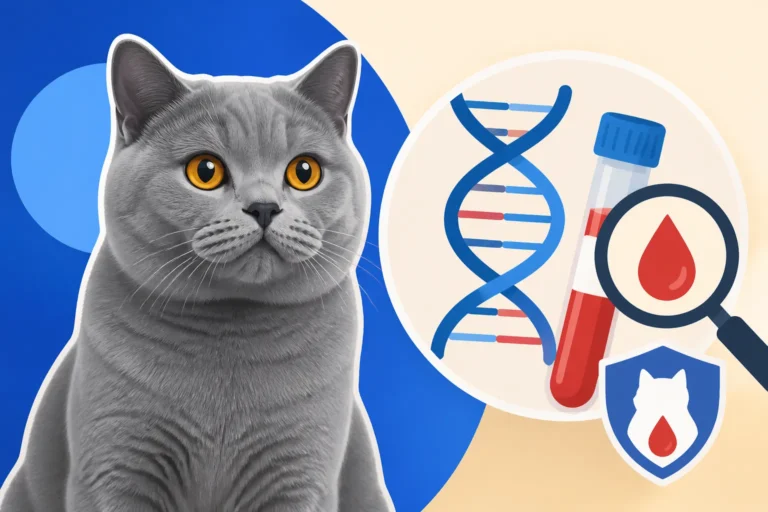
PKD is inherited in an autosomal dominant fashion. What does that mouthful mean for you and your cat? It means that if a British Shorthair inherits just one copy of the faulty gene (known as the PKD1 gene) from either parent, they will develop PKD. There's no escaping it once that gene is passed on. Moreover, any cat with the PKD1 gene has a 50% chance of passing it on to each of their kittens, regardless of whether the other parent is clear. This is why responsible breeders rigorously test their breeding cats. If you're considering a kitten, always ask whether the breeder has tested for PKD (What a British Shorthair Breeder Should Have Tested). A simple DNA test can definitively tell if a cat carries the gene, offering peace of mind or, conversely, a clear warning about potential health issues down the line.
The DNA test for the PKD1 gene is incredibly accurate, usually performed once in a cat's lifetime, typically when they are young kittens or before they are bred. This is different from other conditions like HCM, where a DNA test isn't available for British Shorthairs. Knowing your cat's genetic status is the first crucial step in understanding their long-term health prospects and how best to manage their care proactively.
How PKD Cysts Progress and Harm Kidney Function
The insidious nature of PKD lies in its slow, often imperceptible, progression. These cysts don't just appear overnight, nor do they immediately cripple kidney function. Instead, it's a gradual, relentless process that slowly erodes the kidney's ability to do its vital work.
The Formation and Growth of Cysts
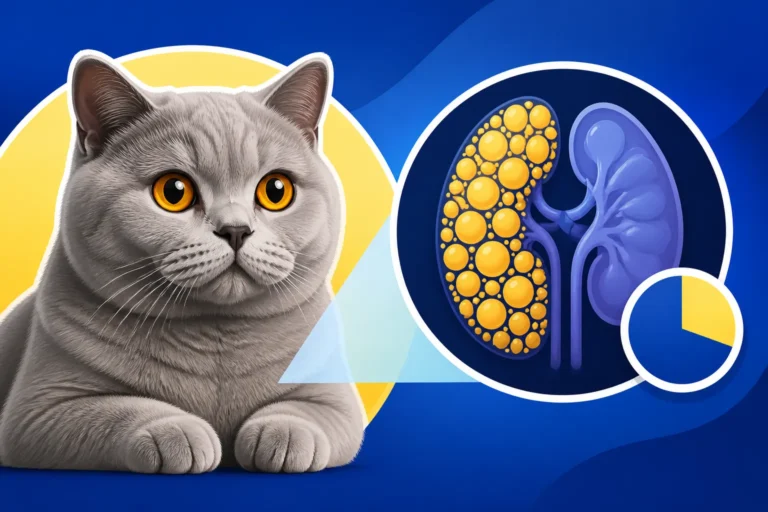
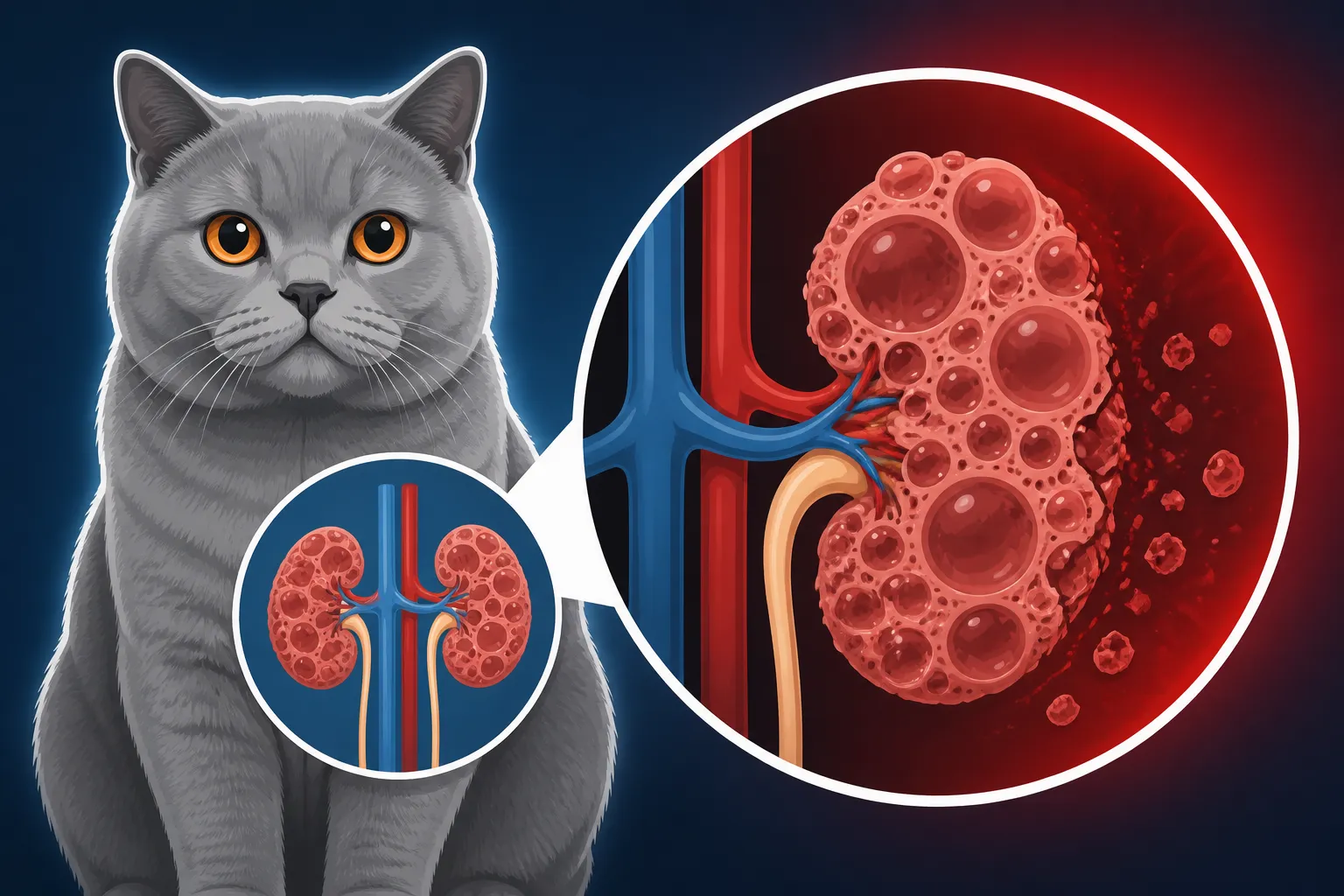
When we talk about PKD cysts, we're referring to fluid-filled sacs that originate from the tiny tubules within the kidney. These tubules are normally responsible for filtering waste products from the blood and forming urine. With PKD, however, some of these tubules become blocked and dilate, filling with fluid to form cysts.
It's important to understand that these cysts are usually present from birth. They start incredibly small, often microscopic, which is why a very young British Shorthair kitten might appear perfectly healthy and full of life. But here's the kicker: they don't stay small. Over the years, these cysts progressively enlarge. Some grow rapidly, others slowly, but the overall trend is one of relentless expansion. Imagine a kidney that should be a smooth, efficient organ gradually transforming internally, becoming riddled with these fluid-filled pockets. In severe cases, a cat's kidneys can come to resemble a bunch of grapes, with dozens or even hundreds of cysts displacing the vital, healthy tissue.
The rate at which these cysts grow and ultimately impact kidney function can vary significantly from one British Shorthair to another. Some cats might develop significant kidney impairment relatively early, while others might live a long life with only minimal impact. This variability is one of the frustrating aspects of PKD, making it hard to predict the exact timeline for any individual cat. What is consistent, however, is the irreversible nature of their growth once they begin.
The Cascade of Kidney Damage
As these cysts continue to expand, they physically displace and compress the surrounding normal kidney tissue. This isn't just about taking up space; it actively impairs the kidney's ability to perform its essential functions. Kidneys are powerhouse organs, crucial for filtering waste products like urea and creatinine from the blood, maintaining electrolyte balance, regulating blood pressure, and even producing hormones that stimulate red blood cell production.
When healthy kidney tissue is replaced by non-functional cysts, the organ's capacity to perform these tasks diminishes. Initially, the remaining healthy kidney tissue compensates, working harder to pick up the slack. This is why a British Shorthair can have significant cystic changes in their kidneys but still show no outward signs of illness and even have normal blood test results for a period. This compensatory mechanism is a double-edged sword: it allows the cat to appear healthy for longer, but it also means that by the time overt symptoms emerge, the disease is often quite advanced, and a substantial portion of kidney function has already been lost.
This loss of function leads to a cascade of problems. Waste products begin to build up in the bloodstream, leading to a condition called uremia, which is essentially poisoning of the body by its own waste. The kidneys also lose their ability to concentrate urine, leading to increased thirst and urination. Blood pressure can rise, putting strain on other organs. The ability to produce red blood cells can be compromised, leading to anemia. It's a systemic problem, slowly but surely impacting the cat's entire body. Understanding What Polycystic Kidney Disease Does to a British Shorthair goes beyond just kidney damage; it's about the broader, detrimental effects on their overall health and well-being.
Recognizing the Signs and Managing PKD in Your British Shorthair
One of the most challenging aspects of PKD, as with many chronic kidney conditions, is that British Shorthairs are masters at hiding illness. Their stoic nature means that by the time you notice something is truly amiss, the disease has often progressed significantly.
Subtle Symptoms and Later Stages
Because the cysts grow slowly and healthy kidney tissue compensates, early signs of PKD can be incredibly subtle or completely absent. You might notice your British Shorthair drinking a bit more water than usual, or perhaps visiting the litter box a little more frequently. These are easy to dismiss as normal variations in behavior, especially if your cat is otherwise acting like their usual self. You might also notice a slight decrease in appetite or a subtle loss of enthusiasm for playtime, which you could attribute to them just getting a bit older or being their naturally calm selves.
However, as the disease progresses and kidney function continues to decline, these subtle signs will become more pronounced. Signs a British Shorthair's Kidneys Are Failing include consistent increases in thirst (polydipsia) and urination (polyuria), which are often the first strong indicators. You might also start seeing:
- Weight loss: Despite a normal or even increased appetite, they might be losing muscle mass.
- Vomiting: Due to the buildup of toxins in their system.
- Lethargy and weakness: They might sleep more, be less interactive, or seem generally unwell.
- Poor coat condition: A dull, unkempt coat can be a sign of chronic illness.
- Bad breath (halitosis): A distinct ammonia-like odor can be due to uremia.
- Sores in the mouth: Uremic ulcers can form on the tongue or gums.
These more severe symptoms typically don't appear until around 7 years of age or even later, although The Age PKD Shows in a British Shorthair can vary widely, with some cats showing signs earlier or later. By this stage, a significant amount of kidney function has usually been lost, making management crucial.
Diagnostic Tests and Management Strategies
The good news is that we have reliable tools to diagnose PKD, both genetically and physically. For breeders, or if you simply want to know your cat's genetic status, a simple DNA test for the PKD1 gene is available and highly accurate. This test can be done at any age and definitively identifies if a cat carries the gene. If you're wondering Whether the PKD1 DNA Test Covers British Shorthairs, the answer is yes, absolutely, and it's a vital tool.
For diagnosing existing cysts and assessing kidney health, an ultrasound of the kidneys is the gold standard. A veterinary radiologist can visualize the kidneys and identify the presence, size, and number of cysts. This can even detect cysts when they are still relatively small, long before clinical signs appear. Whether a British Shorthair Needs a Kidney Ultrasound is a question many owners face, and if PKD is suspected or if your cat is from lines known to have had PKD, it's a very worthwhile diagnostic step.
Once PKD is diagnosed and kidney function is compromised, management shifts to supportive care aimed at slowing progression and maintaining quality of life. There's no cure for PKD, but we can do a lot to help. Your vet will likely recommend:
- Therapeutic kidney diets: These foods are specially formulated with controlled protein, phosphorus, and sodium levels to reduce the workload on the kidneys and manage waste buildup. Brands like Royal Canin and Hill's offer excellent prescription kidney diets.
- Increased water intake: Encouraging your cat to drink more helps flush toxins. This often means switching to wet food, adding water to their meals, or providing a Whether a British Shorthair Needs a Water Fountain (yes, many cats love them!).
- Medications: These can manage specific symptoms, such as anti-nausea drugs, appetite stimulants, or blood pressure medications if hypertension develops.
- Regular monitoring: Consistent bloodwork (to track creatinine, BUN, and phosphorus) and urine tests are essential to monitor progression and adjust treatment as needed.
Dealing with a chronic illness like PKD can be financially taxing, and this is where pet insurance, such as a plan from Healthy Paws, can be a real lifesaver. Knowing that a significant portion of these ongoing diagnostic tests, prescription foods, and medications are covered can alleviate a huge amount of stress and allow you to focus on giving your British Shorthair the best possible care without constant worry about escalating vet bills. What a British Shorthair With Kidney Disease Is Managed with can be extensive, and insurance certainly helps.
Living with a British Shorthair with PKD
Receiving a PKD diagnosis for your British Shorthair can feel overwhelming, but it's important to remember that many cats with PKD can still live comfortably for years with proper management and dedicated care. Your role as their advocate becomes even more critical.
Diet and Hydration: Cornerstone of Care
When it comes to managing PKD, diet and hydration are arguably the most impactful interventions you can make. Your veterinarian will almost certainly prescribe a special kidney diet. These diets are carefully formulated to support failing kidneys by:
- Controlling protein levels: Too much protein can create more waste products that the compromised kidneys struggle to filter. Kidney diets provide high-quality protein in appropriate amounts.
- Lowering phosphorus: High phosphorus levels in the blood are a common and damaging consequence of kidney disease. These diets reduce phosphorus intake to help prevent this.
- Adding Omega-3 fatty acids: These can help reduce inflammation in the kidneys.
It's not just about what they eat, but how they eat. Many vets strongly recommend switching to an all-wet food diet if your British Shorthair is currently on dry kibble. Whether a British Shorthair Needs Wet Food is especially pertinent for cats with kidney issues because the higher moisture content in wet food significantly boosts their overall water intake, helping to keep them hydrated and flush toxins. If your cat is a picky eater, this transition might take time and patience. Trying different brands, textures, or even warming the food slightly can make it more appealing.
Hydration is key. Beyond wet food, ensure multiple fresh water sources are available throughout your home. Some British Shorthairs prefer running water, so a pet water fountain can be an excellent investment. You can even try adding a little water or low-sodium broth to their wet food to increase moisture. Monitoring their water intake diligently is part of Caring for an Old British Shorthair, especially if they are also dealing with other age-related conditions.
Monitoring and Long-Term Outlook
Living with a British Shorthair with PKD means becoming highly attuned to their well-being and maintaining a close relationship with your vet. Regular veterinary check-ups, typically every 3-6 months depending on the stage of the disease, are non-negotiable. These visits will involve blood tests to track kidney function (BUN, creatinine, phosphorus, SDMA) and urine tests (urinalysis, urine protein:creatinine ratio) to monitor protein loss and specific gravity. Your vet will also check blood pressure, as hypertension is common in kidney disease. What a British Shorthair's Yearly Bloodwork Should Cover will expand significantly once kidney disease is diagnosed.
The long-term outlook for British Shorthairs with PKD is highly variable. Some cats live for many years after diagnosis with good quality of life, while for others, the disease progresses more rapidly. The key is early diagnosis and aggressive management to slow the progression. Your constant observation of their appetite, thirst, urination habits, energy levels, and overall demeanor is vital. Any changes should be reported to your vet promptly.
While the journey with PKD can be challenging, focusing on providing comfort, good nutrition, and managing symptoms can ensure your British Shorthair continues to enjoy a happy and fulfilling life for as long as possible. Many owners find incredible satisfaction in advocating for their pets and celebrating every good day. Having a reliable pet insurance provider like Healthy Paws can truly help manage the financial burden of such a long-term condition, ensuring that decisions about your cat's care are based on their health needs, not just your budget.
Disclaimer
This article is for general informational purposes only and does not constitute professional advice. Laws, prices and regulations vary by location and change over time. Consult a qualified professional for guidance on your specific situation.