What Polycystic Kidney Disease Does to a British Shorthair
It’s truly disheartening to witness your beloved British Shorthair, a picture of calm and cuddles, begin to show signs of decline. Often, these subtle changes can point to a serious underlying condition like Polycystic Kidney Disease, or PKD. It’s a silent, insidious illness that can steal away years from your cherished companion, leaving you feeling helpless as their kidneys slowly lose function. This comprehensive guide is here to shed light on what PKD is, how it affects British Shorthairs specifically, how it's diagnosed, and crucially, how you can manage this challenging disease to give your cat the best possible quality of life.
Understanding Polycystic Kidney Disease in British Shorthairs
Polycystic Kidney Disease (PKD) is one of those genetic conditions that no pet owner ever wants to hear about. For British Shorthairs, it's a concern that has been present in the breed, though thankfully, diligent breeders have made significant strides in reducing its prevalence. Still, understanding what it is and how it progresses is vital for any British Shorthair guardian.
What is PKD and How Does it Manifest?
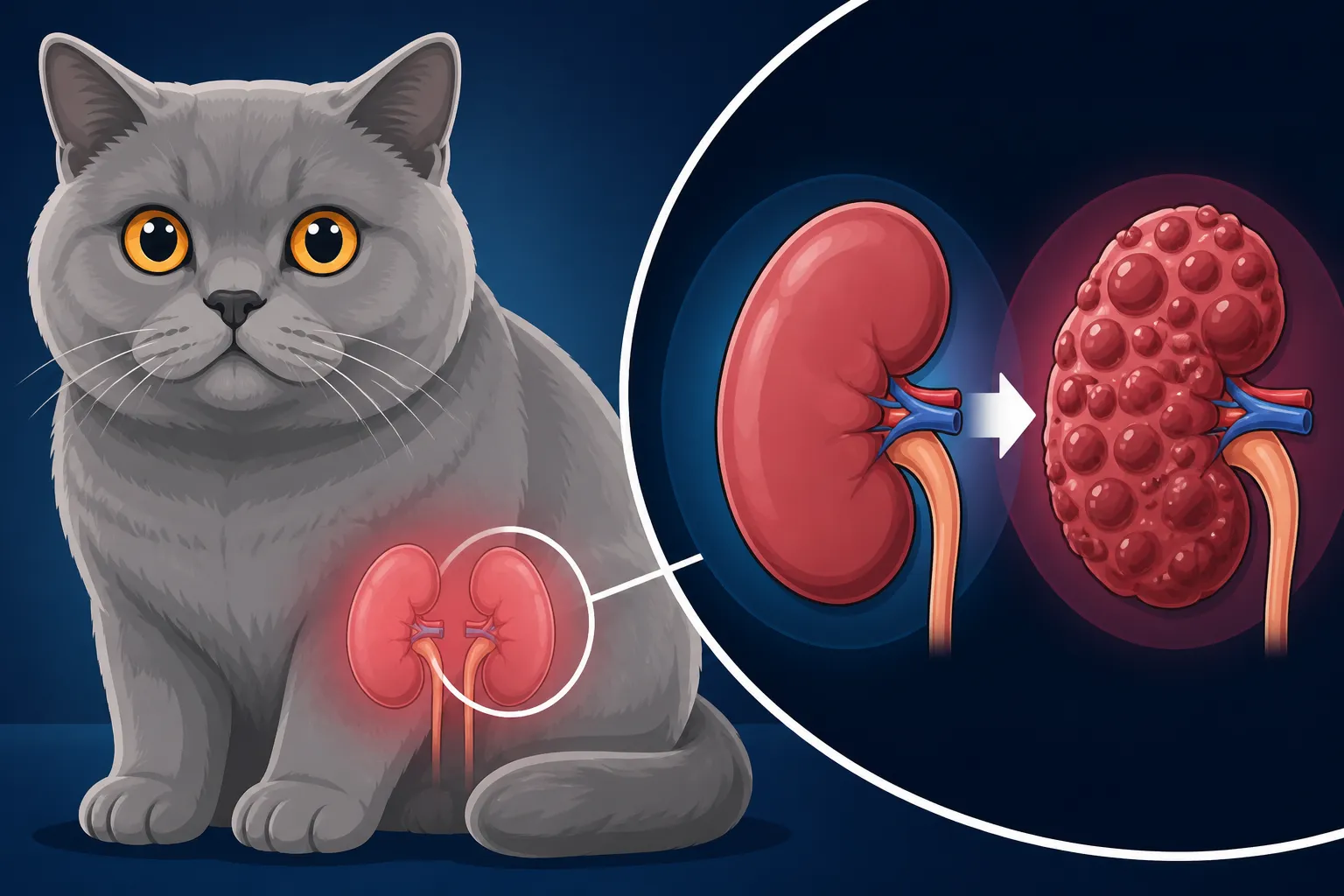
At its core, PKD is a hereditary disease where cysts – fluid-filled sacs – form within the kidneys. Think of it like tiny, growing balloons taking up space that healthy kidney tissue should be occupying. Over time, these cysts multiply and enlarge, gradually encroaching upon and destroying the normal kidney tissue, which is essential for filtering waste products from the blood. This isn't a sudden onslaught; it's a slow, progressive degeneration.
Initially, these cysts are microscopic, completely undetectable, and cause no issues. Your British Shorthair might be a bouncy, happy kitten, utterly unaware of the ticking time bomb within their tiny kidneys. As they mature, often into adulthood, the cysts grow larger. It's a cruel twist of fate that by the time these cysts are big enough to impair kidney function significantly, a lot of damage has already been done. What How PKD Cysts Damage a British Shorthair's Kidney is by reducing the amount of functional kidney tissue, meaning the kidneys become less and less efficient at doing their job, leading to a buildup of toxins in the body. It’s a slow march toward kidney failure, and the timeline can vary wildly from cat to cat, even within the same litter.
Recognizing the Subtle Signs of Kidney Impairment
One of the most frustrating aspects of PKD, like many kidney diseases in cats, is how subtly it progresses. Cats are masters of disguise when it comes to illness, and a stoic British Shorthair is no exception. They will often hide their discomfort until the disease has advanced significantly, making early detection incredibly challenging without specific testing. By the time you start noticing something is truly amiss, your cat's kidneys may already be functioning at a drastically reduced capacity.
The initial signs are often vague: a slight increase in thirst, maybe a bit more urination in the litter box, or a subtle decrease in appetite. You might brush these off as normal quirks or temporary issues. As the disease progresses and kidney function deteriorates further, the signs become more apparent. You might see your British Shorthair drinking excessively, losing weight despite eating, experiencing nausea or vomiting, or having a duller coat. They might become lethargic, less interested in playtime, and generally just "off." The age at which these clinical signs become evident can also vary, but typically, The Age PKD Shows in a British Shorthair is often when cats are middle-aged, around 5-7 years old, though it can be earlier or later. These are all Signs a British Shorthair's Kidneys Are Failing, and at this point, the disease is usually quite advanced. It's a stark reminder of why proactive screening is so incredibly important for breeds known to carry genetic predispositions.
The Genetic Roots and Breed History of PKD
Understanding how PKD found its way into the British Shorthair breed, and why it persists, is crucial for both current owners and anyone considering bringing one of these lovely cats into their home. It’s a tale that often highlights the unintended consequences of breeding practices before genetic testing became widely available.
The Dominant Gene and Its Unfortunate Inheritance
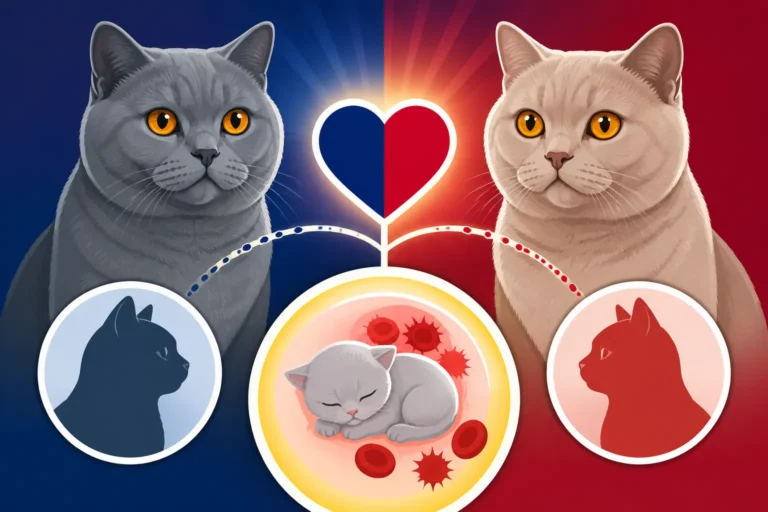
Polycystic Kidney Disease in cats, specifically the form we associate with British Shorthairs and other breeds, is caused by an autosomal dominant gene mutation known as PKD1. What does "autosomal dominant" mean for your cat? It means that if a cat inherits even one copy of this mutated gene from either parent, it will develop PKD. There's no escaping it if they have the gene; they will have cysts. This is unlike recessive conditions, where a cat needs two copies of the gene to show symptoms. A cat that carries the PKD1 gene will not only develop the disease itself but also has a 50% chance of passing that gene on to each of its kittens, regardless of whether the other parent is clear.
This inheritance pattern is a double-edged sword for breeders trying to eradicate the disease. On one hand, it's "easier" to identify affected cats because they show the disease (or at least carry the gene). On the other hand, if a breeder unknowingly breeds an affected cat, the disease can spread rapidly through offspring. Before modern DNA testing, breeders relied on ultrasound, which might miss very young cats or cats with small cysts, leading to carriers being unknowingly used in breeding programs. This means that a cat who looks perfectly healthy and lives a long life could still pass the gene on, contributing to the problem in future generations.
How PKD Entered and Spread Through the British Shorthair Population
The story of how PKD became a concern for British Shorthairs is a common one in the world of purebred animals. The culprit? Crossbreeding, specifically with Persian cats. As Polycystic Kidney Disease Came Into the British Shorthair With the Persians outlines, the British Shorthair breed faced a crisis after the two World Wars. Their numbers plummeted, and breeders sought to revive and strengthen the breed by outcrossing to other robust breeds, including Persians, which were popular and available.
Unfortunately, at the time, the high prevalence of PKD in the Persian breed was not fully understood or widely tested for. Many Persians carried the dominant PKD1 gene. When these Persian lines were introduced into the British Shorthair gene pool to enhance desirable traits like coat density and head shape, the PKD gene unknowingly came along for the ride. So, How PKD Reached the British Shorthair was largely through these essential outcrossing programs designed to save the breed, but inadvertently introducing a significant health challenge. For decades, the disease silently propagated within British Shorthair lines before its genetic basis was identified and reliable testing became available. This historical context highlights the challenges of breed development and the importance of continued genetic health screening in responsible breeding.
Diagnosing PKD in Your British Shorthair
If you have a British Shorthair, especially one whose lineage isn't fully known or guaranteed to be PKD-free, screening for this condition is absolutely paramount. Thankfully, modern veterinary medicine offers highly reliable ways to determine if your cat carries the gene or has developed cysts.
The Gold Standard: Genetic DNA Testing for PKD1
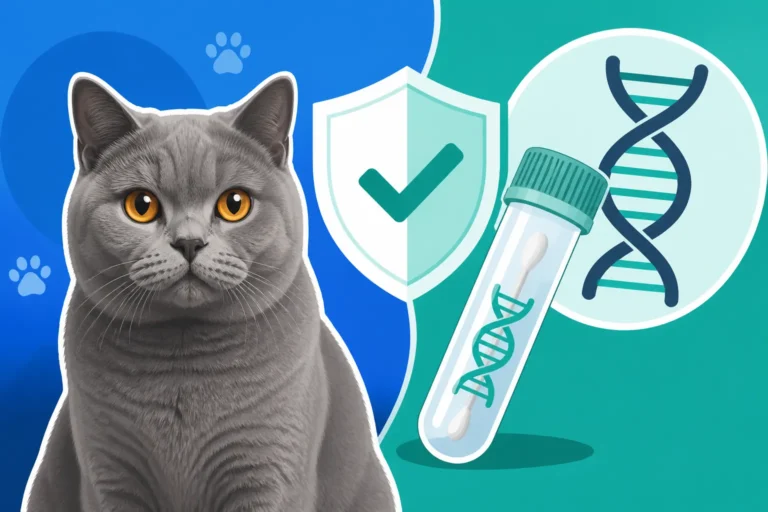
For definitively knowing if your British Shorthair has the genetic predisposition for PKD, the gold standard is a genetic DNA test. This test specifically looks for the PKD1 mutation. It's a simple, non-invasive cheek swab or blood test that can be performed at any age, even on kittens. The beauty of the DNA test is its accuracy and finality: a cat is either negative (meaning it doesn't have the gene and won't develop PKD from it, nor pass it on), or positive (meaning it has the gene, will develop cysts, and will pass the gene on to 50% of its offspring).
This test is incredibly valuable for breeders, allowing them to make informed decisions and prevent the spread of the disease. Any reputable British Shorthair breeder today should be testing their breeding cats for PKD1 and openly sharing the results. As an owner, if you’re getting a kitten, Whether a British Shorthair Should Be PKD Tested is a question you absolutely need to ask. A clear DNA test result from both parents offers the ultimate peace of mind that your kitten will not develop PKD due to the PKD1 gene. The cost for these tests is generally quite reasonable, especially when compared to the long-term veterinary bills associated with managing kidney disease. While What the British Shorthair PKD Test Costs can vary by laboratory and country, it’s a small investment for such significant information. Many owners also find that having comprehensive pet insurance, like a plan from Healthy Paws, can help manage unexpected health costs, including diagnostic tests and treatment should any issues arise later in life, making these decisions a bit less financially daunting.
The Role of Ultrasound Imaging
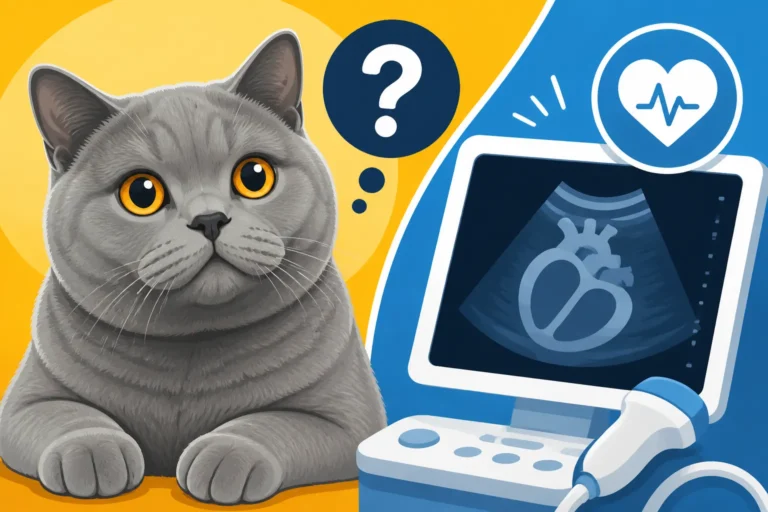
While DNA testing tells us about the genetic potential for PKD, ultrasound imaging directly visualizes the kidneys and any cysts present. It's a fantastic complementary diagnostic tool, especially if a cat's genetic history is unknown, or if there's a possibility of kidney issues from other causes. A renal ultrasound can confirm the presence, size, and number of cysts. However, it does have some limitations compared to DNA testing for early detection.
Tiny cysts might not be visible on ultrasound until a cat is older, typically around 6-12 months of age, or even older if the cysts are slow-growing. This means a young cat could have PKD but get a "clear" ultrasound result, only for cysts to become apparent years later. This is why a DNA test is preferred for screening breeding animals, as it provides an immediate and definitive answer, regardless of cyst size. However, if your British Shorthair wasn't DNA tested, or if you notice any of those subtle signs of kidney problems, a veterinary ultrasound is crucial. Whether a British Shorthair Needs a Kidney Ultrasound is a decision your vet might make based on clinical signs, blood work indicating kidney stress, or simply as a proactive check for an older cat with an unknown history. It's a non-invasive procedure, usually done with your cat awake and gently restrained, although some very anxious cats might require mild sedation. The images provide a detailed look at the kidney structure and can help your vet determine the best course of action for management.
Living With and Managing PKD in British Shorthairs
Receiving a PKD diagnosis for your British Shorthair can be devastating, but it's not a death sentence. While there's no cure for PKD, there are many strategies to manage the disease, slow its progression, and maintain your cat's quality of life for as long as possible. This is where vigilant care and a strong partnership with your veterinarian become incredibly important.
Medical Management and Supportive Care
The cornerstone of managing PKD in British Shorthairs is supportive care, aimed at reducing the workload on the kidneys and addressing the symptoms of kidney failure as they arise. This often involves a multi-faceted approach. One of the most important aspects is ensuring adequate hydration. Cats with kidney disease tend to get dehydrated because their kidneys can't concentrate urine effectively, leading to increased water loss. Encouraging water intake with multiple water bowls, Whether a British Shorthair Needs a Water Fountain, or adding water to food is critical. In more advanced stages, your vet might recommend subcutaneous (under the skin) fluid therapy, which you can often administer at home, to keep your cat hydrated and help flush out toxins.
Medications might also play a role. For example, some cats develop high blood pressure (hypertension) as a complication of kidney disease, which can further damage the kidneys and other organs. Medications to control blood pressure, such as amlodipine, can be prescribed. If your cat is anemic due to chronic kidney disease, certain supplements or medications might be used to stimulate red blood cell production. Appetite stimulants can help if your cat is reluctant to eat, and anti-nausea medications can alleviate vomiting. Regularly monitoring your cat's blood work, especially kidney values like creatinine and BUN, along with phosphorus and potassium levels, will help your vet adjust treatments. This comprehensive approach falls under How a British Shorthair With Kidney Disease Is Managed, focusing on keeping your cat comfortable and slowing the disease's progression. Having pet insurance can be a huge relief here; providers like Healthy Paws often cover a significant portion of these ongoing medical treatments, making long-term care more accessible.
Dietary Considerations for Kidney Health
Diet plays a crucial role in managing kidney disease in cats, including British Shorthairs with PKD. The goal of a kidney-specific diet is to reduce the burden on the kidneys and minimize the accumulation of waste products in the blood. This typically means a diet that is:
- Low in phosphorus: High phosphorus levels can worsen kidney disease and contribute to other health issues.
- Controlled in protein: While protein is essential, too much can produce more waste products. The key is to provide high-quality protein in controlled amounts to meet the cat's needs without overloading the kidneys.
- Supplemented with omega-3 fatty acids: These can help reduce inflammation in the kidneys.
- Often higher in B vitamins: Cats with kidney disease can lose B vitamins through increased urination.
- Highly palatable: Getting a cat with reduced appetite to eat any kidney diet can be a challenge.
Many prescription kidney diets are available from brands like Royal Canin, Hill's Prescription Diet, and Purina Pro Plan Veterinary Diets. These diets are specifically formulated to meet these criteria. Transitioning to such a diet needs to be done slowly, as cats can be notoriously picky eaters, especially when they're not feeling well. Your vet will guide you on the best dietary choices for your British Shorthair, considering their specific stage of kidney disease and overall health. It might take some trial and error to find a formula your cat will readily eat, but sticking to the recommended diet can significantly impact their longevity and comfort.
Prognosis and Quality of Life
The prognosis for a British Shorthair with PKD is highly variable and depends on several factors, including the age at diagnosis, the rate of cyst growth, the severity of kidney impairment, and how well the condition is managed. Some cats may have a few slow-growing cysts and live a relatively normal lifespan, only showing signs of kidney disease in old age. Others might have rapidly proliferating cysts and experience kidney failure much earlier.
Generally, PKD is a progressive disease, meaning the kidney function will gradually decline over time. However, with vigilant monitoring, appropriate dietary management, and supportive medical care, many British Shorthairs can live comfortably for months or even years after a diagnosis of kidney impairment. Regular veterinary check-ups, typically every 3-6 months, are vital to track the progression of the disease through blood and urine tests, and to adjust treatment plans as needed. The focus is always on maintaining a good quality of life. This involves ensuring they are comfortable, pain-free, eating well, and engaging in their usual activities. Knowing The Twelve to Seventeen Years a British Shorthair Gets on average can help put things into perspective; even with PKD, some well-managed cats can still reach a good age, albeit with more intensive care. Ultimately, you and your vet will be the best judges of your cat's quality of life, and there may come a difficult time when compassionate decisions about end-of-life care need to be made.
| Aspect of PKD Management | Description | Key Considerations |
|---|---|---|
| Hydration | Encourage water intake; subcutaneous fluids in advanced stages. | Multiple water sources, water fountains, adding water to food. Fluid therapy typically 3x/week. |
| Dietary Modification | Prescription kidney-specific diets (low phosphorus, controlled protein, omega-3s). | Introduce slowly, find palatable options, consult vet for specific brands (e.g., Hill's, Royal Canin). |
| Blood Pressure Control | Medications (e.g., amlodipine) if hypertension develops. | Regular blood pressure checks at vet visits. Hypertension can worsen kidney damage. |
| Anemia Management | Iron supplements, erythropoietin injections in severe cases. | Monitor packed cell volume (PCV) and red blood cell count. |
| Nausea/Vomiting | Anti-nausea medications (e.g., maropitant, ondansetron). | Administer as needed, consider appetite stimulants. |
| Phosphate Binders | Given with food to prevent phosphorus absorption. | Essential for controlling phosphorus levels not fully managed by diet alone. |
| Monitoring | Regular blood work (BUN, creatinine, phosphorus, potassium, SDMA) and urinalysis. | Every 3-6 months or as advised by your veterinarian. Crucial for adjusting treatment. |
Preventing PKD: The Breeder's and Owner's Responsibility
Preventing PKD is far more effective and humane than managing the disease once it takes hold. This responsibility falls squarely on the shoulders of both ethical breeders and informed prospective cat owners. Together, they can significantly reduce the incidence of this inherited condition.
Breeder Testing and Ethical Breeding Practices
For breeders, testing for PKD is not just a recommendation; it's an ethical imperative. Any responsible British Shorthair breeder must proactively test all their breeding cats for the PKD1 gene mutation. A simple DNA test can confirm whether a cat is clear, a carrier, or affected. Only cats that test negative for the PKD1 gene should ever be used in a breeding program. This is a non-negotiable step to ensure the health of future generations. Unfortunately, even today, there are individuals who breed British Shorthairs without adequate health testing, often selling kittens at lower prices but with potentially devastating health consequences down the line. As What a British Shorthair Breeder Should Have Tested for, a full health panel should include not just PKD, but also HCM and blood typing.
If a cat tests positive for the PKD1 gene, regardless of whether they are currently showing symptoms, they should be immediately removed from any breeding program. This might sound harsh, especially if the cat has other desirable traits, but it is the only way to prevent the disease from being passed on. Reputable breeders are transparent about their health testing results, often providing certificates from veterinary genetic laboratories for both parents. They understand that a healthy lineage is far more valuable than any superficial trait. The commitment to eradicating PKD from the breed involves careful selection and robust screening, ensuring that the breed thrives not just in appearance but in vitality.
The Importance of Informed Ownership
As a prospective British Shorthair owner, you hold significant power in demanding healthy practices from breeders. Don't be afraid to ask tough questions and expect transparent answers. A reputable breeder will welcome your inquiries and be happy to provide documentation. Always ask to see the genetic test results for PKD1 for both parents of the kitten you are interested in. If a breeder cannot or will not provide these, walk away. It's a red flag that they may not be prioritizing the health of their cats. Which Health Results a British Shorthair Breeder Must Show goes beyond just PKD; they should also provide evidence of screening for HCM (Hypertrophic Cardiomyopathy), another significant health concern in British Shorthairs, and blood typing for breeding queens and studs.
Beyond initial purchase, understanding your cat's health history is key to providing lifelong care. Even if your British Shorthair came from a well-screened lineage, regular veterinary check-ups are essential. This allows your vet to monitor overall health and detect any issues early. If your cat's background is unknown, or you've adopted a rescue, discussing a comprehensive health panel with your vet, including a PKD DNA test if available for adults, is a wise move. While a genetic test cannot undo PKD if it's already present, it can confirm the genetic cause and guide future medical decisions. Investing in pet insurance, like a comprehensive plan from Healthy Paws, early in your cat's life can also provide a financial safety net for any future health concerns, whether genetic or acquired, ensuring you can always afford the best care for your beloved British Shorthair.
Disclaimer
Please remember that the information provided in this guide is for informational purposes only and is not a substitute for professional veterinary advice. Always consult with a qualified veterinarian for any health concerns or before making any decisions related to your pet's health and treatment.