Whether a British Shorthair Can Donate Blood
It's heartbreaking to imagine our beloved British Shorthairs in a medical crisis, needing a blood transfusion to save their lives. Just like humans, cats sometimes require donated blood for surgeries, accidents, or illnesses, and it leaves many of us wondering if our own chunky, calm companions could be the heroes. You might think, given their generally placid nature, that they'd be ideal candidates. This comprehensive guide will walk you through the specifics of feline blood donation and whether your cherished British Shorthair can step up to the plate and potentially save another cat's life.
The Foundations of Feline Blood Donation
The idea of a cat donating blood might sound a little unusual at first, but it's a vital part of veterinary medicine. Just like human blood banks, animal hospitals and veterinary specialists rely on a steady supply of feline blood to tackle emergencies and complex cases. Understanding the general requirements and process is the first step in seeing if your British Shorthair fits the bill.
Why Blood Donation is Crucial for Cats
Imagine a scenario: a cat is rushed to the emergency vet after a severe car accident, losing a lot of blood. Or perhaps a cat is undergoing a major surgery, and there's an unexpected complication involving significant blood loss. Maybe a feline friend is battling a serious illness like severe anemia, certain types of cancer, or a clotting disorder. In all these situations, a blood transfusion isn't just helpful; it can be the difference between life and death.
Feline blood donation programs exist precisely for these critical moments. They provide a lifeline when a cat's own body can't produce enough healthy red blood cells or clotting factors. Without access to donated blood, many cats with treatable conditions would simply not survive. It’s a silent, often unseen, but incredibly impactful act of altruism within the pet community.
General Criteria for Feline Donors
Before you even consider your British Shorthair for donation, there are some universal criteria that all potential feline donors must meet. These aren't just suggestions; they're strict guidelines designed to ensure the safety of both the donor cat and the recipient.
First and foremost, a donor cat needs to be healthy. This means no chronic illnesses, no history of seizures, and certainly no infectious diseases. They typically need to be between one and eight years old, as younger cats might not be fully mature, and older cats might have underlying health issues that aren't immediately apparent. Weight is also critical; most donation centers require cats to weigh at least 10 pounds (around 4.5 kg) to ensure they can safely donate a sufficient volume of blood without becoming anemic themselves. This is often where British Shorthairs can shine, as many healthy individuals easily meet this requirement, often reaching sizes that might make you wonder How Much a British Shorthair Weighs.
Beyond health and age, a calm temperament is paramount. A donor cat needs to tolerate handling and the donation procedure, which usually involves lying still for a period. This is a big one for British Shorthairs, given their renowned mellow disposition, which we'll delve into more later. They also need to be up-to-date on all their core vaccinations, parasite-free, and ideally, spayed or neutered. Some programs might prefer indoor-only cats to minimize exposure to certain pathogens.
The Donation Process
If your British Shorthair seems to meet the general criteria, what actually happens during a blood donation? The process is surprisingly straightforward, though it requires careful veterinary supervision.
First, your cat will undergo a thorough screening. This often includes a physical exam, blood tests to check for diseases like Feline Leukemia Virus (FeLV), Feline Immunodeficiency Virus (FIV), and other blood-borne pathogens, and a complete blood count (CBC) to ensure they are not anemic. Some centers might also perform an echocardiogram to check for underlying heart conditions, especially relevant for breeds like the British Shorthair which can be prone to issues like What HCM Does to a British Shorthair's Heart. This rigorous screening is a fantastic benefit for the owner, as it provides a comprehensive health check at no cost, often catching issues before they become serious.
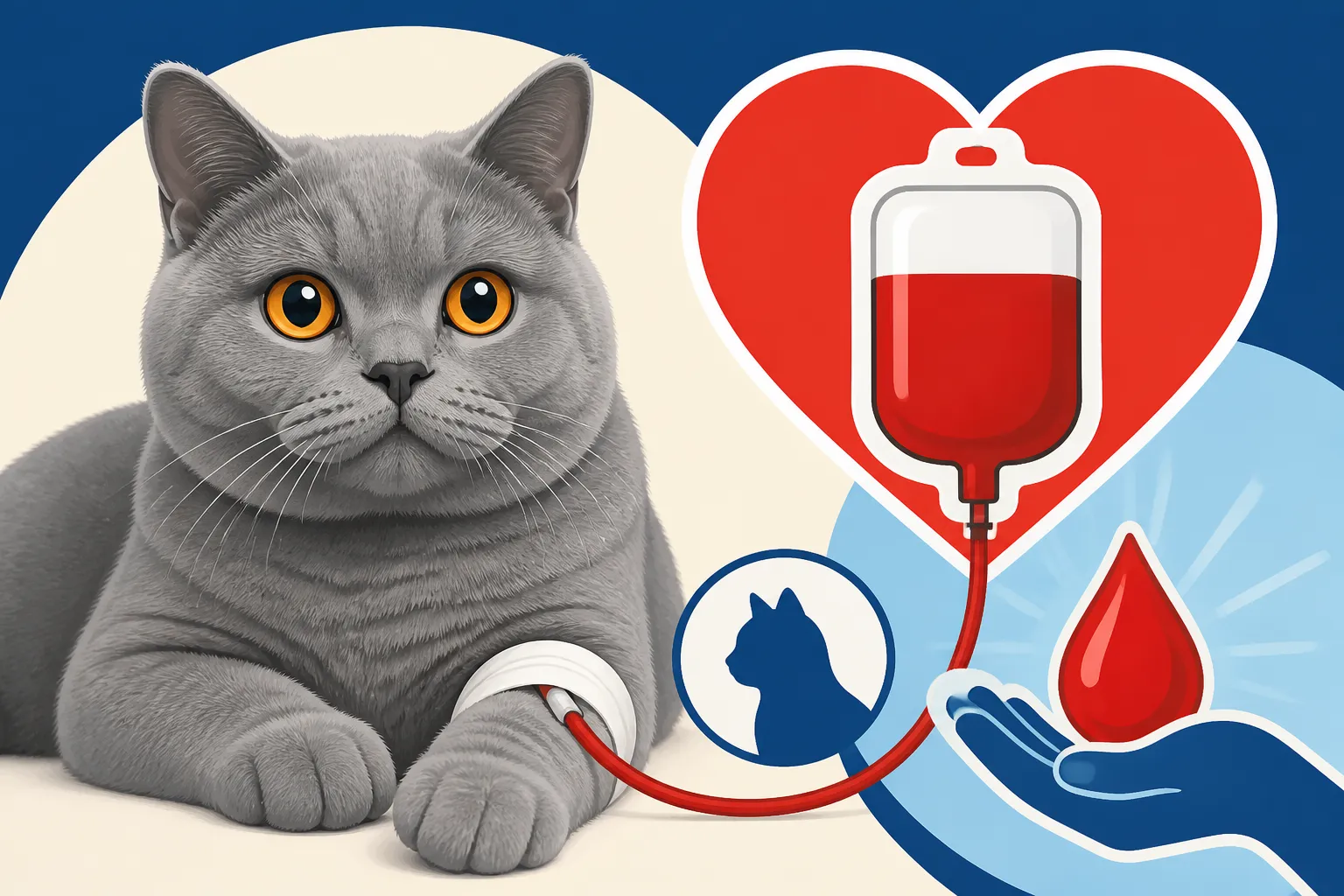
Once cleared, the donation itself usually takes about 10-20 minutes. Most cats are gently restrained, and some may receive a mild sedative to help them relax and remain still. A small patch of fur is shaved from their neck, and the area is disinfected. Blood is then drawn from the jugular vein in the neck using a sterile needle and collected into a special bag, much like human blood donation. The volume collected is carefully calculated based on the cat's weight, ensuring their safety. After the donation, a pressure bandage is applied, and your cat will typically be given a small meal and some fluids. They're usually ready to go home within a few hours, often with a little extra pampering from the vet staff.
British Shorthairs as Potential Donors
Now, let's talk specifically about our lovely British Shorthairs. While they often tick many of the boxes for ideal donors, there are some breed-specific nuances that owners need to consider.
British Shorthair Specific Health Considerations
British Shorthairs are generally considered a hardy breed, and many lead long, healthy lives, often living How Long a British Shorthair Lives on Average. However, like all breeds, they do have certain predispositions that are important to acknowledge when considering blood donation.
One of the most significant concerns for British Shorthairs is Hypertrophic Cardiomyopathy (HCM), a common form of heart disease in cats that causes the heart muscle to thicken. While it's true that a British Shorthair Is a Healthy Breed overall, HCM can be a silent killer, and a seemingly healthy cat might have an undiagnosed condition. For this reason, reputable donation centers will almost certainly require a cardiac screening, usually an echocardiogram, to ensure the donor's heart is healthy. If you’re ever wondering What a British Shorthair's Echo Costs, know that this is a vital investment in their long-term health, and often covered by the donation program for a potential donor.
Another point of consideration is Polycystic Kidney Disease (PKD), though thankfully, through responsible breeding and genetic testing, its prevalence in British Shorthairs has significantly reduced. However, a vet performing the donor screening might still include kidney function tests. Obesity is another major concern for the breed; these cats are often predisposed to gaining weight, and Obesity Is the British Shorthair's Real Disease. An overweight cat may not be an ideal donor candidate due to potential underlying health issues related to their weight, and the added stress on their system.
Therefore, for a British Shorthair to be a suitable donor, they must be in peak physical condition, ideally confirmed by a vet with experience in the breed's specific health profile.
Temperament and the British Shorthair
This is where British Shorthairs truly shine as potential donors. Their calm, unflappable nature is legendary. They are often described as The Quietest Cat in the House and are generally tolerant of handling, even if they're not always keen on being picked up, a common trait we discuss in A British Shorthair Will Not Be Picked Up. This placid disposition makes them excellent candidates for donation, as the procedure requires the cat to remain still and calm.
Unlike some more excitable breeds that might become highly stressed or aggressive in a veterinary setting, a well-socialized British Shorthair is more likely to take the experience in stride. Their stoic demeanor means they are less prone to panic, making the process smoother and safer for everyone involved, especially for the cat themselves. Of course, every cat is an individual, and some British Shorthairs might still be anxious, but generally, their breed standard temperament, as explored in What a British Shorthair's Temperament Is Really Like, is a huge asset in the context of blood donation.
They typically aren't prone to biting or excessive struggling, which minimizes the need for heavy sedation and reduces the risk of injury to both the cat and the veterinary staff. This inherent calmness is a gift to any donation program.
Blood Typing for British Shorthairs
Understanding feline blood types is absolutely critical for safe blood transfusions, and it's a non-negotiable part of the donor screening process. Cats have three main blood types: A, B, and AB.
Type A is the most common, followed by Type B. Type AB is very rare. The crucial thing to remember is that cats have very strong naturally occurring antibodies against other blood types, especially Type B cats having strong anti-A antibodies. This means a cat with Type B blood cannot receive Type A blood, as it would lead to a severe, potentially fatal transfusion reaction.
British Shorthairs, notably, have a higher prevalence of Type B blood compared to many other breeds. While Type A is still the most common, you'll find more Type B British Shorthairs than, say, among Domestic Shorthairs. This is a vital piece of information because Blood Type B and the British Shorthair Kittens It Kills in breeding scenarios if not managed properly. This higher incidence of Type B also means British Shorthairs are particularly valuable as donors of this specific blood type, which can be harder to find in a general cat population.
Knowing How a British Shorthair Is Blood Typed is essential. Before donation, your cat will have their blood typed to ensure compatibility with potential recipients. This simple test is a cornerstone of safe transfusion medicine. The existence of Type B in the British Shorthair population, as discussed in Why Type B Is So Common in British Shorthairs, means they can fill a critical need for recipients with this blood type.
Overcoming Challenges and Ensuring Safety
Even with an ideal temperament and seemingly good health, there are still practical considerations and safety measures to ensure a British Shorthair has a safe and positive donation experience.
Addressing Weight and Sedation Concerns
While British Shorthairs are naturally sturdy and often meet the weight requirements for donation, it's crucial that their weight is healthy, not excessive. As we've noted, obesity is a real concern for the breed. A cat that's merely "chunky" or "big-boned" is different from one that's clinically obese. A healthy 10-15 pound British Shorthair (male or female) is usually fine, but an overweight cat might face additional risks related to sedation and recovery.
Sedation is often used to ensure the cat remains perfectly still during the donation, which is paramount for safety and efficiency. While British Shorthairs are typically calm, a mild sedative minimizes stress for everyone. The veterinary team will carefully calculate the sedative dosage based on your cat's weight and overall health. They'll also monitor vital signs closely throughout the procedure. It's a balance: too much sedation is risky, but insufficient sedation can lead to struggle, injury, and a failed donation. For British Shorthairs, their calm nature often means a lower dose of sedative is sufficient, which is always a plus.
Finding a Donation Center and Screening
Finding a feline blood donation center isn't always as simple as finding a human one. They are usually associated with larger veterinary hospitals, specialty clinics, or university veterinary teaching hospitals. These facilities have the specialized equipment and trained staff necessary to safely collect, process, and store feline blood products.
To find one, you might start by asking your regular veterinarian if they know of any local programs or if they themselves operate one. You can also search online for "feline blood bank" or "cat blood donor program" in your region. For example, some large veterinary groups might have programs, and you can inquire if pet insurance providers like Healthy Paws would cover any incidental costs related to participation in a donor program, though the screening itself is often free or compensated.
Once you find a center, expect a rigorous screening process. This isn't just a quick check-up. It involves a full physical examination, comprehensive blood work (including a complete blood count, biochemistry panel, and infectious disease screening for FeLV, FIV, Hemobartonellosis, and more), and often an echocardiogram to check for heart disease. This thorough screening is non-negotiable because the health of the donor directly impacts the safety of the recipient. For many owners, this extensive, free health check is a significant perk, providing an unparalleled look into their cat's health.
| Requirement | Description | British Shorthair Considerations |
|---|---|---|
| Age | Typically 1-8 years old. | Most British Shorthairs fit this range well. |
| Weight | Minimum 10 lbs (4.5 kg). | Many healthy British Shorthairs meet or exceed this. Crucially, they should be a healthy weight, not obese. |
| Health | No chronic illnesses, infectious diseases, or history of seizures. Up-to-date vaccinations and parasite prevention. | Essential to rule out breed predispositions like HCM (requiring echo) or PKD. Comprehensive blood panel will be run. |
| Temperament | Calm, cooperative, tolerant of handling. | British Shorthairs generally excel here due to their placid nature, making the process less stressful. |
| Blood Type | Determined prior to donation (A, B, or AB). | British Shorthairs have a higher prevalence of Type B, making them valuable donors for this rarer type. |
| Lifestyle | Often preferred to be indoor-only to minimize exposure to pathogens. | Common for British Shorthairs, fitting their generally sedentary lifestyle. |
| Reproduction | Usually spayed or neutered. | Generally a requirement for donor cats. |
Post-Donation Care for a British Shorthair
After your British Shorthair has been a superhero and donated blood, their care doesn't stop. They'll need a little extra TLC to ensure a smooth recovery.
Immediately after the donation, the veterinary staff will keep a close eye on your cat, offering a recovery meal and ensuring they drink plenty of water. It's common for cats to be a little sleepy or quiet for the rest of the day due to the mild sedative and the energy expended. When you take them home, provide a quiet, comfortable space for them to rest. Discourage vigorous play or jumping for the next 24 hours.
Monitor the donation site on their neck for any swelling or bruising, though these are rare. Make sure they have easy access to food and water. Some cats might have a slightly decreased appetite immediately after, but it should return to normal within a day. Over the next few weeks, ensure they are eating a nutritious diet to help their body replenish the donated blood cells. Your vet might also recommend a follow-up check-up to ensure full recovery. Remember, programs often provide compensation or benefits, such as free vet visits, for donor cats. This means that participation often provides excellent preventative health benefits, reducing the need to worry about unexpected costs, even if your cat is not covered by a pet insurance like Healthy Paws.
The Impact of British Shorthair Donations
By understanding the unique contributions a British Shorthair can make, we can appreciate the vital role they play in helping other felines in need.
How British Shorthairs Contribute to the Feline Blood Bank
British Shorthairs are more than just pretty faces; their specific characteristics make them particularly valuable to feline blood banks. Their typically robust build means they often comfortably meet the minimum weight requirements for safe donation. This isn't a small thing, as many smaller or more slender cat breeds struggle to reach the 10-pound mark.
Beyond their physical stature, their hallmark calm and adaptable temperament is a huge advantage. They are less likely to become stressed or require heavy sedation, which reduces risks for both the donor cat and the veterinary team. This allows for a smoother, quicker, and safer donation process.
Crucially, as mentioned earlier, British Shorthairs have a higher incidence of Type B blood. This is incredibly important because Type B blood is less common than Type A in the general cat population, yet it is desperately needed for Type B recipient cats. A British Shorthair with Type B blood can be a true lifesaver, providing a rare and essential resource to cats who would otherwise have very few compatible donors.
In essence, British Shorthairs contribute a unique blend of size, temperament, and sometimes, a critical blood type that makes them indispensable heroes in the veterinary world.
Benefits for the Donor Cat and Owner
While the primary motivation for having your British Shorthair donate blood is altruistic, there are genuine benefits for both your cat and you as the owner.
Perhaps the most significant benefit is the comprehensive health screening your cat receives. As part of the donor program, your British Shorthair will undergo a thorough physical examination, extensive blood tests (including infectious disease screening, organ function checks, and blood typing), and often a cardiac echocardiogram. This is an incredible amount of information about your cat's health, typically provided at no cost to you. These screenings can detect underlying health issues, such as early signs of heart disease or kidney problems, long before they become apparent, allowing for early intervention and potentially extending your cat's lifespan. Even if you have pet insurance, like Healthy Paws, these comprehensive checks offer peace of mind that goes beyond financial coverage.
Furthermore, being part of a donor program instills a wonderful sense of community and contribution. Knowing that your British Shorthair has directly helped save another cat's life is an incredibly rewarding feeling. It's a tangible way to give back and support the welfare of other animals. Some programs even offer small perks, like a bag of premium food, discounts on veterinary services, or a certificate of appreciation. It's a win-win situation where your beloved British Shorthair gets a top-tier health check, and in return, helps another feline in need.
Disclaimer
This article is intended for informational purposes only and does not constitute veterinary advice. Always consult with a qualified veterinarian regarding your British Shorthair's specific health needs, treatment options, and suitability for blood donation. Medical conditions and individual circumstances can vary greatly.