What a British Shorthair’s Temperament Is Really Like
So, you're curious about the British Shorthair, huh? You've seen those adorable, chunky faces online and in pictures, and you're probably wondering if that calm, almost regal expression translates to their everyday personality. It's easy to fall in love with their looks, but understanding their true temperament is crucial to knowing if one of these magnificent cats will be a good fit for your home and lifestyle. This comprehensive guide will peel back the layers of that plush coat and tell you exactly what to expect from a British Shorthair's personality, dispelling myths and setting realistic expectations.
The British Shorthair: An Independent Soul, Not a Cuddly Lap Ornament
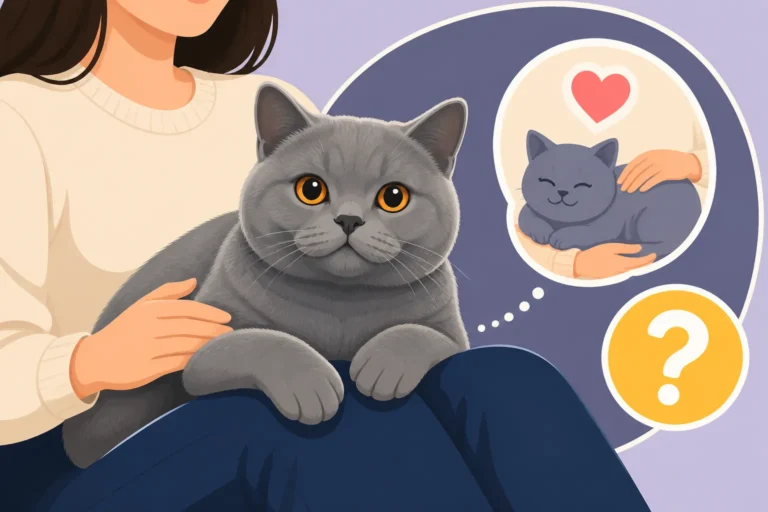
Let's get one thing straight right off the bat: the British Shorthair is not typically a cat that will constantly demand to be in your lap, draped over your shoulders, or carried around like a baby. Many people are surprised by this, expecting a cuddly, docile furball, but the reality is often quite different. These cats possess a wonderful sense of self-sufficiency, preferring to be near you rather than directly on you, which can be a relief for some owners and a slight adjustment for others.
Independent but Affectionate
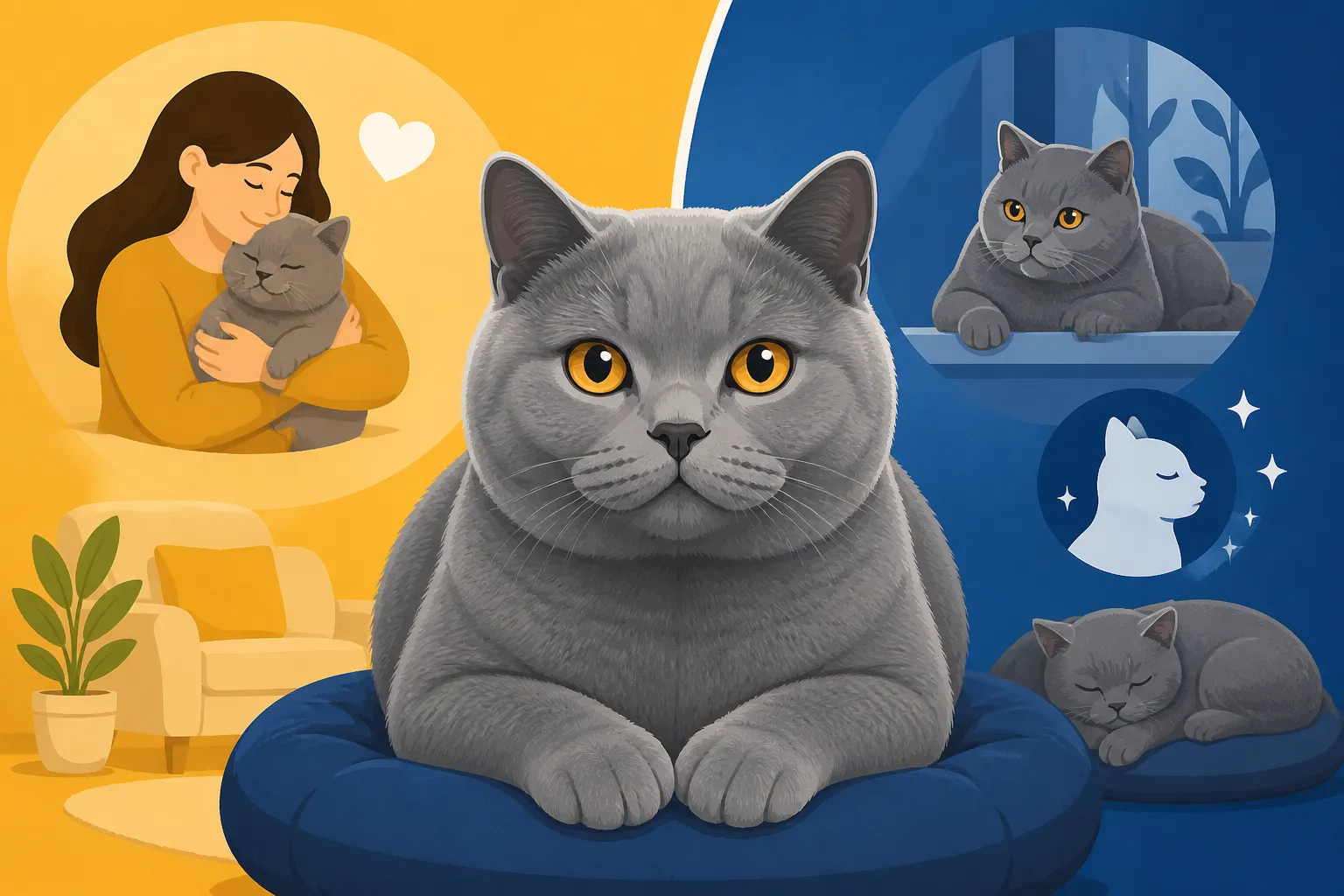
Don't mistake their independence for aloofness, though. A British Shorthair is usually very affectionate in its own unique way. They might not be the type to jump onto your lap the moment you sit down, but they will often choose to settle right beside you on the sofa, sometimes even pressing their ample body against your leg for comfort. They thrive on companionship and enjoy being in the same room as their human family, observing the day's activities with a quiet dignity. You'll find them following you from room to room, perhaps settling into a sunbeam nearby while you work, or perching on a cat tree that offers a good vantage point to keep an eye on things. This steady presence is a hallmark of their affection.
This breed often forms deep bonds with their primary caregivers. While they might be tolerant of strangers, their true warmth is usually reserved for those they consider their inner circle. They're like that quiet, wise friend who doesn't need to shout their love from the rooftops; their affection is a gentle, consistent hum in the background of your life. It’s a subtle form of devotion that, once you understand it, becomes incredibly endearing. You'll soon learn to recognize the head nuzzles against your leg or the slow blink from across the room as profound gestures of love.
Their Unique Way of Showing Love
Since they aren't typically lap cats, how do British Shorthairs express their affection? It's all in the subtle cues! They'll often "head butt" you gently, rubbing their cheeks against your leg or hand, marking you with their scent as a treasured possession. A purr from a British Shorthair is a magnificent thing, a rumbling engine of contentment that vibrates through their entire body, and they often reserve these deep purrs for moments of quiet closeness, perhaps when you're stroking their plush coat.
Another common display of affection is the slow blink. If your British Shorthair looks at you from across the room and slowly closes and opens their eyes, return the gesture! It's a cat's way of saying, "I trust you, I love you, and I feel safe with you." They might also "make biscuits" on your chest or lap – that rhythmic kneading motion that dates back to kittenhood, a sure sign of deep comfort and happiness. While they may not be a constant presence on you, their deliberate choice to be near you, to share your space, and offer these quiet gestures speaks volumes about their love. It's a sophisticated, understated kind of affection that many British Shorthair owners come to cherish deeply. For more on this, you might find How a British Shorthair Shows Affection really insightful.
Why They Shun Being Picked Up
This is perhaps one of the most common "frustrations" new British Shorthair owners encounter: the cat that simply does not want to be picked up. If you've always dreamed of a cat you can scoop up for a cuddle anytime, a British Shorthair might challenge that notion. They tend to feel very secure and grounded on all four paws, and being lifted can make them feel vulnerable or out of control. It's not a personal affront; it's simply a strong preference that is deeply ingrained in their breed. A British Shorthair Will Not Be Picked Up highlights this common trait.
While some individuals might tolerate a brief lift, many will squirm, gently push away, or simply slide out of your arms the moment their paws lose contact with solid ground. They prefer to interact with you on their own terms, at ground level. This doesn't mean you can't have a close bond; it just means you'll need to respect their boundaries. Instead of forcing a cuddle, invite them onto the sofa beside you, or kneel down to their level for a head scratch. When you honor their preferences, you build a stronger foundation of trust and respect, leading to a much happier cat and a more harmonious household. It's a wonderful lesson in canine, or rather, feline consent.
The Quiet, Calm Companion You've Been Looking For
If loud meows and boisterous antics aren't your cup of tea, the British Shorthair might just be your perfect match. They are renowned for their placid, even-keeled nature, making them excellent companions for quiet households, busy professionals, or anyone seeking a serene presence in their home. Their calm disposition is one of their most celebrated traits, contributing significantly to their popularity.
The Voice of a British Shorthair
Unlike some more vocal breeds, the British Shorthair is famously quiet. They rarely use their voice to communicate, preferring soft chirps, trills, or gentle murmurs when they do decide to "speak." When they do meow, it's usually a small, almost apologetic sound, often barely audible. This makes them ideal for apartment living or for those who appreciate a peaceful atmosphere. You won't find them demanding attention with incessant caterwauling or waking you up with dramatic midnight serenades. This quiet nature is truly a blessing for many owners, providing a tranquil environment. The Quietest Cat in the House explores this in more detail.
Their subtle vocalizations are often reserved for specific requests, such as reminding you that it's dinner time or greeting you after a long day at work. You'll quickly learn to decipher their delicate sounds; a soft trill might mean "hello, welcome home," while a tiny "mew" could be a polite request for a treat. This understated communication style fits perfectly with their overall composed demeanor, reinforcing their reputation as sophisticated and undemanding companions.
Handling Alone Time
One of the great advantages of the British Shorthair's independent nature is their ability to handle being left alone. They are not typically prone to separation anxiety like some other breeds. While they certainly appreciate company, they are perfectly content to entertain themselves, nap in a sunbeam, or simply observe the world outside a window. This makes them an excellent choice for individuals who work full-time or have regular commitments outside the home. You can leave them for several hours without worrying that they're climbing the walls or suffering from distress.
Of course, "alone time" doesn't mean "neglected time." Even the most independent British Shorthair needs mental and physical enrichment. Ensure they have access to toys, comfortable resting spots, and fresh food and water. Some owners even invest in an automatic feeder for routine meals while they're away. If you're considering leaving them for extended periods, like an overnight trip, it's generally recommended to have someone check in on them. They appreciate routine and a familiar environment, so a pet sitter visiting your home is usually preferable to boarding. A British Shorthair Is Genuinely Fine on Its Own offers more insights into their solitude preferences.
Their Steady Demeanor
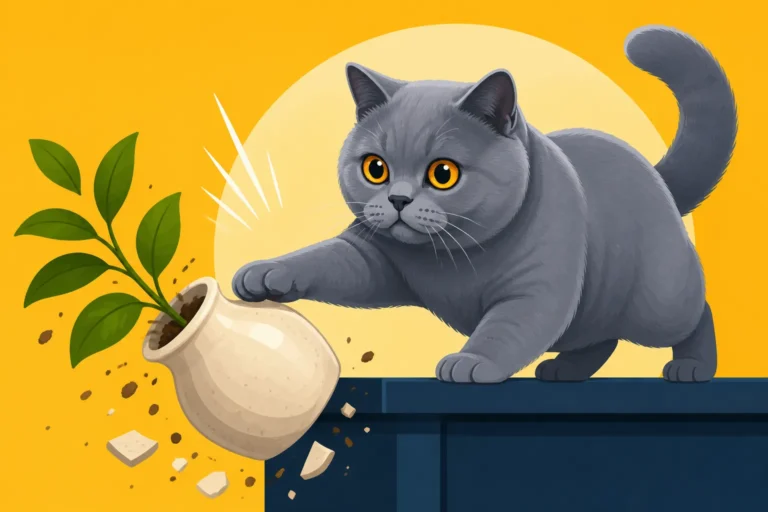
The British Shorthair's steady demeanor is perhaps its most defining characteristic. They are unflappable, calm, and rarely exhibit erratic or hyperactive behavior. This isn't a cat that will suddenly bolt across the room, knock over everything in its path, or spend hours tearing through your home like a whirlwind. Instead, they prefer a more measured pace of life. You'll often find them curled up in a favorite spot, observing their surroundings with calm, intelligent eyes.
This placid temperament makes them incredibly adaptable to various home environments. Whether you live in a bustling family home or a quiet single-person apartment, a British Shorthair will likely adjust well, absorbing the ambient energy without contributing to chaos. Their predictable nature is a huge draw for many, offering a sense of stability and tranquility. They are truly the zen masters of the feline world, teaching us all a thing or two about graceful composure.
Playtime: Gentle, Reserved, and Sometimes a Bit Reluctant
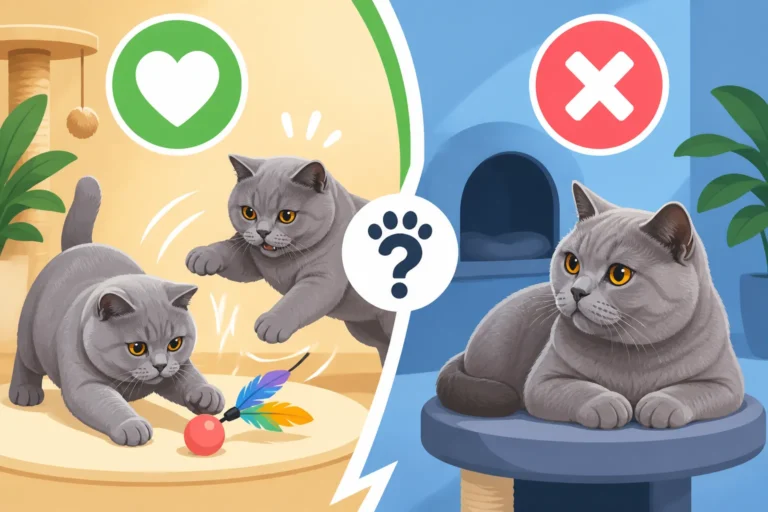
While British Shorthairs aren't known for their boundless energy, they do enjoy playtime – just perhaps not as enthusiastically or for as long as some other breeds. Their play style tends to be more deliberate, charmingly clumsy, and often requires a little coaxing from their human companions. Don't expect a blur of motion, but rather short bursts of focused, albeit heavy-footed, fun.
Encouraging Activity in a Couch Potato
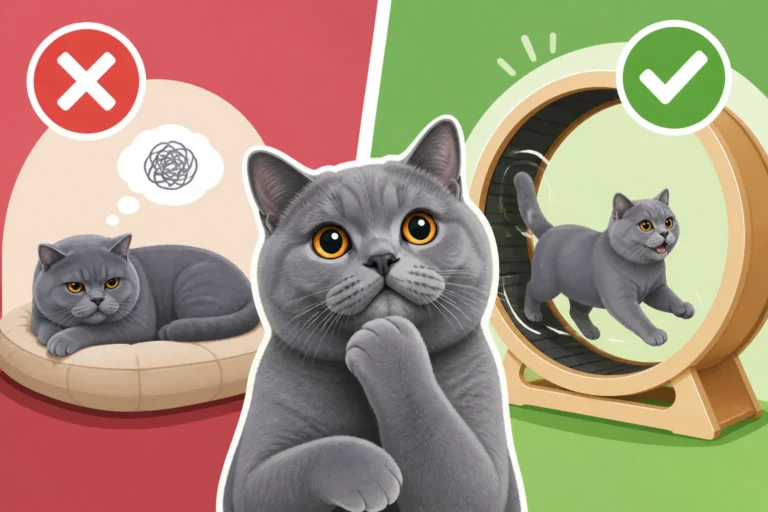
Let's be honest, British Shorthairs can be quite the couch potatoes. Their stocky build and calm nature mean they're far more likely to be found napping than performing acrobatic feats. This can sometimes lead to weight management challenges, so encouraging regular activity is crucial for their health. The trick is to make playtime irresistible and engaging. Short, frequent play sessions are often more effective than trying to force a long, intense workout. Think of it as gentle persuasion rather than a high-energy training session.
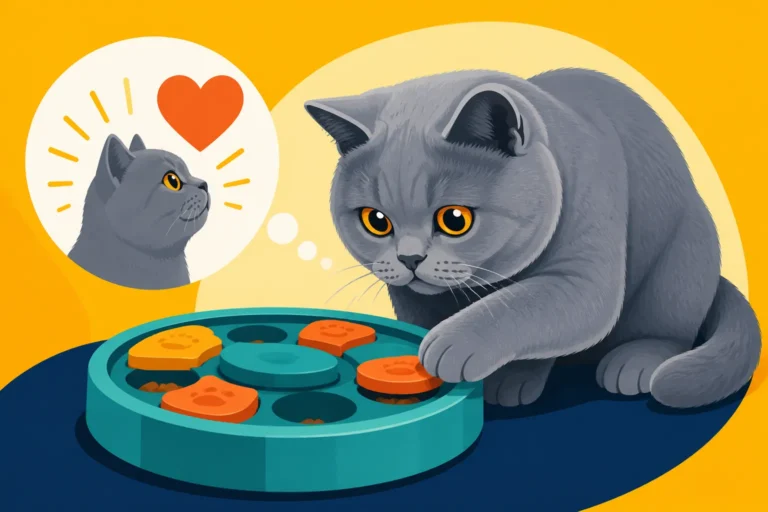
Using interactive toys that mimic prey, like wand toys with feathers or small plush animals, can often pique their interest. Dragging the toy along the floor, making it dart and hide, can trigger their natural hunting instincts. Puzzle feeders are another excellent way to engage their minds and bodies, requiring them to work for their food. Getting a Low Energy British Shorthair to Move gives more specific ideas. Remember, consistency is key; even a few minutes of play each day can make a big difference in keeping them active and healthy. You can find a fantastic selection of engaging wand toys and puzzle feeders on Amazon that are perfect for tempting a British Shorthair into action.
Favorite Games and Toys
When it comes to toys, British Shorthairs often prefer activities that don't require excessive exertion. Think about toys that they can stalk, pounce on, or bat around from a comfortable position. Wand toys are usually a big hit because they allow you to control the movement of the "prey," making it more enticing without requiring the cat to run a marathon. Laser pointers can also capture their attention, though it's important to always end a laser session by letting them "catch" a physical toy to prevent frustration.
Many British Shorthairs also enjoy batting at small, crinkly balls, soft mice, or even simple crumpled paper balls. Don't underestimate the power of a good catnip toy! Some will go wild for it, rolling around and kicking the toy with blissful abandon. They also appreciate enrichment that appeals to their quiet observation skills, such as a sturdy window perch for bird watching or a comfortable cat tree where they can survey their domain from a slight elevation. Durable, well-made toys, easily found on platforms like Amazon, are a good investment for these robust cats.
When They "Grow Out" of Play
It’s not uncommon for British Shorthairs to seem to "grow out" of active, boisterous play faster than some other breeds. While kittens are naturally playful and curious, by the time they reach around three years old, many British Shorthairs settle into an even more sedate rhythm. Their kittenish antics give way to a more refined, adult calm. This isn't to say they stop playing entirely, but their enthusiasm for chase games might wane, and their play sessions become shorter and less frequent. Why a British Shorthair Stops Playing at Three delves deeper into this developmental shift.
This transition isn't a sign of boredom or unhappiness; it's simply a natural part of their maturation. As they get older, their preferred form of entertainment often shifts towards observation, gentle interaction, and plenty of napping. It's important to adjust your expectations accordingly and continue to offer opportunities for play, even if they aren't always taken up with gusto. A relaxed game with a feather wand or a fresh catnip mouse can still bring joy, even to a seasoned, dignified British Shorthair who would rather supervise from the sofa.
Social Grace: With Family and Furry Friends
One of the most appealing aspects of the British Shorthair temperament is their generally tolerant and agreeable nature when it comes to living with others. They are typically calm and patient, making them excellent family pets, provided their boundaries are respected. Their laid-back attitude often extends to other creatures in the household, making multi-pet homes a possibility.
Children and the British Shorthair
British Shorthairs tend to be excellent with children, especially those who understand how to interact gently with a cat. Their calm and patient disposition means they are less likely to react with aggression if a child accidentally oversteps boundaries. Instead, they are more likely to simply walk away or find a quiet spot to retreat to. They tolerate a reasonable amount of noise and activity, making them well-suited for family life.
It's crucial, however, to teach children how to interact respectfully with any cat, and especially with a British Shorthair who dislikes being picked up. Explain that the cat prefers to be stroked while on the floor or on furniture, and teach them to recognize signs that the cat needs space. Supervised interaction is always best, particularly with younger children. When mutual respect is established, a British Shorthair can become a wonderfully affectionate and forgiving companion for children, often forming a quiet, steadfast bond. How a British Shorthair Behaves With Children provides further advice.
Living with Dogs
If properly introduced, many British Shorthairs can coexist peacefully with well-behaved dogs. Their calm nature means they are less likely to be spooked by a dog's more exuberant energy. They often adopt a "live and let live" attitude, simply ignoring the dog if it's not bothering them. A British Shorthair will rarely seek out conflict and prefers to avoid confrontation, making them good candidates for homes where a dog already resides.
The key to a successful interspecies friendship lies in slow, controlled introductions and ensuring the British Shorthair always has escape routes and high places to retreat to. A dog that is overly boisterous or has a high prey drive might be too much for a British Shorthair, but a gentle, calm dog often becomes an accepted, if somewhat ignored, member of the household. Their ability to remain unfazed by the general hustle and bustle of a multi-pet home is a testament to their easygoing temperament.
Accepting Other Cats
British Shorthairs are generally quite adaptable to living with other cats, especially if they are introduced slowly and thoughtfully. They are not typically territorial or aggressive, and while they might not become best friends with another feline, they often tolerate and even enjoy the company of a fellow cat. Many British Shorthair owners find that having a companion cat, particularly if they are both British Shorthairs, can provide mental and social enrichment. Whether a British Shorthair Accepts a Second Cat discusses this in more detail.
When introducing a new cat, patience is paramount. Start with scent swapping, then supervised visual introductions, gradually increasing their time together. Ensure there are enough resources (litter boxes, food bowls, scratching posts, beds) for all cats to avoid competition. A British Shorthair's inherently peaceful nature helps smooth these transitions, making them relatively agreeable companions for other cats. They might not engage in boisterous play together, but they'll often enjoy sharing a sunbeam or simply existing peacefully in the same space.
A Predictable and Home-Loving Nature
The British Shorthair is a creature of comfort and routine, thriving in a stable environment. Their predictable habits and preference for indoor living make them ideal companions for those who appreciate consistency and a well-ordered home life. They are generally low-maintenance in terms of behavioral challenges, making them an excellent choice for first-time cat owners.
Adapting to Change
While British Shorthairs appreciate routine, their calm demeanor generally allows them to adapt to changes fairly well, provided they are introduced gradually. A house move, the arrival of a new family member, or even a change in furniture layout will usually be met with a period of cautious observation rather than outright panic. They prefer a stable environment, but they are not so fragile that any shift throws them into disarray.
To help your British Shorthair adjust to change, try to maintain as much of their established routine as possible. Keep their feeding times consistent, place their litter boxes and favorite beds in similar positions, and provide plenty of familiar comfort items. Their inherent steadiness means they'll usually take it all in stride, eventually settling into the new normal with their usual quiet grace. This adaptability is another reason why How Well a British Shorthair Suits a First Time Cat Owner can often be answered positively.
Indoor Life and Exploration
British Shorthairs are perfectly content living an exclusively indoor life. In fact, due to their calm, somewhat unadventurous nature and their stunning appearance (which can make them a target for theft), an indoor-only existence is highly recommended for their safety and well-being. They typically have little desire to explore the great outdoors, preferring the comfort and security of their home.
Within the home, they are not typically destructive. They are not inclined to climb curtains or scale bookshelves to the ceiling (though sturdy cat trees are appreciated for observation!). Their exploration is usually limited to floor level, seeking out comfortable napping spots or prime sunbeam locations. Providing them with a stimulating indoor environment, including window perches, scratching posts (horizontal ones are often preferred due to their size), and a variety of toys, ensures they remain happy and healthy without ever needing to step outside. Whether a British Shorthair Should Be Indoor Only explores this further.
Litter Box Habits and Scratching
British Shorthairs are generally fastidious cats, and their litter box habits are typically impeccable. Provided you keep their litter box clean and offer a size appropriate for their robust physique, you'll rarely encounter issues with inappropriate elimination. A large, uncovered litter box is often preferred, allowing them ample space to move around comfortably without feeling confined. Ensuring they have fresh litter and a private spot helps reinforce these good habits. You can easily find extra-large litter boxes suitable for a British Shorthair's size on Amazon.
When it comes to scratching, British Shorthairs have a natural instinct to groom their claws, but they can be easily trained to use appropriate scratching posts. Because of their somewhat stocky build, they often prefer sturdy, horizontal scratching surfaces, like cardboard scratchers, or vertical posts that are tall and stable enough to support their weight while they stretch. Provide several options in different materials and locations, and praise them when they use them. Their generally agreeable nature means they respond well to positive reinforcement, making them relatively easy to redirect from furniture.
| Trait | British Shorthair Temperament |
|---|---|
| Affection Level | Independent, prefers proximity over laps, shows love via head butts, slow blinks, purrs. |
| Vocalization | Very quiet, soft chirps/trills, rarely loud meows. |
| Energy Level | Low to moderate, prefers napping and observation over intense play; prone to couch potato tendencies. |
| Independence | High, copes well with alone time, not prone to separation anxiety. |
| Sociability | Tolerant with children (if respected), can coexist with calm dogs and other cats (with proper introduction). |
| Play Style | Reserved, short bursts, enjoys wand toys, puzzle feeders, stalking. |
| Adaptability | Calm and adaptable to routine changes if introduced gradually. |
| Trainability | Responds well to positive reinforcement, good litter box habits, can be redirected to scratching posts. |
| Interaction with Humans | Prefers ground-level interaction, generally dislikes being picked up or held for long periods. |
In conclusion, the British Shorthair temperament offers a unique blend of calm independence and quiet affection. They are a wonderful choice for those seeking a dignified, low-drama companion who will enrich their home with a steady, peaceful presence.
Disclaimer
This article is for general informational purposes only and does not constitute professional advice. Laws, prices and regulations vary by location and change over time. Consult a qualified professional for guidance on your specific situation.