Why a British Shorthair Chatters at Birds
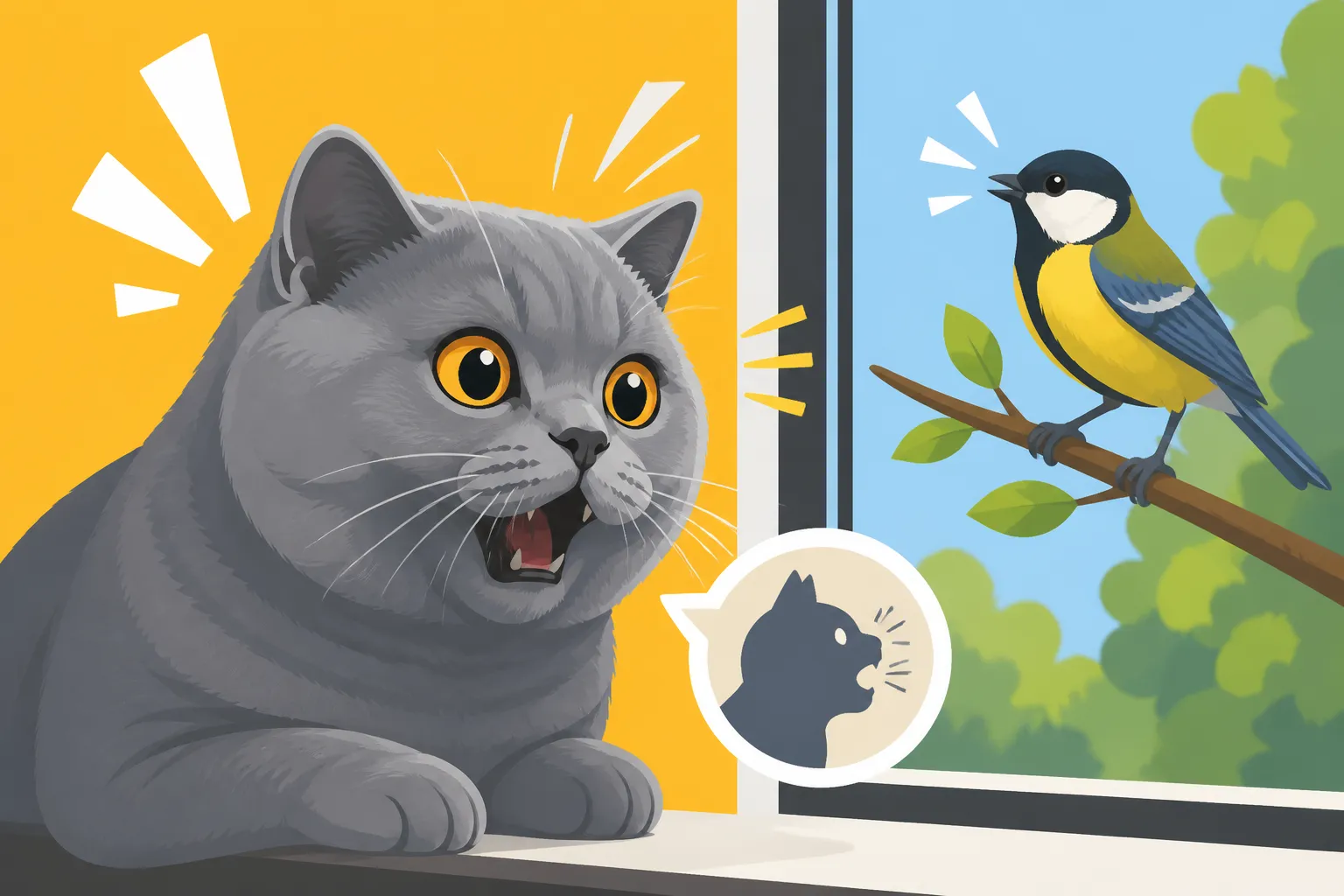
It's a familiar scene for many British Shorthair owners: you're relaxing, and suddenly your usually placid, dignified companion is crouched low by the window, jaw quivering, making the most peculiar staccato chirping and chattering sounds. What on earth is happening? This guide will dive deep into why your British Shorthair chatters at birds, what these sounds truly mean, and how you can understand and even manage this fascinating, instinctual behavior.
The Instinct Behind the Chatter
That distinctive chatter your British Shorthair makes when a bird or squirrel appears outside the window isn't just a quirky habit; it's a deep-seated, primal instinct bubbling to the surface. It's a window into the hunter that still thrives within your beloved domestic companion, even if their most dangerous prey is usually a dust bunny.
Mimicry: The Hunter's Trick
One popular theory suggests that this chattering sound, often accompanied by rapid jaw movements, might be a form of mimicry. Imagine a wild ancestor of your British Shorthair, trying to blend into its environment. If it could imitate the sounds of its prey, or even other animals in the vicinity, it might gain a crucial advantage. While your modern British Shorthair might not be consciously trying to "talk" to the robin on the fence, the underlying instinct to mimic could still be at play. It's almost as if they're attempting to lure the unsuspecting bird closer, or perhaps they're just so intensely focused that their body is trying to "practice" the kill.
It’s not so much that they’re trying to be a bird, but rather that the intense focus on the potential prey triggers a specific neurological pathway that results in these unique vocalizations. Think of it like a human sports fan yelling at the TV during a crucial game – it’s an involuntary release of pent-up excitement and frustration, often accompanied by sounds that are not quite typical speech. For your British Shorthair, that bird outside is the ultimate, tantalizing "game."
Frustration and Arousal
Perhaps the most widely accepted explanation for the chattering is a combination of high arousal and pure, unadulterated frustration. Your British Shorthair sees a bird. Its hunting instincts immediately ignite: the stalk, the pounce, the kill. Every fiber of its being screams "prey!" But there's a pane of glass, a window, a barrier that prevents them from acting on these powerful urges. This creates an incredibly tense situation – a desire to hunt, fully activated, but completely blocked.
This overwhelming mix of excitement and thwarted instinct needs an outlet. The chattering, squeaking, and jaw quivering are thought to be exactly that: an involuntary discharge of pent-up energy and frustration. It's a burst of adrenaline with nowhere to go, manifesting in these unique sounds. Your British Shorthair isn't just watching the bird; they are desperate to hunt it, and their body can barely contain the emotional and physical response. It's a completely natural, if somewhat comical, expression of their inner wildness. You might notice this behavior escalates if the bird flies closer or even lands on the window sill, intensifying their frustration. This is often an expression of a cat's high predatory drive clashing with the confines of their safe indoor environment.
The British Shorthair's Unique Predatory Style
British Shorthairs are generally known for their calm, dignified, and somewhat lazy demeanor. They aren't typically the most high-energy, constantly bouncing-off-the-walls type of cat. How Active a British Shorthair Is is a topic many owners ponder, as their energy levels are often lower than other breeds. However, beneath that plush, teddy bear exterior lies a capable hunter. They might not be the frantic, zippy stalkers you see in some other breeds; instead, they often employ a more deliberate, watchful approach. They are patient observers, waiting for the perfect moment.
This calm exterior can make their sudden, intense chattering at a bird even more surprising. It highlights the raw, untamed instinct that no amount of domestic comfort can truly erase. While they might spend most of their day napping in sunbeams or quietly observing their human companions, the sight of a bird triggers a switch, momentarily transforming them into a focused predator, complete with the unique vocalizations that come with that intense drive. It's a stark contrast to their usual quiet nature, showing that even the most placid cat has a wild side waiting for the right stimulus. What a British Shorthair's Temperament Is Really Like often surprises people with these little bursts of instinct.
What the Chatter Sounds Like and Why It Matters
The specific sounds and behaviors your British Shorthair exhibits while chattering at birds offer a fascinating glimpse into their internal world. It’s more than just a noise; it’s a whole package of communication and instinctual release.
More Than Just a "Chirp"
When we talk about a British Shorthair chattering, we're not talking about a typical meow or purr. It's a distinct sound that often involves rapid jaw movements, almost as if they are trying to snap at the air or mimic the bird's flight. The sound itself can vary from a soft, almost silent vibrating jaw motion to a more audible series of rapid chirps, squeaks, and staccato clicks. Sometimes, it sounds like a frustrated, clipped meow, or even a quiet, urgent growl.
The jaw quivering is particularly interesting; it’s theorized to be a motor pattern linked to the final "killing bite" in hunting. So, while they can't physically bite the bird, their body is going through the motions, driven by instinct. It's a complex vocalization that expresses a unique blend of excitement, predatory drive, and the sheer irritation of being unable to complete the hunt. It really shows the depth of their predatory engagement. For a breed often noted for being rather Why a British Shorthair Is So Quiet, this sudden outburst can be quite a revelation to new owners!
Reading Your British Shorthair's Body Language
The chattering rarely happens in isolation. It's usually accompanied by a whole suite of body language signals that clearly indicate their intense focus and predatory intent. You’ll likely see them:
- Crouched low: Often in a "hunting" posture, ready to pounce, even if they know they can't. Their body will be tense, coiled, and ready for action.
- Eyes wide and fixated: Their pupils might be dilated, locked onto the bird with unwavering concentration. Nothing else in the room exists for them at that moment.
- Tail twitching: Not usually a full wag, but a subtle, rapid flick or twitch of the tail tip, indicating high arousal and excitement. Sometimes the whole tail might be thumping gently.
- Ears forward and swiveling: Their ears will be highly alert, angled towards the sound, processing every rustle and flutter.
- Slight quivering of the body: Beyond the jaw, you might even notice a subtle tremor running through their muscles as they try to contain their eagerness.
All these signs together paint a vivid picture of a cat fully engaged in its ancient hunting program. It’s a remarkable display of instinct, right there in your living room. Observing these behaviors can also help you understand when they are most stimulated, allowing you to proactively redirect their energy if needed.
Is Chattering a Problem?
In most cases, a British Shorthair chattering at birds is completely normal and harmless. It's a natural expression of their predatory instincts and doesn't indicate stress or unhappiness. It's simply what cats do! However, there are a few things to consider:
- Indoor vs. Outdoor Safety: If your cat is chattering from inside, it’s a safe, albeit frustrating, experience for them. If your cat is outside, or if you're considering letting them roam, this intense focus on prey can put them at risk. Outdoor cats face dangers from cars, other animals, and diseases. Many British Shorthair owners strongly advocate for them to be Whether a British Shorthair Should Be Indoor Only for these very reasons.
- Mental Stimulation: While chattering itself isn't a problem, the underlying frustration of unfulfilled hunting instincts can be. If your cat is constantly chattering at birds and not getting enough other forms of mental and physical stimulation, it could lead to boredom or stress. It's a good reminder that even calm British Shorthairs need outlets for their natural behaviors.
- Frequency and Intensity: If the chattering becomes excessively frequent, intense, or is accompanied by signs of severe anxiety (like excessive grooming, hiding, or changes in appetite, which might point to Signs a British Shorthair Is Unwell), it might be worth a chat with your vet. However, for most cats, it’s just part of their charm.
Managing Your British Shorthair's Bird-Watching Habits
While you can't, and shouldn't, try to stop your British Shorthair from having natural predatory instincts, you can certainly manage their environment and provide healthy outlets for that energy. It's all about channeling that inner hunter in constructive ways.
Enriching the Indoor Environment
Since your British Shorthair is (rightly) an indoor cat, providing a rich, stimulating environment is crucial to their overall well-being. This helps satisfy their hunting drive and reduces the frustration of watching unattainable prey.
- Interactive Toys: These are your best friends! Think wand toys with feathers, crinkly balls, and mice filled with catnip. The key is toys that mimic prey movement and allow you to engage in active play. You can find a fantastic array of these on Amazon, from simple feather wands to more elaborate electronic toys that move unpredictably. Regular play sessions, ideally 10-15 minutes a few times a day, can make a huge difference. Which Toys a British Shorthair Will Actually Chase often involves movement and sound, triggering their predatory sequence.
- Puzzle Feeders: Instead of just putting food in a bowl, make your British Shorthair "hunt" for it. Puzzle feeders require them to use their brains and paws to extract treats or kibble, simulating the mental effort of a hunt. There are many options available on Amazon, from simple treat balls to more complex mazes. This helps to provide mental enrichment and slow down eating, which is a bonus for a breed prone to weight gain.
- Climbing Structures and Hiding Spots: While British Shorthairs aren't known for being extreme climbers, they do enjoy having vertical space and safe nooks. A sturdy cat tree or shelves provide vantage points and places to observe their territory or retreat for a nap. This helps satisfy their need for territory and security.
Safe Bird Watching and Window Perches
You don't have to eliminate bird watching entirely; in fact, a certain amount of visual stimulation can be good for your cat. The trick is to ensure it's a safe and enriching experience.
- Designated Window Perches: Give them a comfortable, secure spot by a window where they can safely observe the outside world. A window-mounted perch or a sturdy cat tree positioned near a window is ideal. Make sure it's stable enough to support your British Shorthair's solid build. You can find great options for sturdy window perches on Amazon that attach securely. This allows them to indulge their curiosity without direct access to prey.
- Bird Feeders: Consider placing a bird feeder outside a window your cat frequents. This brings the "show" closer, offering enhanced visual stimulation, but with the glass barrier providing safety for both the birds and your cat. Just make sure the feeder is far enough from the glass that the birds feel secure.
- Catios (Cat Patios): For the ultimate safe outdoor experience, a catio is fantastic. These enclosed, secure outdoor spaces allow your British Shorthair to experience fresh air, sun, and the sounds of nature without any risk of escape or encountering real prey. They can safely watch birds, feel the breeze, and explore a contained environment. This is a wonderful way to satisfy some of that outdoor curiosity.
Distraction and Redirection
When you see your British Shorthair intensely chattering at a bird, it’s a good opportunity to redirect that focused energy into a play session with you.
- Interrupt with Play: Once they've had a few minutes of intense bird-watching, try to gently distract them. Grab a favorite wand toy and wiggle it tantalizingly away from the window. The goal is to shift their focus from the unattainable bird to a more achievable "prey" that they can actually catch and "kill" during play. This helps them release that pent-up energy in a fun, safe way.
- Scheduled Playtime: Make sure you're providing consistent, daily play sessions. How Much Play a British Shorthair Needs might be less than some high-energy breeds, but it's still vital. These structured play times help fulfill their predatory drive, so they might feel less intensely frustrated by the birds outside. A good 10-15 minute session twice a day with an interactive toy can work wonders. How to Get a British Shorthair to Play Daily is often about finding the right timing and the right toys that truly engage them.
- Positive Reinforcement: When they successfully engage with a toy instead of staring forlornly at the window, praise them or offer a small, healthy treat. This reinforces the idea that playing with you is a rewarding activity.
Common Questions About British Shorthair Chattering
It's natural to have questions about such a unique and instinctual behavior. Let's tackle some of the common concerns owners have about their chattering British Shorthairs.
Do All British Shorthairs Do It?
No, not all British Shorthairs chatter at birds, or at least not to the same degree. Like humans, cats have individual personalities and varying levels of predatory drive. Some British Shorthairs might be intensely focused on birds and chatter loudly every time, while others might just quietly observe, or even completely ignore them.
A cat's upbringing, early experiences, and even genetics can influence how strongly these instincts manifest. A cat that had more exposure to outdoor sights and sounds as a kitten might develop a stronger chattering habit. Generally, though, the instinct is deeply ingrained in most domestic cats, so while the expression of it might differ, the underlying predatory drive is usually there. It's a spectrum, and your British Shorthair will fall somewhere along it.
Does It Mean They Want to Go Outside?
This is a common misconception. While the chattering clearly indicates a strong desire to hunt the birds, it doesn't necessarily mean your British Shorthair is desperate to become an outdoor cat. The instinct to hunt is distinct from the desire for outdoor freedom. Many cats who chatter intensely are perfectly content and safe living indoors.
Allowing an indoor British Shorthair outside to "hunt" can expose them to numerous dangers, including traffic, predators, poisons, and diseases. Instead, the chattering should be seen as a signal that their predatory instincts are activated and need a safe, indoor outlet. Provide plenty of interactive play and environmental enrichment, as discussed earlier. A catio is a fantastic compromise if you want to give them some safe outdoor exposure without the risks. Always prioritize your British Shorthair's safety over fulfilling a fleeting, potentially dangerous, instinct. How a British Shorthair Copes in an Apartment demonstrates how well they can adapt to an indoor lifestyle with proper care.
Can I Stop Them From Chattering?
Trying to completely stop your British Shorthair from chattering at birds is like trying to stop a dog from barking at the mailman – it's a natural, instinctual behavior that's deeply wired. Suppressing such a fundamental instinct can actually be detrimental to your cat's well-being, potentially leading to stress or other behavioral issues.
Instead of trying to stop it, embrace it! See it as a fascinating glimpse into their wild ancestry. Your goal should be to manage the behavior and provide healthy alternatives, not eliminate it entirely. By understanding why they chatter and offering appropriate outlets for their predatory energy through play and enrichment, you can help your British Shorthair live a fulfilled life, chattering and all. It’s part of what makes them unique and reminds us of the fascinating creatures living in our homes.
| Behavior / Sound | Description | Underlying Reason | What it Means for Owners |
|---|---|---|---|
| Chattering | Rapid jaw movements, often with chirps/squeaks | Frustration, high arousal, thwarted predatory drive | Normal, healthy instinct; consider redirection/enrichment. |
| Purring | Deep, rumbling vibration | Contentment, relaxation, sometimes self-soothing/pain | Happy cat, or seeking comfort. |
| Meowing | Various vocalizations, usually directed at humans | Communication (demand, greeting, complaint) | Pay attention; they're trying to tell you something. |
| Hissing/Growling | Forceful, angry exhalation / low guttural sound | Fear, aggression, warning, discomfort | Give space; something is upsetting them. |
| Trilling/Chirping | Rolled "r" sound, often quiet and soft | Greeting, calling to kittens, attention-seeking | Friendly interaction; often a polite hello. |
Disclaimer
This article is for general informational purposes only and does not constitute professional advice. Laws, prices and regulations vary by location and change over time. Consult a qualified professional for guidance on your specific situation.