How Active a British Shorthair Is
It's easy to look at a British Shorthair, with their famously relaxed demeanor and plush, round physique, and assume they're practically statues. Many potential owners worry if they're getting a cat that simply exists on the sofa, leading to questions about whether they're too inactive. If you've found yourself pondering just how much — or how little — activity your British Shorthair needs or wants, you're in the right place. This guide will dive deep into the unique activity profile of this beloved breed, dispelling myths and offering practical ways to keep your British Shorthair happy, healthy, and engaged, even if their idea of "active" isn't quite what you'd expect.
The British Shorthair's Natural Inclination Towards Calmness
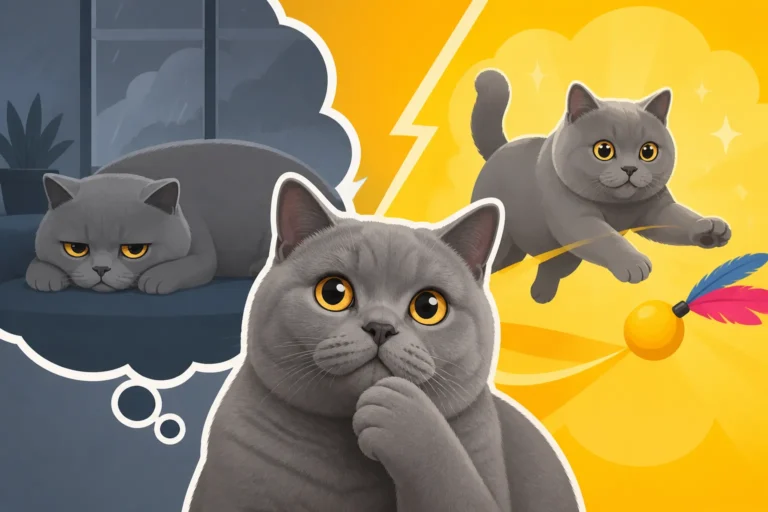
British Shorthairs are undeniably a calm breed, a trait that endears them to many, especially those looking for a more laid-back companion. However, "calm" doesn't mean "inert." It simply means their energy expression is often more subtle and less frenetic than, say, a Bengal or Siamese. They possess an inherent dignity that often translates into observing the world around them rather than constantly participating in it at a high speed.
More Observer Than Olympian
Your British Shorthair might not be scaling your curtains or performing acrobatic leaps off the bookshelf with the same gusto as some other breeds. Instead, they often prefer to survey their kingdom from a comfortable vantage point. This could be a window perch, a high cat tree (which they will climb with purpose, not frantic energy), or simply the back of your favorite armchair. They absorb their surroundings, taking everything in with those big, round eyes, often looking utterly serene in the process.
This observational quality doesn't mean they're bored; quite the opposite. They are highly intelligent cats who process a great deal from their environment. A British Shorthair might spend a good twenty minutes watching a bird outside, or carefully tracking the movements of a dust bunny under the sofa. Their mental engagement is often as strong, if not stronger, than their physical drive. So, while you might not see them running marathons, rest assured, their minds are often quite busy.
It's a mistake to compare their activity levels to breeds known for their high energy. A British Shorthair's calm nature is a defining characteristic, one that makes them wonderfully easy to live with for many families. They are the quiet companion who appreciates a soft spot near you, rather than the demanding athlete constantly seeking your participation. They fulfill a different kind of companionship, one built on tranquil presence and gentle affection.
The "Charger" Myth and Reality
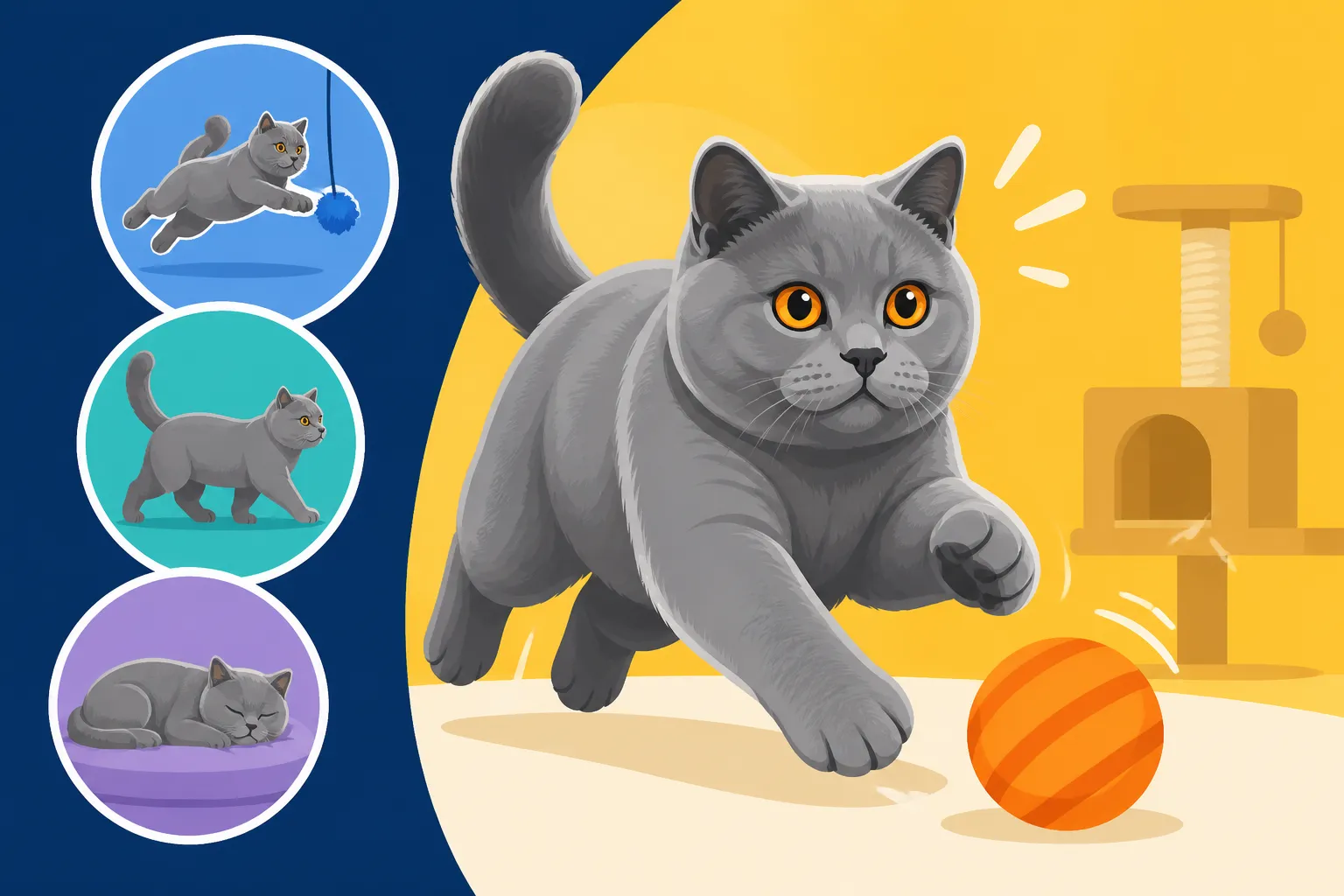
The myth that British Shorthairs are entirely unmoving "fur rugs" isn't quite accurate. While they aren't perpetually in motion, they absolutely have bursts of energy, often referred to fondly as "the zoomies" or "charging." These episodes are usually short-lived but intense. You might see your typically sedate cat suddenly tear through the house, sliding across polished floors, or pouncing on an invisible foe.
These bursts are often a way for them to release pent-up energy, especially if they haven't had much structured playtime. After a few minutes of spirited dashing, they'll usually collapse back into a contented heap, sometimes panting slightly, ready for their next nap. It's a delightful sight when it happens, a brief glimpse into the powerful, athletic cat hiding beneath that plush exterior. Don't worry if these moments are rare; it's perfectly normal for them to conserve energy.
Understanding this pattern is crucial for successful engagement. Instead of expecting continuous play, recognize that brief, exciting sessions are more aligned with their natural rhythm. Think of them as sprinters, not long-distance runners. They gather their energy, unleash it spectacularly, and then return to their calm baseline, ready to recharge for the next "charge" later in the day.
Early Life Versus Adulthood
Like all cats, British Shorthair kittens are little bundles of boundless energy. They'll chase, pounce, explore, and get into everything with the typical curiosity and exuberance of youth. Witnessing a British Shorthair kitten at play is an absolute joy, as they tumble and bat at toys with surprising agility, given their sturdy build. This kitten energy is vital for their development, helping them learn coordination and build muscle.
However, a significant shift usually occurs as they mature. You'll notice that typically around two or three years of age, their high-octane kitten antics start to mellow considerably. This is when they truly begin to embody the calm, dignified temperament the breed is famous for. When a British Shorthair Settles Down explains this transition in detail. While they'll retain a playful spirit throughout their lives, the constant need for stimulation diminishes, replaced by a preference for comfortable lounging and observing.
It's important not to confuse this mellowing with a lack of engagement or boredom. It's simply their natural progression into adulthood. Owners often express concern that their once-playful cat has become "lazy," but this is generally a normal part of the British Shorthair's developmental journey. They still appreciate interaction, just in a different, often more gentle, way. Providing appropriate enrichment for each life stage is key to their ongoing happiness.
Understanding Their Unique Play Style
Because British Shorthairs aren't typically high-energy, understanding how they prefer to play is crucial. It’s not about hours of chasing, but rather about tapping into their natural instincts in a way that aligns with their personality. They are intelligent and enjoy mental stimulation as much as physical exertion, if not more.
Quality Over Quantity in Play
When it comes to playtime with a British Shorthair, the old adage "quality over quantity" really holds true. Instead of trying to coax them into an hour-long session of frantic chasing, aim for several shorter, more intense play periods throughout the day. Think of three to five sessions, each lasting about 10-15 minutes. This approach aligns perfectly with their natural "hunt, pounce, nap" cycle.
These shorter bursts allow them to get fully invested in the hunt, satisfy their predatory instincts, and then retreat to conserve energy without feeling overwhelmed or bored. It's a dance between engagement and relaxation that suits their calm temperament. During these sessions, be present and interactive, using toys that mimic prey to truly capture their attention. This focused interaction builds a strong bond and keeps them mentally sharp.
For a British Shorthair, an intense ten-minute session with a wand toy where they genuinely feel like they've "caught" their prey is far more rewarding than 30 minutes of half-hearted batting at a ball while you're distracted. Make eye contact, use engaging movements with the toy, and celebrate their "catch." This kind of mindful play ensures they're getting the most out of their active moments.
The Hunt, Pounce, and Conquer Routine
A British Shorthair's play very often mirrors the classic feline hunt sequence: stalk, chase, pounce, and "kill." Even if they appear sedate for most of the day, when a compelling toy enters their field of vision, those instincts can kick in. They are methodical hunters, not necessarily speed demons, but powerful and precise when they decide to engage.
Wand toys are an absolute goldmine for engaging this behavior. A feather teaser, a small stuffed mouse on a string, or anything that can dart and hide like real prey will capture their attention. They love the suspense of tracking the "prey" from a hiding spot, waiting for the perfect moment to launch their attack. After a successful pounce, let them "capture" and "kill" the toy, giving it a good shake and bite. This allows them to complete the hunting cycle, which is deeply satisfying for them. Which Toys a British Shorthair Will Actually Chase provides more specific ideas.
Laser pointers can also be effective, but remember to always end a laser session by directing the beam onto a physical toy or treat that they can "catch" and feel victorious about. This prevents frustration and reinforces the positive association with play. You can find a huge variety of engaging wand toys and laser pointers on Amazon, making it easy to experiment with what your particular British Shorthair responds to best.
Mental Stimulation is Key
Physical activity is important, but for a British Shorthair, mental stimulation is equally, if not more, crucial for their overall well-being. Their intelligence and observational nature mean they thrive on challenges that engage their minds. Simply providing toys for them to bat around might not be enough to satisfy their clever brains.
Puzzle feeders are fantastic for this breed. These require your cat to use their problem-solving skills to extract treats or a portion of their meal, turning mealtime into an engaging mental exercise. Watching them bat, roll, or manipulate a puzzle feeder to get a kibble out is incredibly rewarding, and it burns mental energy without excessive physical exertion. This can also slow down their eating, which is beneficial for digestion and weight management. You can find a wide array of puzzle feeders, from simple treat balls to more complex mazes, on Amazon that can keep your British Shorthair happily occupied.
Another way to provide mental enrichment is through novelty and exploration. While they might not be keen on grand adventures, changing up their environment occasionally – perhaps rotating their toys, introducing a new box to explore, or even just opening a closet door they don't usually access – can provide fresh stimulation. Even observing a new bird feeder outside the window can be a mentally engaging experience for them. Don't underestimate the power of a novel scent or a new vantage point to pique their curiosity.
Factors Influencing British Shorthair Activity
Several elements can affect how active your British Shorthair is. Understanding these influences can help you tailor your approach to encouraging healthy movement and overall well-being. It's not a one-size-fits-all situation; each cat is an individual, but these general factors hold true for most.
Age and Life Stage
A British Shorthair's activity level naturally evolves throughout its life. As mentioned, kittens are typically quite energetic, full of playful antics and inquisitive exploration. They're developing their coordination and testing their boundaries, which manifests in a lot of running, jumping, and pouncing. This kitten stage is a time for vigorous play that helps them grow strong and confident.
As they transition into adulthood, usually around two to three years of age, their energy mellows significantly. They become the calm, dignified companions known to the breed. While they still enjoy playtime, the frequency and intensity tend to decrease. They may still have their "zoomies," but these might be less frequent and shorter in duration. This is their prime lounging phase, where comfort and observation often take precedence.
In their senior years, typically starting around 10 years old, activity levels will naturally decline further. The Age a British Shorthair Is Considered Senior explains this life stage. Older British Shorthairs may be slower to move, spend more time sleeping, and might even become a bit stiff from Arthritis in an Older British Shorthair. At this stage, gentler, shorter play sessions are best, focusing on comfort and ease of movement. Ramps or steps to favorite sleeping spots can also be beneficial, allowing them to access elevated areas without strain. It's about adapting to their changing physical needs while still providing mental and gentle physical engagement.
Weight and Health
One of the most significant factors impacting a British Shorthair's activity level is their weight. British Shorthairs are prone to obesity due to their love of food and naturally lower energy levels. Why a British Shorthair Gains Weight So Easily delves into this common issue. An overweight cat will simply find it harder and less comfortable to move around, creating a vicious cycle where decreased activity leads to more weight gain, which further discourages movement.
Excess weight puts a strain on their joints, cardiovascular system, and overall health, making even simple movements like jumping onto a sofa or playing with a toy feel like a chore. Obesity Is the British Shorthair's Real Disease details the serious health consequences. If your British Shorthair is carrying extra pounds, you might notice them playing less, being reluctant to jump, or having difficulty grooming themselves, especially their back or tail area. Addressing their weight through a controlled diet and encouraging gentle activity is paramount for their health and happiness.
Beyond weight, any underlying health condition can also dramatically reduce a British Shorthair's desire or ability to be active. Pain, respiratory issues, heart conditions (like HCM, which is present in the breed, as discussed in What HCM Does to a British Shorthair's Heart), or other ailments can make a cat lethargic and unwilling to play. If you notice a sudden, unexplained decrease in your cat's activity level, accompanied by other symptoms, a vet visit is always recommended to rule out any medical issues. Early detection and treatment can make a significant difference in their quality of life.
Environment and Enrichment
The environment in which a British Shorthair lives plays a crucial role in how active they choose to be. A sterile, unstimulating home with little to see or do will naturally lead to a more sedentary cat. Conversely, an enriched environment that offers opportunities for climbing, exploring, and observing can subtly encourage more movement and mental engagement, even in a naturally calm breed.
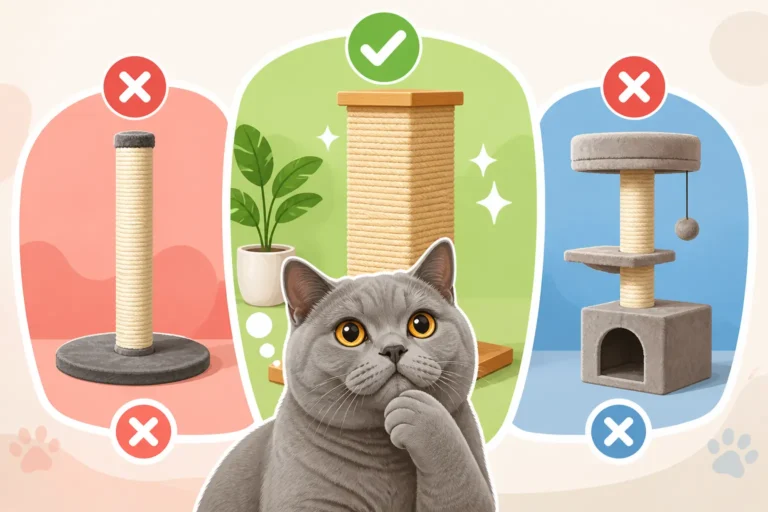
Providing vertical space is particularly important. While British Shorthairs aren't known for being extreme climbers, they do enjoy having elevated spots to survey their territory. A sturdy cat tree that offers multiple platforms and cozy perches is ideal. Which Cat Tree a British Shorthair Uses offers advice on selecting one. Placing it near a window can turn it into a prime observation deck, providing hours of passive entertainment. Even simple shelves mounted on walls can create engaging pathways for them to explore.
Beyond verticality, varied textures, a rotation of toys, and safe spaces to hide or nap can contribute to an enriching environment. Puzzle feeders and interactive toys that dispense treats can make mealtimes more engaging. The goal isn't to turn your British Shorthair into a wild adventurer, but to provide options that allow them to express their natural behaviors and curiosities in a comfortable and stimulating way. A well-designed environment can gently nudge them towards more activity without forcing them out of their comfort zone.
Encouraging Movement in a Reluctant British Shorthair
It’s completely normal for a British Shorthair to be a little less enthusiastic about exercise than some other breeds. Their default setting is often "lounge," but that doesn't mean they can't be encouraged to move! The trick is to make it fun, consistent, and appealing to their particular personality.
Structured Playtime Routines
One of the most effective ways to encourage activity in a British Shorthair is to establish a consistent playtime routine. Cats are creatures of habit, and knowing when to expect play can make them more receptive. Aim for at least two to three dedicated play sessions per day, each lasting about 10-15 minutes. The key here is consistency, even if your cat isn't super enthusiastic at first. They'll often learn to anticipate and even look forward to these times.
Try scheduling these sessions around their natural energy peaks, which often occur in the morning and evening, coinciding with their ancestral hunting times. Playing before meals can also be highly motivating, as it mimics the hunt-and-eat cycle. Once they've "caught" their prey (the toy), they get the reward of food. This natural reinforcement can be very powerful. How to Get a British Shorthair to Play Daily offers more strategies for building this habit.
Don't get discouraged if your British Shorthair doesn't immediately become a champion player. Start with short sessions, and gradually increase the length as their stamina and interest grow. The goal isn't to exhaust them, but to provide regular, stimulating bursts of activity. Over time, you'll likely notice an improvement in their willingness to engage and their overall energy levels.
Enticing Toys and Play Styles
Since British Shorthairs are typically not the most active, finding toys that genuinely capture their interest is vital. What works for one cat might not work for another, so be prepared to experiment. As mentioned earlier, wand toys that mimic small prey are often a huge hit. Look for those with feathers, crinkly materials, or soft animal shapes on the end. The movement and "flight" of these toys can tap into their hunting instincts beautifully. Many excellent options are available on Amazon.
Interactive toys that move on their own, like robotic mice or automated feather teasers, can also be useful for solo play, especially if you're busy. However, don't let these replace one-on-one sessions; your interaction is invaluable. Puzzle feeders, as previously discussed, are excellent for mental engagement. Fill them with a few kibbles or healthy treats and let your British Shorthair work to get them out. This engages their brain and provides a subtle form of physical activity.
Remember to rotate toys regularly to keep things fresh. Cats can get bored with the same old objects, so putting some toys away for a few weeks and then reintroducing them can make them seem new and exciting again. Observe your cat's preferences: do they prefer toys that roll, fly, or hide? Do they like soft textures or crinkly sounds? Tailoring your toy selection to their individual tastes will greatly increase your success in getting them to play.
Incorporating Movement into Daily Life
Beyond dedicated playtime, there are clever ways to encourage more incidental movement throughout your British Shorthair's day. These subtle changes can add up, helping them burn a few extra calories and keep their minds active without them even realizing they're "exercising." Getting a Low Energy British Shorthair to Move explores many of these tactics.
Consider making your cat "work" for their food. Instead of placing their bowl in the same easy-to-reach spot every day, try moving it. Place it at the top of a short cat tree, or on a sturdy chair, so they have to jump or climb a little to get to it. For their dry food, consider scattering a portion across a clean floor, or hiding small amounts in different rooms. This turns eating into a scavenger hunt, engaging their natural foraging instincts and encouraging them to move more.
Even short, positive training sessions can be a great way to incorporate movement and mental stimulation. British Shorthairs are intelligent and can absolutely learn tricks. Which Tricks a British Shorthair Can Learn outlines some possibilities. Teaching them to "come," "sit," or even "high five" can be a fun way to engage their minds and bodies. Use small, healthy treats as rewards to keep them motivated. These mini-sessions, lasting just a few minutes, can break up their lounging time and provide valuable interaction.
The Connection Between Activity and Overall Well-being
It might seem like a small thing to encourage a calm cat to move a little more, but the benefits of consistent, appropriate activity for a British Shorthair are profound. It's not just about burning calories; it's about supporting every aspect of their physical and mental health.
Preventing Obesity and Related Health Issues
For British Shorthairs, maintaining a healthy weight is arguably the single most important factor for their long-term health. Their naturally quiet demeanor and love for food make them incredibly susceptible to weight gain. Regular activity, even in short bursts, is a critical component of weight management. Why a British Shorthair Gains Weight So Easily highlights how easily they can put on pounds.
Obesity in cats, just like in humans, can lead to a cascade of serious health problems. It significantly increases the risk of developing diabetes, which can be a challenging and expensive condition to manage. It also exacerbates joint problems, such as arthritis, making movement even more painful and difficult for your cat. What Obesity Does to a British Shorthair's Joints details these issues. An overweight British Shorthair is also more prone to liver issues, urinary problems, and even certain types of cancer.
By actively encouraging your British Shorthair to play and move, you're not just helping them stay trim; you're proactively safeguarding them against a host of debilitating diseases. It's an investment in their health that pays dividends in comfort, vitality, and potentially, a longer lifespan. Portion control through diet is crucial, but activity is the indispensable partner in the fight against feline obesity.
Mental Health and Behavioral Benefits
A common misconception is that calm cats don't need much mental stimulation. While they might not be tearing up your house out of boredom like some hyperactive breeds, a lack of engagement can still take a toll on a British Shorthair's mental health. Boredom can manifest in subtle ways, such as excessive sleeping, overeating, or even minor behavioral issues like inappropriate urination or increased anxiety.
Regular playtime and environmental enrichment provide vital mental stimulation, keeping their intelligent minds sharp and engaged. The "hunt, chase, capture" cycle of play is not just physical; it's deeply satisfying psychologically, tapping into their innate predatory instincts. When a British Shorthair feels successful in their "hunt," it boosts their confidence and contentment.
Furthermore, interactive play strengthens the bond between you and your cat. These shared moments build trust and affection, solidifying their place as a cherished member of the family. A British Shorthair might not be a "lap cat" in the traditional sense, as explored in How Much of a Lap Cat a British Shorthair Is, but consistent positive interaction through play fosters a deep emotional connection, reducing stress and promoting overall well-being.
Longevity and Quality of Life
Ultimately, encouraging appropriate activity in your British Shorthair contributes significantly to their longevity and, perhaps even more importantly, their quality of life. A cat that maintains a healthy weight and stays physically and mentally engaged is more likely to live a full, happy life, reaching the upper end of their breed's average lifespan. The Twelve to Seventeen Years a British Shorthair Gets is a great goal for these wonderful companions.
A British Shorthair that is regularly active will have stronger muscles, healthier joints, and a more robust cardiovascular system. This translates into less pain as they age, more energy for daily activities, and a greater ability to enjoy their surroundings. They'll be more agile, more alert, and less prone to the chronic diseases that can plague sedentary, overweight cats.
It’s about more than just adding years; it's about adding life to those years. A British Shorthair who is encouraged to move, play, and think will be a more vibrant, content companion throughout their entire life. They might be known for their calm and placid nature, but a truly thriving British Shorthair is one who is gently nudged towards an active lifestyle, enriching both their life and yours.
| Life Stage | Typical Activity Level | Play Suggestions | Key Considerations |
|---|---|---|---|
| Kitten (0-1 year) | High energy, playful | Wand toys, interactive toys, climbing, chasing | Establish healthy play habits, early socialization |
| Adult (1-10 years) | Moderate, calm bursts | Short, intense wand play, puzzle feeders, mental games | Prevent obesity, consistent routine, environmental enrichment |
| Senior (10+ years) | Low, gentle movement | Soft toys, gentle wand play, warm beds, easy access | Joint health, regular vet checks, comfort, adaptation |
Disclaimer
This article is for general informational purposes only and does not constitute professional advice. Laws, prices and regulations vary by location and change over time. Consult a qualified professional for guidance on your specific situation.