Whether a British Shorthair Bites When Picked Up
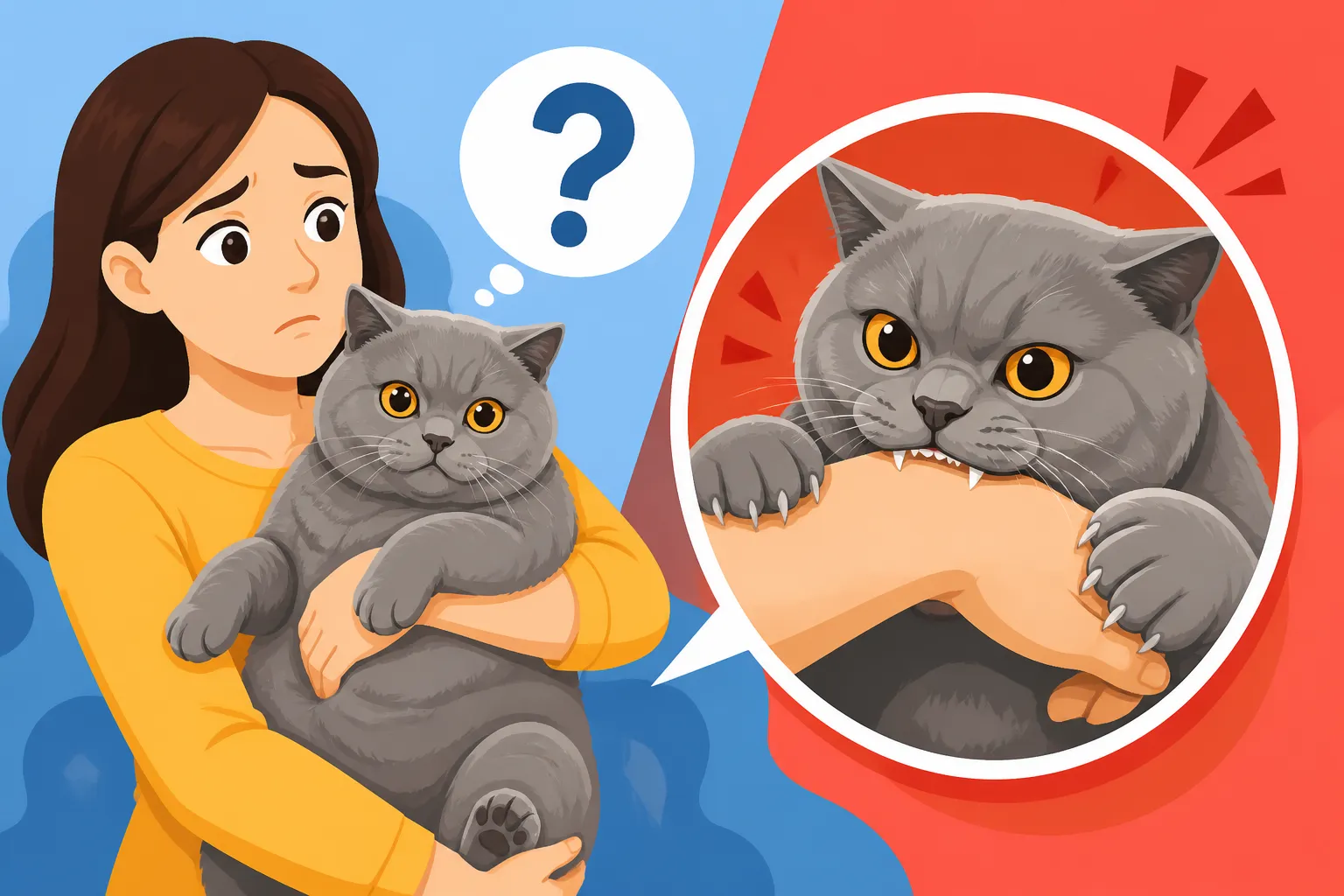
It’s a frustrating moment, isn't it? You adore your fluffy British Shorthair, you want to scoop them up for a loving cuddle, and suddenly, you're met with a sharp nip or even a full-blown bite. It can be disheartening, making you wonder if your beloved companion truly dislikes you or if you’re doing something terribly wrong. This guide aims to unpack why a British Shorthair might bite when picked up, how to understand their signals, and practical steps you can take to make handling a more pleasant, bite-free experience for both of you.
Why Your British Shorthair Might Object to Being Lifted
Let's be honest, British Shorthairs aren't typically known for being enthusiastic lap cats, let alone being eager to be picked up. Their independent and often calm demeanor means they prefer to be near you rather than directly on you, and that preference extends strongly to being lifted. It's not usually a sign of aggression or malice; it's more often a clear communication that they're uncomfortable, feel insecure, or simply don't like the sensation.
Their Innate Independent Nature
Think about the quintessential British Shorthair temperament. They are often described as placid, dignified, and quite self-sufficient. They love their people, but on their own terms. This breed generally falls into the category of cats that enjoy a good stroke or a quiet presence beside them, but might squirm if you try to hold them aloft. It’s part of their charm, really – a quiet confidence that values their personal space. When you try to pick them up, especially if they weren't expecting it or weren't in the mood, it can feel like a sudden invasion of that cherished space. They might see it as being trapped or having their control over a situation removed, which can be unsettling for any animal. This innate independence is a huge factor in A British Shorthair Will Not Be Picked Up, and it’s something we, as their guardians, need to respect.
Physical Discomfort or Insecurity
Another common reason for biting when picked up stems from physical discomfort or a feeling of insecurity. British Shorthairs are robust, "cobby" cats with dense bones and musculature. Their solid build means they need proper support when lifted. If they feel unbalanced, unsupported, or if pressure is inadvertently placed on an uncomfortable spot, their immediate reaction can be to lash out. Imagine being lifted by someone who doesn't quite get a good grip on you – you'd feel precarious and might panic. For a cat, that panic can manifest as a bite or a scratch as they try to regain their footing and escape the perceived danger. It’s not necessarily about pain, but about feeling unsafe. Sometimes, this discomfort can also be related to an underlying health issue. An older British Shorthair with Arthritis in an Older British Shorthair might find being lifted particularly painful, even if you’re trying to be gentle, leading to a defensive bite.
Past Negative Experiences
Cats have long memories, especially when it comes to unpleasant sensations or perceived threats. If your British Shorthair has had a bad experience with being picked up in the past – perhaps a rough handling by a child, an uncomfortable trip in a carrier after being scooped up, or a painful vet visit where they were restrained – they can develop an aversion. Every time you approach to lift them, those past memories might trigger a defensive response. They might associate the act of being picked up with something negative, leading them to warn you off with a bite before the event even happens. It's a learned behavior, an attempt to avoid a repeat of what they found unpleasant. This is a key reason Why a British Shorthair Hates Being Picked Up in many cases.
Understanding Your British Shorthair's Discomfort Signals
The good news is that most British Shorthairs don't go straight for a bite without giving you some warning. They are usually quite clear in their body language, if you know how to read it. Learning these cues is paramount to preventing bites and building trust with your cat. It allows you to back off before the situation escalates.
Subtle Cues: The Feline Language of Displeasure
Before a bite, a British Shorthair will almost always try to communicate their discomfort through a series of subtle, and sometimes not-so-subtle, signals. These can include:
- Tail Language: A tail that’s thumping heavily on the ground, twitching rapidly, or tucked tightly between their legs can indicate irritation or fear. A slowly swishing tail might just be interest, but a fast, low thumping is usually a warning.
- Ear Position: Ears that are flattened sideways ("airplane ears") or pinned back against their head are a classic sign of fear, aggression, or irritation. It's a clear signal that they feel threatened or want you to stop what you're doing.
- Eye Contact: A hard stare, dilated pupils (even in bright light), or rapidly blinking eyes can all signify stress. If they try to avoid eye contact or look away, it could mean they are feeling anxious. For more on this, you might find How to Read a British Shorthair's Face helpful.
- Body Posture: A cat that tenses up, crouches low, or tries to pull away as you reach for them is telling you, "Please don't." Their fur might also appear slightly bristled along their back.
- Vocalizations: While British Shorthairs are generally quiet, a low growl, a hiss, or a quick, sharp meow can be a direct warning. Some cats might also let out a guttural sound or a short "spit" noise just before a bite.
Recognizing these cues is crucial. It’s their way of saying, "I'm not happy, please reconsider." If you ignore these signals, the bite is often their last resort when they feel their other warnings have gone unheeded.
Ignoring Warnings Leads to Escalation
It's a common mistake, often made with the best intentions, to assume a cat will "get over it" if you just hold them for a moment. However, when a British Shorthair is giving you those clear warnings – the flattened ears, the tensed body, the tail thumping – pushing past them can damage your bond and reinforce their belief that biting is the only way to make you listen. Each time they bite and you let go, they learn that biting is an effective strategy to end an undesirable interaction. This creates a cycle that’s hard to break. Instead, when you see those early signs of discomfort, it’s best to immediately stop what you’re doing and give them space. This teaches them that you respect their boundaries and that they don't have to escalate to a bite to get their message across.
Here's a quick reference for interpreting those signals:
| Signal Type | Green Light (Comfort/Tolerating) | Red Light (Discomfort/Warning) |
|---|---|---|
| Tail | Held high, gentle sway, curled around body | Low thumping, rapid swish, tucked, bristled |
| Ears | Forward, slightly to the side (relaxed) | Flattened sideways ("airplane"), pinned back |
| Eyes | Soft gaze, slow blinks, normal pupil size | Hard stare, dilated pupils, darting |
| Body Posture | Relaxed, purring, leaning into touch | Tensed, hunched, stiff, pulling away, bristled |
| Vocalizations | Purrs, soft chirps, quiet trills | Growl, hiss, spit, sharp meow |
Gentle Handling Techniques to Minimize Biting
So, if your British Shorthair isn't keen on being picked up, what can you do to make it a more positive, or at least tolerable, experience? It starts with understanding their physical needs and approaching them with respect and patience.
Supporting Their Sturdy Build Correctly
One of the most common reasons for a British Shorthair to dislike being picked up is improper handling. Their dense, muscular build means they need their full weight supported. Simply grabbing them by the chest or under their armpits leaves their hindquarters dangling, which is incredibly insecure and uncomfortable for them.
The correct way to lift a British Shorthair, if you must, is to use two hands:
- Scoop the Front: Place one hand under their chest, just behind their front legs.
- Support the Rear: Immediately bring your other hand under their hindquarters, supporting their entire back end. This takes the pressure off their belly and ensures their spine is straight and their weight is evenly distributed.
- Hold Close: Bring them gently but firmly against your body, like you're cradling a baby. This makes them feel more secure and less likely to squirm or feel like they're falling.
- Keep It Brief: Unless absolutely necessary, keep the duration of being held short. A quick lift, a few reassuring words, and then gently setting them down can build trust over time.
Remember, the goal isn't necessarily to turn them into a cuddle bug, but to make necessary handling (like for vet visits or moving them from a dangerous spot) as stress-free as possible. For more insights into safe lifting, check out How to Carry a British Shorthair Safely.
Positive Reinforcement and Gradual Acclimation
If you need your British Shorthair to tolerate being picked up, you can gradually acclimate them using positive reinforcement. This is a slow process that requires immense patience, but it can yield results.
- Start Small: Don't go straight for the full lift. Begin by gently stroking your cat while they are relaxed. Offer a high-value treat, like a freeze-dried salmon bite.
- Introduce Touching: When they are comfortable with petting, start gently touching their sides and belly – areas that would be touched during a lift. Pair this with treats. If they show any discomfort, stop immediately.
- The "Pre-Lift" Hold: Once they tolerate being touched, try putting your hands in the "lifting position" (one under the chest, one under the rear) without actually lifting them off the ground. Hold for a second, then release and give a treat. Gradually increase the duration.
- Mini-Lifts: When they’re comfortable with the pre-lift hold, try a tiny lift, just an inch or two off the ground, for a second. Release, treat, and praise. Slowly increase the height and duration, always watching for those discomfort signals.
- Consistency: Everyone in the household needs to use the same gentle technique and positive reinforcement. Consistency is key to building confidence in your cat.
You can find many high-value treats on platforms like Amazon that might motivate your British Shorthair during these training sessions. Some owners also find calming pheromone sprays, also readily available on Amazon, helpful in creating a more relaxed environment for training.
Addressing Persistent Biting and Training
If your British Shorthair's biting when picked up is persistent, aggressive, or seems to come out of nowhere, it's time to investigate further and consider professional guidance. It's never "just how they are" if it's causing distress to either of you.
Ruling Out Medical Issues
Before assuming it's purely behavioral, you absolutely must rule out any underlying medical conditions. A cat that suddenly starts biting when handled, or whose biting has worsened, could be in pain. They might be suffering from:
- Arthritis or joint pain: Common in older cats, especially a sturdy breed like the British Shorthair. Arthritis in an Older British Shorthair can make any pressure on their joints excruciating.
- Back pain: An injury or degenerative issue could make lifting agony.
- Dental pain: If they're biting everything, including you, their teeth or gums might be inflamed or infected. Gingivitis in a British Shorthair is unfortunately common.
- Internal organ discomfort: If you're pressing on a sensitive area.
- Other hidden illnesses: Cats are masters at hiding pain. A British Shorthair might be unwell in other ways and simply not want to be touched. Signs a British Shorthair Is Unwell can sometimes be subtle, making a vet visit even more important.
A comprehensive veterinary check-up, including bloodwork and possibly X-rays, is the first step. Explain exactly when and how the biting occurs. Your vet can assess their physical health and rule out pain as the root cause. This is especially important as How a British Shorthair Hides Pain makes it difficult for owners to spot issues themselves.
Professional Guidance and Behavioral Modification
If your vet confirms there are no underlying medical issues, then it's time to consider behavioral modification with the help of a certified feline behaviorist. They are experts in understanding cat psychology and can help devise a personalized plan.
A behaviorist might recommend strategies such as:
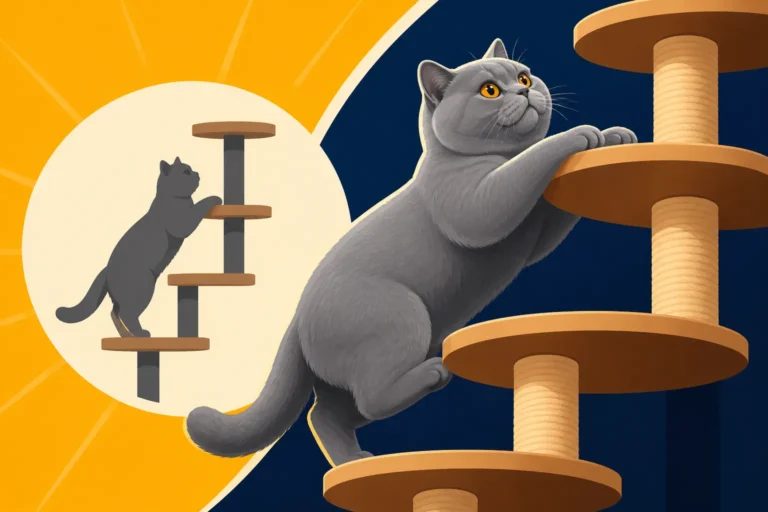
- Environmental Enrichment: Ensuring your British Shorthair has plenty of mental and physical stimulation can reduce stress and redirect energy. This might include puzzle feeders, scheduled playtimes, and tall Which Cat Tree a British Shorthair Uses to satisfy their need for high places, which can reduce instances where you might need to pick them up.
- Desensitization and Counter-Conditioning: This involves slowly exposing your cat to the act of being picked up while associating it with something positive, like treats or praise. This is the more structured version of the positive reinforcement steps mentioned earlier, tailored to your cat's specific reactions.
- Safe Handling Alternatives: If picking up remains a major trigger, a behaviorist can help you find alternatives for necessary situations, such as training your cat to enter a carrier willingly with treats, or using a specialized gentle harness if short-distance transfers are needed.
- Understanding and Managing Triggers: A behaviorist will help you identify all the specific triggers for your cat's biting behavior, not just the act of being picked up. Is it only when you approach from behind? Is it when they’re sleeping? Is it a particular person? Understanding these nuances is crucial.
Remember, patience is key. It took time for your cat to develop this behavior, and it will take time and consistent effort to modify it. Punishing your British Shorthair for biting will only make them more fearful and aggressive, further eroding trust. Focus on understanding, prevention, and positive reinforcement, and you'll slowly but surely build a more harmonious relationship with your beautiful, if somewhat particular, companion.
Disclaimer
This article is for general informational purposes only and does not constitute professional advice. Laws, prices and regulations vary by location and change over time. Consult a qualified professional for guidance on your specific situation.