How to Carry a British Shorthair Safely
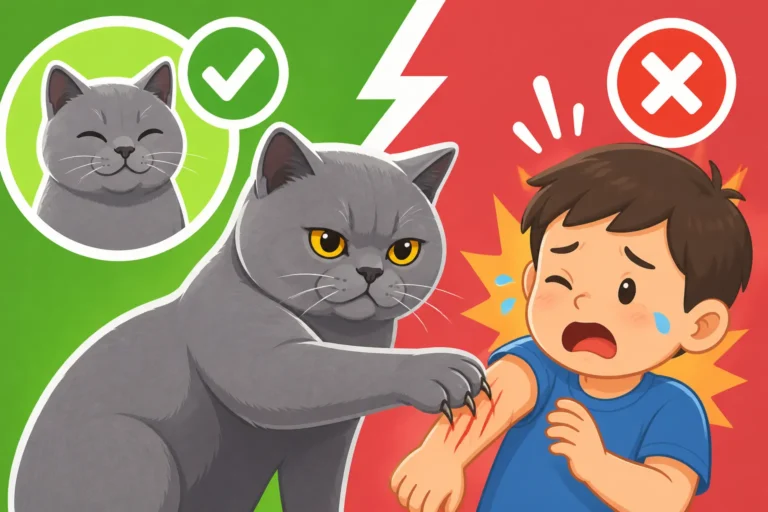
Many British Shorthair owners know the struggle: you go to pick up your beloved chunky companion, and they go stiff, squirm, or outright reject your advances, making it feel like you’re wrestling a furry, solid brick. It's not that they don't love you, but their unique build and independent nature can make handling them a real challenge, leaving you wondering if you're doing it right or even hurting them. This guide will walk you through the safest and most comfortable ways to pick up and carry your British Shorthair, ensuring their well-being and strengthening your bond.
Understanding Your British Shorthair's Unique Physique
Before we even think about lifting, it's crucial to appreciate the British Shorthair's distinctive body type. These aren't your average slender, lithe cats. They are renowned for their "cobby" build – a broad chest, short, strong legs, and a dense, muscular body. This isn't fat; it's pure, solid cat, even when they are at a healthy weight. Their bone structure is substantial, and their musculature is well-developed, giving them a surprising heft for their size. This unique physique is a big reason why they often feel awkward or uncomfortable when lifted incorrectly.
When you pick up a cat with a less substantial build, you might get away with supporting them mostly under their chest. But with a British Shorthair, that just won't do. Their weight isn't distributed in a way that allows for casual, under-the-arm carrying without putting strain on their spine and hips. They need comprehensive support across their entire body to feel secure and prevent injury. Imagine trying to lift a heavy, rigid box by just one corner – it's unstable and likely to strain the box itself. Your British Shorthair needs to feel like a well-supported package, not a floppy sack. This understanding forms the absolute bedrock of safe handling.
Why They Often Dislike Being Picked Up
It’s not personal, truly. Many British Shorthairs, despite their affectionate nature, simply aren't keen on being picked up. Their independent spirit means they often prefer to interact on their own terms, and being lifted can feel like a loss of control. Their solid, compact bodies also make them feel less agile and more vulnerable when their feet are off the ground. A cat's natural instinct is to maintain balance and feel grounded, and an incorrect lift can throw them off, making them feel insecure. This can lead to them tensing up, squirming, or even lashing out with their claws to regain their footing, which is a common frustration for owners.
Furthermore, a lifetime of incorrect or uncomfortable lifts can build up a negative association. If every time they're picked up it feels unstable or puts pressure in the wrong places, they'll learn to anticipate discomfort and actively resist. It's not about being "naughty" or "unfriendly," but a natural response to what they perceive as an insecure situation. Understanding this helps us approach them with patience and gentleness, aiming to rebuild trust through correct handling. To really delve into this, you might find Why a British Shorthair Hates Being Picked Up an interesting read.
The Art of the Proper Lift: Building Trust and Security
Approaching your British Shorthair with respect and intention is the first step to a successful lift. Rushing in, grabbing them from behind, or startling them will almost guarantee resistance. Instead, make your approach slow and visible. Speak to them softly, use their name, and offer a gentle stroke on their head or cheek, an area many British Shorthairs appreciate. The goal is to signal your intentions and let them know you're not about to pounce, but rather invite them into a comfortable interaction. This initial interaction is crucial for establishing trust and making them feel safe before any physical contact.
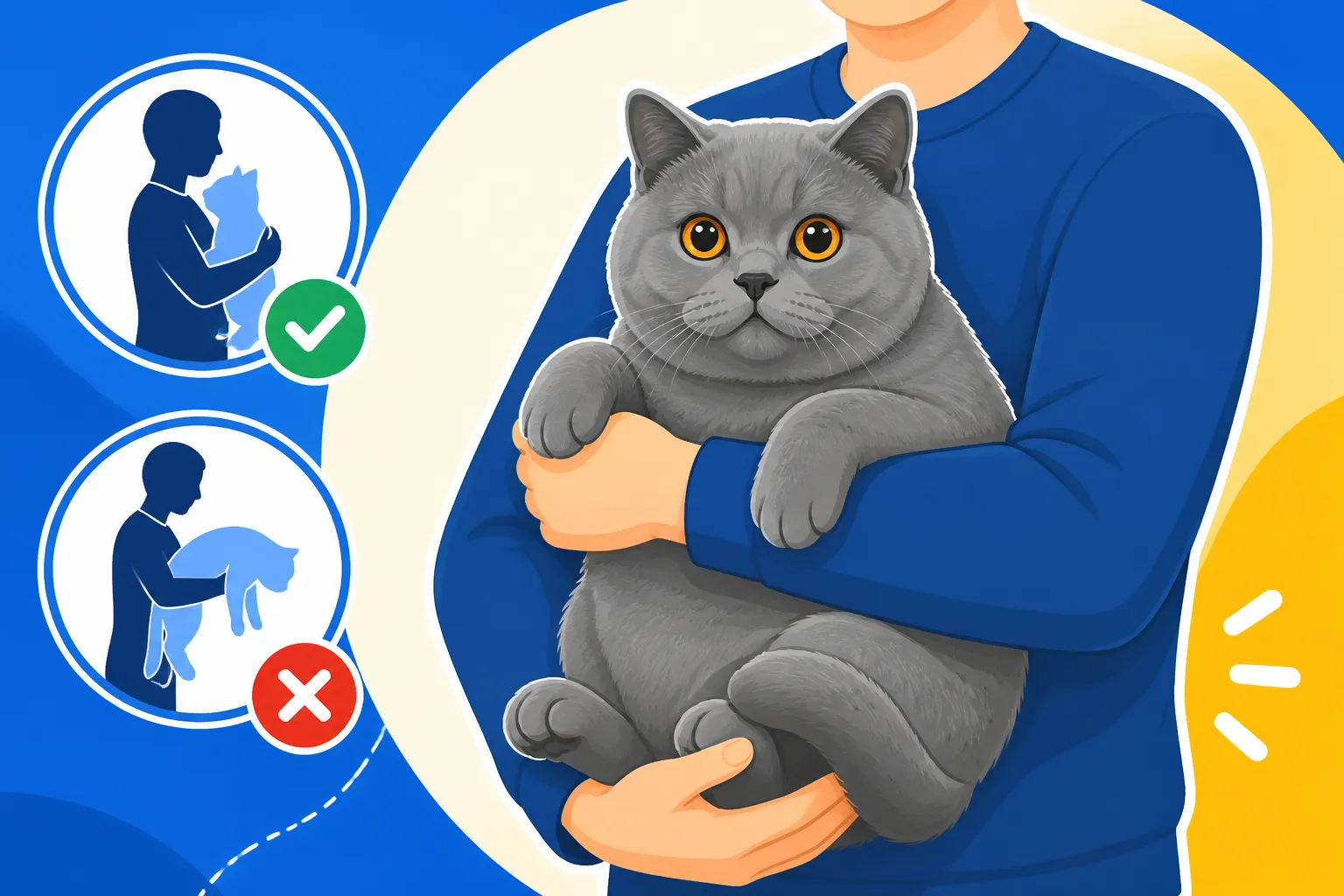
Once they acknowledge your presence and seem relaxed, you can gently place one hand under their chest, just behind their front legs. This hand provides the initial lift and support for their upper body. The key, however, is the second hand. This hand is absolutely vital for distributing their weight and making them feel secure. Without proper distribution, all that solid British Shorthair weight will pull on their unsupported areas, causing discomfort and distrust.
Full Body Support is Non-Negotiable
This is where many well-meaning owners go wrong. You cannot just scoop a British Shorthair like a smaller, lighter cat. Their cobby build demands that you support their entire body, from chest to hindquarters. As you lift them with your first hand under their chest, immediately bring your second hand to support their hindquarters and lower body. Your hands should essentially form a solid "shelf" that cradles their entire torso. This ensures their spine is straight, their weight is evenly distributed, and no undue pressure is placed on their abdomen or hips. Think of it like supporting a baby; you wouldn't let their head or bottom dangle.
With both hands providing firm, gentle support, lift them smoothly and steadily. Avoid jerky movements or sudden shifts. The goal is a seamless transition from the floor (or wherever they are) into your arms. Once lifted, bring them close to your body. This closeness provides an additional layer of security and minimizes the feeling of being suspended in mid-air. They can often rest their paws on your shoulder or arm, which further helps them feel stable and in control. A British Shorthair that feels secure is far less likely to squirm or resist, making the experience positive for both of you.
Carrying Techniques for Different Needs
Once you have your British Shorthair safely in your arms, there are a few ways to hold them depending on the situation. The fundamental rule of full body support always applies, but the exact positioning can vary.
The "Cradle Hold" for Comfort and Short Distances
For general carrying around the house, a short trip to another room, or just a quick cuddle, the cradle hold is often the most comfortable. With your British Shorthair securely supported as described above, bring them close to your chest. One arm should be supporting their hindquarters, wrapping around their bottom and part of their back legs. Your other arm can cradle their chest and front legs, allowing their head to rest gently in the crook of your elbow or against your shoulder. This position mimics the security of being held by a parent and allows them to feel tucked in and safe.
In this hold, their paws often rest on your arm or shoulder, giving them a sense of grounding and control. You can gently stroke their head or back to reassure them. This is the ideal position for when you want to bond or move them without causing stress. It also provides easy access for them to look around, which can be reassuring. Just remember to keep them close to your body; don't let them hang away from you, as this will quickly undo all your careful lifting.
The "Football Hold" for Secure Transport
Sometimes, you need to transport your British Shorthair more securely, perhaps to get them into a carrier for a vet visit or to move them through a busy area. This is where the "football hold" can be useful. Again, start with the proper two-handed lift. Once they are in your arms, tuck their body securely along one of your forearms, with their head facing away from your body and their hindquarters supported by your hand at the crook of your arm. Your other hand is free to help guide them, open doors, or gently restrain them if they try to squirm.
This hold keeps them compact and prevents them from twisting out of your grasp. It also makes them feel less exposed than dangling by their chest or front paws. It's particularly effective for short, purposeful transfers. If you're going to the vet, ensure your British Shorthair feels as secure as possible, whether in your arms or in a sturdy carrier. For long journeys, a robust carrier is a must, and many excellent, secure options are available on platforms like Amazon that prioritize your pet's comfort and safety. Considering the need for secure transport, you might want to read How to Get a British Shorthair Into a Carrier.
When Your British Shorthair is Unwell or Injured
If your British Shorthair is feeling under the weather, recovering from surgery, or potentially injured, carrying them requires even greater care and sensitivity. Their pain tolerance and ability to hide discomfort mean you might not immediately realize how much they are hurting. In these situations, avoid putting any pressure on potentially sensitive areas. Use the full body support method, but be even gentler and more deliberate with your movements. It's often best to support them low to the ground, perhaps by sliding a towel or blanket under them and lifting them gently as a unit, creating a makeshift stretcher.
For longer distances or if they are truly incapacitated, a pet carrier is your best friend. Look for one with a top-opening option so you can gently lower them in rather than trying to push them through a front door. If you're struggling, don't hesitate to ask your vet or vet tech for assistance; they are experienced in handling cats in distress and can show you the best way to move your specific pet. Always prioritize minimal movement and maximum support to prevent further injury or discomfort.
| Carrying Technique | Best Use Case | Key Advantages | Considerations |
|---|---|---|---|
| Cradle Hold | Short distances, gentle cuddles, bonding | High comfort for cat, allows for reassurance | Requires full body support, less secure for squirmers |
| Football Hold | Secure transport (e.g., to carrier), quick transfers | Very secure, compact, frees one hand | Cat's head faces away, might feel less 'connected' |
| Two-Handed Lift (General) | Initial lift for any carry | Foundational for all safe lifts, distributes weight | Must be smooth and deliberate to avoid startling |
| Towel/Blanket Lift | Unwell, injured, post-surgery cats | Minimizes direct pressure, creates gentle "stretcher" | Requires a second person for optimal control if cat is large |
Common Mistakes and How to Avoid Them
Even with the best intentions, it's easy to make mistakes when carrying a British Shorthair. Their particular build and temperament mean that techniques that might work for other cats simply won't cut it. Identifying and correcting these common errors will make a huge difference in your cat's comfort and your ability to handle them confidently.
Dangling Legs and Unsupported Hindquarters
This is probably the most common mistake. Many people scoop a cat under its armpits, leaving its entire lower body to dangle freely. For a British Shorthair, with their solid build, this is incredibly uncomfortable and potentially harmful. All their weight pulls down on their spine and front limbs, creating strain and insecurity. Imagine being lifted by your armpits with your legs just flopping – it’s not pleasant. Your cat feels the same, if not more intensely, due to their natural instinct for stability.
Correction: Always, always, always support their hindquarters. Your second hand must be a solid shelf under their bottom and back legs. When you lift, your goal is to make their body feel like it's resting on a flat surface, not hanging. This distributes their weight properly and keeps their spine aligned, instantly making them feel more secure.
The "Scruff" Hold
While scruffing (grabbing the loose skin at the back of the neck) can be used by mothers to carry kittens, and sometimes by vets for quick procedures, it is generally not recommended for adult British Shorthairs for routine handling. An adult British Shorthair is too heavy to be comfortably or safely supported by the scruff alone. Doing so can cause pain, muscle strain, and even skin damage. It's also an act that can instill fear and distrust, as it mimics a predatory grip or a disciplinary action rather than a loving interaction.
Correction: Completely avoid scruffing your adult British Shorthair for carrying. Rely on the full body support methods discussed earlier. If a vet needs to scruff your cat for a medical procedure, they are trained to do so safely and sparingly, understanding the risks. For general handling, gentleness and full physical support are paramount.
Sudden Movements and Lack of Reassurance
Cats are creatures of habit and routine, and they generally dislike sudden, unpredictable actions. A quick grab or a sudden lift without warning can trigger their fight-or-flight response, making them tense, defensive, and ready to squirm free. This is especially true for British Shorthairs, who value their calm and predictable environment. Coupled with a lack of verbal reassurance, a sudden lift can be a very negative experience.
Correction: Always approach your British Shorthair calmly and deliberately. Speak to them in a soothing voice. Offer a gentle stroke or head rub before you attempt to lift. Maintain eye contact (if they are comfortable with it) or simply ensure they see you coming. During the lift and while carrying, continue to speak softly to them, using reassuring words. Bring them close to your body to make them feel safe and contained. Remember, the goal is to make them feel as if they are actively participating in a positive interaction, not being ambushed. This builds positive associations, making future lifts easier and more pleasant. Understanding how a British Shorthair Behaves at the Vet can help you prepare for situations where carrying is necessary.
Preparing for Carries: Carriers and Training
While learning to carry your British Shorthair safely is essential for immediate needs, sometimes you need more than just your arms. For longer trips, vet visits, or any situation outside the home, a secure and comfortable carrier is indispensable.
Choosing the Right Carrier
A British Shorthair needs a carrier that is appropriately sized for their substantial build. Too small, and they'll be cramped and stressed. Too large, and they might feel insecure and get jostled around. Look for a carrier that allows them to stand up, turn around, and lie down comfortably. Rigid carriers, often made of sturdy plastic, are generally preferred over soft-sided ones, as they offer better protection and stability. A top-opening door is a huge plus, as it allows for easier placement and removal of your British Shorthair without forcing them. Many excellent, durable carriers can be found on retailers like Amazon, offering different features and sizes to suit your cat's needs.
Consider features like good ventilation, a comfortable mat or bedding inside, and secure latches. The carrier should also be easy to clean. Introducing the carrier as a safe, positive space before you need to use it for a trip can significantly reduce stress. Leave it out in the home with a soft blanket and some treats, allowing your cat to explore it on their own terms. This proactive approach turns a potentially scary experience into a familiar one.
Harness Training and Leash Walking (Optional)
While not directly about carrying, harness training can be a valuable tool for some British Shorthair owners who want to offer their cats supervised outdoor enrichment or a way to move them more safely in certain situations. A well-fitting harness distributes pressure across their chest and shoulders, rather than their neck, and provides a secure way to guide them. This can be especially useful for cats who truly despise being picked up but need to be moved for things like grooming or veterinary exams where a carrier isn't feasible for a brief moment.
However, British Shorthairs are generally not known for their enthusiasm for leash walking. They are more likely to prefer watching the world from a secure vantage point than actively exploring on a leash. If you choose to try harness training, start slowly, with positive reinforcement (treats!), and only for short periods in a safe, quiet environment. Never use a harness as a substitute for a secure carrier for transportation. If you're curious about this, you might find How to Leash Train a British Shorthair an interesting read.
Special Considerations for Older British Shorthairs
As our beloved British Shorthairs age, their needs change, and so too should our approach to carrying them. An older cat might have arthritis, stiff joints, or other age-related discomforts that make being lifted painful if not done correctly. Arthritis in an Older British Shorthair is a real concern, and even a slight twist or unsupported motion can cause significant pain.
When carrying an older British Shorthair, extreme gentleness is paramount. Ensure you provide even more meticulous full-body support, paying close attention to their hips and spine. Avoid any twisting motions or sudden pressure points. If they seem to resist or vocalize during a lift, stop and reassess your technique. It might be that they need a lower entry point into a carrier, or a ramp to access elevated resting spots rather than being lifted. Consider supporting them on a stable, flat surface, like a thick cushion or small pet bed, and lifting the entire unit gently, minimizing direct handling of their body. Always watch for signs of discomfort or pain, such as tensing, hissing, or tail lashing, and adjust your approach accordingly. Their comfort and well-being should always be your top priority.
Disclaimer
This article is for general informational purposes only and does not constitute professional advice. Laws, prices and regulations vary by location and change over time. Consult a qualified professional for guidance on your specific situation.