A British Shorthair Will Not Be Picked Up
Ah, the British Shorthair! That delightful, plush teddy bear of a cat with those captivating round eyes. It's completely understandable to imagine them as the ultimate cuddle companions, just waiting to be scooped up and smothered with affection. Yet, so many of us find ourselves met with a swift escape, a sudden squirm, or even a direct "no" when we try to lift our beloved British Shorthairs. This guide is here to shed light on why your British Shorthair might not be a fan of being picked up, and how you can still build a truly loving, respectful relationship that honors their unique preferences.
The British Shorthair's Unique Physicality and Independent Nature
British Shorthairs are magnificent creatures, instantly recognizable by their distinct appearance and serene demeanor. However, these very traits often dictate their preference for how they interact with the world – and with us. Understanding their physical build and historical temperament is key to deciphering why they might not be the "pick-me-up" type.
Their Cobby Build and Grounded Preference
The term "cobby" is often used to describe the British Shorthair's build, and it's a perfect descriptor. These are not delicate, ethereal felines; they are stout, muscular, and surprisingly heavy for their size. Their bodies are compact, their legs are strong and relatively short, and they carry a significant amount of weight in a dense, powerful frame. This robust physique means they are inherently built for stability and have a low center of gravity.
Imagine trying to lift a small but incredibly dense brick – it's solid, unyielding, and feels most comfortable when firmly resting on a surface. Your British Shorthair, with its cobby build, experiences something similar. When you attempt to hoist them upwards, their natural instinct is to brace themselves, to resist being removed from their stable, grounded position. This isn't a sign of aggression or a personal affront; it's a physical response to what feels like an unstable and potentially insecure situation. They prefer to have all four paws securely planted, giving them a sense of control and balance.
This grounded preference isn't just about their weight; it’s about their whole bearing. British Shorthairs exude an air of calm confidence. They enjoy observing their surroundings from a comfortable, low-to-the-ground vantage point. Being suddenly elevated can disrupt this sense of serenity and control, making them feel disoriented or even vulnerable. They are simply not designed for aerial acrobatics or prolonged stints in your arms; they are designed for dignified lounging and thoughtful observation from the floor or a low piece of furniture. It’s an integral part of What a British Shorthair's Temperament Is Really Like.
A History of Independence, Not Constant Closeness
Delving into the history of the British Shorthair reveals a lineage that, while now deeply beloved and domesticated, was originally rooted in practicality and self-sufficiency. These cats weren't selectively bred to be ornamental lap companions; their ancestors were hardy working cats, prized for their prowess as rodent catchers in barns and homes across Britain. They were valued for their independence and their ability to keep premises clear of pests, rather than for their willingness to be constantly held.
This heritage instilled a deep-seated sense of independence in the breed. While they absolutely adore their human families and form strong, affectionate bonds, this connection often manifests as a quiet, companionable presence rather than a need for constant physical contact. They are content to share your space, to follow you from room to room, and to settle nearby, but they rarely demand to be physically attached to you. Their love is a steady, reassuring presence, not an insistent demand for cuddles.
For many British Shorthair owners, this means appreciating a cat that enjoys being in the same room, perhaps curled up on a nearby armchair or stretched out at the foot of the bed. They are often described as "velcro" cats in the sense that they want to be close, but not necessarily "on" you. This quiet, self-assured companionship is a hallmark of the breed, a subtle testament to their enduring trust and affection. They thrive on routine and predictability, and their calm, self-possessed nature means they don't generally require constant human intervention or validation.
Deciphering the British Shorthair's Affection Language
If your British Shorthair isn't a fan of being picked up, it's easy to mistakenly assume they aren't affectionate. However, nothing could be further from the truth! British Shorthairs are deeply loving cats; they simply express their affection in a unique and often subtle way that aligns with their independent nature.
The Art of the 'Near You, Not On You' Cuddle
When it comes to physical closeness, many British Shorthairs have mastered the art of the "near you, not on you" cuddle. If you're envisioning a cat that will curl up on your lap for hours on end, you might be in for a delightful surprise with a British Shorthair, as their preferred mode of closeness often involves sharing your space rather than occupying your person. They are experts at finding the perfect adjacent spot: the cushion next to yours on the sofa, a warm blanket at the foot of your bed, or even a sunbeam on the floor just within petting distance.
This chosen proximity is a profound declaration of their trust and contentment. By opting to settle nearby, they are silently communicating that they feel safe, cherished, and deeply connected to you. It's their way of saying, "I want to be part of your world, to feel your presence, and to share this moment with you," without compromising their sense of autonomy or their preference for solid ground. Many owners find this quiet companionship incredibly soothing and rewarding, a testament to the deep bond they share. There's even a whole article on A British Shorthair Sits Near You, Not On You that goes into this in more detail.
This isn't aloofness; it’s a distinct style of bonding. British Shorthairs are typically observant and intelligent, enjoying the rhythm of family life from their chosen, comfortable perch. Their consistent, calm presence is a gift in itself, offering a steady source of comfort without the demands of constant physical interaction. Learning to appreciate this form of affection allows you to celebrate their unique personality and strengthen your connection on their terms.
Subtle Signals of Love and Connection
Beyond their preferred physical distance, British Shorthairs have a rich lexicon of subtle behaviors that communicate their affection and contentment. These aren't always grand gestures, but rather nuanced signals that, once you learn to recognize them, speak volumes about their feelings for you.
One of the most classic "cat kisses" is the slow blink. When your British Shorthair looks at you, slowly closes their eyes, and then opens them again, they are signaling deep trust and relaxation. It’s an invitation for a reciprocal slow blink from you, which often strengthens the bond. Another common display is head bunting or cheek rubbing. When they gently bump their head against your leg, hand, or even your face, or rub their cheeks against furniture (and you!), they are depositing their scent. This action is a powerful sign of inclusion, marking you as part of their accepted social group and expressing their comfort and belonging. They might also engage in gentle kneading, often on a soft blanket or your lap, a behavior that harks back to kittenhood and signifies extreme contentment and safety.
You'll also notice their purr, which, for a British Shorthair, is often a deep, resonant rumble that you might feel before you distinctly hear it. This soft, consistent vibration is a clear indicator of their happiness and relaxation, especially when they are receiving gentle pets or simply resting peacefully nearby. A soft nudge with their head, a gentle brush of their tail against your leg as they walk past, or a brief, satisfied stretch in your presence are all understated yet meaningful ways they express their bond. Paying attention to these subtle cues, as outlined in How a British Shorthair Shows Affection, will reveal the depth of their love and appreciation.
Why Being Picked Up Can Feel Unsettling to a British Shorthair
It’s crucial to understand that a British Shorthair’s reluctance to be picked up isn't typically a rejection of your love, but rather an instinctual reaction to the act itself. Several factors contribute to why being lifted off the ground can feel unsettling or even unpleasant for them.
Loss of Control and a Sense of Vulnerability
For any feline, being lifted off the ground can trigger a primal sense of vulnerability. Cats, by their very nature, are both predators and prey in the wild. This dual role has hardwired them to feel safest and most secure when they have full control over their movements, with all four paws firmly planted and an immediate escape route readily available. When they are picked up, this control is temporarily taken away, leaving them feeling exposed and unable to react quickly if they perceive any threat.
The calm and collected demeanor of a British Shorthair often means they value this sense of control even more. Sudden, unexpected movements, especially those that involve being hoisted into the air, can be startling and disorienting. Their immediate reaction might be to squirm and try to regain their footing, not because they are being difficult, but because their instincts are screaming "loss of autonomy!" They may feel momentarily trapped, and this feeling, however brief, can be genuinely unsettling for them.
It's important to remember that this instinctual reaction isn't a judgment of your intentions or a sign that they don't trust you. They likely trust you implicitly when you're on the ground, sharing space and offering gentle pets. However, the physical act of being picked up can temporarily override that learned trust, triggering a deep-seated survival mechanism. Respecting this innate need for control is a fundamental part of building a strong, secure bond with your British Shorthair.
Discomfort and Insecurity When Held Improperly
Beyond the instinctual loss of control, the way a British Shorthair is picked up plays a huge role in their comfort levels. Many people, out of habit or simply not knowing better, will scoop a cat up under their armpits, leaving their hindquarters dangling. For a cat, particularly one with the substantial, muscular build of a British Shorthair, this can be genuinely uncomfortable, unstable, and even painful.
Imagine being lifted with all your weight concentrated on your upper body, with your legs flailing unsupported. You would instinctively struggle to regain your balance and feel secure. Cats experience something similar. Their spine, hips, and joints can be strained by an unsupported lift, leading to feelings of insecurity and potential physical discomfort. A wobbly or unstable hold will almost always result in frantic wriggling and an immediate attempt to escape, as the cat tries to stabilize itself.
Even if you think you're holding them correctly, the sensation of being constrained might simply be something your British Shorthair dislikes. Their dense, plush coat can make them feel warm when pressed close, or they might just prefer the freedom of movement that comes with being on their own four feet. It's essential to distinguish between a cat that is physically uncomfortable due to improper handling and one that simply has a general aversion to being held, even when done perfectly. The former can be rectified with better technique; the latter requires understanding and respecting their personal preference.
Gentle Techniques for Approaching and Handling Your British Shorthair
While many British Shorthairs prefer not to be picked up, there are situations when it's necessary – for vet visits, nail trims, or simply moving them out of harm's way. Learning to approach and handle them gently, with respect for their boundaries, can make these moments far less stressful for both of you.
Approaching With Respect and Clear Signals
The foundation for any successful interaction with a British Shorthair, especially one that might involve handling, is a respectful and predictable approach. Always start by speaking to your cat in a soft, reassuring tone. Announce your presence and intentions, even if they seem to ignore you. A calm voice can work wonders in reassuring them. Then, offer a hand for them to sniff or rub against. Allow them to initiate contact, giving them a sense of control over the interaction. If they lean into your hand or offer a head-bunt, it’s a good sign they are receptive to further interaction.
Never, ever corner your British Shorthair or chase them down to pick them up. This will only reinforce their aversion to handling, creating a negative association and eroding the trust you've worked so hard to build. Instead, be patient. Wait for moments when they are already relaxed and receptive, perhaps when they are dozing on a low piece of furniture, basking in a sunbeam, or enjoying a quiet moment. These are the prime opportunities for gentle interaction.
Paying close attention to their body language is paramount. A relaxed cat will have soft, almond-shaped eyes, ears pointed forward (or slightly rotated to the side in a relaxed manner), and a loose, un-tensed posture. If you see signs of anxiety – flattened ears, a tucked tail, dilated pupils, a tense body, or rapid tail twitching – it's a clear signal to respect their space and back off. Knowing How to Read a British Shorthair's Face can give you invaluable insights into their mood and willingness to be handled. Forcing an interaction when they're showing signs of stress will only make future attempts more difficult.
The Art of the Supportive Scoop
If your British Shorthair does tolerate being picked up, even for a brief moment, the technique you use is absolutely critical for their comfort and security. The most supportive and least threatening way to lift a cat, especially a substantial one like a British Shorthair, is with a full-body scoop. Start by placing one hand under their chest, just behind their front legs. Simultaneously, use your other hand to fully support their entire hindquarters and back legs, essentially creating a solid platform beneath their whole body.
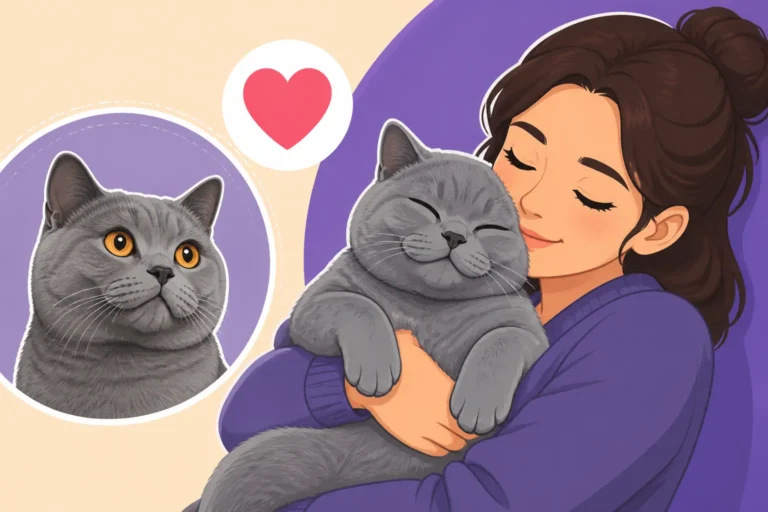
Lift smoothly and gently, bringing them close to your body. This closeness provides additional security and makes them feel less exposed. Avoid letting their legs dangle or allowing their weight to shift unevenly. The goal is to make them feel as balanced and secure as possible, as if they are still on a stable surface, just a higher one. Maintain a calm demeanor and continue to speak to them in a soft, reassuring voice throughout the lift. Some British Shorthairs, particularly those who have been accustomed to gentle handling from kittenhood, might tolerate being held briefly in this secure manner, especially if they are leaning into you.
The moment they show any sign of discomfort – a squirm, a tense body, or an attempt to push away – gently and immediately lower them back down. Forcing them to remain in your arms when they clearly want down will only create a negative association and make them more resistant next time. The objective here is a brief, positive interaction, not a prolonged cuddle session if they're not amenable. Over time, consistent, short, and positive experiences might incrementally increase their tolerance for being held, but always prioritize their comfort and never push their boundaries. It's a key part of understanding How to Carry a British Shorthair Safely.
Fostering Trust and Respecting Your Cat's Boundaries
Building a deep, loving relationship with a British Shorthair isn't about molding them to your ideal of affection, but rather about meeting them where they are. This means fostering trust and, crucially, respecting their unique boundaries.
Building a Foundation of Trust Through Positive Reinforcement
The bedrock of any strong bond with a British Shorthair is unwavering trust. This means consistently demonstrating that you are a safe, predictable, and respectful presence in their lives. Never force physical interactions, especially if they show clear signs of reluctance. Instead, use positive reinforcement to reward any willing engagement. When they choose to approach you, rub against you, or even tolerate a brief, gentle pet, offer them a small, high-value treat, soft praise, or a moment with their favorite interactive toy.
If you attempt to pick them up and they resist, gently lower them immediately without any fuss or scolding. Your calm acceptance of their "no" teaches them that you understand and respect their preferences, which, paradoxically, makes them more likely to seek out interaction on their own terms. This consistent validation of their autonomy builds a deep, enduring sense of security and trust between you. They learn that you are a reliable source of comfort and not a threat to their independence.
Establishing predictable routines also greatly contributes to their sense of security. Regular mealtimes, consistent play sessions, and scheduled moments of quiet companionship create a reliable rhythm to their day. A British Shorthair that feels secure in their environment and understood by their human is far more likely to be relaxed, confident, and open to engaging with you, even if it's not always on your lap. This stable foundation allows their affectionate nature to blossom naturally.
Recognizing and Honoring Their 'No'
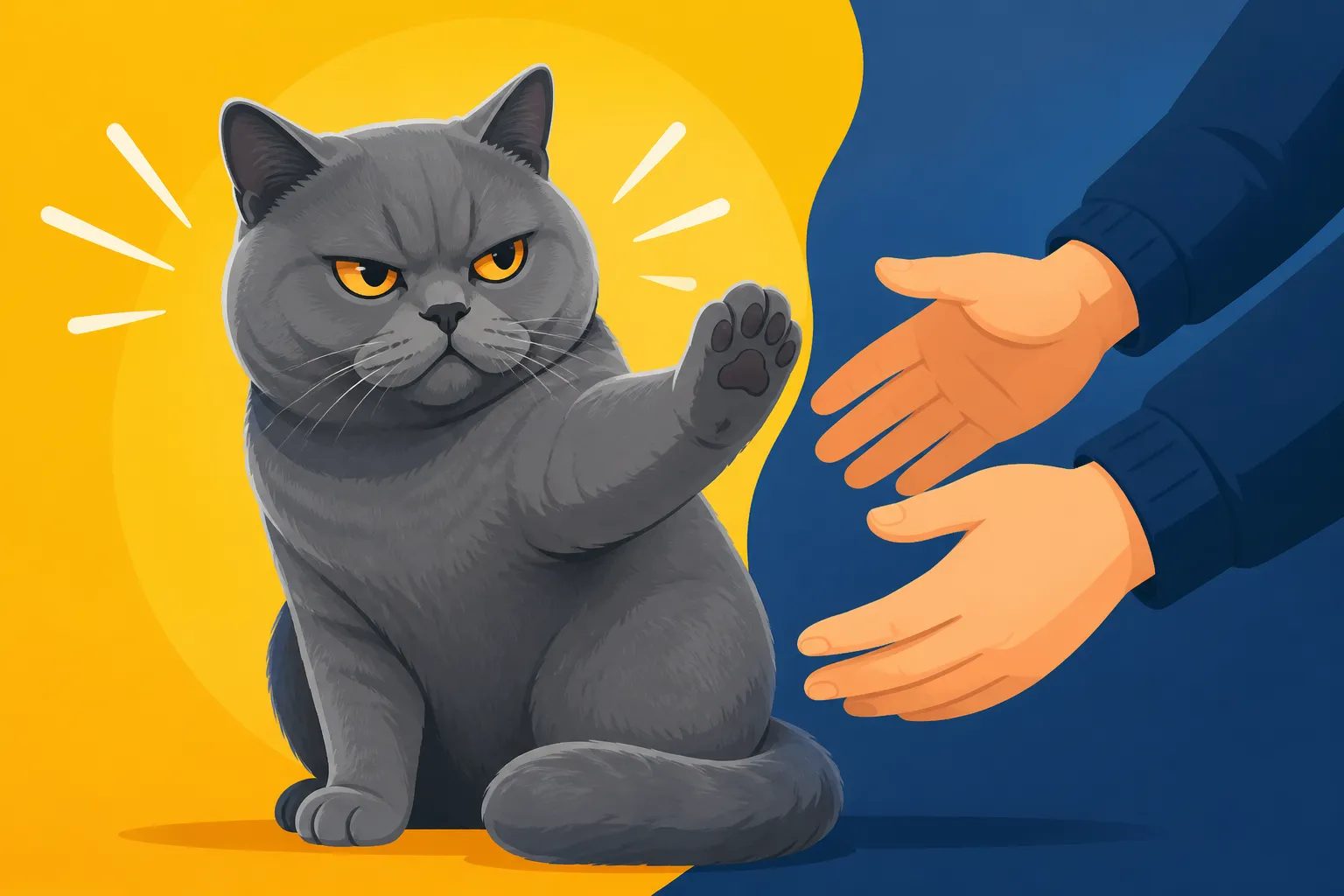
Perhaps the most important lesson in coexisting harmoniously with a British Shorthair is learning to recognize and honor their "no." Cats communicate their discomfort and boundaries clearly, though often subtly. If your British Shorthair pulls away, flattens their ears, swishes their tail agitatedly, or attempts to escape, these are unambiguous signals that they are not comfortable with the current interaction. Pushing past these signals, no matter how well-intentioned, is counterproductive and actively damages the trust you've worked so hard to build.
It can be tough, especially when your heart aches to cuddle your adorable, plush cat. However, it's essential to understand that their "no" is not a personal rejection of you or your love; it's simply an expression of their personal needs and preferences. When we try to impose our desires on them, we teach them to be wary or even fearful. Observing How a British Shorthair Behaves at the Vet offers a valuable parallel: we understand they might be stressed by handling in a clinical setting, and we should extend that same empathetic understanding to their comfort levels in our homes.
Instead of trying to force a hug or a prolonged hold, pivot your approach. Offer a gentle scratch behind the ears, a soft chin rub, or simply sit quietly near them, allowing them to initiate further contact. Many British Shorthairs will, in their own time, choose to lean into a petting session or even settle onto a nearby surface, which, in their language, is often the equivalent of a warm, loving embrace. This consistent respect for their autonomy and boundaries forms the indestructible bedrock of a happy, trusting relationship.
Alternative Ways to Bond and Provide Enrichment
Since traditional "picking up and cuddling" might not be your British Shorthair's favorite activity, it's wonderful to explore other avenues for bonding and enrichment that truly align with their natural instincts and preferences. There are so many ways to connect!
Engaging in Play and Interactive Sessions
Even though they may appear calm and reserved, most British Shorthairs possess a hidden playful streak, especially when it comes to interactive toys that mimic their natural hunting instincts. Wand toys with feathers, crinkly balls, or even a simple crumpled piece of paper can awaken their inner predator and lead to delightful play sessions. These shared moments are not only fantastic for strengthening your bond but are also crucial for their physical health. Considering Why a British Shorthair Gains Weight So Easily, regular exercise through play is incredibly important for maintaining a healthy weight.
Make it a routine to dedicate specific times each day for interactive play. Even 10-15 minutes, once or twice a day, can make a huge difference. Engage them with toys that require you to actively participate, making the "prey" dance and dart just out of reach. This engagement provides vital mental stimulation and allows them to expend energy without the pressure of physical contact. A good play session often concludes with a relaxed, satisfied cat who might then be more receptive to a calm petting session.
Beyond wand toys, consider incorporating puzzle feeders, like those available on Amazon, into their routine. These devices require your British Shorthair to work for their food, turning mealtime into an engaging and stimulating activity that prevents boredom and encourages their natural foraging behaviors. While a laser pointer can provide bursts of activity, always remember to end the session by directing the laser onto a tangible toy they can "catch" to prevent frustration. For more specific ideas, explore Which Toys a British Shorthair Will Actually Chase. These alternative forms of interaction are deeply enriching and foster a strong, positive connection.
The Power of Grooming and Gentle Touch
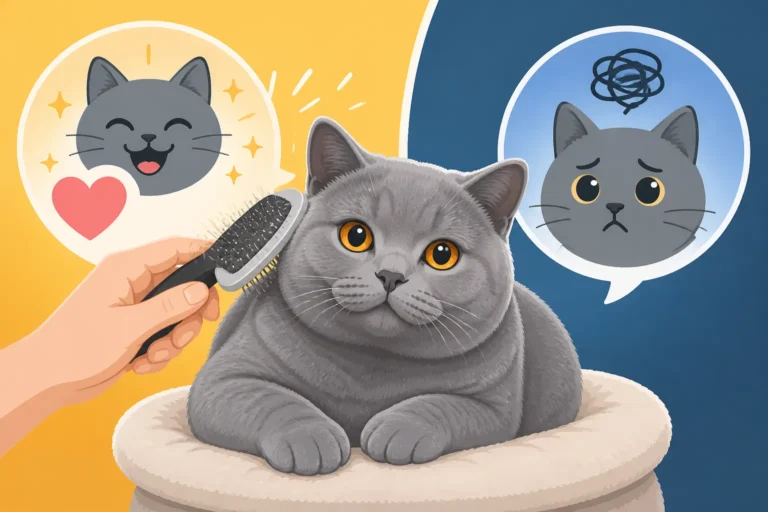
Grooming can be an unexpectedly powerful bonding experience for British Shorthairs, many of whom thoroughly enjoy the sensation of being brushed or combed. Their famously dense, plush double coats require regular attention to prevent matting and manage shedding, and these grooming sessions provide a wonderful opportunity for sustained, gentle physical contact that doesn't involve lifting or restraining them against their will.
Start with short grooming sessions, gradually increasing the duration as your cat becomes more comfortable. Use a comb that is specifically designed for their coat type; a good quality metal comb with alternating teeth is often preferred over harsh slicker brushes, which can damage their delicate undercoat. Focus on areas they enjoy, such as their back, flanks, and cheeks, and always be mindful of more sensitive spots like their belly or tail base. This consistent, positive interaction helps them to associate your touch with comfort, care, and a sense of well-being.
Beyond structured grooming, simple petting sessions, especially when your British Shorthair is already relaxed and settled, can significantly reinforce your bond. Learn their favorite spots – often under the chin, behind the ears, or along their spine – and provide gentle, rhythmic strokes. Allow them to guide the interaction, pulling back if they signal they've had enough, and you'll often find they'll eventually lean into your touch or even return for more. This respectful approach to physical touch builds confidence and deepens their affection for you.
Recognizing When Reluctance Signals More Than Preference
While a British Shorthair's general aversion to being picked up is a common breed trait, it's crucial for owners to distinguish this typical behavior from reluctance that might signal an underlying problem. A sudden or extreme change in their willingness to be handled should always be investigated.
Distinguishing Behavioral Aversion from Discomfort or Pain
For many British Shorthairs, a lifelong preference for remaining on solid ground is simply part of their personality. However, if your usually tolerant cat suddenly becomes highly resistant, aggressive, or unusually fearful when you attempt to handle them, it's a significant red flag that warrants attention. A sudden shift in behavior could indicate something more serious than a personality quirk.
Cats are incredibly adept at masking pain or discomfort, a survival instinct that helps them avoid appearing vulnerable in the wild. If your British Shorthair has an undisclosed injury, developing arthritis (which is unfortunately common in older British Shorthairs, as explored in Arthritis in an Older British Shorthair), or an internal medical condition, the act of being handled could exacerbate their discomfort. A subtle wince, a quick flinch, or a rapid attempt to escape when touched in certain areas might be the only clues you get that something is physically amiss.
Beyond the immediate reaction to being handled, pay close attention to any other accompanying changes in their behavior. Are they hiding more than usual? Have their eating habits changed? Is there an alteration in their litter box routine? Are they unusually lethargic, or do they vocalize when they move or are touched? These signs, in conjunction with increased handling aversion, should prompt immediate concern. Don't dismiss these changes as "just being a cat"; they could be critical indicators of an underlying health issue.
When to Consult Your Veterinarian
If you observe a sudden or marked change in your British Shorthair's willingness to be handled, or if their reluctance is accompanied by any other concerning symptoms, scheduling an appointment with your veterinarian is absolutely essential. Provide your vet with a detailed account of the specific behaviors you've noticed, including when they started, how they've progressed, and any other changes in your cat's routine, appetite, energy levels, or litter box habits. The more information you can offer, the better equipped your vet will be to make an accurate assessment.
During the appointment, your veterinarian will perform a thorough physical examination. This comprehensive check will allow them to palpate your cat's body, assessing for any signs of tenderness, stiffness, lumps, or other physical abnormalities that could be contributing to their discomfort. They may manipulate limbs to check for range of motion and pain response. Depending on their initial findings, your vet might recommend further diagnostic tests, such as X-rays to check for skeletal issues like arthritis, bloodwork to screen for internal diseases, or even an ultrasound if organ pain is suspected.
In some cases, behavioral changes like a sudden aversion to handling can also stem from environmental stress or anxiety. If no underlying physical cause is found, your vet might discuss potential environmental triggers at home or suggest behavioral modification techniques. They may also refer you to a board-certified feline behaviorist who can delve deeper into the root cause of the behavioral shift and help you develop a tailored plan to alleviate your cat's stress and improve their comfort with necessary handling. Always err on the side of caution when your cat's behavior changes dramatically.
Common Misconceptions About British Shorthairs and Cuddling
It's easy to project our human desires for affection onto our pets, but this can lead to significant misunderstandings, especially with a breed as unique as the British Shorthair. Let's debunk some common myths that often cause unnecessary worry or misinterpretation of their loving nature.
They Don't Love You if They Don't Cuddle
This is perhaps the most pervasive and heartbreaking misconception that many British Shorthair owners grapple with. It's perfectly natural to associate love and affection with physical closeness – lap-sitting, being picked up, and long embraces. So, when your British Shorthair consistently opts for proximity rather than direct contact, it’s easy to question the depth of their feelings. However, nothing could be further from the truth. Just because a British Shorthair prefers not to be picked up or snuggle on your lap doesn't mean they don't love you deeply and wholeheartedly.
Their affection simply manifests in a different, often more dignified and understated way. British Shorthairs are renowned for forming incredibly strong, devoted bonds with their human families. They express their devotion through quiet companionship, their consistent presence in your space, and a myriad of subtle gestures that speak volumes to the discerning owner. Their choice to be in the same room as you, to follow you from one activity to the next, or to offer a gentle head-nuzzle when you’re relaxing, are all profound declarations of their trust and connection.
It’s helpful to think of it in human terms: some people are naturally more physically affectionate, while others express their love through acts of service, quality time, or words of affirmation. Cats are no different. Measuring your British Shorthair’s love solely by their willingness to be held or sit on your lap is an unfair and inaccurate metric. Instead, learn to appreciate their unique love language. When you respect their boundaries and cherish their subtle cues, you’ll discover an immense depth of affection, and ironically, they often become more openly affectionate on their own chosen terms.
All British Shorthairs Are Exactly Alike
Another common pitfall is the assumption that all British Shorthairs will behave identically, particularly when it comes to their interactions with humans. While the breed does share many defining characteristics – the calm demeanor, the cobby build, the striking round eyes – it's crucial to remember that every cat, regardless of breed, is an individual with its own unique personality, preferences, and quirks.
You might encounter a British Shorthair who genuinely adores being picked up and carried, relishing the attention. Another might tolerate it for a brief moment before gracefully squirming down. And then there are those who, like many, simply prefer to keep all four paws on the ground, thank you very much! These individual differences are influenced by a complex interplay of genetics, their early socialization experiences as kittens, and their unique life journey. For instance, a kitten that was gently handled and accustomed to being picked up frequently from a very young age might be more tolerant as an adult than one who had less positive early handling experiences.
Therefore, it's vital to avoid making blanket assumptions based solely on breed stereotypes. Instead, take the time to truly get to know your British Shorthair. Observe their specific behaviors, learn their individual comfort zones, and celebrate their distinct personality traits. Tailor your interactions to suit their preferences, rather than trying to force them into a mold. The immense joy and satisfaction of owning a British Shorthair truly lies in appreciating their individual charm, their independent spirit, and the unique ways they choose to share their love with you. Don't worry if they aren't the "cuddle bugs" you envisioned; their quiet companionship and subtle affection are often even more rewarding.
| Human Expectation of Affection | British Shorthair Expression of Affection |
|---|---|
| Constant lap-sitting | Sitting nearby on furniture, the floor, or adjacent cushions |
| Being picked up and carried | Tolerating brief, supported holds; preferring ground contact |
| Loud meows for attention | Quiet chirps, trills, soft purrs, or a gentle head-nudge |
| Enthusiastic greetings at the door | Calmly observing your arrival, slow blink, or a tail flick |
| Being handled frequently | Enjoying gentle petting on their terms, especially grooming |
| Snuggling close during sleep | Sleeping at the foot of the bed or in a nearby spot |
Disclaimer
This article is for general informational purposes only and does not constitute professional advice. Laws, prices and regulations vary by location and change over time. Consult a qualified professional for guidance on your specific situation.