Whether a British Shorthair Is Worth the Money
Many aspiring cat parents gaze at the adorable, plush image of a British Shorthair and immediately fall in love, only to be hit with a dose of reality when they see the price tag. It's a genuine concern to wonder if such a significant initial investment, coupled with ongoing care costs, truly makes this breed "worth the money." This guide is here to meticulously break down the various financial considerations and, more importantly, the invaluable rewards of owning a British Shorthair, helping you decide if this delightful and stoic feline companion is the perfect, priceless addition to your unique home.
Understanding the Initial Investment: The True Cost of a Well-Bred British Shorthair
Let's be honest, the initial cost of a British Shorthair kitten from a reputable breeder can induce a bit of sticker shock. It's significantly higher than adopting a domestic shorthair from a shelter, and for good reason. This upfront sum isn't just about acquiring a cute face; it's an investment in a carefully planned lineage, extensive health screening, and a kitten raised with the utmost care and attention. Understanding what goes into that price tag can help clarify its value.
The Pillars of a Reputable Breeder's Price Tag
When you choose a British Shorthair from an ethical, registered breeder, you're investing in much more than just the kitten itself. Responsible breeders dedicate an immense amount of time, effort, and resources to their breeding programs. They carefully select their breeding cats based on temperament, health, and adherence to the breed standard, which dictates the ideal physical characteristics, from the iconic round head to the dense, crisp coat. This involves studying pedigrees to avoid genetic pitfalls and ensuring that both parents are prime examples of the breed.
Furthermore, these breeders provide an optimal environment for their cats and kittens. This means spacious, clean living conditions, high-quality nutrition for pregnant queens and growing kittens, and constant socialization from birth. They spend countless hours interacting with the kittens, ensuring they are well-adjusted, confident, and ready for their new homes. This early socialization is absolutely crucial for developing the calm, affectionate temperament British Shorthairs are so loved for. It's a far cry from a backyard breeder who might churn out kittens with little regard for their welfare or genetic heritage, often leading to hidden issues down the line. A higher price often reflects this deep commitment to the welfare and future health of the breed.
Health Screening and Early Care: An Investment in Longevity
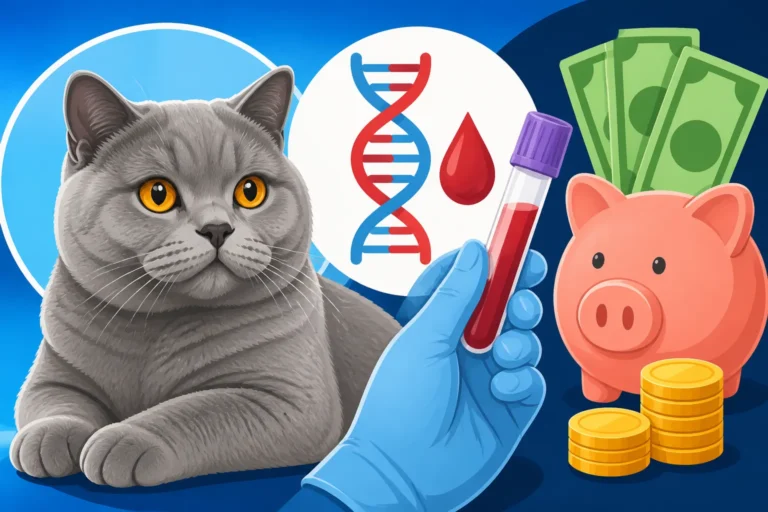
Perhaps one of the most significant components of the initial cost, and arguably the most vital for future peace of mind, is the comprehensive health screening undertaken by reputable breeders. British Shorthairs, like many purebred cats, have certain predispositions, and responsible breeders work diligently to minimize these risks. This often includes regular echocardiograms for the breeding cats to check for Hypertrophic Cardiomyopathy (HCM), a prevalent heart condition in many breeds. While there's Why There Is No British Shorthair HCM Gene Test available, diligent breeders will still screen. They will also typically perform DNA tests for conditions like Polycystic Kidney Disease (PKD), which was introduced into the breed via outcrosses to Persians in the past. If you're wondering Whether a British Shorthair Should Be PKD Tested, the answer for breeding cats is a resounding yes. These tests are expensive but essential to ensure healthy offspring.
Beyond genetic screening, the initial purchase price usually covers the kitten's essential early veterinary care. This includes a full course of vaccinations, multiple deworming treatments, and often a microchip. Many responsible breeders will also have their kittens spayed or neutered by their own vet before they go to their new homes, saving you a significant expense and ensuring a smooth transition. This proactive approach to health means your kitten arrives with a solid foundation, minimizing the chances of costly and heartbreaking health issues emerging early in their life. It’s an investment in potentially avoiding massive vet bills down the road, and truly makes a difference in The Twelve to Seventeen Years a British Shorthair Gets.
Navigating the Ongoing Expenses: What to Budget for Your British Shorthair
Bringing home your British Shorthair is just the beginning of the financial journey. Like any pet, they come with ongoing costs that need to be factored into your budget. These aren't hidden fees; they're the practical realities of responsible pet ownership, and understanding them helps you prepare for the commitment.
Daily Needs: Food, Litter, and Essential Supplies
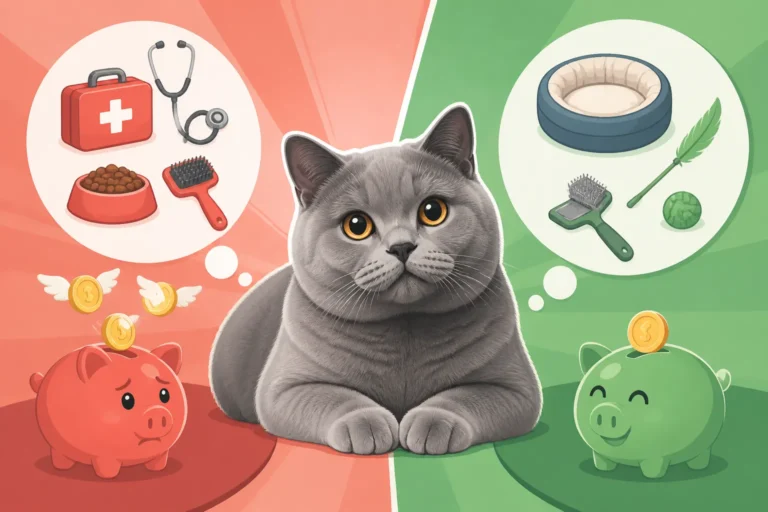
British Shorthairs are sturdy cats, and they need good nutrition to maintain their health and characteristic build. Given their somewhat sedentary nature and tendency to gain weight, particularly after neutering (Why a British Shorthair Gains Weight So Easily), portion control and a high-quality diet are paramount. Investing in premium cat food, whether it's dry kibble, wet food, or a combination, is essential. Choosing a reputable premium food can help ensure your British Shorthair receives optimal nutrition.
Beyond food, you'll need to budget for cat litter. These are not small cats, and they produce a fair amount of waste, so a good quality, absorbent litter and a generously sized litter box are crucial. You'll want to choose Which Litter Box Size a British Shorthair Needs carefully to ensure they are comfortable. Grooming supplies are also a must. While British Shorthairs are relatively low-maintenance in terms of coat care, their dense, plush fur does benefit from regular combing, especially during shedding seasons. A sturdy metal comb is often preferred over brushes, as it can penetrate their thick undercoat without damaging the delicate guard hairs. If you're not sure, look for advice on Which Comb a British Shorthair Needs. You'll also need nail clippers for their thick claws and perhaps dental care items like a toothbrush and enzymatic toothpaste to ward off issues like Gingivitis in a British Shorthair.
Veterinary Care Through the Years: Routine and Unexpected
Just like people, cats need regular health check-ups. Annual veterinary visits are critical for British Shorthairs to ensure they stay healthy. These visits typically include a thorough physical examination, necessary booster vaccinations, and parasite control. As they age, your vet might recommend routine bloodwork to check organ function, particularly their kidneys and thyroid, as conditions like Hyperthyroidism in an Older British Shorthair become more common. Regular dental check-ups and professional cleanings are also vital; ignoring their oral health can lead to serious systemic issues. What a British Shorthair's First Dental Costs can be significant, but preventative care is always less expensive than treating advanced disease.
However, despite all the best efforts and responsible breeding, unexpected health issues can arise. A sudden illness, an accident, or the development of a chronic condition can lead to substantial veterinary bills. This is where pet insurance can be a game-changer. Companies like Healthy Paws offer various plans that can cover a significant portion of unexpected medical expenses, from diagnostics to emergency surgeries. Having pet insurance can provide immense peace of mind, allowing you to make medical decisions based on what's best for your cat rather than being solely driven by cost. It's a crucial part of budgeting for a long, healthy life with your British Shorthair.
Health Considerations: Investing in a Long, Happy Life
When we talk about whether a British Shorthair is "worth the money," their health is undeniably a central factor. A healthy cat not only lives longer but also enjoys a higher quality of life, which, in turn, brings more joy and less stress to their human companions. While genetics play a role, lifestyle and proactive care are just as important in ensuring your British Shorthair thrives.
Common Health Concerns and Proactive Screening
While British Shorthairs are generally considered a robust breed (Whether the British Shorthair Is a Healthy Breed), they do have some predispositions that owners need to be aware of and proactively manage. One of the most significant concerns is Hypertrophic Cardiomyopathy (HCM), a thickening of the heart muscle that can lead to heart failure. As mentioned earlier, while a DNA test for HCM isn't currently available for British Shorthairs, regular echocardiograms performed by a veterinary cardiologist are the gold standard for screening. Understanding How Often a British Shorthair Needs an Echo is crucial for early detection and management. Early diagnosis allows for interventions that can significantly improve their quality of life and longevity.
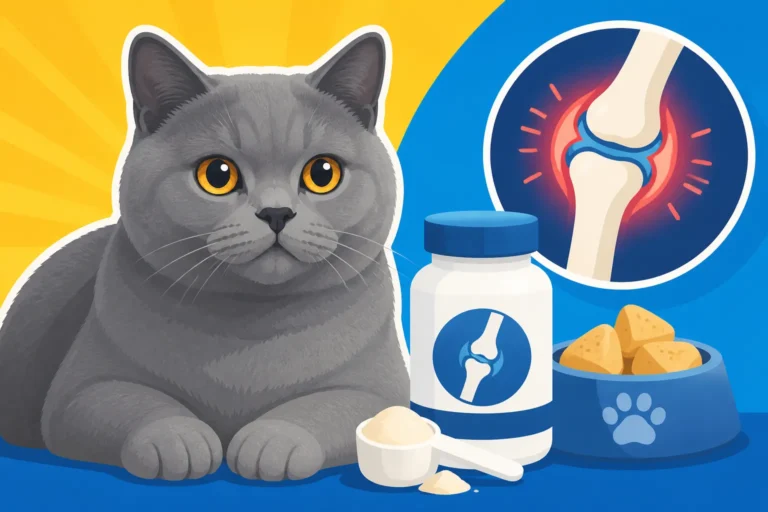
Another major health challenge for the breed is obesity. Their calm, often sedentary nature means they don't tend to "burn off" calories like more active breeds. Obesity Is the British Shorthair's Real Disease, leading to a cascade of other health problems, including diabetes (Diabetes in a British Shorthair), arthritis, and even urinary tract issues. Prevention through careful portion control and encouraging gentle activity is key. Furthermore, Polycystic Kidney Disease (PKD), though largely bred out in reputable lines due to widespread DNA testing, is still a historical concern. Responsible breeders will confirm their cats are clear of the PKD1 gene. Proactive screening and a keen eye for signs of illness are fundamental to managing these potential issues effectively.
The Impact of Lifestyle on Longevity and Well-being
It's easy to dismiss a cat's lifestyle as less impactful than genetics, but for a British Shorthair, it's absolutely critical. Their predisposition to weight gain means that diet and exercise are not just recommendations but essential elements of their care plan. Free-feeding, where food is left out all day, is a recipe for an overweight British Shorthair. Measured meals, served at specific times, are far better. Many owners find that quality wet food, which has higher moisture content and often fewer calories per serving than dry kibble, can aid in weight management and urinary health. Products from companies like Chewy, offering a vast selection of high-quality cat foods, make it easier to find the right diet.
Beyond diet, encouraging even minimal exercise is important. British Shorthairs aren't typically high-energy cats who will zoom around on their own for hours. You often have to initiate play. This means engaging them with wand toys, laser pointers, or puzzle feeders to stimulate their minds and bodies. Even 10-15 minutes of interactive play a couple of times a day can make a huge difference in their overall health and vitality. A cat tree that accommodates their substantial weight, allowing them to climb and observe from a height, can also contribute to their physical and mental enrichment. For more ideas on how to get them moving, you might want to read Getting a Low Energy British Shorthair to Move. A healthy lifestyle isn't just about avoiding disease; it's about fostering a happy, comfortable cat that will share many years of companionship with you.
The Priceless Returns: Is a British Shorthair Worth Every Penny?
After discussing all the financial commitments, both upfront and ongoing, it's time to address the heart of the matter: the "worth" of a British Shorthair. For those who choose this breed, the answer is often an unequivocal yes, and it usually has little to do with money and everything to do with the unique companionship these magnificent cats offer.
A Calming Presence: Companionship Without Clinginess
One of the most cherished qualities of the British Shorthair is their truly exceptional temperament. They are often described as the perfect "gentle giants" of the feline world. They possess a serene, dignified demeanor that brings a sense of calm to any household. Unlike some more demanding breeds, British Shorthairs are typically not overly clingy or vocal. They enjoy being in the same room as their humans, often preferring to lounge nearby rather than directly on a lap, content to simply share your space. If you're wondering How Affectionate a British Shorthair Is, you'll find it's a quiet, understated affection that suits many lifestyles.
They are remarkably independent and generally don't suffer from separation anxiety, making them suitable for owners who work full-time or have busy schedules. However, when you do have time for them, they are receptive to gentle petting and quiet interaction. Their famous "British reserve" doesn't mean they don't love you; it means they express it in their own, understated way. They thrive in quiet households and can be wonderfully patient with respectful children and other pets, making them a fantastic family companion. Many owners find this balance of independence and affectionate presence utterly invaluable. If you’re often out, you might find it useful to know A British Shorthair Is Genuinely Fine on Its Own.
The Iconic Look and Lasting Joy: A Living Teddy Bear
Beyond their wonderful personalities, there's no denying the aesthetic appeal of the British Shorthair. Their distinctive "teddy bear" look, with their round faces, large round eyes (often a striking copper), and dense, plush coats, is instantly recognizable and utterly charming. This unique appearance is a significant part of their appeal, and for many, it's a source of daily joy. They look exactly as comfortable and cuddly as they are, like a perpetually contented stuffed animal come to life. What a British Shorthair's Coat Is Like is truly something special, inviting gentle strokes.
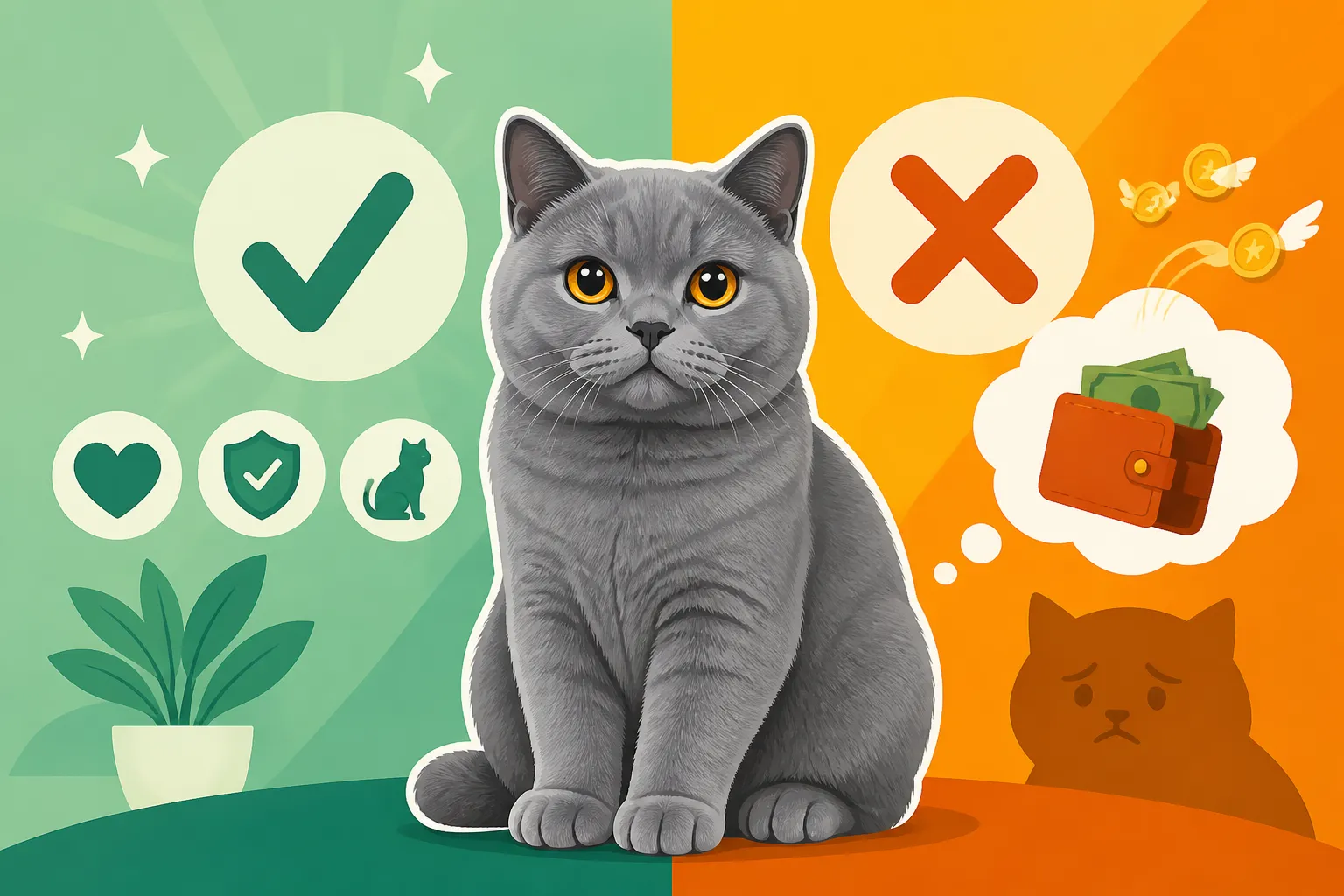
Ultimately, whether a British Shorthair is "worth the money" is a deeply personal decision. Financially, they represent a significant commitment, from the initial purchase through years of quality food, routine vet care, and potential health management. However, for those who are prepared for these responsibilities, the rewards are immeasurable. The quiet companionship, the serene presence, the unmistakable charm, and the sheer joy of having this magnificent, living teddy bear as part of your family often far outweigh the financial outlay. They offer a unique blend of affection and independence, bringing a calm and comforting presence into your home that many owners wouldn't trade for anything. For many, a British Shorthair isn't just a pet; it's a cherished family member, and that, truly, is priceless.
Disclaimer
This article is for general informational purposes only and does not constitute professional advice. Laws, prices and regulations vary by location and change over time. Consult a qualified professional for guidance on your specific situation.