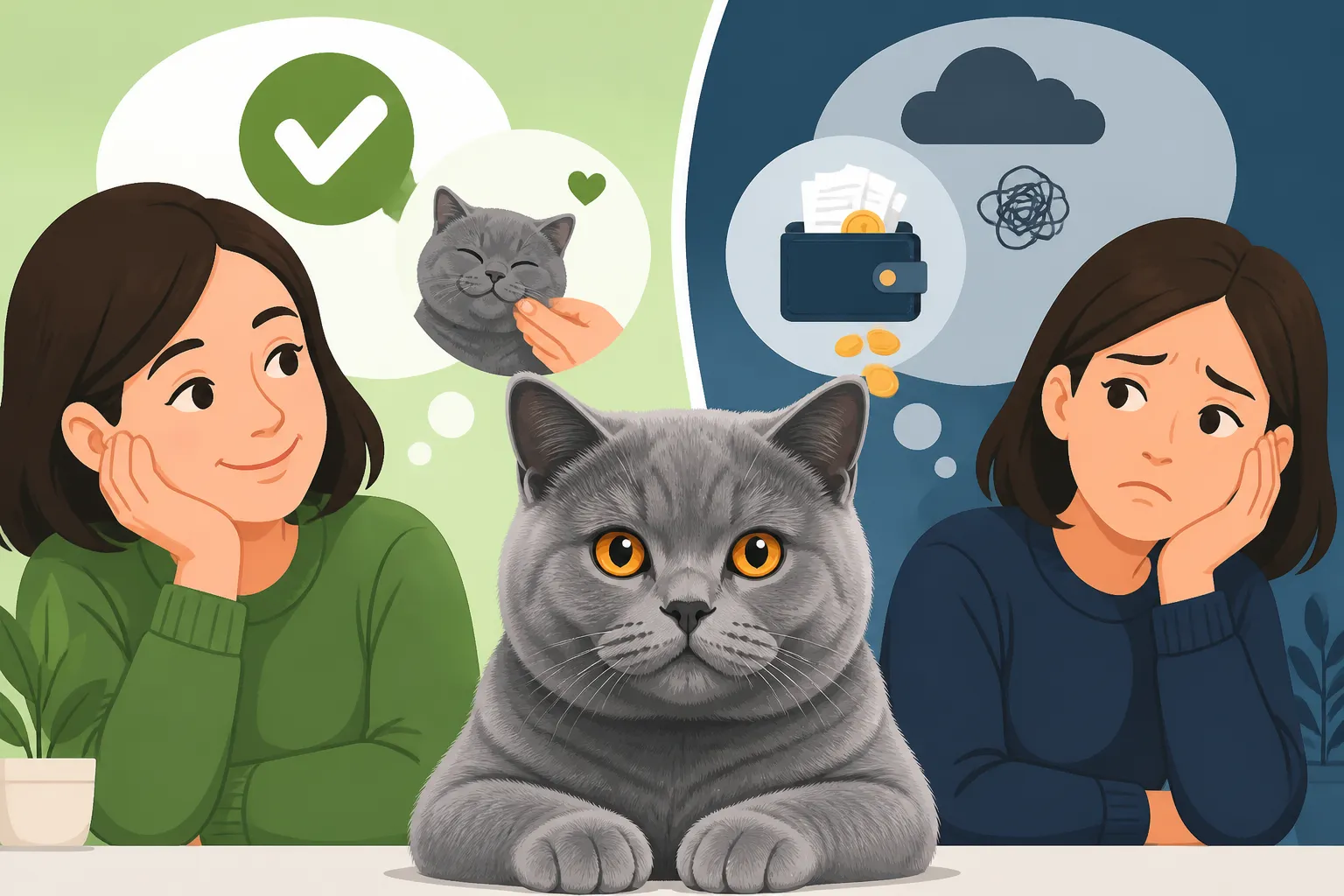
Whether British Shorthair Owners Regret the Screening Costs
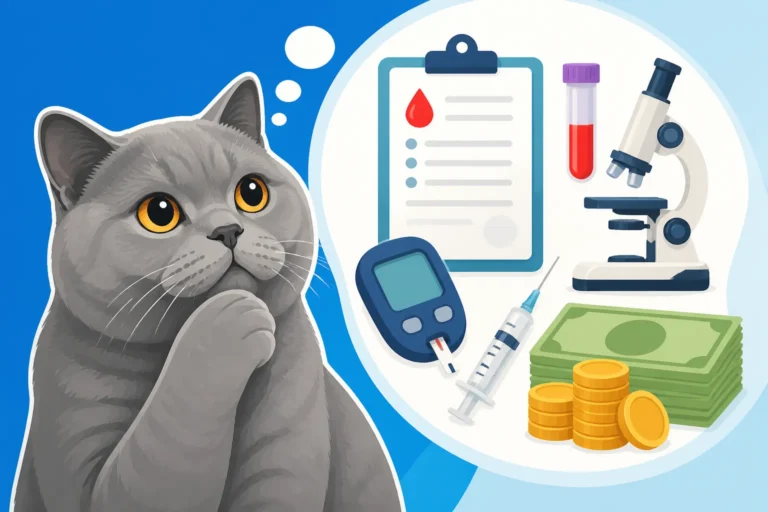
Bringing a British Shorthair into your life is an absolute joy, but let's be honest, the initial excitement can sometimes be tempered by the practical realities of ownership, especially when it comes to understanding and budgeting for their health. Many prospective and current owners find themselves wondering if the significant costs associated with health screening are truly worth it, and if they'll eventually look back with regret. This guide aims to explore the various health screening costs, why they're necessary, and whether British Shorthair owners genuinely feel that pang of regret or if peace of mind ultimately prevails.
The Foundations: Initial Screening Costs for Your British Shorthair
When you first welcome a British Shorthair kitten or adult into your home, you're not just getting a fluffy companion; you're often inheriting a history of potential genetic predispositions. Responsible breeders go to great lengths to minimize these risks, but it comes at a price. These initial screenings are critical for identifying or ruling out some of the most concerning hereditary conditions that can affect British Shorthairs.
Understanding Key Hereditary Conditions
The British Shorthair breed, for all its robust charm, does have a few genetic weak spots that require careful monitoring. One of the most talked-about is Hypertrophic Cardiomyopathy (HCM), a heart condition where the muscle walls of the heart thicken, making it harder for the heart to pump blood effectively. It's a progressive disease, and tragically, there isn't a DNA test widely accepted for British Shorthairs, unlike some other breeds. This means breeders and owners must rely on cardiac ultrasounds, or "echos," performed by a veterinary cardiologist. Another condition, Polycystic Kidney Disease (PKD), causes fluid-filled cysts to form in the kidneys, leading to kidney failure over time. Thankfully, a reliable DNA test exists for PKD, making it much easier to screen for. Lastly, for breeding cats, knowing their blood type is essential to prevent a devastating condition called Neonatal Isoerythrolysis, where a mother's antibodies can attack her kittens' red blood cells if their blood types are incompatible.
For a new owner, the sheer number of potential tests and acronyms can feel overwhelming, and the costs can certainly add up. Many breeders will cover the initial screenings for their breeding cats, and provide documentation for the parents, but subsequent screenings for your specific pet might fall to you. It's crucial to remember that these aren't optional extras; they're vital steps in ensuring your cat has the best possible start and a long, healthy life.
The Breeder's Role Versus Your Responsibility
A good, ethical British Shorthair breeder will invest heavily in screening their breeding stock. This means regular echocardiograms for HCM, DNA tests for PKD, and blood typing. They should be transparent and willing to show you the results of these tests for both parents of your kitten. This upfront investment by the breeder is a significant part of why well-bred British Shorthair kittens command higher prices. You are, in effect, paying for their diligence in trying to produce healthy offspring.
However, your responsibility doesn't end there. While a negative PKD DNA test is usually a one-and-done deal for a pet, HCM screening is an ongoing process. Even if your kitten's parents had clear echoes, your cat will still need regular screenings as they get older, especially since HCM can develop later in life. This is often where the reality of long-term costs truly sinks in for owners. It's a continuous commitment, not just a one-time fee. Many owners quickly learn that a clear echo result for their British Shorthair isn't just a piece of paper; it's a profound reassurance, well worth the time and expense. Understanding What a British Shorthair Breeder Should Have Tested is crucial when selecting your feline friend.
The Recurring Investment: Ongoing Health Screening and Management
The initial screenings are just the beginning. British Shorthairs, like all living beings, can develop health issues as they age, and their unique physiology means some conditions require proactive, recurring screening. It's this sustained financial commitment that often leads owners to consider if they regret the cost.
The Unavoidable Yearly Echo for HCM
Since there's no British Shorthair HCM gene test that’s universally reliable, the primary tool for monitoring this heart condition is the echocardiogram. This non-invasive ultrasound examines the heart's structure and function. The recommendation for British Shorthairs, especially if they are part of a breeding program or come from lines with some history of HCM, is often a yearly echo. Imagine a yearly appointment that costs a few hundred dollars, year after year, for the lifespan of your cat. This can certainly feel like a recurring "ouch" for many owners.
But here's the thing: that yearly echo isn't just a cost; it's an early warning system. If HCM is detected early, your vet and a veterinary cardiologist can work together to manage the condition, potentially slowing its progression and improving your cat's quality of life for longer. Medications can help, but they too come with ongoing costs. Without these regular screenings, HCM can progress silently, only to manifest in a sudden, devastating event like heart failure or a saddle thrombus, which can be incredibly painful and often fatal. When you consider the alternative – potentially losing your beloved companion prematurely or facing astronomical emergency vet bills – many owners find that the regret associated with yearly echo costs quickly fades into gratitude for the extra time and health they've bought for their pet.
Managing Other Common British Shorthair Health Concerns
Beyond HCM, British Shorthairs are prone to other health issues that can add to the long-term cost of ownership. Their naturally cobby build and calm demeanor mean they can easily become overweight. Why a British Shorthair Gains Weight So Easily is a common frustration, and obesity itself is a gateway to a host of other problems, including diabetes, arthritis, and liver issues. Regular weight checks at the vet, potentially prescription weight-loss foods (which can be more expensive than regular food), and even specialized play sessions to get them moving, all contribute to ongoing expenses. Many owners find themselves stocking up on specific diets to keep their British Shorthairs in prime condition, proactively trying to avoid the heavier vet bills associated with obesity-related illnesses.
Dental health is another often-overlooked area. British Shorthairs can be susceptible to gingivitis and other dental diseases, which, if left untreated, can lead to painful infections and even impact overall organ health. Regular dental cleanings under anesthesia are not cheap, and brushing their teeth at home, while recommended, isn't always easy or entirely preventative. It's another area where a proactive approach – regular vet check-ups, appropriate food, and home care – is an ongoing investment to prevent larger, more regret-inducing costs down the line. Gingivitis in a British Shorthair is a real concern that demands attention and expense.
Table: Typical British Shorthair Health Screening and Ongoing Costs (Estimate)
| Service/Condition | Initial (Breeder/Kitten) | Ongoing (Owner Responsibility) | Primary Purpose |
|---|---|---|---|
| HCM Echo (Cardiac Ultras.) | Yes (parents) | Annually for life | Detects heart muscle thickening, early intervention |
| PKD DNA Test | Yes (parents) | No (one-time if clear) | Detects genetic predisposition to kidney cysts |
| Blood Typing | Yes (breeding cats) | No (one-time) | Prevents Neonatal Isoerythrolysis in litters |
| Weight Management | Generally not applicable | Regular vet checks, specialized food, exercise promotion | Prevents obesity-related diseases like diabetes and arthritis |
| Dental Care | Generally not applicable | Yearly dental exams, professional cleanings, home care | Prevents gingivitis, tooth decay, systemic infections |
Note: Specific costs vary widely based on location, veterinary clinic, and individual cat's needs. This table provides a general overview of screening types and frequency.
The True Value: Why Owners Often Don't Regret the Expense
Despite the undeniable financial outlay, a recurring theme among dedicated British Shorthair owners is that they ultimately do not regret the screening costs. The decision to invest in their cat's health is often driven by a deep love and a desire to ensure the best possible quality of life for their cherished companion.
Peace of Mind and Early Detection
The biggest return on investment for health screening is undoubtedly peace of mind. Knowing that your British Shorthair's heart has been checked and is currently healthy, or that they don't carry the gene for PKD, allows you to relax and enjoy your cat without a constant cloud of worry hanging over you. This mental relief is priceless for many.
Furthermore, if an issue like HCM is detected early through a routine echo, it provides a critical window for intervention. Early diagnosis often means less invasive and more effective treatment options, potentially extending your cat's comfortable lifespan. Compare this to the emotional and financial distress of a sudden, unexpected health crisis that could have been mitigated or prevented with routine screening. Owners often realize that the cost of screening is a proactive measure against potentially much higher emergency veterinary bills down the road, and against the heartbreak of losing their cat prematurely. It allows for a more informed approach to caring for a British Shorthair past ten, focusing on preventative rather than reactive care.
The Bond and Responsible Ownership
For many, the British Shorthair isn't just a pet; they're a beloved family member. The deep bond formed with these placid, affectionate cats makes their well-being a top priority. Investing in their health screening is seen as a fundamental aspect of responsible pet ownership. It reflects a commitment to providing them with the best possible life, acknowledging that they depend entirely on us for their care.
When you've watched your British Shorthair grow from a tiny, round kitten into a magnificent, plush adult, the thought of them suffering from a preventable or manageable condition is unbearable. The costs associated with screenings become less about a financial burden and more about an expression of love and care. Owners often express that any regret about the money spent is quickly overshadowed by the joy of having a healthy, happy companion by their side. They choose to invest in these screenings because they understand what most British Shorthairs die of and want to protect against those common ailments.
Strategies to Manage the Financial Commitment
While the emotional value is clear, the financial aspect remains a real concern for many. Thankfully, there are strategies owners can employ to make these essential health costs more manageable.
Budgeting and Pet Insurance
One of the most effective ways to mitigate the financial shock of health screenings and unexpected veterinary bills is to budget proactively. Setting aside a dedicated amount each month for your British Shorthair's healthcare can create a safety net. Think of it as a "cat emergency fund."
Another incredibly valuable tool is pet insurance. Companies like Healthy Paws offer various plans that can cover a significant portion of veterinary expenses, including diagnostic tests, treatments, and even some emergency care. While pre-existing conditions are usually excluded, getting a policy when your British Shorthair is young and healthy can provide immense peace of mind for future screenings and unforeseen illnesses. It’s worth researching whether insurance covers a British Shorthair's HCM as this can be a key factor in choosing a policy. The monthly premiums are a predictable cost that can save you thousands in the long run, turning potential regret over a massive vet bill into relief that you were prepared.
Choosing Your Vet Wisely and Utilizing Resources
Establishing a relationship with a veterinarian who is knowledgeable about the British Shorthair breed and their specific health predispositions can be incredibly beneficial. They can guide you on the most critical screenings, their recommended frequency, and help you prioritize care. Sometimes, vets are aware of local or regional screening clinics that offer certain tests, like cardiac echoes, at a reduced rate during specific events, making them more accessible. Seeking a specialist, such as a veterinary cardiologist for HCM screenings, ensures you're getting the most accurate and expert assessment possible. You can even check with reputable online pet supply stores like Chewy for discounts on prescription foods or medications if your cat develops a chronic condition.
Furthermore, maintaining your British Shorthair's overall health through good nutrition and appropriate enrichment can reduce the likelihood of some health issues. Feeding a high-quality diet, whether it's premium kibble, wet food, or even fresh food, plays a crucial role. Keeping them at a healthy weight and ensuring they get enough mental and physical stimulation, even if they are naturally low energy (Getting a Low Energy British Shorthair to Move), can contribute to their longevity and reduce future veterinary expenses. After all, a healthy cat is a happier cat, and a well-managed cat often means fewer unexpected vet visits that lead to financial regret.
Disclaimer
This article is for general informational purposes only and does not constitute professional advice. Laws, prices and regulations vary by location and change over time. Consult a qualified professional for guidance on your specific situation.