How Long a British Shorthair Takes to Fill Out
One of the most common questions I get from new British Shorthair owners, or those just admiring their chunky cuteness, is "When will my kitten look like that?" You see pictures of those magnificent, broad-faced, teddy-bear adults and then look at your gangly, often somewhat scrawny kitten, and it's easy to feel like you're doing something wrong. The truth is, British Shorthairs are a slow-maturing breed, and reaching their full, glorious potential takes time and patience. This guide will walk you through the British Shorthair's unique growth journey, explaining exactly how long it takes for them to truly "fill out" and what to expect along the way.
The British Shorthair Growth Curve Is a Marathon, Not a Sprint
When you envision a British Shorthair, you're likely picturing that iconic, robust, incredibly dense cat with a perfectly round head and thick, plush coat. It's a striking image, but it's important to remember that this look doesn't magically appear overnight. Unlike some other cat breeds that might reach their adult size and shape much faster, British Shorthairs take their sweet time, slowly developing into the magnificent felines we adore. This slow maturation is part of their charm, but it can certainly be a surprise if you're expecting a fully formed teddy bear at six months old.
The Myth of the Instant Teddy Bear
Let's be honest, it's easy to fall in love with photos of fully mature British Shorthairs looking like living, breathing plush toys. Those images often set an expectation that your kitten will quickly morph into that dense, round-faced ideal. The reality, however, is that British Shorthair kittens, for a significant portion of their early life, can look surprisingly slender, even a bit lanky. They go through an "awkward teenager" phase, much like humans, where their bones seem to grow faster than their muscle and fat can fill out their frame. This can lead to moments of concern for new owners who might worry their kitten isn't growing properly or isn't "chunky" enough. Rest assured, this is a normal part of their development. The chunky build is something they earn over several years.
When They Reach Their Full Height and Length
While the "filling out" process takes a while, your British Shorthair will achieve most of their skeletal height and length much earlier. Generally, by about 12 to 18 months, they will have reached the vast majority of their adult bone structure. This means they'll likely be as tall and long as they're going to get. However, don't confuse this with being "fully grown." Reaching their maximum skeletal dimensions is only one part of the equation. They might stand tall, but they won't necessarily have that characteristic broadness and density that defines the breed. You might even find yourself wondering What a British Shorthair Should Weigh at Six Months compared to the full-grown adults you've seen. This early period is about building the foundation; the real work of filling out comes later.
The Stages of Filling Out: From Kitten to Majestic Adult
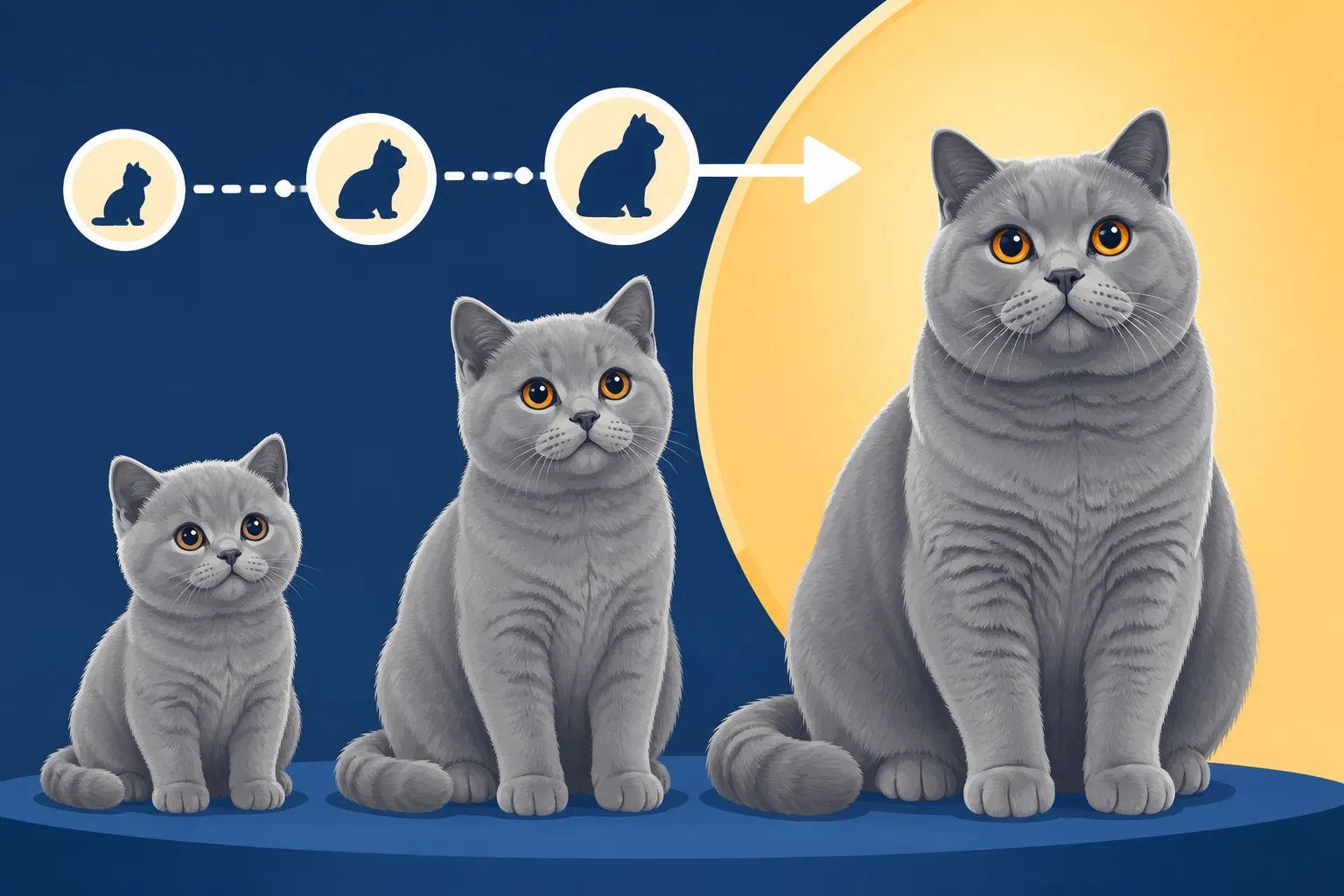
The journey from a tiny, adorable British Shorthair kitten to a stately, full-bodied adult is a fascinating progression. It's not a linear path where they simply get bigger every day. Instead, it's a series of developmental stages, each contributing to their ultimate, magnificent form. Understanding these stages can help you appreciate their unique growth pattern and manage your expectations.
The Kitten Phase: Rapid Early Growth (0-6 Months)
In their first six months, British Shorthair kittens experience rapid growth, especially in terms of weight and length. They are like tiny sponges, absorbing nutrients and putting on pounds quickly. During this period, they'll transform from a fragile newborn into a playful, energetic young cat. However, despite their increasing size, they often retain a somewhat lean, athletic build. You'll notice their legs getting longer and their bodies extending, but they won't yet have that dense, cobby appearance. They're still very much in their kitten phase, exploring the world with boundless curiosity. It's crucial during this time to provide them with a high-quality kitten diet, tailored to support their rapid development. If you're wondering What a British Shorthair Kitten Should Eat, focus on foods designed for growth.
Adolescent Growth Spurt and Awkward Teenager (6-18 Months)
This is often the phase where owners start to get a little antsy. From about six months up to 18 months, your British Shorthair will continue to grow in height and length, but they might not seem to be gaining that iconic density. They can look a bit gangly, with long legs and a body that hasn't quite caught up yet in terms of muscle and fat. This is their "teenager" stage – all arms and legs, with less of the substantial body mass you expect. Their face might still look somewhat narrow compared to the broad, round features of an adult. Don't despair if your British Shorthair still looks more like a graceful, albeit stout, domestic short-hair than a teddy bear. They are continuing to build bone density and muscle, but the true "filling out" is yet to come. It’s a good time to keep an eye on their weight and compare it to What a British Shorthair Should Weigh at One Year, but remember that ideal weight is about body condition, not just the number on the scale.
The Adult Maturation: Gaining Weight and Density (18 Months – 3 Years)
Now, this is where the magic really starts to happen! From 18 months onward, and often peaking around two to three years of age, your British Shorthair will truly begin to “fill out.” This is when they start to develop the broad chest, dense musculature, and substantial bone mass that gives them their distinctive “cobby” build. Their cheeks will start to round out, and if you have a male, you'll see those magnificent jowls develop, giving them that wonderfully dignified expression. If you're curious about this specific male trait, you can learn more about What Jowls Are on a Male British Shorthair. This period is less about growing taller and more about gaining girth and density. Their coat will also become thicker and more plush, adding to their teddy-bear appearance. During this phase, it’s critical to ensure they are on an appropriate adult diet, focusing on lean protein to support muscle development, rather than simply encouraging fat gain. High-quality adult cat foods can help ensure proper nutrition as they fill out.
Full Maturity: The Prime Years (3-5 Years)
While many British Shorthairs will look quite impressive by three years old, some individuals don't reach their absolute peak physical maturity until they are four or even five years of age. During these "prime years," any remaining lean areas will fill in, their musculature will reach its maximum definition, and their characteristic dense bone structure will be fully established. Their heads will achieve that perfect roundness, and their plush coats will be at their thickest and most luxurious. This is when you truly see the embodiment of the British Shorthair breed standard, a picture of strength, solidity, and calm dignity. This slow, deliberate development is why breeders often speak of "late bloomers" in the breed. If you're observing your cat's facial development, you might be interested in When a British Shorthair Reaches Its Adult Head, as this is a key component of their breed standard. It’s truly a testament to the breed's unhurried nature, rewarding patient owners with a truly magnificent companion.
Factors Influencing a British Shorthair's Full Development
While the general timeline for a British Shorthair to fill out is fairly consistent, several factors can influence the rate and ultimate extent of their development. It's not just about age; genetics, nutrition, and even their early life experiences play a significant role in how your British Shorthair grows into their full potential.
Genetics and Lineage
The most fundamental factor in how large and well-built your British Shorthair will become is their genetic background. Good breeders carefully select their breeding cats for health, temperament, and adherence to the breed standard, which includes that desirable "cobby" body type. If your British Shorthair comes from a lineage of large, well-boned, slow-maturing cats, they are more likely to exhibit those traits themselves. Conversely, if their parents or grandparents were on the smaller side of the breed standard, your cat might also be naturally a bit smaller or take even longer to fully develop. This is why a reputable breeder will be transparent about the size and build of their breeding cats, giving you a better idea of what to expect for your kitten. It really does come down to Whether Parents Predict a British Shorthair's Size.
Nutrition and Diet Quality
You simply cannot overstate the importance of proper nutrition during all stages of a British Shorthair's life, especially during their extensive growth period. Feeding a high-quality, balanced diet specifically formulated for cats is paramount. During kittenhood, they need adequate protein and calories for rapid growth, but once they transition to adulthood, it's about maintaining a healthy weight while they build muscle and density. Overfeeding, especially with low-quality food, can lead to obesity rather than healthy “filling out.” An overweight British Shorthair might look “chunky,” but it's not the healthy, solid build we're discussing; it's detrimental fat. You want muscle and bone, not excess padding. Knowing How Many Calories a British Shorthair Needs a Day is crucial, and it's always best to consult your vet for specific dietary recommendations. High-quality food can make a real difference in supporting healthy development.
Spay/Neuter Status and Timing
The timing of when your British Shorthair is spayed or neutered can also have a subtle impact on their growth. Hormones play a role in bone plate closure, and while the effect is generally minimal in cats compared to some other species, early spay/neuter can sometimes result in slightly longer bones. However, the more noticeable effect of spaying or neutering is on their metabolism. Intact cats tend to be more active and have higher metabolic rates. Once spayed or neutered, their metabolism often slows down, making them more prone to weight gain. This isn't necessarily "filling out" in a healthy way; it means owners need to be extra diligent about portion control to prevent obesity. Many wonder Whether Neutering Early Stunts a British Shorthair, but any effects on skeletal growth are typically minor compared to the significant health and behavioral benefits of spaying or neutering.
General Health and Environment
A healthy cat is a cat that can grow and develop optimally. Any chronic illness, parasitic infection, or significant stress during their formative years can potentially hinder their development. Regular veterinary check-ups are essential to ensure your British Shorthair is thriving and to catch any health issues early. A stress-free, enriching environment also contributes to overall well-being, allowing your cat to focus their energy on healthy growth. A healthy cat will have a good appetite and energy levels, contributing to their development. Pet insurance, such as Healthy Paws, can be an invaluable investment, helping to cover unexpected vet bills and ensure your British Shorthair always receives the care they need to grow strong and healthy without financial strain. It truly emphasizes the importance of How Often a British Shorthair Needs a Wellness Exam.
Understanding What "Filling Out" Truly Means
It's easy to misunderstand what "filling out" truly entails for a British Shorthair. Many people associate a larger cat with simply being overweight, but for this breed, it's a specific, desirable body type that is distinctly different from obesity. It’s about density, structure, and muscle, not just fat.
Beyond Just Weight: The Cobby Build
The British Shorthair breed standard describes them as having a "cobby" build. This isn't just a fancy word for "fat." A cobby cat is compact, broad, and powerfully built. Think of it like a sturdy brick house rather than a tall, slender skyscraper. This means they have a broad chest, strong shoulders, a short, thick neck, and short, powerful legs that are well-muscled. Their tail is thick at the base and tapers to a rounded tip. When your British Shorthair is "filling out," they are developing this specific density of bone and muscle, gaining breadth and substance, not just adding layers of fat. This is the hallmark of the breed's impressive appearance. Delving deeper into What Cobby Means in a British Shorthair can help you better understand this unique structural characteristic.
The Illusion of Plushness
Adding to the British Shorthair's appearance of substantiality is their incredibly dense, plush coat. This double coat stands away from their body, creating a soft, rounded outline that can make them appear even larger than they are. While the coat certainly contributes to their "teddy bear" look, it's important not to confuse coat volume with actual body mass. A thin cat with a very dense coat might still look somewhat chunky, but beneath the fur, they might be lacking the muscle and bone density that defines a truly well-developed British Shorthair. This plush coat, combined with their naturally robust physique, is a major reason Why a British Shorthair Looks Heavier Than It Is. Feeling your cat's ribs and spine, rather than just visually assessing their size, is a much better indicator of their true body condition.
Patience is Key
Ultimately, the most important takeaway is that patience is absolutely key when it comes to a British Shorthair filling out. You cannot rush nature, and attempting to do so by overfeeding will only lead to an overweight cat with potential health problems, not a properly "filled out" one. Celebrate each stage of their development, from the playful kitten to the lanky adolescent and finally to the magnificent adult. Provide them with excellent nutrition, regular vet care, and a loving home, and they will develop into the stunning, well-built companions they are meant to be, in their own time. Trust the process, and your British Shorthair will reward you with years of stoic companionship and impressive presence. Remember, trying to accelerate their growth with excessive food intake is unhealthy, and understanding How Fast a British Shorthair Should Lose Weight if they do become overweight highlights the importance of balanced nutrition from the start. They continue to mature well past kittenhood; many owners even observe that Whether a British Shorthair Keeps Growing After Two years old is indeed true, as they slowly develop that incredible density.
Disclaimer
This article is for general informational purposes only and does not constitute professional advice. Laws, prices and regulations vary by location and change over time. Consult a qualified professional for guidance on your specific situation.