What Importing a British Shorthair From Europe Costs
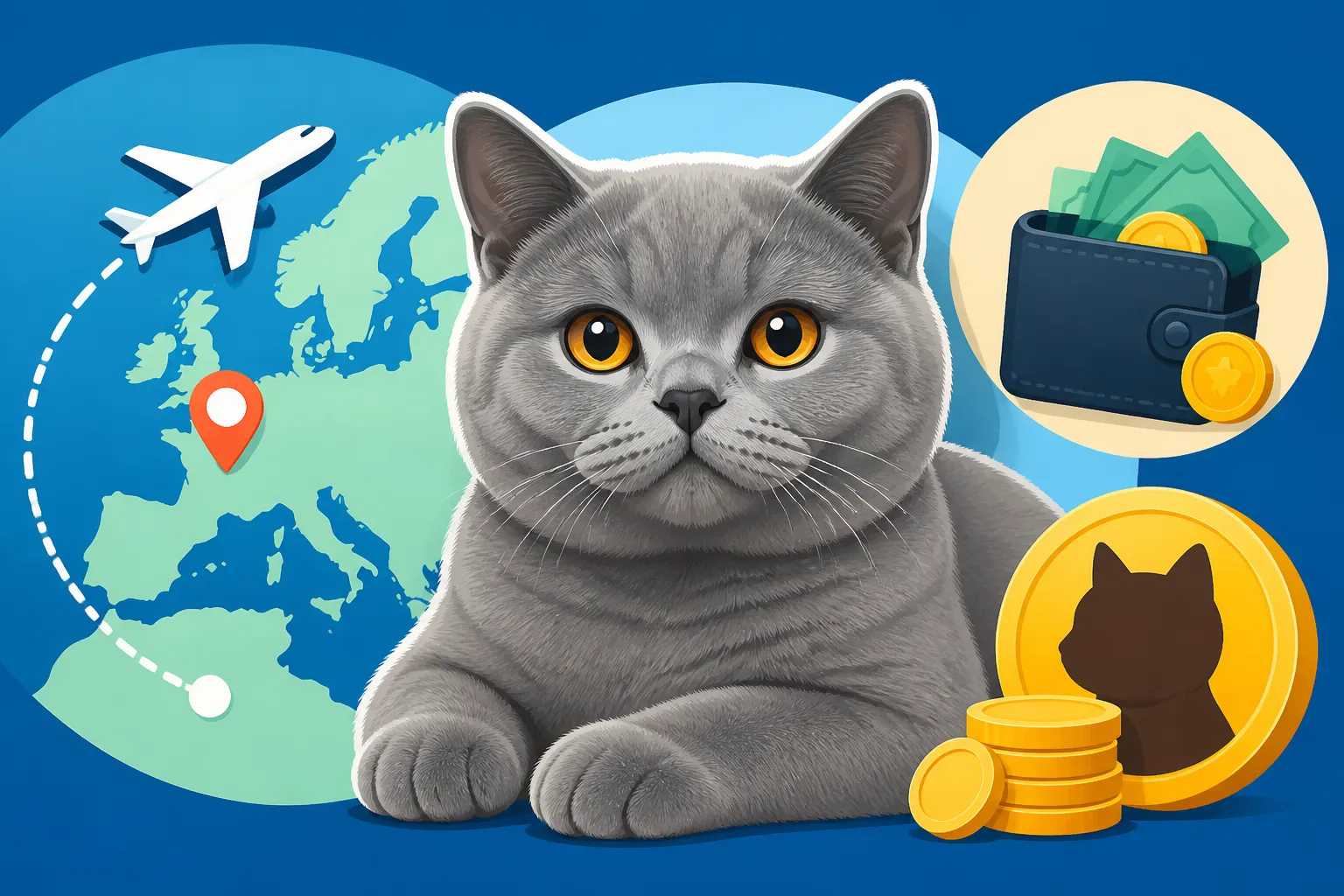
The dream of owning a British Shorthair from European lines is incredibly appealing, conjuring images of exquisite type and rich pedigrees. However, the practical reality of bringing such a cherished feline across borders often feels like navigating a labyrinth of paperwork, regulations, and unexpected expenses, leaving many prospective owners overwhelmed and unsure of the true financial commitment. This guide aims to demystify the importing process, breaking down the costs involved so you can approach this exciting endeavor with eyes wide open and a clearer understanding of what your budget needs to accommodate.
The Allure of a European British Shorthair and Why Costs Add Up
There's something uniquely captivating about British Shorthairs bred in their ancestral homeland or across Europe. Breeders there often have generations of experience, perhaps adhering to slightly different breed standards or having access to specific lines that aren't as common in other parts of the world. This can lead to a desire for a particular look, temperament, or genetic background that an owner feels can only be fulfilled by importing.
Understanding the Appeal: European Lines and Reputation
Many enthusiasts believe that European British Shorthairs possess a distinct "type" – perhaps a slightly rounder head, a more intensely colored copper eye, or an exceptionally dense, crisp coat that truly stands away from the body. These subtle nuances can be incredibly important to someone who has fallen in love with a specific aesthetic. European catteries also often have a long-standing reputation for health screening and ethical breeding practices, which can provide an extra layer of reassurance for buyers concerned about genetic health conditions. You might find a breeder known for exceptional temperaments or for a specific, less common coat color like cinnamon or fawn. These factors, combined with the perception of a rich breeding heritage, contribute to the high demand and, consequently, the higher costs associated with these cats.
It's also worth noting that some believe that certain genetic lines, particularly those known for health or specific physical traits, might be more readily available or have been more thoroughly developed in Europe. This pursuit of a "perfect" or particular example often drives the decision to look abroad. When considering a kitten, you’ll definitely want to ask your potential breeder whether The Screening a British Shorthair Breeder Cannot Skip has been performed on the parents. This foundational health work is crucial, no matter where your kitten comes from.
Initial Purchase Price: Beyond the Sticker Shock
The initial purchase price of a British Shorthair kitten from a reputable European breeder can already be significantly higher than domestic options. This isn't just about the kitten itself; it often reflects the breeder's investment in top-quality breeding stock, extensive health testing, premium nutrition, and meticulous care from birth. These breeders are often dedicated hobbyists who pour their heart and soul into their cattery, and their pricing reflects that level of commitment and expertise.
However, the "sticker price" you see on a European cattery's website is rarely the final amount you'll pay. It typically doesn't include the myriad of additional costs associated with international travel and compliance. Think of it this way: if a kitten is priced at, say, a certain amount in Euros, you also need to factor in currency exchange rates, which can fluctuate. Beyond that, there will be costs for specific veterinary certifications required for export, the shipping crate, and the actual flight itself. It's crucial to get a full, itemized quote from the breeder, specifying exactly what is and isn't included in their price, to avoid unpleasant surprises later on. For a broader overview, you might find What a British Shorthair Costs to Buy in 2026 helpful, although it won't detail import specifics.
Navigating the Complexities of International Cat Travel
Importing a British Shorthair isn't like ordering a package online. It involves a complex web of regulations designed to protect animal health and prevent the spread of diseases. Each country has its own specific requirements, and these can change, making it absolutely essential to do your homework and work closely with both the breeder and a professional pet transport service.
Essential Health Requirements and Veterinary Checks
Before your British Shorthair can even think about leaving its home country, it must meet stringent health requirements. These typically include up-to-date vaccinations, particularly for rabies, and a microchip for identification. Many countries also require specific blood tests, such as a rabies titer test, which confirms the animal has developed sufficient antibodies after vaccination. This test usually has a waiting period after the vaccination, sometimes several months, before the cat is eligible to travel.
Beyond vaccinations, a comprehensive veterinary examination is mandatory. This often involves a certified veterinarian completing an international health certificate within a very specific timeframe before departure – sometimes as little as 10 days. This certificate confirms your cat is healthy enough to travel and free from any signs of infectious disease. The cost of these vet visits, vaccinations, blood tests, and the issuance of the health certificate will be your responsibility, on top of the kitten's purchase price. Reputable breeders will be familiar with these requirements, but verifying them yourself with your country's agricultural department or customs agency is always a smart move. When considering the What the British Shorthair Health Screening Costs in general, remember that international requirements might add even more specific tests.
The Cost of Travel Logistics: Crates, Flights, and Paperwork
Once the health requirements are met, the next hurdle is the actual travel. The costs here can be substantial and are often the biggest variable in the total import price.
- Airline-Approved Crate: Your British Shorthair will need an IATA-compliant travel crate, which must be large enough for the cat to stand, turn around, and lie down comfortably. Given the solid, cobby build of a British Shorthair, this often means a larger crate than you might initially assume, and these aren't inexpensive.
- Airfare: The cost of flying a pet cargo varies wildly based on the airline, the route, the time of year, and the size/weight of the crate. Direct flights are often preferred to minimize stress on the animal, but they can be pricier. This isn't a simple passenger ticket; it's a specialized cargo service.
- Customs Broker/Pet Transport Service: While it's technically possible to arrange everything yourself, many people opt to use a professional pet transport service. These companies specialize in navigating the complex international regulations, booking flights, handling customs paperwork, and ensuring all deadlines are met. Their fees, while an added expense, can be invaluable for peace of mind and to avoid costly mistakes or delays. Think of it as hiring an expert guide for that labyrinth.
- Customs Clearance and Import Duties: Upon arrival, your British Shorthair will need to clear customs. There might be import duties or taxes, depending on your country and the declared value of the animal. This is another area where a customs broker can be very helpful.
Here's a breakdown of potential logistical costs:
| Item | Typical Cost Shape (Relative) | Notes |
|---|---|---|
| Airline-Approved Crate | Moderate | Depends on size and brand. For a British Shorthair, you'll need something robust and spacious. |
| Veterinary Certificates | Moderate | Fees for exams, specific international health certificates, and potentially additional tests like rabies titers. |
| Air Cargo Fee | High | This is the actual cost of the flight, highly variable by airline, route, and season. Can be thousands of dollars. |
| Pet Transport Service | High | Optional, but highly recommended for navigating complex regulations. Their fee covers coordination, paperwork, and often customs assistance. |
| Customs/Import Fees | Variable | Can include duties or taxes based on the declared value of the cat and your country's specific import regulations. |
| Ground Transportation | Moderate | From the airport to your home, especially if you live far from a major international airport. |
Remember that your kitten will come with certain health documents from the breeder. Always check Whether an Imported British Shorthair Comes Health Tested and ensure you receive all necessary paperwork for these screenings upon collection or delivery.
Quarantine and Import Fees: Unavoidable Hurdles
Depending on your destination country, your British Shorthair might be subject to a period of quarantine upon arrival. While many countries have moved towards "no quarantine" policies for pets arriving from low-rabies countries with proper documentation and rabies titer tests, some still require it or have specific requirements that, if not met, will lead to mandatory quarantine. For instance, the UK historically had very strict quarantine laws, though these have eased. Always check the very latest regulations for your specific country of import.
The cost of quarantine, if required, can be substantial, as it involves boarding your cat at an approved facility for a set period, often weeks or even months. This covers their housing, food, and daily care, and these facilities are not cheap. Even if physical quarantine isn't required, there will always be import fees and duties to pay to the customs authorities. These are separate from the airline's cargo fees or the pet transport service's charges. They are government-mandated fees for bringing an animal into the country. These fees can sometimes catch people off guard because they're not part of the initial "kitten price" discussion, but they are absolutely part of the total cost of importing. It's truly a critical part of understanding What Quarantine Costs a British Shorthair Importer.
Hidden Costs and Long-Term Considerations for Your Imported Feline
The journey doesn't end when your British Shorthair lands in your arms. There are often unforeseen costs and critical long-term considerations that can add significantly to the overall expense, particularly in the initial adjustment period. It’s not just about the upfront price; it’s about ensuring a smooth transition and a healthy life for your new family member.
Insurance, Food, and Ongoing Care for an International Cat
Bringing a cat from overseas means you'll want to safeguard your investment and, more importantly, your new companion's health from day one. Pet insurance is highly recommended, especially for a breed like the British Shorthair, which can be prone to certain genetic conditions like HCM or PKD, even if the parents were screened. Companies like Healthy Paws offer robust pet insurance plans that can help mitigate the financial impact of unexpected vet bills. It’s always wise to look into Insuring a British Shorthair as soon as you know your cat’s arrival date. The cost of insurance can vary based on your location, the cat's age, and the coverage level you choose, but it's a small price to pay for peace of mind.
Then there's the ongoing care. Your British Shorthair will need high-quality food, which might be a brand they're already used to, or you may choose to transition them to something new. Premium cat foods can add up, and if your cat arrives stressed or needs a specific diet to adjust, those costs will be immediate. Consider looking into reputable online retailers like Chewy for a wide selection of cat foods and supplies. Beyond food, don't forget essentials like litter, toys, and grooming tools. A British Shorthair has that wonderfully dense coat, so regular combing is a must.
Potential Post-Arrival Vet Care and Adjustment Period Costs
Even with the most thorough health checks and careful travel arrangements, the stress of international travel can sometimes take a toll on a cat. It's not uncommon for imported kittens or cats to experience some minor health issues in the initial weeks after arrival, such as upper respiratory infections, digestive upset, or even just general lethargy. This isn't necessarily a sign of a sick cat, but rather a normal reaction to a significant life change.
You'll want to schedule a veterinary check-up within a few days of your British Shorthair's arrival, even if they seem perfectly fine. This initial visit allows your local vet to establish a baseline, check for any lingering travel stress, and discuss a deworming schedule or any further vaccinations required in your region. These first vet visits, combined with any medications or special dietary supplements needed during the adjustment period, will be an additional cost. In a worst-case scenario, if the stress of travel exacerbates a pre-existing, undetected condition or triggers a severe illness, the veterinary bills could quickly escalate. Being prepared for these potential costs, perhaps by having an emergency fund or robust pet insurance, is absolutely vital. The early life stages and transitional periods are also critical for monitoring How Long a British Shorthair Lives on Average and ensuring a good start.
The table below provides a hypothetical overview of various costs associated with importing and settling a British Shorthair. Keep in mind that these figures are illustrative and will vary significantly based on individual circumstances, breeder location, and destination country regulations.
| Category | Cost Component | Estimated Cost Shape | Notes |
|---|---|---|---|
| Initial Purchase | Kitten Price (from European breeder) | High to Very High | Varies by pedigree, breeder reputation, color, etc. Does not include import costs. |
| Pre-Travel Health | Vaccinations (Rabies, FVRCP) | Moderate | May include multiple doses and boosters. |
| Microchip Installation | Low | Standard for international travel. | |
| Rabies Titer Test | Moderate | Blood test to confirm rabies antibody levels. Long wait period often involved. | |
| International Health Certificate | Moderate | Vet exam and official documentation within strict timeframe before travel. | |
| Travel Logistics | Airline-Approved Travel Crate | Moderate | Must meet IATA standards and be appropriately sized for a British Shorthair. |
| Air Cargo Fee | Very High | Dependent on airline, route, time of year, and size/weight. | |
| Pet Transport/Customs Broker Service Fees | High | Highly recommended for managing paperwork and logistics. | |
| Customs Clearance & Import Duties/Taxes | Variable (Low to High) | Government fees based on declared value and destination country. | |
| Ground Transportation (Airport to Home) | Low to Moderate | Depends on distance and chosen transport method. | |
| Post-Arrival Care | Initial Veterinary Check-up | Low to Moderate | Essential upon arrival to establish baseline health and address travel stress. |
| Potential Medications/Supplements | Variable (Low to High) | For travel stress, minor infections, or digestive upset. | |
| Pet Insurance (First Year Premium) | Moderate | Ongoing cost, but crucial for covering unexpected health issues. | |
| Premium Cat Food (First Year) | Moderate to High | High-quality nutrition, especially during adjustment. | |
| Basic Supplies (Litter, Bowls, Toys, Grooming) | Moderate | Essential items for settling in. See What a Carrier for a British Shorthair Costs for one specific item. | |
| Long-Term Health | Ongoing Health Screening (e.g., yearly echo) | Moderate Annually | British Shorthairs benefit from regular cardiac screening. See What a British Shorthair's Yearly Echo Costs. |
| Follow-up Specialist Visits (if needed) | High | For specialized conditions that may manifest after arrival. |
Ultimately, importing a British Shorthair from Europe is a significant undertaking, both financially and logistically. It requires careful planning, a generous budget, and a deep understanding of the regulations involved. While the upfront costs might seem daunting, the joy of welcoming a well-bred, healthy British Shorthair into your home is, for many, an incomparable reward. Just be sure you've budgeted for every step of the journey, from initial purchase to long-term care, to ensure a smooth and happy transition for your cherished new companion. For a comprehensive look at the bigger financial picture, consider What the First Year With a British Shorthair Costs.
Disclaimer
This article is for general informational purposes only and does not constitute professional advice. Laws, prices and regulations vary by location and change over time. Consult a qualified professional for guidance on your specific situation.