What a Blue British Shorthair Kitten Costs
Bringing home a British Shorthair kitten is an exciting prospect, but for many aspiring owners, the specific cost of a blue British Shorthair kitten can feel like a mystery shrouded in rumors and varying figures. It’s truly frustrating trying to budget for a new family member when prices seem to fluctuate wildly and few sources break down why that is. This guide aims to clear up that confusion, diving deep into all the factors that influence the price tag of these lovely, plush-coated felines, from initial purchase to the ongoing care that truly adds up.
The Unique Allure and Premium of the Blue British Shorthair
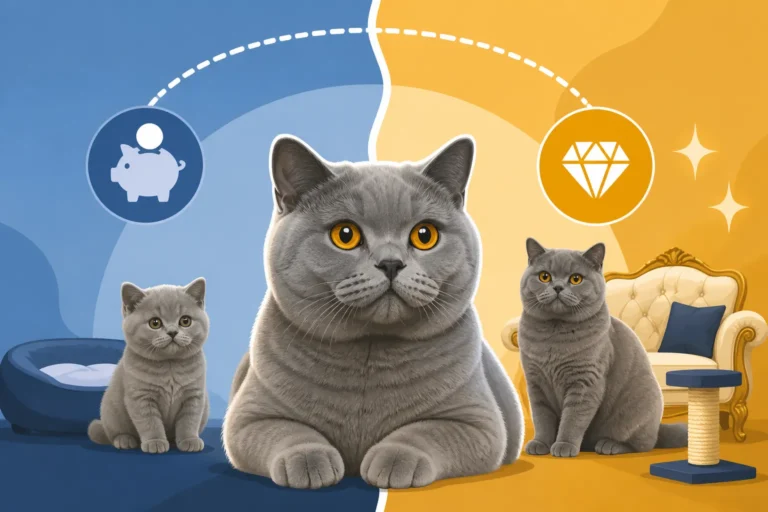
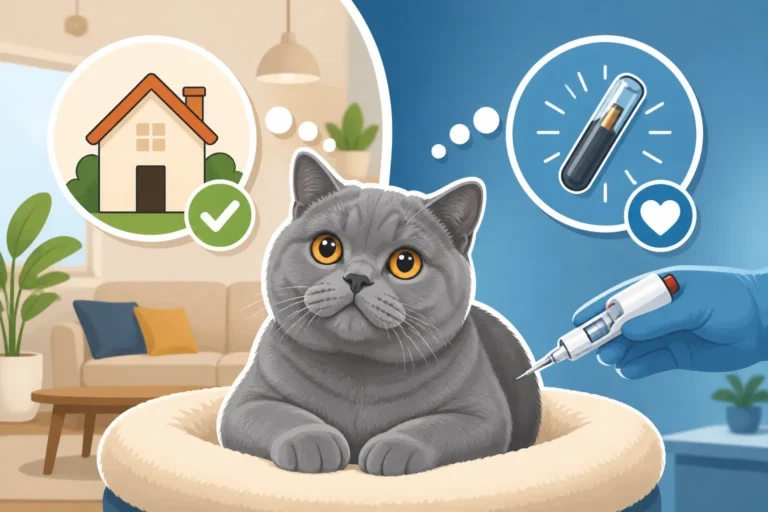
Ah, the blue British Shorthair! It’s likely the image that pops into your head when you think of the breed: that dense, slate-gray coat, those captivating copper eyes, and that famously round face. This classic look is undeniably iconic, making the blue variant a highly sought-after color. Many people envision this specific color when they dream of owning a British Shorthair, and this high demand naturally plays a significant role in its cost.
Historically, the blue color was so prevalent and popular that for a long time, the breed was often simply referred to as the "British Blue." This deep-seated association in the public's mind means that even as other beautiful colors have gained recognition, the blue remains the benchmark, the gold standard if you will. This enduring popularity ensures a consistent demand that can push prices higher compared to less common or less traditionally recognized hues. If you're wondering Why the Blue Became the British Shorthair Everyone Pictures, it’s largely due to this historical prominence and its picture-perfect representation.
Why the "Blue" Commands a Premium
It’s not just about historical preference; there's a certain elegance and timelessness to the blue coat that makes it incredibly appealing. The uniform solid color, coupled with the breed's distinct "cobby" body and plush fur, creates a striking visual. Breeders often find that litters with a higher number of blue kittens are snapped up quickly, sometimes even before they are officially listed. This strong market interest allows breeders to set a premium price, reflecting the effort, investment, and strong demand for this particular coloration. It's a simple economic principle: high demand for a desirable, recognizable trait often leads to a higher price point.
Perceived Rarity Versus Actual Availability
While the blue British Shorthair feels like a special, distinct color, it's actually one of the most common and well-established colors within the breed. The perception of rarity often comes from its iconic status and high demand, rather than any true genetic scarcity. Many dedicated British Shorthair breeders focus heavily on producing excellent blue examples because they know there's a ready market. However, producing a top-quality blue British Shorthair—one that perfectly embodies the breed standard with correct eye color, coat density, and body type—requires significant breeding expertise and investment. This pursuit of perfection, rather than just the color itself, is a key driver of the premium.
Factors Influencing the Initial Purchase Price
When you first start looking for a blue British Shorthair kitten, you'll quickly notice that prices aren't uniform. There's a considerable range, and it's not arbitrary. Several crucial factors come into play, from the breeder's practices to the kitten's own potential. Understanding these can help you discern a fair price from one that's either too good to be true or unnecessarily inflated.
Breeder Reputation and Ethical Practices
The most significant factor influencing the price of a British Shorthair kitten, regardless of color, is the reputation and ethical standards of the breeder. A responsible, reputable breeder invests heavily in their cattery. This includes purchasing high-quality breeding cats with excellent pedigrees, performing extensive health screenings for genetic conditions like HCM and PKD, and providing top-notch care for their queens and kittens. They will often participate in cat shows to prove their cats meet the breed standard, which is an additional expense. These breeders prioritize the health, temperament, and adherence to breed standards above all else. They will openly share health records for the parents and kitten, and provide a comprehensive contract. When you see What a British Shorthair Kitten Costs From a Breeder, a significant portion reflects this dedication and professional investment.
Conversely, "backyard breeders" or "kitten mills" often offer kittens at significantly lower prices. However, these savings come at a steep potential cost. Such breeders typically cut corners on health testing, proper nutrition, socialization, and veterinary care. Kittens from these sources are more prone to genetic diseases, behavioral issues, and chronic health problems, leading to heartbreaking situations and enormous vet bills down the line. It's vital to remember that a low upfront price can be a massive warning sign.
Pedigree and Show Quality Potential
The kitten's lineage and its potential for showing also heavily influence its price. A kitten with a long line of champions in its pedigree, especially if those champions have consistently produced outstanding offspring, will naturally command a higher price. Such a kitten carries the genetic potential for excellent breed type, temperament, and health. Breeders spend years carefully selecting pairings to achieve these desirable traits.
There's also a distinction between a "pet quality" kitten and a "show quality" kitten. A pet quality kitten, while still a purebred British Shorthair from a reputable breeder, might have a minor flaw that disqualifies it from the show ring (e.g., a slight deviation in ear set or coat texture that doesn't affect its health or charm). Show quality kittens, on the other hand, are bred to perfectly match the breed standard and are priced accordingly for their potential in competition or future breeding programs. It's worth noting that even pet quality kittens from excellent lines will have a robust price tag because of the overall quality of the cattery.
Location and Inclusions
The geographical location of the breeder can also affect the price. Breeders in areas with a higher cost of living or higher demand for British Shorthairs might have slightly higher prices. Additionally, what's included in the purchase price varies. A comprehensive package from a reputable breeder might include:
- Initial vaccinations
- Deworming treatments
- Microchipping
- A veterinary health check
- A spay/neuter contract (most reputable breeders sell pet kittens already spayed/neutered or with a contract stipulating early desexing)
- A health guarantee
- Registration papers with a recognized cat association (like CFA or TICA)
- A starter bag of food, a toy, and a blanket with the mother's scent
These inclusions, which represent significant costs to the breeder, are often rolled into the kitten's purchase price. Be wary of breeders who offer a "cheaper" price by stripping away these essential elements, as you'll simply incur these costs yourself shortly after bringing your kitten home. It's also worth investigating Whether a British Shorthair Breeder Shows Echo Results and other health screenings for the parents, as this transparency is a hallmark of ethical breeding.
Beyond the Purchase Price: Initial Setup Costs
Bringing home your adorable blue British Shorthair kitten is just the beginning of your financial commitment. The initial purchase price is merely the first hurdle; a well-prepared home requires a variety of essential items and immediate veterinary attention. These setup costs are non-negotiable for the health and happiness of your new furry family member.
Essential Supplies and Environment
Before your kitten even steps paw inside your door, you’ll need a robust set of supplies. A comfortable, secure carrier is paramount for safe transport from the breeder and for future vet visits. You’ll need food and water bowls, preferably stainless steel or ceramic, which are easy to clean and don't harbor bacteria. A wide, sturdy litter box, suitable for the British Shorthair's eventual adult size, is a must – perhaps even two or three if you have a larger home. And, of course, a good quality litter. Many owners find that a British Shorthair prefers an open-top, spacious litter box, so factor that into your selection.
Beyond the basics, think about enrichment. Scratching posts or boards are crucial for satisfying natural instincts and protecting your furniture. Look for sturdy options, perhaps a vertical post and a horizontal scratcher, to give them variety. A cozy bed or two will provide them with a sense of security and a designated resting spot. Don't forget toys – while British Shorthairs are known for their calm demeanor, kittens still need play to develop. Wand toys, crinkle balls, and puzzle feeders can encourage activity. You might also want to explore Which Cat Tree a British Shorthair Uses to provide vertical space, though they aren't typically avid climbers.
First Veterinary Visits and Vaccinations
Even if your kitten comes with its initial vaccinations from the breeder, you'll still need to schedule a vet visit very soon after arrival. This "new kitten check-up" allows your own veterinarian to assess your kitten's overall health, verify vaccination status, and establish a baseline. They'll also discuss a deworming schedule, flea and tick prevention, and future vaccination boosters.
Over the first few months, your kitten will require a series of vaccinations to protect against common feline diseases. These usually include FVRCP (Feline Viral Rhinotracheitis, Calicivirus, Panleukopenia) and rabies. Depending on your vet's recommendations and your local regulations, other vaccines might be suggested. Each of these visits and vaccine doses contributes to the initial cost. Additionally, if your kitten isn't already spayed or neutered, that will be a significant cost within the first year. Understanding What a British Shorthair Kitten's Vaccination Course Costs can help you prepare financially.
Ongoing Costs: The First Year and Beyond
The initial joy of bringing home your blue British Shorthair soon settles into a routine of daily care, which comes with its own set of ongoing financial considerations. These are the expenses that will be with you throughout your cat's entire lifespan, and it’s important to budget for them realistically.
Food and Nutrition for a British Shorthair
British Shorthairs are known for their hearty appetites and, frankly, their propensity to gain weight. Their dense, cobby build can easily hide excess pounds, making portion control absolutely critical. This means investing in high-quality cat food, whether it's dry kibble, wet food, or a combination. The cost of food can vary significantly depending on the brand, ingredients, and whether you opt for specialized diets. Premium foods, often recommended for their superior nutritional profiles, typically come at a higher price point but can contribute to better long-term health.
Many owners find success with reputable brands available on sites like Chewy, which offer a wide selection and convenient delivery. Some prefer fresh food made with human-grade ingredients, though this often comes at a premium. Remember, it's not just about the cost per bag or can; it's about feeding the right amount. How Much a British Shorthair Should Actually Eat is a critical question to answer with your vet to avoid obesity, which can lead to even more expensive health issues down the road.
Litter, Grooming, and Routine Care
Beyond food, litter is a recurring expense. British Shorthairs, being relatively large cats, will go through a fair amount of litter, and maintaining a clean litter box is vital for their health and your home's hygiene. The type of litter you choose – clay, silica gel, wood pellets, or corn-based – will also impact the cost.
Grooming, while not as intensive as for a long-haired breed, is still necessary. Their dense, plush coat requires regular combing to prevent mats and reduce shedding, especially during seasonal "blowouts" when they drop their undercoat. Investing in a good quality metal comb is essential. While professional grooming isn't typically required, the cost of combs, nail clippers (for their thick claws), and dental care products adds up. You might be surprised by How Much a British Shorthair Sheds when they blow their coat, making regular combing even more important.
Routine veterinary check-ups are also part of ongoing care. Even a healthy British Shorthair needs annual visits for a physical exam, booster vaccinations, and parasite control. As they age, these visits might become more frequent, and additional diagnostics like bloodwork might be recommended.
Protecting Your Investment: Insurance and Health Costs
While we all hope for a long, healthy life for our beloved British Shorthair, the reality is that veterinary emergencies and chronic health conditions can arise, and they can be incredibly expensive. Planning for these possibilities is a crucial part of responsible ownership.
Understanding British Shorthair Health Risks
British Shorthairs are generally a robust breed, often living The Twelve to Seventeen Years a British Shorthair Gets. However, like all purebreds, they can be predisposed to certain genetic conditions. Hypertrophic Cardiomyopathy (HCM) is a concern in the breed, a heart condition that thickens the heart muscle. Another condition, Polycystic Kidney Disease (PKD), while largely bred out of many lines thanks to DNA testing, can still pop up. Obesity is also a significant health risk for British Shorthairs due to their sedentary nature and love of food, leading to issues like diabetes and arthritis.
When you're considering the true cost of ownership, it’s not just the purchase price; it's the potential for these health challenges. Regular screening for conditions like HCM, which involves cardiac ultrasounds, can be a recurring expense. What a British Shorthair's First Echo Costs is something many owners inquire about, as it's a vital screening tool for a breed at risk for heart conditions.
The Value of Pet Insurance
Pet insurance has become an invaluable tool for many cat owners, especially for breeds with known predispositions to certain health issues. It works much like human health insurance, where you pay a monthly premium, and the policy helps cover a portion of unexpected veterinary costs due to accidents or illnesses. This can provide immense peace of mind, allowing you to make medical decisions based on what’s best for your cat, rather than solely on your budget.
Providers like Healthy Paws offer various plans that can cover a significant percentage of eligible vet bills after your deductible is met. While pet insurance is an additional monthly cost, it can prevent financial catastrophe if your British Shorthair faces a serious illness or accident. Consider it an investment in your cat's future health and your financial security. When looking at Insuring a British Shorthair, think about the long-term protection it offers against potentially devastating vet bills.
Where to Find Your Blue British Shorthair and What That Means for Cost
The source of your British Shorthair kitten profoundly impacts not only the initial cost but also the long-term health and behavioral outcomes. Making an informed choice here is paramount for both your wallet and your future companion's well-being.
Reputable Breeders vs. Other Sources
As discussed earlier, a reputable breeder will have a higher initial price for their blue British Shorthair kittens. This cost reflects their investment in health testing, proper nutrition, socialization, and the overall welfare of their breeding cats and kittens. They'll provide guarantees, contracts, and support, and they'll be transparent about their practices. While the upfront cost is higher, you're buying a kitten with a stronger foundation of health and temperament, potentially saving you from heartache and exorbitant vet bills in the future.
In contrast, sources like online classifieds, pet stores, or "backyard breeders" often sell kittens at lower prices. These kittens are frequently raised in less-than-ideal conditions, lack proper health screening, and may have had minimal socialization. The savings on the purchase price are almost always offset by future veterinary expenses for genetic conditions or behavioral training to correct issues stemming from poor early socialization. It's truly a false economy.
Adopting a British Shorthair from Rescue
While blue British Shorthair kittens from rescues are less common, it's not unheard of for adult British Shorthairs to find themselves in breed-specific rescues or general animal shelters. Life circumstances change, and sometimes even beloved purebreds need new homes. Adopting an adult British Shorthair can be a wonderful, often more affordable, option.
Rescue organizations typically charge an adoption fee, which is significantly less than the price from a breeder. This fee usually covers the cost of spaying or neutering, vaccinations, microchipping, and any immediate medical care the cat required. While you might not get a kitten, an adult British Shorthair comes with an established personality, and many have been previously house-trained. Furthermore, rescues often provide some history on the cat, and some may even have completed initial health screenings. If you're open to an older cat, investigating Adopting a British Shorthair From Rescue can be a truly rewarding experience, often with fewer financial surprises.
Comparing Blue British Shorthair Costs: A Holistic View
To truly understand the cost of a blue British Shorthair, it’s essential to look beyond just the initial purchase price and consider the entire financial landscape over their lifetime. The upfront cost is a small fraction of the total investment you'll make in your feline companion.
The table below provides a general overview of the types of costs you can expect. Remember that specific figures are not given here, as they fluctuate widely based on location, provider, and individual choices.
| Cost Category | Initial (First few weeks/months) | Ongoing (Per year, after initial setup) | Potential Future (Unexpected/Age-related) |
|---|---|---|---|
| Purchase/Adoption | Breeder price for blue British Shorthair kitten; Rescue adoption fee | N/A | N/A |
| Supplies | Carrier, litter boxes, food bowls, scratching posts, beds, toys | Replacing worn-out items, new toys, grooming tools (combs, clippers) | Specialized litter boxes (e.g., low-entry for arthritis) |
| Veterinary Care | Initial vet check, vaccination series, deworming, microchip, spay/neuter | Annual wellness exams, booster vaccines, parasite prevention (flea/tick/heartworm), dental cleanings | Emergency visits, diagnostics (X-rays, ultrasounds), medications for chronic illness, surgery, specialized diets |
| Food & Nutrition | Kitten food | Adult cat food (wet/dry), treats, supplements | Prescription diets for kidney disease, diabetes, weight management (available on platforms like Chewy) |
| Litter | Initial bags of litter | Monthly litter supply | N/A |
| Insurance | Initial premium setup | Monthly/annual premiums (e.g., Healthy Paws) | N/A (but covers future potential costs) |
| Miscellaneous | Training aids, travel accessories | Pet sitting/boarding, emergency fund contribution | End-of-life care |
Looking at What a British Shorthair Costs Over Its Lifetime really drives home that the purchase price is just the tip of the iceberg. Your British Shorthair will be a cherished companion for many years, and providing them with excellent care throughout that time is the true measure of your financial commitment. It's a journey, not a single transaction.
Ultimately, the cost of a blue British Shorthair kitten is an investment, not just a price tag. It's an investment in a healthy, well-socialized companion that will bring years of quiet joy and companionship. By being thorough in your research, choosing reputable sources, and preparing for both expected and unexpected expenses, you can ensure that your beautiful blue British Shorthair thrives in your home.
Disclaimer
This article is for general informational purposes only and does not constitute professional advice. Laws, prices and regulations vary by location and change over time. Consult a qualified professional for guidance on your specific situation.