Why the Blue Became the British Shorthair Everyone Pictures
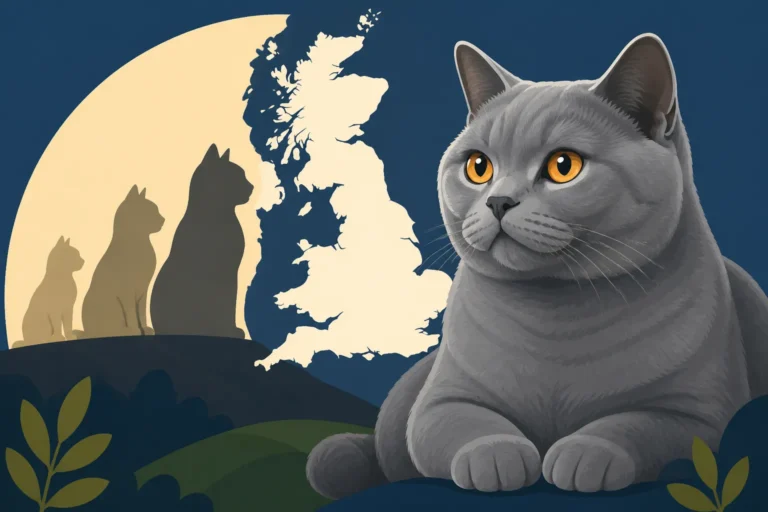
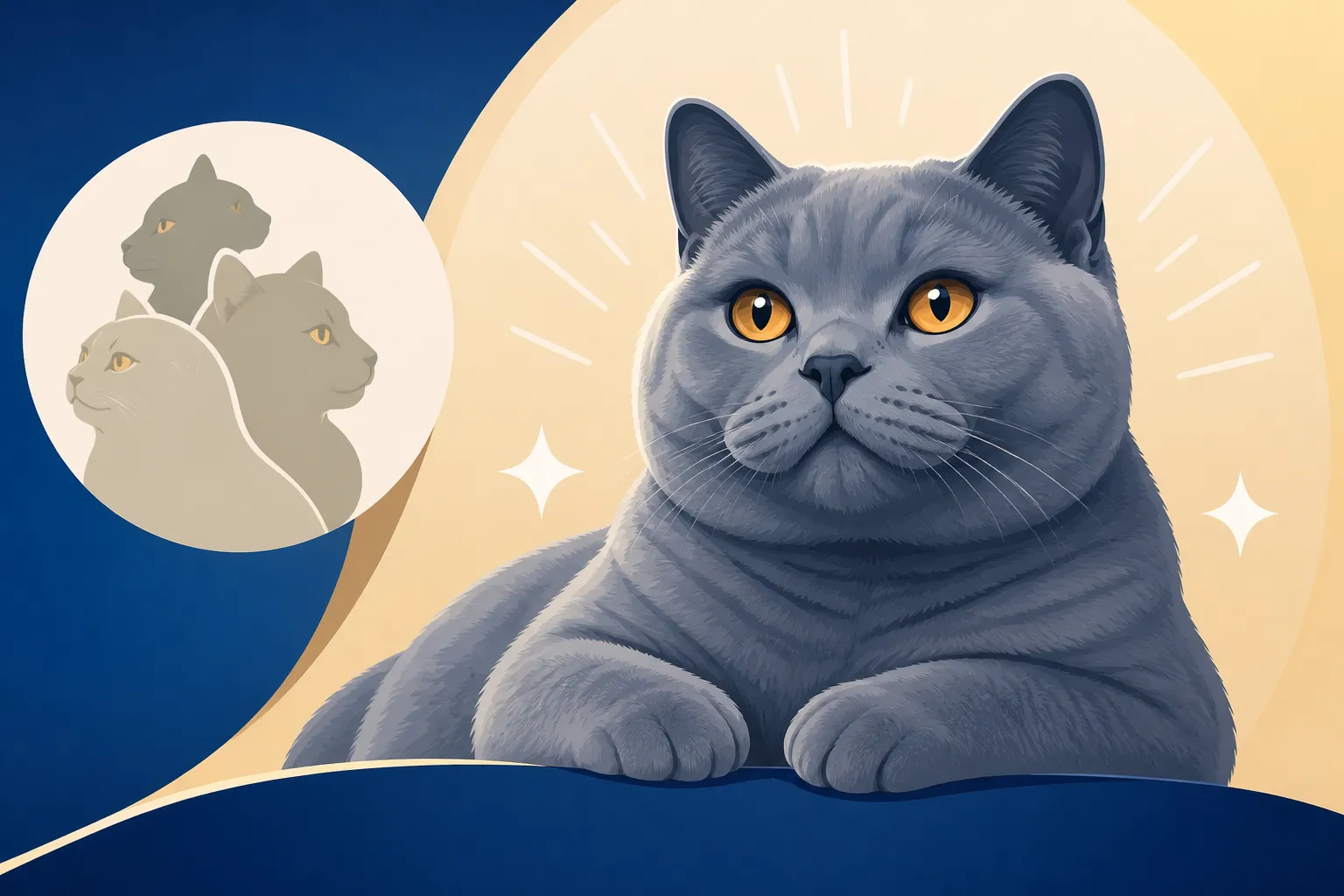
It’s a common sight, isn't it? When someone mentions a "British Shorthair," the image that immediately springs to mind for most people is that of a calm, chunky cat with a plush, uniform grey-blue coat and striking copper eyes. This iconic visual has become so ingrained that many mistakenly believe all British Shorthairs are blue, or that "British Blue" is a separate breed entirely. This guide will explore the fascinating journey of how this particular shade came to dominate the breed's public perception, from its humble beginnings to its current widespread recognition.
The British Shorthair's Ancient Origins and Early Colors
Before the organized cat fancy began, the ancestors of the British Shorthair were simply the domestic cats of Great Britain, hardy and well-adapted to the local climate. These were working cats, earning their keep as mousers in barns, homes, and on ships, valued for their practicality rather than their aesthetics. Their coats were certainly not limited to a single hue; variety was the spice of life (and survival) in those days.
From Roman Settlers to British Street Cats
The lineage of these robust felines can be traced back centuries, long before anyone thought to call them "British Shorthairs." It's widely believed that their predecessors arrived with the Roman legions, brought to control rodent populations during the Roman occupation of Britain. These cats interbred with local wild felines, evolving into the quintessential British street cat – a sturdy, adaptable, and naturally occurring breed. They developed thick, weather-resistant coats and muscular bodies, perfect for thriving in various environments, from bustling market towns to quiet country farms. The British Shorthair Started as a British Street Cat details this fascinating origin story. They were simply "cats," albeit particularly robust and charming ones, cherished for their utility. Their genetic pool was diverse, reflecting centuries of natural selection and regional intermingling across the British Isles.
A Palette of Early Colors
In these early days, uniformity of color was far from a priority. Just like any mixed-breed population, the British street cats came in a dazzling array of colors and patterns. You would have seen solid blacks, whites, reds, and creams. Tabbies were incredibly common – mackerel, classic, and spotted patterns would have been prevalent, offering excellent camouflage for hunting. Bi-colors, tri-colors (calicos), and tortoiseshells also added to the rich tapestry of coats. Essentially, if a domestic cat could wear a color, you'd likely find a British ancestor sporting it. The blue gene, which creates the grey coat, was certainly present in the population, but it was just one of many options, not yet singled out for special attention. It was simply part of the natural genetic lottery, not a defining characteristic.
Harrison Weir and the Dawn of the Cat Fancy
The late 19th century marked a pivotal moment for cats in Britain: the birth of the organized cat fancy. Before this, owning a cat was largely utilitarian; after it, cats began to be appreciated for their beauty and distinct characteristics, leading to the intentional development and standardization of breeds. This new era needed champions, and it found one in Harrison Weir.
The First Cat Show and Standardization
Harrison Weir, a true polymath known for his art and passion for animals, was instrumental in elevating the status of the common cat. He wasn't just interested in beauty; he saw the potential for distinct breeds, each with its own specific traits and standards. His vision culminated in the world's first formal cat show, held at the Crystal Palace in London in 1871. This event was a game-changer, transforming cats from mere household pets into subjects of careful breeding and exhibition. Weir meticulously outlined standards for various types of cats, essentially giving birth to the concept of "breed." Among these, he championed the native British street cat, seeking to refine and celebrate its natural qualities. Harrison Weir Put a British Shorthair on the Bench in 1871 delves into his foundational role in establishing the British Shorthair breed.
The show wasn't just about showing off; it was about defining what an ideal cat of a certain "type" should look like. Judges evaluated cats against these nascent standards, marking a significant shift from informal appreciation to structured recognition. It sparked immense public interest and set the stage for the formal categorization of cats into breeds, including the one we now know as the British Shorthair.
Weir's Vision for the British Shorthair
Weir's goal for the British Shorthair was to create a breed that embodied the best qualities of the native working cat: robust health, a calm demeanor, and a distinctive appearance. He wanted to maintain their sturdy build, round face, and short, dense coat. Crucially, Weir held a particular fondness for the blue (grey) variant of these cats. He admired their striking appearance, believing the solid blue color paired beautifully with the breed's overall dignified presence. This personal preference, coming from such an influential figure at the very inception of the breed, naturally highlighted and popularized the blue British Shorthair.
His published standards and enthusiasm for the blue color began to guide early breeders. While other colors were certainly recognized and shown, the blue quickly became the exemplar, the "poster child" for what a British Shorthair should be. This early emphasis laid the groundwork for the blue variant's dominance in the public imagination, creating a strong association that would only grow stronger over time. The groundwork was clearly laid for a particular color to rise above the rest.
The Appeal of the Blue Gene
So, what was it about the blue coloration that captured the imagination of early breeders and the public alike? It wasn't just Weir's preference; there's something inherently appealing about the dilute grey shade, especially when paired with the British Shorthair's distinctive body type and eye color.
Understanding the Dilute Gene
The "blue" color in cats isn't actually blue in the way we might describe a sapphire or a robin's egg. Genetically, it's a dilute version of black. All cat colors are determined by basic pigments: eumelanin (which creates black/brown shades) and pheomelanin (which creates red/cream shades). A cat that is genetically black, but also carries a "dilute" gene, will have its black pigment spread out and less concentrated, resulting in the beautiful grey-blue shade we associate with the British Shorthair. This is why a blue cat will have nose leather and paw pads that are also slate grey, rather than black.
This genetic explanation is straightforward, but the visual impact is profound. The dilute gene softens the intense black, creating a sophisticated, almost ethereal grey. This particular shade provided a visual contrast to the more common blacks and tabbies, making it stand out in the emerging cat shows. It lent an air of elegance and rarity that breeders were keen to cultivate.
Why Blue Captured Hearts Early On
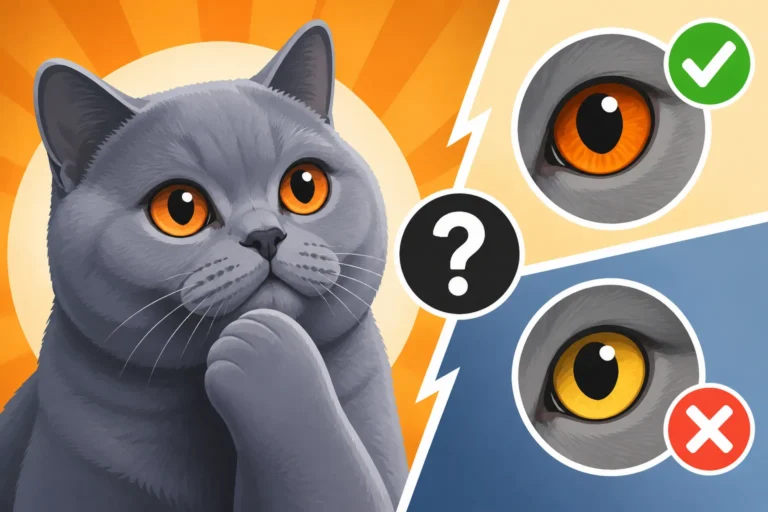
Beyond the genetic science, the blue British Shorthair simply had an undeniable charm. Its soft, plush coat in that uniform slate grey was striking. Paired with the breed's signature round head and often brilliant copper eyes, the blue British Shorthair presented an image of serene beauty and quiet dignity. This combination was unique and aesthetically pleasing, setting it apart from other cat breeds and colors. The solid, unpatterned coat in such a distinct shade made a strong impression.
Moreover, blue cats often have a reputation for being particularly calm and affectionate, though this is more anecdotal than scientific. Nevertheless, the perception of a gentle giant in a sophisticated blue coat further cemented its appeal. It quickly became the preferred choice for those seeking a distinctive and beautiful companion. This preference, combined with its strong showing in early competitive environments, propelled the blue British Shorthair to the forefront of the breed's representation, establishing it as the aspirational look for many.
War and Reconstruction: The Persian Influence
The two World Wars wreaked havoc across Europe, and the British Shorthair breed was not spared. With resources scarce and focus on survival, cat breeding naturally took a back seat. The breed faced a severe decline, almost to the point of extinction, necessitating drastic measures for its survival and revival.
Near Extinction and Necessary Outcrossing
After the devastation of World War I and particularly World War II, the numbers of purebred British Shorthairs plummeted dramatically. Many catteries closed, and breeding lines were lost. To prevent the complete disappearance of the breed, dedicated enthusiasts had to make difficult choices. They turned to outcrossing, breeding the remaining British Shorthairs with other breeds to widen the gene pool and ensure genetic viability. Without these strategic infusions, the British Shorthair as we know it might not exist today. This period was crucial for the breed's survival, even if it meant temporarily deviating from the strict standards of Harrison Weir's era. The Persians That Rebuilt the British Shorthair After the War provides further context on this challenging time.
The process of rebuilding involved careful selection, aiming to re-establish the original British Shorthair type and temperament while mitigating the impact of the outcrosses. This was a painstaking effort, taking many years to achieve.
The Blue Persian's Contribution
Among the breeds used for outcrossing, the Persian cat played a particularly significant role. Persians were known for their robust health, dense coats, and calm temperaments, which complemented the British Shorthair's desired traits. Crucially for our story, blue Persians were quite popular and numerous at the time. When these blue Persians were bred with the surviving British Shorthairs, they naturally passed on their blue genes.
This influx of blue genetics from the Persian line further intensified the prevalence of the blue color within the British Shorthair population. Breeders found that the crosses with blue Persians often produced offspring that quickly regained the desired British Shorthair type while also inheriting the beloved blue coat. The roundness of the British Shorthair head, its cobby body, and plush coat were all reinforced by the Persian influence, and the blue color became even more deeply entrenched as the quintessential British Shorthair look. This reconstruction period cemented the blue color's dominant position, ensuring that as the breed recovered, blue British Shorthairs were at the forefront.
The Rise to Icon Status
From the resilience shown during reconstruction, the British Shorthair, and particularly its blue variant, emerged stronger than ever, captivating audiences far beyond the show halls. Its distinct look became instantly recognizable, leading to its widespread iconization.
Advertising and Popular Culture
The image of the blue British Shorthair has graced countless advertisements and media over the decades. Its teddy bear-like appearance – those round cheeks, large copper eyes, and dense blue coat – proved incredibly appealing to marketers. It suggested comfort, calm, and a touch of luxury. You might not realize it, but many of the "generic" grey cats depicted in cartoons, greeting cards, and commercials are clearly inspired by the blue British Shorthair. This pervasive presence in popular culture reinforced the association in the public mind: British Shorthair equals blue.
This isn't just a fleeting trend; it’s a sustained presence. Think of any popular cat food brand packaging or a cozy home décor image featuring a cat; chances are, a British Shorthair-esque blue cat is there. This consistent visual messaging, sometimes even featuring specific breeds for products found on Chewy, ensures that for many, the blue British Shorthair is the definitive example of the breed. It became a visual shorthand for "cat," but a particularly charming and placid one.
Sustained Breeder Focus and Show Ring Success
The preference for the blue color wasn't just driven by external factors; it was also consistently reinforced by breeders and in the show ring. Many breeders found blue cats to be consistently popular with buyers, leading them to focus on developing and perfecting blue lines. Furthermore, the established standards in various cat registries often featured descriptions of the ideal British Shorthair that were perfectly embodied by the blue variant – the deep copper eyes, the dense coat, the cobby body.
This created a positive feedback loop: more blue cats were bred, more blue cats won in shows, and more people wanted blue cats. Over time, the breeding community became incredibly adept at producing stunning blue British Shorthairs, further solidifying their place at the top. While other colors were certainly recognized and gained popularity, the blue had a head start and a powerful momentum that made it the default image of the breed. This concentrated effort in breeding and showing meant that the blue British Shorthair often stood out and consistently met the high expectations of the judges.
Beyond the Blue: A Spectrum of British Shorthair Colors
While the blue British Shorthair might be the most famous, it's crucial to remember that the breed is a vibrant tapestry of colors and patterns. Limiting your perception to just blue means missing out on the incredible diversity and beauty the British Shorthair truly offers.
The Rich Tapestry of British Shorthair Hues
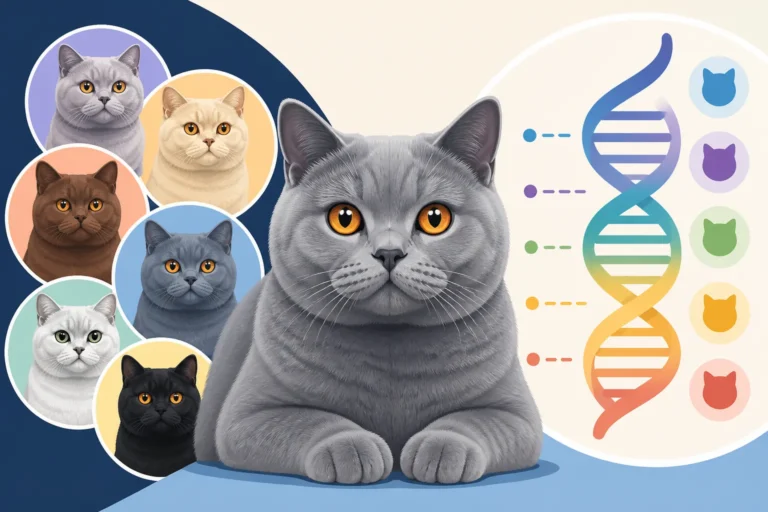
The British Shorthair comes in an astonishing array of colors and patterns, a testament to its diverse genetic heritage. Beyond blue, you'll find solids in black, white, cream, red, lilac, chocolate, and even cinnamon. The dilute versions of these colors are also recognized, such as fawn (dilute cinnamon) or caramel (dilute chocolate). Then there are the tabby patterns – classic, mackerel, spotted, and ticked – in various color combinations, including silver tabbies which are quite striking. You can also find bi-colors (two colors, often white with another solid or tabby color), tri-colors (calico and tortoiseshell), and even colorpoints, which feature darker points on the ears, face, paws, and tail, similar to a Siamese. A British Shorthair Comes in More Colors Than You Think truly opens up the world of their coat possibilities.
Each color and pattern combination offers a unique aesthetic, from the understated elegance of a solid lilac to the wild beauty of a spotted tabby. For instance, a golden shaded British Shorthair, with its tipped golden fur and green eyes, is a breathtaking sight, a far cry from the classic blue. Exploring these different variations reveals just how much more there is to this magnificent breed than a single shade.
Appreciating the Breed's Full Diversity
Recognizing the full spectrum of British Shorthair colors and patterns is about more than just aesthetics; it's about appreciating the breed's heritage and genetic richness. While the blue is certainly beautiful, focusing solely on it overlooks the many other equally stunning variations that share the same wonderful temperament and sturdy build. Breeders today work diligently to maintain and develop these diverse lines, showcasing the full potential of the breed.
When you're looking for a British Shorthair, keep an open mind to all the colors. A red tabby or a chocolate British Shorthair might just steal your heart with their unique charm. The core characteristics – the calm demeanor, the dense coat, the round features – are consistent across all colors. So, whether it's a classic blue, a regal black, or a playful tortoiseshell, a British Shorthair remains a British Shorthair, embodying all the beloved traits, regardless of its coat. This broader appreciation helps support the breed's overall genetic health and diversity, preventing an over-reliance on a single, narrow genetic profile.
| Color Group | Examples | Eye Color (Typical) |
|---|---|---|
| Solid | Blue, Black, White, Cream, Red, Lilac, Chocolate, Cinnamon, Fawn | Copper/Gold (Blue: Copper/Gold) |
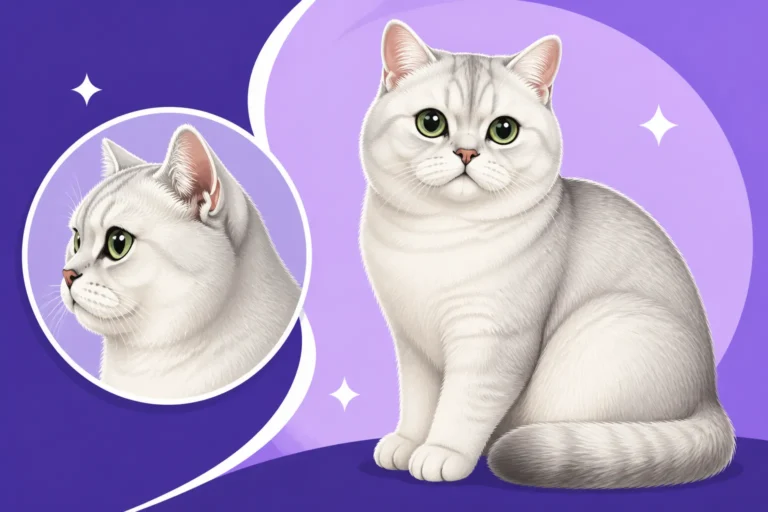
| Tabby | Silver Tabby, Blue Tabby, Red Tabby, Brown Tabby (Classic, Mackerel, Spotted, Ticked) | Copper/Gold (Silver Tabbies: Green) |
| Bi-Color | Blue and White, Black and White, Red and White | Copper/Gold |
| Tri-Color | Tortoiseshell, Calico (Dilute and Traditional) | Copper/Gold |
| Shaded/Tipped | Golden Shaded, Silver Shaded | Green (sometimes Copper/Gold) |
| Colorpoint | Seal Point, Blue Point, Lilac Point | Blue |
Living with a British Shorthair of Any Color
No matter the color of their coat, all British Shorthairs share the fundamental qualities that make them such beloved companions. Their distinctive personality and care needs are consistent across the spectrum of their beautiful coats.
Temperament Remains Constant
The blue color might be iconic, but it's the British Shorthair's personality that truly defines the breed. These cats are renowned for their calm, placid, and generally laid-back disposition. They are often described as "quiet giants" or "teddy bear" cats, preferring to observe the household goings-on from a comfortable perch rather than constantly demanding attention. They are typically affectionate but not overly clingy, happy to sit near you rather than always on your lap. What a British Shorthair's Temperament Is Really Like explores these traits in depth.
They tend to be very tolerant, making them excellent companions for families with children or other pets, provided proper introductions are made. Their quiet nature means they rarely vocalize loudly, often communicating with soft chirps or trills. This consistent temperament is a hallmark of the breed, regardless of whether they are a blue, a tabby, or a rare cinnamon. So, when you choose a British Shorthair, you're primarily choosing a specific personality type, not just a color.
Health and Care Considerations
The health and care requirements for a British Shorthair are also universal, irrespective of their coat color. A proper diet is paramount, as these cats can be prone to weight gain due to their calm nature and hearty appetites. Portion control is absolutely key to keeping them healthy. How Much an Adult British Shorthair Eats details how to manage their dietary needs. Regular grooming, while not overly demanding, is essential to maintain their dense, plush coat and minimize shedding and hairballs. How Often a British Shorthair Needs Combing offers practical advice on this front.
It's also important to be aware of potential breed-specific health concerns. While considered a generally healthy breed, British Shorthairs can be susceptible to conditions like hypertrophic cardiomyopathy (HCM) and polycystic kidney disease (PKD), though responsible breeders screen for these. Regular veterinary check-ups are crucial to monitor their overall health as they age. Whether the British Shorthair Is a Healthy Breed is a valuable resource for understanding the breed's health profile. Ultimately, the commitment to care, diet, and regular vet visits is the same, whether your British Shorthair is blue, white, or any other beautiful shade.
Conclusion
The blue British Shorthair has undeniably earned its place as the breed's most recognized and beloved ambassador. From Harrison Weir's early admiration to its strategic role in post-war reconstruction and its ubiquitous presence in popular culture, the blue coat has imprinted itself deeply on the collective imagination. It's a testament to its striking beauty and the qualities it embodies.
However, to truly appreciate the British Shorthair is to look beyond this iconic shade. The breed offers a rich tapestry of colors and patterns, each unique and equally deserving of admiration. While the blue may be the first image that springs to mind, the British Shorthair's true essence lies in its robust health, serene temperament, and that unmistakable teddy bear charm, qualities that shine through in every single color of this magnificent feline. So, next time you picture a British Shorthair, remember the blues, but also celebrate the entire rainbow!
Disclaimer
This article is for general informational purposes only and does not constitute professional advice. Laws, prices and regulations vary by location and change over time. Consult a qualified professional for guidance on your specific situation.