Whether British Shorthair Owners Would Choose One Again
A British Shorthair can be an easy cat to live with, but the breed’s quiet, independent nature is not a perfect match for everyone. Owners who expected a cuddly lap cat may feel disappointed, while people who value calm company often find the arrangement just right. Here’s how to think through whether you—or a current owner—would choose one again.
Why many owners would choose a British Shorthair again
A calm companion with a strong sense of independence
For many people, the appeal is that a British Shorthair can be part of the household without needing to be the center of every moment. They often enjoy staying in the same room, watching family life unfold, or settling nearby while someone reads or works. That kind of company can feel especially welcome if you want an affectionate pet but do not want a cat constantly climbing into your lap.
This is also where expectations matter. British Shorthairs are often affectionate, but affection may look like choosing the chair beside you rather than settling on your knees. Someone who understands that distinction may find the relationship satisfying; someone who equates love with being held may feel they are missing something. A British Shorthair Sits Near You, Not On You explores that familiar difference.
A relaxed temperament can suit a quieter household, a person who works from home, or someone who appreciates a pet with a little independence. But “calm” does not mean a cat needs no attention. Your British Shorthair still needs play, interaction, routine care, and a safe, stimulating home. If you’re considering one, it helps to learn what the breed’s day-to-day personality can actually be like in What a British Shorthair's Temperament Is Really Like.
A distinctive look and a steady presence
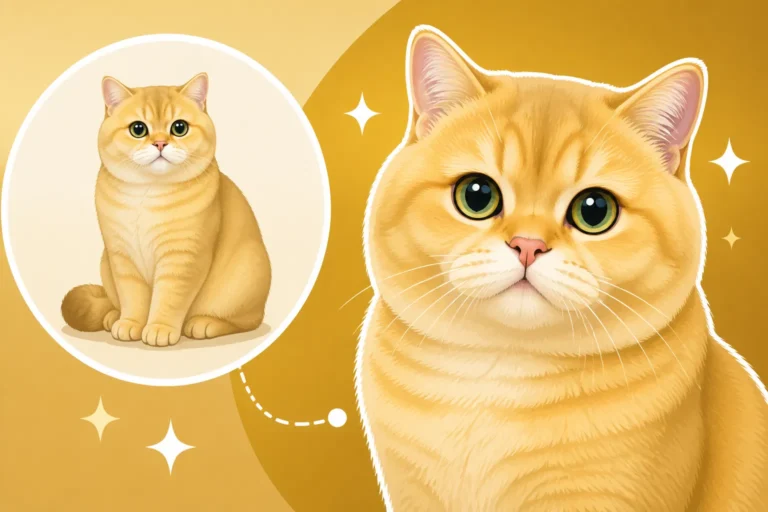
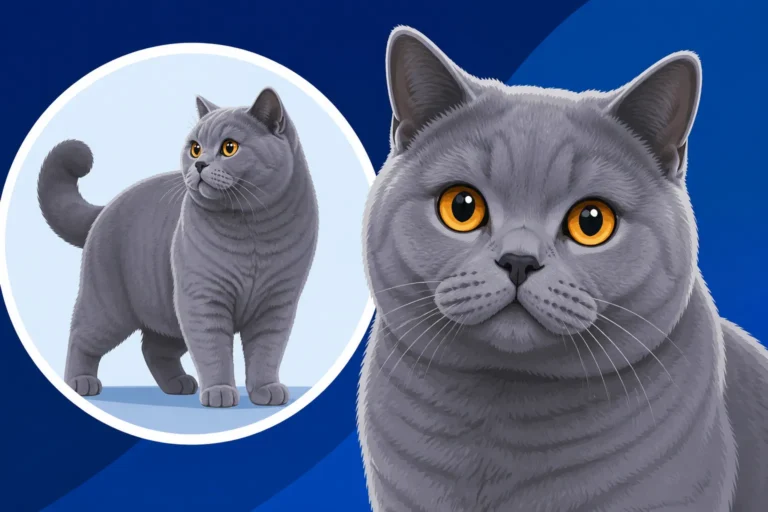
The breed’s round face, dense coat, and solid build are part of its charm. Owners who love the classic teddy-bear appearance may enjoy seeing those features develop as their cat matures. British Shorthairs are slow to fill out compared with many cats, so the kitten you bring home may gradually become a more substantial adult over several years. Their looks can be a lasting source of delight, but appearance alone does not tell you whether the cat’s needs and temperament suit your household.
Some owners also appreciate that a British Shorthair can be content with predictable routines. A regular feeding schedule, familiar resting places, and gentle daily interaction can help a cat feel settled. That steadiness can make everyday life pleasant—provided the household is prepared to respect the cat’s preferences rather than expecting it to adapt instantly to constant changes or handling.
A breed can be beautiful and still be the wrong fit for an individual home. Before choosing one, ask yourself whether you enjoy a companion who may be close without being physically demonstrative. If you want more detail about cuddling expectations, How Much of a Lap Cat a British Shorthair Is is a useful place to start.
Why some owners might hesitate or choose differently
The mismatch between “affectionate” and “cuddly”
One of the most common sources of disappointment is expecting a British Shorthair to enjoy being picked up or held for long periods. Some individuals tolerate it, some learn to accept brief handling, and others clearly prefer keeping all four paws on the floor. A cat can trust and love its person while still disliking restraint.
This can be hard to explain to visitors who see a plush, round cat and assume it wants to be cuddled like a stuffed toy. If the cat wriggles, pushes away, or leaves, that is useful communication—not a personal rejection. For a household with young children, everyone needs to learn to let the cat approach and to stop petting when it signals that it has had enough.
People who want a highly tactile companion may be happier with a different individual or breed. The key is not to assume every British Shorthair behaves the same way, but to be honest about what kind of affection you hope to receive. How Affectionate a British Shorthair Is can help you weigh the breed’s reputation against the range of ways individual cats show attachment.
Low activity still calls for daily effort
A British Shorthair’s laid-back manner can be appealing, but it can also make it tempting to let play and exercise slide. These cats may not race around the house for hours, yet they still need opportunities to move, explore, and engage their natural curiosity. Without encouragement, a sedentary routine and too much food can contribute to unhealthy weight gain.
Owners can make activity more manageable by offering short, regular play sessions rather than waiting for the cat to entertain itself. Try moving a wand toy slowly along the floor, rotating toys to keep them interesting, or using a food puzzle with part of the cat’s measured meal. If your cat loses interest quickly, pause and try again later instead of turning play into a struggle. For practical ideas, see Getting a Low Energy British Shorthair to Move.
The breed’s body shape can make weight changes less obvious, especially under a thick coat. Regular weighing and a vet’s assessment of body condition are more useful than guessing from appearance alone. Obesity Is the British Shorthair's Real Disease explains why keeping an eye on weight is part of responsible ownership, not just a cosmetic concern.
What owners should consider before deciding again
The everyday trade-offs
Choosing a cat again is not only a question of personality. It also means choosing the daily routines and expenses that come with caring for that individual. Food, litter, routine veterinary care, grooming supplies, and unexpected health needs all deserve a place in the household plan. A British Shorthair’s coat is dense and sheds, so regular combing can help remove loose hair and keep the coat in good condition.
| What to consider | Why it matters | A realistic question to ask |
|---|---|---|
| Affection style | The cat may prefer sitting nearby to being held | Would I feel loved by a cat that chooses the next chair? |
| Activity | A calm cat still needs movement and play | Can I build short play sessions into a normal day? |
| Grooming | Dense fur needs regular attention, especially during shedding | Am I willing to comb the coat consistently? |
| Weight management | A sturdy build can make extra weight easy to overlook | Can I measure meals and monitor body condition? |
| Veterinary care | Preventive care and illness can affect both time and budget | Have I planned for routine and unexpected care? |
| Household fit | Noise, children, visitors, and other pets can shape the cat’s comfort | Can everyone respect the cat’s boundaries and routine? |
It can help to talk frankly with a breeder or rescue about the cat’s individual personality, known health history, and routine. Ask what the cat enjoys, how it responds to handling, and what care it is used to. A thoughtful match is more useful than choosing based on coat color or a promise that a kitten will grow into a particular temperament.
Some owners researching supplies may browse product listings and customer feedback at places such as Chewy, but reviews cannot tell you what will work for your individual cat. Your veterinarian can help with food questions, while the cat’s preferences will guide choices such as litter texture, scratching surfaces, and toys. If shopping at Chewy, treat reviews as one input—not a substitute for your cat’s response or veterinary advice.
The life stage can change the experience
Living with a kitten is different from living with an adult. A young British Shorthair may be more playful, curious, and mischievous than the composed adult people picture. As the cat matures, its habits and energy may change, but there is no guarantee it will become more cuddly or enjoy being carried. A kitten’s early behavior can offer clues, not a firm promise about its adult personality.
An adult cat may be a better choice for someone who wants a clearer sense of temperament before bringing a pet home. Ask the person or organization caring for the cat how it behaves during ordinary routines: Does it seek attention? Does it hide from visitors? Does it play? Is it comfortable with handling? Real examples are more useful than broad descriptions such as “sweet” or “easygoing.”
Owners also need to consider how their own lives may change. A cat that fits a quiet routine today may need to adapt to a move, a new baby, a different work schedule, or the arrival of another pet. British Shorthairs often value familiarity, so gradual introductions and consistent routines can make transitions easier. What British Shorthair Owners Wish They Had Known offers more perspective on the details that can surprise people after the initial excitement of bringing a cat home.
A practical way to decide whether you would choose one again
Separate the breed from the individual cat
If you already share your home with a British Shorthair, try to identify what you genuinely enjoy about your particular cat and what you find difficult. Perhaps you love the quiet companionship but wish your cat were more willing to be held. Perhaps you appreciate the calm temperament but need to be more consistent about play. Separating those points can show whether your feelings are about the breed’s typical tendencies, your cat’s individual preferences, or a routine that could be adjusted.
For a prospective owner, make two lists: the qualities you need in a companion and the behaviors you would find frustrating. Then compare them with realistic expectations, not an idealized picture. If your must-have is a cat that regularly naps on your lap, a British Shorthair may be a gamble. If you want a steady, relatively independent companion who can enjoy being near you, the breed may be a stronger match. Whether a British Shorthair Is Right for You can help you work through that decision.
It is also worth asking whether you enjoy a cat as it is, rather than hoping to train away its core preferences. Gentle socialization and positive experiences can help a cat become more comfortable, but they cannot guarantee that it will love being carried or held. A choice you can feel good about is one that leaves room for the cat’s boundaries.
Use the answer as a guide, not a verdict
Owners who would choose the breed again may be responding to a particular combination: a quiet home, realistic expectations, and a cat whose personality fits their own. Someone else may decide they would choose a more playful or physically affectionate companion next time. Neither answer means the cat is a failure or that the owner has done something wrong. It simply reflects how closely the match fits the person’s needs.
If you are unsure, spend time with adult British Shorthairs when possible, speak with people who live with them, and ask specific questions about daily life. “Is the cat affectionate?” is less helpful than “How does it ask for attention?” or “What happens when you try to pick it up?” A concrete answer gives you a better picture of what living together may feel like.
The most useful question is not whether every owner would choose a British Shorthair again. It is whether you can welcome the breed’s likely strengths and limitations, care for the cat’s needs, and appreciate the relationship it actually offers. For some people, that quiet presence is exactly right. For others, a different kind of companion may bring more joy.
Chewy may be one place to compare everyday supplies as you prepare, but choosing a cat should come down to temperament, care needs, and a thoughtful match—not a shopping list. Take time to consider the kind of companionship you want, and give the individual cat’s personality as much weight as the breed name.
Disclaimer
This article is for general informational purposes only and does not constitute professional advice. Laws, prices and regulations vary by location and change over time. Consult a qualified professional for guidance on your specific situation.