Whether the British Shorthair Was the First Show Cat
It’s a natural assumption, isn’t it? When you look at the majestic, calm demeanor of a British Shorthair, with its plush coat and iconic round face, you might wonder if this dignified breed was the original star of the show ring. Many people struggle with understanding the origins of modern cat fancy and how the British Shorthair, or its ancestors, fit into that historical narrative. This guide will take a deep dive into the very first cat shows and clarify the British Shorthair's true place in that groundbreaking history, separating myth from reality.
The Dawn of Cat Shows: A Victorian Phenomenon
Before the Victorian era, cats were largely seen as utilitarian animals – mousers, companions, but rarely subjects of organized admiration or breeding. The concept of a "pedigree" cat, let alone a cat show, was almost unheard of. It took a particular kind of vision and passion to elevate cats from the barn to the bench, and that vision largely belonged to one remarkable individual who profoundly shaped the future of cat fancy.
Who Was Harrison Weir and Why Does He Matter?
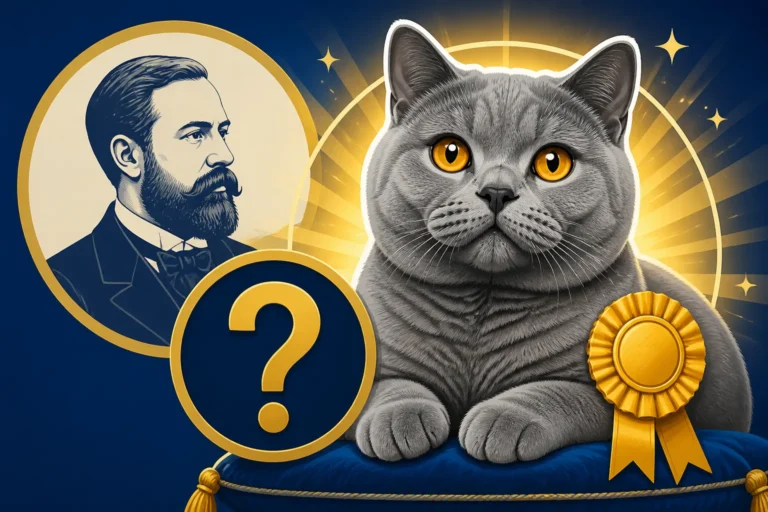
Harrison Weir, often hailed as the "Father of the Cat Fancy," was a true pioneer. He wasn't just an organizer; he was an artist, an author, and a profound lover of animals, especially cats. Before Weir, cats were just "cats." There was no formalized system of breeds, no standards to judge them by, and certainly no grand exhibitions dedicated solely to felines. Weir saw the inherent beauty and distinct characteristics in domestic cats and believed they deserved the same recognition and appreciation that dogs and other livestock received. He spent years observing and documenting the different types of cats in Britain, meticulously noting their physical traits and temperaments.
His primary goal was to bring domestic cats into the public eye in a way that had never been done before. He envisioned a future where cats were respected, studied, and bred for their unique qualities, rather than simply existing on the periphery of human lives. It was his unwavering dedication and belief in the dignity of cats that spurred him to organize the first official cat show. He understood that to truly establish cat fancy, he needed a stage, a formal event where these beloved creatures could be presented, admired, and judged according to specific criteria. This was a radical idea at the time, but one that would forever change the relationship between humans and felines. Weir's work laid the foundational stones for what we now understand as cat breeding and showing. It's safe to say that without his tireless efforts, the cat world as we know it today would be vastly different, and the British Shorthair might not have developed its distinct and beloved identity. Indeed, it was Harrison Weir Put a British Shorthair on the Bench in 1871.
The Grand Crystal Palace Show of 1871
Imagine Victorian London, bustling with innovation and a burgeoning middle class, eager for new forms of entertainment and social gathering. It was against this backdrop that the world's very first organized cat show took place on July 13, 1871, at the magnificent Crystal Palace in London. This event was not just a small gathering; it was a grand affair, much anticipated and widely publicized. Harrison Weir himself was not only the organizer but also one of the chief judges, lending his considerable expertise and reputation to the proceedings.
The show featured an impressive array of nearly 170 cats, each housed in its own individual cage, displayed for the public's scrutiny and admiration. People flocked to the Crystal Palace, curious to see these "fancy" cats and to participate in this novel spectacle. For many attendees, it was the first time they had ever seen such a variety of felines gathered in one place, let alone displayed for judgment. The atmosphere was one of excitement and novelty, a testament to Weir's vision. This wasn't merely a beauty pageant; it was a serious attempt to establish categories and standards for different types of cats. What Happened to the British Shorthair at Crystal Palace really set the stage for everything that followed in the world of cat showing and breeding. The success of this show immediately sparked interest across Britain and beyond, inspiring similar events and solidifying the idea that cats, just like dogs, could be subjects of dedicated breeding and exhibition.
The British Shorthair's Early Days in the Spotlight
When we talk about the "British Shorthair" today, we picture a very specific, well-defined breed. However, in the early days of cat fancy, things were much less formal. The term didn't carry the same weight or precise meaning it does now. It’s important to understand this evolution to truly grasp the breed’s historical context within cat shows.
The "Street Cat" to Show Cat Transformation
The British Shorthair, as we know it, didn't just appear fully formed at the Crystal Palace. Its ancestors were, quite literally, the common domestic shorthaired cats found throughout Great Britain. These were the robust, hardy "street cats" or "farm cats" that had adapted over centuries to the British climate and way of life. They were known for their sturdy build, dense coats, and calm dispositions – traits that were highly valued for their working abilities as mousers. Harrison Weir, in his efforts to establish native British breeds, specifically sought out these local cats. He appreciated their natural beauty and resilience, and it was from this varied population that he began to define the characteristics of what would become the British Shorthair.
He meticulously selected individuals that exemplified the qualities he believed represented the ideal "British type" – the round head, the cobby body, the thick, plush coat, and the large, expressive eyes. This was a deliberate effort to elevate the common cat to a breed of distinction. Essentially, he took the familiar The British Shorthair Started as a British Street Cat and gave it a formal identity. The cats displayed at the first shows, while not yet bearing the fully refined look of today's British Shorthairs, were the foundational stock. They were the best examples of the indigenous short-haired cats of Britain, brought in from homes and farms to be admired and judged. This transformation from everyday utilitarian animal to a celebrated show cat was a monumental step, marking the true beginning of the breed's journey. This is also why understanding Why Harrison Weir Built the British Shorthair From Street Cats is so crucial to appreciating their origins.
Was the British Shorthair the Only Cat at the First Show?
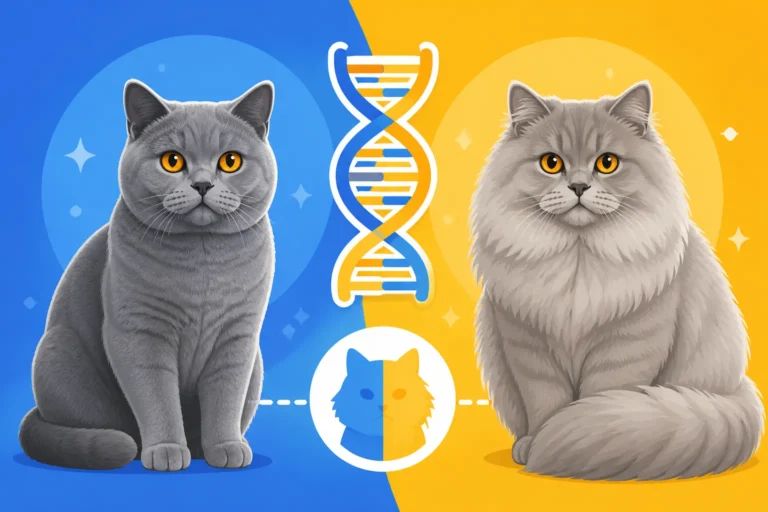
Here's where the nuance comes in. While British Shorthair types were undeniably present and prominent at the first Crystal Palace show, they were not the only cats. In fact, the concept of strict, formalized breeds as we understand them today was still very much in its infancy. Harrison Weir categorized cats broadly, focusing on characteristics like coat length (shorthair vs. longhair) and color, rather than rigid breed standards.
The show featured a diverse collection of felines. Alongside the early British Shorthair types, there were also long-haired cats, which were the ancestors of today's Persians and Angoras. You would have seen various colors and patterns, including tabbies, solids, and perhaps even some early examples of what would later become other distinct breeds. Weir himself, while championing the domestic shorthair, recognized the beauty in all cats. The winning cat at that inaugural show was a blue tabby female, a British Shorthair type belonging to Harrison Weir himself, but she was competing against a whole spectrum of other feline beauties. So, while a British Shorthair type certainly won Best in Show, and indeed Which British Shorthair Won the First Cat Show, it wasn't a British Shorthair-exclusive event. It was a celebration of all cats, with a particular focus on establishing native British shorthairs as a distinct and valued category. The show was instrumental in defining what a "British Shorthair" would eventually become, setting the stage for future breeding efforts and formalizing the breed standard.
| Category of Cat at 1871 Crystal Palace Show | Description | Ancestor of Modern Breed (if applicable) |
|---|---|---|
| Shorthaired Cats (British Type) | Robust, cobby body, round head, dense coat. Varied colors and patterns. | British Shorthair |
| Longhaired Cats (Persian/Angora Type) | Flowing coats, often from Turkey or Persia. | Persian, Angora |
| Manx Cats | Distinctive lack of tail. | Manx |
| Other Domestic Shorthairs | Various local shorthaired cats not fitting a specific developing type. | General domestic cats, some may have fed into other breeds later |
Legacy and Evolution: The British Shorthair's Enduring Appeal
The Crystal Palace show was far more than a one-off event; it was a catalyst. It ignited a passion for cat fancy that spread rapidly, leading to the formation of cat clubs, the establishment of studbooks, and the meticulous development of breed standards. The British Shorthair, having been at the heart of this initial movement, carved out a permanent and cherished place for itself in the world of pedigreed cats.
The Influence of the First Show on Breed Development
The success of the 1871 show galvanized enthusiasts and provided a blueprint for the burgeoning cat fancy movement. Suddenly, there was a reason to breed selectively, to aim for specific traits, and to maintain careful records. This was the moment when the "street cat" truly began its transformation into a pedigree breed. The standards, albeit rudimentary at first, began to take shape. Harrison Weir, having observed the cats at the show and in his own breeding efforts, began to articulate the ideal characteristics for the British Shorthair. This included emphasizing the sturdy build, the short, dense coat, the broad head, and those iconic round eyes. Which British Shorthair Standard Harrison Weir Wrote became the initial guide for breeders aiming to develop and perfect the breed.
Breeders started working towards consistency, aiming to produce cats that would consistently meet these emerging standards. This wasn't just about aesthetics; it was also about health and temperament. The show provided a platform for breeders to connect, share knowledge, and collaborate on the development of the breed. It created a sense of purpose and community around what had previously been a disparate collection of cat enthusiasts. Without the Crystal Palace show, it’s unlikely the British Shorthair would have evolved into the distinct and recognizable breed it is today, as the framework for organized breeding would simply not have existed. The show wasn't just an exhibition; it was the foundation upon which the entire breed was built.
Beyond the First Show: Other Breeds and Their Rise
While the British Shorthair, or its direct ancestors, enjoyed the spotlight at the inaugural show, it wasn't long before other breeds began to capture attention and develop their own dedicated followings. The blueprint established by Weir quickly led to the formal recognition and breeding of long-haired varieties, particularly the Persian. The exotic beauty and luxurious coats of the Persians quickly made them immensely popular, and for a period, they even eclipsed the British Shorthair in terms of numbers and public fascination. Why the Persian Overtook the British Shorthair is a fascinating chapter in cat history, showing how tastes and trends can shift.
However, the British Shorthair's foundational role was never forgotten. Enthusiasts continued to refine the breed, ensuring its unique qualities were preserved and celebrated. Throughout the late 19th and early 20th centuries, as more and more breeds were imported or developed, the cat fancy expanded dramatically. From Siamese to Russian Blues, Maine Coons to Abyssinians, the variety grew exponentially. Yet, the British Shorthair remained a steady presence, embodying the classic charm and robust health that Weir had initially championed. Its quiet dignity and teddy-bear looks ensured its enduring appeal, even as the world of cat shows grew increasingly diverse and competitive. And if you're ever looking for supplies for your own British Shorthair, whether it's specialized food or grooming tools, checking out resources like Chewy can be incredibly helpful for finding breed-appropriate products.
Common Misconceptions About Early Cat Shows
It’s easy, looking back through the lens of modern cat fancy, to misunderstand the very beginning. We live in a world of highly specialized breeds, DNA tests, and meticulously documented pedigrees. The origins were far less structured, and this can lead to some common, yet incorrect, ideas about how it all started.
The Idea of a Single "First" Breed
One of the most pervasive misconceptions is that there was one singular, definitively recognized "first breed" to appear at cat shows. This isn't quite accurate because the very concept of a "breed" was fluid and developing at the time of the 1871 Crystal Palace show. While a cat that was an early "British Shorthair type" did win the first Best in Show award, it wasn't the sole, officially recognized breed on display. Rather, Harrison Weir was attempting to categorize and formalize types of cats that already existed. He was essentially looking at the general population of domestic shorthairs in Britain and saying, "These cats, with their sturdy build and dense coats, represent a distinct type worthy of a name and standard."
The idea of a "breed" as we understand it today – with generations of documented ancestry and a rigidly defined standard – evolved from these early shows, it wasn't a prerequisite for them. Other types of cats, including long-haired varieties, were also present and judged. The show was more about celebrating the diversity and beauty of all cats, while simultaneously laying the groundwork for what would become specific breeds. So, while the British Shorthair was certainly at the forefront and benefited immensely from this initial exposure, it wasn't introduced as "the first breed," but rather as a prominent example of a native British cat type whose characteristics were then formalized into a breed standard. For anyone interested in How Old the British Shorthair Breed Is, understanding this nuance is key.
The Role of Domestic Cats Versus Pedigreed Breeds
Another common misunderstanding is the clear distinction between "domestic cats" and "pedigreed breeds" at the initial shows. Today, a pedigreed cat comes with a lengthy family tree, registration papers, and a guarantee of specific breed traits. In 1871, many of the cats on display, particularly the shorthairs that would become British Shorthairs, were essentially domestic cats. They were not from carefully controlled breeding programs stretching back generations. Instead, they were chosen because they embodied the physical ideals that Harrison Weir and other early enthusiasts admired in British household cats.
The whole point of the show, for Weir, was to take these beloved but un-pedigreed domestic cats and elevate them. He wanted to demonstrate that they, too, possessed qualities worthy of formal recognition and selective breeding. The show was the catalyst that transformed "just a cat" into a "British Shorthair." It was the process of exhibiting, judging, and then subsequently breeding for specific traits that created the pedigreed British Shorthair. So, rather than only exhibiting already pedigreed cats, the show was a foundational step in the very creation of pedigreed breeds from the existing domestic cat population. This explains why the focus was so heavily on establishing the characteristics of native British shorthairs. Even today, when you're looking for quality food for your British Shorthair, whether it's for a pedigreed show cat or a beloved pet, platforms like Chewy offer a wide range of options that cater to their specific dietary needs. This historical context helps us appreciate the journey these magnificent animals have taken from humble beginnings to cherished family members and show champions.
Disclaimer
This article is for general informational purposes only and does not constitute professional advice. Laws, prices and regulations vary by location and change over time. Consult a qualified professional for guidance on your specific situation.