Why Harrison Weir Built the British Shorthair From Street Cats
It's easy to picture the British Shorthair as a fancy, pampered feline, an aristocrat of the cat world with their plush coats and serene, round faces. But the truth is far more humble, and frankly, much more charming. Many people are surprised to learn that this beloved breed wasn't conjured from thin air or imported from exotic lands. Instead, the British Shorthair emerged directly from the very same street cats that roamed the alleys and farms of Victorian Britain. This guide will take you through the fascinating story of how a dedicated man named Harrison Weir recognized the inherent beauty and dignity in these common cats and painstakingly worked to elevate them to the esteemed pedigree status they hold today.
The British Street Cat Before the "Breed"
Before the concept of formal cat breeds truly took hold, the streets of Britain were teeming with resilient, capable felines. These were not specialized breeds in the way we understand them today; rather, they were a diverse population of working cats, shaped by their environment and their essential roles in human society. They were survivors, plain and simple, and their characteristics were a testament to their practicality.
A Landscape of Unrecognized Beauty
Imagine walking through a bustling London street or a quiet English village in the mid-19th century. You'd undoubtedly see cats everywhere – sleek, sturdy, and utterly self-sufficient. These weren't the long-haired, delicate Persians or the slender Siamese that were starting to trickle into the country from abroad. No, these were the true locals, often sporting dense, short coats that served them well in the damp British climate. Their build was generally robust, giving them a compact, powerful appearance that made them excellent hunters. They were the unsung heroes of barns, docks, and homes, keeping vermin at bay and asking for little in return. They were beautiful in their own right, but their beauty was functional, not ornamental, and largely unappreciated by the emerging "fancy" pet culture of the time.
Yet, even within this diverse population, there were certain types that stood out. Some cats possessed a particularly dense, plush coat that felt almost like a carpet under your hand. Others had strikingly round heads and full cheeks, a look that conveyed a sense of strength and gentle wisdom. These were the characteristics that would later capture the attention of cat enthusiasts and eventually form the foundation of the British Shorthair. Their presence was simply part of the everyday tapestry of British life, an integral part of the urban and rural landscape, performing their duties with quiet efficiency.
Survival of the Fittest in Urban Jungles
These street cats weren't just decorative companions; they were hardened survivors. Their lives were dictated by the necessity of finding food, shelter, and staying safe from the myriad dangers of the outside world. This meant they were naturally intelligent, agile, and incredibly tough. Their short, dense coats, which we now recognize as a hallmark of the British Shorthair, weren't just pretty; they offered excellent protection against the elements, shedding rain and providing insulation. They were efficient hunters, a skill honed over countless generations of fending for themselves. A cat that couldn't catch a mouse or defend its territory wouldn't last long.
This natural selection process instilled a certain calmness and self-possession in many of these cats. While some might have been skittish, many learned to navigate their world with a quiet confidence, observing before acting. They weren't typically clingy or overly vocal, preferring a dignified independence. These were traits born of necessity, but they contributed to the stoic and calm temperament that many British Shorthair owners cherish today. They knew how to take care of themselves, a far cry from the delicate, purpose-bred animals that would soon come to dominate the cat show scene. Their ability to thrive independently meant that when Harrison Weir began his work, he wasn't looking at fragile creatures, but at animals whose very existence proved their inherent strength and adaptability.
Harrison Weir's Vision: Elevating the Common Cat
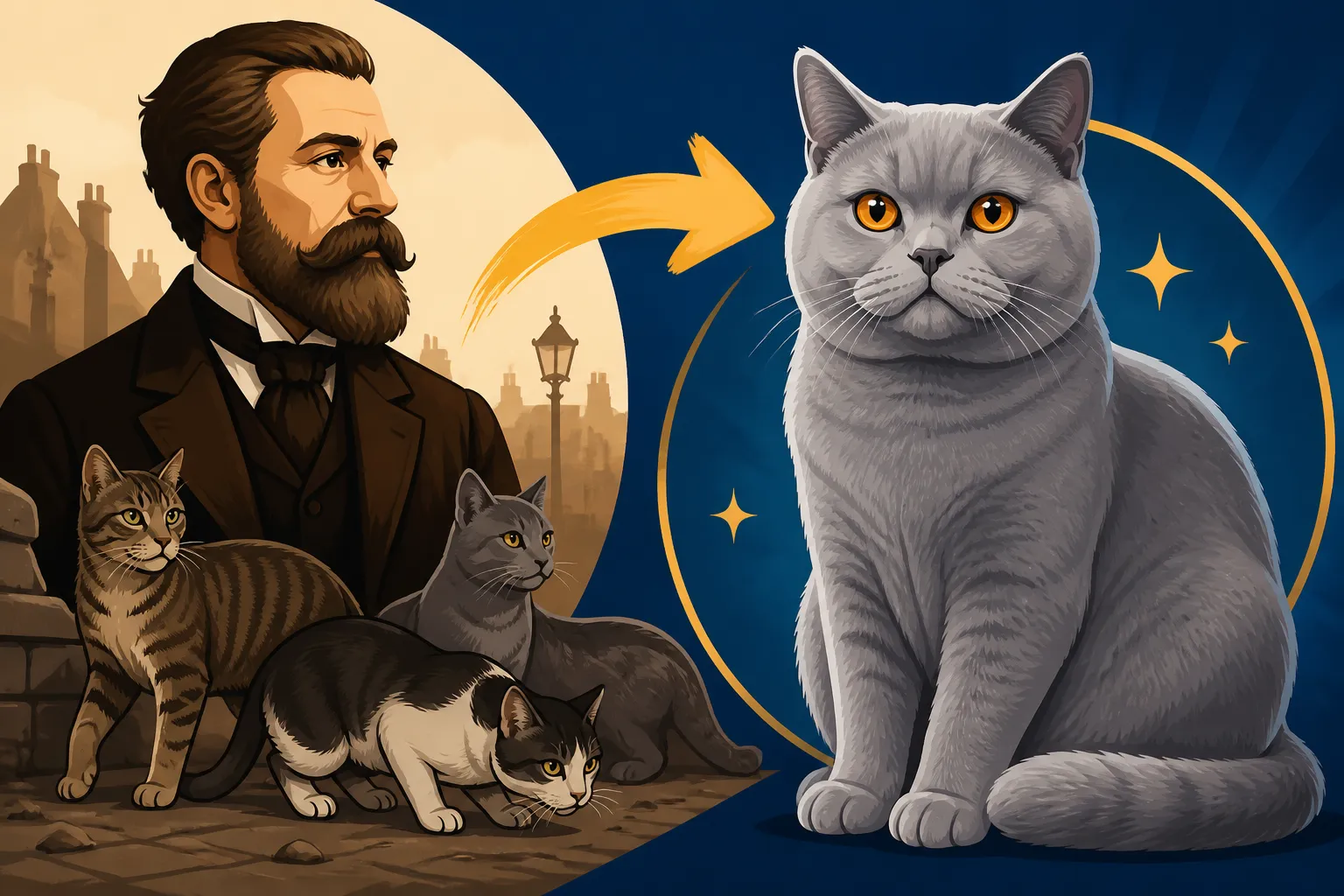
Harrison Weir, a true polymath of the Victorian era, is widely regarded as the "Father of the Cat Fancy." He was an artist, an author, and an animal lover with a deep passion for poultry, pigeons, and, most importantly for us, cats. His vision was revolutionary: he believed that cats, much like dogs and other livestock, deserved to be recognized and celebrated for their distinct types and beauties. He saw beyond their utilitarian roles and recognized their aesthetic and companionship value.
The Father of Cat Fancies and His Inspiration
Harrison Weir wasn't just interested in cats; he was captivated by them. He had spent years observing the various types of cats found throughout Britain, from the scruffy farm cats to the more refined house pets. He lamented the lack of formal recognition for felines compared to dogs, which already had established breeds and shows. Weir's primary inspiration was a genuine appreciation for the domestic cat and a desire to improve their welfare and status. He felt it was unfair that such graceful, intelligent, and often beautiful creatures were largely overlooked by the emerging animal fancy movement. He wasn't seeking to create a new, exotic pet, but rather to champion the cats that were already woven into the fabric of British life. This philosophical stance was crucial to his decision to focus on local street cats.
His influence extended beyond just the British Shorthair. He was instrumental in organizing the very first modern cat show in the world, held at Crystal Palace in 1871. This event was a pivotal moment, transforming how people viewed domestic cats and laying the groundwork for the organized cat fancy. Weir’s passion was infectious, drawing others into his dream of a world where cats were valued not just for pest control, but for their inherent beauty and unique characteristics. He saw the potential for specific breeds to emerge from the general population, each with its own standard of excellence. This initial spark, fueled by his dedication, began the journey of the British Shorthair from commoner to celebrated pedigree. Harrison Weir Put a British Shorthair on the Bench in 1871 is a testament to his pivotal role.
A Breed Born of Appreciation, Not Creation
It's important to understand that Weir wasn't trying to genetically engineer a new type of cat. Instead, he was observing, selecting, and refining what already existed. He looked at the sturdy, short-haired cats that were common across Britain and saw consistency in certain features: their rounded heads, thick-set bodies, and dense coats. He believed these cats represented a distinct "type" that deserved to be formally recognized and bred selectively to maintain and enhance these desirable characteristics. His work was about conservation and elevation, not invention. He essentially took the best examples of what he termed the "British Shorthaired" domestic cat and began to standardize them.
His approach was akin to a gardener selecting the finest specimens from a wild patch of flowers to cultivate a prize-winning variety. He understood that these cats had already adapted perfectly to the British environment over centuries, developing traits that made them robust and healthy. By focusing on these indigenous cats, Weir was ensuring that the nascent breed would be well-suited to its home country, strong and resilient. This respect for their natural form and history is a hallmark of the British Shorthair breed and a direct result of Weir's foundational philosophy. Rather than chasing after novelties, he championed the familiar, aiming to perfect it.
The Selection Process: Choosing the Best of the Best
When Harrison Weir embarked on his ambitious project, he didn't have the benefit of modern genetic testing or established breeding lines. He had to rely on his keen eye, his artistic sensibility, and a deep understanding of animal conformation to identify the individuals that best represented his ideal "British Shorthair" type. This was a process of careful observation and selective pairing, starting from a very broad and diverse pool of cats.
Identifying Desirable Traits in Street Cats
Weir was looking for specific physical attributes that collectively defined what he believed a truly "British" cat should embody. He was drawn to cats with strong, muscular bodies – a testament to their working heritage. The coat was paramount: he sought short, dense fur that stood away from the body, giving the cat a plush, almost teddy bear-like appearance, a characteristic that remains vital to the breed standard today. What a British Shorthair's Coat Is Like is a great example of this. Beyond the practical benefits of this coat, Weir recognized its unique aesthetic appeal.
Equally important was the head. Weir envisioned a broad, round head with full cheeks, often referred to as "jowls" in males, which contributes significantly to the British Shorthair's distinctive expression. He also paid attention to eye color, favoring large, round eyes set wide apart, often with striking copper or gold hues. Temperament played a role too; while street cats could be wary, he selected those that displayed a calm, steady disposition, recognizing that these qualities would make them excellent companions in a domestic setting. He painstakingly observed numerous street cats, picking out those exemplary individuals that consistently displayed these combined features.
| Trait | Harrison Weir's Ideal British Shorthair | General Street Cat Characteristics |
|---|---|---|
| Body Type | Cobby, robust, broad chest, sturdy build | Varied, often lean, athletic |
| Coat Texture | Short, dense, plush, stands away from body | Short, practical, can be coarser |
| Head Shape | Large, broad, round, full cheeks/jowls | Varied, often narrower |
| Eye Shape/Color | Large, round, set wide apart, copper/gold | Varied, green or yellow common |
| Temperament | Calm, docile, self-possessed | Wary, independent, survival-driven |
| Legs/Paws | Short, thick, rounded paws | Varied, often longer, slender |
| Tail | Medium length, thick at base, rounded tip | Varied, often tapering |
Early Breeding Practices and the Challenge of Consistency
Once Weir had identified his ideal specimens from the street cat population, the real challenge began: how to reproduce these traits consistently. This involved careful selective breeding, a process that was still in its infancy for cats. He would pair cats that exhibited the desired characteristics, hoping that their offspring would inherit and even enhance these features. This was often a slow and sometimes frustrating process, as the genetic diversity of street cats meant that traits weren't always passed down predictably. There was no established genetic record, no long line of ancestors to guarantee outcomes.
The early breeders, inspired by Weir, would track litters, noting which kittens most closely resembled the developing "standard." They would then use these kittens for subsequent generations, slowly narrowing the gene pool to stabilize the look and temperament. It required immense patience and a keen eye for conformation. Imagine trying to achieve a consistent look when your foundation stock came from all corners of the country! It truly highlights the dedication of these early pioneers. This systematic selection, even without modern tools, gradually transformed a diverse group of indigenous cats into a recognizable and reproducible type, ready to be presented as a legitimate breed.
The First Cat Show and the British Shorthair's Debut
The year 1871 marks a pivotal moment in the history of the domestic cat. It was the year Harrison Weir organized the first modern cat show at London's Crystal Palace, an event that would forever change how people perceived and valued their feline companions. This wasn't just a local gathering; it was a grand affair that aimed to showcase the beauty and diversity of cats to a wider audience, and it was here that the British Shorthair truly made its official debut.
Crystal Palace 1871: A Turning Point
The Crystal Palace Cat Show was more than just a competition; it was a public declaration that cats deserved the same admiration and formal recognition as dogs, horses, and other prized animals. Weir designed the show to be educational, bringing together various types of cats, both domestic and exotic, and providing a platform for owners to display their beloved pets. He meticulously crafted the rules and categories, ensuring that the event was taken seriously. The sheer scale and novelty of the event drew significant public interest, sparking widespread discussion about feline aesthetics and breeding. What Happened to the British Shorthair at Crystal Palace details this historic event.
For the British Shorthair, this show was its grand unveiling. While Weir had been working on refining the type for some time, this was the first opportunity for the public and other enthusiasts to see the "British Shorthaired" as a distinct entity. The show featured different classes, and these robust, short-coated cats were proudly presented as examples of a uniquely British feline heritage. This public showcase instantly elevated their status, moving them from the realm of common working animals to contenders for beauty and type. It was a bold statement that the everyday cat of Britain held a special charm worth celebrating.
Presenting the "British Shorthair" to the World
At the Crystal Palace show, Harrison Weir exhibited several of his own British Shorthairs, carefully selected and bred from his street cat stock. His efforts were rewarded when his own eleven-month-old blue tabby female won Best in Show. This victory was not just a personal triumph for Weir; it was a monumental validation for the entire concept of the British Shorthair. It proved that a breed derived from common domestic cats could achieve the highest accolades alongside more exotic and established types. Which British Shorthair Won the First Cat Show often highlights this significant achievement.
The public's reaction was a mix of fascination and surprise. Many had never considered their own garden cats as potentially being part of a "breed." The show helped people see these familiar felines through a new lens, appreciating their specific characteristics and recognizing their potential for selective breeding. It ignited interest in the British Shorthair, encouraging more people to acquire and breed cats that fit Weir's emerging standard. From that moment on, the "British Shorthaired" cat had a name, a standard, and a legitimate place in the burgeoning world of pedigree animals, all thanks to a man who saw extraordinary beauty in the ordinary street cat. This initial exposure, backed by a significant win, cemented its place in history.
Why Street Cats? The Practicalities and the Philosophy
It might seem counterintuitive to "build" a pedigree breed from the most ubiquitous and unpedigreed animals available. Why not import a more "prestigious" lineage? For Harrison Weir, the decision to focus on British street cats was not just a matter of convenience; it was deeply rooted in both practical considerations and a profound philosophical belief in celebrating local heritage.
The Abundance and Adaptability of the Local Population
One of the most straightforward reasons for using street cats was their sheer availability. Britain had a vast and thriving population of domestic short-haired cats. Unlike rare or exotic breeds that would have required costly and difficult importation, these cats were literally everywhere – in homes, on farms, and, yes, on the streets. This abundance provided a massive genetic pool from which Weir and early breeders could select individuals exhibiting the traits they wished to formalize. Starting with a large, diverse population meant there was more raw material to work with, increasing the chances of finding cats that possessed those desired characteristics.
Furthermore, these cats were already perfectly adapted to the British climate and lifestyle. They were hardy, healthy, and accustomed to living alongside people. They didn't require special care or adjustments to a new environment, which would have been a significant concern with imported breeds. Their robustness was a key asset. By building the breed from such resilient stock, Weir was essentially ensuring that the British Shorthair would be a fundamentally healthy and easy-to-care-for cat, a trait that continues to appeal to owners today. Using local, adaptable cats was a pragmatic choice that laid a strong, enduring foundation for the breed. How Old the British Shorthair Breed Is truly reflects this long lineage.
Preserving a National Heritage
Beyond the practicalities, Harrison Weir harbored a deep patriotic sentiment and a desire to celebrate a distinctly British animal. In a time when exotic breeds like Persians and Siamese were gaining popularity, Weir wanted to champion a cat that was unequivocally of Britain. He saw these local short-haired cats as a living part of the nation's heritage, as much a symbol of Britain as its dogs or horses. He believed they deserved the same respect and formal recognition as any other animal, rather than being overshadowed by foreign imports.
Weir's vision was to create a breed that reflected the best qualities of the British character: sturdy, resilient, and quietly dignified. He sought to preserve and enhance the natural beauty of these "working class" heroes, transforming them from anonymous mousers into celebrated companions. This philosophical underpinning gave his efforts a noble purpose, elevating the common cat to a symbol of national pride. His work was not about discarding the old for the new, but about recognizing the inherent value and history in what was already present, right on the doorstep of every British household. The British Shorthair, in this sense, became a furry emblem of the nation itself.
Lasting Legacy: The British Shorthair Today
The journey of the British Shorthair, from its humble beginnings as a formalized street cat to its current status as a highly sought-after pedigree, is a testament to Harrison Weir's vision and the enduring appeal of the breed itself. Today, the British Shorthair is recognized globally and adored by countless families, but its roots in those initial street cats remain a crucial part of its identity.
From Humble Origins to Pedigree Status
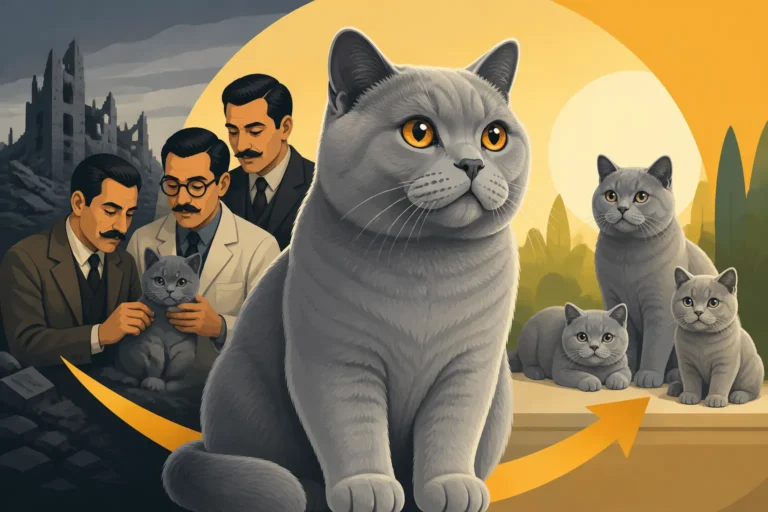
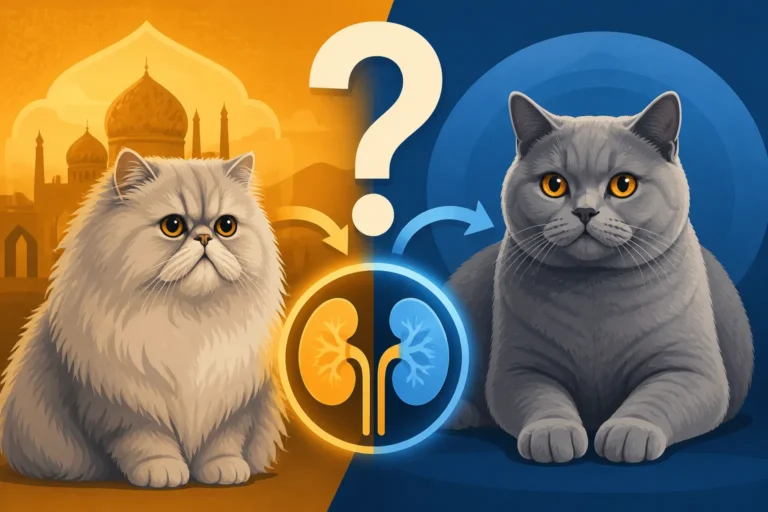
It’s truly remarkable to consider how far the British Shorthair has come. From anonymous, sturdy street cats, they have ascended to become one of the most beloved and recognizable cat breeds in the world. Their transformation didn't happen overnight; it was a gradual process of careful breeding, selection, and the establishment of strict breed standards. While the breed faced challenges, particularly after the World Wars when numbers dwindled and outcrossing to other breeds like Persians was necessary to rebuild the population, the core characteristics identified by Weir were painstakingly preserved and refined. The Persians That Rebuilt the British Shorthair After the War shows how important strategic breeding was.
Today, when you look at a British Shorthair, with its iconic round head, dense coat, and calm demeanor, you are seeing the culmination of generations of dedicated breeding. This breed's journey reflects a broader shift in how society views cats – from purely functional animals to cherished family members. The British Shorthair's story is one of recognition, cultivation, and unwavering popularity, proving that beauty and quality can indeed emerge from the most unexpected places. Their calm and adaptable nature makes them excellent companions, fitting seamlessly into various households, which is one reason for their continued success. You can often find a wide variety of toys and supplies tailored for their serene personality on platforms like Chewy, highlighting their mainstream appeal.
The Unseen Influence of Those First Street Cats
Even though modern British Shorthairs are pedigree animals with carefully documented ancestries, the genetic blueprint laid down by those original street cats still profoundly influences the breed. The inherent hardiness, robust health, and the distinctive body structure are all echoes of their working-cat origins. The dense, plush coat that is a hallmark of the breed today was initially a practical adaptation to the British climate, and it continues to provide a certain resilience that many owners appreciate.
Furthermore, the calm and independent temperament often observed in British Shorthairs can be traced back to their self-sufficient ancestors. These were cats that learned to cope with the world on their own terms, developing a quiet confidence rather than a needy disposition. While selective breeding has undoubtedly emphasized and stabilized these traits, they were present in rudimentary form in the street cats that Harrison Weir first admired. So, while the British Shorthair of today is a polished, pedigreed animal, it carries within its very essence the enduring legacy of the resilient, dignified, and beautiful street cats of Victorian Britain. You might even notice their innate patience when waiting for their favorite Chewy delivery!
Disclaimer
This article is for general informational purposes only and does not constitute professional advice. Laws, prices and regulations vary by location and change over time. Consult a qualified professional for guidance on your specific situation.