Which Colors a British Shorthair Comes In
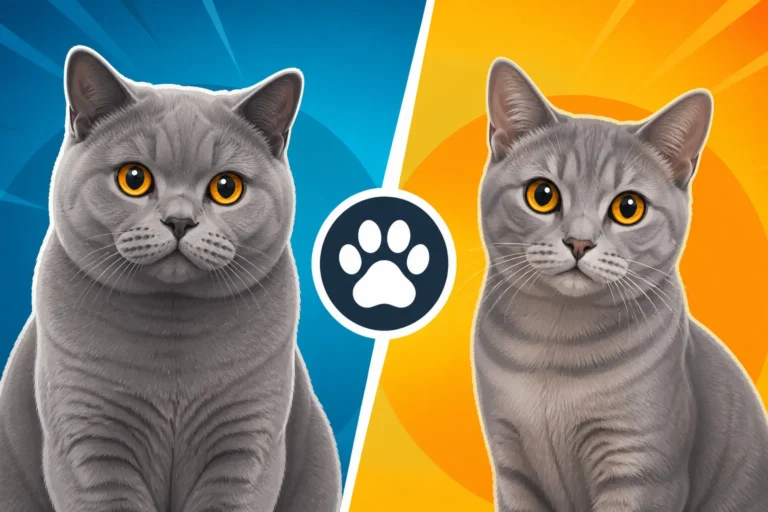
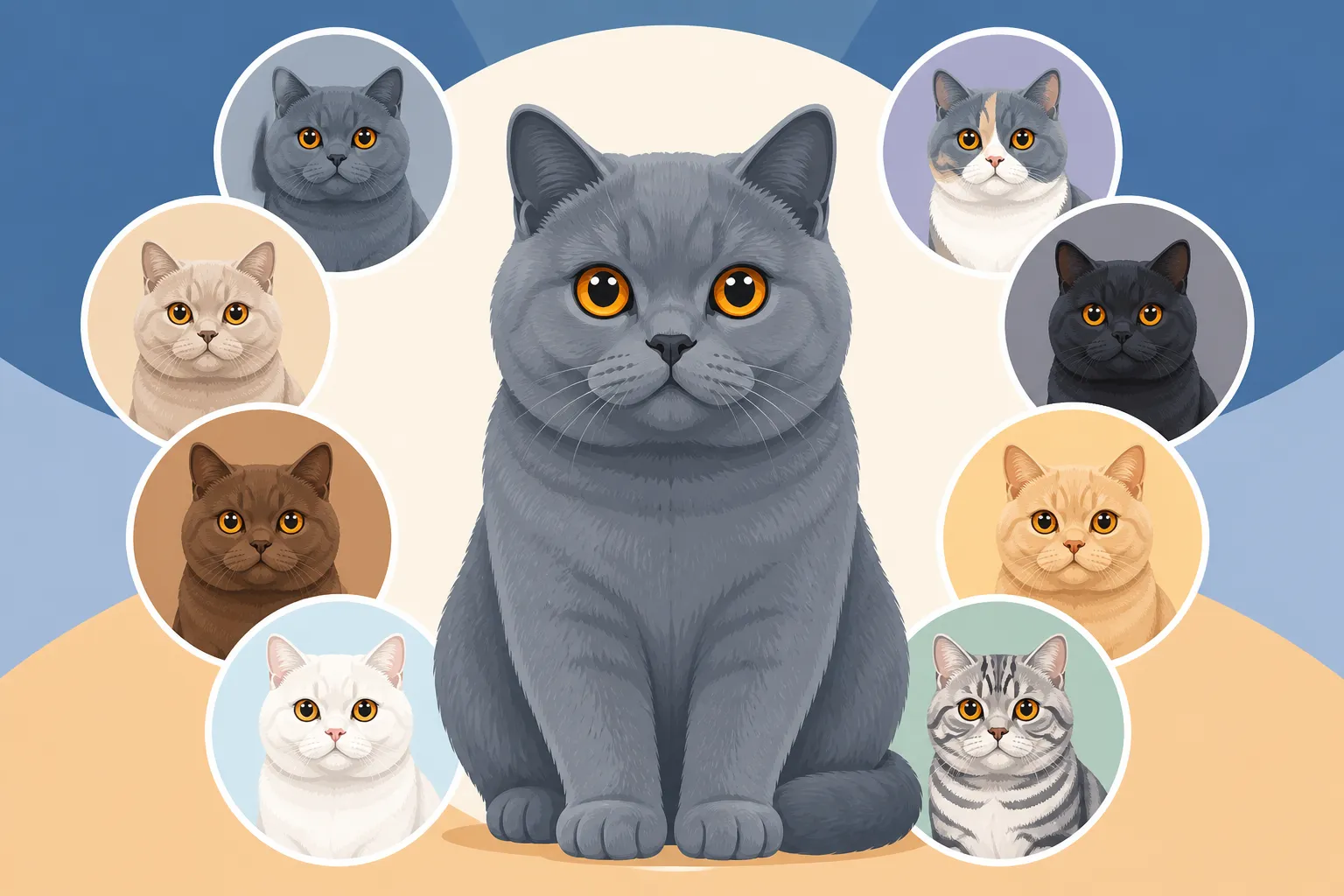
It's a common misconception, isn't it? When you picture a British Shorthair, your mind probably conjures up that iconic, plush, solid blue cat with those magnificent copper eyes. It’s certainly the image that dominates popular culture and advertisements. But if you’re thinking about bringing one of these charming felines into your home, you might be surprised to learn just how wide and wonderful the spectrum of British Shorthair colors truly is, extending far beyond that beloved blue. This guide is here to shed light on all the stunning variations, helping you appreciate the full beauty of this incredible breed.
Beyond the Blue: A World of Hues
Many people are genuinely surprised to discover that the British Shorthair comes in a kaleidoscope of colors and patterns, not just the famous blue. It's almost like everyone has that one friend who only ever wears black, and then one day they turn up in a vibrant red, and you realize you never truly saw their full wardrobe potential! The truth is, while the blue variant is undoubtedly the most recognizable, it’s just one shade in a rich tapestry.
Why the Blue Dominates the Image
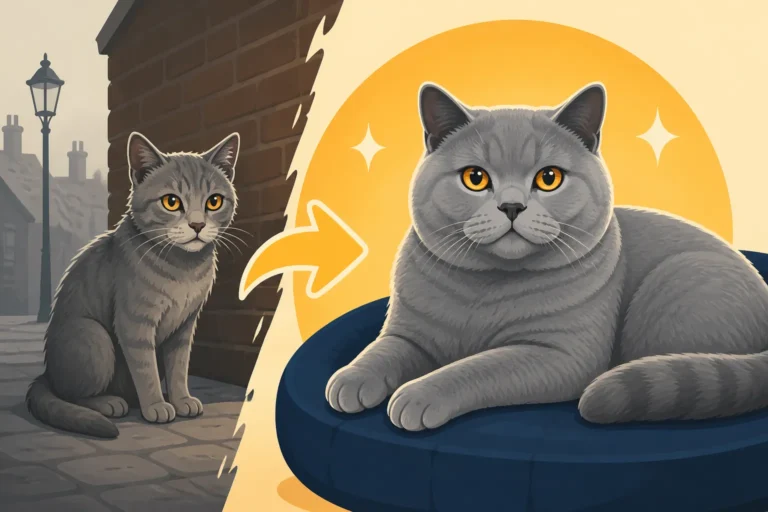
The solid blue British Shorthair's prominence isn't accidental; it has a deep-rooted history in the breed's development and public perception. For decades, the "British Blue" was practically synonymous with the breed itself. This wasn't just a popular color; it was often the primary focus of early breeders and show circuits. Think back to old photographs or even classic cat illustrations – chances are, they're depicting a blue British Shorthair. This established a strong visual identity that has been hard to shake, even as other colors gained recognition. It's the color that many people first encountered, leading to a natural assumption that it was the only color.
Moreover, the blue coat, often described as a dense, even shade of grey, beautifully complements the British Shorthair's signature features: their sturdy, cobby body, round head, and large, expressive eyes, which are typically a stunning copper or gold in the blue variety. This combination creates a striking and harmonious look that is undeniably appealing. It's easy to see Why the Blue Became the British Shorthair Everyone Pictures, and it certainly helped cement the breed's iconic status.
The Breadth of the British Shorthair Palette
However, the breed's genetic makeup is incredibly diverse, allowing for a vast array of colors and patterns that are equally beautiful and adhere to breed standards across various registries. From solid colors to intricate tabbies, playful bicolors, and even the elegant colorpoints, there's a British Shorthair out there to suit almost any preference. Each color and pattern brings its own unique charm, subtly influencing how the cat's features are perceived. A black British Shorthair, for instance, might appear even more substantial and mysterious, while a silver tabby seems to sparkle with a playful energy. Understanding this full spectrum not only broadens your appreciation for the breed but also opens up more choices if you're considering welcoming one into your family.
The Classic Solid Colors
When we talk about solid colors, we're referring to British Shorthairs whose coats are a uniform shade from root to tip, without any stripes, spots, or patches of another color. These are the most straightforward presentations, showcasing the breed's luxurious, dense fur in its purest form. Each solid color carries a distinct personality and visual appeal.
The Regal Black and Pristine White
Starting with the classics, black British Shorthairs are truly striking. Their coats should be a deep, even, jet black, with no hint of rustiness or brown, especially in sunlight. The intensity of their black often makes their typically copper or gold eyes stand out with incredible contrast, giving them a very regal and almost mysterious air. These are not just black cats; they are plush, velvety shadows with undeniable presence. On the other end of the spectrum, white British Shorthairs are simply breathtaking. Their fur is pure, unblemished white, and they can come with various eye colors, including blue, gold, or even odd eyes (one blue, one gold). It’s crucial for white cats, especially those with blue eyes, to be aware of potential deafness, although this is carefully monitored by responsible breeders. A truly pristine white British Shorthair looks like a soft, fluffy cloud, embodying elegance and serenity.
Soft Creams, Fiery Reds, and Elegant Lilacs
Beyond black and white, the solid color palette expands beautifully. Cream British Shorthairs boast a warm, uniform cream shade, which can range from a pale, almost ivory hue to a richer, buttery tone. Their eyes are typically gold or copper, completing a soft and inviting look. Red British Shorthairs, often affectionately called "ginger" in the UK, are quite a sight. Their coats range from a bright, fiery orange to a deeper, rich red, and their eyes are usually copper. While solid red cats are stunning, it's very common for them to have faint tabby markings, known as "ghost tabbies," which are remnants of their tabby genes that can be hard to completely suppress in red cats.
Then there's the truly exquisite lilac. This color is a diluted chocolate, resulting in a delicate, pinkish-grey hue that is absolutely captivating. It's often described as a warm dove grey with a subtle pink cast, and it has an almost ethereal quality. Lilac British Shorthairs typically have brilliant copper or gold eyes, which beautifully complement their unique coat. This color has gained significant popularity due to its sophisticated and gentle appearance.
Rich Chocolates and Their Variations
The solid chocolate British Shorthair is another wonderfully deep and warm color. Their coats are a rich, warm brown, reminiscent of milk chocolate, uniform throughout. Like the black and red variants, their eyes typically shine with a deep copper or gold, creating a harmonious and luxurious appearance. Chocolate is a genetically distinct color, and it often provides the foundation for other delightful shades through dilution. For instance, the aforementioned lilac is simply a dilute form of chocolate. Breeders work diligently to achieve a consistent and rich chocolate tone, free from any lighter patches or undesirable variations. When a chocolate British Shorthair is paired with the right eye color, the overall effect is one of profound elegance and warmth. If you're looking for a substantial, cozy companion, a chocolate British Shorthair can be an excellent choice, offering a slightly softer look than the jet black while maintaining a deep, rich color.
Patterns and Markings: The Art of the Coat
While solid colors are beautiful in their simplicity, British Shorthairs also come in an incredible array of patterned coats. These patterns add depth, intrigue, and a unique visual flair that truly sets individual cats apart. From the swirling designs of tabbies to the distinct patches of bicolors, these markings tell a genetic story and contribute to the breed's diverse appeal.
The Intricate World of Tabbies
British Shorthair tabbies are truly works of art, featuring a base coat adorned with distinct markings. There are several recognized tabby patterns, each with its own charm. The classic (or blotched) tabby is perhaps the most familiar, characterized by swirling patterns on the sides, often resembling a bullseye or a butterfly wing on the shoulders. These cats have broad, dense stripes and a distinct "M" shape on their forehead.
Mackerel tabbies feature narrow, unbroken stripes running vertically down their bodies, much like the skeleton of a fish. They also sport the "M" on the forehead and rings on their tails. Then we have spotted tabbies, which, as the name suggests, have distinct spots all over their bodies, varying in size and shape. These spots can be round, oval, or even rosette-like. Finally, ticked tabbies are less common but equally fascinating. Instead of distinct stripes or spots, their individual hairs are banded with different colors, giving the coat a shimmering, salt-and-pepper appearance. While they might not have overt body markings, they still exhibit the "M" on their forehead and often faint ghost tabby markings on their legs or tail. All tabby British Shorthairs typically have green or gold eyes, depending on their base color, and often have distinctive eyeliner-like markings around their eyes. Finding the perfect Silver Tabby British Shorthair with bright green eyes can be a real treasure.
Striking Bicolors and Van Patterns
Bicolor British Shorthairs are those with significant patches of white combined with one of the solid or tabby colors. This creates a striking contrast and can make each cat utterly unique. The color patches can appear in various arrangements, from a small "locket" on the chest to extensive areas covering the back and head. A popular bicolor pattern is the "tuxedo," where the cat has a solid-colored body with white paws, chest, and often a white muzzle, making them look perpetually dressed for a formal event.
A "van" pattern takes the bicolor concept to an extreme. In a British Shorthair van, the cat is predominantly white, with color restricted to just two patches on the head (usually around the ears) and the tail. These cats are incredibly striking due to the high contrast and minimal color coverage. For all bicolors and vans, the distribution of color is quite individual, meaning no two will look exactly alike, adding to their special appeal. Their eye color will usually correspond to the non-white portions of their coat, most commonly copper or gold. When considering the ideal setup for your patterned British Shorthair, remember that essentials like appropriate food bowls and a comfortable bed are easily found on sites like Chewy, ensuring they have everything they need to thrive.
The Unique Charm of Colorpoints
Colorpoint British Shorthairs are truly mesmerizing, bearing markings similar to a Siamese cat. This pattern is characterized by a lighter body color and darker "points" of color on the ears, face (mask), paws, and tail. The genetics behind colorpoint means that the darker pigment only develops in cooler areas of the body, leading to the distinctive pattern.
The body color of a colorpoint British Shorthair is typically a pale cream or white, contrasting sharply with the darker points. These points can come in various shades, such as seal (dark brown), blue, chocolate, lilac, or even red. Their eyes are always a captivating blue, a direct result of the colorpoint gene. What a Colorpoint British Shorthair Costs can sometimes be higher due to their distinctive and highly sought-after appearance. Observing a colorpoint British Shorthair can be fascinating as their colors can subtly darken with age and exposure to cooler temperatures, making each one a unique and evolving beauty. They possess a striking elegance that sets them apart from their solid and tabby counterparts.
Shades and Smokes: Subtle Elegance
Beyond solid and patterned coats, British Shorthairs also come in exquisite shaded and smoke varieties. These sophisticated colors are less about bold patterns and more about the delicate interplay of light and shadow within the fur itself, creating a stunning depth and luminosity.
Dazzling Silvers and Silver Shaded
Silver British Shorthairs are truly dazzling. The silver tabby is one of the most popular variations, where the background color of the tabby pattern is a luminous silver, making the darker markings stand out dramatically. This silver comes from an inhibitor gene that restricts pigment to the tips of the hairs, giving the undercoat a cool, white, or very pale silver appearance. Their eyes are typically bright green, which contrasts beautifully with their silvery fur, giving them a perpetually alert and enchanting gaze.
Even more subtle is the silver shaded British Shorthair. In this pattern, only the very tips of the guard hairs are colored, creating a shimmering veil over a pure white undercoat. The effect is one of delicate shading, appearing almost white or very light silver, but with a hint of color that gives it incredible depth and movement. It's like watching moonlight play on water. The shading can be black, blue, chocolate, or lilac, each creating a slightly different overall impression. What a Silver Shaded British Shorthair Is can be hard to describe in words, but seeing one in person is truly an experience. These cats often have stunning green or blue-green eyes, which enhance their ethereal beauty.
Lustrous Goldens and Golden Shaded
If silver is moonlight, then golden British Shorthairs are pure sunshine. The golden tabby is similar in pattern to the silver tabby, but instead of a silver background, it has a warm, rich apricot or golden base color. The tabby markings are typically a deeper shade of brown or black, creating a stunning contrast against the vibrant gold. Like their silver counterparts, golden tabbies often have bright green eyes, which perfectly complement their warm coat.
The golden shaded British Shorthair is equally captivating. Much like the silver shaded, only the tips of the guard hairs are colored, but over a warm, creamy, or apricot undercoat. This results in a luxurious, warm shimmer that looks incredibly rich and opulent. The shading can be black (which gives a lovely subtle brown tip), blue, or chocolate, each contributing a unique warmth to the coat. A golden British Shorthair (What a Golden British Shorthair Is) with its lush fur and often sparkling green eyes is a truly magnificent sight, radiating warmth and elegance. These cats often have a very sophisticated appeal, and their coats can appear to shift and glow with movement.
Specialty Colors: Unique and Beautiful
Some British Shorthair colors are quite specific in their genetic makeup and appearance, often featuring a blend of colors that create truly unique and captivating coats. These specialty colors offer a beautiful deviation from the solid and patterned norms.
The Distinctive Tortoiseshell
Tortoiseshell British Shorthairs, often affectionately called "torties," are famous for their stunning, mottled coats that combine patches of black (or blue, chocolate, lilac) with red (or cream). These colors are typically intermingled in a random, patchwork fashion across the body, creating a truly one-of-a-kind appearance for each cat. It's rare to find two torties with the exact same pattern! The red and black patches can vary in size and intensity, sometimes appearing as large blocks of color, other times as fine flecks.
One fascinating aspect of tortoiseshell cats is their genetics: they are almost exclusively female. The genes for black and red coat colors are carried on the X chromosome, and for a cat to display both colors in a mosaic pattern, it typically needs two X chromosomes (XX), making males (XY) with this pattern extremely rare and often sterile. Tortoiseshell British Shorthairs usually have warm copper or gold eyes, which beautifully complement their rich, varied coats. Their distinct personalities are also often noted by enthusiasts, with many describing them as having a "tortitude"—a unique blend of feistiness and affection.
Calico: A Rarity Among BSH
While tortoiseshells feature intermingled patches of red/cream and black/dilute colors, calico British Shorthairs take this a step further by adding significant areas of white. A calico cat is essentially a tortoiseshell with white spotting. This means you'll see distinct patches of white, black (or blue, chocolate, lilac), and red (or cream) on their coats. The white patches are often larger and more clearly defined than the mingled colors of a tortie, creating a more "paneled" look.
Like tortoiseshells, calico British Shorthairs are almost exclusively female due to the same genetic reasons. The presence of large white patches is due to a separate gene that controls the distribution of pigment. A calico British Shorthair is quite a rare and sought-after sight, as it combines the striking tri-color pattern with the breed's signature plush coat and round features. Their eyes, much like torties, tend to be gold or copper, completing their vibrant and unique appearance. The beauty of a calico British Shorthair lies in its individuality; you'll never encounter two that look exactly alike, making each one a truly special companion.
Understanding Genetics and Registration
The vast array of British Shorthair colors isn't just a matter of chance; it's a testament to complex feline genetics. Understanding how these colors come to be, and which ones are officially recognized, can deepen your appreciation for the breed and help you make informed choices if you're looking for a specific aesthetic.
How Color Genes Work in British Shorthairs
At the heart of British Shorthair coat colors are several key genes that determine pigment production and distribution. The two primary pigments are eumelanin (which produces black and brown colors) and pheomelanin (which produces red and cream colors). Genetic modifiers then step in to dilute these colors (e.g., black to blue, chocolate to lilac, red to cream), add white spotting, create tabby patterns, or produce the shaded and smoke effects.
For instance, the solid blue color is a result of a dilution gene acting on a black base. The colorpoint pattern, as seen in cats like the Siamese, is caused by a temperature-sensitive gene that limits pigment development to cooler areas of the body. Tortoiseshell and calico patterns are, as mentioned, tied to the X chromosome, which is why they are overwhelmingly female. Breeders use their knowledge of these genetic principles to plan pairings that will produce specific colors and patterns, while always prioritizing health and temperament. It's a delicate balance of science and artistry. Understanding these genetics also helps predict How a British Shorthair Kitten Turns Out Longhaired if a hidden recessive gene is present! For those interested in delving deeper into feline genetics or even finding specialized grooming tools for specific coat types, resources found through retailers like Chewy can be invaluable.
Registry Acceptance and Standards
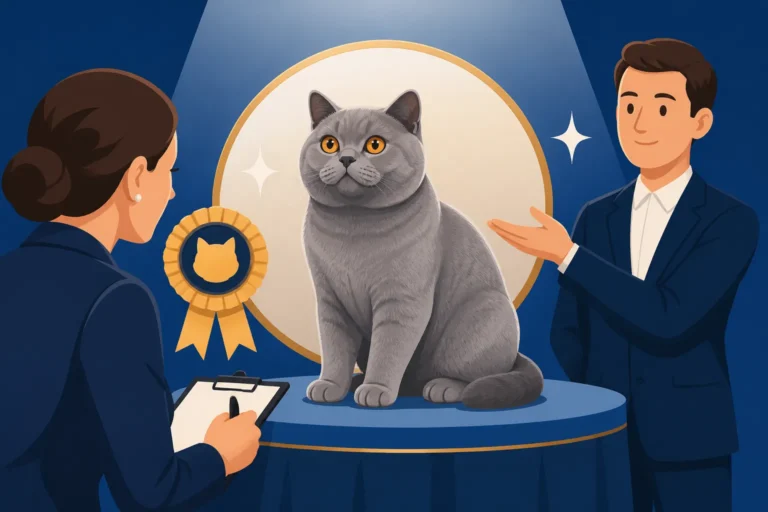
While the genetic possibilities are vast, not every color or pattern is accepted by all cat registries. Major organizations like The Cat Fanciers' Association (CFA) and The International Cat Association (TICA) have detailed breed standards that outline acceptable colors, patterns, and eye colors for show British Shorthairs. The goal of these standards is to maintain the distinct characteristics of the breed.
For example, solid colors like blue, black, white, red, cream, chocolate, and lilac are universally accepted. Tabby patterns (classic, mackerel, spotted, ticked) in various colors are also standard. Bicolors and vans, with their patches of white, are widely recognized. Colorpoint British Shorthairs, once controversial, are now accepted by many registries, albeit sometimes in their own distinct classes. However, certain combinations or very unusual patterns might not be recognized for show purposes, though they still make wonderful pets. It's always a good idea to check the specific registry's standard if you are interested in showing your cat, but for pet owners, the beauty is in the eye of the beholder.
Here's a quick overview of some common British Shorthair colors and their associated eye colors:
| Coat Color/Pattern | Common Eye Colors | General Description |
|---|---|---|
| Solid Blue | Copper, Gold | Dense, even grey-blue, signature color. |
| Solid Black | Copper, Gold | Rich, jet black, uniform from root to tip. |
| Solid White | Blue, Gold, Odd-eyed | Pure, unblemished white. Blue eyes can be associated with deafness. |
| Solid Cream | Copper, Gold | Warm, soft cream, uniform shade. |
| Solid Red | Copper, Gold | Fiery orange to deep red; often with ghost tabby markings. |
| Solid Lilac | Copper, Gold | Delicate pinkish-grey, warm dove grey hue. |
| Solid Chocolate | Copper, Gold | Rich, warm brown, like milk chocolate. |
| Silver Tabby (Classic/Mackerel) | Green | Silver background with prominent dark tabby markings. |
| Golden Tabby (Classic/Mackerel) | Green | Warm apricot/gold background with prominent dark tabby markings. |
| Silver Shaded | Green, Blue-Green | White undercoat with black/blue/chocolate tips on guard hairs, shimmering effect. |
| Golden Shaded | Green, Blue-Green | Cream/apricot undercoat with black/blue/chocolate tips on guard hairs, warm shimmer. |
| Bicolor | Copper, Gold (matching color) | Patches of white with any solid or tabby color. |
| Van | Copper, Gold (matching color) | Mostly white with color limited to head and tail. |
| Colorpoint | Blue | Lighter body with darker points (ears, mask, paws, tail); always blue eyes. |
| Tortoiseshell (Tortie) | Copper, Gold | Mottled patches of black/dilute and red/cream; almost exclusively female. |
| Calico | Copper, Gold | Distinct patches of white, black/dilute, and red/cream; almost exclusively female. |
So, while the blue British Shorthair holds a special place in everyone's heart, don't limit your imagination! There's a whole world of color and pattern to explore in this magnificent breed, each one bringing its own unique beauty and charm to the table. Whether you're drawn to the bold elegance of a black cat, the shimmering sophistication of a silver shaded, or the vibrant tapestry of a calico, there's a British Shorthair waiting to capture your heart.
Disclaimer
This article is for general informational purposes only and does not constitute professional advice. Laws, prices and regulations vary by location and change over time. Consult a qualified professional for guidance on your specific situation.