Which Eye Colors a British Shorthair Has
It's easy to fall in love with the iconic image of a British Shorthair: a chunky, teddy-bear cat with a wide, sweet face and those mesmerizing, deep copper eyes. But if you're exploring this wonderful breed, you might be surprised to learn that their eye color palette is far more diverse than just that famous orange hue. This guide will walk you through the various beautiful eye colors you can find in a British Shorthair, what influences them, and what it all means for your furry companion.
The Iconic Copper Eye and Why It Dominates Perceptions
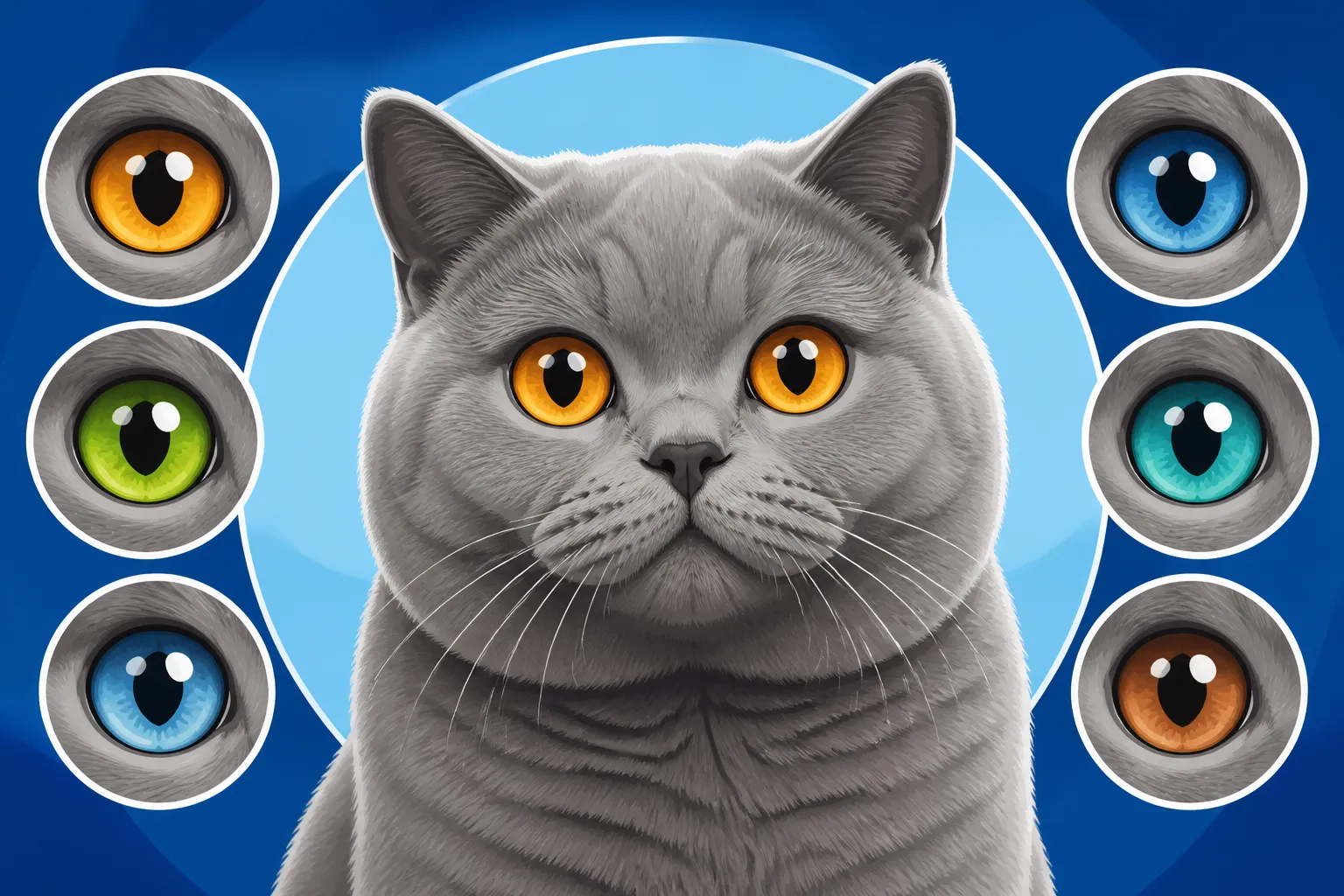
When most people picture a British Shorthair, they envision a cat with a solid blue coat and striking copper or orange eyes. This image is practically synonymous with the breed, and for good reason! It's a combination that truly captures the essence of their dignified yet adorable presence. However, this popular image doesn't tell the whole story of the British Shorthair's ocular beauty.
The Breed Standard's Emphasis on Copper
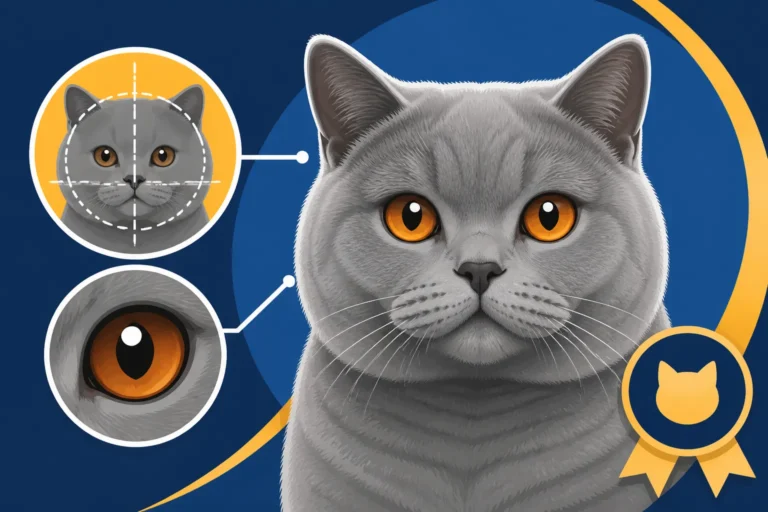
For a very long time, and still largely today, the breed standards set by major cat registries like the Cat Fanciers' Association (CFA) and The International Cat Association (TICA) place a strong emphasis on rich, deep copper or gold eyes for many of the British Shorthair's solid and patterned coats. This isn't just an arbitrary preference; it's a key part of what defines the traditional "look" of the breed. When a British Shorthair is judged in the show ring, the intensity and evenness of this copper color are meticulously evaluated. A cat with less-than-vibrant eye color might be penalized, even if its other features are exemplary. This focus has naturally led to breeders prioritizing this trait, reinforcing its prevalence and the public's perception. The Round Head and Copper Eye a British Shorthair Is Judged On provides further detail on how this specific feature contributes to the overall breed ideal.
This strong adherence to the copper eye in breed standards creates a powerful visual association. It's why advertising often features a British Shorthair with these particular eyes – they are instantly recognizable and aesthetically pleasing. For breeders aiming for championship titles, perfecting this eye color is a continuous challenge and a mark of quality. The depth of color, from a bright gold to a profound copper, is all part of this sought-after characteristic, making it a cornerstone of the breed's visual identity.
Genetics Behind the Deep Copper Hue
The beautiful, intense copper eye color in British Shorthairs is not just a happy accident; it's the result of specific genetic inheritance. Pigmentation in a cat's iris, like in humans, is determined by various genes. The copper color specifically comes from a high concentration of pheomelanin, which produces yellow, orange, and reddish pigments. The genes that control this melanin production and deposition are what lead to the stunning depth seen in a perfectly colored British Shorthair eye. It's a polygenic trait, meaning several genes work together to create the final shade.
Interestingly, this rich pigmentation isn't solely tied to the famous blue coat. Many other solid colors, such as black, cream, red, and even tortie or calico patterns, are expected to have these deep copper or gold eyes according to breed standards. It's a robust genetic trait that manifests across a wide spectrum of the breed's coat variations, contributing to the British Shorthair's distinctive and often stoic expression. Understanding these genetic underpinnings helps us appreciate the careful breeding that goes into maintaining such a prominent feature.
How a British Shorthair Kitten's Eye Color Lasts
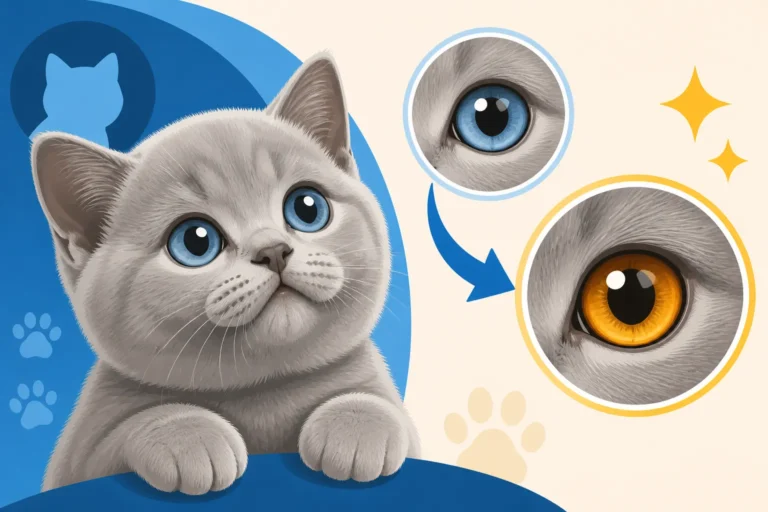
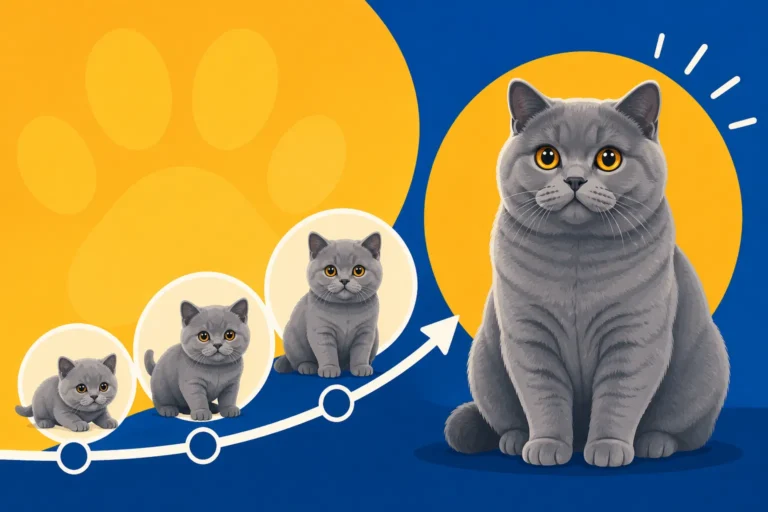
One of the most charming aspects of kittenhood is watching their eye colors develop, and British Shorthairs are no exception. All kittens are born with "kitten blues"—their eyes appear blue because their irises haven't fully developed melanin yet. It's a temporary stage, and the true adult eye color begins to emerge as the kitten matures. For British Shorthairs destined for those deep copper eyes, you'll start to see a subtle shift around 6 to 8 weeks of age. The blue will begin to fade, giving way to hints of yellow, gold, or even a grayish-green as the pheomelanin starts to deposit.
This transition isn't an overnight process. It can take many months, often up to a year or even two, for a British Shorthair's copper eyes to reach their full, rich intensity. Owners might notice their cat's eyes appear more yellow or golden in their first year, only to deepen to a magnificent copper as they fully mature. It's a fascinating journey to observe, and patience is key. A young British Shorthair with vibrant yellow eyes might very well grow into the deep copper that breeders and enthusiasts adore. If you're wondering How a British Shorthair Kitten's Eye Color Lasts, rest assured it's a gradual and beautiful transformation.
Blue Eyes and the British Shorthair's Pointed Varieties
While copper eyes are the classic British Shorthair look, many enthusiasts are surprised to learn that blue-eyed British Shorthairs absolutely exist and are recognized within the breed standard! However, these striking blue eyes are almost exclusively found in a specific variety: the "colorpoint" British Shorthair. This is a truly distinct look that adds another layer of beauty to the breed.
The Genetics of Blue Eyes in Colorpoint British Shorthairs
The blue eyes found in colorpoint British Shorthairs are a direct result of the same genetic mutation responsible for their unique coat pattern. This mutation, known as the Himalayan gene or colorpoint gene (cs), is a form of temperature-sensitive albinism. It means that pigment only develops in the cooler extremities of the body – the "points" – such as the face, ears, paws, and tail, while the main body remains lighter. Crucially, this gene also affects eye pigmentation. Cats carrying two copies of this gene (cs/cs) have blue eyes because the pigment-producing cells in the iris are similarly affected by the temperature sensitivity, resulting in a lack of melanin deposition in the irises, which then refracts light to appear blue.
This genetic mechanism is quite fascinating. It's the same gene responsible for the characteristic appearance of Siamese cats, Birman cats, and Ragdolls. When this gene is introduced into the British Shorthair line, either through careful breeding programs or historical outcrosses, it results in the stunning colorpoint variation. The intensity of the blue eye color can range from a pale sky blue to a vibrant sapphire, all linked to the same underlying genetic blueprint. This genetic trait allows for a captivating contrast between the rich point colors and the clear blue eyes, creating a truly elegant British Shorthair.
What a Colorpoint British Shorthair Looks Like
A colorpoint British Shorthair is a breathtaking sight, a delightful departure from the more commonly seen solid blues or creams. They possess the same robust, cobby body, round head, and plush coat that British Shorthairs are known for, but with a unique color distribution. Their body color is typically a lighter shade – often cream, fawn, or even white – while their points (ears, mask, legs, and tail) display a darker, contrasting color. This can range from seal point (dark brown), blue point (slate gray), lilac point (pinkish gray), chocolate point (rich brown), or even red point and tortie point variations. What a Colorpoint British Shorthair Looks Like goes into greater detail about these specific patterns.
The most striking feature, undeniably, is their intense blue eyes, which are a required trait for this pattern. These eyes provide a stunning focal point against their light bodies and darker points. Imagine a creamy-bodied British Shorthair with chocolate brown points and piercing blue eyes – it's a truly exquisite combination. These cats maintain all the charming temperament of their solid-colored relatives but offer a visually distinct and equally beautiful aesthetic, making them highly sought after by those who appreciate their unique coloring.
Whether a Blue Eyed British Shorthair Exists
Absolutely, a blue-eyed British Shorthair exists, and they are quite beautiful! However, as we've discussed, they are specifically the colorpoint variety, not found in the traditional solid or tabby patterned British Shorthairs that typically carry copper eyes. The misconception that all British Shorthairs must have copper eyes is prevalent, leading many to believe that a blue-eyed British Shorthair is either a mix or not a true representation of the breed. This couldn't be further from the truth.
Major cat registries acknowledge and champion the colorpoint British Shorthair with their signature blue eyes. They are bred to the same high standards of type, coat, and temperament as their copper-eyed cousins. So, if you encounter a British Shorthair with stunning blue eyes, know that you are likely looking at a beautiful example of a colorpoint, a testament to the breed's genetic diversity. If you're considering one, it’s always good to verify their lineage from a reputable breeder. For anyone wondering Whether a Blue Eyed British Shorthair Exists, the answer is a resounding yes, and they're magnificent.
Green, Gold, and Other Permitted Eye Colors
Beyond the classic copper and the captivating blue of the colorpoints, the British Shorthair can actually display an array of other eye colors, primarily within the green and gold spectrum. These variations often surprise people who are only familiar with the breed's most iconic look, but they are absolutely part of the breed's rich tapestry and are accepted under various breed standards.
British Shorthairs with Green or Blue-Green Eyes
While less common than copper, certain British Shorthair coat patterns can and should have green or blue-green eyes according to the breed standard. The most notable example is the silver tabby British Shorthair. For these cats, a brilliant green eye color is highly prized and contributes to their striking appearance. The contrast between their crisp silver coat, often marked with bold tabby patterns, and their emerald or aquamarine eyes is truly captivating. This green coloration is also due to a different balance of pigments and light refraction within the iris.
Sometimes, you might see eyes described as "blue-green," which is a lovely blend that falls between these two distinct shades. This can occur in silver shaded or chinchilla British Shorthairs, where a lighter, more ethereal look is desired. The intensity of the green can vary from a pale chartreuse to a deep forest green, all contributing to the cat's individual charm. If you’re looking for a British Shorthair with a gaze as unique as their coat, exploring these silver varieties is a must. Many breeders will specifically aim for this vibrant green hue in their silver lines.
Gold or Yellow Eyes: A Less Common but Accepted Hue
While copper is often considered the ideal for solid-colored British Shorthairs, variations that fall within the gold or yellow spectrum are also acceptable and quite beautiful. These aren't just transition colors from kittenhood; some adult British Shorthairs maintain a lovely golden or vibrant yellow eye color throughout their lives. This can be particularly striking on certain coat colors, adding warmth and brightness to their expression. The difference between a deep copper and a bright gold can be subtle, sometimes dependent on lighting, but both are considered within the acceptable range for many solid and patterned British Shorthairs.
These golden eyes are typically found in the same categories as copper eyes, such as in solid blues, creams, or even some tabby patterns. It often comes down to the genetic lottery and the specific pigment expression in that individual cat. While a breeder might strive for the deepest copper, a bright gold is still a perfectly valid and attractive eye color that adheres to the spirit of the breed standard. It’s simply another shade within the warm eye color spectrum that adds to the British Shorthair's diverse appeal.
Which British Shorthair Colors Come With Green Eyes
For those captivated by the idea of a British Shorthair with stunning green eyes, it's primarily the various silver coat patterns where you'll find this trait. The most prominent examples include the British Shorthair Silver Tabby and the British Shorthair Silver Shaded. For these variations, green or blue-green eyes are not just accepted, but actively desired by the breed standard to complement their unique coat. The crisp, cool tones of the silver fur pair exquisitely with the vibrant green eyes, creating a sophisticated and often ethereal look.
You might also see green eyes in the rarer British Shorthair Golden Shaded varieties, where a warmer golden undercoat shimmers beneath darker tips. Here, the green eyes provide a beautiful contrast to the golden tones of the fur. Which British Shorthair Colors Come With Green Eyes delve deeper into the specific pairings. It's important to remember that for solid-colored British Shorthairs (like the popular blue), copper or gold eyes are the expectation. If you're specifically hoping for a green-eyed British Shorthair, your search should focus on reputable breeders specializing in these specific silver or golden coat patterns. Exploring products on Chewy for cats with specific grooming needs, like those with delicate silver coats, might also be useful for future owners.
| Eye Color | Associated Coat Patterns | Breed Standard Acceptance | Typical Pigment |
|---|---|---|---|
| Copper/Gold | Solid (Blue, Black, Cream, Red, Lilac, Chocolate, etc.), Tortoiseshell, Calico, some Tabbies | Primary/Ideal | High Pheomelanin |
| Blue | Colorpoint (Seal Point, Blue Point, Lilac Point, etc.) | Required for pattern | Low/Absent Melanin |
| Green | Silver Tabby, Silver Shaded, Chinchilla, Golden Shaded | Primary/Ideal for pattern | Mix of pigments |
| Odd Eyes | White (Less common, but possible) | Permitted in some cases | Variable |
The Rare and Unusual: Odd Eyes and Dichromatic Eyes
While copper, blue, and green cover the vast majority of British Shorthair eye colors, there are even rarer and more unusual variations that can occur. These often spark curiosity and fascination, though they might not always align with the strictest interpretations of breed standards. However, their sheer uniqueness makes them noteworthy and adds to the rich genetic tapestry of the feline world.
Understanding Odd-Eyed British Shorthairs
An "odd-eyed" cat is one that has two different colored eyes, most commonly one blue eye and one eye of another color, such as copper, gold, or green. This striking condition is usually linked to the epistatic white gene, which masks other coat colors and results in a solid white cat. The gene can also affect the development of eye pigmentation, sometimes leaving one eye blue while the other develops its full color. While very rare in British Shorthairs, it is theoretically possible, especially in solid white British Shorthairs. The blue eye is typically on the side of the head that lacks pigment in the fur, corresponding with a lack of pigment in the iris.
It's a mesmerizing trait, giving the cat a truly distinctive look. However, due to the genetic link between the epistatic white gene, blue eyes, and sometimes deafness, it's a characteristic that breeders approach with caution. While some breed standards might permit odd-eyes in white cats, it's not a common or sought-after trait in British Shorthairs compared to breeds where it's more prevalent. Whether an Odd Eyed British Shorthair Is Standard clarifies that while possible, it's generally not the ideal for show purposes in this breed.
Dichromatic Eyes: A Touch of the Unexpected
Dichromatic eyes, sometimes called "split eyes" or "parti-colored eyes," are even rarer than odd eyes. In this scenario, a single iris contains two distinct colors. For example, one eye might be half green and half copper, or have a ring of one color around a center of another. This is often due to localized variations in pigment distribution within that single eye, rather than a full genetic override like the white gene that causes odd eyes. It's truly a genetic quirk, and exceptionally uncommon in any cat breed, including the British Shorthair.
If you ever encounter a British Shorthair with dichromatic eyes, you've seen something truly special! It's not a trait that is bred for or recognized within any breed standard, but rather a fascinating natural occurrence. These cats are unique individuals, and their unusual eyes simply add to their charm. While not a typical British Shorthair feature, it's a testament to the incredible diversity that cat genetics can produce, even within established breeds.
Why Eye Color Matters (or Doesn't) for Your British Shorthair
When you're choosing a British Shorthair, whether from a breeder or a rescue, it's natural to be drawn to certain looks, and eye color certainly plays a big part in that initial attraction. But beyond aesthetics, how much does eye color truly matter for your beloved feline companion? The answer often depends on your priorities for your cat – whether they are destined for the show ring or simply a cherished family pet.
Eye Color and Breed Standards for Showing
For anyone considering showing their British Shorthair, eye color is an absolutely critical factor. As discussed, the breed standard is quite specific for most colors, largely favoring deep copper or gold eyes. Colorpoint British Shorthairs are the exception, requiring blue eyes. A cat with the "wrong" eye color for its coat, or eyes that are dull, faded, or possess green rings when they should be copper, will be penalized in the show ring. Judges scrutinize every detail, and eye color contributes significantly to the overall "type" and balance of the cat.
Breeders spend years carefully selecting pairings to produce kittens that meet these stringent eye color requirements, alongside other desired traits like head shape and coat texture. So, if your dream is to have a champion British Shorthair, you'll need to pay close attention to the eye color and ensure it aligns perfectly with the breed standard for the cat's specific coat pattern. This is where a reputable breeder who understands How Many Colors the British Shorthair Standard Allows and how eye color fits in, becomes invaluable.
Health Implications and Eye Color
Generally speaking, eye color itself in British Shorthairs does not carry direct health implications, with one significant exception: white cats with blue eyes. In many breeds, including the British Shorthair, solid white cats with one or two blue eyes can have an increased risk of deafness, particularly on the side corresponding to a blue eye. This is due to a genetic link between the gene that causes white fur, blue eyes, and the development of the inner ear. Whether a White British Shorthair Goes Deaf explores this connection in more detail.
For British Shorthairs with copper, gold, or green eyes, there are no known direct health concerns associated with these specific colors. Healthy, clear, bright eyes are always the goal, regardless of their hue. Any discharge, cloudiness, or changes in eye appearance should always prompt a visit to the veterinarian, as these could indicate an underlying health issue unrelated to the iris color itself. General eye health and clarity are far more important than the specific shade of their beautiful gaze.
Enjoying the Beauty of Your Cat's Unique Gaze
For the vast majority of British Shorthair owners, whose cats are cherished companions and not destined for the show ring, eye color is purely a matter of personal preference and aesthetic appreciation. Whether your British Shorthair gazes at you with deep copper or soulful blue, a sparkling green or a warm gold, their unique eyes are simply another facet of their individual beauty. The bond you share with your cat, their loving personality, and their overall health are far more important than adhering to a strict color standard.
Embrace the individuality of your cat! There's no "wrong" eye color for a beloved pet. Some owners find themselves drawn to the classic copper, while others actively seek out the striking blue of a colorpoint or the unusual green of a silver tabby. What truly matters is the affection and joy your British Shorthair brings into your life. You can find all sorts of engaging toys and treats for your British Shorthair on sites like Chewy, which will make those beautiful eyes sparkle with delight, no matter their color.
Disclaimer
This article is for general informational purposes only and does not constitute professional advice. Laws, prices and regulations vary by location and change over time. Consult a qualified professional for guidance on your specific situation.