Whether a British Longhair Registers as a British Shorthair
A fluffy kitten born to two British Shorthairs may look unmistakably like a British Longhair, but appearance alone does not settle its paperwork. Registration depends on the cat registry, the parents’ records, and the rules for longhaired kittens. This guide explains how those distinctions work, what to check on a pedigree, and what to ask a breeder before assuming the cat registers as a British Shorthair.
How British Longhairs relate to British Shorthairs
A long coat can come from British Shorthair parents
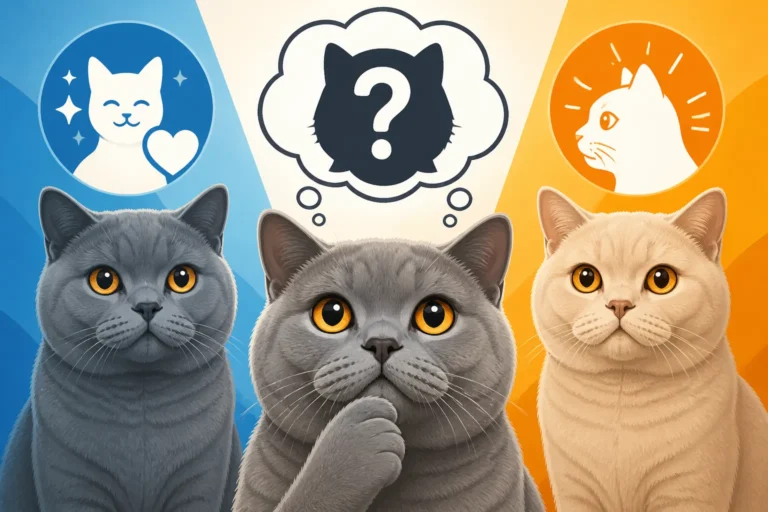
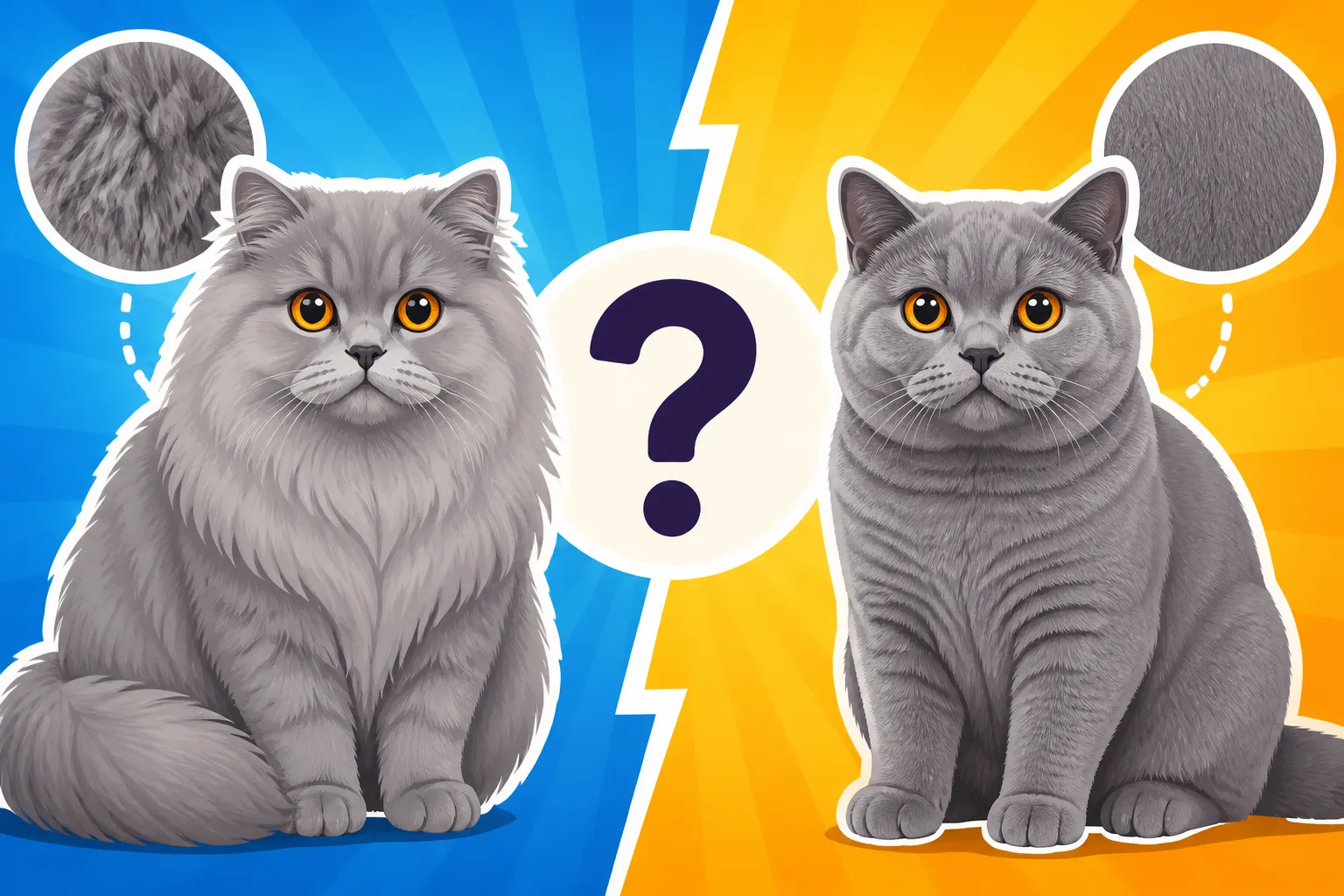
British Longhairs and British Shorthairs are closely related. The long coat is associated with a recessive gene, so a British Shorthair can carry the gene without looking longhaired. If both parents pass it on, a kitten may have a long coat even though both parents have short coats.
That outcome does not automatically mean the kitten is a crossbreed or that its parents were misidentified. A longhaired kitten can be born in a litter from registered British Shorthair parents. The kitten’s coat and the parents’ documented ancestry are separate pieces of information.
For a closer look at how the trait can appear, read How a British Longhair Comes Out of a British Shorthair Litter and Whether the Longhair Gene Is Still in the British Shorthair. These distinctions matter because a kitten’s pedigree may show British Shorthair ancestry even when the kitten itself has a long coat.
Breed identity, coat type, and registration are not the same thing
It helps to separate three questions that people often blend together:
- What does the cat look like? A British Longhair has a longer coat; a British Shorthair has a short, dense coat.
- What ancestry is recorded? A pedigree documents the cat’s parents and earlier generations.
- How does a particular registry classify the cat? The registry decides which breed or variety appears on its records and which classes the cat may enter.
A kitten can have British Shorthair parents and a British Shorthair pedigree behind it, yet be classified as a British Longhair by a registry that recognizes that breed separately. Conversely, a registry may use different categories or rules for longhaired offspring. The words on the registration papers depend on the registry’s system, not just on what a seller calls the kitten.
This is why “purebred” and “registers as a British Shorthair” are not interchangeable claims. A cat’s documented ancestry may be genuine while its coat type makes it ineligible for a British Shorthair registration or show class under a particular registry’s rules.
Whether a British Longhair registers as a British Shorthair
The answer depends on the registry
There is no single worldwide registration system that all breeders and cat owners use. Organizations set their own breed lists, registration categories, pedigree requirements, and show standards. Some recognize the British Longhair as a separate breed; others may handle longhaired cats differently or may not offer the same registration option.
In systems where British Longhair is a recognized, separately named breed, a longhaired cat may be recorded as a British Longhair rather than a British Shorthair. In other systems, the rules may describe longhaired offspring as a variety, restrict how they can be registered, or distinguish pedigree registration from eligibility for showing or breeding.
The practical answer is: do not assume a British Longhair registers as a British Shorthair. Check the exact registry named on the kitten’s paperwork. A breeder should be able to say which organization issued or will issue the registration and explain how that organization classifies the kitten.
| What you want to know | What to check |
|---|---|
| Which breed name appears on the papers | The registry’s breed list and the kitten’s registration document |
| Whether the kitten has a documented pedigree | The pedigree issued or accepted by the named registry |
| Whether it can enter British Shorthair show classes | The registry’s coat and show-class rules |
| Whether it can be bred as a British Shorthair | The registry’s breeding and registration rules |
| Whether the breeder’s description matches the records | Written confirmation from the breeder and, if needed, the registry |
The details can differ between organizations, even when they use similar breed names. For example, a breeder working under GCCF rules may describe registration differently from a breeder working under CFA or TICA rules. Rather than relying on a general statement such as “all British Longhairs register as British Shorthairs,” ask which registry applies and request its written rule or confirmation.
Registration may differ from show eligibility
A cat may have a pedigree without being eligible for a particular show class. Registration records ancestry and classification; show rules determine where a cat can compete. A longhaired cat might have documented British Shorthair ancestors, for example, while being entered under a British Longhair category—or not being eligible for a British Shorthair class at all.
Breeding permissions can be another separate issue. A registry may allow a cat to be registered but set conditions on how it can be bred, which cats it can be paired with, or how its offspring are recorded. Those rules are especially important if you are buying a cat with plans to breed or show it. A verbal assurance from a seller is not a substitute for checking the relevant paperwork and registry rules.
For background on the breed distinction, see How the British Longhair Split From the British Shorthair. If you are comparing standards or registration systems, Which Registry Standard a British Shorthair Is Judged Against and Whether GCCF and CFA British Shorthair Standards Differ can help frame the questions to ask.
How to check a British Longhair’s paperwork
Ask for the registry name and the cat’s recorded classification
Start by asking the breeder which registry the kitten is registered with, or will be registered with, and what exact breed name will appear on the document. If the kitten has not yet been registered, ask what category the breeder expects it to receive and when the paperwork will be available.
Ask for a copy of the pedigree or registration certificate, not just a photograph of the parents or a registration logo on a website. Check that the document identifies the kitten and its parents clearly. If the breeder says the cat is a British Shorthair despite its long coat, ask them to explain how that designation fits the registry’s rules.
A careful breeder should be comfortable discussing the distinction. If the answer is vague—“it’s basically the same breed” or “the papers don’t matter”—bring the conversation back to the specific record. You are not being difficult by asking. You are making sure the description you are paying for matches the cat’s documentation.
Use precise questions before you commit
A short list of questions can prevent a confusing surprise after the kitten comes home:
- Which registry will record this kitten?
- What breed or variety will appear on the registration papers?
- Can I see the kitten’s pedigree and the parents’ registration details?
- Is the kitten eligible for British Shorthair show classes under that registry?
- Are there restrictions on registering or breeding the kitten?
- If the papers are pending, when will they be provided, and what happens if the registry classifies the kitten differently than expected?
If you are buying a pet rather than a show or breeding prospect, registration may be less important to your day-to-day life. Still, the paperwork helps clarify what the seller means by “British Longhair,” documents ancestry, and sets realistic expectations about the cat’s classification. If show eligibility or future breeding matters to you, get the answers in writing before paying a deposit.
You can also ask the registry directly if a rule is unclear. Give them the registry name, the cat’s recorded parents, and the description of the coat. This is more reliable than asking a general breed group online, where people may be discussing different organizations or countries.
What the name means for a kitten’s coat and future
Coat length does not tell the whole story
A British Longhair’s longer coat is a visible difference, but it does not by itself tell you every detail about the cat’s pedigree or registration status. Likewise, a British Shorthair parent may carry the longhair gene without showing it. The kitten’s appearance, ancestry, and official classification should be considered together.
If you are still learning the terminology, How a British Shorthair Kitten Turns Out Longhaired explains the inheritance question, while How the British Longhair Split From the British Shorthair provides more context on the relationship between the two. These topics can help you understand why a longhaired kitten may have British Shorthair parents without concluding that the paperwork must use the British Shorthair name.
Make the decision based on the cat and the documentation
For a household pet, the most important question may simply be whether the kitten is healthy, well cared for, and a good fit for your home. If the cat’s registration label matters to you, though, do not rely on assumptions based on appearance or family history. Ask the breeder for the registry and classification, review the papers, and confirm any rules that could affect showing or breeding.
A useful way to think about it is: British Shorthair ancestry does not guarantee British Shorthair registration for a longhaired cat. In registries that list British Longhair separately, the longhaired cat may be recorded under that name. Elsewhere, classification can follow different rules. The exact answer is found in the registry’s records and policies—not in the kitten’s coat alone.
Disclaimer
This article is for general informational purposes only and does not constitute professional advice. Laws, prices and regulations vary by location and change over time. Consult a qualified professional for guidance on your specific situation.