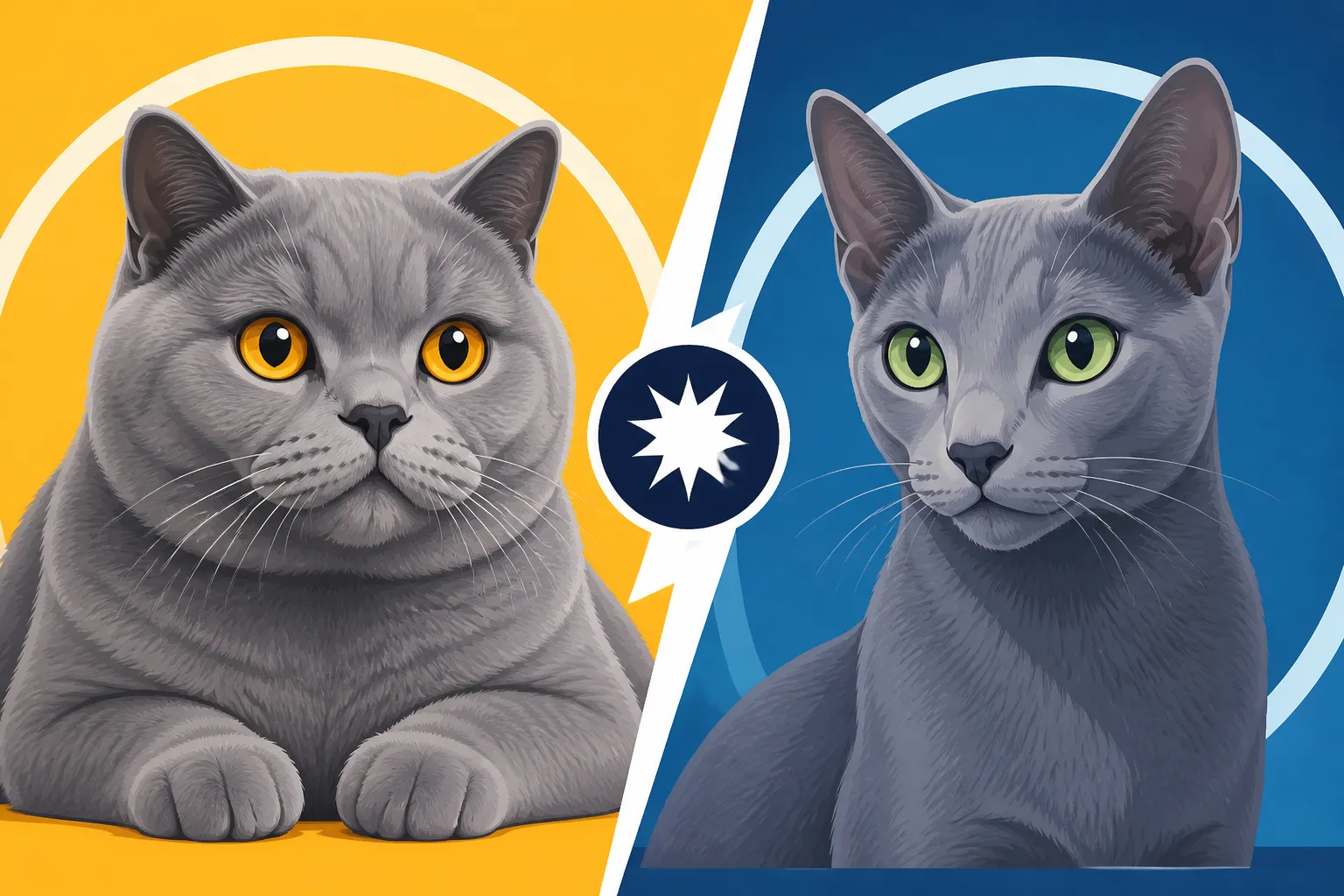
How a British Shorthair Differs From a Russian Blue
It's incredibly common for people to get mixed up when they see a beautiful blue-grey cat, assuming they're all cut from the same cloth. You might see an adorable, plush-coated furball and think "Russian Blue!" only to later learn it's a British Shorthair, or vice versa. This confusion is totally understandable because both breeds often sport that stunning slate-grey coat, but underneath that captivating color, they are two very distinct felines with vastly different histories, personalities, and physical traits. This comprehensive guide will help you understand the unique characteristics that set the British Shorthair and the Russian Blue apart, ensuring you can appreciate each for its individual charm.
Introduction to the Breeds: Two Blue Beauties, but Not the Same
When you're first introduced to the world of pedigreed cats, it's easy to assume that any short-haired cat with a blue coat is a Russian Blue. And then you encounter a British Shorthair with that same captivating color, and suddenly you're wondering if you missed something. It's not just you; this is a frequent point of confusion, and for good reason! Both breeds are undeniably gorgeous, boasting that sought-after blue-grey hue, but the similarities often end there. They hail from different parts of the world, were developed for entirely different purposes, and have evolved into cats with unique looks and dispositions.
The British Shorthair: A Plush, Round Gentle Giant
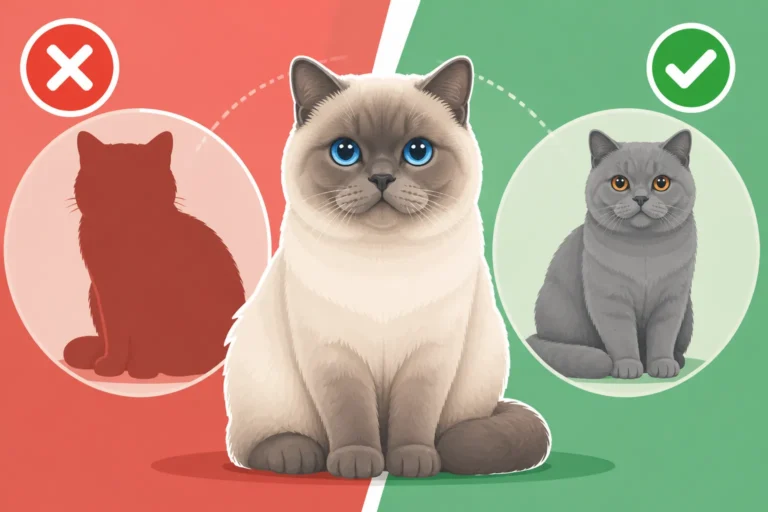
Imagine a living, breathing teddy bear, soft and round, with a perpetually pleasant, slightly amused expression. That's often the first impression a British Shorthair makes. Originating from the street cats of Great Britain, this breed has a history deeply intertwined with the common feline population of the UK, later refined and developed into the distinct pedigree cat we know today. Their presence at the very first cat show in 1871 solidified their place in the fancy, and since then, their dignified, calm demeanor and distinctive physical traits have won hearts globally. The British Shorthair Started as a British Street Cat. They are known for their substantial build, solid bone structure, and a truly dense, plush coat that stands away from their body, making them appear even larger and more huggable. Don't be fooled by their robust appearance, though; these are gentle souls who prefer a quiet, orderly life.
The Russian Blue: An Elegant, Reserved Silver Fox
In stark contrast, the Russian Blue is a cat of exquisite elegance and fine lines. Legend has it they originated from the Archangel Isles of Russia, brought to Western Europe by sailors in the 19th century. Their history is shrouded in a bit more mystery, lending them an air of aristocratic grace. They are sleek, agile, and possess a striking green eye color that often sets them apart immediately. While also known for their blue coat, the texture and appearance are quite different: a short, dense, silky double coat with silver tipping that gives it a shimmering, iridescent quality, as if dusted with frost. They carry themselves with an almost ethereal lightness, a stark contrast to the British Shorthair's earthy solidity. Russian Blues are often described as reserved with strangers but deeply affectionate and loyal to their chosen family, sometimes forming intense bonds with one or two people in the household.
Physical Distinctions: More Than Just a Shade of Blue
While both breeds are famous for their blue coats, getting up close and personal reveals a multitude of differences that extend far beyond a mere hue. From the tips of their ears to the end of their tails, every aspect of their physical form speaks to their distinct lineages and breed standards. If you ever find yourself playing "spot the difference" between these two lovely felines, these are the key features to look for.
Head Shape, Eyes, and Facial Structure
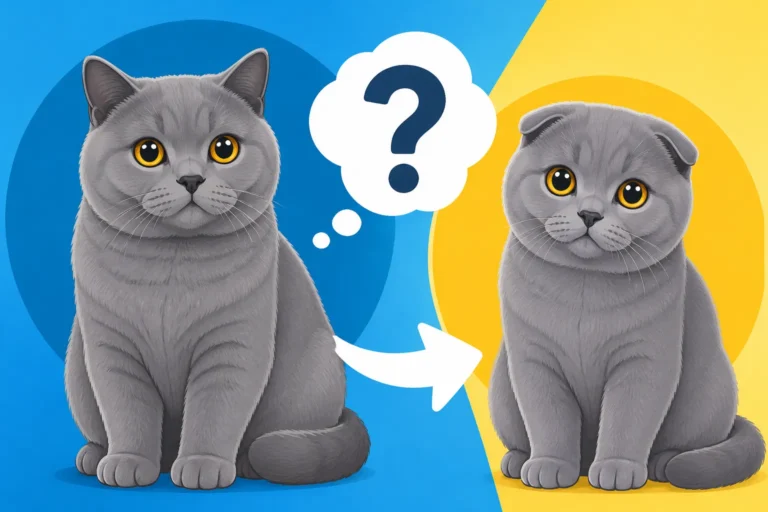
This is perhaps one of the most immediate giveaways. A British Shorthair's head is famously round, almost like a perfect sphere, with full, chubby cheeks that give them that characteristic "smiley" or "Grumpy Cat" expression. Their eyes are large, round, and typically a brilliant copper or deep gold, adding to their teddy bear appeal. Their ears are small and widely set, further emphasizing the roundness of their head. It's all about curves and circles with the British Shorthair, a truly endearing and distinct look. The Round Head and Copper Eye a British Shorthair Is Judged On is a critical component of their breed standard and overall charm.
The Russian Blue, however, presents a dramatically different picture. Their head is a moderate wedge shape, neither too long nor too short, with a flat top. Their muzzle is distinct and prominent, and their ears are relatively large and set high, with quite a bit of width at the base. What truly captures attention, though, are their eyes. Russian Blues are famous for their vivid green eyes, which contrast beautifully with their blue-grey coat. Kitten Russian Blues might start with yellow eyes, but they typically develop that striking green by maturity. Their facial structure gives them a more elegant, alert, and refined expression compared to the British Shorthair's more placid, chunky look.
Coat Texture, Length, and Color Variations
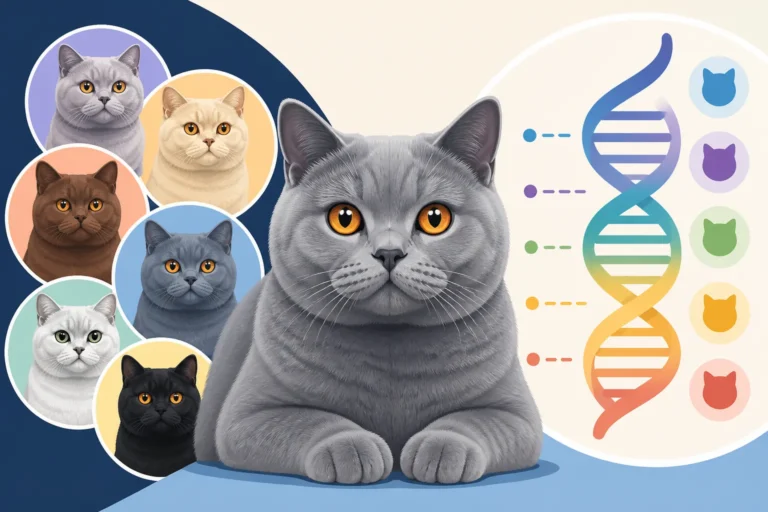
Both breeds are "shorthairs," but their coats are worlds apart in texture and appearance. The British Shorthair boasts a truly dense, plush, and short coat that feels almost like velvet. It's a double coat, meaning it has a soft undercoat and slightly coarser guard hairs, and it stands away from the body rather than lying flat. This gives them that solid, substantial feel and appearance. While blue is the most iconic color, British Shorthairs actually come in a huge variety of colors and patterns, including lilac, cream, black, white, red, and various tabbies and colorpoints. A British Shorthair Comes in More Colors Than You Think.
The Russian Blue's coat is unique, often described as "double-coated and plush, but fine and silky." It's incredibly soft to the touch, often feeling like a seal's fur. What truly sets it apart is the silver tipping on the guard hairs. This tipping reflects light, giving the coat a shimmering, lustrous quality that makes it appear lighter or almost sparkly in certain lights. Unlike the British Shorthair's vast color palette, the Russian Blue breed standard typically only recognizes one color: a uniform, bright blue with that distinct silver tipping. While variations might exist in mixed breeds, a true Russian Blue will always present this specific coloration. The fine, short nature of their coat also means they tend to shed less noticeably than many other breeds.
Body Type, Size, and Overall Build
When you think "British Shorthair," think "sturdy." They are a medium to large-sized cat with a distinct "cobby" body type – compact, solid, and muscular. They have broad chests, short, strong legs, and a thick, medium-length tail that tapers to a rounded tip. They aren't fully mature until they are three to five years old, gradually filling out into their impressive, robust physique. A fully grown male British Shorthair can weigh quite a bit, making them feel quite substantial in your arms, if they ever allow you to pick them up! What a British Shorthair Weighs and How Big It Gets showcases their impressive stature. Their powerful build gives them a commanding presence, even when simply lounging on the sofa.
The Russian Blue, in contrast, is an elegant, medium-sized cat with a refined, muscular, and graceful body. They are lithe and athletic, with long, slender legs and a long, tapering tail. Their build is often described as "semi-foreign," meaning they are sleek and moderately proportioned. They are not as heavy-boned or as broad as the British Shorthair, and they tend to reach maturity a bit earlier. While still muscular, their overall impression is one of agility and grace rather than bulk. This difference in build is quite apparent when you see them side-by-side; the British Shorthair is a brick house, while the Russian Blue is a sleek sculpture.
Temperament and Personality: Quiet Confidence Versus Reserved Grace
Beyond their physical differences, the way these two breeds interact with their world and their human companions is also notably distinct. Understanding these temperamental nuances is crucial for any potential owner to ensure a good match for their lifestyle. Both are generally wonderful companions, but they express their affection and independence in unique ways.
Affection Levels and Social Habits
The British Shorthair is a master of understated affection. They are devoted and loyal to their families but aren't typically "lap cats" in the traditional sense. They prefer to be near you, perhaps on the sofa next to you, or in the same room, observing quietly. They might follow you from room to room, just to keep tabs on you, and will often seek out a gentle stroke or head rub on their own terms. If you try to pick up a British Shorthair, you might find them a bit resistant, preferring to keep all four paws on the ground. A British Shorthair Sits Near You, Not On You perfectly encapsulates their preference. They are generally tolerant of children and other pets, provided they are treated gently and with respect, but they are not the type to demand constant attention or vigorous play. They are wonderfully independent and perfectly content to entertain themselves or simply nap.
The Russian Blue, on the other hand, can be a bit more reserved, especially with strangers. They often take time to warm up to new people, preferring to observe from a distance before deciding if someone is worthy of their trust. However, once they bond with their family, they are incredibly affectionate and loyal, sometimes even described as "dog-like" in their devotion. They might not be as demonstrative as some breeds, but they show their love through gentle head nudges, purrs, and often by following their favorite person around. Some Russian Blues are known to enjoy a good cuddle session, while others might prefer to express affection more subtly. They thrive in a calm, consistent environment and can become quite attached, sometimes even displaying a touch of separation anxiety if left alone for too long without enough stimulation.
Vocalization and Activity Levels
If you're looking for a chatty companion, neither the British Shorthair nor the Russian Blue will likely fit the bill of a truly vociferous cat. However, there are subtle differences. The British Shorthair is renowned for being an exceptionally quiet cat. Their meows are often soft, gentle chirps, or almost imperceptible sounds. They communicate more through their expressions and body language than through loud vocalizations. They are typically low-energy cats, content to lounge around, bask in a sunbeam, or engage in short bursts of play. They aren't known for scaling curtains or racing through the house at top speed. Their calm, unhurried pace is one of their most charming qualities, making them ideal for quiet homes or apartment living.
The Russian Blue is also generally a quiet cat, but they do have a distinct, soft, and often melodic voice, sometimes described as a "singing" meow. They are more likely to use their voice to communicate their needs or desires than a British Shorthair, especially with their trusted humans. While not hyperactive, they are definitely more playful and agile than British Shorthairs. They enjoy interactive games, chasing toys, and showing off their impressive jumping skills. They possess a keen intellect and thrive on mental stimulation, often enjoying puzzle toys or games that challenge their minds. They can entertain themselves, but also greatly appreciate interactive play sessions with their family, which can be easily sourced from a wide range of suppliers, like Chewy, offering innovative cat toys.
Suitability for Different Households
Choosing between these two breeds really comes down to your lifestyle and what you're looking for in a feline companion. The British Shorthair's calm, independent nature makes them an excellent choice for busy individuals or families who might not have hours each day to dedicate to intense play. They are adaptable and generally take changes in stride, making them suitable for households with older, respectful children or calm dogs. Their low maintenance temperament means they don't demand constant entertainment, making them a great fit for apartment living or homes where owners work outside the home. They are a cat for someone who appreciates a dignified presence and gentle companionship without clinginess.
The Russian Blue, while also adaptable, often prefers a more predictable and quiet environment. Their reserved nature with strangers might mean they aren't the best fit for homes with constant guest traffic or very young, boisterous children. They thrive on routine and deep bonds with their family members. They are intelligent and enjoy interactive play, so owners who can provide consistent engagement and mental stimulation will find them incredibly rewarding. They can do well with calm children and other pets, but generally prefer a less chaotic household where they can feel secure and cherished. If you're looking for a loyal, elegant companion who will be your shadow once they've given you their trust, a Russian Blue might be your perfect match.
Care Requirements: Grooming, Diet, and Health Considerations
When bringing any pet into your home, understanding their specific care needs is paramount. While both British Shorthairs and Russian Blues are generally healthy and relatively low-maintenance, there are distinct differences in their grooming requirements, dietary tendencies, and breed-specific health concerns that prospective owners should be aware of.
Grooming Needs for Each Coat Type
The British Shorthair's dense, plush double coat, while beautiful, does require some attention to keep it in top condition. They shed, particularly during seasonal changes, and regular combing is essential to remove loose hair and prevent matting. A good quality steel comb, perhaps something you could find readily on a pet supply site like Chewy, is often recommended over a brush, as it can better penetrate their thick coat to reach the undercoat. Aim for a thorough combing session once or twice a week, increasing frequency during their shedding seasons in spring and autumn. Their coat can form mats, especially under their "armpits" and around their hindquarters, if neglected. While they are generally good self-groomers, an overweight British Shorthair may struggle to groom its back, necessitating more owner intervention. How Much a British Shorthair Sheds gives insight into their shedding patterns.
The Russian Blue's short, fine, and silky double coat is comparatively easier to maintain. It tends to shed less than the British Shorthair's and is less prone to matting. A weekly brushing with a soft bristled brush or a grooming glove is usually sufficient to keep their coat healthy, shiny, and to remove any loose hairs. During shedding periods, you might increase this to twice a week. Their coat texture is such that it usually lies flat and doesn't trap as much debris as a British Shorthair's. They are meticulous self-groomers, and their sleek physique allows them to reach all areas of their body with ease.
Dietary Tendencies and Weight Management
This is a significant area where British Shorthairs require careful management. They are notoriously good eaters, and their calm, sedentary nature means they are prone to weight gain. Obesity is a serious health risk in British Shorthairs, leading to other issues like diabetes and joint problems. Portion control is absolutely essential for this breed. Free feeding is generally discouraged, as they will often eat whatever you put down. High-quality wet food is often recommended due to its higher moisture content and lower calorie density compared to dry kibble, but a balanced diet of both can work well with strict portioning. Regularly weighing your British Shorthair and feeling their ribs is crucial to monitor their body condition. Feeding a British Shorthair That Will Eat Whatever You Put Down emphasizes this very challenge.
Russian Blues, while not as prone to obesity as British Shorthairs, still benefit from a controlled diet. They are generally active enough to manage their weight if provided with adequate play and a balanced diet. Like all cats, a high-quality diet rich in animal protein is best. While they might enjoy their meals, they are typically less likely to overeat to the same extent as a British Shorthair. However, consistent meal times and measured portions are always a good practice to prevent weight issues and ensure they receive optimal nutrition. You can easily find a range of suitable cat foods tailored to their needs through online retailers like Chewy.
Common Health Concerns
Both breeds are generally considered healthy, but like all pedigreed cats, they have certain predispositions. British Shorthairs are particularly susceptible to Hypertrophic Cardiomyopathy (HCM), a common form of heart disease in cats. Regular cardiac screenings (echocardiograms) are recommended for breeding cats and often for pet cats as well, especially as they age. HCM in a British Shorthair Has No DNA Test, making regular echoes even more crucial. They can also be prone to Polycystic Kidney Disease (PKD), though responsible breeding efforts have significantly reduced its prevalence, and a DNA test is available for this. Polycystic Kidney Disease Came Into the British Shorthair With the Persians. Dental disease is also common if not prevented with good oral hygiene.
Russian Blues are known for being a robust and generally healthy breed with few specific hereditary health issues. They have a reputation for longevity. However, like all cats, they can be susceptible to common feline ailments such as dental disease, urinary tract issues, and age-related conditions like arthritis or hyperthyroidism in their senior years. Regular veterinary check-ups, good nutrition, and preventative care are key to ensuring a long and healthy life for a Russian Blue. Their lean physique generally means fewer joint issues associated with weight, a benefit compared to their chunkier British cousins.
Heritage and History: Centuries Apart, Yet Both Beloved
The stories behind these two magnificent blue cats are as different as their temperaments. Their origins paint a vivid picture of their development, influenced by their native lands and the dedicated people who shaped them into the breeds we adore today.
The British Shorthair's Humble Beginnings
The British Shorthair has a wonderfully down-to-earth origin story. They are believed to be direct descendants of the domestic cats brought to Britain by the Romans, who themselves were descended from Egyptian cats. For centuries, these cats served a vital role in controlling rodent populations in homes, barns, and streets across the British Isles. They were robust, intelligent, and adapted perfectly to the British climate with their dense coats. It wasn't until the mid-19th century that a man named Harrison Weir, often considered the "father of the cat fancy," took a special interest in these magnificent native working cats. He saw their beauty and potential, and it was his efforts that led to the British Shorthair being presented as a distinct breed at the very first cat show in 1871 at Crystal Palace. He literally put the British "common cat" on the pedigree map. Their popularity soared, but the World Wars caused their numbers to dwindle, leading to outcrosses with breeds like Persians and Russian Blues to rebuild the lines. This is how the longhair gene and sometimes even the blue color from Russian Blues made their way into some British Shorthair lines during the rebuilding efforts.
The Mysterious Origins of the Russian Blue
The history of the Russian Blue is far more enigmatic and romantic. Many theories exist, but the most widely accepted one traces their ancestry to the Archangel Isles of Russia, a port city then known as Archangel. These cats are thought to have been kept by Russian Czars, perhaps for their beauty and their thick, insulating coats that protected them from the harsh Russian winters. Sailors arriving at the port were captivated by these striking blue cats and brought them back to Great Britain and Northern Europe in the mid-1800s, often referring to them as "Archangel Cats" or "Foreign Blues." They were first shown in England in 1875, grouped with other blue cats. It wasn't until after World War II, when their numbers also suffered, that breeders from England and Scandinavia worked to develop and standardize the breed, defining its distinct features and elegant type, often using a bit of Siamese for refinement in those critical years. Their precise aristocratic lineage remains debated, adding to their allure and mystique.
Making the Right Choice: Which Blue is For You?
Deciding between a British Shorthair and a Russian Blue isn't about one being "better" than the other; it's about finding the cat that best suits your home, your personality, and your expectations. Both are wonderful companions, but their unique traits cater to different preferences.
Lifestyle Compatibility
If you lead a bustling life but still want a loving companion who isn't demanding, the British Shorthair could be your ideal match. They thrive in a calm, predictable environment but are generally independent enough to be content when you're busy. They aren't going to climb your curtains or demand constant playtime. They're perfect for those who appreciate a quiet, dignified presence and prefer affection to be a shared, gentle experience rather than an insistent demand. They do well with families who want a sturdy, good-natured cat that will happily nap nearby while they go about their day. Their easygoing nature means they adapt well to various home sizes, from apartments to larger houses, as long as they have a comfortable spot to observe the world.
Conversely, if you're drawn to a cat that forms deep, intense bonds, appreciates a bit more interactive play, and can be quite sensitive to its environment, a Russian Blue might be more up your alley. They flourish in quiet, stable homes where they can build trust and truly connect with their chosen people. While reserved with strangers, their devotion to family is profound, making them a wonderfully personal companion. They enjoy a good chase and mental stimulation, so an owner who enjoys engaging with their cat through games and puzzle toys will find a Russian Blue incredibly rewarding. Their leaner, more active build means they appreciate space to explore and play. They are a great choice for individuals or couples who seek a loyal, elegant, and intelligent feline friend.
Budget and Long-Term Costs
The initial cost of acquiring either a British Shorthair or a Russian Blue from a reputable breeder can be significant, reflecting the breeder's investment in health testing, quality care, and pedigree. While I can't give you specific figures, generally speaking, both breeds command a premium price compared to mixed-breed cats. You are paying for a cat bred to a standard, with known health history, and often, early veterinary care already included. What a British Shorthair Costs to Buy in 2026 (keeping in mind no year stamps, this would be phrased generally as "what a British Shorthair costs to buy") indicates this initial investment is considerable.
Beyond the initial purchase, the long-term costs of ownership are important to consider. For a British Shorthair, a key consideration will be diet and weight management, potentially leading to higher costs if prescription weight-loss foods or veterinary care for obesity-related conditions become necessary. Ongoing cardiac screenings, such as regular echocardiograms to check for HCM, are also a significant, recurring expense that responsible owners should budget for. What Yearly Echoes Cost a British Shorthair Owner Without a DNA Shortcut highlights this crucial expense. Russian Blues, while generally robust, will still have standard veterinary costs, including vaccinations, routine check-ups, and preventative care. Both breeds will require quality food, litter, toys, and grooming supplies. Considering the average lifespan of 12-17 years for a British Shorthair, and often similar for a Russian Blue, these costs add up over time. It's wise to set aside a dedicated fund for unexpected veterinary emergencies for any pet.
Ultimately, the best way to choose between these two magnificent blue breeds is to spend time with both, if possible. Visit reputable breeders, attend local cat shows, and observe their distinct personalities in person. This will give you the most accurate feel for which cat truly resonates with your heart and home.
| Feature | British Shorthair | Russian Blue |
|---|---|---|
| Origin | Great Britain (from street cats, developed by Weir) | Archangel Isles, Russia (sailors brought to Europe) |
| Body Type | Cobby, muscular, sturdy, broad chest, short legs | Semi-foreign, lithe, graceful, long slender legs |
| Head Shape | Large, round, full cheeks | Moderate wedge, flat top, distinct muzzle |
| Eye Color | Large, round, copper or deep gold | Vivid green (yellow in kittens) |
| Coat Type | Short, dense, plush, double coat, stands away | Short, fine, silky, double coat, silver-tipped |
| Coat Feel | Velvety, crisp | Soft, like a seal's fur, shimmering |
| Primary Color | Wide variety (blue most iconic) | Uniform bright blue with silver tipping |
| Temperament | Calm, independent, affectionate but not "lap cat" | Reserved with strangers, deeply loyal to family |
| Vocalization | Very quiet, soft chirps | Quiet, but distinct, melodic meow |
| Activity Level | Low energy, enjoys lounging | Moderate, enjoys interactive play, agile |
| Grooming | Weekly combing (more during shedding) | Weekly brushing (less prone to matting) |
| Weight Tendency | Prone to obesity, needs strict portion control | Generally good weight management with play |
| Common Health | HCM, PKD (less common with testing), dental | Generally robust, common feline ailments |
Disclaimer
This article is for general informational purposes only and does not constitute professional advice. Laws, prices and regulations vary by location and change over time. Consult a qualified professional for guidance on your specific situation.