The British Shorthair Started as a British Street Cat
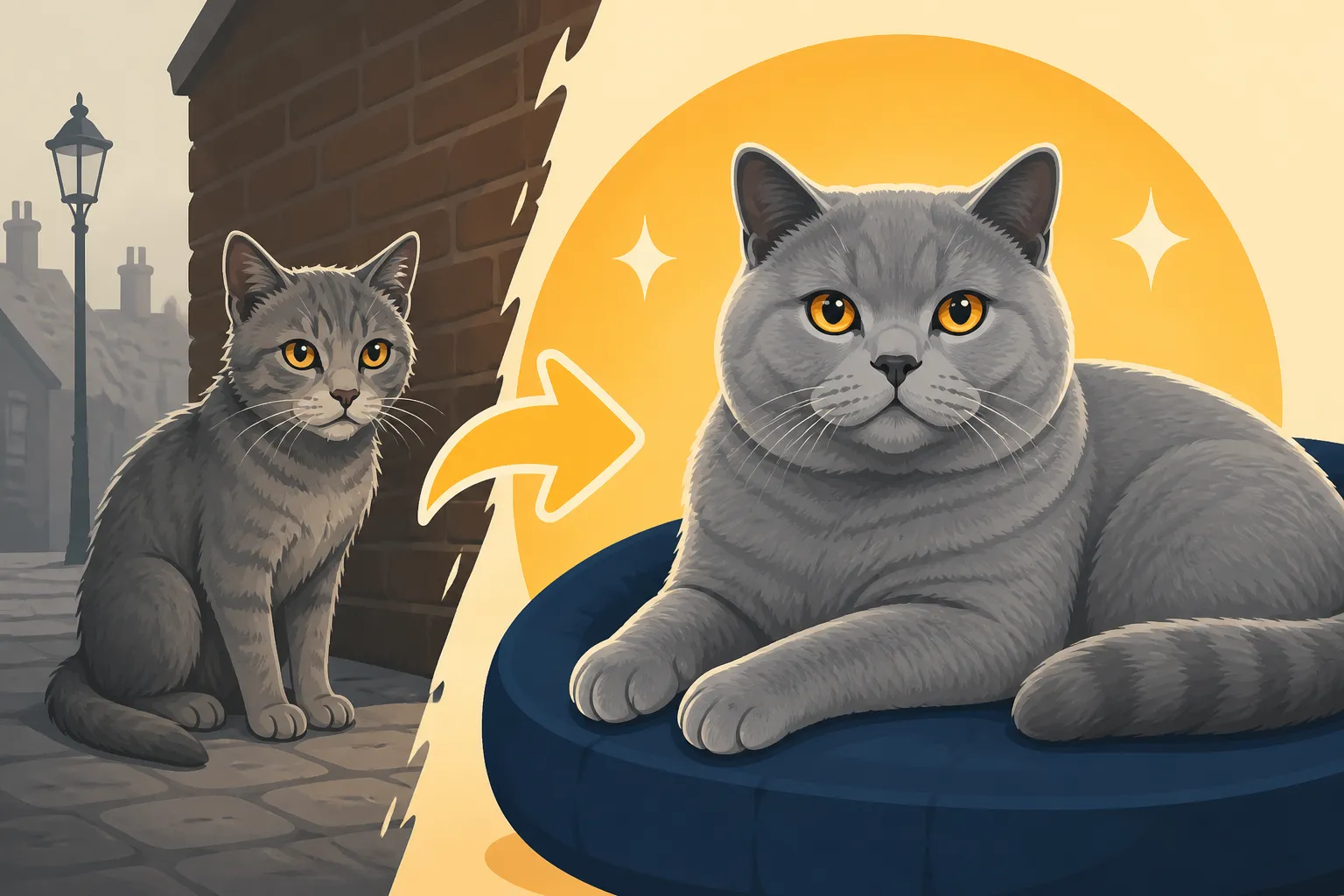
It’s easy to look at the majestic, plush-coated British Shorthair today and imagine a long line of aristocratic feline ancestors, but the truth is far more grounded. These wonderful cats, with their teddy bear faces and calm demeanor, actually trace their lineage back to the ordinary, hardworking street cats of Great Britain. This guide will take you on a journey through time, exploring how the humble "British street cat" transformed into the beloved pedigreed companion we know today, revealing a fascinating history of resilience, recognition, and careful breeding.
The Ancient Roots of the British Shorthair
Before they were ever called "British Shorthairs," these cats were simply… British cats. Their story isn't one of exotic imports specifically bred for royalty, but rather a tale of survival and natural selection among the common feline population of the British Isles. For centuries, these robust cats adapted to the local environment, developing traits that would eventually define their breed.
Roman Travelers and Feline Companions
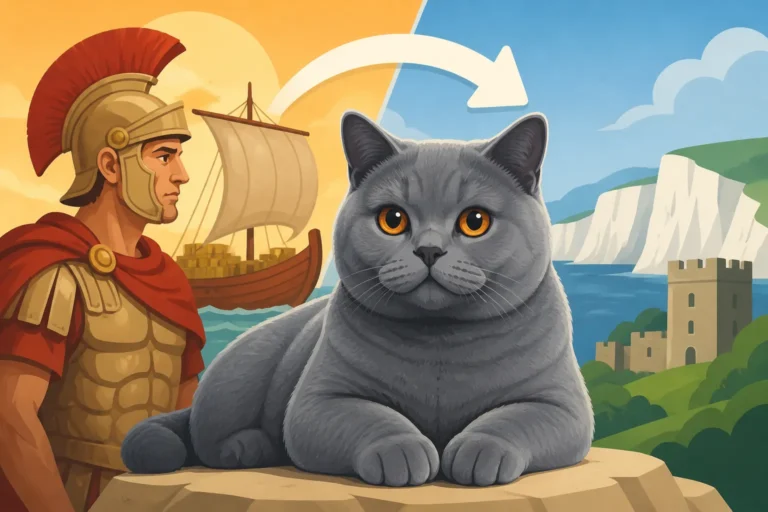
Imagine ancient Britain, windswept and wild. The cats that first arrived on its shores weren't pets in the modern sense, but rather working animals, brought over by the Roman legions. These early feline immigrants, likely originating from Egypt, were essential companions for the Roman soldiers and settlers, tasked with protecting grain stores and settlements from rodents. They were practical additions to any encampment, silently performing their duties and, in doing so, began to intermingle with any existing native cat populations, slowly establishing a presence across the island. It's a testament to their adaptability that they thrived in a climate so different from their ancestral home, laying the groundwork for the British Shorthair's resilient nature. You might be surprised to learn just how far back these feline roots go; explore Whether Roman Cats Founded the British Shorthair for more details on this historical connection.
Adapting to the British Climate
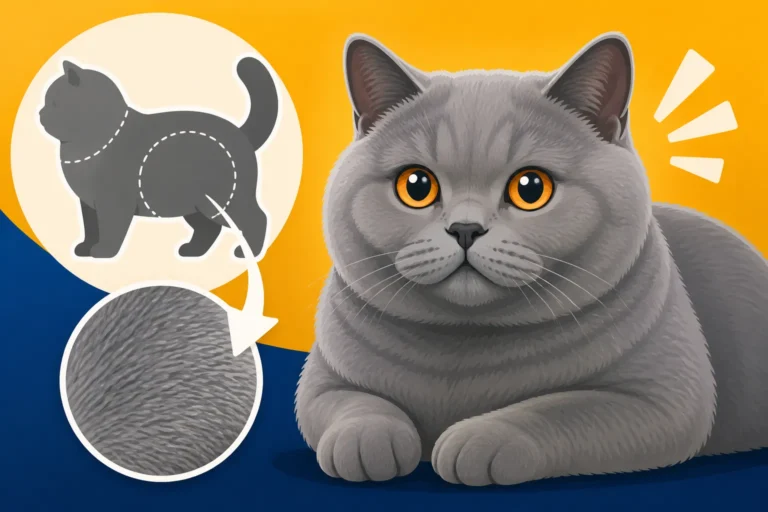
The transition from the warm sands of the Mediterranean to the often damp and chilly British Isles was a significant evolutionary step for these cats. Over generations, natural selection favored those with denser, more protective coats – a far cry from the sleek fur of their desert-dwelling ancestors. This gave rise to the short, thick, plush coat that is a hallmark of the British Shorthair today. It wasn't about aesthetics; it was about survival. A dense, water-resistant coat kept them warm and dry, allowing them to withstand the unpredictable British weather, whether hunting in misty fields or sheltering from a sudden downpour. This physical adaptation is a clear indicator of their humble, practical beginnings, showcasing how their most distinctive features developed out of necessity.
The Working Cat of Fields and Homes
For centuries, these British street cats weren't just surviving; they were indispensable members of society. They were the ultimate pest control, silently patrolling farms, barns, and homes, keeping vermin populations in check. A good mouser was a valuable asset, and these cats earned their keep through their efficiency and quiet diligence. They weren't cuddled on laps or adorned with ribbons; their worth was measured in the absence of rats and mice. This demanding lifestyle contributed to their hardy constitution, their natural independence, and their calm, watchful demeanor. They learned to be self-sufficient, yet observant of their human companions, traits still very much present in the modern British Shorthair.
From Alley Cat to Aristocrat: Harrison Weir's Vision
The transformation of these common, working cats into a recognized breed is largely credited to one remarkable individual: Harrison Weir. A true pioneer of the cat fancy, Weir saw the inherent beauty and dignity in the everyday British cat and championed its elevation to pedigree status.
The Father of the Cat Fancy
Harrison Weir wasn't just a cat lover; he was an artist, an author, and a passionate advocate for the humane treatment of animals. He is widely regarded as the "Father of the Cat Fancy" for his instrumental role in organizing the first modern cat show and establishing breed standards. He didn't just appreciate cats; he saw the potential to elevate them, to celebrate their distinct qualities, and to create a structured world around their breeding and exhibition. His vision extended beyond just one breed; he laid the groundwork for how we categorize, judge, and appreciate pedigree cats today. To truly understand his impact, delve into Who Harrison Weir Was to the British Shorthair.
Scouting the Best of British Moggy
Weir’s process for establishing the British Shorthair breed was incredibly insightful. He didn't invent a new cat; rather, he scoured the streets and farms of Britain, selecting the finest examples of the native short-haired cats. He looked for robust, well-proportioned individuals with the plush coats, round heads, and calm temperaments that had developed naturally over centuries of adaptation. These were the "cream of the crop" of the street cat world, individuals who embodied the ideal form and character that he believed deserved recognition. This selective process ensured that the foundational stock for the British Shorthair was inherently strong, healthy, and representative of the best qualities of the British domestic cat.
The First Cat Show and a Winning Brit
The pivotal moment for the British Shorthair, and indeed for the entire cat fancy, was the first organized cat show held at the Crystal Palace in London in 1871. It was Harrison Weir who not only organized this groundbreaking event but also penned the first breed standards, setting the criteria for what would be considered an exemplary cat. And who won? A British Shorthair! Weir's own blue tabby female took the coveted Best in Show award, cementing the breed's place in the nascent world of pedigree cats. This monumental event effectively launched the British Shorthair from the alleyways into the show ring, forever changing its destiny. If you're curious about this historic event, explore What Happened to the British Shorthair at Crystal Palace and discover Which British Shorthair Won the First Cat Show.
Survival Through Adversity: Wars and Outcrosses
The early success of the British Shorthair was unfortunately short-lived. The breed, like many others, faced immense challenges in the early 20th century, nearly fading into obscurity. Its survival is a testament to the dedication of a few committed breeders.
The Decline During the World Wars
The two World Wars wreaked havoc across Europe, and the world of pedigree cat breeding was no exception. Resources became scarce, food was rationed, and people's priorities shifted dramatically from breeding show cats to simply surviving. Many catteries closed down, and breeding programs were halted. The British Shorthair, which was still relatively new as a formalized breed, suffered greatly. Its numbers dwindled to alarmingly low levels, pushing it to the brink of extinction. It was a heartbreaking period where the hard work of Harrison Weir and early breeders seemed destined to be lost. The challenges faced during these times are further detailed in Why British Shorthair Numbers Collapsed in the Wars.
The Lifeline of Outcrossing
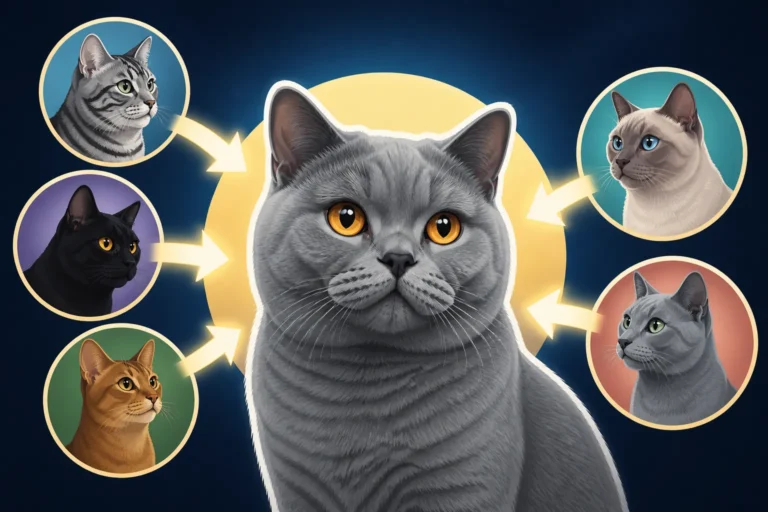
To save the British Shorthair from vanishing entirely, dedicated breeders made a difficult but necessary decision: outcrossing. This involved carefully breeding the remaining British Shorthairs with other breeds to reintroduce genetic diversity and bolster the population. The Persian was a particularly important breed in this effort, as its robust structure, dense coat, and docile temperament complemented the existing British Shorthair traits. Other breeds, such as the Russian Blue and Chartreux, were also used to a lesser extent, all with the goal of preserving the core characteristics of the British Shorthair while ensuring its genetic viability. This strategic interbreeding was controversial at the time but proved to be the lifeline the breed desperately needed. You can read more about Which Breeds Rebuilt the British Shorthair.
Rebuilding the Signature Look
The outcrossing programs, while essential for survival, inevitably introduced new genetic material, subtly altering the British Shorthair's appearance. The influence of the Persian, for example, contributed to the breed's signature roundness – a more pronounced, dome-shaped head, fuller cheeks (often referred to as jowls), and an even denser coat. Breeders then worked tirelessly over subsequent generations to selectively breed back to the original British Shorthair type, focusing on solidifying these desired traits while minimizing any undesirable ones. It was a meticulous process of refinement, slowly but surely bringing back the iconic "teddy bear" look we recognize today. The impact of these crosses, particularly from the Persian, is something to consider; check out What the Persian Cross Gave the British Shorthair for a deeper understanding. Interestingly, some health conditions, like Polycystic Kidney Disease Came Into the British Shorthair With the Persians, are believed to have entered the breed through these necessary outcrosses.
The Enduring Appeal of the British Blue
When most people picture a British Shorthair, they immediately think of a majestic, solid blue cat. This color variation has become synonymous with the breed, often to the point of overshadowing the wide array of other stunning colors and patterns they come in.
Why Blue Captured Hearts
The solid blue British Shorthair wasn't just popular; it became an icon. There's something undeniably captivating about their soft, uniform grey-blue fur paired with those striking copper or gold eyes. This particular coloration lent the cats an air of understated elegance and distinction, appealing to a wide audience. Its visual appeal was often highlighted in advertising and popular culture, further cementing its image as the British Shorthair. This widespread appeal meant that more breeders focused on producing blue cats, and soon, the blue variant was everywhere, becoming the standard mental image for the breed. If you've ever wondered why this specific color gained such prominence, Why the Blue Is the Best Known British Shorthair offers some insights.
Beyond the Blue: Exploring Other Colors
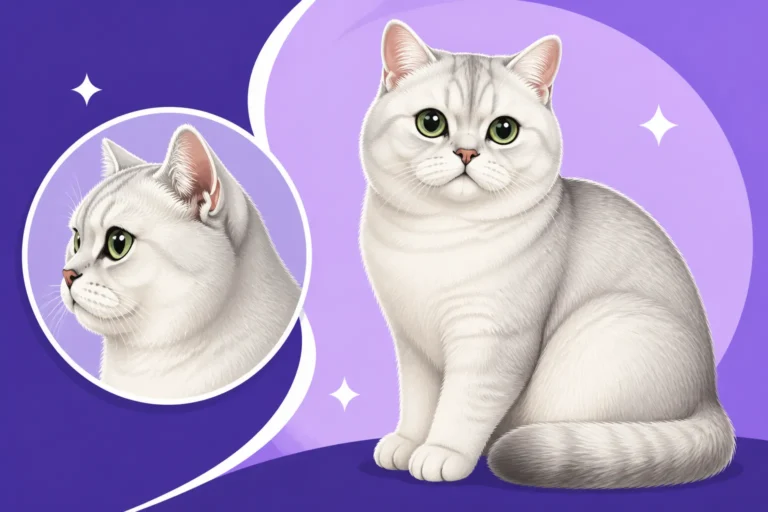
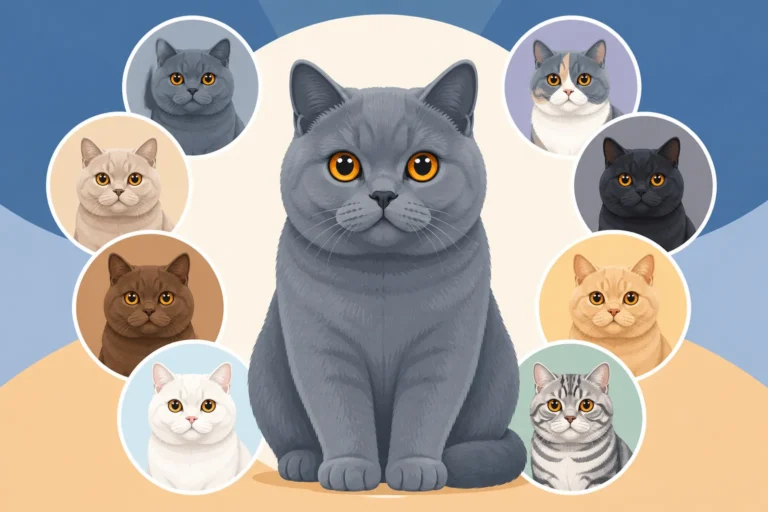
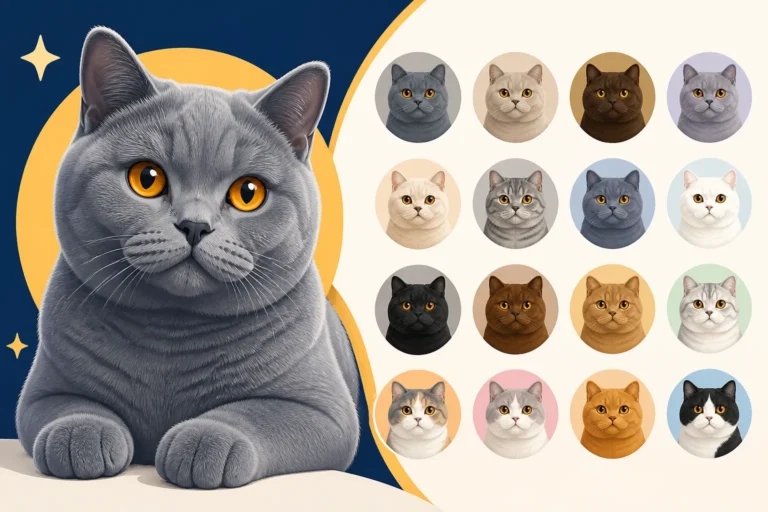
While blue reigns supreme in public perception, the British Shorthair actually boasts an incredibly diverse palette of colors and patterns. You can find them in classic solids like black, white, cream, and red, as well as more unique shades like lilac and chocolate. Beyond solid colors, they come in a stunning array of patterns:
- Tabbies: Classic, mackerel, spotted, and ticked in various color combinations.
- Colorpoints: With darker points on the ears, face, paws, and tail, reminiscent of a Siamese, but with the British Shorthair's body type.
- Bi-colors and Tri-colors: Patches of two or three distinct colors, often with white.
- Shaded and Smoked: Where the tips of the fur are colored, creating a delicate, shimmering effect, often seen in silver and golden variants.
Each color and pattern adds its own unique charm, proving that there's a British Shorthair to suit every preference, not just the iconic blue.
A Misconception: British Blue Versus British Shorthair
It’s incredibly common for people to refer to the breed as a "British Blue," assuming it's a separate breed or that all British Shorthairs are blue. This is a persistent misconception that stems from the blue variety's immense popularity and historical prominence. In reality, "British Blue" is simply a color within the British Shorthair breed, just as "Blue Point" or "Silver Tabby" are colors. All British Blues are British Shorthairs, but not all British Shorthairs are blue. Understanding this distinction is key to appreciating the full spectrum and genetic richness of this wonderful breed.
The Modern British Shorthair: A Beloved Companion
Today, the British Shorthair stands as one of the most popular pedigree cat breeds globally, cherished for its distinctive appearance and wonderfully placid personality. From its humble beginnings as a street cat, it has truly come into its own as a beloved household member.
Worldwide Recognition and Popularity
From its initial recognition by Harrison Weir, the British Shorthair has gained widespread acceptance and adoration across the globe. Major cat registries, such as The Cat Fanciers' Association (CFA) and The International Cat Association (TICA), recognize the breed, and it consistently ranks among the top most popular cat breeds in many countries. This isn't just due to their undeniable charm, but also their adaptability and generally easy-going nature, making them suitable companions for a variety of households. Their presence in cat shows worldwide, always presenting that iconic round face and dense coat, reinforces their status as a pedigree star.
The Gentle Giant Temperament
One of the most appealing aspects of the modern British Shorthair, inherited from their long line of calm and independent ancestors, is their temperament. They are often described as "gentle giants" – affectionate but not overly demanding, preferring to be near their humans rather than constantly on a lap. They typically possess a quiet, unflappable nature, making them excellent companions for families, singles, and seniors alike. They're known for their patience and tolerance, even with well-behaved children or other pets. While they enjoy a good play session, especially as kittens, adult British Shorthairs are generally less energetic than many other breeds, content to observe the world from a comfortable vantage point. If you're curious about their personality, be sure to check out What a British Shorthair's Temperament Is Really Like.
Health and Longevity Considerations
The British Shorthair's robust history as a working cat has contributed to its generally healthy constitution. These cats often live a good, long life, with many reaching well into their teens. On average, a healthy British Shorthair can live for How Long a British Shorthair Lives on Average. However, like all breeds, they do have some predispositions to certain health issues, largely due to their genetic lineage. Cardiomyopathy (HCM) is one concern, though the prevalence is often debated, and regular echocardiogram screenings are recommended by many breeders. Another genetic condition, Polycystic Kidney Disease (PKD), which likely came into the breed via outcrossing with Persians, has largely been screened out through careful DNA testing. Their calm nature, while charming, can also lead to a tendency towards Obesity Is the British Shorthair's Real Disease if their diet and exercise aren't carefully managed. Regular veterinary check-ups, a balanced diet, and appropriate enrichment are crucial for ensuring these wonderful cats live long, healthy lives. When seeking out appropriate foods or health supplements for your British Shorthair, reputable online retailers like Chewy offer a wide selection tailored to feline nutritional needs.
From Street to Sofa: A Comparison of British Shorthair Evolution
To really appreciate how far the British Shorthair has come, it's helpful to look at the stark differences and surprising similarities between its street cat ancestors and the pampered pets of today.
| Feature | Early British Street Cat (Pre-1800s) | Modern British Shorthair (Post-1900s) |
|---|---|---|
| Primary Role | Pest control, self-sufficient survival | Companion animal, show cat |
| Appearance | Variable, often lean, dense coat, round head (natural) | Standardized, cobby body, plush coat, very round head |
| Coat Density | High, for weather protection | Very high, for breed standard & tactile pleasure |
| Temperament | Independent, resourceful, watchful, territorial | Calm, affectionate but independent, tolerant, docile |
| Diet | Hunted prey, scraps, whatever could be found | Precisely portioned, high-quality commercial cat food |
| Housing | Outdoors, barns, homes, wherever shelter was found | Primarily indoor, comfortable home environment |
| Care | Minimal human intervention | Regular grooming, vet check-ups, managed diet |
| Lifespan | Shorter due to environmental hazards | Longer, thanks to veterinary care and nutrition |
| Weight | Varied, generally moderate | Larger, substantial build, can easily become Obesity Is the British Shorthair's Real Disease |
This table clearly illustrates the journey from a survival-oriented existence to a life of comfort and care. Modern British Shorthairs, while embodying the resilience of their ancestors, thrive under the loving attention of their human families. Platforms like Chewy also cater to these needs, offering everything from specialized foods to enrichment toys to keep our indoor companions healthy and happy.
Ensuring the Legacy of the British Shorthair
The journey of the British Shorthair from the bustling streets and quiet farms of Britain to the esteemed position it holds in the global cat fancy is truly remarkable. It's a story of natural adaptation, human vision, and dedicated preservation. Today, our responsibility as owners and admirers of this breed is to honor that legacy.
Responsible Breeding Practices
For those interested in breeding, upholding the integrity of the British Shorthair means adhering to rigorous standards. This includes thorough health screening for genetic conditions like HCM and PKD, ensuring that potential breeding cats are free of known predispositions. It also means carefully selecting for temperament and type, aiming to produce healthy, well-adjusted kittens that embody the breed's best qualities. Ethical breeders provide excellent care for their queens and kittens, socialize them properly, and ensure they go to loving, responsible homes. They are the custodians of the breed's future, safeguarding the traits that make British Shorthairs so special.
Providing Optimal Care for Your British Shorthair
As owners, we play a crucial role in the continuing health and happiness of our British Shorthairs. This means providing a nutritious, portion-controlled diet, especially given their predisposition to weight gain. Regular, gentle grooming is essential to manage their dense coats and minimize hairballs. While they aren't the most active cats, engaging them in daily play, even for short bursts, is vital for their physical and mental well-being. Regular veterinary check-ups, including any recommended screenings like annual echocardiograms for HCM, are non-negotiable. Creating a stimulating yet calm indoor environment, with comfortable beds, scratching posts, and opportunities for quiet observation, will cater perfectly to their refined nature. Whether you're a first-time cat owner or a seasoned enthusiast, understanding the British Shorthair's specific needs, and knowing that resources like Chewy can help you meet them, is key to a long and joyful companionship. Remember that The Twelve to Seventeen Years a British Shorthair Gets is a significant commitment.
Celebrating the British Shorthair's Unique Charm
Ultimately, the British Shorthair is more than just a pedigree cat; it's a living piece of history, a testament to the enduring appeal of the common cat elevated to extraordinary status. Their quiet dignity, their endearing round faces, and their gentle companionship bring immense joy to countless homes. Whether they are perched majestically on a sofa, purring softly beside you, or simply following you from room to room with their characteristic calm curiosity, British Shorthairs enrich our lives in profound ways. Their journey from resourceful street cat to beloved family member is a remarkable one, and every day we spend with them is a celebration of that incredible heritage.
Disclaimer
This article is for general informational purposes only and does not constitute professional advice. Laws, prices and regulations vary by location and change over time. Consult a qualified professional for guidance on your specific situation.