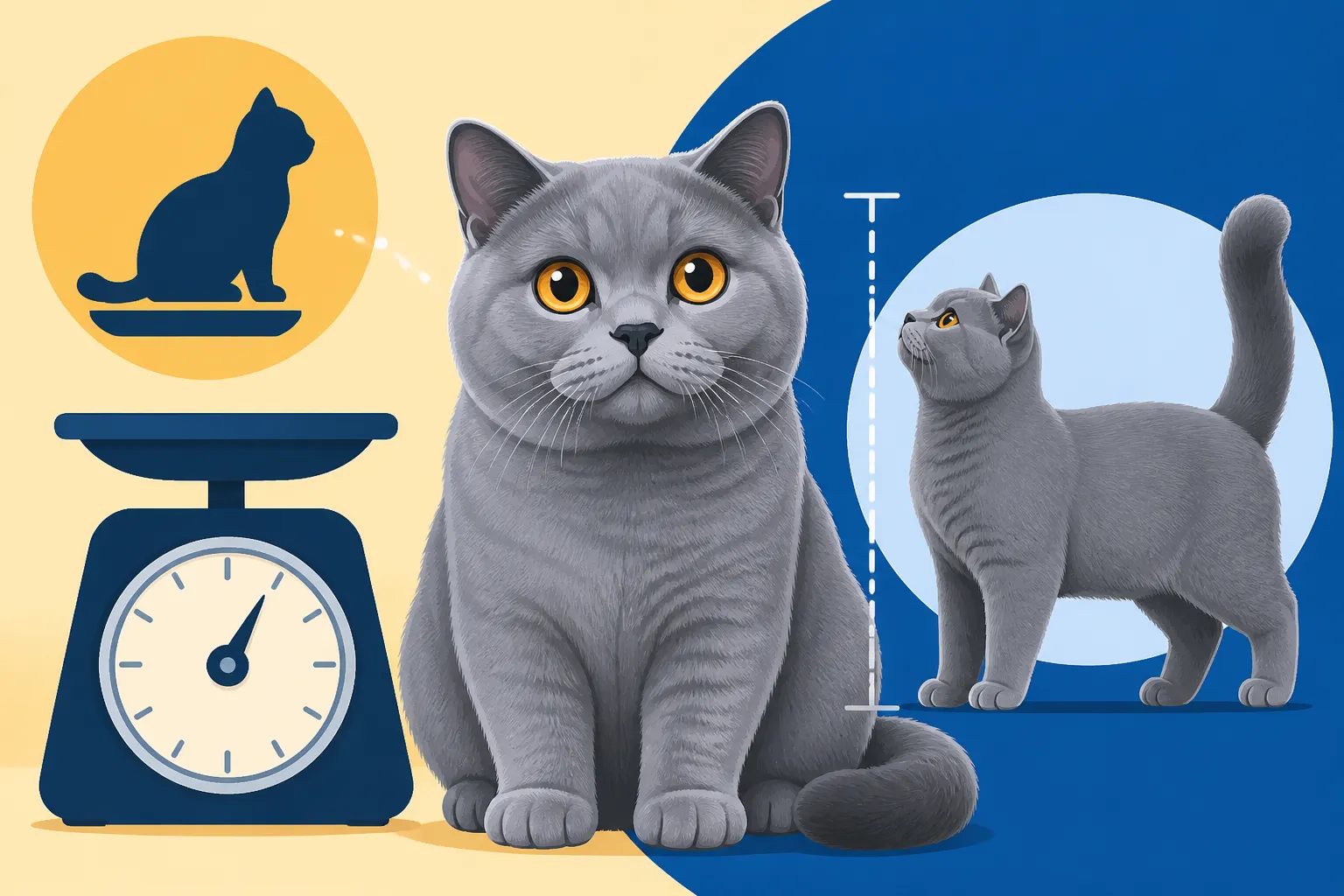
What a British Shorthair Weighs and How Big It Gets
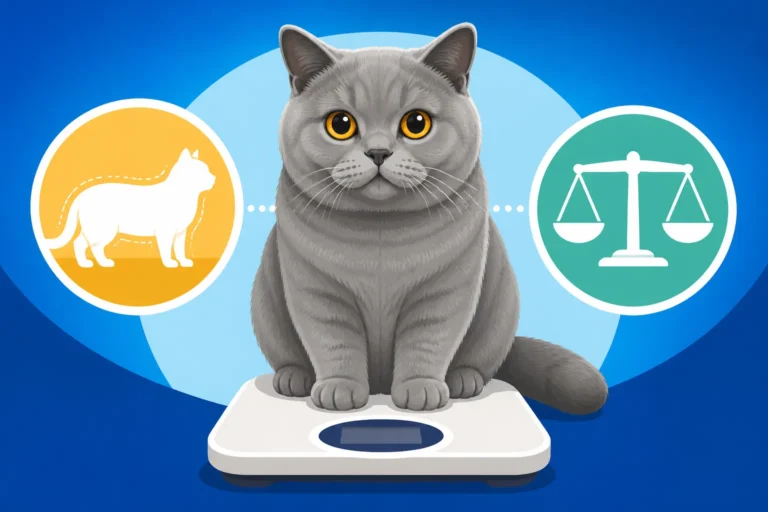
It's easy to look at a British Shorthair and assume they're naturally enormous, a solid block of cat that came into the world fully formed and hefty. But many first-time owners are surprised to learn that while these cats certainly grow into magnificent, substantial companions, it's a gradual process, and there's a delicate balance between their wonderfully sturdy build and actual healthy weight. This guide will walk you through everything you need to know about the typical size and weight progression of a British Shorthair, helping you understand their unique physicality and how to keep them healthy.
The British Shorthair's Signature Build
The British Shorthair has a truly distinctive appearance, and much of that comes down to their impressive physique. They aren't just big; they're built big, with a cobby body type that's meant to convey strength and solidity. When you see one, you're looking at a feline masterpiece designed for comfort and a dignified presence, not a sleek, slender runner.
Why They Look So Chunky
From the moment you lay eyes on a British Shorthair kitten, you might notice a certain robustness. As they mature, this only becomes more pronounced. Their deep, broad chests, short, strong legs, and thick tails contribute to an overall impression of considerable weight and mass. It’s not just bone structure, though; their wonderfully dense, plush coat also adds significantly to their visual bulk, making them appear even more substantial than they might be underneath all that fur. It's like wearing a very fluffy, well-padded winter coat year-round – it adds to the visual size without necessarily adding to the underlying frame. This means that a healthy British Shorthair often looks quite chunky and round, which can be deceiving if you're not used to the breed. Why a British Shorthair Is Built to Look Heavy delves deeper into these unique physical characteristics.
This visual chunkiness can sometimes lead owners to misjudge their cat's actual weight. Because they appear so stocky, it's easy to think they can carry more weight than is truly healthy. You might see a British Shorthair that looks perfectly "right" in its roundness, only to discover upon closer inspection or a vet visit that they're carrying a few extra pounds. Their luxurious coat can act like a cloak, concealing the subtle changes in body condition that might be more obvious on a leaner breed. It’s a trait that's beloved by enthusiasts, but it does require owners to be particularly vigilant about their cat's diet and activity.
The "Cobby" Body Type Explained
When breeders and enthusiasts talk about a British Shorthair's "cobby" body type, they're referring to a specific set of characteristics that define the breed's sturdy, compact frame. Imagine a powerful, broad-shouldered mini-lion, and you're getting close. A cobby cat has a broad chest, short, strong legs, a thick, rounded tail, and a generally rounded appearance. There's an absence of angularity or litheness you might see in other breeds. What Cobby Means in a British Shorthair provides a full breakdown of this distinctive trait.
This isn't just about looking good; it speaks to the historical purpose and natural robustness of the breed. Originating as a working cat, these felines needed to be strong and resilient. The cobby build reflects that heritage, making them capable and enduring. For a pet owner, it translates to a cat that feels solid and substantial when you pick them up (if they let you, that is!). It’s part of their charm, contributing to their teddy bear-like appeal. This powerful build, however, also means they have robust bones and muscles, which naturally contributes to a higher baseline weight compared to a svelter breed of similar height.
Understanding the Breed Standard for Size
The official breed standards set by organizations like the Cat Fanciers' Association (CFA) or The International Cat Association (TICA) aren't just for show cats; they define the ideal characteristics for the breed as a whole. For the British Shorthair, the standard emphasizes a medium to large cat, heavy-boned, with a cobby body. "Substance over refinement" is a phrase often used, highlighting the importance of their solid, powerful build. The standards don't usually specify exact weights, but rather describe the overall impression of size and proportion.
This means a breeder isn't aiming for a cat that hits a specific number on the scale, but rather one that embodies the strong, rounded, well-balanced proportions described in the standard. This includes a broad chest, level back, short, sturdy legs, and a short, thick tail with a rounded tip. The head should be round, with full cheeks, and the eyes large and round. All these elements combined contribute to the impression of a substantial cat. Owners should keep this in mind when evaluating their cat's size; it's less about raw numbers and more about whether your cat fits the overall description of a well-proportioned, robust British Shorthair.
Average Weight Ranges for British Shorthairs
While every cat is an individual, there are general weight ranges that are considered typical and healthy for British Shorthairs. These ranges account for differences between males and females, and the gradual development they undergo. Understanding these averages is key to knowing if your British Shorthair is thriving or if their weight might be drifting into an unhealthy zone.
Male British Shorthair Weight
Male British Shorthairs are typically larger and heavier than their female counterparts, which is common in many cat breeds. A healthy adult male British Shorthair can comfortably weigh anywhere from 12 to 18 pounds (approximately 5.4 to 8.2 kg). Some larger individuals might even push past 18 pounds, especially if they have a particularly robust bone structure and full muscular development. This weight is a combination of their solid bone density, powerful musculature, and, of course, their dense coat. How Much a Male British Shorthair Weighs expands on these figures and what constitutes a healthy range.
It's important to remember that this range refers to a healthy weight. A male British Shorthair might weigh more, but that additional weight could very easily be excess fat rather than healthy muscle and bone. Their impressive jowls and full cheeks also add to the visual impression of size, particularly in intact males, but even neutered males retain a good deal of their facial fullness, contributing to their overall weighty appearance. Monitoring their body condition score, rather than just the number on the scale, becomes incredibly important.
Female British Shorthair Weight
Female British Shorthairs, while still robust, tend to be a bit daintier than the males. An adult female British Shorthair typically weighs between 9 and 15 pounds (approximately 4.1 to 6.8 kg). They still possess the characteristic cobby body and dense coat, but their overall frame is generally lighter and less bulky compared to the boys.
Just like with males, this is a healthy weight range. A female British Shorthair exceeding 15 pounds might be perfectly healthy if she's unusually large-framed, but often, it indicates she's carrying extra weight. Given their predisposition to obesity, paying close attention to a female's weight is crucial. They are often less active than males, even if only slightly, and can gain weight quite easily, especially after spaying. This makes portion control and engaging them in play even more vital for maintaining their ideal body condition. How Much a Female British Shorthair Weighs offers further details on their typical healthy weights.
What Influences Individual Weight
Several factors contribute to where an individual British Shorthair falls within these broad weight ranges. Genetics play a huge role; some lines simply produce naturally larger, heavier-boned cats. Just like people, cats have genetic predispositions to certain builds. Beyond genetics, their diet is paramount. Overfeeding, or feeding a diet too rich in calories for their activity level, will inevitably lead to weight gain. This breed is famously food-motivated and not particularly self-regulating when it comes to eating.
Activity level is another critical component. British Shorthairs are generally quite calm and laid-back, not known for being overly energetic or athletic. This low activity level means they don't burn as many calories as a more active breed, so their caloric intake needs to be carefully managed. Age also influences weight, with kittens growing rapidly and seniors often experiencing some muscle loss. Lastly, whether a cat is spayed or neutered often impacts metabolism, typically slowing it down and making weight gain easier. All these elements combine to create your cat's unique weight profile.
Growth and Development: When They Reach Full Size
One of the most common misconceptions about British Shorthairs is that they achieve their full magnificent size within the first year or so, like many other cat breeds. In reality, their development is a much more drawn-out affair, a slow and steady journey towards their iconic, substantial stature. This means patience is key, and understanding their growth phases helps set realistic expectations.
Kitten Growth Trajectory
British Shorthair kittens start life as tiny, adorable fluff balls, but they quickly begin to show signs of their future robust build. They're typically quite solid even as youngsters. During their first year, they experience rapid growth, similar to other breeds, gaining weight and length at a steady pace. You'll see them fill out their frames, develop muscle, and their coats will become increasingly dense. Their heads will also start to broaden, and their cheeks will begin to develop, foreshadowing the famously round face of the adult.
However, even by one year old, while they may have reached their full height, they are rarely at their full adult weight or body maturity. At this stage, they're often still quite lean compared to the eventual "brick house" physique. It’s important not to try and rush their growth with excessive food, as this can lead to unhealthy weight gain rather than promoting healthy bone and muscle development. They're like teenagers – they're tall, but still filling out. What a British Shorthair Should Weigh at One Year details typical weights during this phase.
When a British Shorthair Reaches Physical Maturity
Most British Shorthairs don't reach their full physical maturity until they are around two to three years old. This is when their bone structure fully solidifies, their musculature completely develops, and their famous 'teddy bear' appearance really comes into its own. The jowls on males become prominent, their chests broaden further, and their overall density increases significantly. They shift from appearing somewhat gangly, even for a robust kitten, to truly substantial and settled.
At two years old, you'll have a much better idea of their adult size. While they might still add a little more muscle or "fill out" further, the major developmental milestones are largely complete by this age. What a British Shorthair Should Weigh at Two Years provides a benchmark for this important stage. It's often around this time that their coat reaches its peak density and crispness too, completing the picture of a fully mature British Shorthair. Owners might notice their cat is less prone to sudden bursts of playful energy, settling more into their characteristic calm demeanor.
The Five-Year "Fill Out" Period
This is perhaps the most unique aspect of the British Shorthair's growth: they continue to "fill out" and mature, adding density and substance, right up until they are about five years old. This isn't necessarily about gaining weight in the sense of fat, but rather about developing a deeper chest, broader shoulders, and a more substantial, compact overall form. It's a slow, subtle process where their musculature and bone structure achieve their ultimate robustness. You Are Paying for a British Shorthair That Fills Out Over Five Years explains this extended development period in detail.
During these later years, you might not notice a significant change on the scale if their diet and exercise are properly managed, but you will perceive a subtle shift in their overall presence. They simply look more imposing, more "finished." Their heads often become even rounder, and their jowls continue to develop in males. This long maturation period means that if you acquire a younger adult British Shorthair, they still have some impressive developing left to do, truly growing into their full glory over several years.
Height and Length: Beyond the Scale
While weight is a common metric, understanding a British Shorthair's overall dimensions – their height and length – paints a more complete picture of their impressive size. These cats aren't just heavy; they are substantial in every direction, which contributes to their imposing and dignified presence.
Typical Height at the Shoulder
When we talk about a cat's height, we generally measure from the ground to the top of their shoulder (often called the withers). For a British Shorthair, this measurement reflects their strong, sturdy legs and deep chest. An adult British Shorthair typically stands around 12 to 14 inches (approximately 30 to 35 cm) tall at the shoulder. This puts them squarely in the medium to large category for cat breeds.
They aren't exceptionally leggy cats; their legs are purposefully short and strong, designed for power rather than speed or towering height. This contributes to their cobby appearance, making them look well-grounded and compact, rather than tall and slender. It also means that when they sit, they create a formidable, broad silhouette that emphasizes their width and depth over their vertical reach. Their relatively short legs are a defining characteristic, enhancing their overall rounded and solid impression.
Body Length Considerations
Measuring a British Shorthair's body length usually involves going from the tip of the nose to the base of the tail. These cats have a compact, cobby body, meaning they are not overly long. They possess a medium-length body, which is broad and well-muscled. Think of them as more "wide" than "long."
An average adult British Shorthair might measure around 22 to 25 inches (approximately 56 to 64 cm) from nose to tail base. This moderate length, combined with their broad chest and short legs, creates their distinctively sturdy and powerful silhouette. They don't have the long, sinewy bodies of some oriental breeds; instead, their length serves to support their substantial weight and musculature, contributing to their balanced, rounded look. When curled up, they form a surprisingly compact ball, but when stretched out, you truly appreciate their solid frame.
Tail Length and Thickness
The British Shorthair's tail is another key indicator of its breed type and overall size. It's not a long, whip-like tail, nor is it particularly short like a Manx. Instead, the breed standard calls for a tail that is relatively short, thick at the base, and tapering to a rounded tip. It should be proportionate to the body, complementing their cobby build.
Typically, a British Shorthair's tail might be around 10 to 12 inches (approximately 25 to 30 cm) long. Its thickness is just as important as its length; it should feel substantial and dense, much like the rest of their body. This thick tail acts as a counterbalance and further emphasizes their rounded lines. It's a hallmark of their sturdy structure, contributing to their balanced and powerful appearance. A thin or overly long tail would be considered atypical for the breed and wouldn't fit their overall robust aesthetic.
Factors Affecting Size and Weight
While British Shorthairs have a general standard for size and weight, it's never a one-size-fits-all situation. Several factors can significantly influence how large or heavy an individual cat becomes. Understanding these elements is crucial for anticipating your cat's development and providing the best possible care.
Genetics and Lineage
The genetic blueprint inherited from a British Shorthair's parents and ancestral line is arguably the most significant determinant of its ultimate size and potential weight. Some breeding lines naturally produce larger, more heavy-boned cats, while others might lean towards a slightly more moderate build within the breed standard. This is similar to how human families can have a genetic predisposition for height or build. If both parents are exceptionally large British Shorthairs, there's a good chance their offspring will also be on the larger end of the spectrum.
A responsible breeder will be able to tell you about the size and build of their breeding cats and previous litters. They can offer insights into the typical growth trajectory of their lines, helping you understand what to expect. While a breeder can't guarantee a "giant" British Shorthair, they can often predict whether a kitten will be on the larger or smaller side of the breed average based on genetic history. Whether a Breeder Can Promise a Big British Shorthair further explores this aspect of genetic influence.
Nutrition and Feeding Habits
What and how much a British Shorthair eats directly impacts its weight. These cats are notorious for their hearty appetites and their tendency to become overweight if not properly managed. Given their relatively low activity level, they require a carefully calibrated diet to maintain a healthy weight. Free-feeding, where food is left out all day, is a common culprit for weight gain in this breed because they often lack the self-regulation to stop eating when full.
Portion control is absolutely critical for a British Shorthair. Owners need to measure out meals and feed on a schedule. The type of food also matters; a high-quality, protein-rich diet appropriate for their life stage and activity level is ideal. Discussions around whether wet food helps keep a British Shorthair slimmer are common, as wet food often has a higher moisture content and can be less calorically dense than dry kibble. Just like us, what we put into their bodies directly reflects on their size and health. Brands like Chewy offer a wide range of measured feeding solutions and specialized diets to help manage their intake.
Activity Levels and Environment
British Shorthairs are generally known for their calm, laid-back demeanor. They're often described as "rugs" rather than "runners," preferring to observe the world from a comfortable perch rather than engaging in frantic activity. This natural inclination towards a more sedentary lifestyle means they don't burn as many calories as highly energetic breeds. Their environment plays a role too; an indoor cat has fewer opportunities for vigorous exercise than one with a safe, secure outdoor enclosure.
Because of this, owners often need to actively encourage play and movement. Short, regular play sessions with engaging toys can help keep them active. A well-placed cat tree, even if they don't scale it like a mountain climber, can offer some vertical enrichment. Without consistent engagement, their natural calmness can easily lead to a calorie surplus if their food isn't adjusted accordingly. This balance between caloric intake and energy expenditure is paramount for preventing obesity, which is a very real concern for this breed.
Distinguishing a Healthy Weight from Overweight
Given the British Shorthair's naturally robust and rounded appearance, it can be genuinely challenging for owners to discern whether their beloved pet is at a healthy weight or slowly creeping into the overweight category. This breed's plush coat and cobby build can mask excess fat very effectively, making visual assessment tricky.
Body Condition Scoring for British Shorthairs
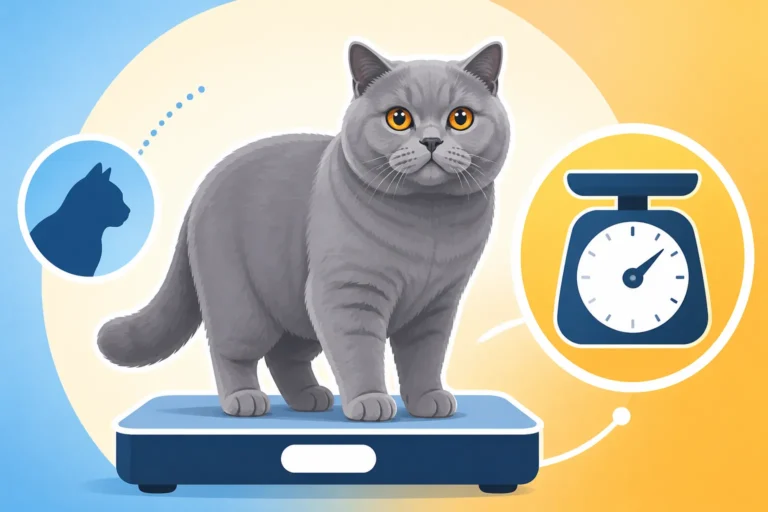
Body Condition Scoring (BCS) is a more accurate and reliable method than simply relying on a number on the scale, especially for a breed like the British Shorthair. Vets use a 5-point or 9-point scale to assess a cat's fat reserves, not just their weight. A score of 3/5 or 5/9 is generally considered ideal. This involves a hands-on examination, feeling key areas of the cat's body. You want to be able to feel their ribs, spine, and hip bones without seeing them protrude excessively, and they should have a discernible waist.
For British Shorthairs, achieving an ideal BCS can be particularly tricky because their naturally rounded shape can be mistaken for healthy padding. It takes practice and a good understanding of what you're looking for. Many owners are surprised when their vet points out that their seemingly "perfectly chunky" cat is actually overweight. Regularly performing a BCS check at home is an excellent habit to develop. How to Score a British Shorthair's Body Condition provides detailed instructions for this process.
Feeling for Ribs and Waistline
This is one of the most practical ways to assess your British Shorthair's body condition. Run your hands gently along your cat's sides, just behind their front legs. You should be able to feel their ribs with a light touch, almost like feeling the knuckles on your hand, but they shouldn't be sharply prominent. If you can't feel the ribs without pressing firmly, or if there's a thick layer of fat obscuring them, your cat is likely overweight.
Similarly, when looking at your cat from above, you should see a slight indentation behind their rib cage, forming a discernible waist. Many British Shorthairs, when overweight, appear uniformly rounded from shoulders to tail, lacking this crucial waistline. From the side, their abdomen should tuck up slightly, not sag downwards. How to Feel a British Shorthair's Ribs Through the Plush gives step-by-step guidance on this tactile assessment. It takes a little practice to differentiate their natural musculature and dense coat from true fat deposits, but it's an invaluable skill for any British Shorthair owner.
The Deceptive Belly Pouch
Many cat owners, especially those new to British Shorthairs, often mistake the breed's prominent belly pouch (also known as the primordial pouch) for excess weight. This loose flap of skin and fat on a cat's belly, usually located towards the rear legs, is a natural anatomical feature present in many cats, regardless of weight. It allows for greater flexibility and protection during movement and is not necessarily a sign of obesity.
However, an overweight British Shorthair will have an enlarged and fat-filled primordial pouch, which will be much more noticeable and pendulous than a healthy one. The key is to differentiate between a healthy, soft pouch and one that is bulging with excess fat. An overweight cat will also likely show other signs of obesity, such as difficulty feeling ribs and a lack of waistline, as discussed above. The belly pouch alone isn't a definitive indicator of obesity, but it can certainly become more pronounced when a cat is overweight. Whether a British Shorthair's Belly Pouch Is Fat offers a detailed explanation of this common confusion.
Addressing Concerns: Undersized or Oversized British Shorthairs
While the British Shorthair breed has its typical size and weight ranges, individual cats can sometimes fall outside these averages. It's natural for owners to worry if their cat seems too small or too large, but often there are understandable reasons. Knowing when to be concerned and when to simply appreciate their unique stature is key.
When a British Shorthair Is Smaller Than Average
If your British Shorthair seems consistently smaller than the typical breed average, there could be a few reasons. Sometimes, it's simply genetics; just like in any species, there can be smaller individuals within a healthy range. Perhaps their lineage tended towards a more petite frame, or they were simply the smallest in their litter. As long as they are otherwise healthy, active, and have a good appetite, a slightly smaller size might just be their natural variation.
However, persistent undersize can also be a red flag. It might indicate underlying health issues, such as a congenital problem, nutritional deficiencies during crucial growth periods, or the presence of parasites. If a kitten fails to thrive and grow at an expected rate, or if an adult British Shorthair suddenly starts losing weight or appears frail, it warrants a vet visit. It's especially important to ensure they are eating enough and absorbing nutrients properly. A good breeder will typically socialize and sell kittens who are robust and thriving.
When a British Shorthair Is Larger Than Average
Conversely, some British Shorthairs might be larger than the average, truly magnificent specimens that push the upper limits of the breed standard. Again, genetics is often the primary driver here. If your cat comes from a line known for producing exceptionally large, heavy-boned individuals, then a larger size might be perfectly normal for them. These cats can be truly impressive in their scale, embodying the "gentle giant" persona.
The concern arises when "larger than average" translates to "overweight." A genuinely large British Shorthair will be solid, muscular, and proportionate, with a healthy body condition score despite their impressive size. An overweight British Shorthair, on the other hand, will carry excessive fat, will likely struggle to feel their ribs, and their movements might be less fluid. It's a fine line, and the plush coat can easily conceal the difference. It’s important to remember that Obesity Is the British Shorthair's Real Disease, and a massive frame combined with excess fat can lead to significant health problems. Therefore, for a larger cat, strict diet and encouraging movement are even more paramount.
The Role of the Breeder and Vet in Assessing Size
A reputable British Shorthair breeder plays a crucial role in managing expectations around size. They should be transparent about the typical size of their breeding cats and previous offspring. They understand their lines and can offer realistic predictions. They prioritize breeding for health and adherence to the breed standard, which includes appropriate size, not just for extreme largeness. Which Questions to Ask a British Shorthair Breeder should always include inquiries about the parents' size and the typical growth of their kittens.
Your veterinarian is your most important partner in monitoring your British Shorthair's size and weight. During routine wellness exams, they will perform a body condition score, weigh your cat, and discuss their growth or weight maintenance. They can help you identify if your cat is truly undersized, oversized due to genetics, or, more commonly, if they are overweight. Don't hesitate to ask your vet for guidance on diet and exercise tailored to your individual cat's needs. They can help you devise a feeding plan and recommend specific portion sizes, potentially even suggesting foods available through retailers like Chewy that are formulated for weight management if needed.
| British Shorthair Size Characteristic | Male (Adult) | Female (Adult) | Description |
|---|---|---|---|
| Weight Range (Average) | 12-18 lbs | 9-15 lbs | Healthy weight range, influenced by genetics and diet. |
| Height at Shoulder | 12-14 inches | 12-14 inches | Sturdy, short legs contribute to compact height. |
| Body Length (Nose to Tail Base) | 22-25 inches | 20-23 inches | Moderate, broad, cobby body. |
| Tail Length | 10-12 inches | 10-12 inches | Relatively short, thick at base, rounded tip. |
| Physical Maturity | 2-3 years | 2-3 years | Major bone and muscle development complete. |
| Full "Fill Out" Period | Up to 5 years | Up to 5 years | Continued density and substance development. |
| Body Type | Cobby | Cobby | Broad chest, short legs, rounded appearance. |
Disclaimer
This article is for general informational purposes only and does not constitute professional advice. Laws, prices and regulations vary by location and change over time. Consult a qualified professional for guidance on your specific situation.