How Much a British Shorthair Weighs
Many new British Shorthair owners look at their chunky little lion and wonder, "Is this a normal weight?" or "Are they going to get even bigger?" It's easy to be unsure, especially with their famously dense build and plush coat. This guide is here to clarify what a healthy British Shorthair should weigh at different stages of their life, helping you understand their unique growth journey and how to keep them in peak condition.
The British Shorthair's Unique Physique and Why It Looks So Big
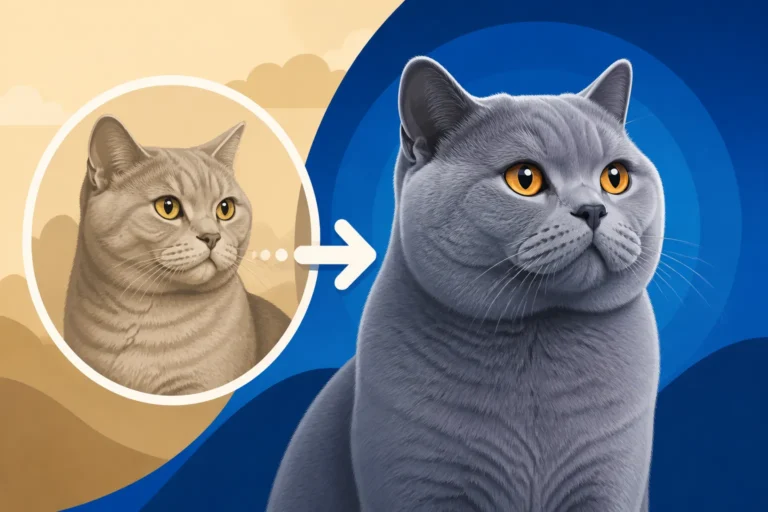
It’s completely normal to gaze at your British Shorthair and think they look quite hefty, even when they’re perfectly healthy. This breed is famously known for its substantial and robust appearance, a characteristic that often leads to misunderstandings about their actual body condition. Their physical traits are quite distinct and contribute significantly to this illusion of massive size.
The Cobby Body Type
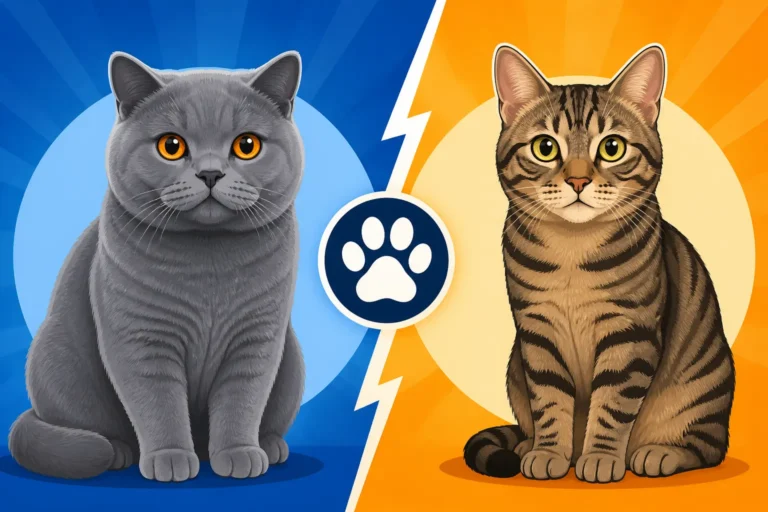
The British Shorthair possesses what cat fanciers refer to as a "cobby" body type. This isn't just a fancy term; it describes a cat with a broad chest, short to medium-length strong legs, and a thick, rounded tail that tapers to a blunt tip. Think of a compact, powerful build, rather than a lean, elongated one. This inherent structure means they naturally carry more weight than a lankier breed of similar height, simply because their bone structure is denser and their musculature is more substantial.
This cobby build is part of what makes the British Shorthair so endearing, giving them that classic "teddy bear" look. However, it also means that visual assessment alone can be misleading. You can't just glance at them and know if they're overweight, as their natural bulk makes it harder to discern. This is a common frustration for owners who are trying to monitor their cat's health, as they often feel like they're guessing. Understanding this foundational body type is the first step in correctly assessing your cat's weight and health.
The depth of their chest and the sturdiness of their frame are breed-defining characteristics. It’s not simply a matter of fat; it’s how they are built from the ground up. Their legs, while strong, are not excessively long, which further contributes to their compact, solid appearance. This combination gives them a low-slung, powerful stance, quite different from the lithe, athletic look of many other cat breeds. Knowing that this is their natural state can alleviate some of the initial worries about their size, but it also highlights the need for careful weight management.
The Plush, Dense Coat
Adding to the cobby body is the British Shorthair's magnificent coat. It’s short, yes, but incredibly dense and plush, with a thick undercoat that actually stands away from the body. This creates an optical illusion, making them appear even rounder and more voluminous than they truly are. Imagine wearing a very thick, fluffy winter coat; you look bigger, but much of that is the clothing itself, not your actual body mass.
This luxurious coat acts like a natural padding, making it difficult to feel their ribs or spine just by running your hand over their side, which is a standard way to check a cat's body condition. Many owners find themselves pressing quite firmly, still unsure if they're feeling bone or just a lot of fur. It's a delightful trait that makes them incredibly soft to stroke, but it certainly complicates the task of a visual weight check. Why a British Shorthair's Coat Stands Away From Its Body delves deeper into this unique characteristic.
The plush coat is also why they appear so robust in photographs and videos, further reinforcing the idea of a truly massive cat. While they are indeed substantial, their coat exaggerates their dimensions. This can lead to confusion when comparing your cat to images online, as you might think your feline friend is larger than average, when in reality, they might just be a perfectly healthy example of the breed. It truly highlights the need to understand how to properly assess their condition beyond just what you see.
Typical Weight Ranges for British Shorthair Kittens
The journey of a British Shorthair kitten from a tiny fluffball to a substantial adult is quite a transformation, and it doesn't happen overnight. Monitoring their weight through this growth period is crucial, not just for health but to understand their developmental trajectory. Their growth rate is steady, but they take their time reaching their full impressive size.
From Birth to Six Months
British Shorthair kittens are born small, just like any other breed, typically weighing between 85-110 grams (around 3-4 ounces). However, they quickly start gaining. In the first few weeks, they should be gaining weight daily, and a good breeder will monitor this closely. By the time they are ready to go to their new homes, usually around 12-16 weeks, they will already be quite sturdy.
At three months old, a healthy British Shorthair kitten might weigh anywhere from 3 to 5 pounds (1.3 to 2.3 kg), depending on their individual genetics, litter size, and feeding. They're still lean beneath all that fluff, but they have a solid feel to them. It’s important to remember that every kitten is an individual, and a range is more appropriate than a single target number. They should appear well-fed and active, but not excessively plump.
By six months, they will have grown considerably. You can expect a male kitten to be heavier than a female, though both will show significant development. A 6-month-old British Shorthair might weigh 6-9 pounds (2.7-4 kg), sometimes even a bit more. This is a period of rapid growth, and they will start to fill out, though they are still far from their adult size. This is also when some of their more distinctive British Shorthair features, like their round face, start to become more pronounced. How Much a British Shorthair Weighs at Six Months provides more detailed expectations for this age.
From Six Months to Two Years
After six months, their growth slows down a bit, becoming a more gradual process. This is where the British Shorthair really stands apart from many other cat breeds, as they take a remarkably long time to reach their full physical maturity. Many breeds are considered fully grown by one year, but not the British Shorthair. They continue to develop, both in weight and in the density of their bone structure and muscle, for several more years.
By one year of age, a British Shorthair will have most of their height and length, but they will still be quite lean compared to their mature form. A male might be around 9-12 pounds (4-5.5 kg), and a female slightly less, perhaps 8-11 pounds (3.6-5 kg). You'll notice their head starting to broaden and their cheeks becoming more prominent, especially in males, but the full "brick" shape of their head isn't usually complete. What a British Shorthair Should Weigh at One Year details this stage of development.
It's between two and five years that the British Shorthair truly fills out, gaining that characteristic substantiality and developing those famous jowls in males. They put on muscle and bone density, and their chest continues to broaden. By two years, a male might be in the 12-15 pound (5.5-6.8 kg) range, and a female 10-13 pounds (4.5-5.9 kg), but they’re still not done. It's a marathon, not a sprint, for these cats to achieve their magnificent adult physique. Owners often remark on how much their cat changes even after their second birthday, gaining a remarkable density that makes them feel incredibly solid. How Much a British Shorthair Should Weigh at Two Years covers this continued growth.
Adult British Shorthair Weight: Males Versus Females
Once a British Shorthair reaches full maturity, usually between three and five years of age, their weight stabilizes. However, there's a noticeable difference between the sexes, with males generally being larger and heavier than females. This dimorphism is quite common in many animal species and is particularly evident in the British Shorthair.
Average Weight for Male British Shorthairs
Mature male British Shorthairs are truly impressive cats, known for their substantial build and powerful presence. They typically weigh between 12 to 18 pounds (5.5 to 8 kg), with some larger individuals possibly pushing just over 20 pounds (9 kg) if they are particularly large-boned and well-muscled. It's important to differentiate between a truly large, healthy male and one that is overweight; the distinction lies in their body condition, which we'll discuss shortly.
These males develop prominent jowls, which are deposits of fat and muscle around their cheeks, adding to their incredibly round and powerful head shape. This feature alone can make them look heavier than they are. What Jowls Are on a Male British Shorthair explains this unique characteristic. When you pick up a healthy, mature male British Shorthair, you'll immediately notice their density and solid mass. They feel like a brick wrapped in velvet, a testament to their cobby build.
Factors like genetics play a huge role here. If a male comes from a line of exceptionally large and sturdy British Shorthairs, he's likely to follow suit. Diet and exercise, even for these famously sedate cats, also contribute to muscle development and maintaining a healthy weight within this range. It’s a wonderful sight to see a fully matured male, with his broad head and stocky body, embodying all the quintessential traits of the breed. How Much a Male British Shorthair Should Weigh offers further insights.
Average Weight for Female British Shorthairs
Female British Shorthairs, while still robust and substantial, are generally smaller and lighter than their male counterparts. A healthy adult female typically weighs between 9 to 14 pounds (4 to 6.5 kg). They still possess the cobby body type and dense coat, but their overall frame is more refined, and they rarely develop the pronounced jowls seen in males.
Even without the dramatic jowls, a healthy female British Shorthair will still have a beautifully round face and a solid, compact body. They maintain that characteristic "teddy bear" appearance, just on a slightly daintier scale. When you hold a female, you'll still feel that delightful density and solidness, indicating strong bone structure and good musculature. They are by no means delicate cats; they are simply proportionate to their sex.
Like males, a female's individual weight within this range will be influenced by genetics, diet, and activity levels. A queen who has had several litters might retain a bit more body mass, but responsible breeding practices ensure they return to a healthy weight. Understanding this difference is crucial for owners; don't expect your female to reach the same impressive heft as a male. How Much a Female British Shorthair Should Weigh provides more specific details on what to expect for your female British Shorthair.
Understanding Body Condition Scoring for British Shorthairs
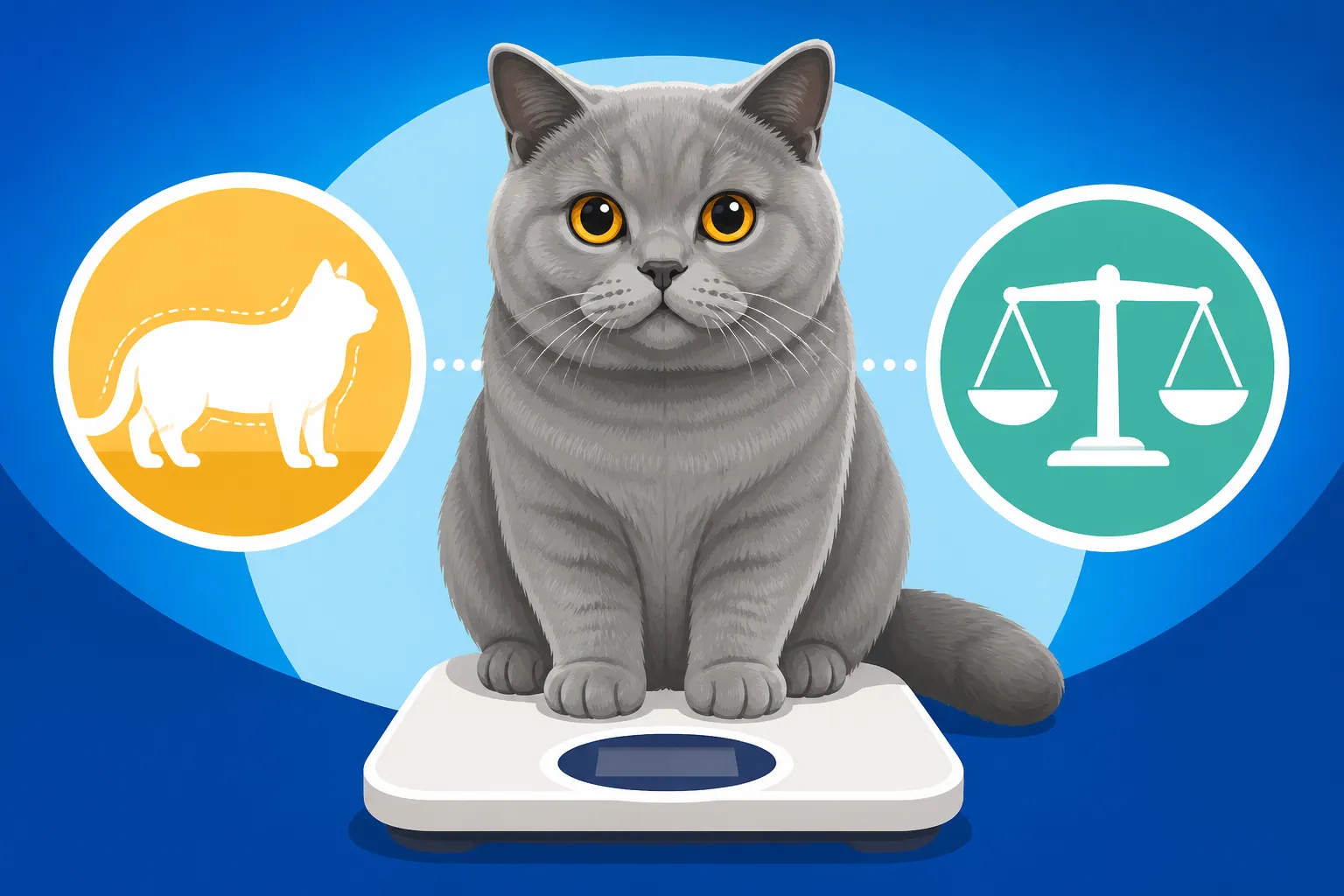
Because of their unique cobby build and plush coat, simply stepping on a scale isn't enough to assess a British Shorthair's health. You need a more nuanced approach, and that's where Body Condition Scoring (BCS) comes in. This system helps you evaluate your cat's fat reserves and muscle mass, giving you a much clearer picture of whether they are at an ideal weight, too thin, or overweight.
Why Visual Assessment Is Insufficient
Trying to gauge a British Shorthair's weight by just looking at them is notoriously tricky, and frankly, it often leads to misjudgment. Their deep chest, broad shoulders, and powerful hindquarters naturally make them appear very solid, even when they are in perfect condition. This substantial structure can easily be mistaken for excess weight by an untrained eye. Moreover, their famously dense, plush double coat acts like a wonderful disguise, smoothing over any subtle changes in their body shape and making it nearly impossible to see a defined waistline, which is a key indicator in many other breeds.
It's a frustrating experience for owners, trying to figure out if their beloved cat is just gloriously fluffy or genuinely carrying too many pounds. You might find yourself second-guessing whether that round belly is a healthy paunch or something to be concerned about. Many well-meaning owners have inadvertently let their British Shorthair become overweight because their natural bulk and deceiving coat hid the problem until it became more severe. This breed truly exemplifies the adage that "looks can be deceiving" when it comes to body condition.
This is why relying solely on their visual appearance can be detrimental to their long-term health. What looks like a perfectly robust British Shorthair could, upon closer inspection, be an overweight one, hidden beneath layers of dense fur and a naturally broad frame. This predisposition to appearing heavier than they are can make early detection of weight gain challenging, making the BCS system an invaluable tool for every British Shorthair owner.
How to Body Condition Score Your British Shorthair
The Body Condition Score (BCS) system typically uses a 1-5 or 1-9 scale, with the middle numbers representing the ideal weight. For British Shorthairs, a good assessment involves both sight (knowing what to look for, despite the fur) and touch. You’ll want to gently feel specific areas of your cat's body to determine their condition. The goal is to feel their ribs, spine, and hip bones without them being visibly protruding.
Start by gently running your hands along their sides. You should be able to feel their ribs without having to press hard. If you can't feel them at all, or only with significant pressure, your cat is likely carrying too much fat. Conversely, if the ribs are very prominent and easily seen or felt without any cushioning, your cat might be underweight. Remember, their dense coat means you won't see the ribs, but you absolutely should be able to feel them through the plush fur. How to Feel a British Shorthair's Ribs Through the Plush gives more practical advice.
Next, feel along their spine. You should be able to distinguish the individual vertebrae with light pressure, but they shouldn't feel sharp or bony. Then, assess their waistline. Even though a British Shorthair's coat makes a dramatic tuck difficult to see, when viewed from above, there should still be a slight narrowing behind the ribs. Finally, check for a fat pad under their belly – a small, swinging primordial pouch is normal, but a large, firm one extending significantly forward suggests excess fat. A good score for a British Shorthair is usually around 5 out of 9, or a 3 out of 5, meaning they are well-proportioned, and you can feel their ribs and spine with a light touch, without obvious fat covering or bony protrusions. How to Score a British Shorthair's Body Condition offers a detailed breakdown.
| BCS Score (1-9 Scale) | General Description | British Shorthair Specifics |
|---|---|---|
| 1-3 (Too Thin) | Ribs, spine, hip bones easily visible/felt with no fat. | Visibly bony, even with dense fur. Spine and ribs feel sharp. No fat pad on abdomen. Head may look too small for body. This is a rare sight in British Shorthairs unless severely ill. |
| 4-5 (Ideal) | Ribs easily felt with minimal fat. Waist observed. | Ribs palpable with light pressure, but not visible. Waist slightly discernible from above, despite the dense coat. Abdomen tucked, small primordial pouch normal. Cat feels solid and muscular, not squishy. |
| 6-7 (Overweight) | Ribs felt with moderate pressure. Waist poorly defined. | Ribs hard to feel without firm pressure. No discernible waist. Abdomen rounded, fat deposits over lumbar area and base of tail. Primordial pouch larger and may extend. |
| 8-9 (Obese) | Ribs not palpable. Extensive fat deposits. No waist. | Ribs impossible to feel. Severe abdominal distension. Large, pendulous fat pad. Heavy fat deposits on back, tail base, and even face. Movement may be impaired. |
It's important to routinely check your British Shorthair's body condition score, perhaps monthly, especially as they get older or if their activity levels change. This proactive approach allows you to make minor adjustments to their diet before a weight issue becomes a significant health concern. Your veterinarian can also provide an expert assessment during their regular check-ups, helping you maintain your British Shorthair's ideal weight throughout their life.
Factors Influencing a British Shorthair's Weight
Several interconnected factors play a significant role in determining a British Shorthair's weight throughout their life. It's not just about how much they eat; genetics, gender, activity levels, and age all contribute to their overall size and propensity to gain or lose weight. Understanding these influences can help owners better manage their cat's health.
Genetics and Lineage
Just like in humans, genetics play a foundational role in determining a British Shorthair's potential size and build. Some British Shorthair lines are naturally larger and more robust, with heavier bone structure, while others may be slightly smaller within the breed standard. This isn't a flaw; it's just natural variation. If you look at the parents of your kitten, you might get a good indication of their potential adult size. A kitten from two parents on the larger end of the spectrum is more likely to grow into a substantial adult themselves.
Breeders, through careful selection, often strive to produce cats that fit the breed standard, which includes a substantial, cobby body. This means that a healthy, well-bred British Shorthair is meant to be a solidly built cat, not a delicate one. Inherited predispositions to certain metabolic rates can also be a factor, though diet and exercise certainly override some of these tendencies. This genetic blueprint sets the stage, but it's not the only act in the play.
It's also worth considering that issues like HCM in a British Shorthair Has No DNA Test and Polycystic Kidney Disease Came Into the British Shorthair With the Persians are genetic concerns that can impact a cat's overall health and, indirectly, their weight and appetite. While not directly about weight inheritance, a cat's genetic health can certainly influence its ability to thrive and maintain an appropriate weight. A healthy cat, genetically speaking, is more likely to maintain an ideal weight when given proper care.
Activity Levels and Lifestyle
British Shorthairs are famously known for their calm, placid, and somewhat sedentary nature. They are not typically high-energy cats that will race around the house for hours on end or scale every curtain. While this makes them wonderful companions for quiet households, it also means they don't burn as many calories naturally as more active breeds. This low activity level is a significant factor in their propensity to gain weight.
A British Shorthair might spend a good portion of its day napping, observing the world from a comfortable sofa, or perhaps engaging in short bursts of play. This doesn't mean they are lazy or unhealthy, but it does mean their caloric intake needs to be carefully managed to match their energy expenditure. An indoor-only lifestyle, which is common and recommended for their safety, further limits opportunities for incidental exercise, making intentional play sessions even more critical. Getting a Low Energy British Shorthair to Move offers strategies for encouraging activity.
Owners often face the challenge of enticing their British Shorthair to play. Many won't chase a laser pointer with wild abandon or scale a cat tree to its highest perch. It requires creativity and consistency to engage them in enough activity to keep their metabolism humming and muscles toned. Without sufficient stimulation, a British Shorthair can quickly become a "couch potato," leading to insidious weight gain over time. This is where Why a British Shorthair Will Not Exercise Itself becomes a crucial read for understanding their behavioral traits.
Diet and Feeding Practices
Without a doubt, diet and feeding practices are the most controllable and significant factors influencing a British Shorthair's weight. These cats are often described as having robust appetites and being enthusiastic eaters. Unfortunately, many owners unknowingly overfeed their British Shorthairs, leading to weight gain. Free feeding, where food is left out all day, is a particular culprit for this breed. While convenient, it allows them to graze continuously, consuming more calories than they need, especially given their low activity levels.
Portion control is absolutely paramount for a British Shorthair. Their caloric needs are not as high as their size might suggest, particularly if they are less active. Working with your veterinarian to determine the appropriate daily calorie intake based on your cat's ideal weight and activity level is crucial. This usually involves measuring out specific amounts of food for each meal, rather than guessing. Portion Control Is the Whole Job With a British Shorthair provides a deep dive into this essential practice.
The type of food also matters. While many commercial cat foods are nutritionally complete, some are higher in calories or less satiating. A balanced diet, often incorporating wet food for hydration and to help them feel fuller, can be beneficial. Treats, while wonderful for bonding, also contribute calories and should be given sparingly. If your British Shorthair is already overweight, transitioning to a weight-management or prescription diet under veterinary guidance may be necessary. Retailers like Chewy offer a wide selection of different diet foods, making it easier to compare ingredients and find what works for your cat. This proactive management of their intake is key to preventing Obesity Is the British Shorthair's Real Disease.
Maintaining a Healthy Weight for Your British Shorthair
Keeping your British Shorthair at a healthy weight is one of the most important things you can do for their long-term health and well-being. Given their predisposition to weight gain and their calm demeanor, it requires a conscious effort from their human companions. It’s not just about looking good; it's about preventing a host of potential health problems.
Establishing Portion Control and Meal Routines
The cornerstone of healthy weight management for a British Shorthair is strict portion control. As we discussed, free feeding is a no-go for this breed. Instead, aim for two to three measured meals a day, ensuring the total daily caloric intake matches their needs. Your veterinarian can help you calculate this, taking into account their ideal weight, age, and activity level. Using a kitchen scale to measure food precisely can be a game-changer, as measuring cups can be inaccurate and lead to overfeeding.
Beyond just the amount, establishing a consistent meal routine is beneficial. Cats are creatures of habit, and knowing when their meals are coming can reduce anxiety and begging behaviors between feedings. If you have multiple pets, consider using microchip-activated feeders, which ensure each cat only accesses its designated food, preventing your British Shorthair from sneaking extra portions. This structured approach helps regulate their metabolism and prevents the peaks and valleys of blood sugar that come with irregular eating.
It's also worth considering the composition of their diet. Many owners find that incorporating wet food can be highly beneficial. Wet food has a higher moisture content, which can help a cat feel fuller on fewer calories and also supports urinary tract health. While dry kibble can be part of their diet, ensure it's high-quality and measured carefully. Switching to a high-protein, moderate-fat, and low-carbohydrate food can also support lean muscle mass and satiety. How Many Calories a British Shorthair Needs is a great resource for understanding their dietary requirements.
Encouraging Activity and Play
Even though British Shorthairs aren't known for being athletes, regular, gentle exercise is vital for maintaining a healthy weight and muscle tone. The key is finding activities they genuinely enjoy and making play a consistent part of their daily routine. Aim for a few short play sessions throughout the day, perhaps 10-15 minutes each, rather than one long, exhausting one.
Interactive toys are your best friend here. Wand toys with feathers or soft toys on the end can simulate hunting behavior, which many British Shorthairs respond to, even if their movements are more deliberate than frantic. Puzzle feeders are another excellent tool, engaging their minds while making them work for their food, slowing down mealtime, and burning a few extra calories. These can be especially helpful if your cat is motivated by food. Retailers like Chewy offer a fantastic array of interactive toys and puzzle feeders designed to keep even the most relaxed feline engaged.
Creating an enriched environment can also help. While they may not be avid climbers, sturdy cat trees with wide platforms can provide opportunities for gentle exploration and vertical movement. Even simple things like rotating toys to keep them novel, or hiding treats (in moderation!) for them to "hunt" can add engagement. Remember, consistent, gentle encouragement is more effective than trying to force a British Shorthair into a strenuous workout. It’s about making activity a pleasant and normal part of their day, helping to prevent issues like What Obesity Does to a British Shorthair's Joints.
When to Seek Veterinary Advice
While managing your British Shorthair's weight at home is crucial, there are times when professional veterinary advice becomes absolutely essential. Weight changes, whether gain or loss, can be indicators of underlying health issues, and early intervention is always best. Don't hesitate to reach out to your vet if you notice anything unusual.
Sudden Weight Gain or Loss
Any sudden or unexplained change in your British Shorthair's weight warrants a trip to the veterinarian. A rapid increase in weight, despite no obvious changes in diet or activity, could indicate hormonal imbalances or fluid retention. Conversely, an unexplained weight loss can be a sign of many serious conditions, ranging from dental problems affecting their ability to eat, to metabolic diseases like hyperthyroidism, kidney disease, or even cancer. British Shorthairs are particularly stoic and often hide illness until it's advanced, so weight changes are a critical red flag.
It's tempting to think a slight weight fluctuation is normal, but for a cat, especially one prone to hiding symptoms, it's always better to be cautious. Your vet can perform a thorough examination, including blood work and urinalysis, to rule out any medical causes. Early diagnosis of conditions like Diabetes in a British Shorthair or Hyperthyroidism in an Older British Shorthair is key to effective management and better outcomes. Ignoring these changes can allow a treatable condition to progress unnecessarily.
If you suspect your British Shorthair is gaining weight, your vet can help you establish a safe and effective weight loss plan. Crash diets are incredibly dangerous for cats and can lead to serious liver problems. A vet-supervised diet, potentially involving prescription weight-loss foods, is the safest approach. They can also help you refine your body condition scoring skills, ensuring you're accurately assessing your cat's progress.
Persistent Overweight or Underweight Condition
If, despite your best efforts with diet and exercise, your British Shorthair remains consistently overweight or underweight, it’s definitely time for veterinary intervention. Sometimes, metabolic rates vary, or there might be subtle factors at play that are difficult to identify without professional help. A vet can provide tailored advice, adjust feeding strategies, and recommend specific diets or supplements. They can also ensure that underlying health issues aren't contributing to the struggle.
For an overweight British Shorthair, a vet might recommend a prescription weight management diet. These foods are scientifically formulated to help cats lose weight safely by being lower in calories but still providing all essential nutrients. They also often contain ingredients that help cats feel fuller, reducing begging. They can also discuss strategies for increasing activity, perhaps suggesting specific toys or environmental enrichment techniques that you haven't considered. When a Vet Puts a British Shorthair on a Prescription Diet is a useful guide for this situation.
Conversely, if your British Shorthair is underweight, the vet will investigate potential causes like malabsorption, parasites, or other medical conditions. Once any underlying health issues are addressed, they can recommend high-calorie, highly palatable foods to help your cat safely gain weight and restore their muscle mass. Maintaining an ideal body condition is a lifelong commitment for British Shorthair owners, and working closely with your veterinarian is your best resource for ensuring your cherished companion lives a long, healthy, and happy life. The Twelve to Seventeen Years a British Shorthair Gets emphasizes the importance of good health management throughout their lifespan.
Disclaimer
This article is for general informational purposes only and does not constitute professional advice. Laws, prices and regulations vary by location and change over time. Consult a qualified professional for guidance on your specific situation.