Which Cartoon Cats Are British Shorthairs
Many of us grew up watching animated cats on screen, whether they were whimsical, wise, or wonderfully mischievous. You might have found yourself gazing at a cartoon feline and thinking, "Wow, that cat reminds me so much of a British Shorthair!" It’s a common observation, and for good reason! The distinctive, plush appearance and calm demeanor of the British Shorthair have indeed provided rich inspiration for animators over the decades. This guide will explore the iconic look of this beloved breed and delve into which memorable cartoon cats owe their charm to the British Shorthair.
The Iconic British Shorthair Look That Inspires Cartoonists
There's just something undeniably captivating about a British Shorthair's appearance. It’s a look that stands out, not just in real life, but also when translated to the animated world. Cartoonists aren't just drawing a generic cat; they're often drawing on specific breed characteristics that convey certain feelings or personalities.
The 'Teddy Bear' Appearance and Its Appeal
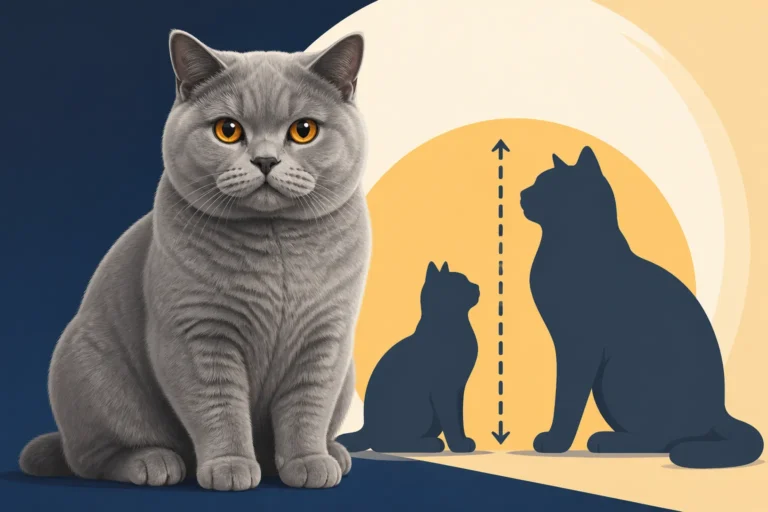
When you look at a British Shorthair, the first thing that often comes to mind is "teddy bear." They have a wonderfully "cobby" or stocky body, which means they are compactly built with a broad chest and strong, short legs. This solid, plush physique, combined with their incredibly dense coat, gives them an almost huggable, soft appearance that is simply irresistible. This physical roundness and substantial feel make them inherently friendly and approachable, a perfect canvas for creating beloved animated characters.
The sheer volume of their fur, which stands away from their body, contributes to this wholesome, comforting image. It's not just fluff; it's a structural element that defines their silhouette. This characteristic bulk, which often makes people wonder Why a British Shorthair Looks Heavier Than It Is, translates beautifully into animation, allowing characters to feel grounded, solid, and comforting. Think of a character that evokes warmth and reliability – the British Shorthair's build lends itself perfectly to such portrayals, making them visually wholesome and reassuring on screen.
Distinctive Facial Features: Round Head and Expressive Eyes
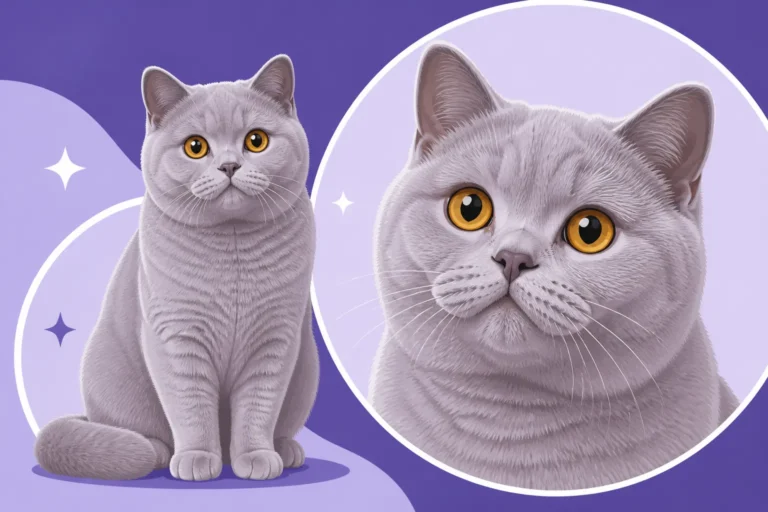
Beyond their plush body, the British Shorthair's face is where much of its cartoon appeal truly shines. They possess a large, round head with wonderfully full cheeks that give them a perpetually amiable or even slightly cheeky expression. Their nose is short and broad, nestled perfectly in the center of their round face. These features are easily exaggerated by animators to enhance emotions or create comical effects without losing the underlying charm of the breed.
Then there are those eyes! British Shorthairs typically have large, round eyes that are set quite wide apart, often in striking shades of copper or gold. These eyes can convey a depth of emotion, from serene contemplation to playful mischief, and sometimes a look that seems perpetually surprised or thoughtfully observing the world. This combination of a round head, full cheeks, and expressive eyes is exactly what animators look for when designing characters that need to be instantly recognizable and emotionally resonant. In fact, The Round Head and Copper Eye a British Shorthair Is Judged On are hallmark traits that define the breed's aesthetic.
The Most Famous Fictional British Shorthairs
It's fascinating to see how the unique characteristics of the British Shorthair have inspired some of the most memorable feline characters in popular culture. These aren't always direct, official statements of inspiration, but the visual cues are often unmistakable.
The Enigmatic Cheshire Cat
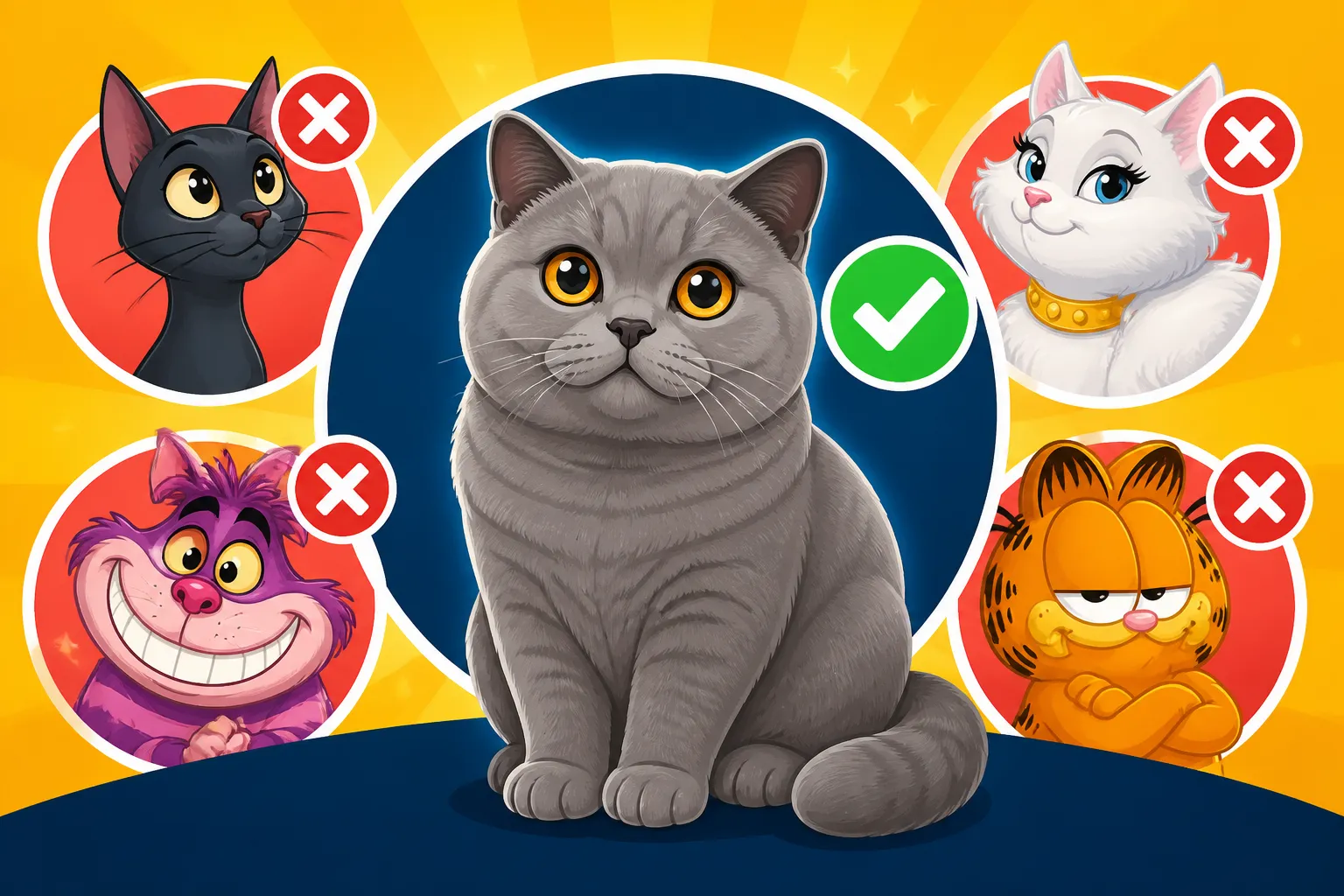
Perhaps the most famous and widely cited example of a cartoon cat heavily influenced by the British Shorthair is the enigmatic Cheshire Cat from Lewis Carroll's Alice's Adventures in Wonderland. While Carroll's original illustrations by John Tenniel were distinct, it's the Walt Disney animated version, in particular, that cemented the British Shorthair look in the public imagination for this character. The Cheshire Cat’s broad, mischievous grin stretches across a distinctively round face, its eyes wide and often suggesting a knowing, calm demeanor, even when it's being utterly baffling.
The way the Cheshire Cat "appears" and "disappears," maintaining its calm, observing presence, aligns well with the generally serene, self-possessed nature of a British Shorthair. They aren't prone to frantic movements; instead, they command attention through their stillness and watchful eyes. The visual interpretation for Disney's Cheshire Cat with its plush, somewhat stocky body and full face just screams British Shorthair, making the connection almost undeniable for many cat enthusiasts. This is why many people instantly recognize that The Cheshire Cat Was a British Shorthair in spirit, if not always in explicit artistic declaration.
The Whiskas Cat: A Real-Life Icon
While not strictly a "cartoon" in the traditional sense, the iconic Whiskas cat from the popular cat food commercials throughout the late 20th and early 21st centuries absolutely deserves a mention here. This was, without a doubt, a British Shorthair, often a stunning silver tabby or the classic blue. The Whiskas cat became synonymous with a healthy, well-fed, and contented feline. Its calm disposition, plush coat, and amiable round face were prominently featured, making it an instant household name and a face recognized by millions globally.
These commercials brilliantly leveraged the British Shorthair's natural charm and impressive physical presence. The cat moved with a dignified grace, showcasing its robust build and luxurious fur, projecting an image of quiet confidence and satisfaction. It was a testament to the breed's photogenic qualities and its ability to convey a sense of gentle authority and appeal. Many people encountered the breed for the first time through these advertisements, solidifying the British Shorthair's place as a media darling.
Puss in Boots: A Surprising Connection
Now, this might surprise some, as Puss in Boots is often portrayed as a dashing, agile, and somewhat lean swashbuckler. However, consider the Shrek franchise's interpretation of Puss in Boots, particularly in moments when he employs his famous "cute eyes" tactic. In these instances, the animators deliberately exaggerate his facial features to be incredibly round, his eyes enormous and soulful, and his overall posture takes on a more compact, almost chunky quality. This deliberate shift in design draws heavily on the endearing, "teddy bear" qualities of the British Shorthair.
While the primary inspiration for Puss in Boots might lean more towards a lithe, adventurous feline, the animators' choice to evoke British Shorthair characteristics for his most adorable, manipulative moments demonstrates the breed's powerful visual shorthand for conveying cuteness and an almost irresistible charm. It shows the versatility of the British Shorthair archetype – it can be adapted even for characters that are largely its opposite, proving how effective its inherent appeal is. Even though Puss in Boots is famously a formidable fighter, the fleeting moments when he deploys his "cute" British Shorthair-esque look prove how powerful this appearance is. This is also a good reminder that a British Shorthair's What a British Shorthair's Temperament Is Really Like is typically very calm, a stark contrast to the swashbuckling Puss!
Why Animators Choose the British Shorthair Archetype
It's not just happenstance that so many fictional cats bear a resemblance to the British Shorthair. There are deliberate reasons why character designers and animators find this particular breed so appealing for their creations. It boils down to how their physical traits can so effectively communicate personality and how versatile they are in storytelling.
Conveying Personality Through Physical Traits
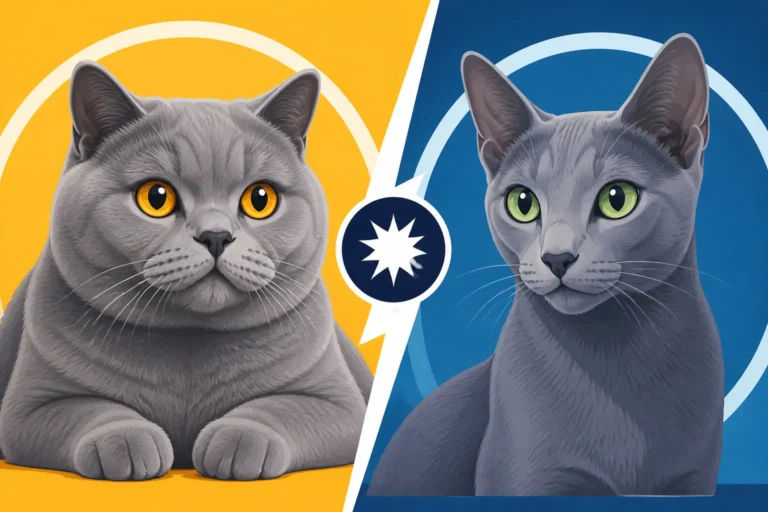
The inherent "plumpness" and roundness of the British Shorthair immediately convey a sense of comfort, approachability, and sometimes even a gentle wisdom or a comedic laziness. A round, fluffy cat just looks comforting, doesn't it? This physical characteristic can instantly communicate to an audience that this character is likely good-natured, perhaps a bit sedentary, or even wise and thoughtful. Unlike more angular or sleek cat breeds, the British Shorthair's softened edges rarely suggest aggression or sharpness, making them ideal for friendly, supporting, or even slightly mischievous roles.
Their calm, steady gaze often translates into characters that are intelligent, mysterious, or quiet observers rather than overly dramatic figures. Think of a character that doesn't need to be loud to make an impact; their presence and subtle expressions do the work. The British Shorthair’s natural repose and dignified stillness are highly photogenic and translate beautifully to animation, allowing for slow, deliberate movements that add gravitas or humor to a scene. This inherent calm is a defining characteristic, and it's why we often discuss How Far a British Shorthair Is Lazy or Just Calm – it's often more about their serene nature than true laziness.
Versatility in Character Portrayal
While often portrayed as gentle and sweet, the British Shorthair's distinct features offer a surprising degree of versatility in character portrayal. Their round features, for instance, can be easily distorted or exaggerated for comedic effect. A slightly grumpy British Shorthair face can be made hilariously sour for a villain or a perpetually annoyed sidekick. Conversely, the same features can be amplified to achieve peak cuteness, as seen with Puss in Boots’ "big eyes."
Moreover, their substantial, well-built physique means they can visually hold their own against other characters, whether human or animal, without appearing fragile or insignificant. This makes them adaptable for a wide range of roles, from a family pet to a wise mentor, or even a formidable (if slightly cuddly) adversary. This adaptability makes the British Shorthair archetype a go-to choice for character designers who need a distinct, recognizable feline form that can serve multiple narrative purposes. You can find food and toys for cats of all shapes and sizes, from the sleekest to the most substantial, on sites like Chewy, showing just how diverse the cat world is.
Spotting a British Shorthair in Animated Media
Once you know what to look for, you'll start noticing British Shorthair influences everywhere in cartoons! It's not just about a blue coat; it's a whole collection of physical and even behavioral traits that animators borrow.
Key Physical Cues to Look For
When you're watching an animated show or movie and a cat character catches your eye, here are some key physical cues that might point to a British Shorthair influence:
- Cobby Body: Look for a stocky, muscular build with a broad chest and short, strong legs. They'll appear solid and substantial, not slender or elongated.
- Round Head and Full Cheeks: This is perhaps the most tell-tale sign. The head should be distinctly round, almost spherical, with prominent, full cheeks that make the face look wide and endearing.
- Large, Round Eyes: The eyes will be big and circular, set wide apart, and often depicted in shades of gold, amber, or copper, giving them a very expressive, sometimes innocent, look.
- Plush, Dense Coat: The fur will typically be shown as thick and plush, often appearing to "stand away" from the body rather than lying flat. This gives them a soft, almost felted appearance. You might notice this especially when considering What a British Shorthair's Coat Is Like.
- Medium, Thick Tail: Their tail is usually medium in length, thick at the base, and tapers to a rounded tip, in proportion with their cobby body.
These features, when combined, create that unmistakable British Shorthair silhouette that animators love to utilize.
Behavioral Traits Reflected in Cartoons
It’s not just about looks; sometimes the personality traits of cartoon cats also echo the British Shorthair’s real-life demeanor. Many animated cats inspired by this breed will exhibit a calm, dignified, and often unbothered disposition. They aren't usually the ones bouncing off the walls or engaging in frantic slapstick. Instead, they might be portrayed as:
- Wise or Observant: A character that watches events unfold with a quiet, knowing gaze, offering pithy comments or subtle reactions rather than exaggerated antics.
- A Bit Sassy or Sarcastic: Their calm exterior can hide a sharp wit or a dry sense of humor, delivering lines with a deadpan expression.
- Fond of Comfort: Characters might be shown enjoying naps, soft cushions, or a good meal. This reflects the British Shorthair's love for comfort and their generally low-energy lifestyle.
- Prone to Chunkiness: Occasionally, their love for food and their predisposition to easily gaining weight might be played for laughs, subtly referencing that Obesity Is the British Shorthair's Real Disease if not managed. This gentle nod to their physical tendencies can add a touch of relatable humor to a character.
The Impact of Cartoon Portrayals on the Breed's Popularity
The visibility of British Shorthair-inspired characters in popular media has a tangible effect on how the breed is perceived and desired by the public. When you see a charming cat on screen, it naturally sparks curiosity about the real-life counterparts.
Shaping Public Perception of the British Shorthair
These beloved cartoon characters play a significant role in shaping public perception of the British Shorthair. They solidify an image of the breed as a lovable, teddy-bear-like companion that is calm, gentle, and endearing. The positive associations built through these characters can significantly increase interest in the breed, making people curious about owning one of these serene, plush felines.
When people see a character like the Cheshire Cat or the Whiskas cat, they often connect with its charm and unique visual appeal. This connection can translate into a desire to bring a real-life version of that charm into their homes. It’s not uncommon for people to seek out a British Shorthair after falling in love with an animated one. In fact, many people search for specific breed characteristics that remind them of their favorite fictional felines when they browse for pet supplies on sites like Chewy. This surge in interest ultimately contributes to the breed's overall popularity and demand. It makes the decision to own one feel like a truly worthwhile investment, prompting many to consider Whether a British Shorthair Is Worth the Money.
The Enduring Legacy of Animated British Shorthairs
The consistent and impactful use of the British Shorthair archetype in various forms of media ensures its enduring recognition and appeal across generations. These characters become cultural touchstones, familiar faces that everyone recognizes, regardless of when they were first introduced. This constant presence reinforces the breed's unique visual identity and personality traits in the collective consciousness.
From classic animated films to modern commercials, the charm and distinctiveness of British Shorthair-inspired cats continue to captivate audiences and endear the actual British Shorthair to cat lovers worldwide. This sustained visibility helps to maintain its status as one of the most recognizable and beloved breeds globally, contributing to Where the British Shorthair Ranks Among Cat Breeds in terms of popularity and recognition. The impact of these fictional felines goes far beyond entertainment; it helps preserve the breed's unique place in the hearts and minds of cat enthusiasts. After all, the British Shorthair truly has a presence, with adult males weighing up to 17 pounds or more, as detailed in What a British Shorthair Weighs and How Big It Gets, ensuring they're memorable whether in a cartoon or cuddling on your sofa.
Disclaimer
This article is for general informational purposes only and does not constitute professional advice. Laws, prices and regulations vary by location and change over time. Consult a qualified professional for guidance on your specific situation.