What a British Shorthair’s Coat Is Like
Many people are drawn to the British Shorthair because of its absolutely stunning, plush coat, often described as a 'teddy bear' fur. But beyond its undeniable charm, there's a unique science to this coat that makes it quite different from other breeds. If you've ever wondered why it feels so dense, why it stands away from their body, or how to best care for its distinctive texture, you're in the right place. This guide will take a deep dive into the British Shorthair's iconic coat, helping you understand its unique characteristics and how to maintain its magnificent appearance and health.
The Iconic Texture and Density of the British Shorthair Coat
When you first touch a British Shorthair, it’s often a moment of delightful surprise. Their coat isn't just soft; it has a unique feel that sets it apart. This isn't just fluffy fur; it's a meticulously crafted genetic masterpiece designed for function and beauty. Owners often find themselves just running their hands through it, captivated by its distinct qualities.
Why the Coat is Called 'Crisp' and 'Plush'
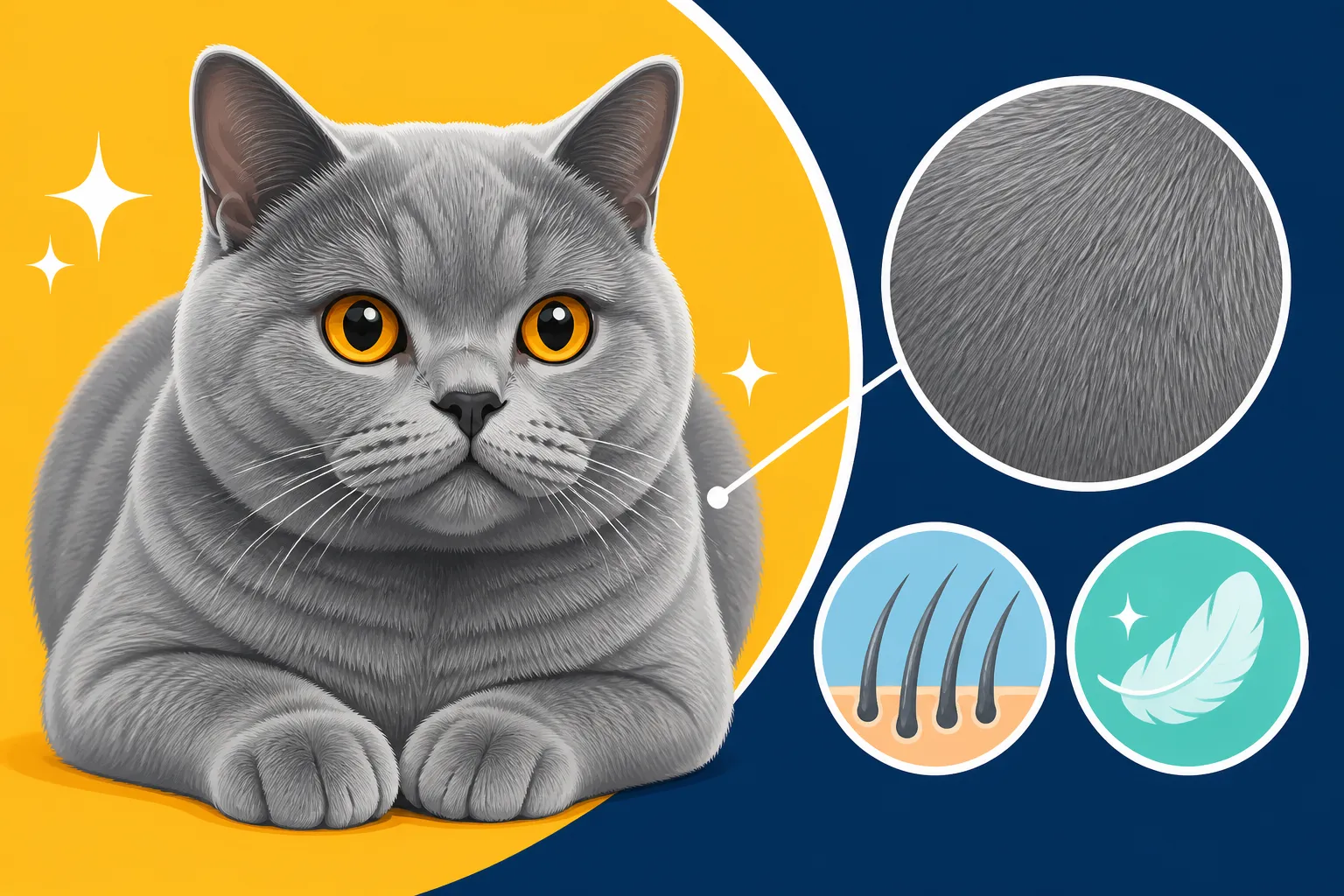
The British Shorthair's coat is famously described as "crisp" or "firm" to the touch, and simultaneously "plush." It’s a bit of an enigma if you're expecting something purely silken or fluffy like a Persian. Imagine running your fingers through a very dense, short pile carpet or a high-quality velvet teddy bear. That’s the closest human analogy to the tactile experience. This firmness comes from the unique structure of their hair shafts, which are strong and resilient. It's not a soft, flowing coat; it's robust and substantial, an echo of their origins as sturdy working cats in Britain's often damp and chilly climate. This texture means it doesn't just lie flat against their body.
The "plush" aspect, on the other hand, refers to the incredible density of the fur. There are so many individual hairs packed into every square inch of their skin that it creates a soft, cushion-like effect beneath the firmer guard hairs. It's this combination that gives the British Shorthair its signature round, cuddly appearance and that irresistible tactile quality. It's truly unlike touching many other breeds, which might have finer, silkier, or coarser coats. The British Shorthair's coat feels like it has a life of its own, an almost springy resistance as you stroke it.
The Unique 'Standing Away' Quality
One of the most striking visual characteristics of the British Shorthair is how their coat seems to "stand away" from their body, rather than lying flat. This isn't an optical illusion; it's a direct result of the coat's density and texture. If you were to gently part the fur with your fingers, you'd notice it doesn't just fall back into place immediately. Instead, it maintains a certain volume, almost like a meticulously styled coiffure. This contributes significantly to their iconic "cobby" and rounded silhouette, making them look even more substantial and teddy bear-like.
This phenomenon is tied directly to the robust nature of their individual hair shafts and the sheer number of them. Each hair is relatively short, but thick and strong, not fine and limp. When you have millions of these sturdy hairs densely packed together, they naturally support each other, creating that lifted, plush appearance. It’s what gives them that delightful, almost fluffy outline, even though their fur is short. This quality also helps to emphasize their broad shoulders and chest, and their wonderfully round head, completing the classic British Shorthair look. It's not just about aesthetics; this unique structure hints at the coat's protective qualities, a feature we'll delve into shortly.
The Double Coat Secret: Guard Hairs and Undercoat
The British Shorthair's distinctive coat is actually a marvel of nature, a "double coat" system that provides both protection and that famous plush feel. Many people assume short-haired cats only have one layer of fur, but for the British Shorthair, it's far more complex and functional than that. This dual-layer system is the real secret behind its unique crispness and density.
The outer layer consists of what are called "guard hairs." These are slightly longer, thicker, and stiffer hairs. Their primary job is protection – shielding the cat's skin from environmental elements like dampness, cold, and minor scratches. These guard hairs are what give the coat its "crisp" texture when you run your hand over it. They are the first line of defense, designed to be resilient and repel moisture. Below this protective layer lies the "undercoat." This is a remarkably dense layer of much finer, softer, and shorter hairs. The undercoat's main function is insulation, trapping a layer of air close to the cat's body to keep them warm in cool weather and cool in warmer temperatures.
It's the combination and interaction of these two distinct layers that create the British Shorthair's signature look and feel. The guard hairs prevent the undercoat from matting and provide the structure, while the undercoat provides the plushness and warmth. This intricate design is a testament to the breed's natural hardiness and its adaptation to its ancestral environment. It’s no wonder that this dense, double-layered coat helps explain Why a British Shorthair's Coat Protects It so effectively. Understanding this double coat is crucial for proper grooming, as both layers need attention to keep the coat healthy and beautiful.
Understanding the British Shorthair's Undercoat
The undercoat is truly the unsung hero of the British Shorthair's magnificent fur. It's not just about looking good; this dense layer plays several vital roles in the cat's overall well-being and contributes significantly to what makes a British Shorthair, well, a British Shorthair.
The Purpose of a Dense Undercoat
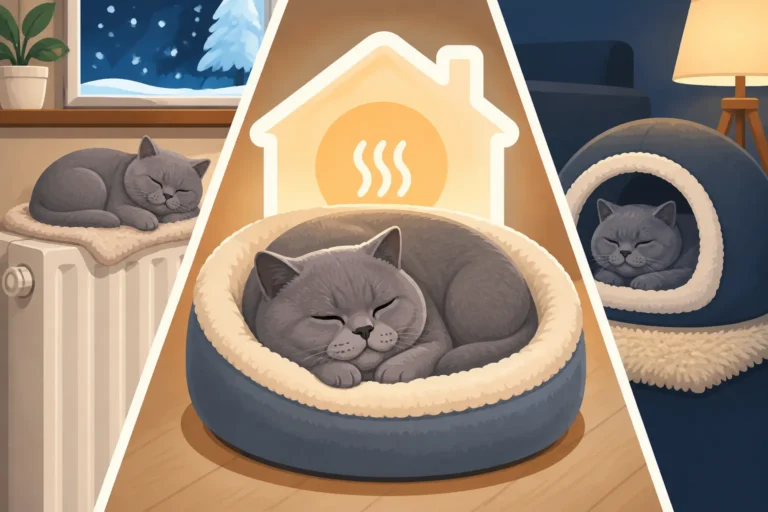
At its heart, the British Shorthair's dense undercoat serves a primary purpose: insulation. Think of it like a natural down jacket, providing a thick barrier against temperature extremes. In the chilly, often damp climate of Britain, this undercoat was essential for the ancestors of today's British Shorthairs, keeping them warm and dry. It traps a layer of air close to the skin, which then acts as a thermal buffer, slowing down heat loss in winter and, surprisingly, helping to prevent overheating in summer by creating an insulating layer that shields them from direct sun. This isn't just about comfort; it's about survival.
Beyond insulation, the undercoat also contributes greatly to the British Shorthair's characteristic "cobby" and rounded physique. It adds significant volume and depth to their appearance, making them look even sturdier and more robust than they already are. Without this dense undercoat, their fur would lie flatter, and they would lose some of that iconic teddy bear shape. It's a key factor in distinguishing them from single-coated breeds, which often have a sleeker, more streamlined look. For us owners, it's that deep, soft layer that makes petting them such a satisfying experience, a tactile reminder of their hardy heritage.
Seasonal Shedding and the 'Blowing' of the Coat
Despite their generally low-maintenance reputation, British Shorthairs do shed, and sometimes quite a bit! They are not "non-shedding" cats, and anyone expecting otherwise will be in for a surprise. Their shedding pattern is often described as "blowing their coat," a term more commonly associated with double-coated dogs. This usually happens twice a year, typically in spring as they shed their thick winter undercoat in preparation for warmer weather, and then again in the autumn as they grow in a new, denser undercoat for winter.
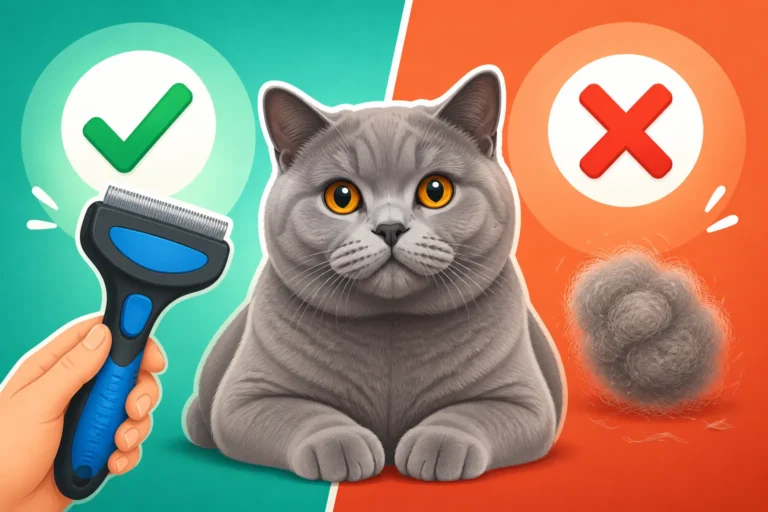
During these "blowing" periods, you'll likely notice a significant increase in the amount of fur around your home – on furniture, clothes, and clinging to every surface. It can be quite a shock if you're not prepared, with clumps of soft undercoat coming out with every stroke. This is a perfectly normal, natural process for a cat with such a dense double coat. It’s their body’s way of regulating temperature and maintaining a healthy coat cycle. Outside of these peak seasons, shedding is generally moderate, but consistent. To help manage this, regular grooming becomes even more crucial during these times to help remove the dead undercoat and prevent it from ending up all over your house. Understanding this cycle helps you anticipate and manage the extra fur, which is why knowing When a British Shorthair Blows Its Coat is so helpful for owners.
Managing Hairballs and Mats with a Double Coat
The joy of a dense double coat unfortunately comes with a common feline challenge: hairballs. As British Shorthairs self-groom, especially during periods of heavy shedding, they ingest a significant amount of loose fur from their undercoat. Since cats are not designed to digest hair, this fur can accumulate in their digestive tract, leading to hairballs that are then regurgitated. This isn't just unpleasant for you; it can sometimes cause discomfort or even more serious digestive issues for your cat if the hairballs become too large or frequent.
Beyond hairballs, the thick undercoat can also be prone to matting, particularly if your British Shorthair isn't consistently groomed or isn't as agile as they once were. Mats are tangled clumps of fur that can pull on the skin, causing pain, irritation, and even skin infections if left untreated. They tend to form in areas of friction, like behind the ears, under the armpits, or around the hindquarters. Older or overweight British Shorthairs might struggle to reach and groom certain areas of their back, making them more susceptible to matting there. Managing these issues is primarily about proactive care: consistent grooming, a good diet, and being vigilant for any signs of discomfort. Regular combing is your best defense against both. For more on this, you might find How Often a British Shorthair Brings Up a Hairball and Where a British Shorthair Mats useful.
Coat Colors, Patterns, and Genetic Variations
While the coat's texture and density are hallmarks of the British Shorthair, the sheer array of colors and patterns they come in is truly dazzling. Many people immediately picture a solid blue cat, but the breed is a canvas for an incredible genetic palette, offering a cat for almost every aesthetic preference.
Beyond the Blue: A Spectrum of Colors
The "British Blue" is undoubtedly the most iconic and widely recognized color for the British Shorthair, so much so that many people mistakenly believe it's the only color the breed comes in. This beautiful, solid grey-blue hue with deep copper or gold eyes is truly stunning and certainly played a huge role in popularizing the breed. However, the British Shorthair actually comes in a remarkable spectrum of solid colors. You can find them in classic black, pristine white, creamy fawn, rich red, elegant lilac, and even chocolate. Each solid color typically pairs with striking copper or gold eyes, creating a captivating contrast against their dense fur.
What’s fascinating is that regardless of the specific color, the coat's unique texture and density remain consistent. A solid black British Shorthair will still have that crisp, plush, "standing away" fur that's so characteristic of the breed, just as a lilac or cream one would. The underlying genetics for coat texture are separate from those for color, ensuring that the defining physical characteristics of the British Shorthair remain intact across all its beautiful variations. This diversity means that while the blue might be famous, there’s a whole world of stunning hues to explore for potential owners. If you're curious about the full range, Which Colors a British Shorthair Comes In offers a deeper dive into the possibilities.
Tabby and Colorpoint Patterns
Beyond the solid colors, British Shorthairs also exhibit a variety of beautiful patterns, adding another layer of visual interest to their already charming appearance. The tabby pattern is particularly common and comes in several forms: classic (marbled), mackerel (striped), spotted, and ticked. A classic tabby British Shorthair, for example, will have swirling, marbled patterns on its sides, often with a distinctive "M" shape on its forehead. These patterns are sharply defined against the dense background fur, creating a truly eye-catching look. Silver tabbies, with their pale silver background and dark charcoal markings, are especially popular and striking.
Another fascinating pattern is the colorpoint. This involves a body color that is lighter, with darker points (ears, face mask, paws, and tail) that are typically a contrasting color like seal, blue, lilac, or chocolate. These cats also usually have stunning blue eyes, a trait inherited from the Siamese ancestry that was carefully introduced into the British Shorthair lines decades ago to broaden their gene pool. The dense coat makes these patterns appear incredibly rich and deep, enhancing the overall aesthetic. Whether it's the bold stripes of a mackerel tabby or the subtle shading of a colorpoint, these patterns add character and uniqueness to each British Shorthair, showcasing the breed's genetic versatility. You can learn more about this in Whether a Colorpoint British Shorthair Is Standard.
The Longhaired Variant: British Longhair
It might surprise some, but occasionally, a British Shorthair litter will produce a longhaired kitten! This isn't a mistake or an accidental crossbreed; it's due to a recessive gene that exists within the British Shorthair gene pool. Historically, during the rebuilding of the breed after the World Wars, Persians were outcrossed to British Shorthairs to strengthen the lines. While the goal was to maintain the shorthair coat, the longhair gene from the Persian was inadvertently introduced and has persisted, quietly carried by some British Shorthairs for generations.
When two British Shorthairs who both carry this recessive longhair gene are bred, there's a statistical chance that some of their offspring will inherit two copies of the gene and thus express the longhaired trait. These kittens are essentially British Shorthairs in every way except for their coat length, displaying the same cobby body, round head, and sweet temperament. For a long time, these longhaired variants were simply considered "pet quality" and often rehomed without formal recognition. However, in recent years, many cat registries have recognized these beautiful cats as their own distinct breed: the British Longhair (or sometimes British Semi-Longhair). They boast the same plush density and round features but with a luxurious, flowing coat. This development allows these cats to be shown and bred within their own standard, celebrating this unexpected but beautiful variation. Learning more about How a British Longhair Comes Out of a British Shorthair Litter can be quite enlightening for prospective owners.
Grooming Essentials for the British Shorthair Coat
The British Shorthair's glorious coat, while stunning, isn't entirely maintenance-free. To keep it looking its best and to minimize shedding and hairball issues, a consistent and correct grooming routine is essential. You can't just grab any brush; their unique double coat requires specific tools and techniques.
Why Brushes Fail and Combs Prevail
When it comes to grooming a British Shorthair, many new owners instinctively reach for a traditional brush – perhaps a slicker brush or a rubber curry brush. However, these tools are often less effective, and in some cases, can actually be detrimental to the British Shorthair's unique double coat. Slicker brushes, with their fine, wire bristles, tend to snag and pull on the coarser guard hairs, potentially damaging them or irritating the skin. They often don't penetrate deeply enough to reach the dense undercoat where most of the loose fur and potential mats reside. Rubber brushes might feel nice for a massage, but they simply don't have the efficacy to remove the copious amounts of dead undercoat.
The secret weapon for a British Shorthair's coat is almost always a good quality metal comb. Specifically, a sturdy, wide-toothed metal comb is invaluable for initially working through the dense topcoat, followed by a finer-toothed comb for deeper penetration and removal of loose undercoat. These combs are designed to glide through the fur, separating the hairs and pulling out the shedding undercoat without damaging the guard hairs or pulling painfully on the skin. They are much more efficient at de-shedding and preventing mats. It’s a common frustration for owners to realize their standard brush isn't doing the trick, but switching to the right comb makes all the difference. This is precisely Why a Comb Beats a Brush on a British Shorthair.
Regular Combing Schedule and Technique
Establishing a regular combing schedule is paramount to maintaining a British Shorthair's coat health and minimizing household fur. For most British Shorthairs, a good combing session once or twice a week is sufficient during non-shedding periods. However, when your cat is "blowing their coat" – typically in spring and autumn – you'll want to increase this frequency to every other day, or even daily, to keep up with the volume of shedding undercoat. Failing to do so can quickly lead to painful mats and a serious increase in hairballs.
The technique is key. Start with a wide-toothed metal comb and gently work your way through the fur, starting from the head and moving down to the tail, paying special attention to the dense areas around the neck, flanks, and hindquarters. Use short, gentle strokes, and hold the fur at the base near the skin with your other hand to prevent pulling if you encounter a snag. After the wide-toothed comb has done its work, follow up with a finer-toothed comb to pull out any remaining loose undercoat. Always comb in the direction of hair growth, being mindful of any tender spots. You might find some excellent, sturdy metal combs on retailers like Chewy or Amazon, which are perfect for tackling their dense fur. Consistency, not aggression, is the goal. For more detailed advice, check out How Often a British Shorthair Needs Combing.
When a Bath Might Be Necessary and How to Do It
For the most part, British Shorthairs are meticulous self-groomers, and their dense coats don't typically require frequent bathing. In fact, over-bathing can strip their skin of natural oils, leading to dryness and irritation. So, if your British Shorthair is generally clean and healthy, regular combing is usually all that's needed to keep their coat in top condition. However, there are a few specific circumstances where a bath might become necessary.
These situations include instances where your cat has gotten into something particularly sticky or dirty that they can't clean themselves (like motor oil or paint), if they have certain skin conditions that require medicated washes, or for show preparation to ensure their coat is pristine. If you do need to bathe your British Shorthair, be prepared – many cats are not fond of water! Start by gathering all your supplies: cat-specific shampoo, several towels, and a non-slip mat for the tub or sink. Use lukewarm water, never hot, and wet your cat gradually, avoiding their face and ears. Gently lather the shampoo, focusing on getting it down to the skin, then rinse thoroughly until no suds remain. Wrap your cat in a warm towel immediately after to absorb as much moisture as possible, and keep them in a warm, draft-free room until they are completely dry. Patience and a calm demeanor are your best tools during this process. For more on this, How Often a British Shorthair Needs a Bath can provide further insights.
Common Coat Issues and What They Signal
While a British Shorthair's coat is generally robust, it can occasionally present issues that might signal underlying health problems or simply a need for adjustment in their care routine. Being observant of changes in their fur is an important part of responsible pet ownership.
Dullness or Changes in Coat Texture
A healthy British Shorthair coat should be wonderfully dense, feel crisp yet plush, and have a subtle sheen that reflects light. If you notice that your cat's coat is starting to look dull, greasy, or feels less resilient and more limp, it's often a red flag. A dull coat can indicate a lack of essential fatty acids in their diet, meaning they might not be getting the right nutrition. Think about the quality of their food – a well-balanced, high-quality cat food is crucial for skin and coat health. Many brands offer formulations specifically for healthy skin and coat.
Beyond diet, a change in coat texture or luster can also be a symptom of various underlying health problems, such as parasites (fleas, mites), fungal infections, hormonal imbalances (like hyperthyroidism in older cats), or even internal illnesses affecting their liver or kidneys. Stress or anxiety can also manifest in a poor coat condition, as an unhappy cat might not groom themselves as effectively. If the change is significant or accompanied by other symptoms like lethargy, changes in appetite, or excessive scratching, a visit to the veterinarian is definitely in order to rule out any medical causes.
Excessive Shedding or Patches of Hair Loss
As we've discussed, British Shorthairs shed, and they "blow" their coat seasonally. However, if you notice shedding that seems truly excessive outside of these periods, or if your cat starts developing distinct patches of hair loss (alopecia), it’s cause for concern. Normal shedding involves a uniform loss of fur across the body, while abnormal shedding often concentrates in specific areas.
Patches of hair loss can be caused by a variety of factors. Flea allergies are a common culprit, leading to intense itching and subsequent fur pulling or chewing. Other allergies, whether environmental or food-related, can also result in skin irritation and hair loss. Fungal infections like ringworm can cause circular patches of hair loss, often with redness or scaling. Stress, again, can play a role, as can underlying systemic diseases or hormonal imbalances. It’s not uncommon for an older British Shorthair to show some thinning of fur, but sudden or dramatic hair loss, especially if the skin underneath looks irritated, should prompt a veterinary visit. Don't try to self-diagnose; a vet can accurately pinpoint the cause and recommend appropriate treatment to restore your cat's healthy coat.
Mats and How to Address Them Safely
Mats are dense tangles of fur that can develop when loose hair is not removed and becomes matted together, often with dirt or debris. For a British Shorthair with their thick double coat, mats are a real concern, especially in areas where friction occurs or where they can’t easily reach to groom. Common spots include behind the ears, under the armpits, on the belly, and around the tail and hindquarters. Mats are not just unsightly; they can be incredibly painful, pulling on the skin and restricting movement. If left untreated, mats can tighten and even lead to skin infections, hot spots, or parasitic infestations underneath.
Prevention is always better than cure, which is why regular combing with the right tools is so crucial. If you do find small mats, try to gently work them out with your fingers, then use a wide-toothed comb. Never pull aggressively, as this will hurt your cat. If a mat is particularly tight or close to the skin, do not try to cut it out with scissors yourself. It's incredibly easy to accidentally cut your cat's skin, which is very thin and fragile. Instead, seek professional help from a veterinarian or a professional groomer who has experience with cats. They can safely shave out the mat, often with sedation if the cat is stressed or the mat is severe. This is especially true for cats who are overweight or older, as they often struggle to groom certain areas, leading to more frequent matting. For more on this, you might want to read Why an Overweight British Shorthair Stops Grooming Its Back.
| Characteristic | Description | Grooming Implication |
|---|---|---|
| Density | Very thick, packed fur with numerous hairs per follicle. | Requires deep combing with specific tools to reach all layers; surface brushing is insufficient. |
| Texture | 'Crisp' rather than purely soft/silky, with individual hairs feeling robust. | Use metal combs to avoid damaging the outer guard hairs, which can be broken by slicker brushes. |
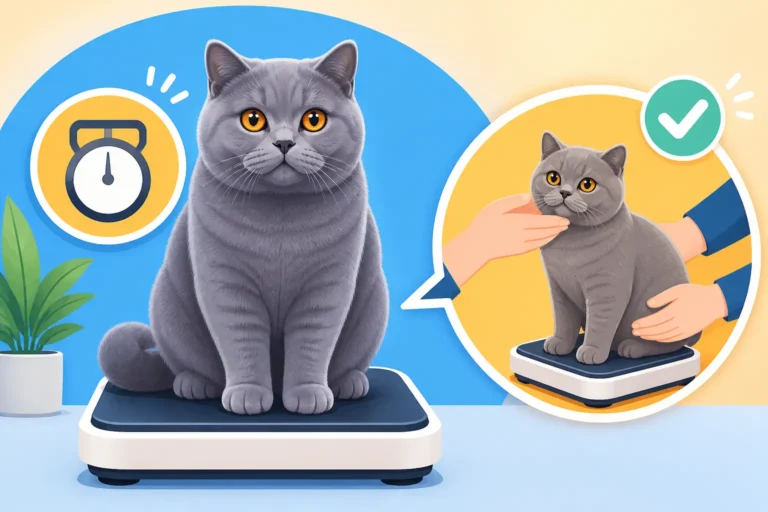
| Standing Away | The coat maintains volume and does not lie flat against the body. | Enhances the breed's rounded appearance; can sometimes conceal early signs of weight gain. |
| Undercoat | A thick, insulating layer of fine, soft hairs beneath the coarser guard hairs. | Prone to heavy shedding during seasonal changes ("blowing coat"); requires diligent removal to prevent mats and hairballs. |
| Shedding | Moderate year-round, but significantly heavy in spring and autumn due to undercoat turnover. | Increased combing frequency during peak shedding seasons is essential for cleanliness and coat health. |
Disclaimer
This article is for general informational purposes only and does not constitute professional advice. Laws, prices and regulations vary by location and change over time. Consult a qualified professional for guidance on your specific situation.