How Often a British Shorthair Needs Combing
A common misconception among new British Shorthair owners is that their plush, dense coat is low maintenance. While it's true they aren't long-haired, the reality of managing that magnificent, crisp fur is often a surprising challenge, especially when shedding seasons hit. This comprehensive guide will dive deep into understanding your British Shorthair's unique coat, establishing the perfect combing routine, and choosing the right tools to keep them comfortable, healthy, and looking their absolute best, avoiding mats and excessive shedding around your home.
The British Shorthair's Distinctive Coat: More Than Just Fluff
Many people are initially drawn to the British Shorthair for their charming, teddy-bear-like appearance and their incredibly plush, dense fur. It looks soft and cuddly, and it absolutely is, but its unique structure means it requires specific care that might surprise those used to other breeds. Ignoring these unique characteristics can quickly lead to problems, turning a beautiful coat into a matted mess, especially in areas where they can’t reach to groom themselves effectively. Understanding what makes their coat special is the first step toward effective grooming.
Why Their Coat Feels So Crisp and Stands Away from the Body
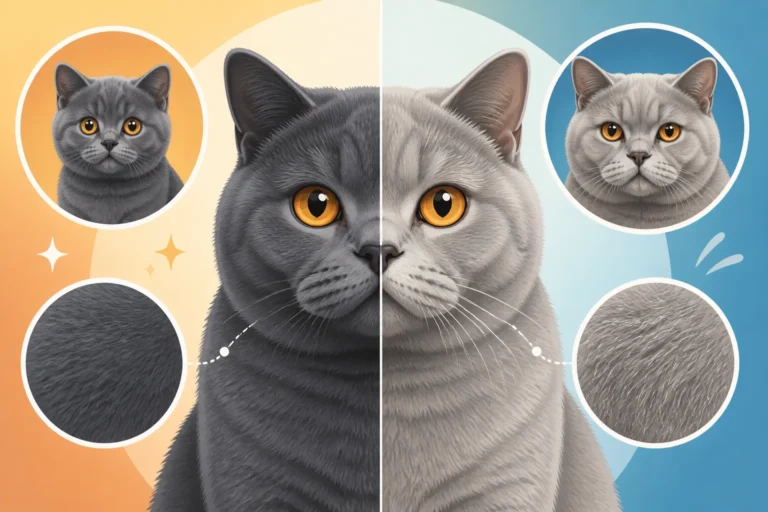
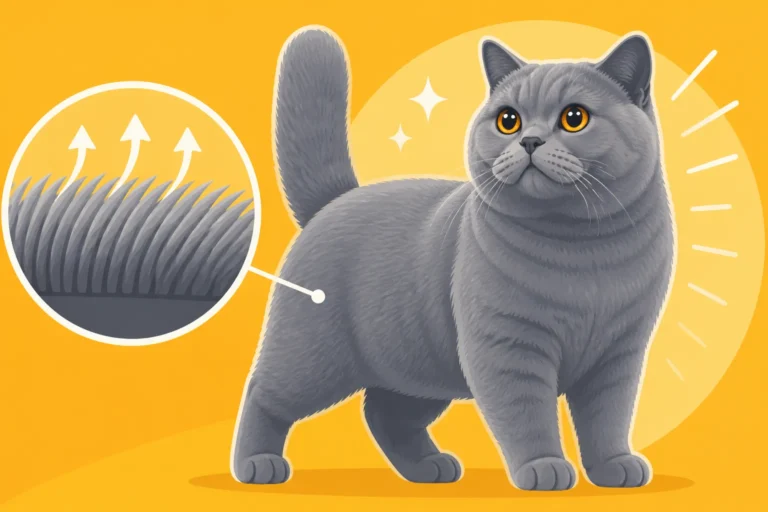
If you've ever had the pleasure of stroking a British Shorthair, you'll immediately notice that satisfying, firm resistance as your hand moves through their fur. This isn't just a random trait; it's a defining characteristic of the breed's coat. Unlike many cats whose fur lies flat, a British Shorthair's coat actually stands away from their body, giving them that wonderful, rounded silhouette that makes them so endearing. This unique texture is what breeders and enthusiasts refer to as "crisp" to the touch. It's a hallmark of a well-bred cat.
The reason for this "crisp" feel and standoffish quality lies in the structure of their individual hairs and the density of their undercoat. Each hair is short, fine, and thick, almost like a very fine, dense wool. Instead of being sleek and smooth, these hairs are designed to be resilient and springy. This natural springiness causes the fur to bounce back into place rather than flattening down, creating a protective, insulating layer that historically would have served them well in the cooler British climate. This dense, plush quality is absolutely central to What a British Shorthair's Coat Is Like and contributes to why they look so wonderfully chunky.
However, this beautiful density comes with a catch: it's incredibly efficient at trapping loose hair. While a cat with a silky, flat coat might shed visibly all over your furniture, a British Shorthair's coat holds onto that dead fur, creating a thick, tangled mess underneath the top layer if not properly managed. This is where regular combing becomes not just a cosmetic choice, but a health necessity for their skin and comfort. If left unchecked, this trapped fur can quickly felt and pull at their skin, causing discomfort and even skin infections.
The Importance of the Dense Undercoat
Beneath that crisp, outwardly plush layer lies an even denser secret: the British Shorthair's formidable undercoat. This isn't just a few extra hairs; it's a thick, soft, insulating layer that provides warmth and protection. Think of it like a down jacket your cat wears year-round, but especially thick and luxurious. This undercoat is integral to the breed's hardiness and their ability to regulate body temperature. It’s what gives them their substantial feel and contributes significantly to their overall "cobby" appearance. Whether a British Shorthair Has an Undercoat is not even a question; it's a defining feature.
While essential for insulation, this dense undercoat is the primary culprit behind shedding and matting issues. As individual hairs reach the end of their life cycle, they detach from the follicle but often remain trapped within the surrounding dense fur. Without assistance, these dead hairs simply cannot work their way out on their own. Instead, they become intertwined with living hairs, forming knots and eventually tight, uncomfortable mats that pull on the skin. This is especially true for senior cats, where Why an Aging British Shorthair Stops Grooming due to arthritis or other issues can exacerbate the problem.
Effective combing, therefore, isn't just about making the topcoat look tidy. It's fundamentally about reaching deep down into that undercoat to remove the dead, loose hairs before they have a chance to clump and cause trouble. If you’re only skimming the surface with a brush that doesn't penetrate, you're missing the entire point of British Shorthair grooming. This undercoat is also why their shedding, while not always overtly visible in strands falling off, can feel relentless once it builds up in your home.
How This Unique Texture Affects Grooming Needs
The unique, standing-away quality and the incredible density of the British Shorthair’s coat directly dictate their specific grooming requirements. You simply cannot treat this coat like you would a sleek Siamese or even a medium-haired domestic cat. The sheer volume and texture of their fur mean that a quick, once-over brush with a soft bristled brush is utterly ineffective and largely a waste of time, doing little more than smoothing the very tips of the topcoat.
This unique texture means you need tools and techniques designed to penetrate deeply without damaging the guard hairs. The aim is to gently tease out the dead undercoat without pulling at the skin or breaking healthy fur. If you've ever tried to comb a British Shorthair and felt like you weren't getting anywhere, it's likely because your tools weren't up to the task of navigating that dense, springy forest of fur. The coat's ability to trap hair also means that hairballs can become a significant issue if regular combing isn't maintained, as your cat will naturally ingest more loose fur during self-grooming.
Furthermore, areas like the "armpits," behind the ears, and around the belly are particularly prone to matting because they see a lot of friction and are harder for your British Shorthair to reach. The robust nature of their coat in these areas means mats can form surprisingly quickly and become incredibly tight and difficult to remove. This is why a strategic, rather than haphazard, approach to combing is crucial. It’s a proactive measure to maintain their comfort, prevent skin problems, and minimize the amount of fur shed around your living space.
Seasonal Shedding: When Combing Becomes Critical
Even the calmest British Shorthair can turn into a shedding machine at certain times of the year, transforming your pristine home into a fuzzy wonderland. It's not just a constant, low-level release of fur; there are distinct periods when their grooming needs intensify dramatically. Understanding these cycles is key to adapting your combing routine and preventing what can feel like an avalanche of fluff, not to mention avoiding serious matting that can lead to discomfort or even skin issues for your beloved companion.
The Twice-Yearly Undercoat Blowout
Just like many other double-coated breeds, British Shorthairs experience what's often referred to as a "coat blow" or "undercoat blowout" twice a year. This is Mother Nature's way of preparing them for the changing seasons, shedding their dense winter coat in favor of a lighter summer one, and vice-versa. These periods typically occur in spring, as the weather warms up and daylight hours increase, and again in autumn, as temperatures drop and the days shorten. During these times, the amount of loose undercoat needing removal can be astonishingly high.
During a coat blowout, your British Shorthair will be shedding far more than usual. You might notice clumps of fur appearing on their favorite sleeping spots, or finding that just stroking them leaves your hand covered in a soft cloud of hair. This isn't just surface shedding; it’s that deep, insulating undercoat actively detaching to make way for new growth. It's a natural process, but one that absolutely requires human intervention with the right tools. If this dead undercoat isn't removed, it can quickly become matted, especially in a cat known for its density. How Much a British Shorthair Sheds during these periods can be truly impressive.
It's during these twice-yearly shedding events that combing frequency must be increased significantly. While you might get away with less frequent sessions at other times, neglecting to comb daily, or at least every other day, during a coat blow is a recipe for disaster. The sheer volume of loose hair means mats can form overnight, pulling at the skin and causing discomfort. It’s also when you might notice more hairballs as your cat tries to self-groom this excess fur away, sometimes leading to digestive upset.
Managing Year-Round Indoor Shedding
While the seasonal coat blows are the most dramatic shedding events, it’s important to remember that indoor British Shorthairs will shed to some degree all year round. Our artificially lit and temperature-controlled homes often confuse their natural seasonal cycles, leading to a more consistent, albeit lower-level, shedding pattern throughout the year. This means that while you won't always be battling a full "blowout," there's always a steady supply of dead hair accumulating in their dense undercoat.
This continuous shedding requires a consistent maintenance combing routine, even outside of the spring and autumn peaks. The goal is to proactively remove these loose hairs before they have a chance to build up and cause issues. Think of it as preventative maintenance for their coat, much like regular check-ups for their general health. Ignoring this year-round shedding can still lead to small tangles and a less vibrant coat, even if full-blown matting is less common than during a major coat blow. It also means you’ll constantly be finding their soft, plush fur on your furniture and clothing.
For many British Shorthair owners, this means establishing a baseline combing frequency that keeps the year-round shedding under control. This might be once or twice a week for most cats, depending on their individual coat and environment. Consistency is far more important than intensity when it comes to year-round maintenance. Regular, shorter sessions are often more effective and less stressful for your cat than infrequent, marathon grooming sessions where you're trying to tackle a backlog of loose fur.
Recognizing Signs of Increased Shedding
Beyond the calendar, your British Shorthair will give you clear signals when their shedding has ramped up and they need more combing attention. Learning to recognize these cues can help you adjust your routine proactively, preventing discomfort and keeping their coat in top condition. Ignoring these signs can quickly lead to mats, especially if your cat is less diligent about self-grooming or Why an Overweight British Shorthair Stops Grooming Its Back.
One of the most obvious signs is simply seeing more fur. You might notice an increase in fur tumbleweeds around the house, more hair on your clothes after cuddling, or a visibly thicker layer of fur on their favorite sleeping spots. If you run your hand over their back and come away with a significant amount of loose hair, it's a definite indicator that it's time for a more thorough combing session. Pay close attention When a British Shorthair Blows Its Coat as these visible signs will be much more pronounced.
Another, more subtle sign can be changes in their coat texture. If their fur starts to feel less "crisp" and more "fluffy" or "puffy," it often means there’s a lot of dead undercoat trapped underneath, giving it a lighter, less structured feel. You might also notice them scratching more or spending an unusual amount of time trying to groom themselves, sometimes pulling at their fur with their teeth. This is their attempt to remove the irritating loose hair that their tongue simply can't handle alone. Addressing these signs promptly with increased combing can make a huge difference to their comfort.
Establishing Your British Shorthair's Combing Routine
So, how often should you actually be combing that magnificent British Shorthair coat? The answer isn't a one-size-fits-all, absolute number, but rather a flexible approach that adapts to your individual cat's needs and the season. The key is consistency and understanding that combing is not just about aesthetics; it's a vital part of their health and well-being. A neglected coat can lead to painful mats, skin issues, and excessive hairballs, making regular, appropriate grooming essential.
Minimum Weekly Combing for Maintenance
For most British Shorthairs, a minimum of once to twice a week combing is essential for basic maintenance outside of peak shedding seasons. This regular schedule helps to remove the naturally occurring loose hairs that accumulate daily, preventing them from forming tangles and mats. Think of it as your baseline defense against fur build-up and a way to keep their skin healthy by stimulating circulation and distributing natural oils.
These weekly sessions don't need to be hour-long ordeals. Aim for 10-15 minutes of focused combing, ensuring you use the right tool to penetrate through the topcoat and reach the dense undercoat. Consistency is far more important than marathon sessions when it comes to maintenance. By keeping up with these regular sessions, you'll find that there's less fur to remove each time, making the experience quicker and more pleasant for both you and your cat. It also gives you a chance to bond and check for any skin irregularities, bumps, or tender spots they might be hiding.
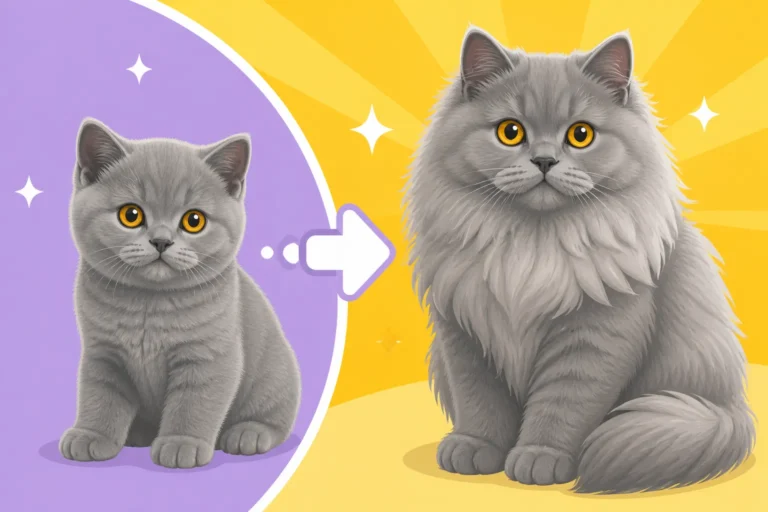
Establishing this routine from an early age, even with a kitten, is incredibly beneficial. The earlier you introduce the comb and make it a positive experience, the more accepting your British Shorthair will be as an adult. Remember, a British Shorthair tends to be quite calm, but they also appreciate routine. Building combing into your weekly schedule makes it a predictable and less stressful event, ideally leading to a cat that actually enjoys their grooming time with you.
Increased Frequency During Peak Shedding
When your British Shorthair enters one of their seasonal "coat blows" – typically in spring and autumn – your combing frequency absolutely needs to increase. During these periods, that once- or twice-weekly routine simply won't cut it. The sheer volume of dead undercoat that detaches can quickly overwhelm their self-grooming efforts and your usual schedule. This is when mats can form with alarming speed, causing genuine discomfort for your cat.
During peak shedding, you should aim to comb your British Shorthair daily, or at least every other day. These sessions might need to be a bit longer, perhaps 15-20 minutes, to ensure you're thoroughly removing all the loose fur that's trying to make its escape. Don't be surprised if you fill a comb several times over during these periods; it's a clear indication that you're doing a crucial job in preventing problems. This intensified combing during a coat blow helps manage the excess hair and reduces the amount of fur ingested by your cat, which in turn can help prevent hairballs.
It can feel like a chore during these times, but remember the alternative: painful mats that might require professional grooming or even sedation to remove, and a house covered in cat hair. Proactive, frequent combing is always the kinder and more effective solution. Pay particular attention to areas prone to matting like their flanks, behind their ears, and their "armpits," as these are often the first places to tangle when the fur is blowing out.
Factors Influencing Your Cat's Individual Needs
While there are general guidelines, every British Shorthair is an individual, and several factors can influence how often your specific cat needs combing. Observing your cat and being responsive to their unique situation is paramount. What works for one British Shorthair might not be enough for another, even within the same household.
Consider their activity level and lifestyle. While British Shorthairs are generally calm and not overly active, a more playful or adventurous cat might pick up more debris in their fur or develop tangles from rolling around. Why a British Shorthair Will Not Exercise Itself can also mean they don't naturally rub off loose fur, making your job more important. Their age plays a significant role too. Kittens might need less frequent combing initially, but it’s crucial to get them used to it. As they mature, their coat will thicken, and older cats, particularly those with arthritis or other mobility issues, may struggle with self-grooming. Caring for an Old British Shorthair often involves increased grooming assistance as they age and their coats change.
Table: British Shorthair Combing Frequency Guide
| Coat Condition / Season | Recommended Frequency | Key Considerations |
|---|---|---|
| Normal / Off-Season | 1-2 times per week | Prevents minor tangles, removes light shedding, maintains coat health. Look for general fluffiness. |
| Peak Shedding (Spring/Autumn) | Daily or every other day | Essential to prevent matting from rapid undercoat release. Expect large amounts of fur on the comb. |
| Matting Prone Areas | Daily spot checks | Focus on armpits, behind ears, belly. These areas tangle quickly due to friction. |
| Older / Overweight Cat | 3-4 times per week or more | Decreased self-grooming ability, higher risk of mats. Gentler, shorter sessions are best. |
| Post-Bath / Before Show | Daily | Ensures coat is clean, tangle-free, and well-maintained. Important for distributing oils. |
Their general health and diet are also critical. A healthy British Shorthair with a good diet will generally have a healthier coat that sheds less excessively and is less prone to matting. Nutritional deficiencies or underlying health conditions can manifest in a dull, dry, or excessively shedding coat, requiring more frequent or specialized grooming. Always consult your vet if you notice a sudden, significant change in your cat's coat quality or shedding.
Choosing the Right Tools for an Effective Combing Session
Having the right tools is half the battle when it comes to effectively grooming your British Shorthair. Their unique, dense, and crisp coat demands specific types of combs and brushes; using the wrong one can be ineffective at best, and actually damaging or uncomfortable for your cat at worst. Investing in quality grooming tools will make the process easier for you and far more tolerable for your feline friend, ensuring you can reach that deep undercoat without causing irritation.
Why a Metal Comb is Your Best Friend
For a British Shorthair, a sturdy, high-quality metal comb is arguably the most indispensable grooming tool you can own. Forget about those soft bristled brushes that just glide over the surface; they do little to nothing for the British Shorthair's dense undercoat. A good metal comb, specifically one with both wide and narrow-set teeth, is designed to penetrate deeply into the fur, reaching the root of the problem: the loose undercoat. Which Comb a British Shorthair Needs is very specific for a reason.
The widely spaced teeth are excellent for initial detangling and for working through the bulk of the coat, gently lifting and separating the fur. Once the initial loose hairs are removed, the more narrowly spaced teeth can be used to capture finer dead hairs and smooth the coat, ensuring no small tangles are left behind. The solid construction of a metal comb means it won't flex or break when encountering resistance from the dense fur, allowing you to work through the coat thoroughly and efficiently. Look for combs with rounded, polished teeth tips to ensure they glide smoothly through the fur without scratching your cat's skin. You can find excellent options from pet supply retailers like Amazon or Chewy.
When using the metal comb, always comb in the direction of hair growth. Start with the wide-toothed side, working in small sections, particularly around the chest, flanks, and hindquarters where the fur is densest. You should feel the comb reaching the skin, but without pulling or scratching. If you encounter a snag, don't yank. Gently work it out with the wider teeth or your fingers before moving on. This method ensures you’re effectively removing the dead undercoat, which is vital for preventing mats and keeping their skin healthy.
Avoiding the Wrong Brushes and Their Damage
Just as important as choosing the right tools is knowing which ones to avoid. Many common cat brushes are simply not suitable for the British Shorthair's unique coat and can either be ineffective or, worse, cause damage and discomfort. This is often where new owners make a mistake, thinking any cat brush will do, only to be frustrated by how much fur their "brushed" cat is still shedding.
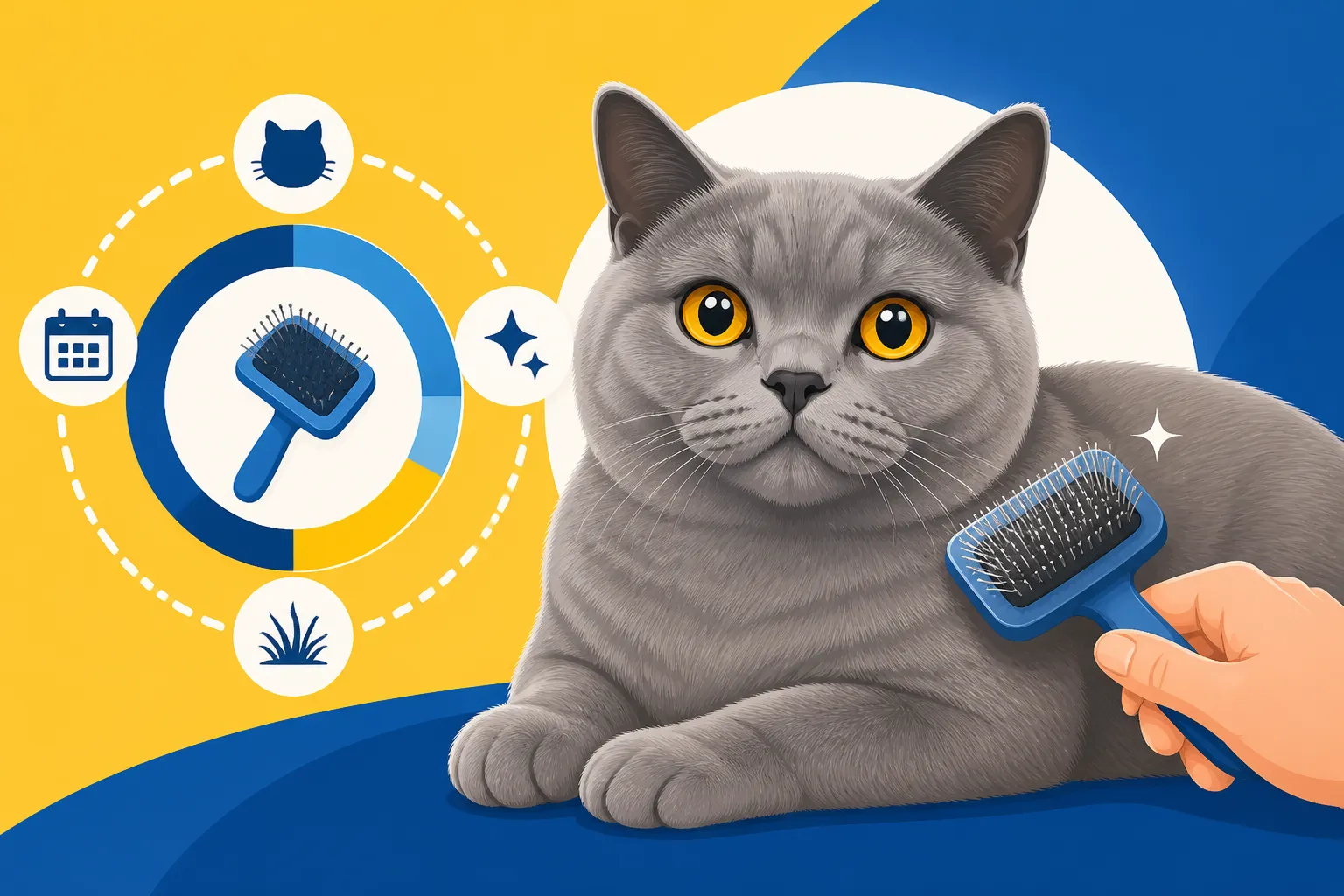
Slicker brushes, for instance, with their fine, closely spaced wire bristles, are often too harsh for a British Shorthair's sensitive skin and can easily scratch or irritate it, especially if used with too much pressure. While they can pull out some loose hair, they often don't penetrate deep enough without excessive force, and the sharp ends can be uncomfortable. Similarly, soft bristle brushes (like boar bristle or synthetic bristled brushes) are virtually useless for a British Shorthair's undercoat. They mainly smooth the topcoat and perhaps remove a few surface hairs, but they leave the bulk of the dead, shed fur trapped beneath, completely failing to address the primary grooming challenge. Why a Slicker Damages a British Shorthair's Coat is something every owner should understand to protect their cat's fur.
Using the wrong tools leads to a cycle of frustration. You'll feel like you're brushing constantly, yet your cat will still shed profusely, and mats will still form. This isn't because your British Shorthair is particularly difficult; it's because you're fighting their coat structure with inappropriate implements. Not only is it ineffective, but repeated uncomfortable grooming sessions can also teach your cat to dislike or fear being groomed, making future sessions a struggle. Stick to tools specifically designed for dense undercoats, and you'll save yourself (and your cat) a lot of grief.
Supplementary Tools for Specific Challenges
While the metal comb is your primary weapon, a few supplementary tools can be incredibly helpful for specific British Shorthair grooming challenges. These aren't daily essentials but can be invaluable for specific situations, from persistent shedding to stubborn mats.
For those times when your British Shorthair is really blowing their coat and you need an extra hand in removing that seemingly endless undercoat, a deshedding tool can be useful. These tools, often with fine, sharp teeth, are designed to grab and pull out loose undercoat. However, they must be used with extreme caution and a very light hand on a British Shorthair, as their density means it's easy to over-groom and damage the healthy guard hairs. Overuse can also irritate the skin. Use sparingly and only during the heaviest shedding phases, focusing on the body and avoiding sensitive areas. Brands like FURminator offer such tools, but always ensure you're using the correct size and type for a cat's coat.
Another helpful accessory is a grooming glove with rubber nubs. While not a substitute for a comb, these gloves are fantastic for surface shedding, especially for cats who are hesitant about traditional combs. They can be used to gently massage your cat while gathering loose fur, making it a pleasant experience. They're also great for distributing natural oils and giving the coat a nice shine after a proper combing. If you encounter a small, developing mat that the metal comb can't quite get, a blunt-tipped scissor (specifically for pet grooming) can be used to carefully snip into the mat to break it up, making it easier to comb out. Never cut across a mat close to the skin, as it's incredibly easy to accidentally cut your cat. For severe mats, however, professional help is always recommended.
Overcoming Combing Hurdles: Making Grooming a Positive Experience
Let's be real: not every British Shorthair is going to purr blissfully through a combing session. Some might tolerate it, others might make it quite clear they'd rather be doing literally anything else. But consistent combing is non-negotiable for their health and comfort. The good news is that with patience, the right approach, and a healthy dose of positive reinforcement, you can transform grooming from a dreaded chore into a bonding experience, or at least a peaceful routine.
Introducing Combing to a Reluctant British Shorthair
If your British Shorthair is less than thrilled about the comb, don't despair. The key is a gradual introduction and making the experience as positive as possible. Start small and keep your expectations low in the beginning. Remember, this breed is known for its calm temperament, but they also have a stubborn streak if they decide they don't like something. How a British Shorthair Takes to Brushing varies from cat to cat, but most can be won over.
Begin by simply letting your cat sniff and investigate the comb. Leave it near their favorite sleeping spot. Then, try short, gentle strokes, perhaps just one or two, in an area they enjoy being touched, like their cheeks or back. Follow immediately with a high-value treat or a favorite toy. The goal is to associate the comb with something positive. Over several days or weeks, slowly increase the number of strokes, always stopping before they get annoyed and ending on a good note. If they start to get squirmy or swat, stop for a moment, offer a treat, and try again later. Never force it, as this can create a negative association that's hard to break. Consistency in these short, positive interactions will yield far better results than infrequent, stressful struggles.
Using a calm, reassuring tone of voice also helps. Some cats respond well to being groomed while they are already relaxed, perhaps after a meal or during a quiet evening cuddle. You might find that grooming while they are perched on a favorite cat tree, especially a sturdy one designed for their weight, or on your lap, makes them feel more secure. For particularly resistant cats, consider engaging them with a wand toy from a brand like Amazon, then gently introduce a few comb strokes during a lull in play, immediately rewarding them afterward.
Tackling Mats and Tangles Gently
One of the biggest hurdles in British Shorthair grooming is dealing with mats and significant tangles. These aren't just cosmetic issues; they can pull on your cat's skin, cause pain, restrict movement, and even lead to skin infections if moisture gets trapped underneath. The temptation might be to just pull them out, but this is incredibly painful for your cat and can damage their skin. Patience and the right technique are essential. Whether a British Shorthair Mats is a definite yes if not combed regularly.
First, never use scissors to cut out a mat unless you are absolutely certain you know what you're doing and can see the skin clearly, far from the blades. It's shockingly easy to cut a cat's skin, especially with their loose skin and the way mats can pull it taut. Instead, use your metal comb. Start by trying to gently tease apart the outer edges of the mat with your fingers, working from the outside in. Once you've loosened it a bit, use the wide-toothed side of your comb to pick at the very edge of the mat, a few hairs at a time. Hold the base of the mat near the skin to prevent pulling and make it less painful for your cat.
For more stubborn mats, a small amount of cornstarch or a pet-safe detangling spray can sometimes help loosen the hairs, making them easier to separate. Sprinkle a little cornstarch onto the mat, work it in, and then try to tease it apart with your fingers and the comb. This process can be tedious and might require several short sessions over a few days, especially if the mat is large. If the mat is very tight, close to the skin, or if your cat is in pain, it's always best to consult a professional groomer or your veterinarian. They can safely shave off severe mats, which is far better for your cat's well-being than a painful struggle at home.
Consistency and Positive Reinforcement
Ultimately, the secret to a well-groomed British Shorthair who tolerates (or even enjoys) combing lies in unwavering consistency and a deep commitment to positive reinforcement. This isn't just about getting the job done; it's about building trust and making grooming a non-stressful part of your cat’s life. Interrupting a routine or only grooming when a mat appears will inevitably lead to a cat that dreads the comb.
Make combing a regular, predictable event. Whether it's a quick daily brush during shedding season or a thorough weekly session, stick to it. Cats thrive on routine, and knowing what to expect can significantly reduce their anxiety. Always have treats readily available – small, high-value ones they adore. Every time they tolerate a few strokes, offer a treat. If they sit patiently, even for a moment, treat. Associate the comb with delicious rewards and gentle praise. You can even combine it with play, using a wand toy afterward to make it feel less like work and more like part of their interaction time.
If your British Shorthair has a particularly sensitive spot or hates having their belly combed, respect that. Focus on the areas they tolerate and gradually, very gently, introduce work on the trickier spots. Short sessions are always better than long, drawn-out struggles. The goal is to build a foundation of positive association so that the sight of the comb doesn't send them running for cover. Over time, you'll find that your British Shorthair will be much more cooperative, leading to a healthier coat, a happier cat, and a less hairy home.
The Link Between Health, Diet, and a Healthy Coat
While regular combing is undeniably crucial for maintaining a British Shorthair's magnificent coat, it's just one piece of the puzzle. The quality and health of their fur are deeply intertwined with their overall well-being, particularly their diet and hydration. A dull, dry, excessively shedding, or matting-prone coat can often be a tell-tale sign that something else might be amiss in their internal health. Understanding this connection allows for a holistic approach to their care.
Nutritional Impact on Coat Luster and Shedding
What you feed your British Shorthair has a profound impact on the health and appearance of their coat. A high-quality, balanced diet rich in essential nutrients provides the building blocks for healthy skin and lustrous fur. Think of it this way: their coat is a reflection of their internal health. If they’re not getting what they need inside, it will show on the outside.
Look for cat foods that list a named meat source as the first ingredient and are formulated for cats' carnivorous needs. Key nutrients for coat health include omega-3 and omega-6 fatty acids (often from fish oil or flaxseed), which contribute to a shiny, soft coat and healthy skin, reducing dryness and excessive shedding. Vitamins like Biotin and minerals such as Zinc are also vital for strong hair follicles and skin integrity. Many premium cat food brands specifically formulate their products to support skin and coat health. If you notice a dull, greasy, or excessively dry coat, a dietary review might be in order. How Much an Adult British Shorthair Eats is also critical to manage, as obesity can indirectly impact coat quality and grooming ability.
Conversely, a diet composed of low-quality ingredients, excessive fillers, or lacking in essential fatty acids can lead to a host of coat problems. You might notice increased shedding, a dull or brittle coat, dry and flaky skin, or even a higher propensity for mats due to poor hair quality. If your British Shorthair's coat seems stubbornly unhealthy despite regular combing, a nutritional consult with your vet or a certified pet nutritionist might reveal the underlying cause and help guide you toward a better food choice.
Hydration and Its Role in Skin and Coat Health
Beyond diet, adequate hydration is another unsung hero in maintaining a healthy British Shorthair coat and skin. Just like in humans, a cat's skin needs to be well-hydrated from the inside out to remain supple, healthy, and less prone to flakiness. The skin is the body's largest organ, and its health is directly reflected in the quality of the fur it produces.
Cats are often poor drinkers by nature, particularly if they are primarily fed dry kibble. Historically, they got most of their moisture from their prey. This is why many British Shorthair owners opt for a wet food diet or incorporate plenty of wet food into their cat's meals. Wet food provides significantly more moisture than dry kibble, helping to boost their overall hydration levels. Providing multiple water sources, such as ceramic bowls in different locations or a circulating water fountain, can also encourage your British Shorthair to drink more frequently. How Much Water a British Shorthair Should Drink is more than most owners think.
Dehydration can manifest in dry, flaky skin, which can lead to excessive itching and a brittle, dull coat that is more prone to breaking and shedding. Dry skin can also make mats more uncomfortable and difficult to remove, as the skin beneath is less pliable. Ensuring your British Shorthair has constant access to fresh, clean water and adequate dietary moisture is a simple yet powerful way to support their skin and coat health, making your combing efforts far more effective and their fur more vibrant.
Recognizing When Coat Issues Signal Underlying Health Problems
While diet and grooming address many coat issues, sometimes a persistent problem with shedding, matting, or coat quality can be a red flag for an underlying health condition. Your British Shorthair's coat is often one of the first indicators of their overall health, and changes should always be taken seriously. What Most British Shorthairs Die Of includes various age-related illnesses that can impact their ability to groom or the quality of their fur.
Excessive or sudden shedding, especially accompanied by bare patches, scabs, or skin irritation, could indicate allergies (environmental or food-related), parasites (like fleas or mites), fungal infections (ringworm), or even more serious internal issues like hormonal imbalances (e.g., hyperthyroidism in older cats), kidney disease, or stress. If your British Shorthair, particularly an older one, suddenly struggles with mats and a dull coat, it might be due to arthritis, making it painful for them to reach and groom themselves properly. Why an Aging British Shorthair Stops Grooming is a common, but important, sign of discomfort.
Any significant, unexplained change in your British Shorthair's coat quality or grooming habits warrants a visit to your veterinarian. They can perform a thorough examination, run diagnostic tests if necessary, and help identify the root cause of the problem. Addressing the underlying health issue will not only improve your cat's overall well-being but will also often lead to a significant improvement in their coat health, making your regular combing routine much more effective and enjoyable for both of you. Never underestimate the power of a healthy body in maintaining a beautiful, manageable coat.
Disclaimer
This article is for general informational purposes only and does not constitute professional advice. Laws, prices and regulations vary by location and change over time. Consult a qualified professional for guidance on your specific situation.