Why a British Shorthair’s Coat Stands Up
One of the most charming and instantly recognizable features of a British Shorthair is that plush, almost springy coat that seems to defy gravity, standing out from their body rather than lying flat. If you've ever found yourself wondering what magical properties give their fur such a unique, dense texture, you're not alone. Many owners are curious about this distinctive trait, and understanding the science behind it is key to maintaining that magnificent, teddy-bear look. This guide will delve into exactly why your British Shorthair's coat stands up, from its genetic makeup to the best care practices to keep it looking its best.
The Unique Structure of the British Shorthair Coat
The secret to the British Shorthair's signature coat lies deep within its very structure. It's not just a single layer of fur; it's a marvel of nature, carefully evolved and selectively bred to achieve that distinctive plushness. When you run your hand over a healthy British Shorthair, you immediately notice the difference—it's not silky or soft in the way some other breeds are. Instead, there's a certain crispness, a resilient thickness that makes their fur feel like a dense, luxurious carpet.
The Double Coat Explained
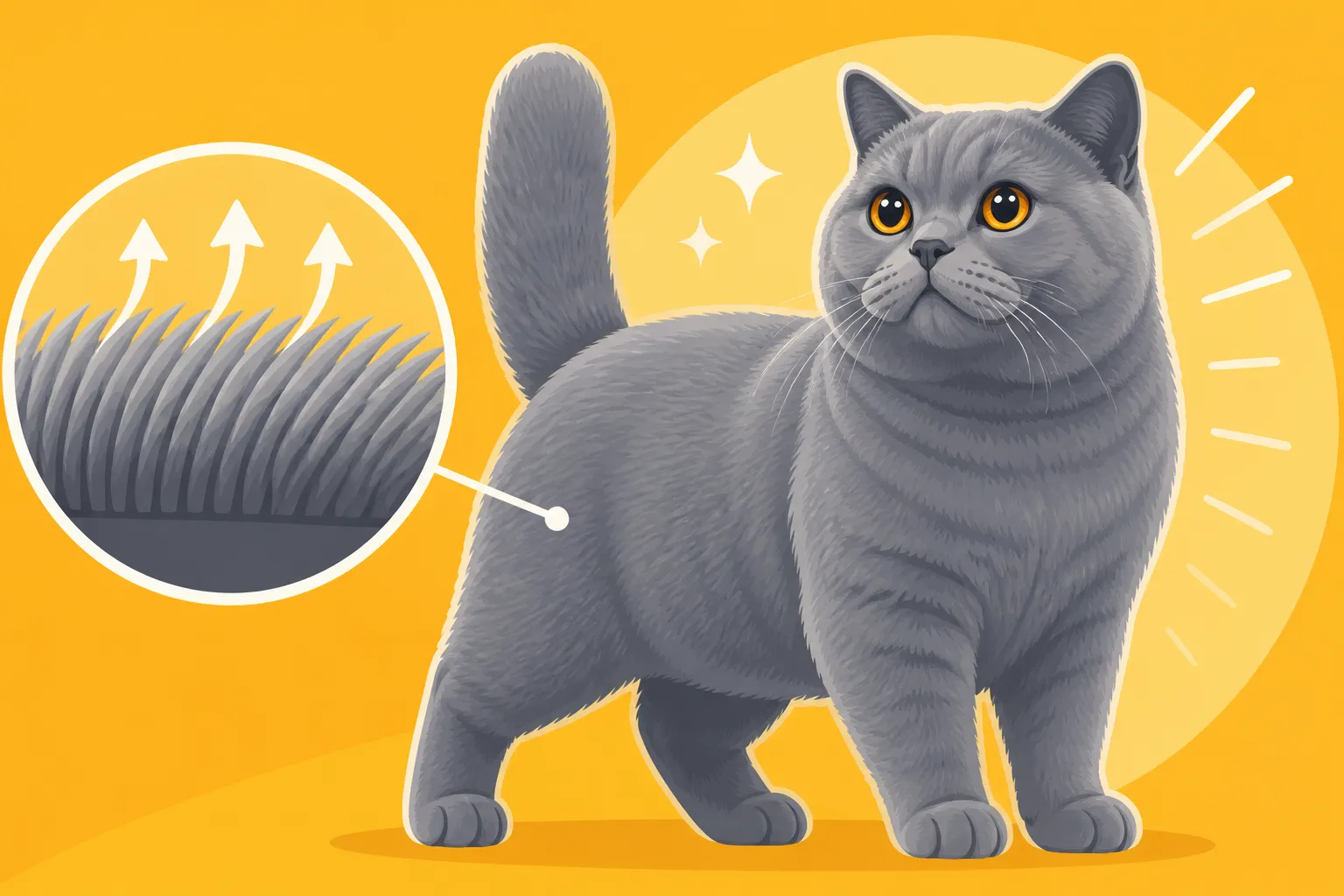
At its core, the British Shorthair possesses a double coat, which is a common trait among many cat breeds, especially those originating from cooler climates. This means they have two distinct layers of fur, each serving a crucial purpose. The first layer is the undercoat, which consists of fine, downy hairs that are incredibly dense and soft. These hairs grow close to the skin, providing exceptional insulation against both cold and heat, acting like a natural thermal regulator. This undercoat is what truly gives the British Shorthair its bulk and softness right at the base.
Above this insulating undercoat lies the second layer: the guard hairs. These are the outer hairs, typically coarser and longer than the undercoat. Their primary role is protection, shielding the delicate undercoat and skin from moisture, dirt, and minor abrasions. In many breeds, guard hairs lie flat, giving the coat a sleek appearance. However, in the British Shorthair, these guard hairs are relatively short and thick, designed to push outwards, almost at a 90-degree angle from the body, rather than lying down. It's this unique combination of dense undercoat and stiff, outwardly growing guard hairs that creates the distinctive "stand up" effect, giving the cat its iconic round, robust silhouette. It's a key part of What a British Shorthair's Coat Is Like.
The Importance of Guard Hairs and Undercoat
The guard hairs, while appearing shorter than in some longhaired breeds, are surprisingly robust and play a significant role in defining the British Shorthair's aesthetic. They are not merely there for show; they protect the underlying fur and skin, keeping your cat comfortable in various conditions. This protective layer ensures that water beads off and dirt doesn't easily penetrate, which is especially beneficial for an outdoor-oriented cat, though most British Shorthairs today live very comfortable indoor lives. The way these guard hairs are structured, combined with the extreme density of the undercoat, creates a barrier that helps regulate body temperature, keeping them warm in winter and surprisingly cool in summer by trapping air.
The undercoat, on the other hand, is the real powerhouse when it comes to volume. Imagine countless tiny, crimped, and incredibly soft hairs all packed together. This density is what literally props up the guard hairs and prevents them from collapsing flat against the body. Without such a robust undercoat, the guard hairs wouldn't have the foundation to stand up in that magnificent, plush way. It's this deep, luxurious undercoat that gives the breed its characteristic plush feel, often described as a "crisp" texture, which is a hallmark of the breed and differentiates it from other short-haired cats. You'll often hear breeders describe Why a British Shorthair's Coat Feels Crisp.
How This Structure Contributes to the "Stand Up" Effect
It’s truly a synergistic effect between the two layers. The incredibly dense undercoat creates a soft, voluminous cushion close to the body. On top of this, the individual guard hairs are designed to be relatively short, thick, and have a natural springiness. Instead of lying flat, their natural growth pattern is to project outwards. Think of it like a perfectly coiffed hairstyle: the layers underneath provide volume and lift, allowing the top layer to stand up and create shape.
When you pet a British Shorthair, especially one with a well-maintained coat, you'll feel this resistance. The fur doesn't just part and fall flat; it springs back into place almost immediately. This resilience is a direct result of the dense undercoat literally pushing against the guard hairs, forcing them to stand erect. It's this combination that creates the illusion of their rounded, substantial form, contributing to their beloved teddy bear appearance. This trait is exactly What a British Shorthair's Coat Stands Away From Its Body.
How Genetics and Environment Influence Coat Appearance
While the unique "stand up" quality of a British Shorthair's coat is primarily genetic, it's not entirely impervious to external influences. Both their inherited traits and the environment they live in play a significant role in how well that magnificent coat maintains its characteristic fluff and density. It’s a delicate balance, and understanding these factors can help you ensure your British Shorthair’s coat always looks its absolute best.
Genetic Predisposition for Density and Texture
The core reason for the British Shorthair's distinct coat lies deep within its genetic code. Breeders have meticulously selected for specific traits over generations to achieve that dense, plush, and wonderfully "standing" coat. This isn't an accident; it's the result of intentional breeding to enhance these characteristics. Genes dictate the length, thickness, and even the direction of growth for both the undercoat and the guard hairs. For instance, specific genetic markers are responsible for the incredibly tight packing of the undercoat, which is paramount for the guard hairs to stand out.
Furthermore, genetics also determine the texture of the individual hairs. A true British Shorthair coat has a certain resilience and crispness that prevents it from feeling limp or silky. This is a direct genetic inheritance. If a cat carries genes for a softer, less dense coat (perhaps from an outcross breed in its lineage many generations ago, or if it's a mix), it might not exhibit the same pronounced "stand up" quality, even with perfect care. This genetic blueprint is why British Shorthairs consistently produce offspring with this specific coat type, and breeders take great care to preserve these traits.
Environmental Factors: Temperature and Humidity
Just like our own hair can react differently in various climates, a British Shorthair's coat is influenced by its environment, particularly temperature and humidity. Cats from colder climates naturally evolve to have denser coats for insulation. While most British Shorthairs are now indoor pets, the ambient temperature of your home can still play a role. In a very warm, dry environment, the coat might thin out slightly or become less dense over time, as the cat's body doesn't need as much insulation. Conversely, a slightly cooler, stable indoor environment can help maintain a thick, healthy undercoat.
Humidity also has an effect. In very humid conditions, some coats can absorb moisture, potentially leading to a slight flattening or a less crisp feel. Conversely, extremely dry air, especially indoors with heating systems, can make the coat feel brittle or lead to static electricity, which can affect its appearance. While you shouldn't drastically alter your home's climate just for your cat's fur, being aware of these factors helps understand why the coat might look slightly different from season to season, or if you live in a particularly humid or dry region.
Diet and Overall Health's Role in Coat Quality
Perhaps one of the most significant external factors influencing coat quality is your British Shorthair's diet and overall health. A healthy coat is a direct reflection of a healthy body. If a cat isn't receiving adequate nutrition, its fur will be one of the first things to suffer, often appearing dull, brittle, or less dense. High-quality cat food, rich in essential fatty acids (like Omega-3 and Omega-6), proteins, and vitamins, is crucial for skin health and robust hair growth. These nutrients contribute to the strength and luster of each individual hair, making them more resilient and less prone to breakage.
A balanced diet ensures that the hair follicles have all the building blocks they need to produce strong, thick hairs that contribute to the “stand up” effect. Think of brands that focus on quality ingredients, whether fresh options or premium dry foods. If your cat is unwell, even with the best diet, their coat might lose some of its characteristic fluffiness. Illnesses, parasites, or even stress can lead to a dull, thinning, or poorly conditioned coat. Regular vet check-ups and a keen eye on your cat's overall well-being are just as important as grooming for maintaining that magnificent British Shorthair coat. Which Food Suits a British Shorthair can make a huge difference here.
Grooming Practices to Maintain the Ideal Coat
Maintaining that perfectly plush, "stand up" coat isn't just about genetics and good health; it's also about consistent and correct grooming. A British Shorthair's dense double coat requires a specific approach to keep it from matting, shedding excessively, and, most importantly, to ensure it retains its iconic volume and texture. Rushing through grooming or using the wrong tools can actually flatten the coat or damage the delicate undercoat, undoing all that natural genetic brilliance.
The Right Tools for the Job
When it comes to grooming a British Shorthair, the tools you choose are paramount. Forget slicker brushes; these can actually damage their unique coat. The crisp, dense nature of their fur means that a slicker brush can tear through the guard hairs and pull out the undercoat unnecessarily, leading to a thinner, flatter look over time. Instead, the hero of your grooming kit should be a good quality metal comb, specifically a greyhound comb or a wide-toothed comb with both fine and coarser teeth. The wider teeth are excellent for general detangling and getting through the top layer, while the finer teeth can gently work through the undercoat.
Beyond a comb, a deshedding tool like a FURminator (used sparingly and correctly) can be helpful during shedding seasons, but it's crucial not to overdo it, as these can also strip too much healthy undercoat. A soft bristle brush can be used for a final polish to distribute oils and add shine, but it won't be effective for deep deshedding or detangling. You can find a vast selection of these specialized tools on platforms like Amazon or Chewy, making it easy to equip yourself properly. Having the correct comb is essential, as discussed in Which Comb a British Shorthair Needs.
Combing Techniques to Enhance Coat Stand
The way you comb your British Shorthair is just as important as the tools you use. The goal isn't just to remove loose hair; it's also to lift and fluff the coat, encouraging it to stand out from the body. Start by gently working through the coat with the wider teeth of your comb, moving in the direction of hair growth. Pay special attention to areas where mats might form, such as behind the ears, under the armpits, and around the "bloomers" on their hind legs.
Once you've removed any tangles, you can switch to the finer teeth. For that signature "stand up" effect, comb against the grain of the fur, especially along the back and sides. This technique helps to lift the undercoat and encourage the guard hairs to spring outwards. After combing against the grain, gently smooth the coat back into place with your hand or a soft brush, and you'll immediately notice the enhanced volume and plushness. Regular, gentle combing, perhaps 2-3 times a week, is ideal. More frequent combing, especially during seasonal sheds, will help manage loose hair and prevent mats, which can flatten the coat. Understanding How Often a British Shorthair Needs Combing is key to coat health.
Avoiding Mistakes That Flatten the Coat
Many common grooming mistakes can inadvertently flatten your British Shorthair's beautiful coat. One of the biggest culprits is using the wrong brush, as mentioned earlier. Slicker brushes, while great for some breeds, are detrimental to the British Shorthair's unique texture. Why a Slicker Damages a British Shorthair's Coat is a crucial piece of knowledge for any owner. Another common error is over-bathing. British Shorthairs are generally clean cats and rarely need baths unless they've gotten into something particularly messy. Frequent bathing can strip natural oils from their coat, making it less resilient and potentially leading to a dull, flat appearance. If a bath is necessary, use a cat-specific shampoo and ensure thorough rinsing to prevent residue that can weigh down the fur.
Furthermore, neglecting regular grooming can lead to mats and tangles, which naturally pull the fur down and prevent it from standing up. When mats form, they compact the coat, making it difficult for air to circulate and for the individual hairs to maintain their upright position. Finally, simply not combing deeply enough can leave the undercoat compacted, hindering the overall fluffiness. Always ensure your comb reaches through the guard hairs to gently lift and aerate the dense undercoat, preserving that distinct, plush shape that makes your British Shorthair so endearing.
Common Misconceptions and What to Watch For
It's easy to admire your British Shorthair's coat and wonder if its "stand up" quality means anything more than just good looks. While it's primarily a breed characteristic, there are times when changes in coat appearance can signal something deeper, or when misconceptions can lead to unnecessary worry. Understanding the difference between a healthy, natural stand and something that might warrant attention is crucial for any British Shorthair owner.
Is it a Sign of Illness?
Generally speaking, a British Shorthair's coat standing up is a sign of a healthy, well-conditioned cat, cared for with appropriate nutrition and grooming. It reflects the breed's natural genetic disposition for a dense double coat. However, a sudden or unusual puffiness, where the fur seems to be "standing up" more dramatically and universally, especially if accompanied by other symptoms, could potentially be a subtle indicator of stress or illness. For example, a cat might "puff up" all its fur when feeling threatened, scared, or in pain, as a defensive mechanism to appear larger. This is usually a temporary reaction.
If you notice a sustained, extreme "puffiness" that differs from its usual healthy plushness, and your cat is also hiding, refusing food, lethargic, or showing any other signs of discomfort, it's always wise to consult your veterinarian. While the coat itself isn't usually a primary indicator of specific diseases, changes in its texture, density, or overall condition (such as dullness, greasiness, or excessive shedding) can certainly point to underlying health issues. A healthy, robust coat reflects internal well-being.
Distinguishing a Healthy Stand from a Puffed-Up Look
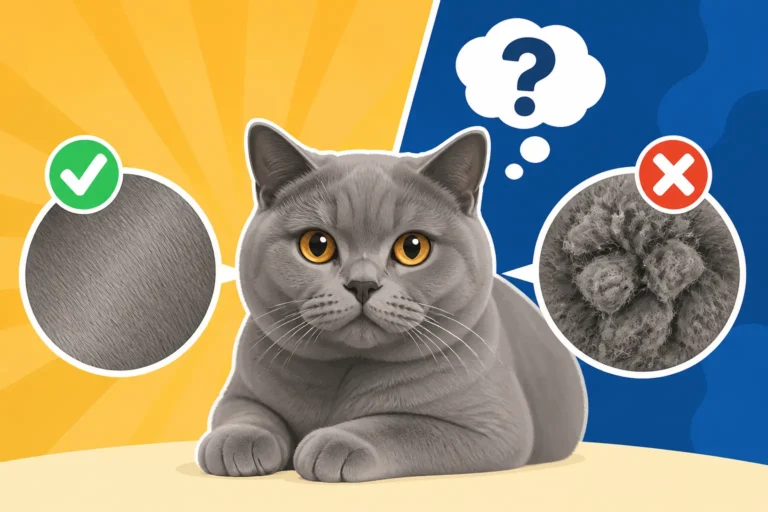
The key to understanding your British Shorthair's coat is observation and knowing what is normal for your cat. A healthy "stand up" coat is uniformly dense, plush, and resilient to the touch, springing back into place after being stroked. It has a beautiful, even texture across the body, contributing to their naturally rounded and substantial appearance. This is the charming, teddy-bear like quality that owners adore.
A "puffed-up" look, in contrast, might appear more agitated or spiky, often accompanied by an arched back, a bottle-brush tail, and dilated pupils if it's a fear response. It's a more dramatic, less natural-looking erection of the fur. In cases of mild discomfort or illness, the fur might lose its natural luster and density, appearing somewhat disheveled or less uniformly upright. It's not the healthy, deliberate stand of the coat, but rather a slight disarray that indicates a lack of well-being. Learning to read your cat's body language in conjunction with their coat appearance will help you differentiate between these two states.
When to Consult Your Vet About Coat Changes
While a healthy, standing coat is usually a good sign, persistent or sudden changes in your British Shorthair's fur should always prompt a visit to the vet. If you notice the coat suddenly becoming dull, greasy, matted, or if it loses its characteristic density and begins to lie flat when it normally stands up, these are red flags. Excessive shedding, beyond the normal seasonal "blowing of the coat," can also be a concern. How Much a British Shorthair Sheds can vary, but extreme changes are notable.
Other signs to watch for include flaky skin, redness, bald patches, or if your cat is grooming excessively (or not at all). These could indicate anything from parasites, allergies, fungal infections, hormonal imbalances, or even systemic diseases like kidney issues or hyperthyroidism, especially in older cats. Your veterinarian can perform a thorough examination, including skin scrapings or blood tests if needed, to determine the cause of the coat change and recommend appropriate treatment. Early detection of underlying health problems can prevent more serious complications and help restore your British Shorthair's coat to its magnificent, plush best.
| Coat Characteristic | Healthy "Stand Up" Coat | Potentially Concerning "Puffed Up" or Flat Coat |
|---|---|---|
| Density & Volume | Uniformly dense, plush, springs back when touched. | Uneven, sparse, feels limp or excessively stiff; sudden, dramatic universal puffiness. |
| Texture | Crisp, resilient, soft to the touch underneath. | Dull, brittle, greasy, or excessively dry. |
| Shedding | Moderate, seasonal shedding (heavier in spring/autumn). | Excessive, non-seasonal shedding; bald patches appearing. |
| Skin Appearance | Clean, healthy, no redness or flakes. | Redness, flaking, scabs, bumps, or sores visible. |
| Accompanying Behavior | Calm, content, active, good appetite. | Hiding, lethargy, loss of appetite, changes in litter box habits, aggressive posture (fear/pain). |
| Grooming Habits | Regular, self-grooming. | Over-grooming (causing bald spots) or complete cessation of grooming. |
Disclaimer
This article is for general informational purposes only and does not constitute professional advice. Laws, prices and regulations vary by location and change over time. Consult a qualified professional for guidance on your specific situation.