Which Treats Suit a British Shorthair
It's a common dilemma for British Shorthair owners: you want to spoil your beloved furry companion, offer them a little reward, or perhaps use treats for training, but you're constantly worried about their health, especially their waistline. These beautiful, placid cats are notorious for their love of food and their tendency to pack on the pounds, making every treat choice feel like a high-stakes decision. This guide is here to walk you through the world of British Shorthair treats, helping you select options that are not only delicious but also support their unique needs without sabotaging their health.
Understanding Your British Shorthair's Unique Dietary Needs
Let's face it, our British Shorthairs often look like fluffy teddy bears, and it's easy to want to indulge them. But underneath that dense, crisp coat lies a body that needs careful management, especially when it comes to diet. Understanding their inherent predispositions is the first step to choosing the right treats.
The British Shorthair's Predisposition to Weight Gain
Anyone who lives with a British Shorthair knows they aren't exactly athletes. They're typically calm, laid-back cats who prefer napping in a sunbeam or observing the world from a comfortable perch rather than zooming around the house. This low activity level, combined with their robust appetite, makes them incredibly prone to weight gain. It’s not just about aesthetics; Obesity Is the British Shorthair's Real Disease. An overweight British Shorthair can suffer from a host of health issues, including Diabetes in a British Shorthair and What Obesity Does to a British Shorthair's Joints. Their naturally cobby body shape can also mask weight gain, making it harder to spot until it's become quite significant. You might think they're just "big-boned" or "chunky," but often, that plush fur is hiding excess fat. This means every calorie counts, and treats, while small, can quickly add up.
How Treats Fit into a Balanced Diet
Treats, by definition, are extras – little bonuses that aren't meant to be a primary food source. For a British Shorthair, who already struggles with caloric intake, this means treats must be considered an integral part of their daily caloric budget, not something separate. If you're giving treats, you should ideally be slightly reducing their main meal portion to compensate. A general rule of thumb many veterinarians suggest is that treats should make up no more than 10% of your cat's daily caloric intake. This might sound restrictive, but when you consider how many calories are in some popular cat treats, that 10% limit can be reached alarmingly quickly. It's not about denying them joy, but about integrating those joyous moments into a mindful feeding plan. Otherwise, you'll find yourself needing to learn How to Put a British Shorthair on a Diet sooner than you'd like.
Reading Treat Labels: What to Look For and Avoid
Navigating the treat aisle can be overwhelming with all the fancy packaging and marketing claims. For your British Shorthair, becoming a label detective is crucial.
What to Look For:
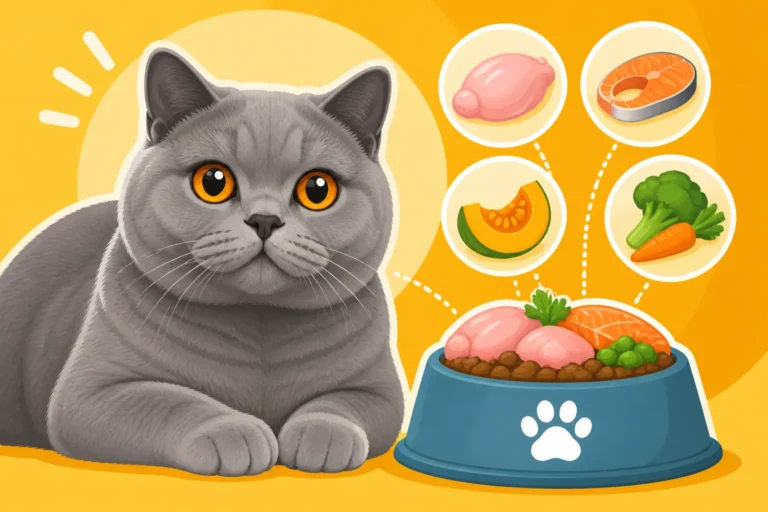
- High Protein, Low Carb: Cats are obligate carnivores, meaning their bodies are designed to process meat. Look for treats with meat (chicken, fish, turkey, beef) as the first and main ingredient. High protein helps them feel satisfied and supports muscle mass.
- Single Ingredient: The simpler, the better. Freeze-dried chicken, salmon, or liver are fantastic examples. You know exactly what your cat is eating. Brands available through retailers like Chewy often offer a good selection of these.
- Low Calorie: This is paramount for British Shorthairs. Look for calorie counts per treat. Some brands explicitly market "light" or "low-calorie" options.
- Natural Preservatives: Look for natural preservatives like mixed tocopherols (Vitamin E) rather than artificial ones.
What to Avoid:
- Excessive Fillers: Grains (corn, wheat, soy), artificial colors, and flavors offer little to no nutritional value and can contribute to weight gain or even allergies.
- By-products (unless specified): While not all by-products are bad, generic "meat by-products" can be vague and may include less digestible parts. If it specifies something like "chicken liver," that's different.
- Sugar/Sweeteners: Cats don't taste sweet, so sugar adds empty calories with no benefit.
- High Sodium: Just like humans, cats can be sensitive to excessive sodium.
Knowing how to read these labels will empower you to make informed decisions that benefit your cat's health in the long run.
Types of Treats That Delight and Benefit Your British Shorthair
Now that we know what to look for, let's explore some specific types of treats that can be a great fit for your British Shorthair, combining enjoyment with health benefits.
Healthy, Low-Calorie Options
These are often your best bet for a British Shorthair. They satisfy their craving for something tasty without adding a huge caloric burden.
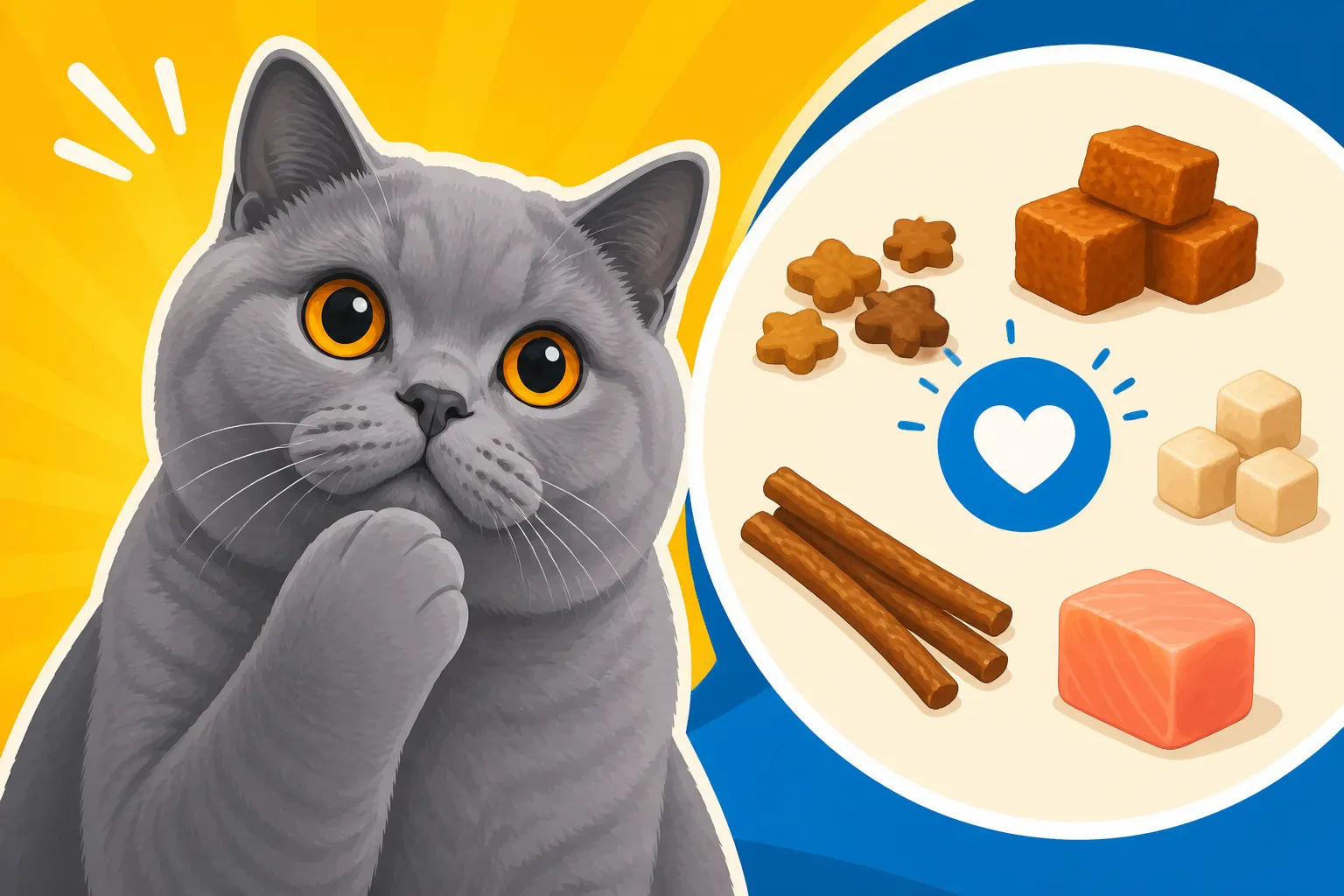
- Freeze-Dried Meats: These are often the gold standard. They're typically 100% pure meat, like chicken, salmon, or liver, with all the moisture removed. They're packed with protein and highly palatable. Many cats go absolutely wild for them. You can find excellent varieties from reputable brands on Amazon and Chewy. Just check the ingredient list to ensure it's truly a single ingredient with no added fillers or preservatives.
- Small Pieces of Cooked, Plain Meat: A tiny cube of cooked chicken breast, turkey, or fish (unseasoned, no skin or bones) can be an incredibly healthy and appreciated treat. Always ensure it's cooked thoroughly and cooled. This is an easy way to give them something fresh and natural.
- Green Bean Snippets (for the adventurous!): Believe it or not, some cats enjoy a tiny piece of steamed green bean. It's extremely low in calories and can add a bit of fiber. It won't be every British Shorthair's cup of tea, but it's worth a try if you're looking for ultra-low-cal options.
Remember, even with low-calorie options, moderation is key. A few small pieces are plenty!
Dental Treats for Oral Health
Dental health is often overlooked, but it's incredibly important for cats, especially as they age. Gingivitis in a British Shorthair can be a serious issue, leading to pain and other health problems. Dental treats are designed to help scrape plaque off teeth as your cat chews, or they contain ingredients that help reduce plaque and tartar buildup.
- How They Work: Some dental treats have a slightly abrasive texture or a unique shape that helps clean teeth mechanically. Others contain enzymes or additives that work to break down plaque biochemically.
- Benefits and Limitations: They can be a helpful addition to a dental hygiene routine, but they are not a substitute for regular professional dental cleanings or daily tooth brushing. Think of them as a daily supplement for their oral health. Always choose a brand that has been clinically proven to reduce plaque and tartar, and again, check the calorie count! There are several well-regarded dental treat brands available through pet supply stores and online retailers like Chewy.
- Palatability: The good news is that many British Shorthairs seem to enjoy dental treats, perhaps because of their texture or added flavors. This makes it easier to incorporate them into their routine.
Interactive and Puzzle Feeder Treats
British Shorthairs aren't the most active cats, but enriching their environment and encouraging mental stimulation is vital. This is where interactive toys and puzzle feeders come in, especially when paired with treats.
- Engaging Their Minds: Instead of simply placing treats in a bowl, put them inside a puzzle feeder. Your British Shorthair will have to work a little to get their reward, engaging their natural hunting instincts and providing some much-needed mental exercise. This can be particularly useful for a cat that Will Not Exercise Itself.
- Slowing Down Eating: For a cat that tends to gobble treats quickly, a puzzle feeder can slow down consumption, making the experience last longer and reducing the immediate calorie rush.
- Types of Puzzle Feeders: There are many options, from simple balls with holes to more complex mazes. Start with something easy and gradually increase the difficulty. You can even make DIY puzzle feeders with toilet paper rolls or egg cartons.
- Treat Choices for Puzzle Feeders: Small, dry treats work best for most puzzle feeders. Freeze-dried options or small, crunchy dental treats are ideal. Just remember to account for those calories!
Common Treat Pitfalls and How to Avoid Them
Giving treats is supposed to be a bonding experience, but it's easy to fall into traps that can inadvertently harm your British Shorthair. Being aware of these common pitfalls will help you maintain their health and happiness.
Overfeeding and Calorie Overload: The Silent Danger
This is, without a doubt, the biggest issue when it comes to treats for British Shorthairs. Because they are so prone to weight gain, even a few extra treats a day can quickly push them past their daily caloric needs. A single treat, though small to us, can be equivalent to a human eating a cookie or even a small meal. If you're giving several throughout the day, perhaps for good behavior, as a "hello," or just because they look cute, those calories accumulate rapidly. This contributes significantly to Why a British Shorthair Gains Weight So Easily.
- The "Just One More" Trap: It's hard to resist those pleading eyes, but consistency is crucial. Decide on a daily treat allowance and stick to it.
- Multiple Treat Givers: If multiple people in the household are giving treats, it's easy for the cat to receive far too many. Establish a clear "treat budget" for the day and communicate it to everyone.
- Ignoring Calorie Counts: Many owners don't realize how calorie-dense some treats can be. Always check the packaging.
- Rewarding Begging: While it's tough, avoid giving treats when your cat begs. This only reinforces the behavior. Instead, reward them for calm, quiet behavior or for performing a desired action.
Unsuitable Human Foods: What's Off-Limits
It's tempting to share a bite of your own meal with your British Shorthair, but many human foods are unsuitable, and some are downright toxic.
- Toxic Foods to Avoid:
- Chocolate: Contains theobromine, which is toxic to cats.
- Onions, Garlic, Chives: These can cause red blood cell damage.
- Grapes and Raisins: Can cause kidney failure.
- Avocado: Contains persin, which can be toxic.
- Alcohol: Extremely dangerous, even in small amounts.
- Xylitol: An artificial sweetener found in many sugar-free products (gum, candies, peanut butter) that is highly toxic to pets.
- Raw Dough: Yeast can expand in the stomach and produce alcohol.
- Caffeine: Can cause heart issues.
- Harmful but Not Toxic:
- High-Fat Foods: Greasy meats, butter, cheese can lead to pancreatitis or severe digestive upset.
- Dairy: Most cats are lactose intolerant and dairy can cause digestive issues.
- Cooked Bones: Can splinter and cause internal damage.
- Processed Meats: High in sodium and unhealthy fats.
- Excessive Tuna (canned for humans): Can lead to mercury poisoning if given too frequently, and it lacks complete nutrition.
Stick to cat-specific treats and foods. If you want to give a "human" treat, make sure it's a tiny, unseasoned piece of cooked meat or a suitable vegetable, as mentioned earlier. When in doubt, don't give it!
Ingredient Concerns: Artificial Additives, Fillers, and Allergens
Just like with their main food, the ingredients in treats matter. Some cats, including British Shorthairs, can develop sensitivities or allergies to certain ingredients.
- Artificial Colors, Flavors, and Preservatives: These offer no nutritional value and can sometimes trigger adverse reactions in sensitive cats. Always opt for natural ingredients.
- Common Allergens: While less common than in dogs, cats can have food allergies. The most common allergens are beef, dairy, and fish, followed by chicken and wheat. If your British Shorthair shows signs of itching, digestive upset, or skin issues, their diet (including treats) should be reviewed. Skin Allergies in a British Shorthair can be frustrating to diagnose and manage, so choosing simple, wholesome treats from the outset can help.
- "Novel" Proteins: If your cat has sensitivities, single-ingredient treats made from less common proteins like duck or rabbit can be good alternatives, often found on specialty sites or through vendors on Chewy or Amazon.
- Checking for Recalls: While rare, food recalls do happen. Stay informed about any recalls for the brands of treats you use.
Making Treat Time a Positive Experience
Treats aren't just about food; they're about strengthening the bond with your British Shorthair and enriching their lives. Approaching treat time thoughtfully ensures it remains a positive and healthy experience for both of you.
Using Treats for Training and Bonding
British Shorthairs might be calm, but they are intelligent and can be trained, especially when food is involved! Treats are powerful motivators.
- Positive Reinforcement: Use treats to reward desired behaviors, like coming when called, using their scratching post, or tolerating grooming. A tiny, high-value treat given immediately after the desired action will reinforce it powerfully. This can even help with things like How to Pick Up a British Shorthair Without a Fight.
- Building Trust: Offering a treat when your cat is relaxed and calm can build a stronger bond. Gentle praise and petting alongside the treat make the experience even more rewarding.
- Reducing Stress: Treats can be used to create positive associations with potentially stressful situations, such as getting into a carrier for a vet visit. A few favorite treats inside the carrier can make it seem less intimidating.
- Variety is the Spice of Life: While it’s good to have go-to treats, sometimes introducing a new flavor or texture can re-ignite their interest and keep them engaged during training sessions.
Monitoring Your British Shorthair's Response
Every British Shorthair is an individual. What one loves, another might turn their nose up at. Pay close attention to how your cat reacts to different treats.
- Taste Preferences: Some British Shorthairs are incredibly picky, while others are enthusiastic eaters. Experiment with different flavors and textures to find what truly excites them. Just because one cat loves a crunchy kibble-like treat doesn't mean yours will. Some might prefer soft, chewy options, while others are all about the freeze-dried goodness.
- Digestive Reactions: Observe if any particular treat causes an upset stomach, diarrhea, or vomiting. If a treat consistently causes digestive issues, it’s best to discontinue it, even if your cat loves it.
- Weight Management: Regularly check your British Shorthair's body condition. How to Feel a British Shorthair's Ribs Through the Plush is an important skill. If you notice weight creeping up, it's time to reassess their overall food intake, including treats.
When to Consult Your Vet About Treats
While this guide provides general advice, your veterinarian is your best resource for personalized recommendations.
- Health Conditions: If your British Shorthair has an underlying health condition like Diabetes in a British Shorthair, Polycystic Kidney Disease Came Into the British Shorthair With the Persians, or allergies, your vet can recommend specific treats that are safe and appropriate. They might suggest certain therapeutic treats or advise against others entirely.
- Weight Concerns: If your cat is significantly overweight or underweight, your vet can help you create a comprehensive diet plan that includes appropriate treat choices and portion control.
- Unusual Reactions: If your British Shorthair has a severe allergic reaction, persistent digestive upset, or any other concerning symptoms after eating a treat, contact your vet immediately.
- Dietary Changes: Whenever you're making significant changes to your cat's diet, including introducing new types of treats regularly, it's a good idea to chat with your vet.
Here's a quick comparison of popular treat types for your British Shorthair:
| Treat Type | Benefits | Considerations | Best For | Brands (Examples of type) |
|---|---|---|---|---|
| Freeze-Dried Meats | High protein, single ingredient, palatable | Can be higher calorie if not portioned, dusty | Picky eaters, training, low-carb diets | "Purebites" (available on Chewy, Amazon) |
| Crunchy Dental Treats | Helps reduce plaque/tartar, satisfying chew | Calorie count varies, some cats dislike texture | Oral health support, occasional reward | "Greenies" (widely available), "Purina DentaLife" |
| Soft & Chewy Treats | Easy to eat, good for older cats, versatile | Often higher in carbs/fillers, check ingredients | Older cats, medication hiding, general reward | Many brands offer these, check labels carefully |
| Plain Cooked Meats/Fish | Natural, high protein, no additives | Must be unseasoned, no bones/skin, cooked well | Healthy, low-calorie reward, very natural | Homemade (chicken, turkey, salmon) |
| Puzzle Feeder Treats | Mental stimulation, slows eating, engaging | Requires specific treat size, not all cats use | Enrichment, slow feeding, boredom busting | Any small, dry treat |
Choosing the right treats for your British Shorthair doesn't have to be a minefield. By understanding their propensity for weight gain, reading labels diligently, opting for healthy and enriching choices, and avoiding common pitfalls, you can ensure that treat time remains a joyful, healthy part of your cat's life. Remember, a happy British Shorthair is a healthy British Shorthair, and that often means a lean British Shorthair.
Disclaimer
This article is for general informational purposes only and does not constitute professional advice. Laws, prices and regulations vary by location and change over time. Consult a qualified professional for guidance on your specific situation.