Why a British Shorthair’s Coat Is Called Crisp
One of the most defining characteristics of a British Shorthair, beyond their famously round faces and captivating eyes, is their incredibly unique coat. Many new owners, or even those just admiring the breed, often hear the term "crisp" used to describe their fur and wonder what on earth that truly means. This guide will dive deep into the fascinating texture of the British Shorthair's coat, explaining why it's described as crisp, what contributes to this feel, and how to best care for it to maintain its distinct quality.
Understanding the Unique Texture of the British Shorthair Coat
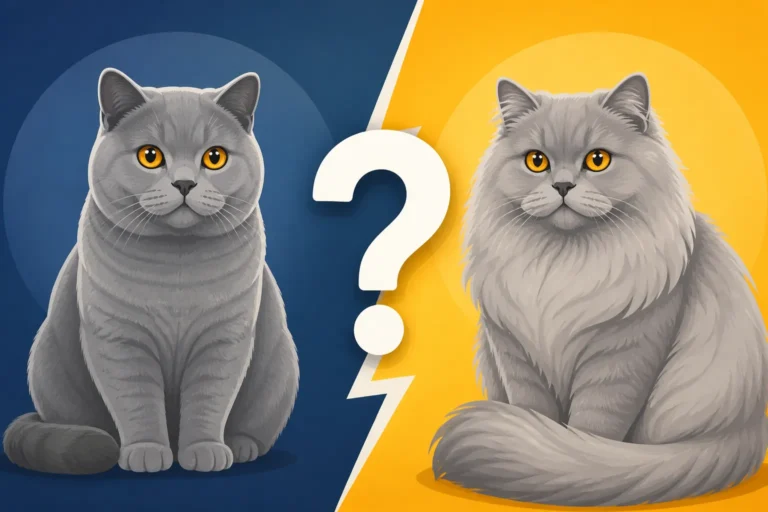
When you run your hand over a British Shorthair's coat, you'll immediately notice it's not like the silky, flowing fur of a Persian or the sleek, short pelt of a Siamese. Instead, it has a definite, almost springy resistance. This isn't just a random characteristic; it's a hallmark of the breed, carefully cultivated over generations.
What 'Crisp' Really Means in the Context of Feline Coats
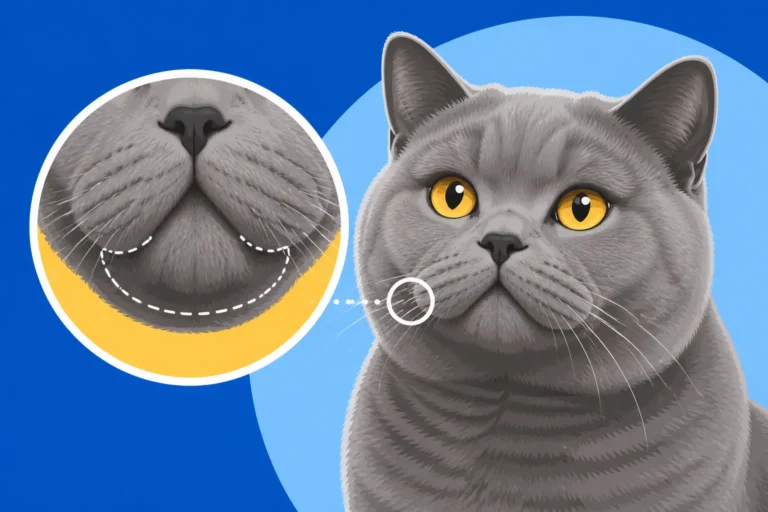
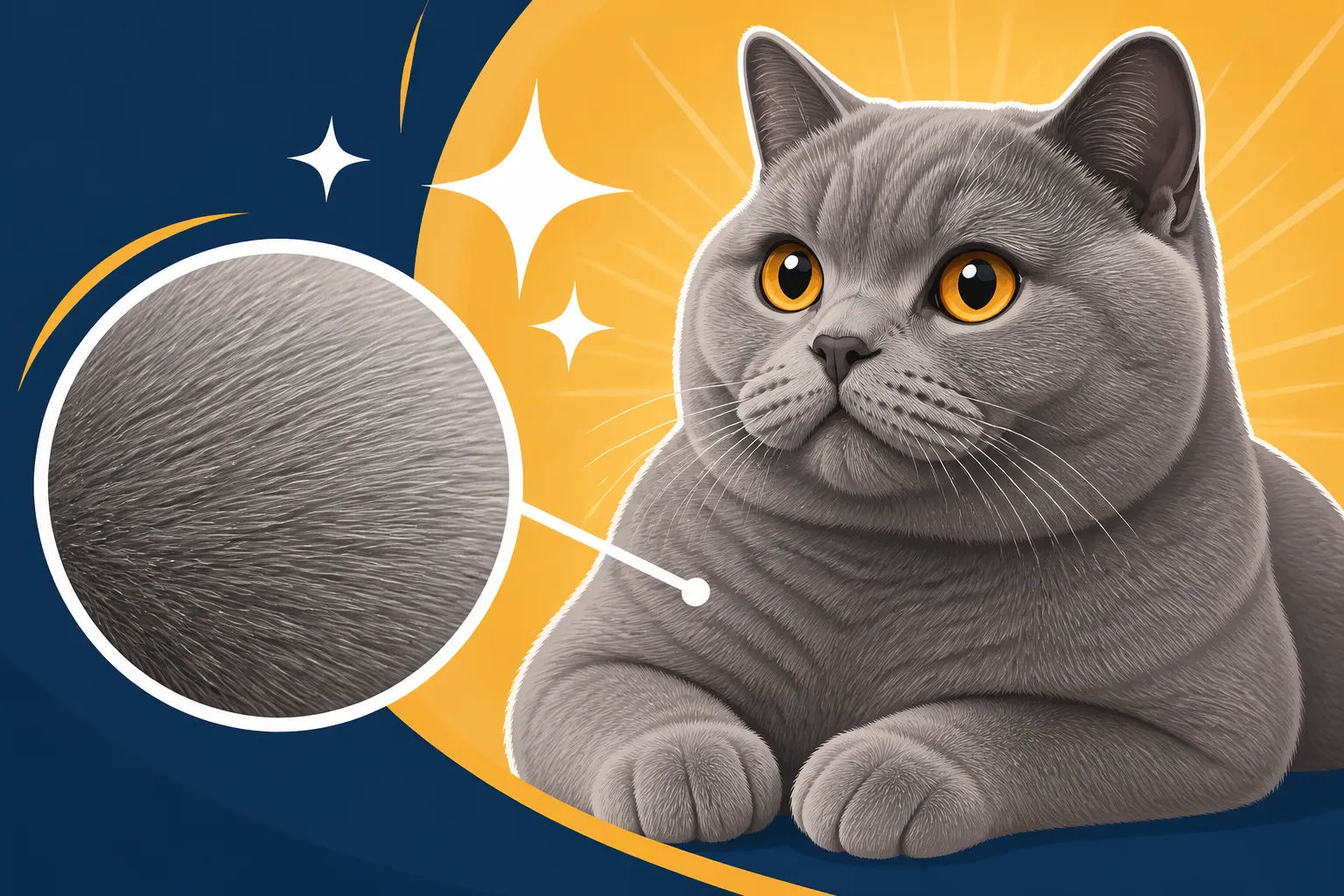
So, when we say a British Shorthair's coat is "crisp," what are we actually referring to? It’s not about sound, like a crisp potato chip, but rather about the tactile sensation. Imagine the feel of a freshly starched shirt, or perhaps a dense, plush velvet that stands up on its own. It's a coat that has body, resilience, and a slight firmness. It's thick, dense, and feels almost like a well-packed carpet, but with an underlying softness closer to the skin.
This "crispness" translates to a coat that tends to stand away from the body, rather than lying flat. You can gently push the fur against the grain, and it will spring back into place. This isn't a sign of dryness or damage; it's the healthy, desired texture of the breed. It indicates a strong, well-developed undercoat supporting the slightly coarser guard hairs on top, creating that distinctive, plush feel. Without this crispness, the coat might appear limp, flat, or less full, which isn't ideal for the breed's aesthetic or health. It's truly a marvel of natural selection and careful breeding.
The Anatomy of a British Shorthair's Fur
To truly appreciate the crispness, we need to understand the individual components that make up this magnificent coat. A British Shorthair boasts a double coat, which is key to its distinctive texture.
Firstly, there are the guard hairs. These are the longer, outermost hairs that give the coat its visible color and shine. They are slightly coarser and stronger than the undercoat, acting as a protective layer. These hairs are robust, contributing to the "stand-away" quality of the coat.
Secondly, and perhaps most importantly for the crisp feel, is the undercoat. This layer is incredibly dense, fine, and soft, lying close to the cat's skin. It acts as insulation, keeping the cat warm in cooler climates and providing that plush volume. It's this abundance of soft, wavy undercoat hairs, densely packed together, that pushes the guard hairs outwards, creating the loft and resilience that defines the crisp texture. How Dense a British Shorthair's Coat Is is truly remarkable.
The combination of these two layers, with the dense undercoat literally propping up the guard hairs, is what gives the British Shorthair its iconic teddy bear-like appearance and its unique, satisfyingly crisp touch. It's a testament to the breed's origins, where such a coat would have provided excellent protection against the elements. Why a British Shorthair's Dense Coat Suited the Climate of its native land.
Factors Contributing to the Crispness
The distinct crispness of a British Shorthair's coat isn't just a happy accident; it's a result of specific genetic predispositions and the natural development of their fur. Understanding these factors can help owners appreciate and maintain this signature trait.
The Role of the Double Coat and Undercoat Density
We've touched on the double coat, but let's delve a bit deeper into why it's so fundamental to the crisp texture. The British Shorthair's undercoat isn't just present; it's incredibly abundant and tightly packed. Think of it like a miniature forest of soft, insulating fibers. Each individual undercoat hair is fine, but there are so many of them that they create a significant volume. This dense cushion of undercoat is what physically pushes the coarser outer guard hairs away from the body, preventing the coat from lying flat.
When you feel that distinct "crispness," you're actually feeling the collective resistance of hundreds of thousands of these tiny undercoat hairs, supported by the slightly stiffer guard hairs. This structural integrity means the coat doesn't easily part or flatten when stroked; instead, it offers that characteristic spring-back. It’s a remarkable adaptation that provides warmth and protection, and it's something truly special about the breed. Without this exceptional density, the coat would simply lack the body and resilience that defines its texture.
How Genetics and Breed Standard Influence Coat Texture
The crispness of the British Shorthair coat is hardwired into their DNA. It’s a genetic trait that has been selectively bred for over centuries to meet the breed standard. Reputable breeders meticulously choose breeding pairs whose coats exhibit this desired density and texture, ensuring the trait is passed down through generations.
The breed standard for the British Shorthair, set by various cat associations, explicitly calls for a "short, very dense, well-furnished, firm, crisp, resilient coat." This isn't just flowery language; it sets a clear expectation for judges and breeders. Any deviation, such as a soft, woolly, or excessively long coat, would be considered a fault. So, when you acquire a purebred British Shorthair from a reputable source, you're getting a cat whose genetic lineage has been carefully guided to produce that hallmark crispness. It’s a testament to the dedication of breeders who strive to maintain the unique characteristics that make the British Shorthair so beloved. This genetic blueprint is what differentiates their coat from other short-haired breeds, making it instantly recognizable by touch.
Maintaining the Coat's Crisp Quality
That beautiful, crisp British Shorthair coat isn't entirely maintenance-free. While their grooming needs are relatively low compared to long-haired breeds, proper care is essential to preserve that signature texture and keep your cat healthy and comfortable.
Grooming Practices to Preserve Coat Integrity
Maintaining the crisp quality of your British Shorthair's coat primarily revolves around regular, but not excessive, grooming. The goal isn't to strip the coat of its natural oils or damage its structure, but rather to remove loose fur and prevent matting, especially during shedding seasons.
- Combing over Brushing: Forget the typical soft brushes you might use on other cats. For a British Shorthair, a good quality metal comb with both wide and narrow teeth is your best friend. Why a Comb Beats a Brush on a British Shorthair is because it can effectively reach through that dense undercoat without damaging the guard hairs. Brushing with a slicker brush, for instance, can actually pull out the undercoat prematurely or even break the guard hairs, leading to a thinner, less crisp coat over time. Aim for a thorough combing session once or twice a week, increasing frequency when they are The Two Weeks a British Shorthair Drops Its Undercoat.
- Focus on the Undercoat: When combing, gently work through sections of their coat, paying particular attention to areas where the fur might tangle or shed heavily, such as around the flanks, behind the ears, and on the ruff. The aim is to remove dead undercoat hairs that, if left in place, can clump and eventually lead to mats, which will flatten the coat's crispness.
- Minimal Bathing: British Shorthairs are generally very clean cats and don't require frequent bathing. Over-bathing can strip their skin and coat of essential oils, leading to dryness and potentially affecting the coat's texture. Only bathe your British Shorthair if they are genuinely dirty or have something sticky in their fur. When you do, use a cat-specific shampoo and rinse thoroughly to avoid residue.
Proper grooming helps the coat breathe, stimulates blood flow to the skin, and ensures that the natural oils are distributed, all of which contribute to a healthy, vibrant, and crisp coat. How Often a British Shorthair Needs Combing depends largely on the individual cat and the time of year.
Nutritional Impact on Coat Health
Just like with us humans, what a British Shorthair eats plays a huge role in the health and appearance of their skin and coat. A poor diet can lead to a dull, dry, or even greasy coat, compromising that desired crisp texture.
- High-Quality Protein: Cats are obligate carnivores, meaning they need a diet rich in animal protein. Good quality protein provides the essential amino acids necessary for strong hair growth. Look for cat foods where a named meat source (chicken, salmon, turkey, etc.) is the first ingredient. Brands like Chewy often offer a wide selection of premium cat foods, making it easier to find one that suits your British Shorthair's needs.
- Essential Fatty Acids: Omega-3 and Omega-6 fatty acids are crucial for skin and coat health. These fats help keep the skin hydrated and the fur glossy and resilient. Many high-quality cat foods include these, often from sources like fish oil or flaxseed. If your cat's coat seems dull or dry despite good protein intake, a veterinarian might recommend a supplement, but always consult them first.
- Vitamins and Minerals: A balanced diet with adequate vitamins (especially B vitamins) and minerals (like zinc and copper) supports healthy cellular function, including those responsible for hair growth. A complete and balanced cat food should provide all these necessary nutrients. Which Food Suits a British Shorthair is often a process of trial and error to find what your individual cat thrives on.
- Hydration: Don't underestimate the power of water! Adequate hydration is vital for overall health, including skin and coat condition. Ensure your British Shorthair always has access to fresh, clean water. Some cats prefer running water from a fountain, while others might benefit from more wet food in their diet. Whether a British Shorthair Needs Wet Food can be a contentious topic, but it certainly contributes to hydration.
A well-nourished British Shorthair will naturally have a healthier, more vibrant coat that maintains its crispness and shine. If your cat is a picky eater, Feeding a British Shorthair That Will Eat Whatever You Put Down might be easier said than done, but persistence in finding the right high-quality food is worth it for their long-term health and coat quality.
Common Misconceptions and Troubleshooting Coat Issues
Even with the best intentions and care, you might occasionally find yourself wondering if your British Shorthair's coat is truly "crisp" or if something is amiss. It's important to differentiate between a healthy, characteristic texture and signs of an underlying problem.
Distinguishing Healthy Crispness from Dry or Damaged Coats
The term "crisp" can sometimes be misleading, conjuring images of something brittle or dry. However, a healthy British Shorthair coat is anything but dry or brittle.
- Healthy Crispness: A healthy crisp coat feels dense, springy, and full to the touch. It has a visible loft, meaning it stands away from the body, giving the cat a plush, rounded silhouette. The individual hairs, especially the guard hairs, might feel slightly firm, but the overall sensation is one of resilience and body, not stiffness or dryness. When you comb it, the comb should move through relatively smoothly, even with the density, and the fur should spring back. The skin beneath should look healthy, not flaky or red.
- Dry or Damaged Coat: A truly dry or damaged coat will feel rough, possibly brittle, and might lack shine. The individual hairs might break easily, and the coat might appear dull or sparse. You might notice excessive shedding beyond the normal seasonal "blowing" of the coat (How Much a British Shorthair Sheds). The skin underneath could be flaky, itchy, or show signs of irritation. Instead of springing back, a damaged coat might lie flat or feel limp. This is often a sign of nutritional deficiencies, skin conditions, or improper grooming. If you notice these signs, it's definitely time to investigate further.
| Feature | Healthy Crisp Coat | Dry/Damaged Coat |
|---|---|---|
| Feel | Dense, springy, resilient, plush | Rough, brittle, sparse, limp |
| Appearance | Full, stands away from body, shiny, rounded silhouette | Dull, flat, broken hairs, flaky |
| Skin beneath | Healthy, clear, no flakes | Flaky, red, irritated, itchy |
| Shedding | Seasonal increase, manageable | Excessive, year-round, unmanageable |
| Return to Shape | Springs back easily after stroking | Lies flat, doesn't spring back |
When to Consult a Vet or Professional Groomer
While proper home care goes a long way, there are times when professional help is needed to address coat issues.
- Persistent Skin Issues: If your British Shorthair is constantly scratching, has red patches, scabs, or flaky skin, or if the coat appears greasy or excessively dry despite good nutrition and grooming, it’s crucial to see your veterinarian. These could be signs of allergies, parasites, fungal infections, or underlying health problems like Hyperthyroidism in an Older British Shorthair or Skin Allergies in a British Shorthair. A vet can diagnose the cause and recommend appropriate treatment.
- Excessive Matting: While British Shorthairs aren't prone to severe matting like some long-haired breeds, a very dense coat can still develop tangles if not regularly combed, especially during heavy shedding. If you encounter mats that are too large or tight to safely remove with a comb, a professional groomer can often shave or carefully cut them out without stressing your cat or injuring their skin. Attempting to cut out large mats yourself can be dangerous.
- Unusual Coat Changes: Any sudden or significant change in your British Shorthair's coat texture, density, or overall health warrants a vet visit. This could include sudden patchiness, areas of hair loss, or a coat that was once crisp becoming noticeably soft or greasy. These changes can often be early indicators of health problems.
- Grooming Challenges: If your cat is particularly resistant to grooming, making it difficult to maintain their coat, a professional groomer can offer advice on techniques or even provide regular grooming services. They have the tools and experience to handle even the most reluctant feline clients gently and effectively. You can often find reputable groomers through local pet supply stores or online platforms like Amazon.
Don't hesitate to seek professional advice if you're concerned about your British Shorthair's coat or skin health. Early intervention can prevent minor issues from becoming more serious problems, ensuring your beloved feline remains comfortable and sporting their characteristic magnificent crisp coat.
Disclaimer
This article is for general informational purposes only and does not constitute professional advice. Laws, prices and regulations vary by location and change over time. Consult a qualified professional for guidance on your specific situation.