Which Litter Suits a British Shorthair
Choosing the right cat litter for your beloved British Shorthair can feel like a surprisingly daunting task, can't it? It's not just about what smells good to us or what's on sale at the pet store. Our British Shorthairs, with their unique physique and often subtle sensitivities, deserve a litter that caters to their specific needs. This guide will walk you through everything you need to know to select a litter that keeps your British Shorthair happy, healthy, and your home smelling fresh.
Understanding Your British Shorthair's Unique Litter Box Needs
Our British Shorthairs are magnificent creatures, aren't they? That stocky build, plush coat, and often serene demeanor make them incredibly endearing. But these very characteristics mean they have some particular considerations when it comes to their bathroom habits. It's not just a matter of tossing any old litter into a box; their comfort and health are truly at stake.
The British Shorthair's Physical Build and Its Impact on Litter Choices
Let's be honest, British Shorthairs are not dainty little sprinters. They are sturdy, cobby, and can grow quite large, with males often reaching a substantial weight. This robust physique plays a significant role in their litter box experience. For starters, a heavier cat needs a stable surface underfoot. If the litter is too fine, too slippery, or too shallow, they might feel unstable, which can lead to reluctance to use the box or even accidents outside of it. Imagine trying to balance on shifting sand every time you need to use the restroom; it's not comfortable!
Beyond their weight, their broad, round bodies mean they take up more space. While this guide focuses on litter itself, it's worth a quick mention that this also impacts the Which Litter Box Size Fits a British Shorthair and whether a Why a Heavy British Shorthair Needs a Low Sided Box is appropriate. The litter itself needs to accommodate their wider stance. If the particles are too large or abrasive, it can be uncomfortable for their paw pads as they maneuver, particularly if they have sensitive paws. Their thick, dense coats, while beautiful, also mean they can track litter more easily, especially if the particles are fine and cling to their fur, or if the litter is too lightweight. Nobody wants to find litter bits all over the house, and your British Shorthair certainly doesn't want them clinging to their lovely britches.
Sensitivity and Preference: Why Some Litters Just Won't Do
British Shorthairs are often described as placid and easy-going, but don't let that fool you into thinking they don't have preferences. They are creatures of habit and comfort, and an unsuitable litter can genuinely upset their routine. They can be quite sensitive to smells, both of the litter itself and of their waste, especially as they often aren't the most fastidious groomers when it comes to their rear if they are a little on the heavier side. Strong perfumes in litters, while designed to mask odors for humans, can be incredibly off-putting for a cat whose sense of smell is far more acute than ours. It's like us trying to use a public restroom drenched in an overpowering air freshener – it's just unpleasant.
Texture is another huge factor. Some British Shorthairs might prefer a softer, finer grain that feels gentle on their paws, while others might tolerate a coarser texture. If a litter feels uncomfortable or sharp, they might associate the discomfort with the box itself, leading to avoidance. We've all heard stories of cats refusing to use a perfectly clean litter box simply because the litter type changed, and British Shorthairs are no exception. Their overall health, including respiratory well-being, is also a consideration. A dusty litter can be a real problem, potentially irritating their airways and causing discomfort. You might not see them coughing or sneezing immediately, but cumulative exposure can lead to issues over time. This is especially true for a breed that tends to be quite sedentary; they spend more time in their box if they aren't zooming around the house.
Exploring Different Types of Cat Litter for British Shorthairs
Okay, so we know our British Shorthairs have specific needs. Now, what are the actual options out there when we head to the pet store or browse online at places like Chewy? The world of cat litter has expanded far beyond just clay, and each type brings its own set of pros and cons that we need to weigh carefully for our chunky companions.
Clay Litter: The Tried and True Option
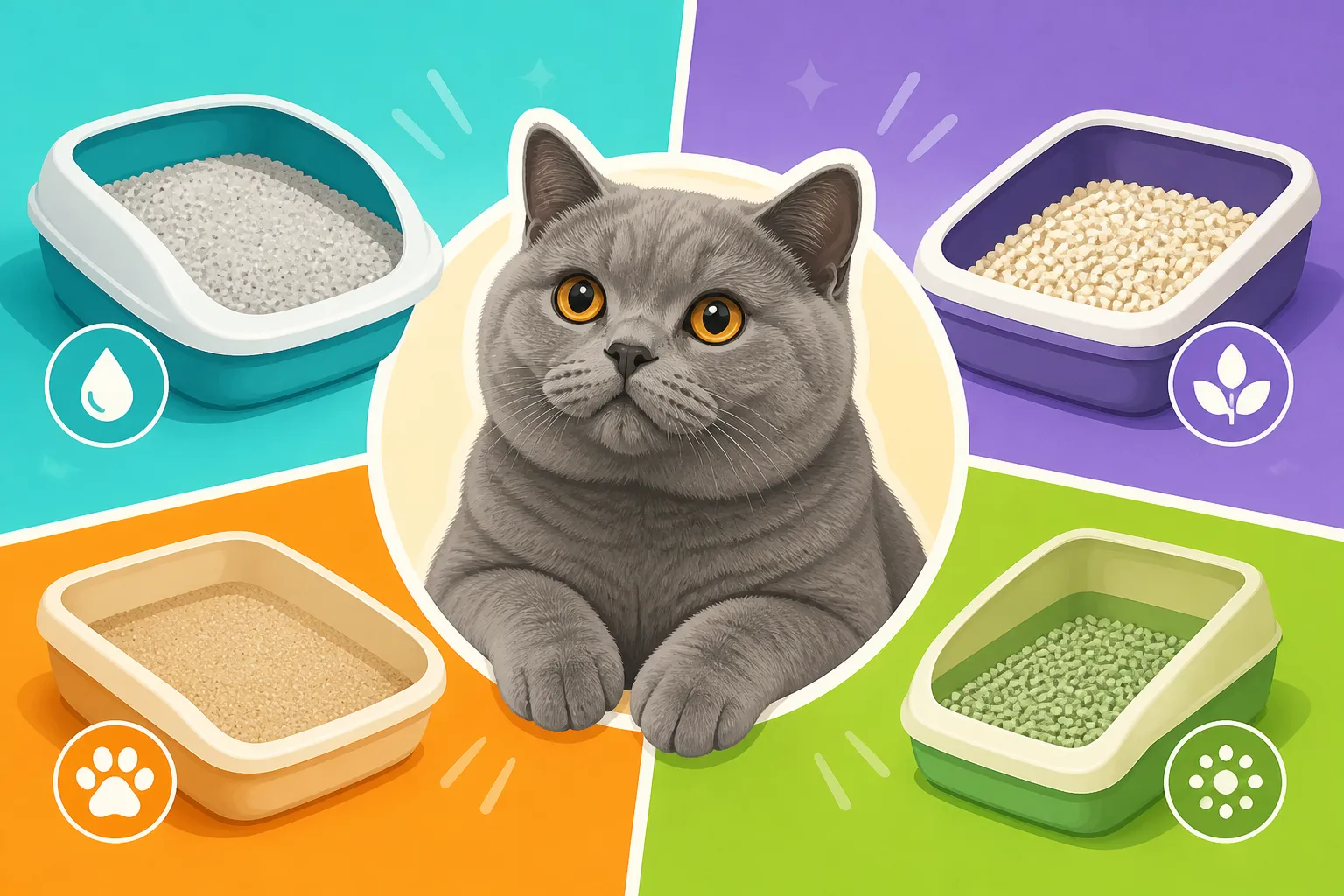
When most people think of cat litter, they picture good old clay. It's been around forever, and for good reason – it's generally effective and affordable. Clay litter comes in two main forms: clumping and non-clumping.
Clumping Clay Litter: This is by far the most popular choice for many cat owners, and it can work well for British Shorthairs. The magic of clumping clay is that when liquid waste hits it, the clay absorbs it and forms a solid ball or clump. This makes scooping incredibly easy; you simply remove the solid waste and leave the clean litter behind. This excellent scoopability helps to keep the box cleaner and fresher, which is a big plus for a cat that values cleanliness and for owners who appreciate efficient maintenance. For a British Shorthair, the solid clumps mean less tracking of wet litter, which is a win, especially with their dense fur. However, the biggest drawback of many clumping clay litters is the dust. While brands have made strides in reducing dust, some varieties can still create a significant cloud when poured or when your cat digs enthusiastically. This dust can be irritating to both your British Shorthair's respiratory system and your own, potentially exacerbating any underlying sensitivities.
Non-Clumping Clay Litter: This type of clay litter simply absorbs urine rather than forming solid clumps. While it's often cheaper by volume, it requires more frequent full litter changes to maintain hygiene and odor control. For a British Shorthair, who might prefer a consistently clean box, this could mean more work for you and a less pleasant experience for them if not changed often enough. The absorbed urine can settle at the bottom of the box, creating a lingering ammonia smell that even the most placid cat would find off-putting. It also tends to be heavier when wet, making it less pleasant to handle during full changes. Given the ease of clumping options, non-clumping clay is rarely the first choice for British Shorthair owners unless there's a specific reason, such as a cat who ingests litter, though this is less common with this breed.
Silica Gel Litter: A Modern Alternative
Silica gel litter, often known as crystal litter, is a relatively newer player in the game and offers a very different experience from traditional clay. These tiny, porous crystals are incredibly absorbent, capable of soaking up a huge amount of liquid and trapping odors within their structure.
Pros for British Shorthairs: One of the biggest advantages of silica gel is its superior odor control. It can effectively neutralize smells for a longer period than many other litter types, which is great for maintaining a fresh home, especially if your British Shorthair's box is in a common area. Another significant benefit is its low dust profile. Compared to many clay litters, silica gel produces very little to no airborne dust, which is a massive plus for cats with respiratory sensitivities and for owners who dislike cleaning up dust residue. Because it's so absorbent, you don't need to change the entire box as frequently; often, you just scoop the solid waste and stir the crystals to distribute saturated areas, with a full change needed only every few weeks. This can mean less physical litter to manage and less frequent trips to the store for heavy bags of litter.
Cons to Consider: While absorbent, the texture of silica gel crystals can be a hit or miss with some British Shorthairs. Some cats find the coarser, harder feel uncomfortable on their paw pads, especially if they are particularly delicate. There's also the crunching sound the crystals make underfoot, which might deter a more sensitive cat. Cost can be another factor; silica gel tends to be more expensive upfront than clay litter, though the reduced frequency of full changes might balance that out over time. Finally, while it claims low tracking, the irregular shape of the crystals can sometimes cling to a British Shorthair's plush coat, leading to some scattering outside the box.
Natural and Eco-Friendly Litters: Wood, Paper, Corn, and Walnut
For those looking for more sustainable or natural options, there's a growing variety of plant-based litters available. These often appeal to owners concerned about environmental impact, or those seeking alternatives due to allergies or sensitivities.
Wood Litter: Typically made from pine or other natural wood fibers, wood litter often comes in two forms: pellets or finer granules. Pellets are highly absorbent and offer excellent natural odor control thanks to the wood's inherent properties. They are generally low dust, which is good for respiratory health. However, the large, hard pellets can be uncomfortable for some British Shorthairs on their paws, and they don't always clump as effectively as clay, often turning into sawdust when wet, which can be messy to scoop. Finer wood granules or shredded wood litters offer better clumping and a softer texture but can sometimes produce more dust than pellets.
Paper Litter: Made from recycled paper, this litter often comes in pellet form. It's incredibly absorbent, very low dust, and lightweight, making it easy to handle. Paper litter is also excellent for cats with respiratory issues or sensitive paws, as it's soft and gentle. The downside for many is its clumping ability, which is often minimal to non-existent, meaning you'll need to do more frequent full box changes to control odors. For a British Shorthair, who might produce a fair amount of urine, the absorbency can be tested quickly. While it's environmentally friendly, the frequent disposal of non-clumping paper litter can negate some of its green benefits in terms of waste volume.
Corn Litter: Derived from compressed corn kernels, this litter is usually clumping and offers good odor control. It's soft on paws and generally low dust. Many owners find corn litter to be a great balance between natural materials and functionality, offering decent clumping and a pleasant texture. However, it can sometimes have a distinct "cornfield" smell that some people or cats might not prefer, and there have been rare instances of concerns regarding mold growth if moisture levels are not managed well. When buying, ensure you choose a reputable brand from a store like Amazon or Chewy that prioritizes quality control.
Walnut Shell Litter: Made from crushed walnut shells, this is another natural, clumping option. It boasts excellent odor control, good clumping action, and a soft texture that many cats find appealing. It's also often low dust and can be quite absorbent. The dark color, however, can sometimes make it harder to spot and scoop solid waste, and if your British Shorthair has a very light coat, there's a potential for staining if they get wet litter on their fur, though this is rare. Overall, walnut litter is a strong contender for those seeking a natural, high-performance option.
| Litter Type | Pros for British Shorthairs | Cons for British Shorthairs | Key Considerations |
|---|---|---|---|
| Clumping Clay | Excellent scoopability, good odor control (if scooped frequently), familiar texture. | Can be very dusty, heavy, can track easily, strong perfumes can be off-putting. | Choose low-dust, unscented varieties. Good for consistent cleaning. |
| Silica Gel (Crystal) | Superb odor control, very low dust, infrequent full changes. | Texture can be uncomfortable on paws, more expensive, can be noisy when cats dig. | Ideal for owners concerned about dust or frequent scooping. Test for paw comfort. |
| Wood (Pellets) | Natural odor control, very low dust, environmentally friendly. | Hard texture on paws, poor clumping (becomes sawdust), heavy to dispose of. | Best for cats not sensitive to texture; good for those with respiratory issues. |
| Wood (Granules) | Natural odor control, softer than pellets, better clumping than pellets, low dust. | Can still be messy (sawdust), absorbency varies. | A good middle ground if pellets are too hard. |
| Paper (Pellets) | Very soft on paws, extremely low dust, lightweight, biodegradable. | Minimal to no clumping, requires frequent full changes, poor odor control over time. | Excellent for highly sensitive paws or respiratory issues. Requires diligent cleaning. |
| Corn | Good clumping, soft texture, natural, decent odor control. | Can have a distinct "corn" smell, potential for mold (rarely). | A popular natural choice; watch for specific cat preferences for smell. |
| Walnut Shell | Excellent odor control, good clumping, soft texture, natural, low dust. | Dark color can hide waste, potential (rare) for coat staining. | A high-performing natural option; consider if dark color is an issue. |
Key Factors to Consider When Choosing Litter for Your British Shorthair
Now that we've looked at the different types, let's zero in on the specific factors that truly matter when making that final decision for your British Shorthair. It's a delicate balance of their health, your home environment, and their personal comfort.
Dust Control and Respiratory Health
This is arguably one of the most critical factors for any cat, but especially for British Shorthairs. While they generally don't have brachycephalic (short-nosed) respiratory issues like some other breeds, any cat can develop sensitivities to airborne particles. Imagine inhaling tiny clay or silica particles every time you visit the toilet, or every time your cat energetically excavates the box before doing their business. It's not pleasant, and over time, it can contribute to respiratory irritation, coughing, or even trigger allergies in susceptible cats.
For British Shorthairs, their tendency to be quite calm and spend a good deal of time loafing around means they're often in close proximity to their litter box environment. A dusty litter means that those particles are settling on their fur, which they then ingest during grooming, and floating in the air they breathe. Look for litters explicitly marketed as "low dust" or "dust-free." Silica gel and many paper or wood pellet litters tend to excel in this regard. If you're using a clumping clay litter, invest in a premium, low-dust brand. Your British Shorthair's lungs (and yours!) will thank you for it. If you suspect your cat might be starting to show signs of respiratory irritation, like a persistent cough or wheeze, discussing a switch to an ultra-low dust litter with your vet is a good first step.
Odor Control and Your Home Environment
Let's be real, nobody wants their home to smell like a litter box. And while scooping frequently is the number one rule of odor control, the litter itself plays a huge supporting role. British Shorthairs generally have robust systems, but they still produce waste, and that waste needs to be contained. Some litters simply do a better job of neutralizing odors than others.
Heavily scented litters might seem like a good idea, but remember what we discussed earlier: strong perfumes are often overpowering for your cat. Instead, look for litters with natural odor-absorbing properties, such as activated charcoal, baking soda, or the inherent qualities of wood and walnut. Silica gel is renowned for its chemical odor absorption. If you have multiple cats or if your British Shorthair produces particularly pungent waste (which can sometimes be a sign of dietary issues, so keep an eye on it!), investing in a litter with superior odor control is a must. Placing the litter box in a well-ventilated area and ensuring you adhere to the recommended number of litter boxes (usually one per cat plus one extra) as outlined in How Many Boxes a British Shorthair Household Needs will also make a significant difference. Regular, thorough cleaning of the box itself is just as important as the litter you choose.
Texture and Paw Comfort
Imagine walking barefoot on pebbles versus soft sand. Your British Shorthair has similar preferences! Their paw pads are sensitive, and the feel of the litter underfoot can heavily influence whether they'll use the box happily. A British Shorthair who finds the litter uncomfortable might start to hesitate, perch awkwardly on the edge, or even seek out softer surfaces elsewhere in the house (hello, laundry basket!).
Some cats prefer a very fine, sand-like texture, while others don't mind something a bit coarser. Clay litters generally offer a finer grain, which is why many cats readily accept them. However, some silica gel or wood pellet litters can be too hard or sharp for sensitive paws. If you're transitioning to a new litter, especially one with a dramatically different texture, observe your British Shorthair closely. Are they gingerly stepping into the box? Are they digging less than usual? These could be signs of discomfort. Ultimately, the best way to determine paw comfort is to try different options or, if possible, offer multiple litter boxes with different types of litter to let your British Shorthair choose their favorite.
Scoopability and Maintenance
Let's not forget about our own comfort and convenience! While our cats' needs come first, an easy-to-maintain litter makes us more likely to keep the box clean, which in turn benefits our British Shorthairs. Good scoopability means less waste left behind, better odor control, and a more hygienic environment.
Clumping litters (clay, corn, walnut) generally win out here. They form solid, easy-to-remove clumps that simplify daily scooping. This is particularly helpful for busy households. Non-clumping litters, while potentially cheaper, often require more frequent full litter changes, which means lifting heavier bags of waste and scrubbing the box more often. Consider how often you're willing to scoop and how much effort you want to put into full changes. For many British Shorthair owners, who often have a single, indoor cat, a highly scoopable clumping litter makes life much easier. Remember to refresh the litter regularly; even with good clumping, the volume of litter in the box will decrease, and you'll want to maintain a good depth for your cat to dig comfortably.
Transitioning and Troubleshooting Litter Issues
So, you've read all about the different types and decided on a new litter for your British Shorthair. Fantastic! But hold your horses before you dump the old stuff and pour in the new. Cats, especially our generally calm but sometimes set-in-their-ways British Shorthairs, do not appreciate sudden changes. A careful transition is key to success, and knowing how to troubleshoot any issues is equally important.
The Gradual Approach to New Litter
This cannot be stressed enough: never switch litters cold turkey. A sudden change can easily lead to your British Shorthair rejecting the box entirely, resulting in frustrating accidents around the house. They've grown accustomed to a certain smell and texture, and an abrupt introduction of something new can be jarring.
Here's a step-by-step guide for a smooth transition:
- Start Small: Begin by mixing just a small amount (about 10-20%) of the new litter into the existing litter in your British Shorthair's box. Keep the ratio low for the first few days.
- Observe and Increase: For the next 3-4 days, observe your British Shorthair's reaction. Are they using the box normally? If so, gradually increase the proportion of the new litter. Aim for roughly a 25% new, 75% old mix for another few days.
- Continue Incrementally: Over the course of 1-2 weeks, slowly increase the percentage of new litter while decreasing the old. Each increment should be small, perhaps another 10-20% every few days, as long as your cat is comfortable.
- Monitor Closely: Pay attention to any changes in your cat's behavior. Are they still digging and eliminating normally? Is there any hesitation? If you notice any reluctance, slow down the transition or even revert to a previous, more familiar ratio for a few days before trying to increase it again.
- Full Transition: Once you're at about 80-90% new litter and your British Shorthair is completely at ease, you can usually make the full switch. Even then, keep an eye on them for a few more days, just in case.
Remember, patience is a virtue here. Some cats might take a week, others a month. There's no rush. The goal is a seamless transition that doesn't cause stress for your furry friend or messes for you. You can purchase smaller bags of different litters from retailers like Chewy or Amazon to test them out before committing to a large, economical size.
Addressing Litter Aversion: Common Reasons and Solutions
Even with a careful transition, sometimes problems arise. If your British Shorthair suddenly stops using their litter box, or starts to go outside of it, a litter aversion is a common culprit. But it's crucial to remember that inappropriate urination can also be a sign of a medical issue, such as urinary tract infections or even kidney problems. For example, a male British Shorthair is particularly prone to blockages, so if you notice straining or small amounts of urine, immediate vet attention is vital. Why a Male British Shorthair Blocks is a serious concern that should never be ignored. Always rule out health problems with a vet visit first.
Once medical causes are eliminated, here are common reasons for litter aversion related to the litter itself, and what you can do:
- New Litter Type/Texture: As discussed, a sudden change in litter is a major red flag. If you recently switched, revert to the old litter immediately and restart the gradual transition process. If your cat truly dislikes the new texture, you might need to try a different type altogether.
- Strong Scents: Perfumed litters can be incredibly off-putting. If you've introduced a scented litter, try an unscented version of the same type. Many cats prefer natural, neutral smells.
- Dustiness: If the litter is too dusty, it can irritate their respiratory system or cause general discomfort. Switch to a low-dust or dust-free option. Even if your British Shorthair doesn't have obvious respiratory issues, the discomfort of kicking up dust can deter them.
- Insufficient Depth: Some British Shorthairs prefer a generous depth of litter for digging and covering their waste. If the litter is too shallow, they might feel exposed or unable to perform their natural instincts. Aim for at least 3-4 inches of litter.
- Poor Odor Control (or infrequent scooping): Even the best litter needs regular scooping. If the box smells, your cat will avoid it. Daily (or even twice daily) scooping is paramount. If you're scooping regularly but odors persist, it might be time for a litter with better odor control or more frequent full box changes. Consider what How Much Litter a Low Activity British Shorthair Gets Through might tell you about your scooping schedule.
- Negative Association: Sometimes, a frightening experience in the litter box (e.g., a loud noise, being startled by a child or another pet, or experiencing pain while urinating) can create a negative association with the litter itself. In these cases, it's often best to try a completely different litter type and a new litter box in a different location, at least temporarily, to break the negative link.
- Aging British Shorthairs: As our beloved British Shorthairs age, their needs can change. An older cat, as discussed in Caring for an Old British Shorthair, might develop arthritis, making it painful to step into a high-sided box or dig in a very coarse litter. Their senses might also dull, making them less sensitive to unpleasant smells, but conversely, they might become more sensitive to texture. Adapting to their changing physical needs is key.
Troubleshooting litter issues requires patience, observation, and sometimes a bit of detective work. By understanding your British Shorthair's unique preferences and being mindful of their comfort and health, you can find the perfect litter that keeps them purring contentedly and using their box reliably. And remember, sometimes just having a water fountain nearby, as discussed in Whether a British Shorthair Needs a Water Fountain, helps with overall urinary health, which indirectly affects litter box happiness. Plus, the vacuum noise can be a surprise for a quiet cat, so How a British Shorthair Reacts to a Vacuum might be something to consider when cleaning around the box!
Disclaimer
This article is for general informational purposes only and does not constitute professional advice. Laws, prices and regulations vary by location and change over time. Consult a qualified professional for guidance on your specific situation.