How a British Shorthair Reacts to a Vacuum
That whirring monster on wheels, the one that’s supposed to keep our homes tidy, can often be a source of immense stress for our beloved feline companions. For British Shorthair owners, it’s a particular kind of dread, watching your usually unflappable, serene cat suddenly transform into a wide-eyed, flattened fluff-ball. This guide will delve deep into why British Shorthairs react the way they do to vacuum cleaners and offer practical, empathetic strategies to make vacuuming a less terrifying ordeal for everyone involved.
The British Shorthair's Innate Calmness Versus Sudden Noise
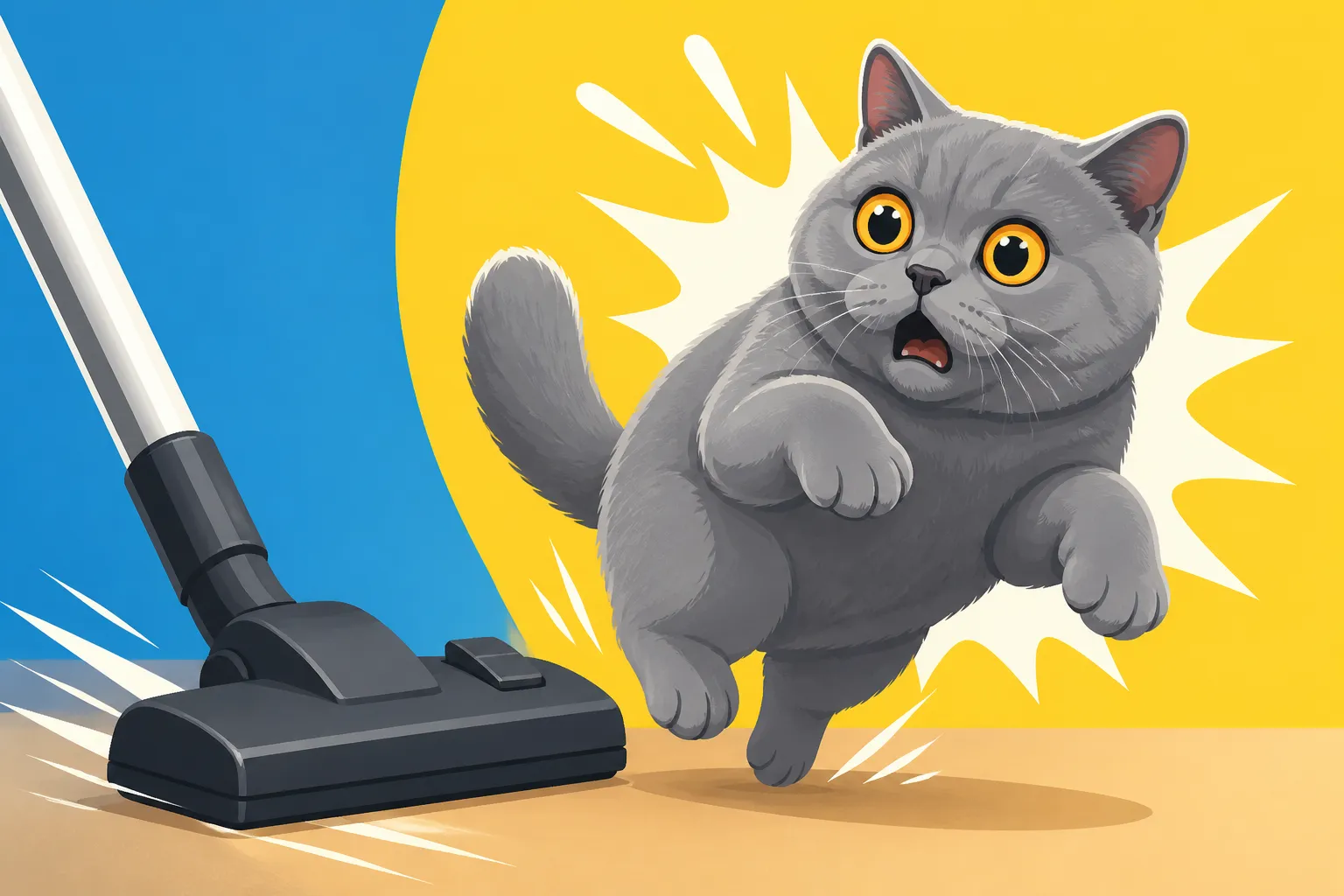
It's a curious thing, isn't it? You bring home this wonderfully calm, stoic British Shorthair, a breed known for its placid demeanor and generally unfazed attitude towards life's little commotions. They usually take things in stride, whether it's a new piece of furniture or an unfamiliar visitor. Yet, the moment that vacuum cleaner rumbles to life, it's like a switch flips. That relaxed, teddy-bear cat becomes a statue of apprehension, or worse, a streak of grey fur disappearing under the nearest bed. It highlights a fascinating aspect of their temperament: while generally laid-back, their instinctual responses to truly jarring stimuli are still very much present.
Why Sudden Loud Noises are a Challenge for a Calm Cat
British Shorthairs are typically celebrated for their even temper and quiet nature. They aren't usually the type to dash around frantically or vocalize excessively. This inherent calmness, however, can make sudden, loud, and vibrating noises even more jarring. Imagine yourself enjoying a quiet afternoon, perhaps reading or napping, and then a sudden, intrusive roar fills your personal space. It's disorienting and unwelcome. For a British Shorthair, whose world is often one of predictable routines and gentle sounds, a vacuum cleaner is an alien invasion. Their sensitive hearing, far superior to ours, picks up frequencies and intensities that we might barely register, amplifying the assault.
Furthermore, despite being domesticated for centuries, cats retain a strong prey drive and instinctual fear responses. A vacuum cleaner, with its unpredictable movements and aggressive noise, can mimic a large, threatening predator. It doesn't move like a friendly human, and it certainly doesn't smell or sound like anything natural in their environment. This disruption to their peaceful existence taps into a primal survival mechanism, triggering their fight, flight, or freeze response. It's not a conscious choice to be afraid; it's an overwhelming, instinctive reaction to what their ancient brains perceive as danger. Even the most affectionate British Shorthair will likely view this noisy intruder with suspicion, if not outright terror.
Typical British Shorthair Reactions to a Vacuum Cleaner
When that vacuum fires up, you’ll likely see a range of reactions from your British Shorthair, all stemming from their fear or discomfort. The most common response is the "freeze and flatten" technique. Your cat might suddenly stop what they’re doing, their body language becoming tense, ears pinned back, and eyes wide and dilated. They might try to make themselves as small as possible, hunkering down or pressing themselves against the floor, hoping to become invisible. This often precedes a quick dart for cover, perhaps under the sofa, a bed, or a favorite cat tunnel. The tail, usually a calm, plush appendage, might flick rapidly or tuck tightly against their body, both clear indicators of stress.
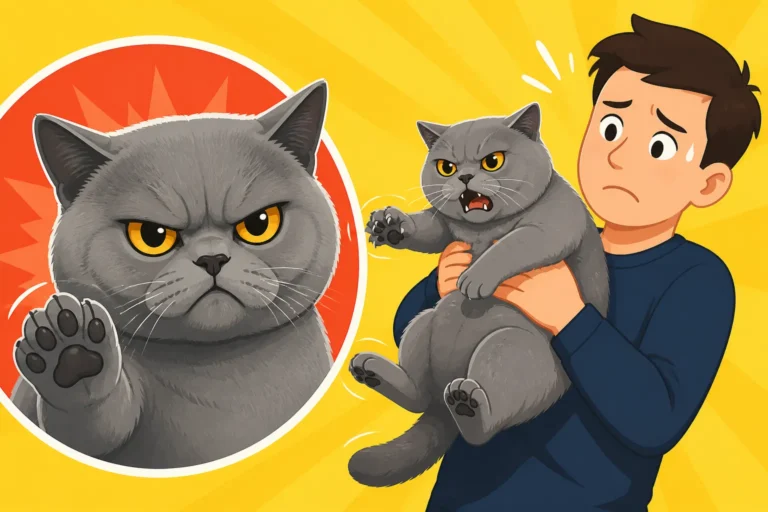
Less commonly, especially if they feel cornered or have had negative experiences, you might witness more defensive behaviors. This could include a low growl, a hiss, or even a quick swat if the vacuum gets too close for comfort. It's rare for a British Shorthair, known for being The Quietest Cat in the House and their generally non-confrontational approach, to become openly aggressive with a vacuum, but extreme fear can provoke unexpected reactions. Some might also exhibit displacement behaviors, like excessive grooming or suddenly needing to use the litter box. Every cat is an individual, of course; a rare few might display a surprising curiosity, watching the machine from a safe distance, but for the vast majority, it's an unwelcome intrusion that disrupts their serene world.
Understanding and Managing the Fear Response
The key to helping your British Shorthair cope with the vacuum is understanding that their fear is genuine and deeply rooted in instinct, not naughtiness. Scolding them or trying to force them to "be brave" will only exacerbate the issue. Instead, a thoughtful, patient approach focused on creating safety and positive associations is vital. It’s all about working with their natural instincts and giving them the tools and space they need to feel secure.
Creating a Safe Retreat Before Vacuuming Begins
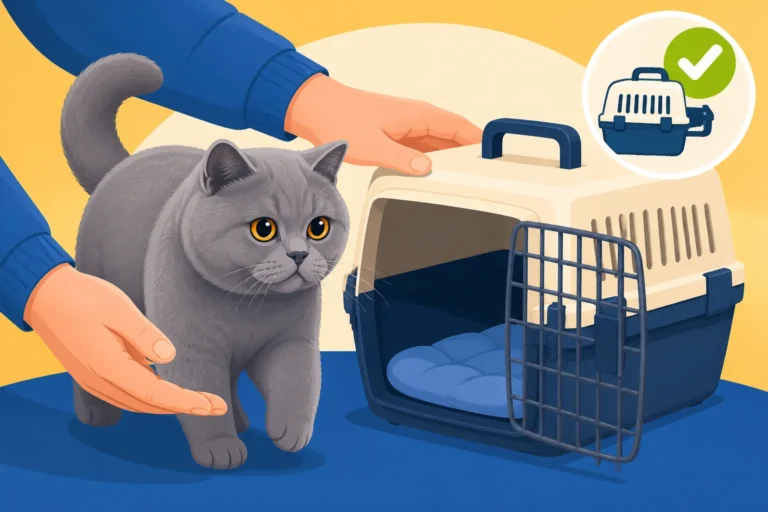
One of the most effective strategies is anticipating the vacuuming session and preparing a safe haven for your British Shorthair in advance. This isn't about hiding them away but offering them a secure, comfortable space where they can feel protected from the noise and commotion. Think of it as their panic room. This could be a spare bedroom, a high cat tree with enclosed compartments, or even just their favorite carrier covered with a blanket. The important thing is that it's a designated, familiar spot that they associate with comfort and safety, not punishment.
Before you even plug in the vacuum, guide your cat to this space. You can entice them with their favorite treats, a special toy, or even a warm, recently worn piece of your clothing to add a comforting scent. Make sure they have access to water and a clean litter box in or very near this retreat. For cats that are often left alone during the day, like those who are A British Shorthair Is Genuinely Fine on Its Own, having a predictable safe space for vacuuming can really reduce overall stress, as it's just another part of their routine where they know what to expect. This proactive approach gives them agency in their own safety, rather than feeling trapped and surprised when the noise starts.
Gradual Acclimation Techniques for Vacuum Acceptance
If your British Shorthair's fear is severe, a gradual desensitization program can work wonders, though it requires patience and consistency. The goal is to slowly introduce the vacuum in a non-threatening way, associating it with positive experiences. Start by simply leaving the vacuum cleaner out in a common area for a few days without turning it on. Let your cat approach it, sniff it, and get used to its presence as a static object. You can even place treats near it or use a wand toy to play gently in its vicinity, ensuring pleasant things happen around the "monster."
Once they seem comfortable with its stationary presence, move to the next step: very short bursts of sound. Plug in the vacuum, turn it on for just a second or two from a distance (perhaps in another room), and then immediately turn it off. Reward your cat generously with high-value treats or a quick play session if they remain calm. Gradually, over days or weeks, increase the duration and proximity of the vacuuming, always observing your cat's reactions and stopping before they become truly stressed. Different types of vacuums have varying noise levels; robot vacuums, for instance, might be less intimidating than a powerful upright. You might even find quieter vacuum models available on Amazon that could make this process easier. Remember, slow and steady wins the race when it comes to changing ingrained fear responses.
Behavioral Do's and Don'ts During Vacuuming
When the vacuum comes out, your actions as an owner are crucial in either reinforcing fear or building trust.
Do's for Vacuuming with a British Shorthair:
- Do Speak Calmly: Maintain a calm, reassuring tone of voice if your cat is still in the room or peeking out. Your calm demeanor can help them regulate their own stress.
- Do Allow Escape Routes: Never corner your cat with the vacuum. Always ensure they have a clear path to their designated safe spot or another room. They need to know they can flee if they feel overwhelmed.
- Do Keep Sessions Short: Especially in the beginning, limit your vacuuming time. Tackle one room at a time if possible, or break up the house into multiple, shorter sessions throughout the day.
- Do Use a Consistent Routine: If your cat learns that vacuuming always happens at a certain time or in a specific order (e.g., always starting in the living room), they can anticipate it and retreat to safety on their own terms.
- Do Provide Distractions: If your cat tolerates it from afar, you can try giving them a favorite puzzle feeder filled with treats or a long-lasting chew toy in their safe zone to occupy them while the noise is happening.
Don'ts for Vacuuming with a British Shorthair:
- Don't Chase Your Cat: This is perhaps the biggest no-no. Never, ever chase your British Shorthair with the vacuum cleaner. This will instantly reinforce their fear and turn the machine into an active predator in their minds, making future vacuuming sessions far more traumatic.
- Don't Force Interaction: Don't try to pick up a scared cat and hold them while the vacuum is running, or attempt to pet them when they're clearly distressed by the noise. Respect their need for space and control in that moment. Their personal boundaries are important, and a British Shorthair often prefers to be near you, not on you, a sentiment that extends even more strongly when they're stressed. A British Shorthair Sits Near You, Not On You is a good reminder of their independent nature.
- Don't Punish Fear: Never scold, yell at, or punish your cat for reacting fearfully. They aren't being disobedient; they are genuinely scared. Punishment will only teach them to fear you and the vacuum even more.
- Don't Use the Vacuum as a 'Toy': Avoid playfully nudging the cat with the vacuum or using it in a way that might seem funny to you but is terrifying to them. This can destroy trust and create lasting phobias.
Long-Term Strategies and Environmental Enrichment
Managing vacuum fear isn't just about what you do during the actual cleaning; it's also about building a generally secure and enriched environment that helps your British Shorthair feel more resilient to stressors. A happy, well-adjusted cat is often better equipped to handle occasional frights.
Incorporating Play and Positive Reinforcement
Beyond just the vacuuming session, integrating consistent positive reinforcement and engaging play into your daily routine can significantly boost your British Shorthair's confidence and create strong positive associations with you. Think of it this way: if you are consistently the source of fun, food, and comfort, then even when you bring out the scary noise machine, the overall balance of your relationship remains positive.
Right after you've finished vacuuming and put the "monster" away, make a point of engaging your cat in a vigorous play session with their favorite wand toy. This helps release any pent-up energy from stress and reinforces that once the scary thing is gone, good times resume. You can also offer a special, high-value treat immediately after the vacuum is turned off and stored away. This consistent pairing helps to build a subconscious connection: vacuum goes away, yummy treat appears, play time with my human begins. Consider investing in some interactive puzzle toys, readily available on Amazon, which can be a great way to distract and reward your cat. For specific strategies on engaging your British Shorthair, who might be a bit lazier, you can check out Play for a British Shorthair That Would Rather Not for some excellent ideas to get them moving.
Optimizing Your Home Environment for a Sensitive Cat
A well-designed home environment can make a world of difference for a cat who is prone to stress, even if it's just stress from a vacuum. British Shorthairs thrive in predictable, comfortable surroundings. Ensure your home offers plenty of vertical space, such as sturdy cat trees or shelves, where they can retreat and observe from a safe vantage point. Enclosed beds or boxes provide excellent hiding spots where they can feel secure and unseen. The ability to escape upwards or into a cozy den gives them control over their environment, which is paramount for a cat's sense of security.
If your British Shorthair experiences significant anxiety related to the vacuum or other household noises, you might consider using calming diffusers that release synthetic feline pheromones, like those from Feliway or other reputable brands. These can help create a more serene atmosphere and reduce overall stress levels. Maintaining a consistent daily routine for feeding, playtime, and cuddles also contributes to their sense of security. The more predictable their world is, the less shocking a sudden event like vacuuming becomes. And let's be honest, regular grooming with a good quality comb will help keep that dense British Shorthair coat in tip-top condition, reducing the amount of fur needing to be vacuumed, which means less vacuuming overall! How Often a British Shorthair Needs Combing can give you more tips on keeping their glorious coat pristine.
When to Seek Professional Help for Extreme Fear
While most British Shorthairs will simply retreat or flatten themselves when the vacuum comes out, there are instances where the fear response becomes so severe that it warrants professional intervention. If your cat's reaction includes destructive behaviors (like inappropriate urination or scratching), aggression towards you or other pets, or if their fear extends to other similar sounds and prevents them from eating or using the litter box for prolonged periods, it's time to seek expert advice.
A good first step is always a visit to your veterinarian. They can rule out any underlying medical conditions that might be contributing to heightened anxiety or pain, making your cat more reactive. If no medical cause is found, your vet might recommend consulting a certified feline behaviorist. These professionals specialize in understanding feline body language and behavior and can develop a tailored modification plan. This might involve more intensive desensitization and counter-conditioning techniques, environmental adjustments, or in some severe cases, short-term anti-anxiety medication to help your cat cope while behavioral modifications are implemented. Remember, seeking help for extreme fear isn't a sign of failure; it's a sign of a responsible owner committed to their cat's well-being and happiness.
Here's a quick summary of typical reactions and how you can respond:
| British Shorthair Reaction | What it Means | Your Best Response |
|---|---|---|
| Freezing/Flattening | Fear, trying to be invisible | Acknowledge, ensure escape route, continue vacuuming calmly. |
| Hiding | Flight response, seeking safety | Allow them to hide, ensure their safe spot is comfortable and accessible. |
| Wide Eyes/Flattened Ears | Heightened alert, stress | Avoid direct eye contact (can be seen as a challenge), maintain calm demeanor. |
| Tail Flicking/Tucking | Anxiety, discomfort | Do not approach or try to soothe physically; let them manage their own space. |
| Hissing/Growling/Swatting | Extreme fear, feeling threatened, defensive | Immediately move vacuum away, create more distance, do not engage or punish. |
| Displacement Behaviors | Redirected stress (e.g., sudden grooming) | Observe, ensure ample resources (litter box, food, water) are available in a calm area. |
| Curiosity (Rare) | Investigating the novelty | Maintain distance, do not encourage interaction with the vacuum, keep focus on cleaning. |
Disclaimer
This article is for general informational purposes only and does not constitute professional advice. Laws, prices and regulations vary by location and change over time. Consult a qualified professional for guidance on your specific situation.