A British Shorthair Is Genuinely Fine on Its Own
It's a common worry for many cat owners, especially those with busy lives: how will my beloved feline cope when I'm away? For British Shorthair enthusiasts, the question often centers on their breed's famous calm and independent nature. This comprehensive guide will delve into whether your British Shorthair truly thrives on its own, how to ensure their well-being during your absence, and what steps you can take to make their solo time as fulfilling as possible.
The Independent Nature of the British Shorthair
The British Shorthair is renowned for its placid, easygoing temperament, often leading to the assumption that they are perfectly content to be left alone for extended periods. While there's certainly truth to this, it's essential to understand the nuances of their independence. They are not typically a breed that demands constant attention or expresses their needs with dramatic flair, but that doesn't mean their emotional and physical well-being can be ignored.
Understanding Their Calm Demeanor
British Shorthairs are widely celebrated for their serene and unflappable personalities. Unlike some more boisterous or "velcro" cat breeds, they often prefer to observe the hustle and bustle of a household from a comfortable, nearby perch rather than being directly in the thick of it. This isn't a sign of aloofness; rather, it's a dignified form of independence that sets them apart. They genuinely appreciate quiet companionship, often choosing to settle in the same room as their human, perhaps in a sunbeam or a cozy bed, rather than insisting on being on your lap at all times. This inherent calm is a major factor in why many perceive them as well-suited to spending time alone, as they aren't prone to frantic energy bursts or incessant demands for interaction. They simply exist in a state of contented tranquility, which translates beautifully into self-sufficiency.
Their historical background further reinforces this independent streak. While today's British Shorthairs are pampered family members, their ancestors were sturdy, self-reliant working cats, adept at managing themselves in barns and homes across Britain. This lineage has instilled a deep-seated confidence and an innate ability to entertain themselves, rather than relying solely on human interaction for their stimulation. They are perfectly capable of spending hours curled up enjoying a long nap, meticulously grooming their plush coats, or simply watching the world go by outside a window without feeling the urgent need for constant human validation or engagement. This self-possession is a hallmark of the breed and a key reason they can appear so comfortable in their own company.
It's crucial, however, to differentiate this strong independence from being entirely anti-social or uninterested in their human companions. A British Shorthair will absolutely seek out affection, but typically on their own terms and often for shorter, focused bursts. They might follow you quietly from room to room, eventually settling in a nearby chair or on the sofa, content to be in your presence. They might approach for a brief head rub or a gentle chin scratch before retreating to their preferred quiet spot. This balanced approach to interaction makes them ideal companions for individuals or families with busy schedules, as they are genuinely appreciative of the time spent together but don't suffer unduly when left to their own devices. They truly master the art of being present without being demanding.
Differentiating Independence from Loneliness
This is arguably the most critical distinction for any British Shorthair owner to grasp, and it's a concern that frequently weighs on the minds of those new to the breed. An independent cat is fundamentally self-sufficient, comfortable and secure in its own company, capable of occupying itself without constant human intervention. Conversely, a lonely cat is in a state of genuine distress, experiencing negative emotions due to a perceived lack of interaction or companionship. British Shorthairs, by their very genetic and behavioral makeup, lean strongly towards the independent end of this spectrum. They don't typically exhibit the frantic vocalizations, destructive behaviors, or excessive clinginess that might loudly signal separation anxiety in more dependent breeds. However, their quiet nature means they can sometimes suffer in silence, making careful and nuanced observation absolutely paramount.
The common pitfall many owners fall into is projecting human social needs and expectations onto their feline companions. While we humans often thrive on constant interaction, conversation, and shared activities, a British Shorthair frequently values its personal space and cherished quiet moments. They might appear to be doing "nothing" for hours on end, simply dozing or staring into space, but in their world, this "nothing" is often a state of perfect contentment. It's their way of observing their territory, recharging their internal batteries, or simply enjoying the peaceful rhythm of their environment. They certainly enjoy having their humans around, and benefit from their presence, but it's rarely a prerequisite for their fundamental happiness in the same way it might be for a dog or a more overtly affectionate cat breed.
However, even the most inherently independent British Shorthair can indeed experience feelings of loneliness if their environment is consistently devoid of appropriate stimulation or if their social needs, however minimal they might be, are entirely neglected over time. It's about finding that delicate sweet spot: respecting and nurturing their natural inclination for solitude while simultaneously ensuring that you provide ample engagement, affection, and interaction during the times you are present. This careful balance ensures that their independence remains a profound strength, contributing to their calm and stable personality, rather than inadvertently becoming a precursor to underlying distress or unhappiness.
How Long Is Too Long for a British Shorthair to Be Alone?
This is the golden question for many British Shorthair owners, especially those juggling careers and other commitments. While their independent nature suggests a higher tolerance for solitude, there are still limits to what is healthy and humane.
Typical Daily Schedules and Limits
For many British Shorthair owners, the primary concern revolves around leaving their cherished felines while they are away at work for the day. For most adult British Shorthairs, a typical 8-9 hour workday, which includes your commute time, is generally considered manageable. During this period, your British Shorthair will likely spend a significant portion of its time doing what they do best: napping in various sunny spots, observing the world outside from a window perch, or engaging in short, self-directed bursts of independent play. Their inherently low-energy nature means they aren't typically predisposed to constant pacing or an incessant search for something to do, unlike some more high-strung or active breeds. They are remarkably adept at self-regulating their activity levels and finding contentment in their own quiet routines.
However, it's crucial to understand that "manageable" doesn't automatically equate to "ideal" for every single cat. While a British Shorthair might tolerate this routine without overt signs of distress, it is absolutely essential to ensure that all of their fundamental needs are not just met, but generously attended to, both before you leave and immediately upon your return. This comprehensive care includes providing a consistent feeding routine, ensuring an ample supply of fresh, clean water, maintaining a spotless litter box, and, most importantly, dedicating quality time for play and affectionate cuddles when you are home. Think of your return as the highlight of their day, their main social event, which they eagerly anticipate. Establishing a consistent daily routine helps them to predict your arrival, fostering a profound sense of security and stability within their home environment.
When the discussion shifts to longer periods, such as a weekend getaway, the boundaries become a little more ambiguous and demand greater consideration. A single overnight stay away from home might be acceptable for a particularly resilient and independent British Shorthair, provided they have an abundant supply of fresh food and water, and multiple pristine litter boxes. However, venturing beyond 24-36 hours without a human check-in begins to significantly push the limits of what is comfortable, safe, and truly beneficial for your cat. The risks associated with such extended unsupervised periods — such as running out of essential resources, a sudden and unnoticed illness, or a litter box becoming too soiled to be acceptable — increase dramatically. For a more detailed exploration of these timeframes and how to manage them, you might find our article How Many Hours a British Shorthair Can Be Left to be a particularly helpful resource.
The Impact of Age and Personality
It's a pervasive, yet often misleading, misconception that all British Shorthairs are uniform in their calmness and independence. While these traits are undeniably strong and deeply ingrained within the breed standard, the reality is that individual personalities among British Shorthairs can vary quite significantly. For instance, a young British Shorthair kitten, bursting with curiosity and still developing, should never be left alone for extended periods. Kittens require frequent small meals, consistent supervision to ensure their safety and proper development, and abundant socialization, meaning they can typically only be left unsupervised for a few hours at a time at most. Similarly, an older British Shorthair, particularly one who might be contending with age-related health issues such as Arthritis in an Older British Shorthair or Hyperthyroidism in an Older British Shorthair, may require more frequent check-ins, timely administration of medications, or simply a greater level of comfort and reassuring human presence. Their needs evolve dramatically as they age, and their tolerance for extended periods of solitude may decrease proportionally.
It's beneficial to consider your specific cat's unique life history. For example, if your British Shorthair was adopted from a rescue organization and has a past that included neglect or abandonment, they might understandably develop stronger attachment needs or exhibit heightened anxiety when left alone, even if they possess the typical British Shorthair characteristics. Conversely, a cat that has been raised from kittenhood in a consistently stable, predictable, and loving environment may demonstrate greater contentment and self-sufficiency when left to its own devices. The most reliable indicator of how well your British Shorthair will cope with your absence is to carefully observe their baseline behavior when you are present. Do they follow you constantly from room to room, seeking physical closeness, or do they comfortably prefer their own defined personal spaces, occasionally checking in?
Some British Shorthairs, despite the breed's general stereotype, are simply more inherently social and people-oriented than others. You might be the proud owner of a "velcro" British Shorthair who genuinely craves and thrives on more frequent interaction. For these particular felines, even a standard workday might prove to be a significant stretch, potentially leading to more subtle, yet discernible, signs of stress or unhappiness. This is precisely where truly understanding and appreciating your individual pet's unique quirks and needs becomes paramount, rather than relying solely on broad breed generalizations. Tailoring your approach to their distinct personality and emotional requirements will invariably ensure their ultimate emotional well-being and contentment.
Enriching the Environment for Alone Time
Leaving a British Shorthair alone, even an independent one, doesn't mean leaving them with nothing to do. A thoughtfully enriched environment can make all the difference, transforming solitary hours from mere waiting into engaging, comfortable experiences.
Providing Mental and Physical Stimulation
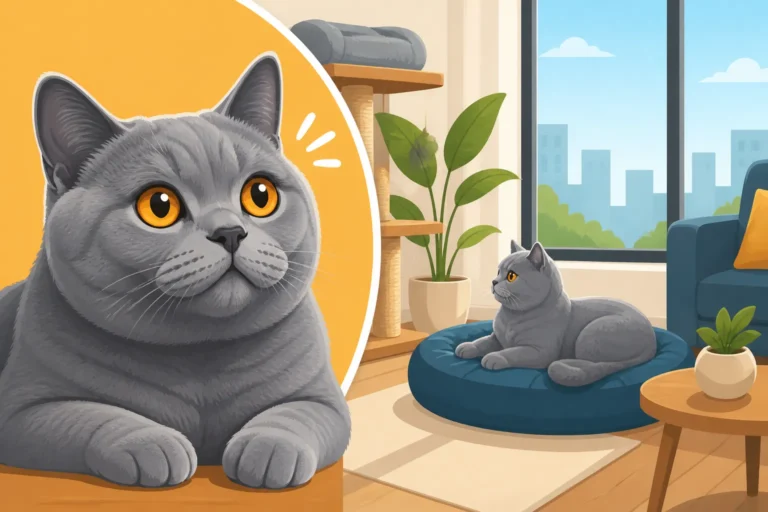
Even for a naturally low-energy British Shorthair, an enriched home environment is incredibly beneficial for both their mental and physical well-being during your absence. Begin by considering vertical space – items like sturdy cat trees, wall-mounted shelves, or dedicated window perches. These provisions allow your British Shorthair to engage their natural instincts to survey their territory from a high vantage point, providing a sense of security and satisfying their innate desire to climb, even if it's just a short, graceful hop. It is crucial to select cat trees that are robust and stable enough to comfortably accommodate their substantial weight and solid build. Platforms like Amazon offer a wide array of options specifically designed for larger, heavier breeds, ensuring safety and durability.
Puzzle feeders represent another fantastic avenue for stimulating their minds and, importantly, slowing down their eating pace, which is particularly advantageous for a breed with a propensity for weight gain. Instead of simply depositing their daily meal into a conventional bowl, these feeders encourage them to "work" for their food. This activity cleverly mimics natural hunting behaviors, providing essential mental exercise and warding off boredom. A diverse range of puzzle feeders exists, from simple treat-dispensing balls to more intricate maze-like contraptions. This strategic feeding approach not only helps prevent boredom and the potential for stress-eating but also serves as a proactive measure against obesity, a very common health concern for the British Shorthair breed; you can gain further insights into this by reading our article Obesity Is the British Shorthair's Real Disease.
Furthermore, investing in interactive toys that do not require direct human intervention can be a true lifesaver for occupying your British Shorthair. Examples include self-rotating laser toys (always ensure these have an automatic shut-off feature to prevent frustration if the cat can never "catch" the dot) or electronic mice that scurry and move unpredictably, providing engaging bursts of entertainment. Even simpler items, such as a new crinkle ball or a feather toy strategically placed in a different spot each day, can pique their innate curiosity and encourage playful investigation. To maintain novelty and prevent boredom, remember to rotate their toys regularly, ensuring that the playthings they encounter remain fresh and exciting rather than becoming stale or entirely ignored.
Comfort and Security in Your Absence
Beyond simply providing opportunities for play and engagement, cultivating a truly comfortable and secure environment is absolutely paramount for a British Shorthair when they are left alone. It's vital to ensure they have several designated "safe spots" scattered throughout the house. These could be plush, cozy beds, a quiet, secluded den (perhaps a covered bed or a carrier left open), or even just a soft blanket tucked into a discreet corner. These are their personal sanctuaries, places they can confidently retreat to when they desire to feel safe, undisturbed, or simply wish to indulge in a peaceful, uninterrupted nap. Offering a variety of such options provides them with choice and a sense of control over their immediate environment, which significantly reduces potential stress.
Temperature control within your home is another critical, yet frequently overlooked, factor. It’s important to maintain a comfortable ambient temperature; an environment that is either too hot or too cold can induce unnecessary stress for your cat. Unrestricted access to fresh water is non-negotiable. Many owners find that a cat water fountain can significantly encourage increased water intake, which is incredibly vital for overall urinary health, particularly for male British Shorthairs who are more predisposed to issues such as Urinary Problems in a British Shorthair. The continuous circulation and enticing sound of moving water from a fountain often proves far more appealing than stagnant water in a bowl.
Familiar scents also play a surprisingly powerful role in providing comfort and reassurance to your British Shorthair. Leaving a recently worn piece of your clothing, such as a t-shirt or sweater, in their favorite sleeping spot can offer a subtle yet reassuring presence of your scent. Additionally, some owners have reported positive results using feline pheromone diffusers, with popular brands like Feliway, readily available on Amazon. These diffusers release synthetic pheromones that mimic a cat's natural calming scents, helping to create a more tranquil and secure atmosphere, which can be especially beneficial for cats who might be slightly more prone to anxiety when left alone. These subtle, thoughtful cues collectively contribute to a robust sense of stability and overall well-being for your independent British Shorthair.
Recognizing Signs of Distress: When Independence Turns to Loneliness
British Shorthairs are often described as stoic, which can make identifying genuine distress a real challenge. They're not typically ones for dramatic outbursts, so recognizing when their independence has morphed into loneliness requires careful observation of subtle changes.
Subtle Indicators of Unhappiness
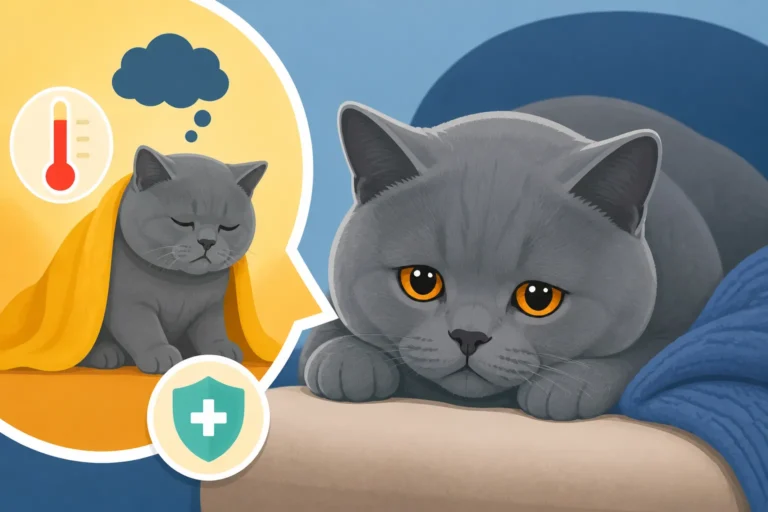
British Shorthairs are, by their very nature, consummate masters of stoicism. They are not typically prone to overt or dramatic displays of emotion, which can make the task of discerning when they are genuinely unhappy, stressed, or experiencing loneliness a significant challenge for their human companions. Rather than loud meows or destructive acts, you are far more likely to observe subtle, gradual shifts in their established behavioral patterns. These nuanced indicators could manifest as noticeable changes in their eating habits – perhaps they begin consuming significantly less food, or, conversely, they might start overeating as a coping mechanism for boredom or stress. Their litter box habits can also serve as a crucial barometer; instances of inappropriate urination or defecation outside the litter box are major red flags that something is amiss, often stemming from underlying stress, anxiety about their environment, or a disruption to their usual routine.
Pay close attention to their greeting ritual when you return home after an absence. While a British Shorthair is rarely a frantic, effusive greeter, a contented and happy cat will typically acknowledge your presence. This might be a quiet, contented meow, a gentle rub against your legs, or simply settling comfortably near you. If, however, your cat appears unusually withdrawn, quickly hides upon your arrival, or displays a marked lack of interest in your return, it could be a significant indicator that their alone time is not as positive or enjoyable as you might have hoped. Similarly, observing excessive self-grooming, to the point of creating bald patches or skin irritation, or, conversely, a sudden and noticeable decline in their usual meticulous grooming routine, can both be strong physical manifestations of underlying stress.
Another telling indicator could be a discernible decrease in their usual engagement with play or interaction, even when you are present and actively attempting to interact. If your British Shorthair typically enjoys a brief, enthusiastic session with a wand toy or a quiet cuddle but begins to consistently reject or shy away from these interactions, it could well be a sign of deeper unhappiness or an unmet emotional need. They might also begin to sleep for more prolonged periods than is typical, or choose unusual, isolated spots for their naps, further distancing themselves. Ultimately, the key lies in recognizing any deviations from your particular cat's normal, relaxed, and contented behavior. This keen observation is absolutely crucial for accurately understanding Signs a British Shorthair Is Unwell and addressing their needs proactively.
Addressing Separation Anxiety
While genuine separation anxiety is perhaps not as commonly diagnosed in British Shorthairs as it might be in some other highly dependent cat breeds or in dogs, these cats are certainly not immune to it. It can develop, particularly if an individual British Shorthair has a history of instability, neglect, or if there are sudden, significant changes to their established routines. This condition goes beyond mere loneliness; it is a profound distress reaction directly linked to the act of being left alone. Symptoms can be quite pronounced and may include persistent and often mournful vocalization, destructive behaviors such as excessive scratching of furniture or inappropriate chewing, continuous or frantic self-grooming (leading to skin issues), and in more severe cases, stress-induced vomiting or diarrhea that is directly associated with your departure. If you observe any of these behaviors and suspect true separation anxiety, the very first step should always be a comprehensive veterinary examination to definitively rule out any underlying medical causes for these concerning symptoms.
Once any potential medical issues have been thoroughly ruled out by your veterinarian, a focused approach using behavior modification techniques is typically employed. This often involves a process known as desensitization, where you gradually and systematically increase the duration of your absences. You would start with very brief periods, perhaps just a few minutes, slowly and incrementally extending the time you are away as your cat demonstrates increased comfort. Concurrently, counter-conditioning techniques can be highly effective. This involves strategically associating your departure with positive experiences, such as offering a particularly special, high-value treat or a long-lasting puzzle feeder that is only provided when you are leaving. The overarching goal of these techniques is to fundamentally shift your cat's emotional response from one of fear and distress to one of calm anticipation or complete indifference to your temporary absence.
Environmental enrichment, a topic discussed previously, becomes an even more critical component when dealing with an anxious British Shorthair. Ensuring they have a wealth of engaging activities, a variety of comfortable and secure retreats, and a consistent, predictable daily routine can significantly help to mitigate their anxiety. In certain severe or persistent cases, your veterinarian might suggest a short course of anti-anxiety medication or specific calming supplements. These pharmaceutical interventions are generally used in conjunction with, rather than as a replacement for, ongoing behavior therapy. It is paramount to remember that overcoming separation anxiety is a process that demands immense patience, unwavering consistency, and a deep understanding of your cat's emotional state. For further relevant context and detailed information, consider reading our article Whether a British Shorthair Gets Separation Anxiety.
The Role of a Companion for Your British Shorthair
The idea of getting a second cat to keep your British Shorthair company is a common thought for many owners. While it can be a wonderful solution for some, it's not a universal fix and requires careful consideration of both cats' personalities.
When a Second Cat Might Be Beneficial
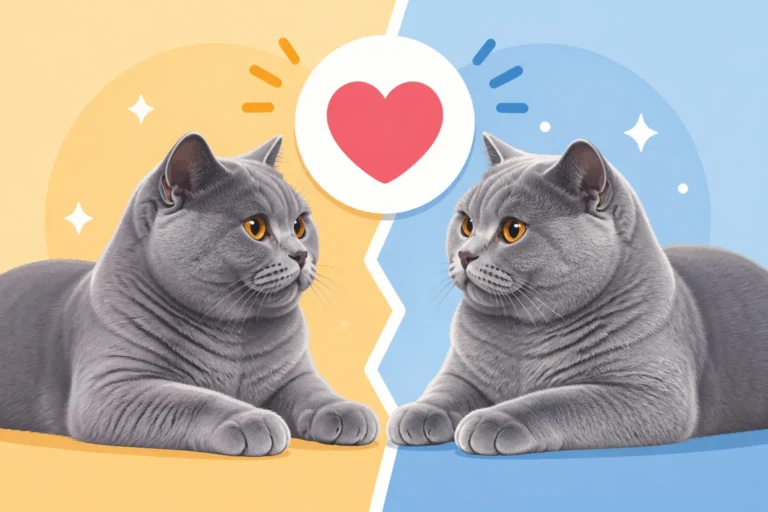
The question of whether to introduce a companion for your British Shorthair is a nuanced one, with the answer heavily dependent on the individual personalities of all cats involved. For some British Shorthairs, particularly those who consistently display subtle signs of loneliness or boredom despite a rich and stimulating environment, a carefully chosen companion can prove to be an incredibly beneficial addition to the household. A second cat provides invaluable social interaction, opportunities for mutual grooming, and even shared play, especially during the long hours of your absence. This companionship can effectively alleviate boredom, significantly reduce stress, and ultimately give your British Shorthair a true "friend" to share their quiet moments and daily routines with.
If your British Shorthair is still relatively young and adaptable, introducing a kitten can often be a smoother process, as kittens are generally more open to new experiences and forming bonds. Two kittens raised together will frequently develop strong, lasting bonds and naturally provide constant companionship and entertainment for each other. For an adult British Shorthair, the best match is typically a calm, similarly independent cat with a compatible temperament. It's generally advisable to avoid introducing a highly energetic, overly playful, or dominant cat if your British Shorthair is naturally reserved, as such a pairing could lead to increased stress and conflict rather than fostering comfort and harmony.
Consider the inherent dynamics of a multi-cat household. A British Shorthair's low-key and peaceful nature means they often do not appreciate a constantly playful or overly demanding companion. They tend to thrive in an environment of peaceful coexistence, valuing quiet companionship over boisterous wrestling matches or incessant chasing. A well-matched pair might spend the majority of their time napping contentedly in the same room, occasionally engaging in mutual grooming, and offering each other silent, reassuring support. This thoughtful approach to pairing is precisely why understanding Which Second Cat Suits a British Shorthair is such an important and informative step in the decision-making process.
Challenges and Considerations for Multiple Cats
While the addition of a companion can be a true blessing for your British Shorthair, it is absolutely essential to acknowledge that it is not without its unique set of challenges and demands. The introduction process, in particular, must be meticulously slow and carefully managed to prevent the development of territorial disputes, aggression, or undue stress for both felines. Rushing this critical phase can inadvertently lead to lifelong animosity between the cats, ultimately making the situation worse than if your British Shorthair had simply remained a single pet. Gradual introductions, strategic scent swapping, and ensuring separate feeding areas and multiple litter boxes are non-negotiable steps in fostering a peaceful cohabitation. You also need to realistically ensure that you have sufficient resources to accommodate two cats – this typically means adhering to the "one litter box per cat plus one extra" rule, providing separate food and water bowls, and ensuring an abundance of both vertical and horizontal resting and hiding spots throughout your home.
Space availability is another significant consideration that must not be overlooked. While British Shorthairs are not known for their hyperactive tendencies, accommodating two cats invariably means requiring twice the territorial space and resources. If your living quarters are particularly cramped or limited, introducing a second cat might, ironically, increase stress levels for both animals rather than decreasing them. Each cat, even if they generally get along well, requires its own distinct safe zones and areas where it can retreat for undisturbed solitude and privacy. Even the best of friends need their personal space from time to time to truly thrive.
Finally, the financial implications of adding a second cat are substantial and must be thoroughly assessed. A second feline companion translates directly to double the ongoing expenses for premium quality food, adequate litter, routine veterinary care (including essential health screenings like What a British Shorthair's Yearly Echo Costs and other preventative tests), and potentially pet insurance premiums. It is a significant, long-term commitment that extends beyond the initial adoption fee. Before making the decision to add another cat to your family, it is imperative to realistically evaluate whether you can genuinely and consistently provide for the comprehensive needs of two felines, both emotionally and financially. In some instances, a more viable and ultimately successful solution might be to intensely focus on enriching the life and environment of your single British Shorthair, rather than introducing an additional pet.
Managing Extended Absences: Beyond the Workday
For those times when your British Shorthair will be alone for more than a typical workday – think weekend getaways or longer vacations – careful planning is absolutely crucial. Simply leaving out extra food and water isn't enough; your cat's emotional and physical needs still require attention.
The Value of Pet Sitters and Drop-In Visits
When your travel plans extend beyond a single workday, relying solely on automatic feeders and a few extra water bowls simply isn't sufficient for the comprehensive care of your British Shorthair. Opting for a professional pet sitter who makes scheduled visits to your home is often considered the gold standard for maintaining your cat's well-being. This arrangement allows your British Shorthair to remain comfortably within its familiar territory, a factor that significantly reduces potential stress and anxiety. A conscientious pet sitter will not only attend to the fundamental needs of feeding, ensuring fresh water, and meticulously cleaning litter boxes, but will also dedicate quality time to interact with your British Shorthair. This interaction can involve engaging in play, offering affectionate cuddles (if your cat is receptive), and providing general companionship, which is invaluable. Critically, a sitter can also administer any necessary medications and, most importantly, monitor your cat for any subtle signs of illness, distress, or unusual behavior that might indicate a problem.
Drop-in visits, typically scheduled once or twice a day depending on your cat's needs and your length of absence, provide essential reassurance and address immediate requirements. For a truly independent British Shorthair, a single daily visit of good quality, which includes interaction and a thorough check, might suffice. However, for more social British Shorthairs, or for longer absences, two visits per day are generally preferable to ensure continuous care and companionship. This consistent human presence helps to maintain their established routine, which cats thrive on, and significantly reduces any potential feelings of abandonment. Furthermore, knowing that a trusted individual is routinely checking in on your furry family member offers immense peace of mind, allowing you to relax and enjoy your time away without constant worry.
Before making a final decision, it is imperative to conduct thorough due diligence when hiring a pet sitter. Arrange an initial meeting with the prospective sitter, request and diligently check their references, and, crucially, observe their interaction with your British Shorthair. Provide them with comprehensive and explicit instructions regarding feeding schedules, specific food preferences, any medication details (including precise dosage, frequency, and method of administration), the litter box routine, your cat's favorite toys, known hiding spots, and any unique behavioral quirks they might exhibit. Do not forget to include your contact information, your veterinarian's number, and details for an emergency contact who can make decisions if you are unreachable. A reliable and compassionate pet sitter is an invaluable investment in both your cat's well-being and your own tranquility. For insights into typical veterinary costs that might be covered during such check-ups, our article What a British Shorthair's Yearly Bloodwork Should Cover provides a useful overview.
Boarding Facilities: Pros and Cons
Boarding facilities present another viable option for managing extended absences, but they come with a distinct set of considerations specifically tailored for a British Shorthair. A significant advantage of professional boarding is the constant supervision provided, ensuring that staff are readily available to address any immediate needs or concerns. Furthermore, these facilities typically offer immediate access to veterinary care should any emergency or health issue arise during your absence. Many modern catteries pride themselves on offering individual "condos" or spacious enclosures that feature vertical climbing spaces and comfortable bedding, specifically designed to closely replicate a secure and stimulating home environment. Some even go a step further by providing webcams, allowing you to check in on your beloved British Shorthair remotely, offering an extra layer of reassurance.
However, a major drawback and source of potential stress for many British Shorthairs is the abrupt change of environment. These cats are creatures of deeply ingrained habit and thrive on predictability and routine; being abruptly removed from their familiar home, with its unique and comforting scents, sounds, and established layout, can prove to be highly unsettling and stressful. The constant presence of other cats, even if they are housed in separate enclosures, can also serve as a significant source of anxiety for a breed that inherently values its personal space and quiet solitude. A typically quiet and introverted British Shorthair might become withdrawn, refuse to eat, or even develop stress-related health issues due to the unfamiliar surroundings and sensory overload.
If boarding becomes your only practical option, it is absolutely essential to choose a facility with extreme care and diligence. Make sure to visit the cattery in person beforehand, thoroughly inspect its cleanliness, assess the noise levels (a quiet environment is preferable), and, critically, ascertain that the staff possess a deep understanding of feline behavior, particularly for independent breeds like the British Shorthair. Inquire about their specific protocols for integrating new cats, their feeding routines, and their comprehensive emergency procedures. To help ease the transition, bringing familiar items from home, such as a favorite blanket, a comfort toy, or a piece of your worn clothing, can provide much-needed reassurance and make their stay slightly more comfortable. Ultimately, carefully consider whether your individual British Shorthair would genuinely tolerate a boarding environment; you can gain further insights into this by consulting our article How a British Shorthair Copes With Boarding.
| Feature | Pet Sitter (At Home) | Boarding Facility (Away from Home) |
|---|---|---|
| Environment | Familiar home, less stress | Unfamiliar, can be stressful for British Shorthairs |
| Human Interaction | Scheduled visits, quality time, one-on-one attention | Constant supervision, but less personalized interaction |
| Routine | Maintained, minimal disruption | May be altered, new schedule |
| Socialization | No exposure to other animals unless arranged | Exposure to other cats (even if separate), potential stress |
| Health Monitoring | Daily check-ins, can administer meds, alerts owner | Constant monitoring, immediate vet access |
| Cost | Varies by visits/duration, can be more for multiple pets | Per day/night, can be cost-effective for long stays |
| Pros for BSH | Reduces stress, maintains routine, familiar scents | Constant supervision, vet access, secure |
| Cons for BSH | Not 24/7 human presence, finding reliable sitter | Can cause anxiety, new smells/sounds, less personal space |
Preparing for Your Absence: Practical Steps
Preparing your British Shorthair for your absence, whether short or long, is more than just packing a bag. It's about setting them up for success and minimizing any potential stress or disruption to their calm routine.
Routine, Resources, and Health Checks
Preparing your British Shorthair for your absence is a process that truly begins long before you even think about walking out the door. Establishing and maintaining absolute consistency in their daily routines is paramount for this breed. Cats, by their very nature, are creatures of habit and thrive on predictability, so adhering to regular feeding times, engaging in consistent play sessions, and ensuring meticulous litter box cleaning all contribute significantly to creating a profound sense of security and stability in their lives. If you intend to utilize an automatic feeder during your absence, introduce it gradually a week or two beforehand. This allows your British Shorthair ample time to acclimate to its operation, the sounds it makes, and the new dispensing schedule, thereby minimizing any surprise or stress when you're actually gone. The same principle applies to introducing any new toys, comfort items, or even new bedding – familiarity is key to minimizing shock.
It is absolutely essential to ensure that all their vital resources are readily available and, ideally, in multiple locations within the home, especially for longer absences. This means setting out several bowls of fresh, clean water, or ensuring your water fountain is sparkling clean and fully operational. Providing an ample supply of their regular food is also critical. For litter boxes, the widely recommended guideline of "one per cat plus one extra" is an excellent rule of thumb to follow, even for a single British Shorthair when you anticipate being away. This ensures there is always a clean and acceptable spot available, significantly reducing the likelihood of inappropriate elimination due to a soiled or inaccessible box. Furthermore, sticking to their familiar brand of litter is incredibly important, as cats can be quite particular and may reject a new type. You can easily find robust and spacious litter boxes, perfectly suited for the generously sized British Shorthair, on platforms like Amazon.
Before your departure, a proactive health check-up with your veterinarian is a highly advisable and responsible step, particularly for older British Shorthairs or those with known pre-existing health conditions. Confirm that all their vaccinations are up to date and that you have a sufficient supply of any necessary medications. Crucially, inform your vet about your impending travel plans and ensure that their contact information, along with your British Shorthair's medical history, is readily available to your pet sitter or the boarding facility. Developing a clear and comprehensive emergency plan, which includes primary and secondary contact details for your vet, as well as a trusted friend or family member who can make informed decisions in your absence, is fundamental for your own peace of mind. Our article What a British Shorthair's Yearly Bloodwork Should Cover offers an excellent overview of the routine checks often included in these pre-travel health assessments.
Communication and Emergency Planning
Effective and explicit communication with anyone who will be caring for your British Shorthair during your absence is not merely helpful; it is absolutely non-negotiable. Begin by meticulously preparing a comprehensive guide or dossier that details every pertinent aspect of your cat's care. This should include their precise feeding schedule, any specific food preferences or dietary restrictions, thorough medication instructions (dosage, frequency, and the best method of administration), their regular litter box routine, a list of their favorite toys, known hiding spots, and any unique behavioral quirks or anxieties they might possess. Crucially, do not forget to include all your contact information, your veterinarian's telephone number, and the details of an emergency contact person who is authorized to make decisions on your behalf should you be unreachable.
Beyond the daily routine, it's prudent to consider and plan for potential emergencies. What course of action should be taken if your British Shorthair suddenly falls ill or experiences an accident? What if there's an unexpected power outage or another unforeseen household event? Discuss these various scenarios proactively with your pet sitter or the boarding facility management. Provide clear, step-by-step instructions on what they should do, who they should immediately contact, and explicitly state the extent of medical treatment you authorize in your absence. Having a designated emergency fund specifically for pet care or ensuring your British Shorthair is covered by comprehensive pet insurance can significantly alleviate potential financial stress during unexpected veterinary emergencies. Knowing that every conceivable contingency has been thoroughly covered allows you to truly relax and enjoy your time away, secure in the knowledge that your beloved British Shorthair is in exceptionally capable and well-informed hands.
Finally, in the immediate lead-up to your departure, make a conscious effort to spend some extra quality time with your British Shorthair. A vigorous play session with their favorite wand toy, an extended period of gentle cuddling, or even offering a few extra special treats can work wonders in reinforcing your deep bond and leaving them feeling loved, secure, and cherished before your temporary absence. This isn't about assuaging guilt; rather, it's a proactive measure to ensure their emotional cup is full, providing them with a robust sense of well-being that will help them cope more effectively and peacefully with your temporary departure.
Disclaimer
This article is for general informational purposes only and does not constitute professional advice. Laws, prices and regulations vary by location and change over time. Consult a qualified professional for guidance on your specific situation.