How a British Shorthair Rides in a Car
It’s a common scenario for many British Shorthair parents: the car door opens, the carrier appears, and suddenly your usually placid, round-faced companion transforms into a quivering, vocal, or utterly uncooperative ball of fluff. Getting a British Shorthair to calmly accept a car ride can feel like trying to herd mist, a truly frustrating experience for everyone involved. This comprehensive guide will walk you through understanding why your beloved Brit might dislike car travel and provide practical, empathetic strategies to make the journey smoother for both of you.
Understanding Why Car Rides Are Stressful for British Shorthairs
Before we dive into solutions, it's crucial to understand the "why" behind your British Shorthair's car ride woes. These aren't inherently dramatic cats, so their strong reactions usually stem from a combination of their innate personality traits and the sensory assault a car journey can present.
The British Shorthair's Nature and Change Aversion
Your British Shorthair thrives on routine and predictability. They are creatures of habit, finding comfort in their established environment, familiar scents, and predictable daily schedule. A sudden car ride, therefore, represents a significant disruption to their carefully constructed world. It’s an unexpected change, and for a British Shorthair, unexpected change is often synonymous with danger or discomfort. They might appear calm and stoic most of the time, earning them the nickname "teddy bear cats," but beneath that unflappable exterior lies a deep appreciation for the status quo. When that status quo is challenged, even something as seemingly innocuous as a car ride can trigger anxiety. This isn't them being difficult; it's a fundamental aspect of What a British Shorthair's Temperament Is Really Like. They prefer their quiet corners and familiar surroundings, making any forced departure a significant event in their day.
The Sensory Overload of a Car Journey
Imagine being strapped into a small box, suddenly propelled through a constantly shifting landscape with unfamiliar noises, vibrations, and smells. That’s essentially what a car ride is like for your British Shorthair, and it's a huge sensory overload.
- Sights: The blur of passing trees, cars, and buildings is unnatural and disorienting. What we perceive as a normal view out the window can be a terrifying, fast-moving kaleidoscope for a cat.
- Sounds: The engine's hum, road noise, other cars honking, and even your radio can be intensely loud and jarring for their sensitive ears. What's a gentle background drone to you might be an unsettling roar to them.
- Smells: Cars carry a cocktail of unfamiliar smells – exhaust fumes, air fresheners, even lingering traces of other animals if you've transported them previously. These scents can be alarming and confusing to a cat whose world is heavily scent-driven.
- Motion Sickness: Just like humans, cats can experience motion sickness. The rocking, braking, and turning can upset their delicate balance system, leading to nausea, drooling, vomiting, or anxiety. If your cat starts drooling excessively, it's often an early sign of impending motion sickness.
All these elements combined can create a deeply unpleasant experience, turning what should be a simple journey into a harrowing ordeal for your feline friend.
Association with Negative Experiences
Let’s be honest, where do most car rides end up for our cats? The vet. While regular vet check-ups are essential for their health, the association with being poked, prodded, and vaccinated can quickly make the car itself a harbinger of doom. If every single car trip ends with a scary trip to the vet, it's no wonder your British Shorthair starts to anticipate the worst the moment the carrier comes out. This negative conditioning is powerful. They aren’t capable of understanding that the car is just a means to an end; they only remember the consequence. This creates a cycle where the car becomes inherently linked to stress, fear, or discomfort, reinforcing their reluctance to travel. Understanding How a British Shorthair Behaves at the Vet can help you prepare for and mitigate some of this stress, making the association a little less severe over time.
Prepping Your British Shorthair for Car Travel: Carrier and Acclimation
The key to a less stressful car ride starts long before you even open the car door. Preparation and positive association are your best friends when it comes to British Shorthairs and travel.
Choosing the Right Carrier
The carrier isn't just a box to transport your cat; it's their safe haven during a potentially frightening experience. Choosing the right one is paramount for comfort and security.
- Size Matters: Your British Shorthair needs to be able to stand up, turn around, and lie down comfortably. Too small, and they’ll feel cramped and anxious. Too large, and they might slide around, increasing motion sickness.
- Security: A sturdy, well-constructed carrier is essential. It needs strong latches and no weak points where an anxious cat could escape. Remember, a British Shorthair can be surprisingly strong when they want to be!
- Ventilation: Good airflow is crucial to prevent overheating and to allow them to smell their surroundings without being overwhelmed by trapped odors.
- Material: Hard plastic carriers are generally easier to clean in case of accidents (motion sickness, nervous urination). Soft-sided carriers can be cozy but might not offer as much protection or be as easy to clean.
- Top-Loading Feature: This is a game-changer! Many British Shorthairs absolutely despise being forced head-first into a front-opening carrier. A top-loading option allows you to gently lower them in, which can significantly reduce pre-travel stress. You can find excellent top-loading carriers on sites like Amazon, offering a range of sizes and features perfect for your large-boned Brit.
- Comfort: Always line the carrier with a soft, familiar blanket or a towel that smells of home and of you. This provides comfort and absorbs any unexpected messes.
| Carrier Type | Pros | Cons | Ideal For |
|---|---|---|---|
| Hard-Sided | Durable, easy to clean, secure, good ventilation | Can be bulky, some cats resist entry if only front-loading | Frequent travelers, cats prone to accidents, vet visits |
| Soft-Sided | Lighter, collapsible for storage, cozy, more "den-like" | Harder to clean after accidents, less protection in a crash | Short trips, quiet cats, airplane travel (if airline approved) |
| Top-Loading | Eases entry for resistant cats, often hard-sided | Can be heavier, may have slightly less headspace if lid is domed | British Shorthairs who hate front-entry carriers |
| Backpack Carrier | Hands-free for owner, good for walking distances | Less stable for car travel, not all cats enjoy vertical posture | Short walks, very calm cats, public transport |
Acclimating Your British Shorthair to the Carrier
This step is critical and often overlooked. The carrier should not be a "boogie box" that only appears when something unpleasant is about to happen. It needs to be a familiar, positive space.
- Leave it Out: Keep the carrier in a common area of your home, not hidden away in a closet. Let your cat explore it at their leisure.
- Positive Association: Place treats, favorite toys, or catnip inside the carrier. Feed them meals near or even inside the carrier. This helps create a positive association, making it a place of good things.
- Comfort Nest: Put a soft blanket or a piece of your clothing (with your scent) inside. This makes it feel like a cozy den.
- Short Stays: Once they're comfortable going in and out, start closing the door for very short periods (a few seconds), gradually increasing the time. Always reward them generously with treats and praise when they come out. The goal is for them to voluntarily enter and relax inside. This process is vital for ensuring How to Get a British Shorthair Into a Carrier isn't a wrestling match.
Gradual Introduction to the Car Itself
Once your British Shorthair is comfortable with their carrier, it’s time to introduce the car in stages. This isn't a quick fix, so be patient.
- Carrier in the Car, No Drive: Start by placing the secured carrier with your cat inside, into the parked car. Open all the car doors for fresh air. Sit with them, talk calmly, offer treats. Do this for 5-10 minutes, then bring them back inside. Repeat several times over a few days.
- Engine On, No Drive: Next, try the same process but turn the engine on. Let them get used to the vibration and sound without moving. Keep it short and positive.
- Short Drives: Begin with very short drives around the block. Keep it to 2-3 minutes maximum. Immediately return home and offer a high-value treat and playtime. This helps them understand that car rides don't always lead to the vet and that returning home is a positive outcome.
- Pheromone Support: Consider using a feline pheromone spray, like Feliway Classic, in the carrier about 15-20 minutes before placing your cat inside. These pheromones mimic natural calming scents and can reduce anxiety. You can find these sprays easily on Amazon.
Making the Car Ride Itself as Smooth as Possible
Even with the best preparation, the actual car ride needs careful management to minimize stress for your British Shorthair.
Securing the Carrier and Comfort Measures
Safety first! An unsecured carrier can become a projectile in a sudden stop or accident, injuring both your cat and potentially you.
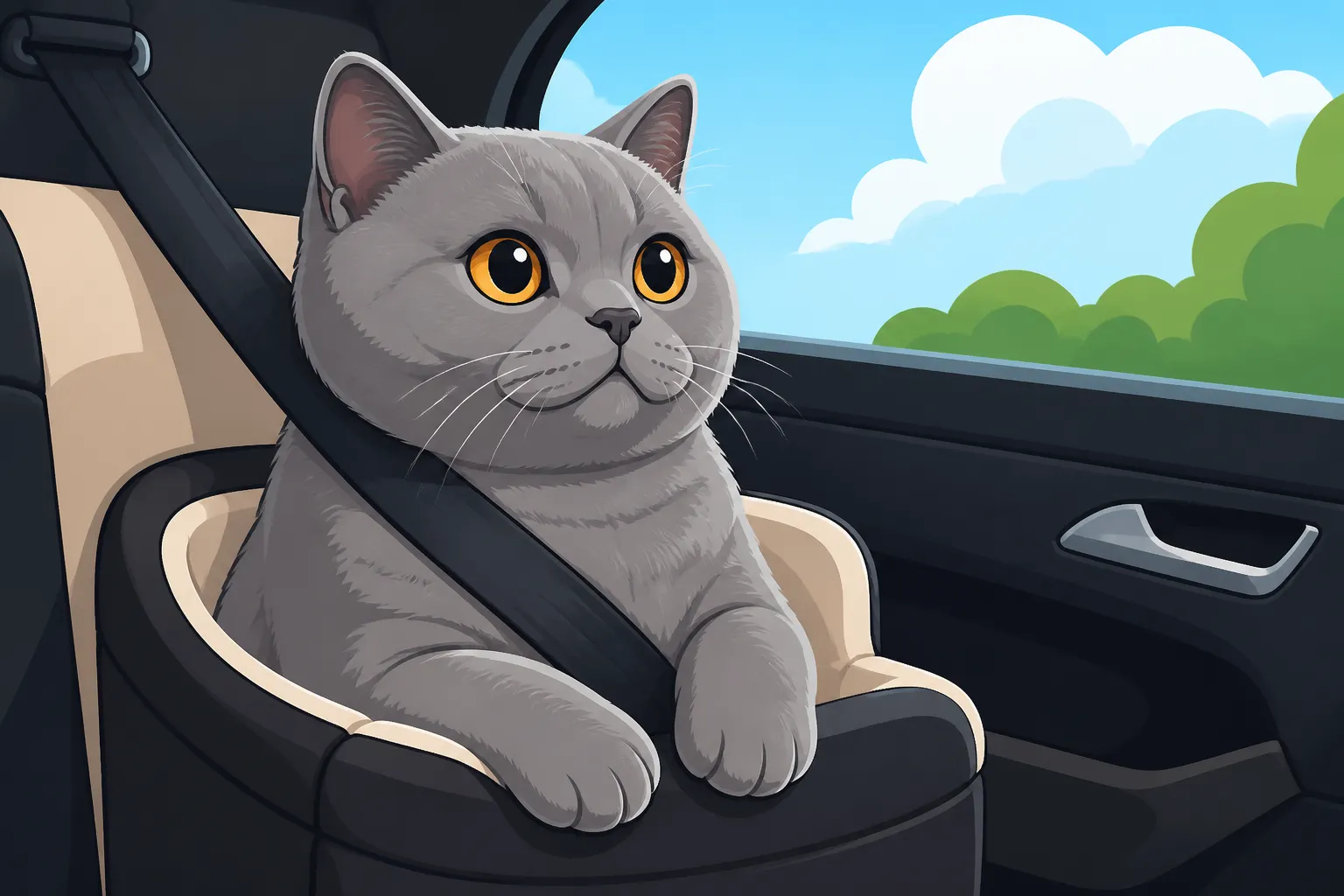
- Seatbelt: Always secure the carrier with a seatbelt. Thread the seatbelt through the handle or around the base of the carrier to keep it firmly in place on the seat or floor.
- Quiet Environment: Keep the car interior calm. Avoid loud music, sudden shouts, or abrupt movements. Speak to your cat in a soft, reassuring voice.
- Temperature Control: Ensure the car's temperature is comfortable. Cats can overheat easily, especially a densely coated British Shorthair. Avoid direct sunlight on the carrier.
- Visual Blockers: Many cats feel more secure if their visual field is limited. Draping a light blanket or towel over part of the carrier can help reduce the overwhelming visual stimuli of the outside world, creating a cozy, den-like space.
Calming Aids and Distraction Techniques
Sometimes, a little extra help can go a long way.
- Pheromone Sprays: As mentioned, a pheromone spray applied to the carrier before the trip can help. Brands like Feliway, readily available on Amazon, are often recommended by vets.
- Familiar Scents: Place a worn t-shirt or blanket that smells strongly of you inside the carrier. Your scent can be incredibly reassuring to your British Shorthair.
- Interactive Toys (Cautiously): For some cats, a treat-dispensing puzzle toy or a favorite plush toy can offer a distraction. However, some cats will be too stressed to engage, so gauge your cat's reaction. Avoid toys that could be choking hazards or create more noise.
- Keep it Quiet: Limit conversation with passengers if it's overly stimulating. The calmer you are, the calmer your cat is likely to be. Remember, Why a British Shorthair Is So Quiet themselves means they prefer a peaceful environment.
What to Do (and Not Do) During the Drive
Once the car is moving, your actions can either help or hinder your cat's experience.
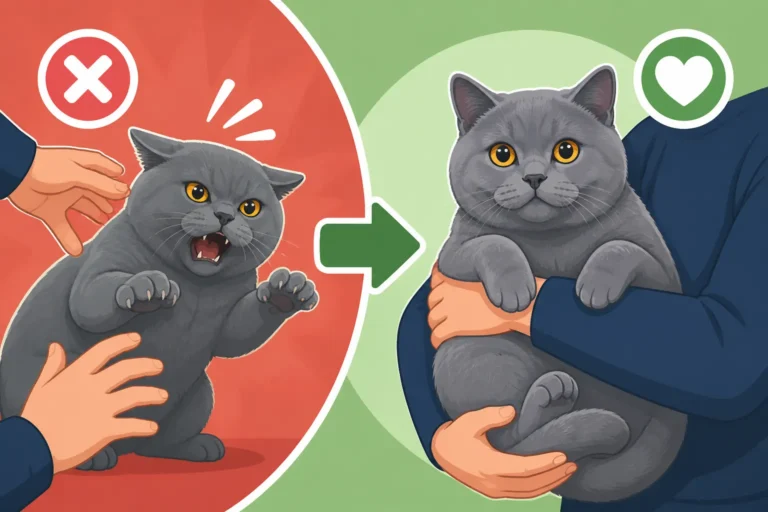
- Stay Contained: Never, ever take your British Shorthair out of their carrier during the drive. A frightened cat can easily escape, get under pedals, or distract the driver, leading to a dangerous situation. Even if they're crying, keep them safe inside. Trying to hold them will only likely result in them squirming and scratching to get away, which isn't safe for anyone. How Long a British Shorthair Tolerates Being Held is usually not very long when they are stressed.
- Observe for Motion Sickness: Watch for signs like excessive drooling, lethargy, lip-licking, or vomiting. If your cat is prone to motion sickness, talk to your vet about anti-nausea medication before travel.
- Food and Water: For short trips (under a few hours), it's generally best to avoid food and water in the carrier to prevent accidents and potential choking hazards if the car stops suddenly. For longer journeys, you'll need to offer water during planned stops. More on that below.
- Remain Calm: Your British Shorthair is highly attuned to your emotions. If you are stressed, they will pick up on it. Take deep breaths, stay calm, and speak in a soothing voice.
Post-Travel Decompression and Future Rides
The journey doesn't end when the car stops. How you handle your British Shorthair immediately after the ride, and how you approach subsequent trips, can greatly impact their long-term comfort with travel.
Helping Your British Shorthair Decompress
Upon arrival, your British Shorthair will likely be disoriented and possibly anxious. Giving them space and comfort is paramount.
- Quiet Landing Zone: Immediately upon reaching your destination, place the carrier in a quiet, undisturbed room. Open the carrier door and allow your British Shorthair to emerge at their own pace. Do not force them out.
- Essentials Ready: Ensure fresh water, a clean litter box (perhaps a travel-sized disposable one), and a small amount of familiar food are immediately accessible.
- Familiar Scents: If you're staying somewhere new, place their bed, a favorite blanket, or some familiar toys around the room. This helps bring a sense of home to an unfamiliar place.
- Avoid Over-Stimulation: Resist the urge to immediately cuddle or shower them with attention. Let them explore, hide if they need to, and slowly adjust to their new surroundings. Remember, Why a British Shorthair Hates Change means they need time to process new environments.
- Monitor for Stress: Watch for signs of stress like hiding, refusal to eat or drink, or inappropriate urination. These might indicate they need more time and a quieter space.
Reinforcing Positive Associations
To prevent the car from always being associated with stressful vet visits or unfamiliar places, try to create some positive travel experiences.
- "Fun" Car Rides: Occasionally take your British Shorthair on a short car ride that ends with something pleasant, like a visit to a cat-friendly friend's house (if they enjoy that) or simply a return home to extra treats and playtime.
- Rewards at Destination: If the destination is pleasant, offer high-value treats and engage in a favorite game upon arrival.
- Routine for Good: Try to establish a gentle routine around travel, so it becomes less of a surprise. Even if it's just practicing getting into the carrier once a week for a few minutes.
Long Journeys and Hydration
Extended car trips require additional planning to keep your British Shorthair comfortable and hydrated.
- Scheduled Breaks: For journeys longer than a few hours, plan regular stops every 2-3 hours. During these stops, offer water. You can use a collapsible travel bowl or a small dish inside the carrier. If your cat is a good drinker, this can also be a good time to offer a little wet food to encourage hydration.
- Litter Box Access: For very long trips, a disposable litter tray can be placed in a large, secure dog crate (if you have one) in the back seat, allowing your cat to stretch and use the litter box in a controlled environment. Never let them roam freely in the car.
- Hydration is Key: Dehydration is a real risk on long journeys. Monitor their water intake. Consider wetting a treat or offering water from a syringe (without forcing it) if they're reluctant to drink.
- Check Temperature: On longer trips, ensure the car's temperature remains consistent and comfortable, especially if you're making stops where the car might heat up quickly.
- Consider a Cat Sitter: If the trip is extremely long or your cat is particularly stressed by travel, sometimes it's kinder to arrange for a trusted cat sitter to look after them at home. Think about Whether a Cat Sitter Is Enough for a British Shorthair versus the stress of a long car journey.
Making car rides easier for your British Shorthair is a journey of patience and positive reinforcement. By understanding their unique needs and taking a proactive approach, you can transform a dreaded experience into a manageable, and perhaps even tolerable, one.
Disclaimer
This article is for general informational purposes only and does not constitute professional advice. Laws, prices and regulations vary by location and change over time. Consult a qualified professional for guidance on your specific situation.