How Often a British Shorthair Chooses Your Lap
One common dream for many new British Shorthair owners is to have a purring, heavy cat curled up on their lap, a constant source of warmth and affection. However, it's a frustration many soon discover that while these magnificent felines are incredibly loving, they don't always express it in the traditional "lap cat" way. This guide will delve into the beautiful, unique nature of the British Shorthair, explaining their typical approach to physical closeness, why they often prefer to sit near you rather than on you, and how you can still foster a deeply affectionate bond that respects their dignified personal space.
Understanding the British Shorthair's Affectionate Nature
The British Shorthair is renowned for its calm, gentle, and utterly devoted temperament. They are often described as quiet observers, dignified companions who prefer to be part of the household fabric rather than constantly demanding attention. This isn't to say they aren't affectionate; quite the opposite. Their affection is simply expressed with a subtle elegance, a quiet presence that speaks volumes without a constant need for physical contact. You'll find they often follow you from room to room, settling close by but not necessarily on you, wanting to be in the same space, sharing your peace. It's a testament to their deep bond that they want to be near you, feeling secure in your presence.
Their Definition of Closeness
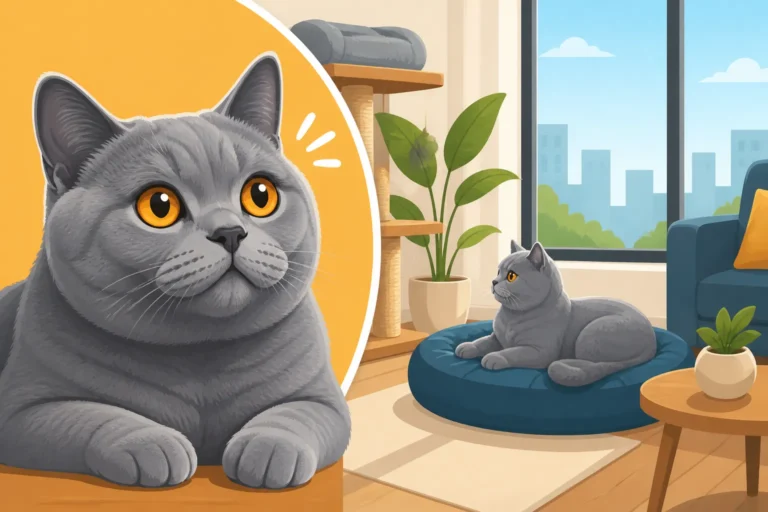
For a British Shorthair, closeness often means being in the same room, perhaps on the sofa next to you, or even on a cat tree overlooking your activities. They are quite content to observe and soak in your company from a slight distance. This can sometimes be a surprise to owners who are used to more overtly clingy breeds, but it’s a hallmark of the British Shorthair's personality. They appreciate their personal space and expect you to respect it, too. When they do decide to initiate contact, it's a deliberate choice, often signified by a slow blink, a gentle head rub against your leg, or a soft purr as they settle beside you. This kind of affection, unforced and freely given, often feels even more special because of its rarity. They truly are masters of understated devotion, valuing companionship over constant cuddles. You might find yourself wondering How Affectionate a British Shorthair Is, and the answer is profoundly so, just in their own unique way.
Affection on Their Terms
One of the key things to understand about a British Shorthair is that their affection is very much offered on their own terms. They aren't typically a breed that enjoys being picked up and held extensively; in fact, many will politely, but firmly, object to such attempts. Instead, they prefer to approach you when they feel like it, making the moments of interaction truly meaningful. It’s about building a relationship based on mutual respect and understanding their cues. If you try to force cuddles, you might find them retreating, which is never the goal. Patience and an understanding of their inherent need for independence will go a long way in fostering a strong, loving bond. Recognizing How a British Shorthair Shows Affection can help you appreciate their unique expressions of love, even if they aren't always in your lap.
The Reality of Lap Time with a British Shorthair
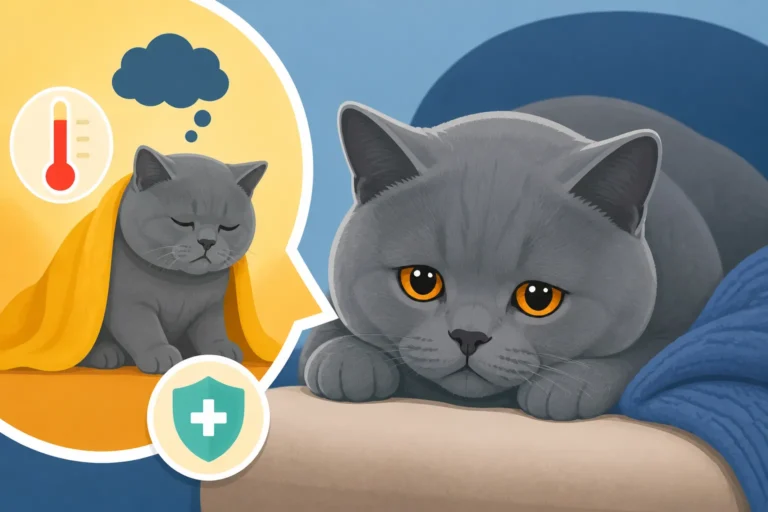
So, how often does a British Shorthair choose your lap? The honest answer is: probably less often than you might imagine, and certainly less than many other breeds known for their lap-sitting tendencies. While some individuals might be more prone to it, the typical British Shorthair is not a dedicated lap cat. They might grace your lap for a few minutes before deciding the adjacent cushion is preferable, or they might only venture onto your lap during specific circumstances, like a chilly evening or if they're feeling a bit under the weather. This can be a bit disheartening if you've pictured endless snuggles, but it's crucial to adjust expectations to their natural behavior. Many owners find their British Shorthair will instead choose to settle A British Shorthair Sits Near You, Not On You, often right beside your thigh or on a pillow touching your arm.
Why They Prefer Proximity Over Direct Contact
There are several reasons why British Shorthairs often choose to sit near you rather than on you. Firstly, their plush, dense double coat, while incredibly soft to stroke, can make them prone to overheating, especially when nestled on a warm human lap. They are built for comfort and often find it more easily on a cooler surface nearby. Secondly, their sturdy, cobby build means they can be quite heavy. For them, lying on a lap might not feel as comfortable or stable as stretching out beside you. They appreciate solid ground! Lastly, it often comes down to their inherent sense of personal space and their quiet dignity. They enjoy your company immensely, but they also value their independence. They want to share your space, but not necessarily to become one with your anatomy. It's more about being a present, calm companion than an ever-present weight. This preference is why many British Shorthair owners report that their cat will Why a British Shorthair Chooses the Next Chair or Where a British Shorthair Sits Instead.
| Trait / Behavior | Typical British Shorthair Preference | Common "Lap Cat" Expectation |
|---|---|---|
| Lap Sitting Frequency | Infrequent, brief, on their terms | Frequent, prolonged, seeking contact |
| Physical Contact | Proximal (next to, touching) | Direct (on lap, being held) |
| Motivation for Closeness | Shared space, companionship, warmth (sometimes) | Affection, comfort, seeking attention |
| Reaction to Being Held | Generally tolerates for short periods, prefers not to be confined | Often enjoys, seeks out, relaxes into it |
| Affection Display | Slow blinks, head rubs, gentle purrs, following | Cuddling, kneading, intense purring, vocal demands |
Age and Personality: Individual Differences
While the general breed tendency leans away from constant lap-sitting, individual personalities always play a significant role. Some British Shorthairs, from kittenhood, might be more inclined to seek out laps, especially if they were raised in a very hands-on, affectionate environment. A kitten might be more playful and experimental, but even then, they often transition to a more independent form of affection as they mature. As they grow older, their preferences tend to solidify. An older British Shorthair might become slightly more sedentary and appreciate the warmth of a lap more often, particularly if they have Arthritis in an Older British Shorthair and find soft surfaces more comfortable. Conversely, some will never be true lap cats. It truly varies, and it’s important not to compare your unique feline friend too strictly to others, or to what you might expect of How Much of a Lap Cat a British Shorthair Is. Embrace their individual quirks and expressions of love.
Encouraging Your British Shorthair to Be More Cuddly
If your heart yearns for more physical closeness with your British Shorthair, don't despair! While you might not transform them into a constant lap-dweller, there are definitely ways to encourage more interaction and increase the chances of those coveted lap visits. The key is always respect, patience, and making the experience as appealing as possible for them. Remember, it's about invitation, not imposition.
Create an Inviting Environment
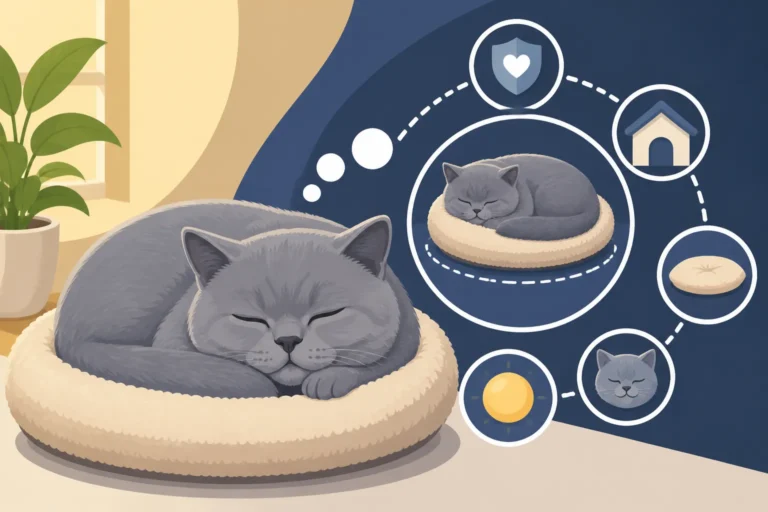
Cats are creatures of comfort, and a British Shorthair is no exception. Make your lap, or the area around it, utterly irresistible. Lay down a soft, plush blanket that they can knead and settle into. Ensure the spot is warm but not stifling, perhaps near a sunny window or a cozy heating pad. Sometimes, the solution isn't your lap, but a super comfortable cat bed placed right next to your favorite chair. You can find a huge variety of inviting cat beds and blankets on Amazon, specifically designed for larger breeds that appreciate ample space to stretch out. Having a dedicated cozy spot nearby signals to them that this is a safe, comfortable zone to relax and be close to you.
Gentle Interaction and Positive Reinforcement
Never force your British Shorthair onto your lap or try to hold them when they are clearly attempting to leave. This will only build resentment and make them less likely to approach in the future. Instead, wait for them to initiate contact. When they do come near, offer a gentle stroke on their head or behind their ears – areas they typically enjoy. Speak to them in a soft, soothing voice. If they settle beside you, offer a small, high-value treat. Over time, they will associate your presence and your lap (or the adjacent spot) with positive, comforting experiences. Consider enriching their environment with puzzle feeders or toys you can interact with together, readily available from online retailers like Amazon, to build positive associations with your presence.
Establish a Routine and Understand Their Cues
Cats thrive on routine. Try to establish a quiet time each day where you sit down, perhaps with a book or watching TV, and invite your cat to join you. This could be in the evening when they are naturally more relaxed. Simply pat your lap or the cushion next to you and offer a gentle call. Don't push it if they don't come immediately. Just being consistently available creates an opportunity. Learn to read your cat's body language: a relaxed posture, a slow blink, a softly swishing tail are all signs they might be open to more interaction. If their tail is thumping or their ears are flattened, it’s best to give them space. Understanding How Much a British Shorthair Likes Being Stroked will help you know when and where to offer gentle affection that they appreciate.
When a British Shorthair Does Choose Your Lap
Those rare moments when a British Shorthair truly chooses your lap are incredibly special and deeply rewarding. They are not to be taken for granted, and understanding what might prompt these visits can help you appreciate them even more. It’s a sign of profound trust and comfort.
Understanding the "Why" Behind the Lap Visit
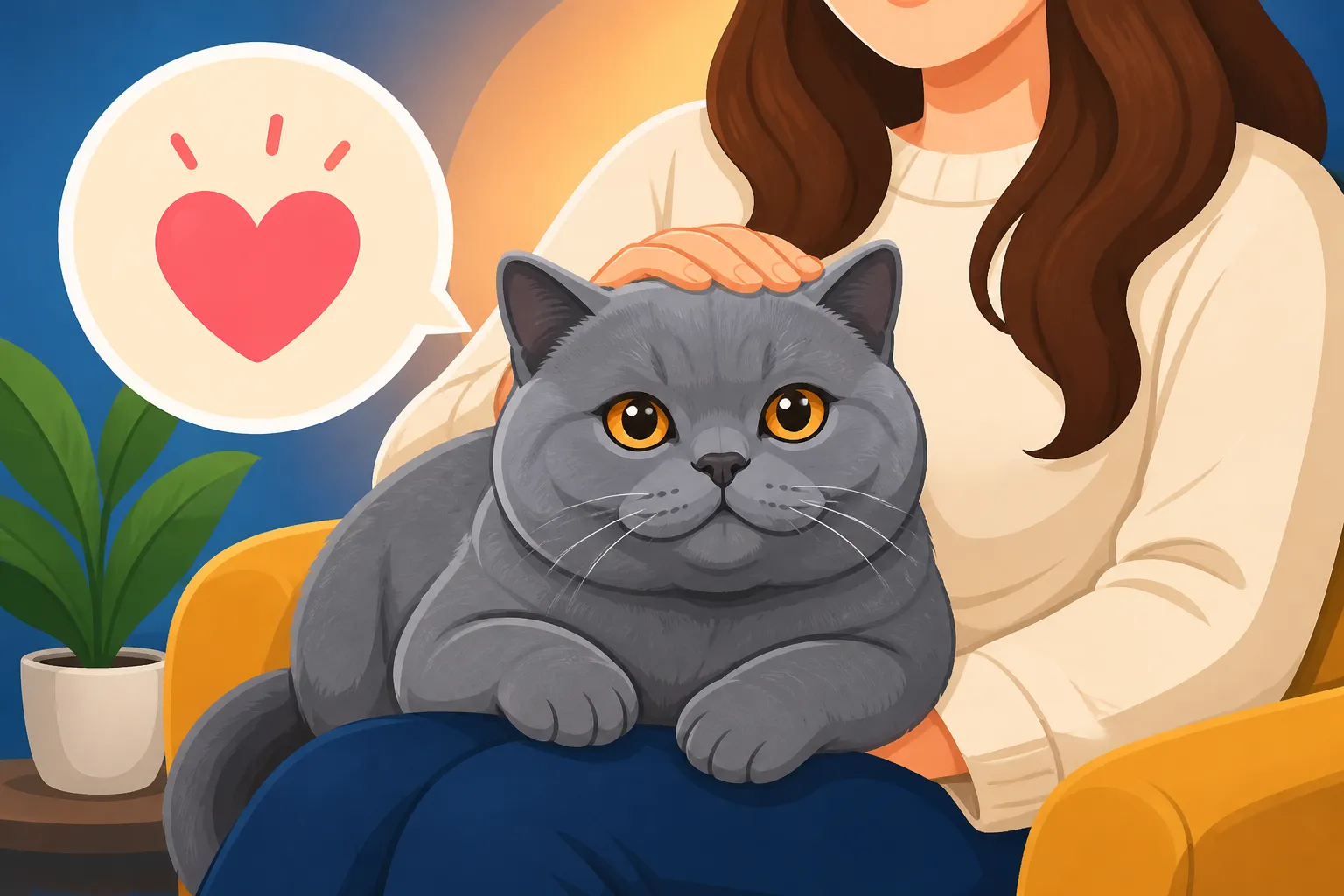
When your British Shorthair settles onto your lap, it's usually because they've found a combination of comfort, warmth, and security that your lap uniquely provides at that moment. It might be a chilly day, and your body heat offers just the right amount of cozy. They might be feeling particularly relaxed and sleepy, finding your lap the perfect soft, safe spot for a nap. Sometimes, it’s simply a pure expression of their bond with you – a quiet acknowledgment that you are their person, and in this moment, they feel utterly safe and loved enough to let their guard down. These aren't casual visits; they are deliberate acts of affection and vulnerability. These are the moments when you truly feel their connection, recognizing How Well a British Shorthair Can Be Cuddled at All, even if it's not every day.
Making the Most of the Moment
When your British Shorthair does finally grace your lap, the best thing you can do is simply be still and enjoy it. Resist the urge to immediately pick them up, move them around, or overly fuss. Gentle, soft strokes in their preferred spots (often the head, cheeks, or back, avoiding the belly) are usually welcome. Speak softly, or simply revel in the quiet purr that often accompanies these visits. Don't overstay your welcome; let them decide when to leave. By making the experience pleasant and unpressured, you increase the chances they'll return. These moments reinforce the deep connection you share, demonstrating that your British Shorthair truly does Whether a British Shorthair Bonds to One Person and values your presence, even if they don't always climb on top of you. It's also during these quiet times that they truly seem to notice your presence or absence, hinting that they do indeed Whether a British Shorthair Notices You Are Away.
Disclaimer
This article is for general informational purposes only and does not constitute professional advice. Laws, prices and regulations vary by location and change over time. Consult a qualified professional for guidance on your specific situation.