Whether a British Shorthair Notices You Are Away
It’s a thought that gnaws at us, isn't it? As you shut the door for work or a weekend getaway, you look back at your British Shorthair, a serene, furry lump on the sofa, and wonder if they even notice you’re gone. The truth is, while they might not stage a dramatic protest, your British Shorthair absolutely knows you've departed, and this guide will delve into how they perceive your absence and how you can ensure they feel secure and content when you're not around.
Understanding the British Shorthair's Independent Nature
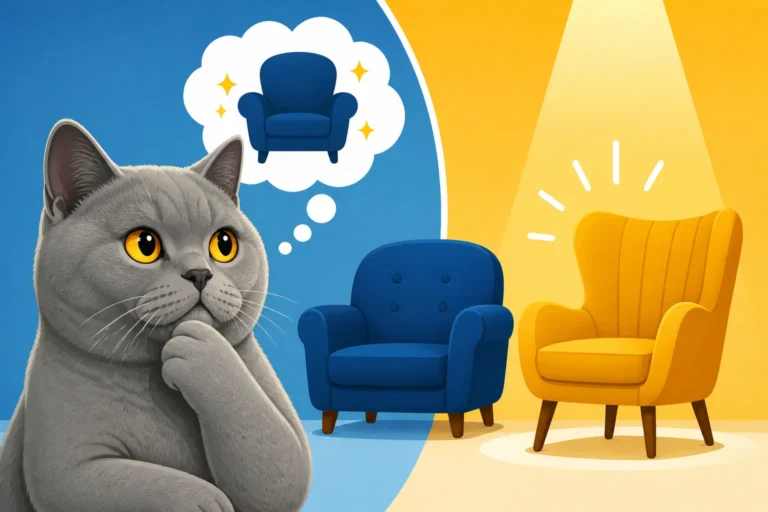
Many British Shorthair owners might initially think their cats are aloof, almost indifferent to their presence, especially compared to more clingy breeds. It’s easy to feel a pang of guilt wondering if they even register your departure. However, this perception often misunderstands their unique blend of independence and deep, subtle affection. They aren't going to throw a tantrum or shred the curtains in protest, but that doesn't mean they don't have feelings about your absence.
The Calm and Collected Demeanor
British Shorthairs are renowned for their calm and composed temperament. They aren't typically high-strung cats prone to frantic energy bursts or constant demands for attention. This inherent tranquility means their reactions to solitude are usually less overt than a breed that thrives on constant interaction. Think of it this way: a calm human might simply read a book when alone, while a more anxious one might pace the floor. Your British Shorthair often falls into the former category. They might retreat to a favorite sunbeam, enjoy a long nap, or simply survey their domain from a comfortable perch. This quiet self-sufficiency is one of the reasons why many people consider A British Shorthair Is Genuinely Fine on Its Own. They have a rich inner life that doesn't always involve direct interaction with humans, but that doesn't mean your absence isn't felt.
They are creatures of routine and comfort. Disruptions to their environment or daily schedule are definitely noticed, even if they don't vocalize their displeasure with loud meows. Instead, they might express it through subtle changes in their habits, perhaps sleeping in a spot they usually reserve for your presence, as if trying to keep your scent close. It’s not about them being overly dramatic; it’s simply how their inherently stoic nature processes change. They value consistency, and your presence is a significant, comforting part of their daily landscape.
Their Attachment Style
British Shorthairs often develop a deep, quiet bond with their humans, but it's not always expressed in the stereotypical "lap cat" way. They are more likely to be found near you rather than on you, a furry shadow occupying the adjacent sofa cushion or a sun-drenched spot in the same room. This means their attachment is often territorial and observational. They appreciate your presence as part of their safe and predictable environment. When you leave, that significant part of their environment shifts.
Their world revolves around their territory and the familiar figures within it. You are a key part of that tapestry. While they might not show distress in the dramatic way a dog might, they certainly register the change. They often bond strongly to one person in the household, and that person's absence is particularly noteworthy. It’s not necessarily separation anxiety in the clinical sense for most British Shorthairs, but more of a recognition that a crucial element of their comfort and security is temporarily gone. They are intelligent and observant, and they pick up on subtle cues like the sound of your keys, the rustle of your jacket, or the particular tone of your farewell. Don't be fooled by their poker face; they are processing it all.
Signs Your British Shorthair Notices Your Absence
So, if they're not tearing up the house, how can you tell if your British Shorthair actually notices you're gone? Their communication is subtle, a quiet language of actions and reactions that speak volumes if you know how to interpret them. It's less about grand gestures and more about nuanced shifts in their usual behavior.
Changes in Behavior Upon Your Return
This is often the most obvious way they signal their awareness of your absence. When you return home, your British Shorthair might greet you with a quiet trill, a deliberate rub against your legs, or a slow blink that communicates deep contentment. It's not usually an explosive, over-the-top greeting, but rather a calm acknowledgment that their world is back in order. Some might choose to follow you from room to room for a while, just reaffirming your presence. Others might demand attention with a nudge of their head or by simply sitting closer than usual, as if to say, "Glad you're back, now please settle down."
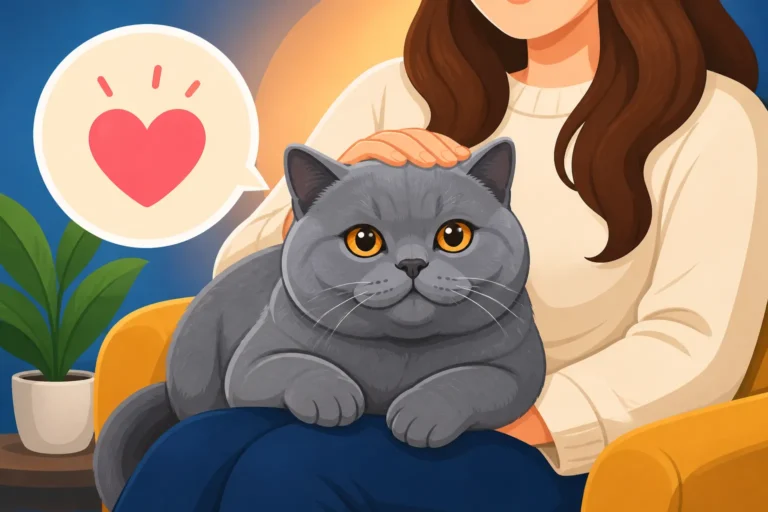
Think about the quality of their purr. Is it a particularly deep, resonant purr when you finally settle down and give them a gentle head scratch? That's a strong indicator of their relief and pleasure at your return. They might also engage in more grooming behavior when you're back, almost as a self-soothing action now that their environment feels complete again. If you've ever found your British Shorthair stretching luxuriously or slowly meandering towards you, perhaps giving you a soft headbutt, you're witnessing their quiet joy at your reappearance. It's a testament to How Affectionate a British Shorthair Is in their own understated way.
Subtle Indicators During Your Absence
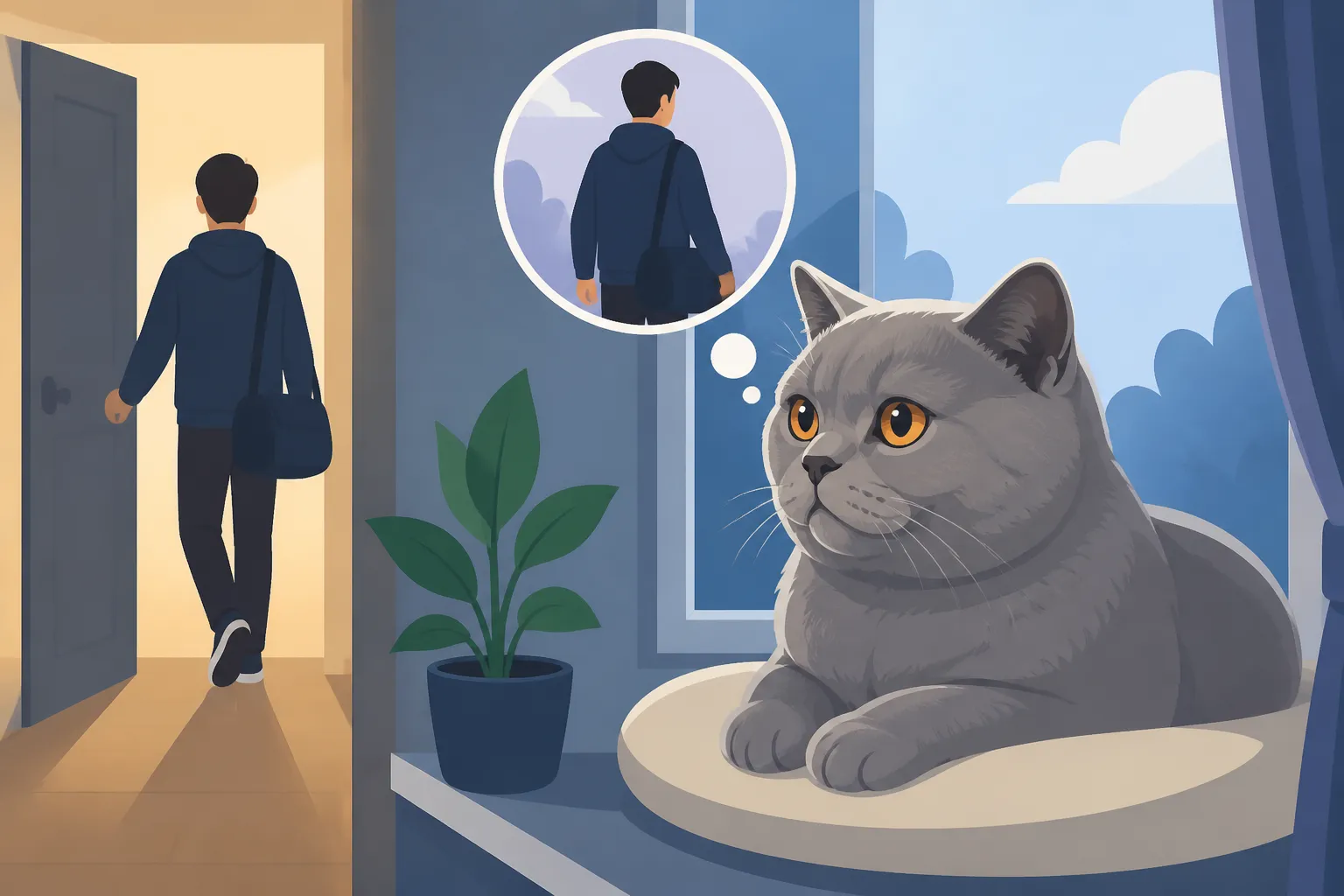
Even when you're not there, your British Shorthair is leaving clues. If you have pet cameras, you might observe them sleeping more deeply or in different, perhaps more exposed, locations than when you are home. Some might spend more time gazing out windows, as if awaiting your return. They might not be pacing anxiously, but their quiet observation is a form of vigilance. You might also notice their food consumption changes – some will eat less, holding out for your return to feel secure enough to fully enjoy their meal, while others might overeat due to boredom.
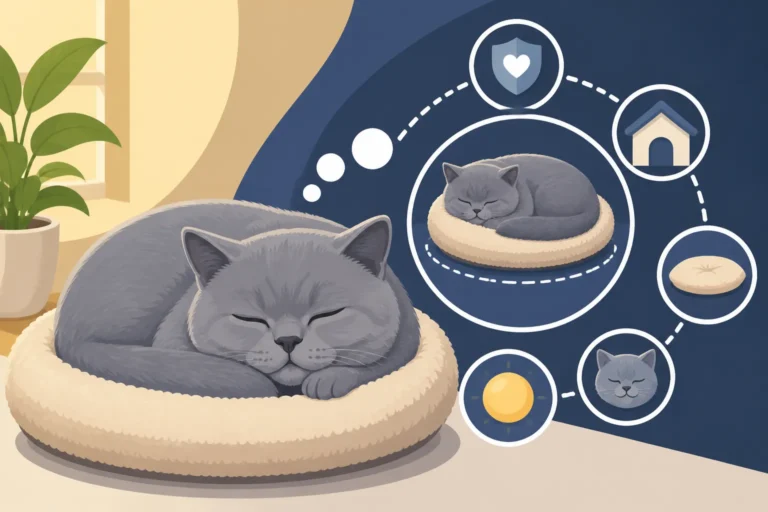
Another subtle sign is how they interact with objects that carry your scent. You might find them curled up on your side of the bed, nestled into a discarded sweater, or resting on a pile of your laundry. These items serve as comforting proxies for your physical presence. They’re effectively creating a scent bubble of you to self-soothe. They are very much aware of your routine and the typical noises associated with your presence. When those sounds cease, they notice the silence. While they might appear to be sleeping soundly all day, rest assured, their internal clocks and keen senses are very much attuned to the shift in the household rhythm. They might not express it outwardly, but the quiet hum of your daily life is indeed something they take note of when it’s gone.
Coping Mechanisms and Enrichment for Solo Time
Since your British Shorthair does notice when you're away, it's important to provide them with a supportive and stimulating environment to help them cope. This isn't about guilt-tripping yourself, but rather about enriching their lives and minimizing any potential stress or boredom.
Creating a Comforting Environment
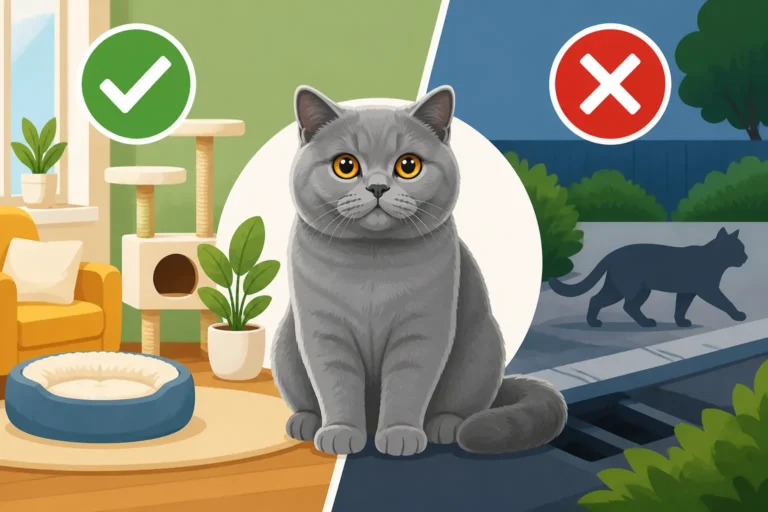
One of the best things you can do is maintain a consistent routine, even when you're leaving for the day. Feed them at the usual time, give them some attention before you leave, and keep their environment predictable. Leave some lights on, particularly if you'll be gone into the evening, to prevent a sudden shift to darkness. A radio or TV playing quietly can also provide background noise that mimics the sounds of a busy household, preventing the eerie silence that can signal solitude.
Ensure they have access to their favorite sleeping spots, whether that's a plush bed, a sunny windowsill, or a cozy cat tree. A comfortable, familiar space helps them feel secure. Scent is also incredibly important to cats. Leaving an item of your recently worn clothing, like a t-shirt or a soft blanket you've used, in their favorite napping spot can provide immense comfort. It's a passive way of keeping your presence with them. Ensuring their litter box is clean and fresh before you leave is also crucial, as a pristine environment contributes significantly to their sense of well-being. This attention to detail makes a big difference in How a British Shorthair Copes With a Full Working Day.
Engaging Them While You're Away
Boredom can be a major factor in how a British Shorthair perceives your absence. While they are not typically hyperactive, even the calmest British Shorthair needs mental and physical stimulation. Puzzle feeders are excellent for this, turning mealtime into a game and extending their engagement with food. You can find many options on Amazon, from simple treat balls to more intricate mazes. Hiding small portions of their regular food around the house for them to "hunt" can also provide enrichment.
Interactive toys that don't require your presence are also a good idea. Think about automated laser pointers that turn on periodically, or toys that dispense treats. Even simple things like leaving a crinkly ball or a soft toy infused with catnip can provide bursts of entertainment. Consider a window perch with a view of birds or squirrels – it's like their personal cinema. For a cat that might be prone to loneliness or just enjoys observing, a pet camera with two-way audio can even allow you to speak to them, providing a brief moment of connection. These tools, readily available on platforms like Amazon, can make a huge difference in breaking up the monotony of their day and making them feel less alone. Don't underestimate the power of a good Whether a Puzzle Feeder Motivates a British Shorthair.
How Long Is Too Long to Leave a British Shorthair Alone?
This is the big question that every cat owner grapples with. There's no single, definitive answer, as it depends on your individual cat's personality, health, and the environment you've provided. However, we can look at some general guidelines to ensure your British Shorthair remains happy and healthy during your absences.
Short Absences Versus Extended Periods
For a typical, well-adjusted adult British Shorthair, being left alone for a standard workday (8-10 hours) is generally manageable, especially if they have access to food, water, a clean litter box, and some form of enrichment. They are masters of napping and can fill these hours quite easily. However, "manageable" doesn't mean they don't notice or prefer you to be there. This is where preparing their environment with toys, comfortable spots, and perhaps a background noise really helps.
When we start talking about extended periods, like an overnight stay or a weekend trip, the calculus changes. While a British Shorthair can physically survive for 24-36 hours with ample food and water, it's not ideal for their emotional well-being. Beyond 24 hours, the risk of boredom, loneliness, and even potential issues like a full litter box or an empty water bowl increases significantly. They might not exhibit separation anxiety in the dramatic sense, but prolonged solitude goes against their need for routine and quiet companionship. Owners often ask How Many Hours a British Shorthair Can Be Left, and the answer really comes down to balancing their needs with your schedule.
The Role of a Cat Sitter or Pet Cam
For any absence longer than a single workday, a cat sitter or a trusted friend checking in daily becomes almost essential. A sitter can replenish food and water, clean the litter box, and most importantly, provide much-needed social interaction. Even if your British Shorthair isn't a "lap cat," a few minutes of gentle petting, a calm voice, or a brief play session can alleviate loneliness and stress. This is particularly true for older British Shorthairs who might have specific needs or medication schedules. A visit ensures everything is in order and they receive that crucial human connection.
Pet cameras, many of which can be found on Amazon, can offer peace of mind for shorter absences, allowing you to check in visually and sometimes even verbally. However, a camera is not a replacement for a human presence over extended periods. For longer trips, consider a professional cat sitter who understands feline behavior and can spot any subtle signs of distress or illness. It's truly comforting to know Whether a Cat Sitter Is Enough for a British Shorthair for those times you need to be away. Remember, while independent, your British Shorthair still relies on you for their physical and emotional well-being, and a little planning goes a long way in ensuring their happiness when you're not home.
Disclaimer
This article is for general informational purposes only and does not constitute professional advice. Laws, prices and regulations vary by location and change over time. Consult a qualified professional for guidance on your specific situation.