Why a British Shorthair Chooses the Next Chair
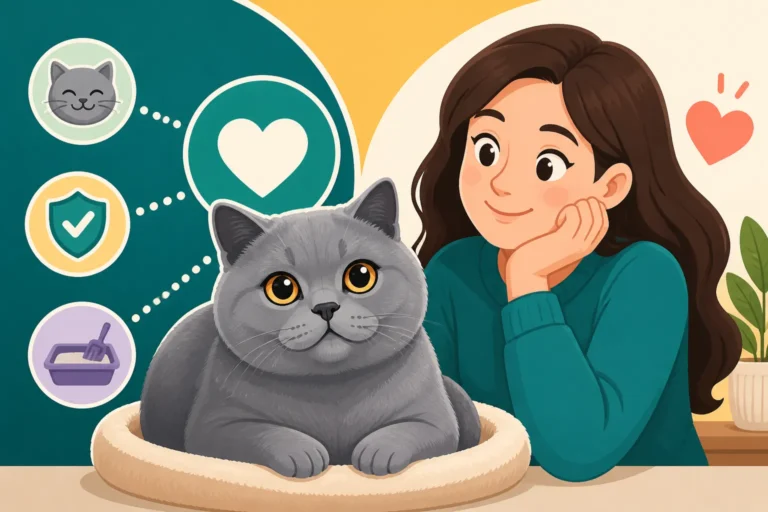
It’s a scenario many British Shorthair owners know all too well: you settle onto the sofa, ready for a cozy cuddle with your beloved floof, only for them to gracefully leap onto the adjacent chair, or perhaps a cushion just out of arm's reach. This isn't a rejection, even though it can feel a bit like one when all you want is some lap time! It's simply their unique way of showing affection and asserting their personal space. This guide will help you understand this charming quirk of the British Shorthair and how you can still build a deep, loving bond on their terms.
Understanding the British Shorthair's Affection Style
British Shorthairs are magnificent creatures with a calm and dignified demeanor, but their affection often manifests differently from what some people expect from a typical "lap cat." They are not aloof, not at all, but they have a distinct preference for how they give and receive love.
The Independent Nature of the British Shorthair
One of the most defining characteristics of the British Shorthair is its innate independence. These cats aren't clingy; they appreciate their own space and don't necessarily feel the need to be constantly on top of you. Think of them as the stately, self-assured members of the feline world. They love your company, they truly do, but often from a comfortable distance. This isn't a slight against you; it's just how they're wired. They might follow you from room to room, settle in the same vicinity while you're working or relaxing, and even rub against your legs as you pass by, all without ever attempting to become a permanent fixture on your lap. Many British Shorthair owners will tell you that their cats are very much a part of the family, always present, but rarely demanding direct, physical contact in the way a more "velcro" cat might be. This independent streak is part of their charm and why they are often described as being "in the room with you, not on you." If you're wondering How Much of a Lap Cat a British Shorthair Is, the answer is often "not much, but they'll still be close."
This independence also means they're often quite happy entertaining themselves or simply observing the world around them. They're not prone to separation anxiety in the same way some breeds might be, making them an excellent choice for individuals or families with busy schedules. You might find them perfectly content napping in a sunbeam or watching birds from a window perch. Their calm disposition often means they're not constantly seeking attention, but rather enjoying the quiet presence of their human companions.
Physical Comfort and Personal Space
Let's be honest, British Shorthairs are solid, substantial cats. They're built for comfort, and that comfort often involves stretching out. Their dense, plush coats, while gorgeous, can also make them quite warm, especially when snuggled against a human body for extended periods. This might contribute to their preference for a cooler, less constricting spot right next to you, rather than directly on your lap. They're seeking the warmth of your presence, but maybe not the warmth of your body heat combined with their already thick fur.
Furthermore, British Shorthairs value their personal space. They're not typically the cats who enjoy being picked up and carried around for long durations. They might tolerate a brief cuddle, but they usually prefer to be grounded. When they choose the "next chair," they're effectively saying, "I want to be near you, I enjoy your company, but I also need the freedom to stretch, re-position myself, or make a swift exit if I feel the urge." It’s a delicate balance of closeness and autonomy that they strive for. This preference for personal space is intrinsically linked to Why a British Shorthair Hates Being Picked Up; they simply prefer to be on their own four paws. Understanding this helps you appreciate their subtle ways of showing they care, which might include a slow blink, a gentle headbutt, or simply choosing to nap in the same room as you.
Deciphering the "Next Chair" Phenomenon
So, what exactly is going on when your British Shorthair opts for the adjacent cushion instead of your awaiting lap? It's more nuanced than a simple desire to avoid you. It's a communication of their particular comfort and affection requirements.
Proximity Without Pressure
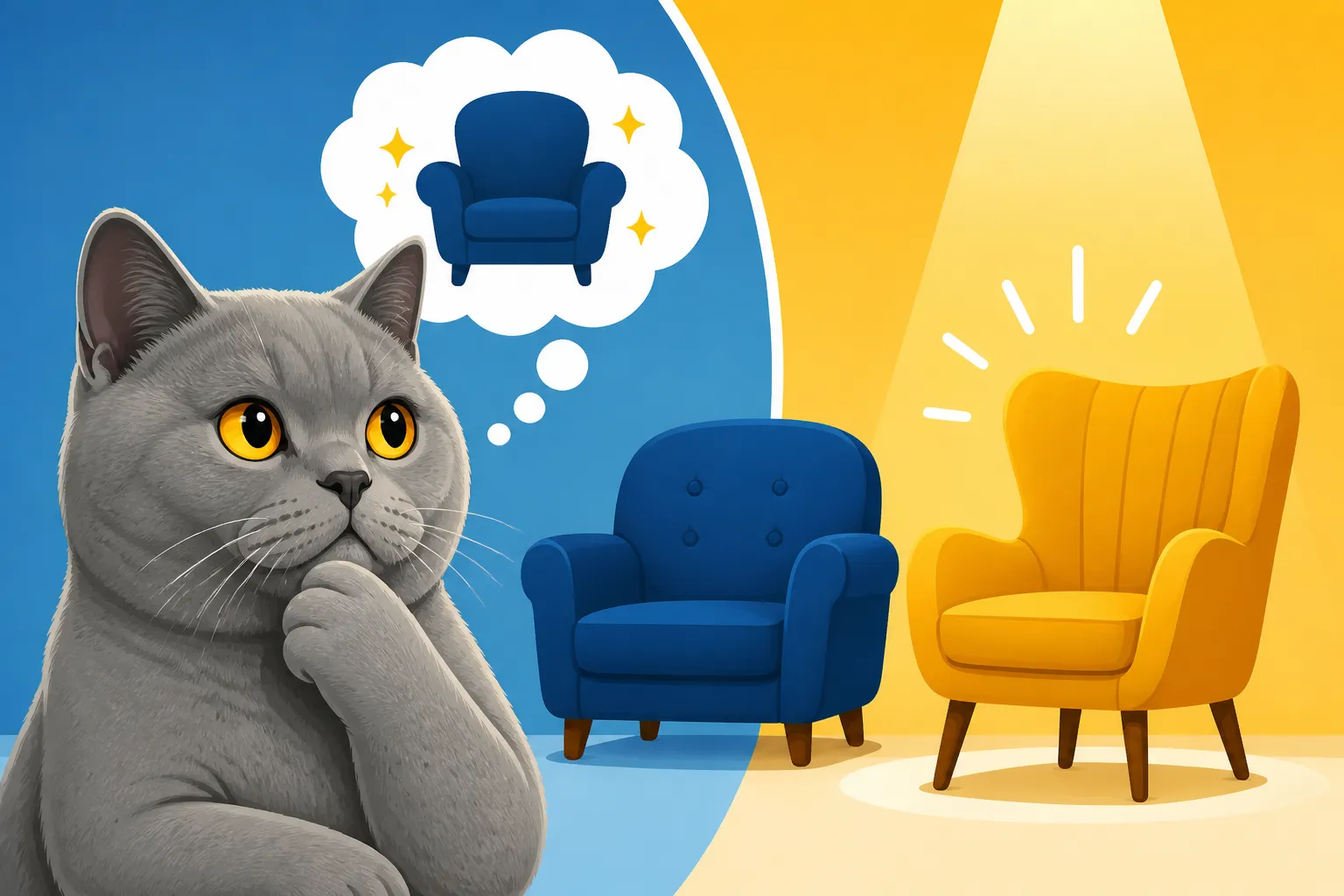
When your British Shorthair settles in the chair next to you, they are absolutely expressing affection. They want to be close to you, to feel your presence, hear your voice, and enjoy the ambient comfort of being near their chosen human. However, they want this closeness on their own terms – proximity without the pressure of being confined or overly handled. They're not seeking to become an extension of your lap, but rather a companion in your space. This behavior aligns perfectly with the observation that A British Shorthair Sits Near You, Not On You.
Consider the feeling: when a British Shorthair is on the next chair, they can easily observe you, participate in the shared quietness of the room, and still feel secure in their own independent spot. They can stretch out fully, groom themselves without bumping into you, or simply watch the world go by from their chosen vantage point. It’s a declaration of trust and comfort in your presence, just expressed in a way that prioritizes their need for personal sovereignty. They’re saying, "I choose to be here, near you, because I feel safe and loved, but I also choose my exact spot."
Observing Their Environment
British Shorthairs are curious and observant cats, despite their sometimes sleepy appearance. Choosing the "next chair" often gives them a better vantage point to survey the room, keep an eye on household goings-on, and maintain a sense of control over their immediate environment. If they were squarely on your lap, their view might be restricted, and their ability to quickly react to a new sound or movement would be hampered.
This observational behavior is part of their calm nature. They aren't usually prone to frantic dashes or high-energy antics; instead, they prefer to take in their surroundings methodically. From the next chair, they can watch the dog walk by, see a family member enter the room, or simply enjoy watching you read a book without feeling obliged to interact directly. It’s their way of being part of the action, even if their "action" is simply serene contemplation. They're highly attuned to the atmosphere of their home, and being close but not constrained allows them to fully participate in that sensory experience. This is part of What a British Shorthair Does All Day – a lot of observing and quiet companionship.
Building a Bond on Their Terms
Building a strong bond with a British Shorthair means meeting them where they are and appreciating their unique ways of showing love. It's about respect, patience, and understanding their individual needs for closeness and space.
Respecting Their Boundaries
The most crucial step in fostering a deep relationship with a British Shorthair is to respect their boundaries. If they choose the next chair, let them. Don't constantly try to coax them onto your lap or force physical affection. This can actually backfire, making them less likely to seek out your company. Instead, offer a gentle hand for a head scratch or chin rub when they are settled next to you. You'll soon learn How a British Shorthair Shows Affection in their own subtle ways. They might lean into your hand, purr deeply, or offer a slow blink – all clear signs of contentment and love.
Pay attention to their body language. A British Shorthair will communicate when they are open to contact. A relaxed posture, a soft gaze, or a gentle purr are all invitations for interaction. If their ears are flattened, their tail is thumping, or they try to move away, respect that signal immediately. Over time, this consistent respect builds immense trust. They'll learn that you understand and honor their need for space, which paradoxically, often makes them more willing to approach you for affection on their own terms. This might include a brief visit to your lap for a few minutes before they decide it's time to relocate to Where a British Shorthair Sits Instead – typically a spot nearby.
Creating Inviting Spaces
Since British Shorthairs appreciate comfort and proximity, creating inviting spaces near you can go a long way. Think about placing a soft blanket or a comfortable cat bed on the chair next to yours. You could even get a plush cat tree or a window perch that allows them to be close to you without feeling trapped on your lap. Options from retailers like Amazon offer a wide variety of cozy cat beds and blankets that can be placed strategically.
Consider a cozy cat cave or an orthopedic pet bed. These provide a sense of security and luxurious comfort, making the "next chair" or a nearby spot even more appealing. For example, a faux-fur donut bed from Amazon could be the perfect invitation for them to settle down close by. The goal is to offer them attractive alternatives that satisfy their desire to be near you while maintaining their personal bubble. If they have a designated, comfortable spot adjacent to you, they're more likely to use it and feel included in your activity. Even a simple, soft throw blanket on an empty chair can become their preferred spot, especially if it smells like you.
Encouraging Closeness Without Coercion
You can absolutely encourage a British Shorthair to be more physically affectionate, but it requires a subtle approach, patience, and a deep understanding of what motivates them. It’s not about forcing them, but about creating an environment where they choose to be close.
Interactive Play and Gentle Petting
One of the best ways to bond with a British Shorthair and encourage closeness is through interactive play. Since they're not always keen on high-energy games, try toys that mimic prey movement, like wand toys with feathers or small, crinkly balls. Playing together creates a positive association with your presence and can make them more receptive to affection afterward. After a good play session, when they're relaxed and happy, they might be more inclined to settle near you, or even briefly on your lap, for a gentle pet.
When it comes to petting, British Shorthairs often have specific preferences. Many love chin scratches, head rubs, or gentle strokes along their back. They generally dislike having their belly touched and often squirm if you try to hold them too tightly or pick them up without warning. Learn Where a British Shorthair Likes Being Touched and focus on those areas. Approach them with an open hand, let them sniff you, and then gently initiate contact. Short, frequent petting sessions are often better than long, intense ones. This builds trust and shows them that interactions with you are pleasant and not overwhelming. You might find them slowly inching closer during these moments, eventually even resting a paw on your leg.
The Art of the Shared Space
The "shared space" is where you and your British Shorthair coexist in comfortable harmony. This means inviting them into your personal space without demanding direct physical contact. Instead of pulling them onto your lap, make your lap inviting. A soft blanket that carries your scent might tempt them to explore. Offering a treat when they are nearby can also create a positive association with your proximity. You could even use a small, low table next to your chair where they can sit and be eye-level with you, allowing for casual interaction and petting.
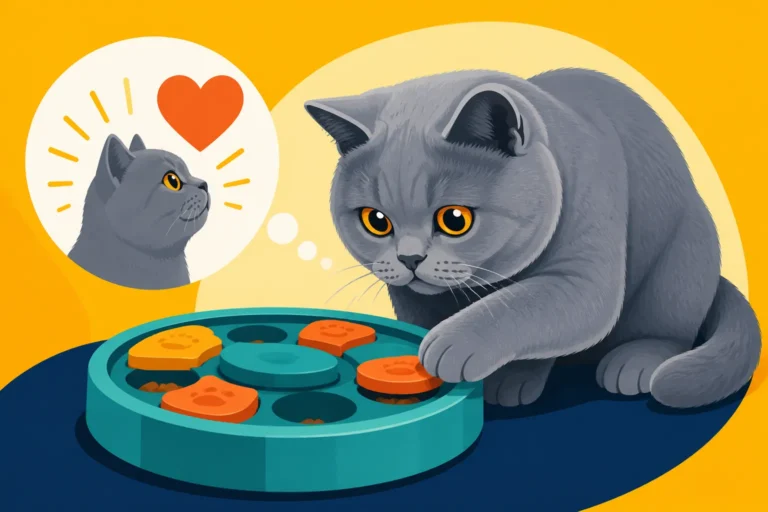
Another strategy is to simply sit quietly near them. Read a book, watch TV, or work on your laptop, allowing them to approach you on their own terms. Sometimes, the less you try, the more they will offer. A British Shorthair often values a calm, predictable environment. If you're relaxed, they're more likely to feel relaxed enough to choose a spot beside you. They might even surprise you by hopping onto your lap for a brief cuddle when you least expect it, especially during a quiet evening. Building this kind of rapport can take time, but the reward is a deep, respectful bond with your gentle giant. Even puzzle feeders from Amazon can be a way to create positive interactions in a shared space, keeping them engaged while you're nearby.
Here’s a quick overview of British Shorthair communication styles:
| British Shorthair Behavior | What It Often Means | How to Respond |
|---|---|---|
| Sits on the "next chair" | I want to be near you, but on my own terms. I enjoy your company and feel safe. | Offer a gentle hand for pets, let them relax. |
| Slow blink | I trust you, I'm relaxed and content. | Return a slow blink, maintain quiet presence. |
| Headbutt/Bunting | You are part of my family, I'm marking you as mine, I want attention now. | Return a gentle pet or head scratch. |
| Tail Swish (slow and low) | I'm observing, slightly annoyed, or thinking. | Give them space, avoid sudden movements. |
| Kneading | I'm comfortable, happy, and feeling affectionate. | Enjoy the moment, offer gentle strokes. |
| Chirp/Trill | Hello, I'm here, pay attention! | Acknowledge them, perhaps with a soft word or gentle touch. |
| Grooming nearby | I'm relaxed in your presence and feel secure. | Continue your activity, enjoy their quiet company. |
| Avoids eye contact | I'm feeling shy, uncertain, or just want to be left alone. | Give them space, avoid direct staring. |
Ultimately, understanding and appreciating the British Shorthair’s unique personality means recognizing that their love isn't always expressed in the traditional "lap cat" way. They offer a deep, quiet companionship that, once understood, is incredibly rewarding.
Disclaimer
This article is for general informational purposes only and does not constitute professional advice. Laws, prices and regulations vary by location and change over time. Consult a qualified professional for guidance on your specific situation.