How Long a British Shorthair Waits by the Door
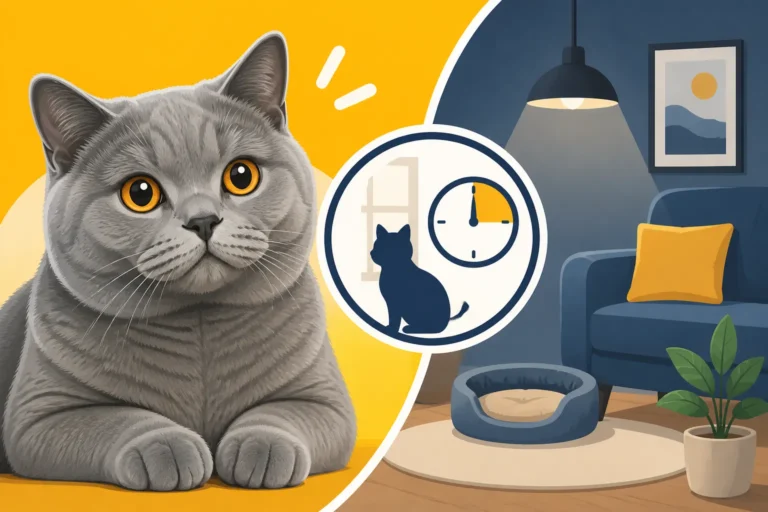
It’s a natural concern for any devoted British Shorthair owner: when you shut that door and head out, what happens behind it? Do they settle down for a nap, or do they sit, watching the door handle, waiting for your return? Many of us grapple with guilt or curiosity about our feline friends' solitude. This comprehensive guide will explore the unique way British Shorthairs handle your absence, helping you understand their specific behaviors and how long they truly 'wait' for you.
The British Shorthair's Independent Nature and Waiting Habits
British Shorthairs are renowned for their calm, unflappable demeanor. They aren't typically the sort of cat to shred curtains in a fit of separation anxiety, but that doesn't mean they don't notice your coming and going. Understanding their inherent independence is key to interpreting their "waiting" behavior.
Are British Shorthairs Prone to Separation Anxiety
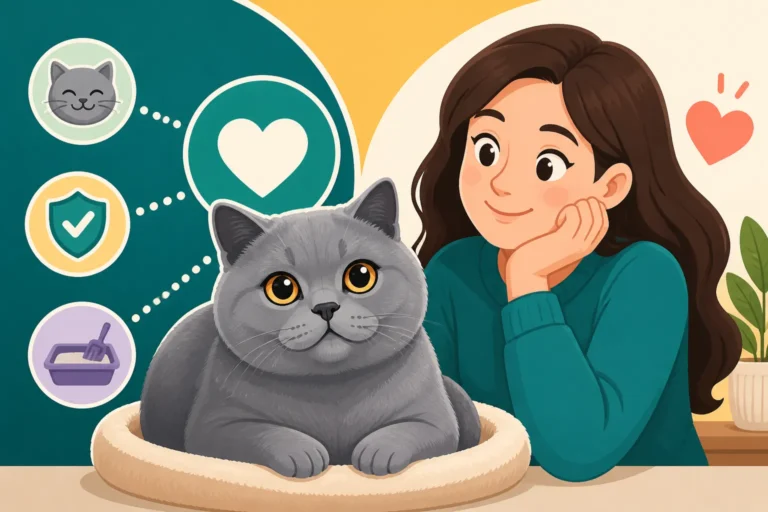
While any cat can develop separation anxiety, it's generally less common in British Shorthairs compared to some more clingy breeds. Their ancestors were sturdy working cats, and while they've come a long way from barn life, that independent streak remains. A British Shorthair often thrives on a predictable routine and a calm household, and they can be quite content to supervise their domain from a sunny spot while you're away. They might greet you with a dignified head bonk or a soft trill when you return, indicating they're pleased to see you, but it's rarely a desperate plea.
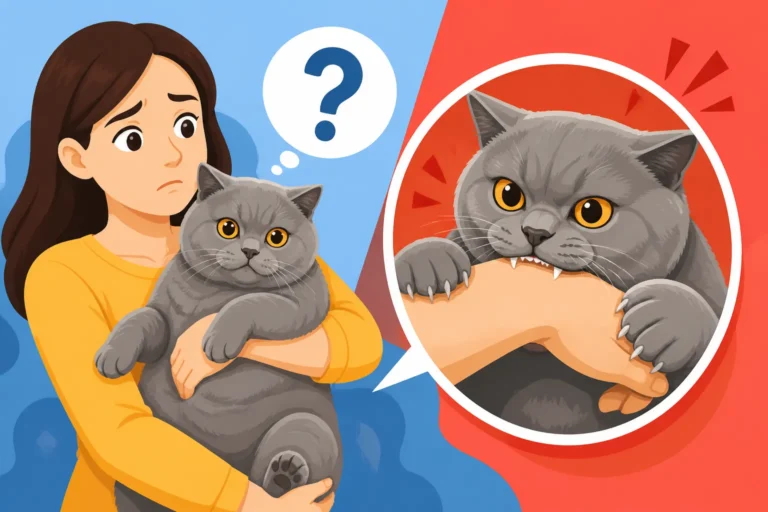
However, "less common" doesn't mean "never." A sudden change in routine, a new environment, or a prior traumatic experience could potentially trigger anxiety even in a British Shorthair. If you've ever wondered Whether a British Shorthair Gets Separation Anxiety, it's important to look for specific indicators beyond simply sitting near the door. True separation anxiety often manifests as excessive vocalization, destructive behavior, inappropriate urination or defecation, or even over-grooming, not just a quiet vigil.
The Difference Between Waiting and Worrying
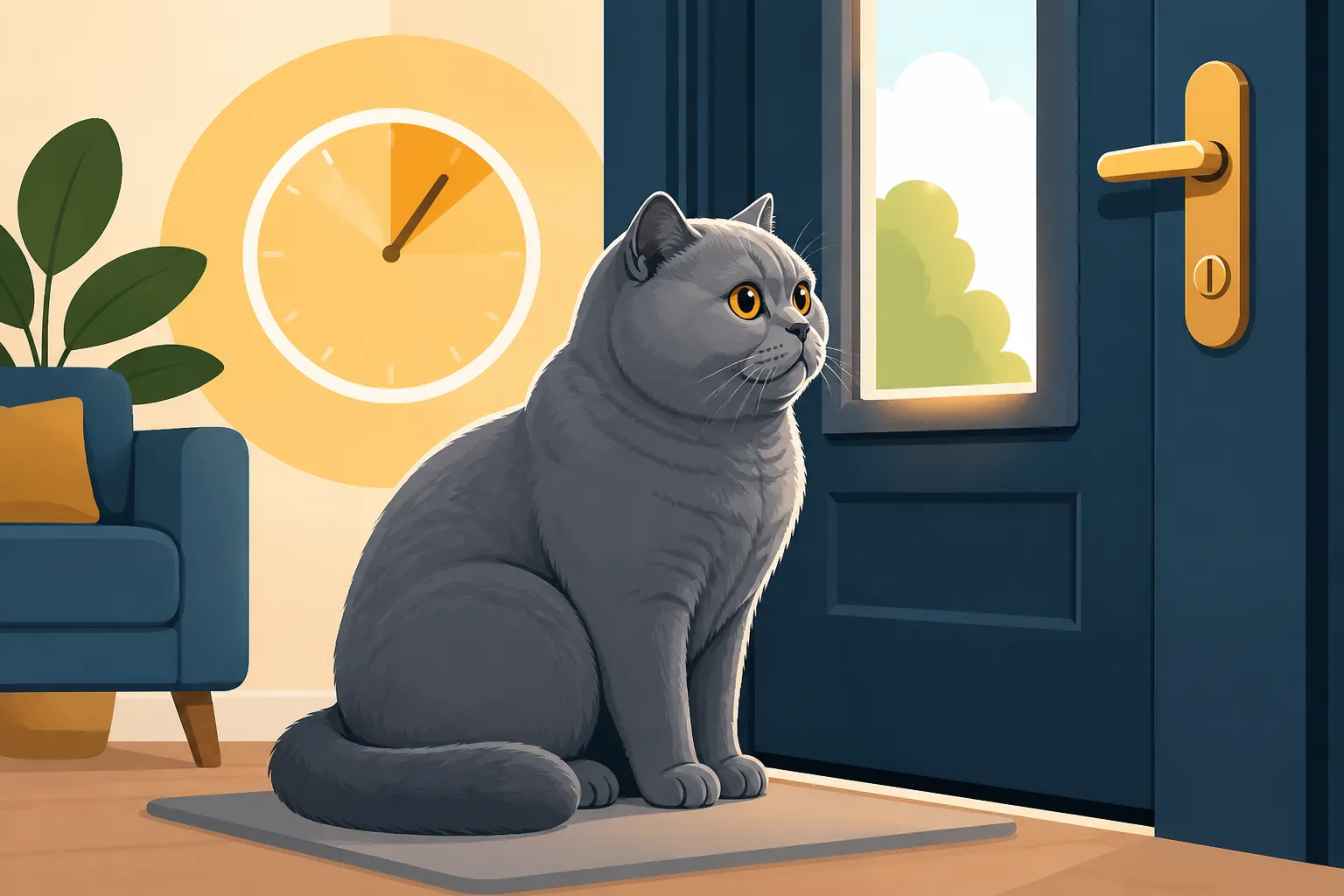
So, if a British Shorthair isn't typically prone to full-blown separation anxiety, what does it mean when they're at the door? Often, it's more about routine and observation than deep distress. Your cat knows your patterns. They know when you usually leave and when you typically come back. When they're sitting by the door, they're likely anticipating the next step in their day – which, for many British Shorthairs, involves your return and the resumption of their normal routine, including mealtimes or a favorite play session.
A British Shorthair might "wait" by the door for a few minutes after you leave, perhaps watching to see if you're really gone, or they might simply be in a spot that offers a good vantage point for when you do return. This is different from a cat frantically pacing, crying, or showing obvious signs of stress like dilated pupils, flattened ears, or trembling. A British Shorthair's waiting is often calm, observational, and part of their general awareness of their environment and your schedule. It’s a quiet expectation, not an urgent longing.
| Behavior Trait | "Waiting" (Normal) | "Worrying" (Potential Distress) |
|---|---|---|
| Body Language | Relaxed, alert, ears forward, tail loosely curled | Tense, hunched, ears flattened, tail tucked, dilated pupils |
| Vocalization | Silent, occasional soft chirp when you return | Excessive meowing, howling, distressed cries |
| Activity Level | Calmly resting, observing, eventually moves to another spot | Pacing, frantic searching, destructive behaviors |
| Litter Box Habits | Normal | Urinating/defecating outside the box (especially near the door) |
| Eating/Drinking | Eats/drinks normally when available | Refuses food/water while alone, excessive thirst when you return |
| Grooming | Regular, healthy grooming | Over-grooming, pulling out fur, skin lesions |
| Greeting Upon Return | Calm head-bonk, weaves around legs, purrs | Overly frantic, demanding attention, doesn't settle quickly |
Factors Influencing How Long Your British Shorthair Waits
The duration and intensity of your British Shorthair's door-side vigil can be influenced by a myriad of factors, ranging from their individual personality to the daily routine you've established. It's rarely a fixed amount of time and is highly individual.
Personality and Early Experiences
Just like people, every British Shorthair has a unique personality. While the breed as a whole is known for its placid nature, some individuals are simply more naturally laid-back than others. A British Shorthair who had a stable, nurturing upbringing and has always felt secure in their home environment is far less likely to fret over your absence. Conversely, a cat who experienced early trauma, frequent rehoming, or a lack of consistent care might be more prone to insecurity, which could manifest as increased door-waiting or other anxious behaviors.
Consider your cat's history. Was your British Shorthair a rescue? Did they have a smooth transition from their breeder's home? These early experiences can deeply shape a cat's sense of security and their ability to cope with solitude. Some cats are simply more attached to their human companions, even within an independent breed. These "velcro cats" might show more obvious signs of missing you, while others will genuinely be What a British Shorthair Does All Day – which is often sleeping and observing the world from a comfortable perch.
Environmental Cues and Routine
Cats are creatures of habit, and British Shorthairs are no exception. They thrive on routine, and any disruption can cause a shift in their behavior. If you always leave at the same time, return at the same time, and have a consistent pre-departure and post-arrival ritual, your British Shorthair will quickly learn to anticipate these events. They might "wait" by the door not out of sadness, but because they know your return signals dinner, playtime, or a snuggle on the sofa.
For example, if you consistently feed your British Shorthair shortly after you come home, they're likely to be keenly aware of the time and might position themselves by the door as your return approaches. This isn't worrying; it's smart anticipation! Changes to this routine, like an unpredictable work schedule or a house move, can be unsettling for a British Shorthair and might lead to them waiting more frequently or for longer periods as they try to re-establish a sense of predictability. They might be trying to understand Why a British Shorthair Hates Change.
The Lure of Enrichment
One of the biggest influences on how long your British Shorthair waits by the door, or if they even bother at all, is the level of enrichment in their environment. A bored cat is more likely to focus on your absence because there's simply nothing more engaging to do. If your home offers plenty of mental and physical stimulation, your British Shorthair will be much more occupied while you're away.
Think about puzzle feeders that dispense treats slowly, encouraging them to "hunt" for their food. Consider a sturdy cat tree with multiple levels and scratching surfaces, especially if it's placed by a window where they can watch the world go by. Interactive toys that can be set on timers or even simple crinkle balls can provide entertainment. If you’re looking for ideas, there are many great options available on Amazon to keep a British Shorthair engaged. When a British Shorthair has a rich environment, their focus shifts from the door to their own activities, helping them pass the time happily. This is especially important for Getting a Low Energy British Shorthair to Move.
Strategies to Help Your British Shorthair Cope with Your Absence
Even if your British Shorthair is largely independent, there are always ways to make your departures and their alone time even smoother. These strategies focus on positive reinforcement, routine, and ensuring their environment meets their needs.
Establishing a Healthy Departure Routine
The way you leave can significantly impact your British Shorthair's perception of your absence. Many owners make a big fuss when leaving, saying lengthy goodbyes and showering their cat with attention. While this feels natural, it can inadvertently heighten a cat's anxiety, making your departure a dramatic event rather than a normal part of the day.
Instead, try to make your departures as low-key as possible. A few minutes before you plan to leave, offer a special treat or a favorite toy. This distracts them and creates a positive association with your impending absence. Then, simply walk out the door without a prolonged farewell. When you return, similarly, keep your greeting calm. Wait a few minutes until your British Shorthair has settled before giving them attention. This teaches them that your departure and return are not big deals, just normal transitions. Over time, they’ll learn to associate your leaving with positive things and be less inclined to fixate on the door. This can also reduce the chances of them exhibiting Signs a British Shorthair Is Lonely.
Enriching Their Alone Time
The key to a content British Shorthair during your absence is a stimulating environment. You want them to have plenty to do, shifting their focus away from the empty doorway.
Here are some ideas:
- Puzzle Feeders: Instead of putting all their food in a bowl, use puzzle feeders. These make them work for their meal, engaging their minds and instincts. There are many different types, from simple treat balls to more complex mazes.
- Window Perches: British Shorthairs love a good vantage point. A sturdy window perch allows them to observe birds, squirrels, and neighborhood activity, providing hours of entertainment. Just make sure it's secure enough for their robust build.
- Interactive Toys: Look for toys that operate on a timer or react to movement. Laser pointers (used with caution and always ending with a physical toy to "catch"), feather wands attached to suction cups, or even simple crinkle balls can be rotated to keep things fresh.
- Cat TV: Some cats are fascinated by videos of birds or fish. You can find specific "cat TV" programs online or simply put on a nature documentary.
- Safe Scents: Introduce new, safe scents. A catnip-filled toy (if your cat responds to catnip) or a Feliway diffuser can help create a calming atmosphere.
- Vertical Space: British Shorthairs, despite their stocky build, appreciate vertical space. A robust cat tree provides climbing opportunities and different resting spots. You can even create safe shelves for them to explore. Remember, Which Cat Tree a British Shorthair Uses should be sturdy and accommodate their weight.
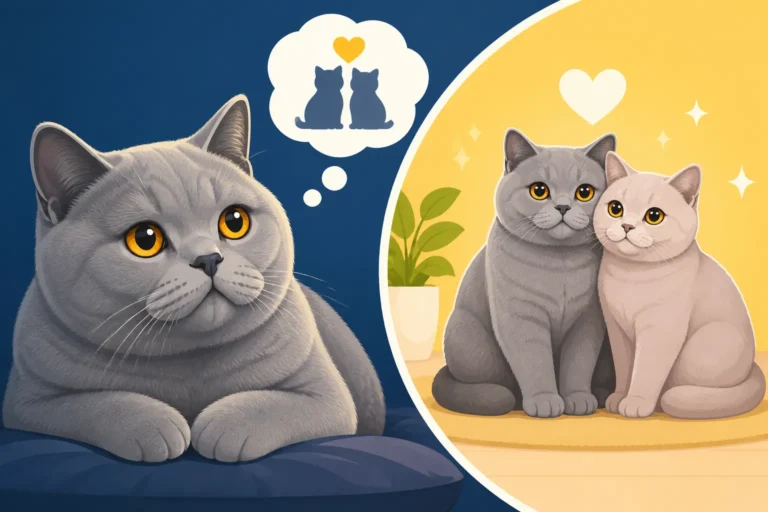
- Companion Animals: While British Shorthairs are often content alone, some benefit from a companion. If you're considering a second cat, look for a calm, compatible personality. The article When a British Shorthair Needs a Companion offers more insight.
By providing a rotating array of enrichment, you're giving your British Shorthair a full agenda, making the hours you're away enjoyable and reducing the likelihood of them simply staring at the door.
Monitoring and Intervention for Excessive Waiting
While a British Shorthair might "wait" by the door for a short period, consistent, prolonged, or distressed waiting could signal a problem. It's crucial to distinguish between normal anticipation and genuine anxiety.
If you suspect your British Shorthair is showing signs of distress rather than just patiently waiting, such as excessive vocalization, destructive behavior focused on exits, or inappropriate elimination, it's time to investigate further. You might consider setting up a pet camera (many popular brands like Arlo or Ring offer indoor cameras) to observe their behavior while you're gone. This objective view can help you understand what they're truly doing. Are they sleeping the whole time and only coming to the door five minutes before you return? Or are they pacing and crying for extended periods?
If the camera confirms anxious behavior, consulting with a veterinarian is the first step. They can rule out any underlying medical conditions that might be contributing to stress. If health issues are ruled out, your vet might recommend consulting a certified feline behaviorist. A behaviorist can help you develop a tailored plan to address your British Shorthair's specific anxieties, which might include specific training, environmental modifications, or in some cases, temporary anti-anxiety medication to help them through a particularly difficult period. Understanding How a British Shorthair Copes With a Full Working Day means observing them closely and reacting to their needs.
Disclaimer
This article is for general informational purposes only and does not constitute professional advice. Laws, prices and regulations vary by location and change over time. Consult a qualified professional for guidance on your specific situation.