When a British Shorthair Needs a Second Cat
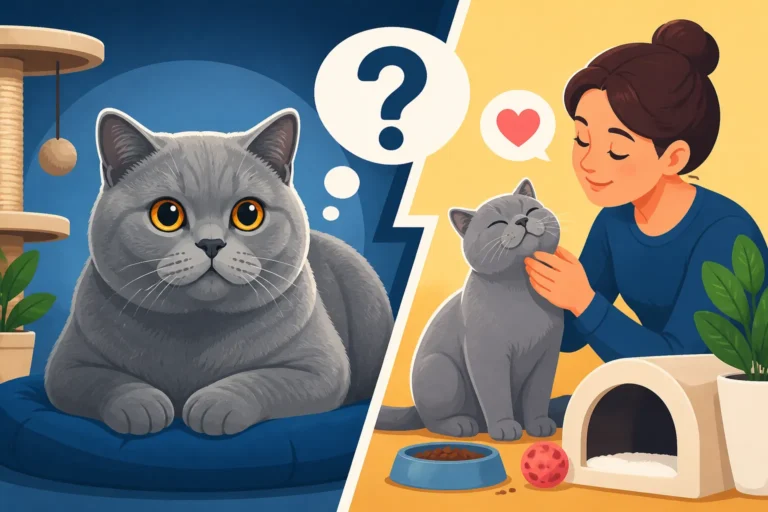
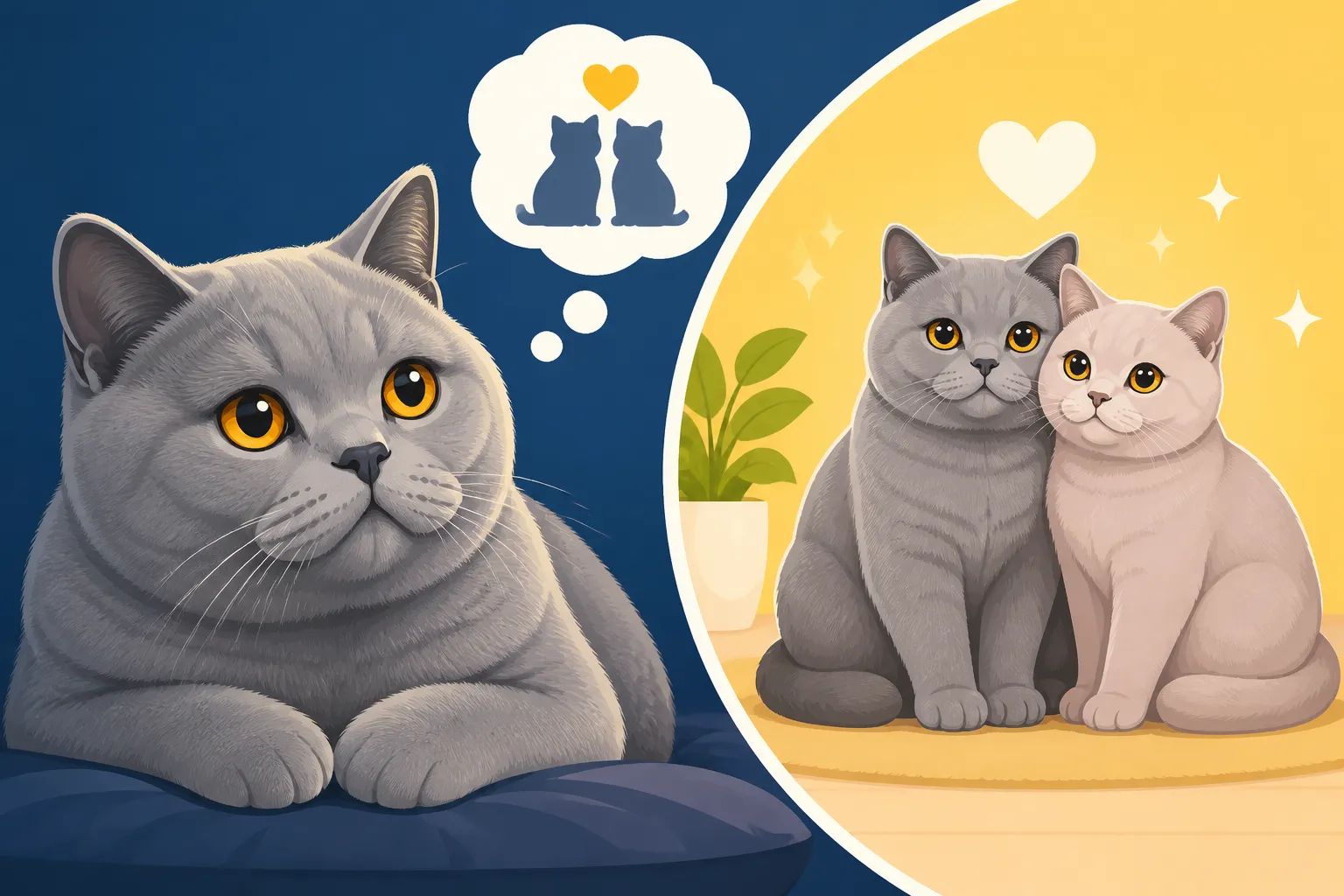
It's a common misconception that our beloved British Shorthairs are entirely solitary creatures, perfectly content to be the only furry monarch ruling the household. While they certainly appreciate their personal space and quiet dignity, the truth is a little more nuanced. Many BSH owners find themselves wondering if their quiet companion might actually benefit from a feline friend, especially if they're out of the house for long stretches. This guide will help you understand the social dynamics of the British Shorthair and navigate the decision of whether to introduce a second cat into your home.
Understanding the British Shorthair's Social Needs
British Shorthairs have a reputation for being calm, independent, and perhaps a touch aloof. They're not typically "lap cats" in the way some breeds are, preferring to sit near you rather than on you. This reserved demeanor often leads people to believe they thrive in solitude, but that's not always the full picture. Like all domestic cats, they have social needs, even if those needs are expressed differently than in more boisterous breeds.
The Independent But Not Isolated Nature
Your British Shorthair might enjoy a good nap in a sunny spot, a quiet stroll through the house, or a focused session of bird-watching from a window perch. They aren't usually demanding of constant attention, and they're generally quite adept at entertaining themselves for periods. This independence is one of their most charming traits, making them excellent companions for individuals or families with busy schedules. However, "independent" isn't the same as "anti-social." They still form deep bonds with their human family members and can experience emotional distress when left alone for too long or when their environment lacks sufficient mental and physical enrichment.
Consider their ancestry: while they've been refined over centuries, their forebears were likely community cats, even if those communities were loose. They observed, they interacted, they learned. A modern British Shorthair retains some of that innate desire for interaction, albeit often on their own terms. It's less about constant physical contact and more about shared presence and subtle communication. They might not cuddle, but a contented blink from across the room is their version of a warm embrace.
When Solitude Turns into Loneliness
The line between comfortable independence and genuine loneliness can be surprisingly thin for a British Shorthair. If you're out of the house for the better part of a workday, or if your home environment has recently changed – perhaps children have grown up and moved out, or a human companion is no longer present – your cat's perceived solitude might shift. A cat that once seemed perfectly content with its own company might start to exhibit signs of boredom or distress.
Imagine a British Shorthair who spends eight to ten hours a day alone. Even with toys and window views, that's a significant portion of their waking hours without social interaction. While they aren't prone to separation anxiety in the dramatic way some dogs are, the prolonged absence of their primary companions can lead to a quiet, accumulating sense of isolation. This isn't always immediately obvious because Why a British Shorthair Hides Pain, but over time, it can impact their overall well-being. A second cat can offer a consistent presence, a playmate, and a source of feline companionship that no human, no matter how devoted, can fully replicate.
The Impact of a Sedentary Lifestyle
British Shorthairs are not known for their boundless energy. They are generally calm and often prefer napping to vigorous exercise. This can lead to a more sedentary lifestyle, and while that's part of their charm, it also means they might not be burning enough calories or getting enough mental stimulation. A lack of activity can contribute to health issues like obesity, which is a serious concern for the breed. Obesity Is the British Shorthair's Real Disease.
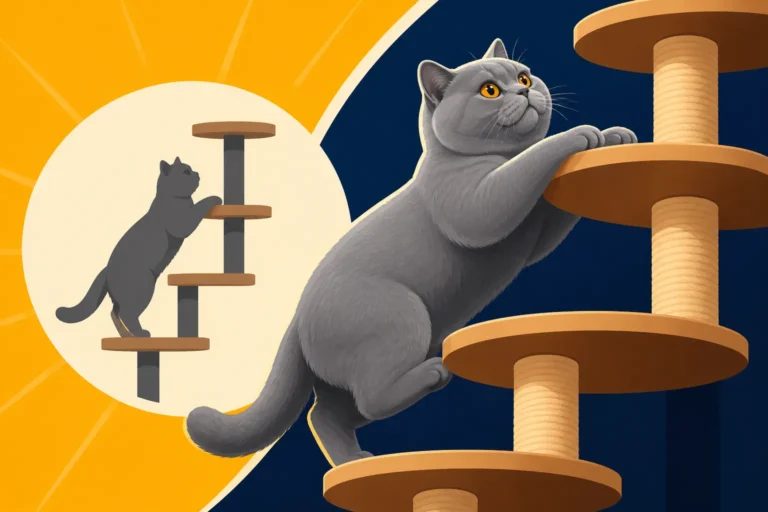
Introducing a compatible second cat can sometimes be a surprisingly effective way to encourage more activity. Even if it's just gentle wrestling, chasing a toy across the living room, or engaging in a slow-motion stalk-and-pounce game, these interactions add valuable physical and mental enrichment. Two cats might even spur each other to explore new heights on a sturdy cat tree you purchased from Amazon, which might otherwise sit unused by a single, less motivated British Shorthair. The dynamic between two cats can create a more stimulating environment, alleviating boredom and potentially contributing to a healthier weight and happier outlook.
Spotting the Signs Your British Shorthair Needs a Friend
Our British Shorthairs are masters of subtle communication. They don't usually yowl dramatically about their feelings of loneliness or boredom. Instead, their distress might manifest in changes that, at first glance, you might attribute to age, stubbornness, or just "being a cat." Learning to read these quieter cues is crucial in determining if a companion cat would truly benefit your feline friend.
Behavioral Changes That Signal Loneliness
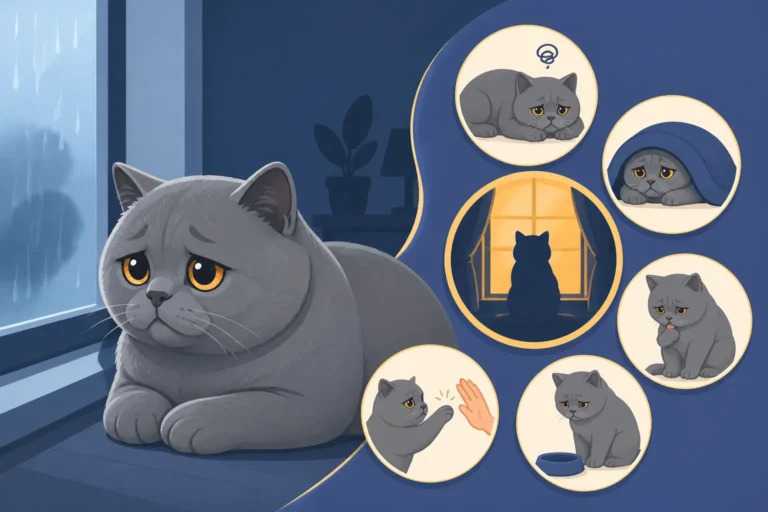
One of the first places to look for signs of loneliness or boredom is in your cat's routine behaviors. Has your British Shorthair, normally quite predictable, started acting a bit… off? Perhaps they're sleeping even more than usual, seeming lethargic even when you are home. Or, conversely, they might become more clingy, constantly seeking your attention the moment you walk through the door, only to retreat again once you settle down. This isn't normal clinginess; it's an urgent plea for interaction after hours of quiet.
Another common sign can be a change in appetite or litter box habits. While these can indicate medical issues, which should always be ruled out by a vet first, sometimes a lonely cat might eat less, or become picky. They might also start having "accidents" outside the litter box, particularly if the problem is boredom or stress rather than a physical ailment. A cat that suddenly starts over-grooming, creating bald patches, could also be trying to self-soothe due to anxiety. These are all subtle indicators that their environment or social life might not be meeting their needs.
| Behavior Change | Potential Meaning for British Shorthair | What to Observe |
|---|---|---|
| Increased Lethargy/Excessive Sleep | Boredom, lack of stimulation, depression | Is it beyond normal BSH calm? Are they less responsive? |
| Excessive Clinginess/Neediness | Seeking interaction, feeling isolated | Do they follow you everywhere, even to the bathroom? |
| Destructive Scratching/Chewing | Unused energy, anxiety, attention-seeking | Is it focused on new areas, not just usual posts? |
| Inappropriate Urination/Defecation | Stress, protest, seeking attention, medical | Is it sudden? Is the litter box clean? |
| Over-grooming/Hair Loss | Anxiety, stress, self-soothing | Are there bald spots? Is grooming obsessive? |
| Reduced Appetite | Stress, depression, boredom | Are they leaving food or eating slowly? |
| Increased Vocalization (rare for BSH) | Demanding attention, distress | Are they chirping or trilling more than usual? |
Destructive Habits and Boredom
A bored British Shorthair might turn its intelligent mind and substantial paws to less-than-ideal activities. If you come home to scratched furniture that was previously ignored, or find items knocked off shelves more frequently, it might not be naughtiness but a cry for engagement. Boredom can manifest as destructive behavior simply because your cat needs something to do, something to interact with, and your expensive sofa might be the most convenient target.
Consider how much of their natural hunting instincts are being met. An indoor British Shorthair doesn't have mice to chase. If they don't have enough engaging toys or opportunities for "prey play" with you, that energy has to go somewhere. A second cat, particularly one with a slightly more playful demeanor, can sometimes channel this energy into appropriate feline-to-feline interaction. They might chase each other, engage in mock battles, or even just sit and watch the world go by together, finding companionship in shared observation. Offering a variety of enrichment toys from places like Amazon can help, but sometimes, another cat is the missing piece.
Health Implications of Social Isolation
While not always immediately obvious, prolonged loneliness or stress can take a toll on a British Shorthair's physical health. Chronic stress can suppress the immune system, making them more susceptible to illnesses. It can also exacerbate existing conditions or contribute to the development of new ones. For example, a stressed cat might be more prone to urinary issues, which are already a concern for male cats. Urinary Problems in a British Shorthair.
A British Shorthair that is mentally stimulated and socially content is generally a healthier cat. The comfort and predictability of having another feline presence can reduce stress levels, potentially improving their immune response and overall resilience. While a new cat won't cure all ailments, addressing underlying emotional needs can significantly contribute to a British Shorthair's longevity and quality of life. Thinking about The Twelve to Seventeen Years a British Shorthair Gets, ensuring their emotional needs are met throughout their lifespan is paramount.
Important Considerations Before Adding Another Cat
Deciding to bring a second cat into your home is a big step, not just for you but for your resident British Shorthair. It's not a decision to be made lightly or impulsively. There are several crucial factors to weigh carefully to ensure a smooth transition and a harmonious multi-cat household. After all, you're not just getting a new pet; you're creating a new family dynamic.
Assessing Your Current British Shorthair's Temperament
The personality of your existing British Shorthair is perhaps the most critical factor. While generally laid-back, some BSH are truly "one-cat wonders" who prefer to rule their domain without competition. Others, particularly if they grew up with littermates or were part of a multi-cat household early in life, might be more amenable to a companion.
Think about how your cat reacts to other animals. Do they glare out the window at passing strays? Do they hiss or hide when a friend's dog visits? Or are they merely curious, perhaps observing from a distance? A truly territorial or aggressive British Shorthair will likely struggle with a new arrival, no matter how carefully you introduce them. If your cat has a history of stress, fear, or aggression around other animals, then adding a second cat might unfortunately cause more problems than it solves. On the other hand, if your cat seems generally calm and tolerant, or perhaps a bit bored, a new companion could be just what they need. Pay close attention to What a British Shorthair's Temperament Is Really Like to make an informed decision.
Preparing Your Home and Resources
Bringing a second cat means doubling up on many things. You'll need more litter boxes – the general rule of thumb is one box per cat, plus one extra, so for two cats, you'd ideally want three. These should be large and easily accessible, given the British Shorthair's sturdy build. You'll also need separate food and water bowls, and ideally, multiple feeding stations to prevent competition, especially crucial when trying to Portion Control Is the Whole Job With a British Shorthair.
Beyond the basics, consider vertical space. British Shorthairs might not be champion climbers, but they do appreciate different levels. Are there enough cat trees, shelves, or even just high-up perches where each cat can retreat and feel safe? Resources like scratching posts and beds should also be plentiful and scattered throughout the house to avoid conflict. Financially, remember that two cats mean double the food, litter, and crucially, double the potential vet bills. You'll also need separate carriers (easily found on Amazon), and ensure you have enough budget for initial vet checks for the new cat, including vaccinations and any necessary health screenings. What the British Shorthair Health Screening Costs for one cat is significant, so budget accordingly for two.
Choosing the Right Companion
If you've decided a second cat is right for your British Shorthair, the type of companion you choose is paramount. Generally, a younger cat or a kitten with a calm, friendly, and non-confrontational personality tends to integrate best with a British Shorthair. An older, equally laid-back cat could also be a good match, but avoid highly energetic or dominant personalities that might overwhelm your placid BSH.
Look for a cat that has a history of getting along well with other felines, ideally one that has lived in a multi-cat environment before. Rescues and shelters often have a good understanding of their cats' personalities and can offer valuable insights. You might even consider another British Shorthair, as they share similar temperaments and play styles. A cat that's too playful or demanding could annoy your BSH, leading to stress. The goal is to find a companion who will complement your British Shorthair's nature, offering quiet company and gentle interaction rather than constant high-energy antics.
The Art of a Smooth Introduction
Bringing a new cat into a British Shorthair's established territory requires patience, strategy, and a calm demeanor from you. Rushing the introduction process is almost guaranteed to create tension and could lead to a relationship built on fear or hostility, which is the last thing you want. The key is to go slowly, respect both cats' boundaries, and allow them to adjust at their own pace.
Setting Up a Sanctuary Space
The very first step is to create a dedicated "sanctuary room" for your new cat. This should be a quiet space – a spare bedroom, a large bathroom, or even a utility room – where the new cat can feel safe and secure without direct interaction with your resident British Shorthair. This room should contain everything the new cat needs: food, water, a litter box, a bed, scratching post, and toys.
During the initial days, the new cat stays exclusively in this room. This allows them to decompress from the stress of moving and to get used to the sights, sounds, and smells of their new home. It also gives your British Shorthair time to register the presence of a new feline in the house without feeling directly threatened. You'll spend time with both cats separately, giving each one attention and reassurance. This separate space is critical for laying a positive foundation for their future relationship.
Gradual Scent and Sight Introductions
After a few days of the new cat settling into their sanctuary, you can begin scent swapping. Gently rub a soft cloth on each cat's cheeks and flanks (where their scent glands are) and then swap the cloths. Place the new cat's scent cloth in your British Shorthair's favorite sleeping spot and vice-versa. This allows them to become familiar with each other's scent in a non-threatening way. You can also feed them on opposite sides of the closed door to the sanctuary room, associating the other cat's scent with a positive experience like mealtime.
Once they seem comfortable with scent swapping and eating near the door, you can move to supervised sight introductions. Use a baby gate, a screen door, or crack the door slightly open to allow them to see each other from a distance. Keep these initial visual interactions short and positive. Offer treats or engage them in separate play during this time. If there's any hissing, growling, or signs of aggression, calmly separate them and try again for a shorter duration later. Remember, a British Shorthair prefers slow and steady, so don't push them too hard.
Supervised Playtime and Reinforcement
Once both cats are tolerating brief visual contact without stress, you can move to supervised, shared playtime. Use wand toys, feather teasers (many available on Amazon that are British Shorthair approved!), or laser pointers to encourage play. The key is to have two separate toys and engage both cats, preventing any competition and encouraging them to associate each other's presence with fun. If your British Shorthair is notoriously lazy, this might be a challenge, as Play for a British Shorthair That Would Rather Not is a real thing! But a new companion might just spark that latent playfulness.
Always end these sessions on a positive note. Praise both cats, offer treats, and if things go well, allow them to relax in the same room for a short period before separating them again. Over time, you can gradually increase the duration of their shared time, always monitoring their body language for any signs of stress or aggression. It can take weeks, even months, for two cats to truly bond, but with patience and positive reinforcement, your British Shorthair may just find the companion they never knew they needed.
Disclaimer
This article is for general informational purposes only and does not constitute professional advice. Laws, prices and regulations vary by location and change over time. Consult a qualified professional for guidance on your specific situation.